Marcus Lee of LEEP Architects talks to AT about materials investigation, experimentation, designing for change and an ‘agri-industrial’ ethos that celebrates the raw aesthetic of agricultural infrastructure.
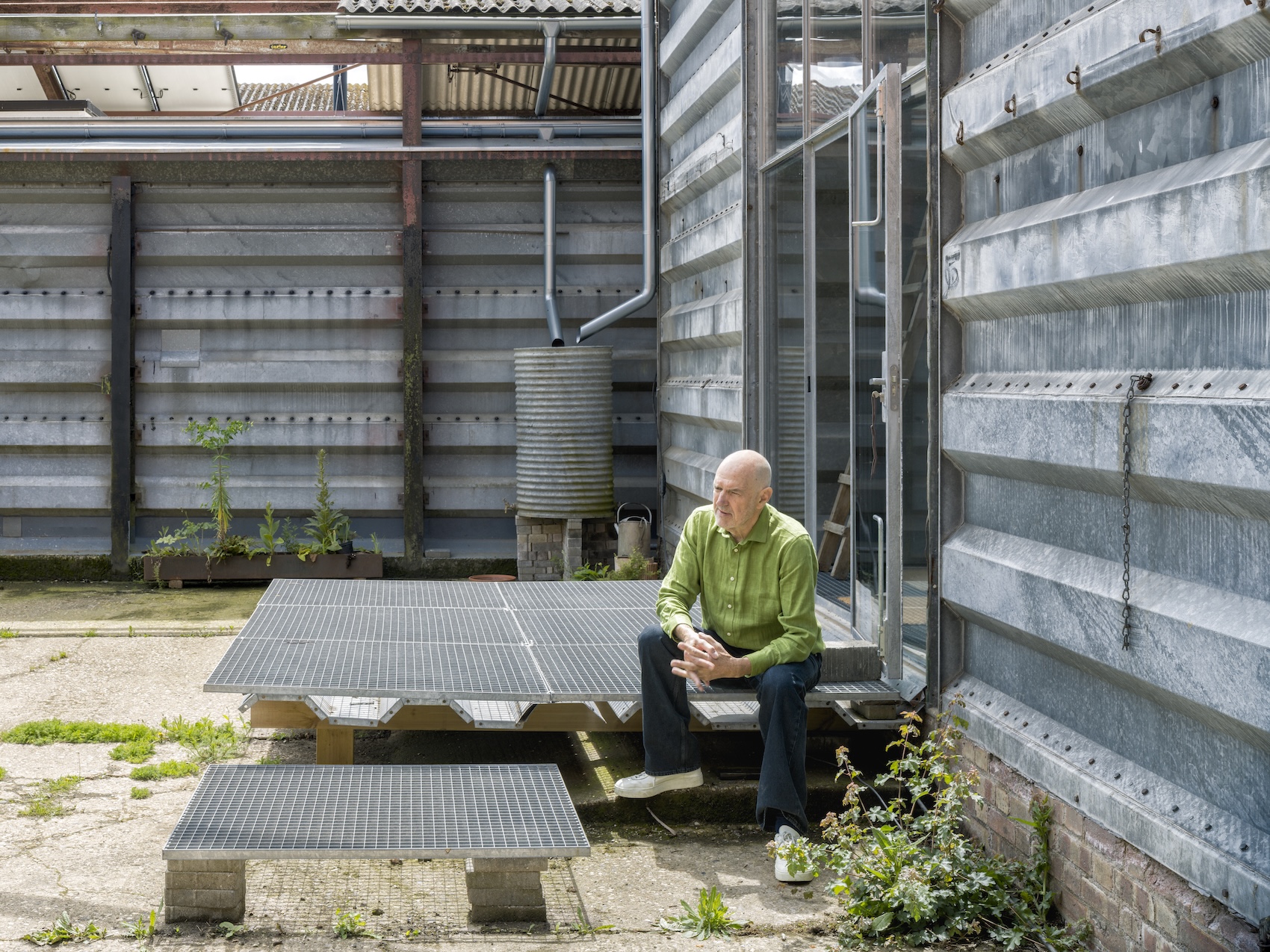
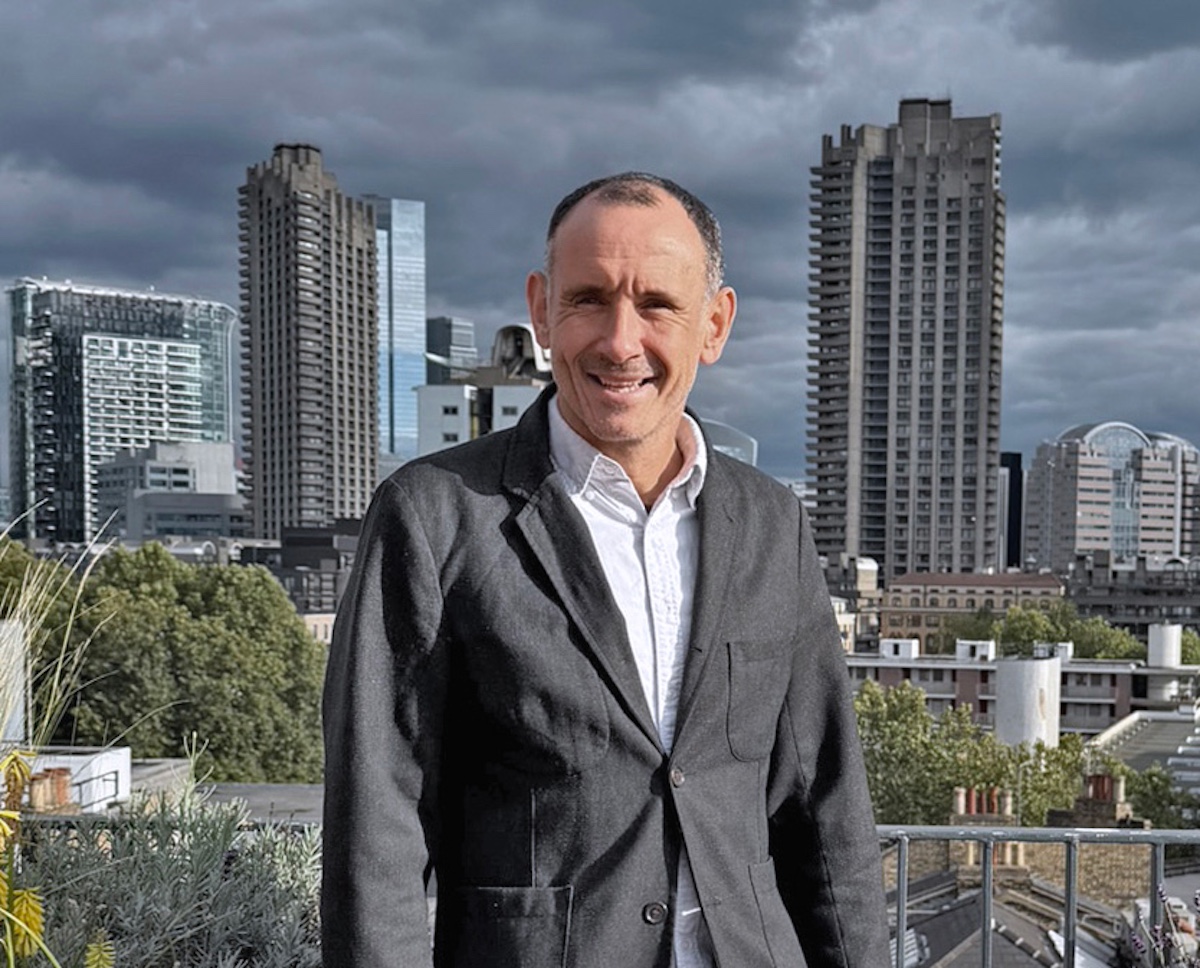
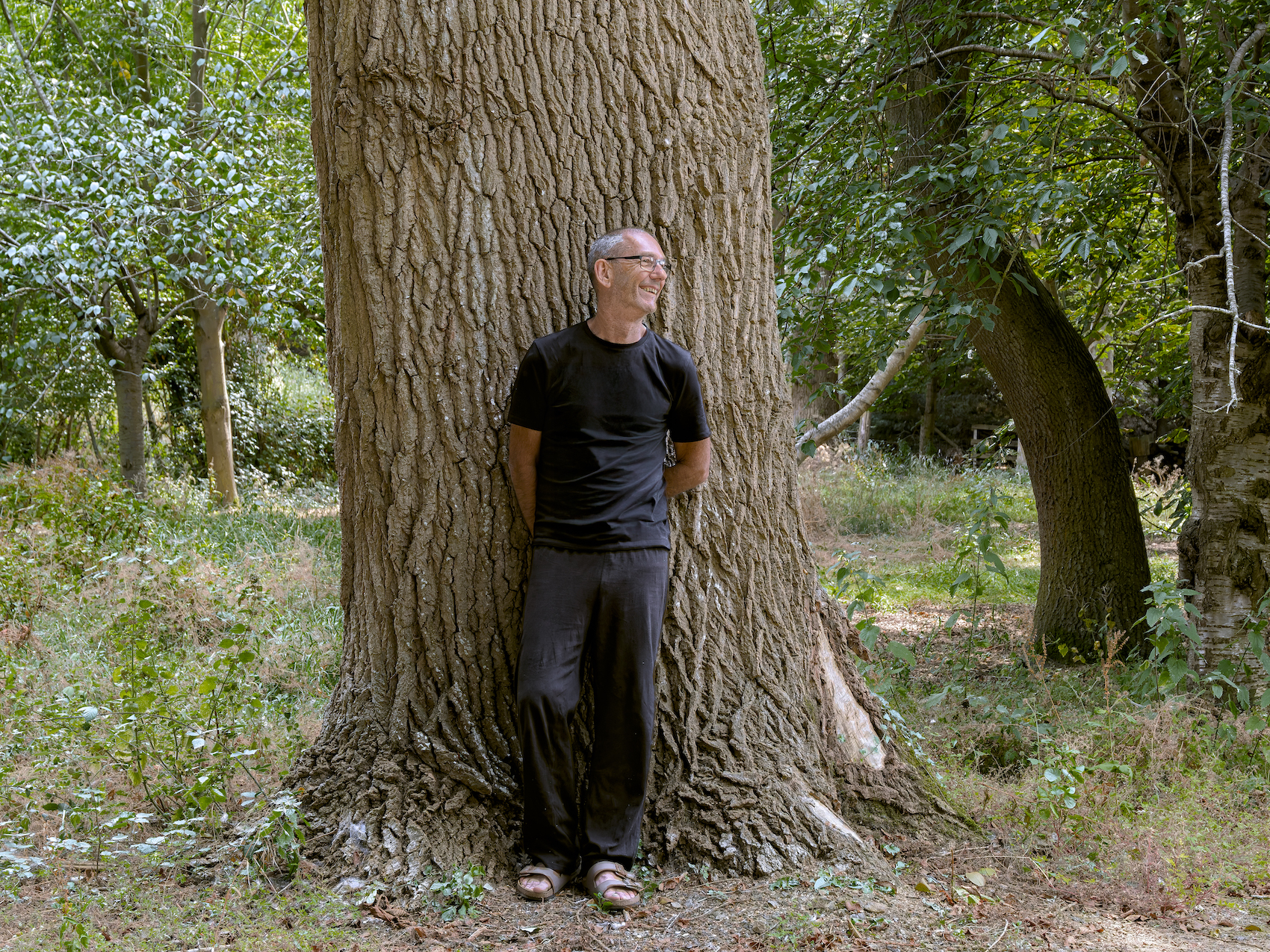
Marcus Lee, founder LEEP Architects
My mantra is ‘design for change’. This is most relevant during the design process, but also in a building’s life beyond as it allows for the dismantling of components for re-use. That idea of flexibility was enforced by working with Richard Rogers for so long.
We didn’t want to prettify the countryside with another barn conversion. When we transformed a series of farm buildings into a home, The Drift, we tried to re-use as many of the existing elements as possible. We took an approach that my partner, Corinna Dean, has coined as ‘agri-industrial’. Keeping rather than demolishing. We have kept the awkwardness and rawness of twentieth-century agricultural infrastructure.
We inherited a lot of concrete hardstanding. It’s quite brutal, but that encouraged us to think about how we could work with it from a landscaping perspective. Corinna chose to nurture the plants that were already growing through the cracks in the surface.
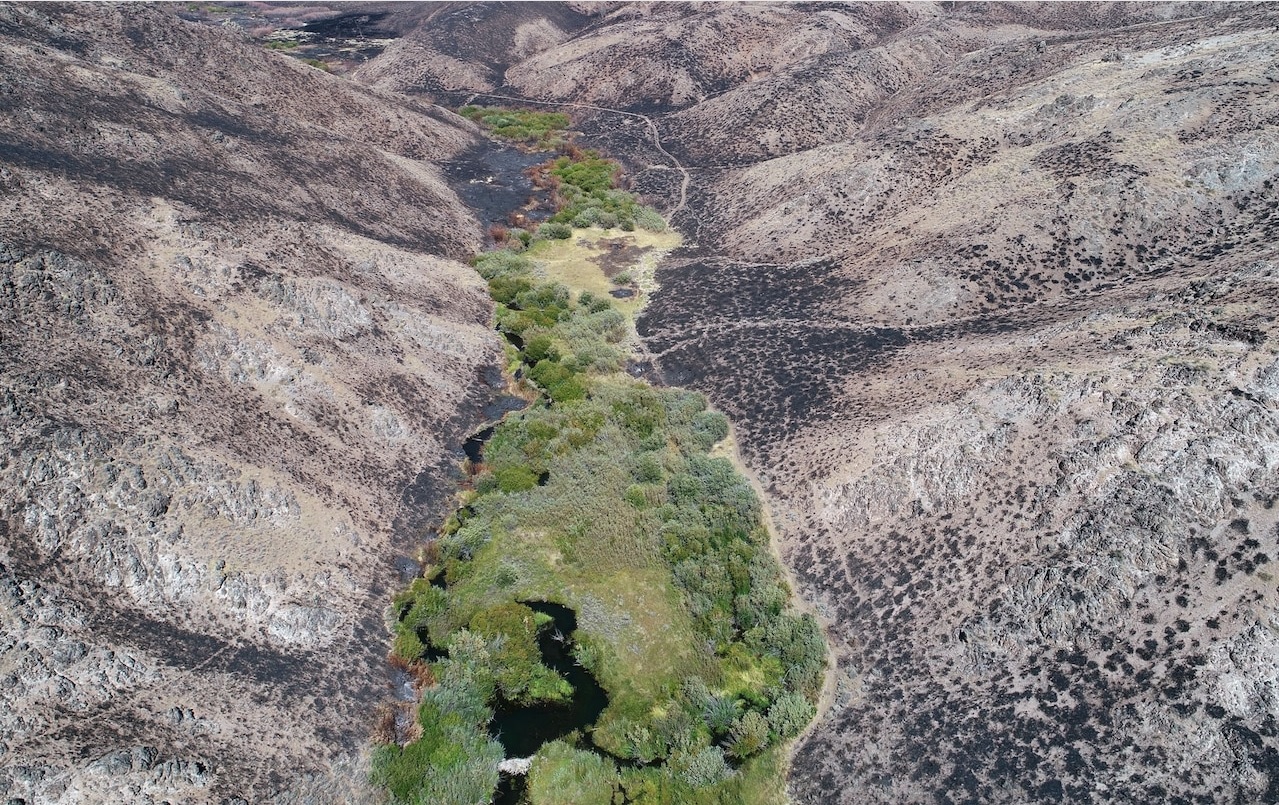
I am surrounded by nature. As well as rewilding the landscape, Corinna introduced floating reed beds on a former horse pond, which clean the water and provide nesting space for moorhens, ducks and coots.
I’m also surrounded by materials research, like the handmade bio receptive bricks I made at local brick factory with architecture students. I’ve been working closely with the factory to explore more sustainable brick products. .
Using sheets of steel cladding as planting containers, or to build the structure for outdoor decking is one of many ways I try and find ways to re-use materials.
Whilst mainly working with local suppliers, we also go further afield, like using recycled Harris tweed wool as insulation bats.
Poland has a strong interest in research based and experimental architecture. I often participate in architecture festivals and conferences there as a way to gain and share knowledge.
As a sole practitioner, my legacy is in the buildings. Working with likeminded collaborators, our succession exists in our projects.