Steve Melvin of Atelier Architecture & Design asks what makes architecture timeless – the building itself, or the principles from which it was conceived.
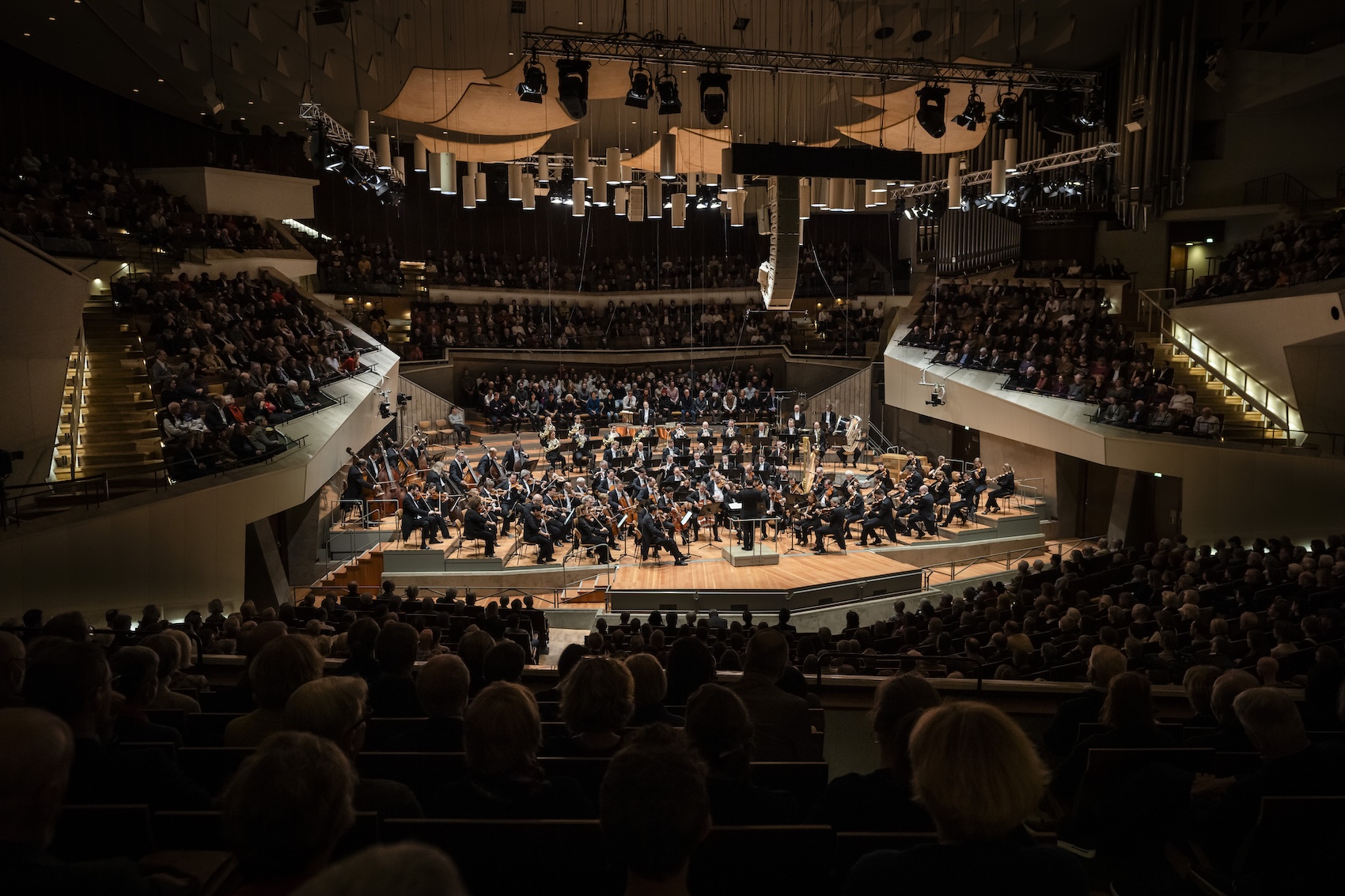
Berliner Philharmonie. (Credit: Stephan Rabold)
In November 1995, I attended a performance of late Beethoven piano sonatas at Hans Scharoun’s Berlin Philharmonie. What I remember is not simply the extraordinary clarity of Alfred Brendel’s playing, but the quiet anticipation of the audience and a profound sense of shared presence. The space felt enclosed yet alive, its articulated geometry gathering us around the music, giving form to an experience both intensely personal and collective. Thirty years later, I remember not only the building, but the experience it shaped.
Perhaps timelessness has less to do with the way a building looks, than the way it interacts with the experiences it makes possible. The architectural historian Peter Blundell Jones explored this territory through his studies of an alternative modernist tradition, particularly Scharoun, Häring and Aalto. He challenged the idea of architecture as an autonomous object, emphasising its setting, social purpose and patterns of human activity. In Working with the Given, he observed that “every act of architecture is not so much an act of raw creation or personal will, as the modification of an existing place.” Architecture belongs to a living continuum of landscapes, cultures, memories and human experience. Its lasting value may depend upon how intelligently it engages with these evolving circumstances, and how generously it accommodates change.
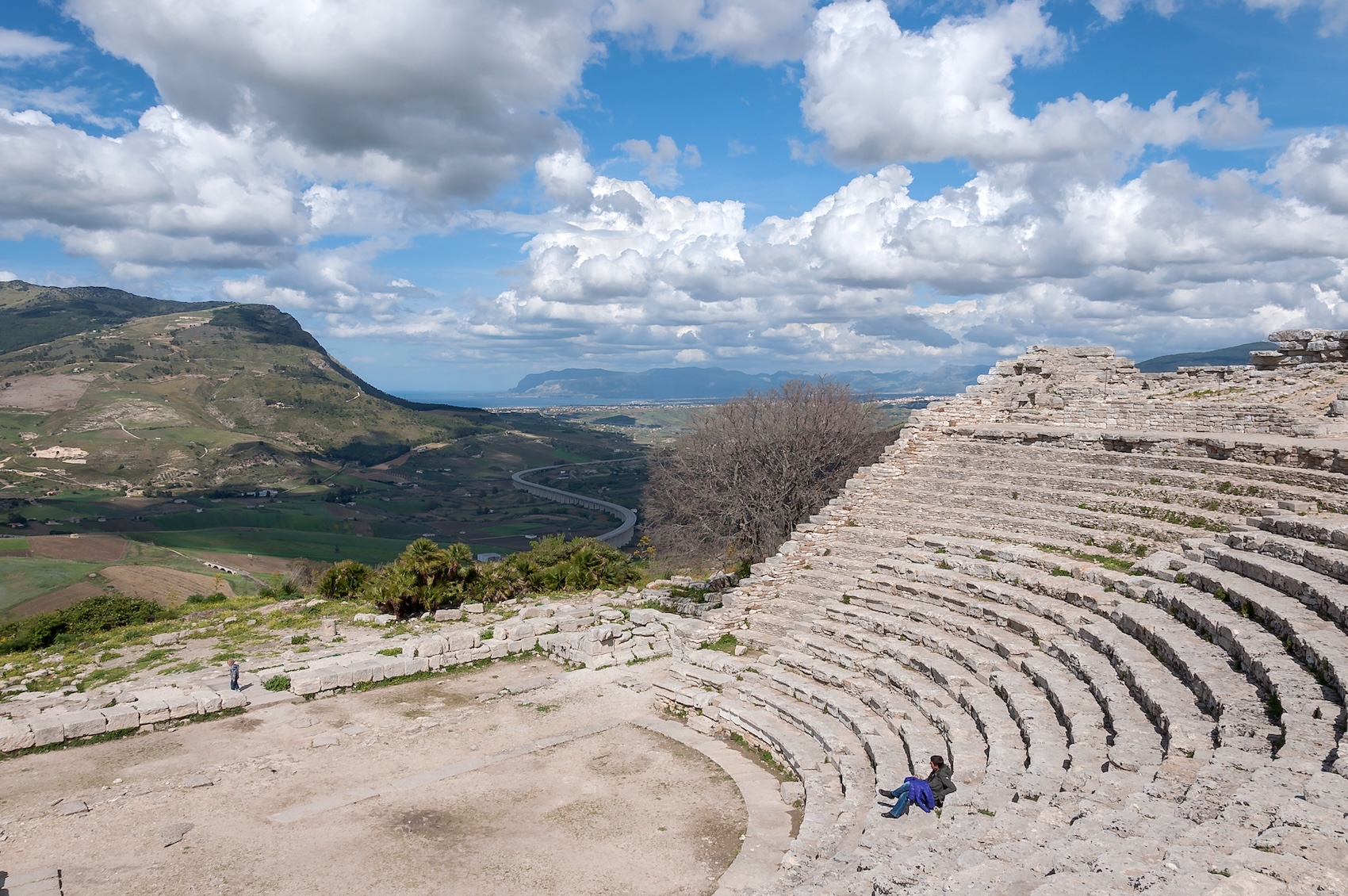
Greek Theatre, Segesta. (Credit: Isiwal / Wikimedia Commons / CC BY-SA 3.0. Permission: Granted under Creative Commons licence.
The ancient Greek theatre at Segesta, Sicily, offers an extraordinary example. Set high on Monte Barbaro, its semicircular tiers follow the hillside, opening towards mountains and valleys. Stone, topography, light and horizon become inseparable from the experience of gathering for performance.
More than two thousand years later, much of its architectural fabric has been lost and its original cultural circumstances have changed. Yet the relationship between landscape, gathering and place remains remarkably powerful. Its significance lies not simply in what has survived, but in what can still be experienced.
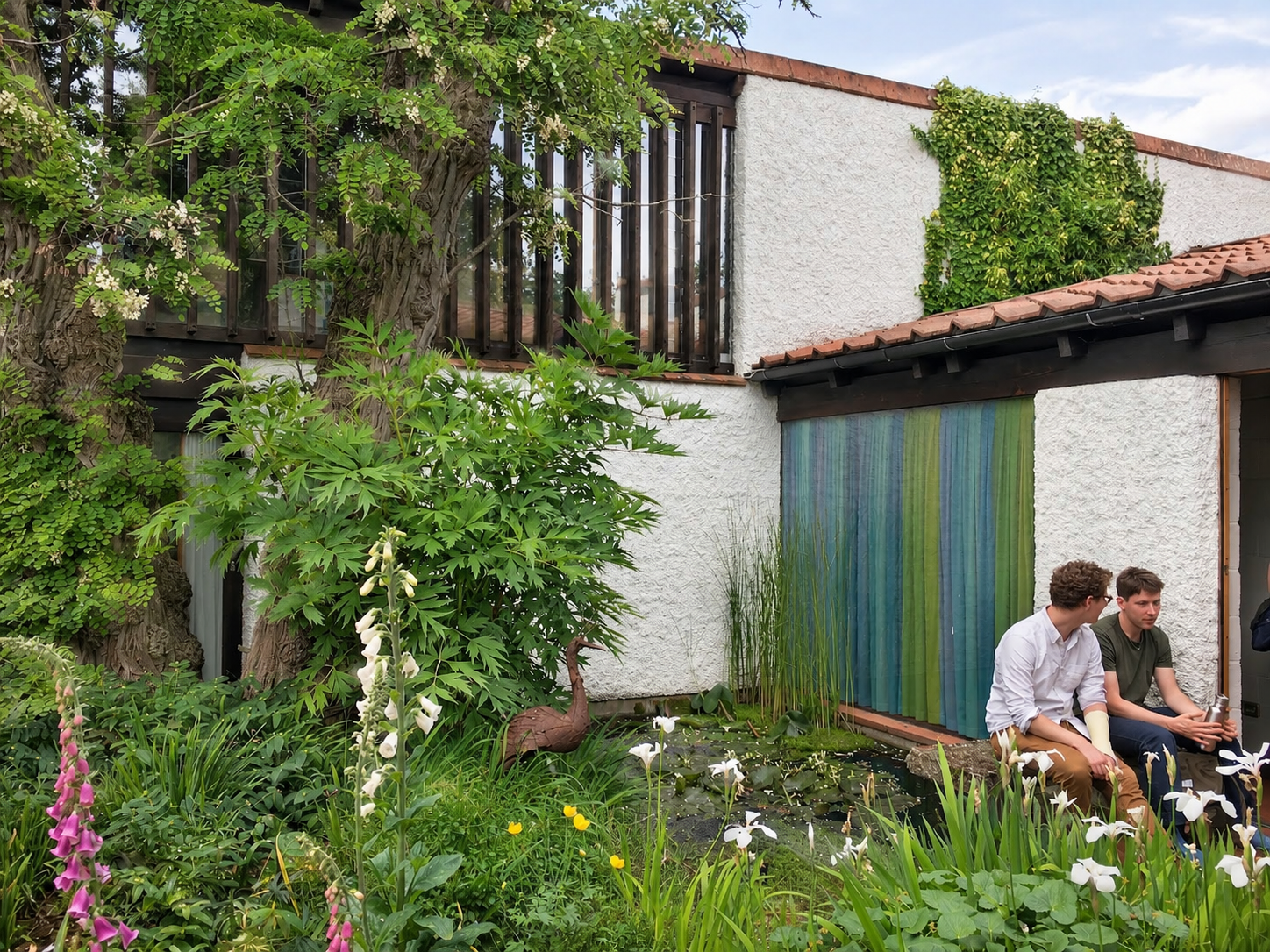
Turn End. (Credit Jason Sayer)
At Turn End in Buckinghamshire, Peter Aldington explored a quieter expression of this relationship. Completed in the late 1960s, the house and garden form an integrated environment. Rooms open towards planted courtyards; views extend across thresholds; domestic life unfolds through changing light and seasons. As the garden matures, the architecture acquires new dimensions. Time becomes an active participant rather than something to be resisted. Distinctly of its time, Turn End endures through the care with which it accommodates the rituals of everyday life.
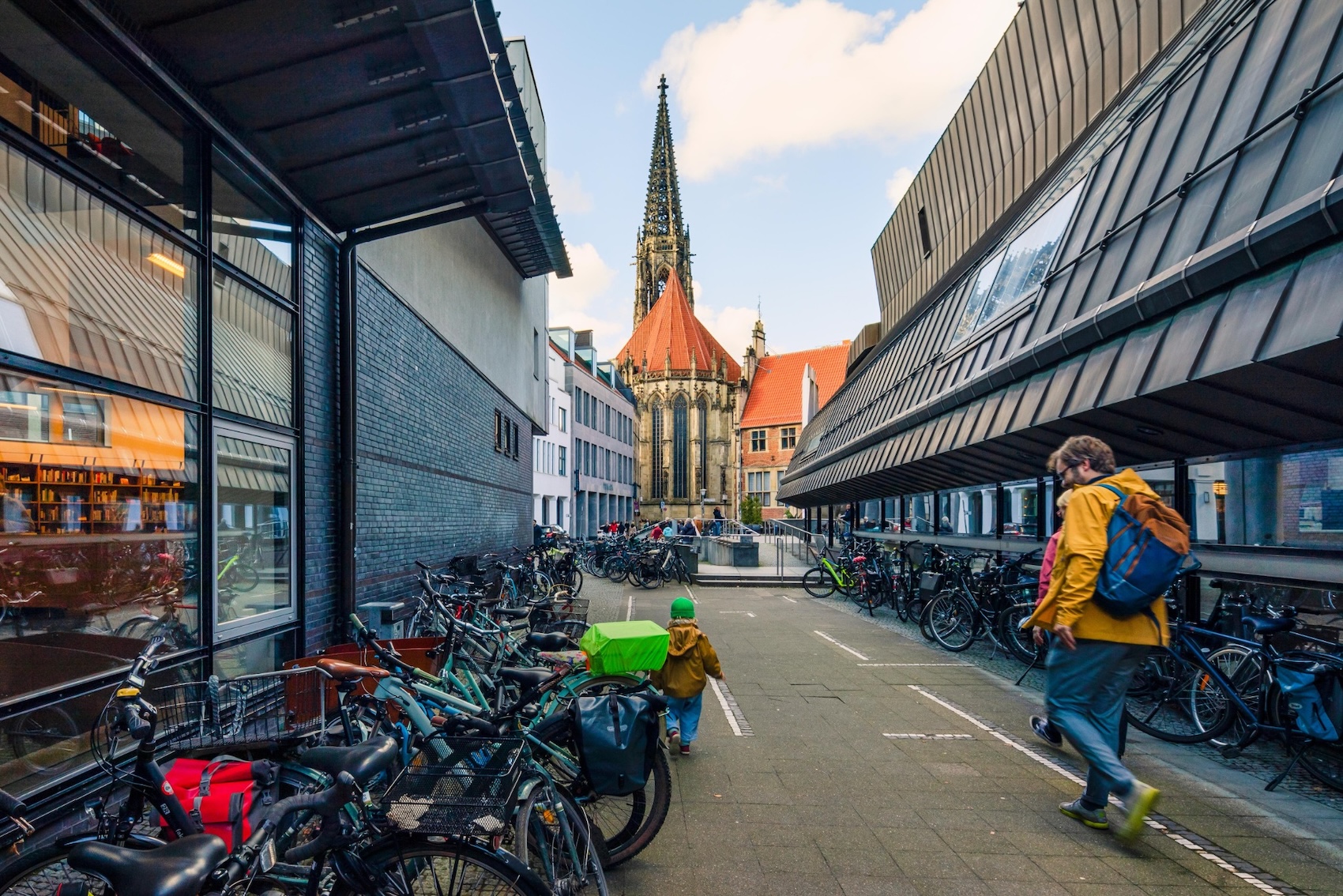
Münster City Library.
At Münster City Library, completed in 1993, Bolles Wilson brought a similarly attentive approach to the historic city. Two contrasting volumes establish a pedestrian passage oriented towards St Lambert’s Church, extending the network of public spaces through the library itself.
The architecture is distinctly contemporary, yet responsive to the urban grain and movement of people. Its significance extends beyond formal composition to the encounters and connections it enables.
Blundell Jones identified Peter Wilson among the architects influenced by Scharoun, whose work demonstrated how spatial organisation could express social life. Münster offers a contemporary interpretation of how spatial organisation can support social life in its urban context.
These examples span centuries, cultures and scales, yet each suggests that architecture acquires lasting significance through relationships extending beyond the immediate brief. But can timeless principles be recognised before a building has endured the test of time?
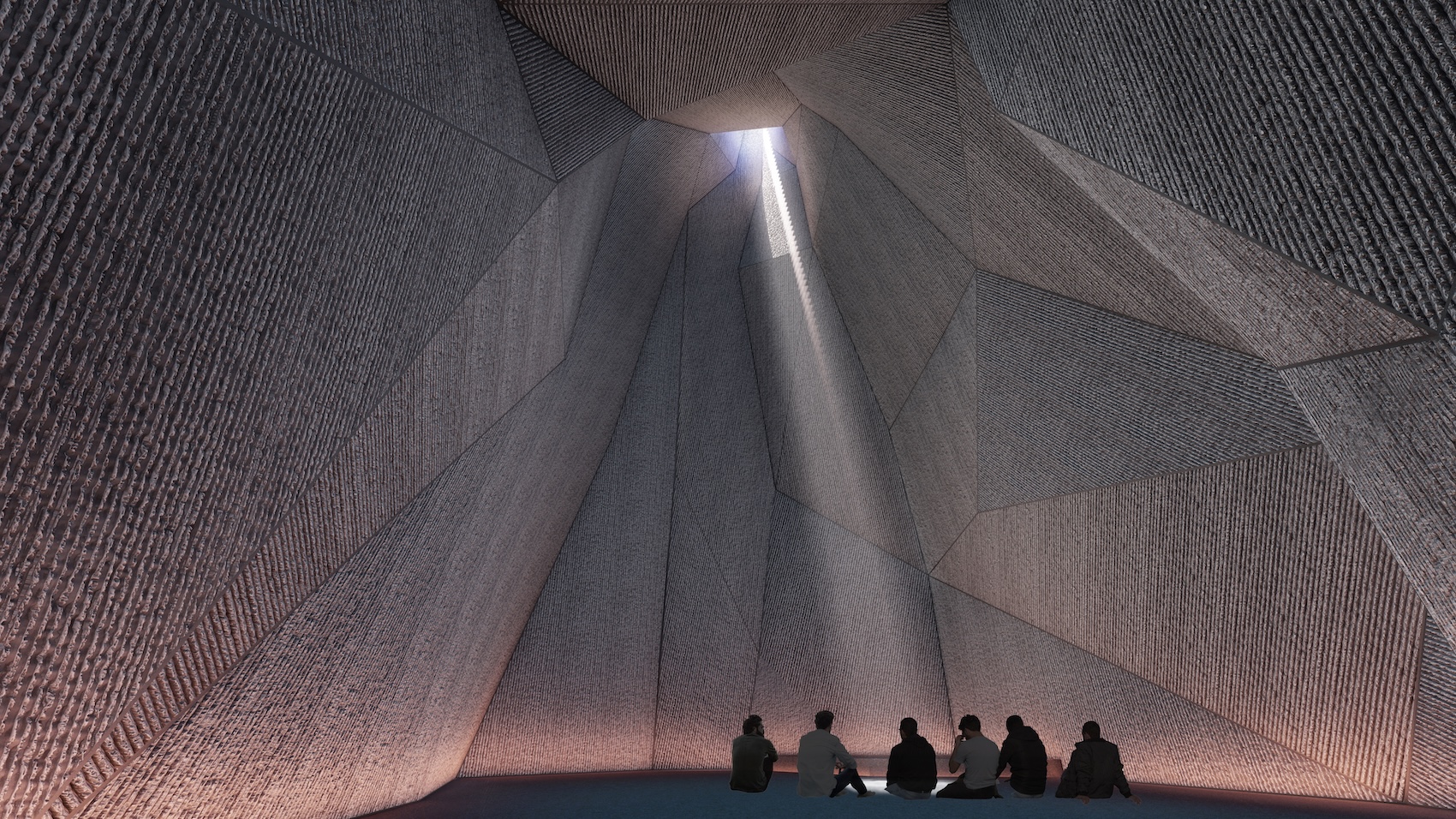
Küçükçekmece Djemevi. (Credit: EAA – Emre Arolat Architecture Archives)
Emre Arolat Architecture’s proposed Küçükçekmece Djemevi in Istanbul offers a provocative contemporary example. Conceived for the Alevi community, it gives spatial expression to inherited cultural and spiritual practices through a distinctly contemporary language. Rather than reproducing historic forms, its sculptural spaces and orchestrated light seek to accommodate the rituals of a living tradition. Whether it will acquire lasting significance cannot yet be known. That judgement belongs to those who will inhabit it and the generations that follow. Yet the project suggests that timeless principles may inform architecture from its conception, even if their success can only be understood through time.
Perhaps this is the distinction between timeless architecture and timeless principles. We cannot design permanence of meaning. Buildings change, cultures evolve, and successive generations reinterpret the spaces they inherit. But we can begin with greater awareness of what already exists: the intelligence of a landscape, the memory of a place, the rituals of a community, and the relationships through which human life acquires meaning.
Timelessness does not mean escaping time. It means creating architecture that remains alive to time.