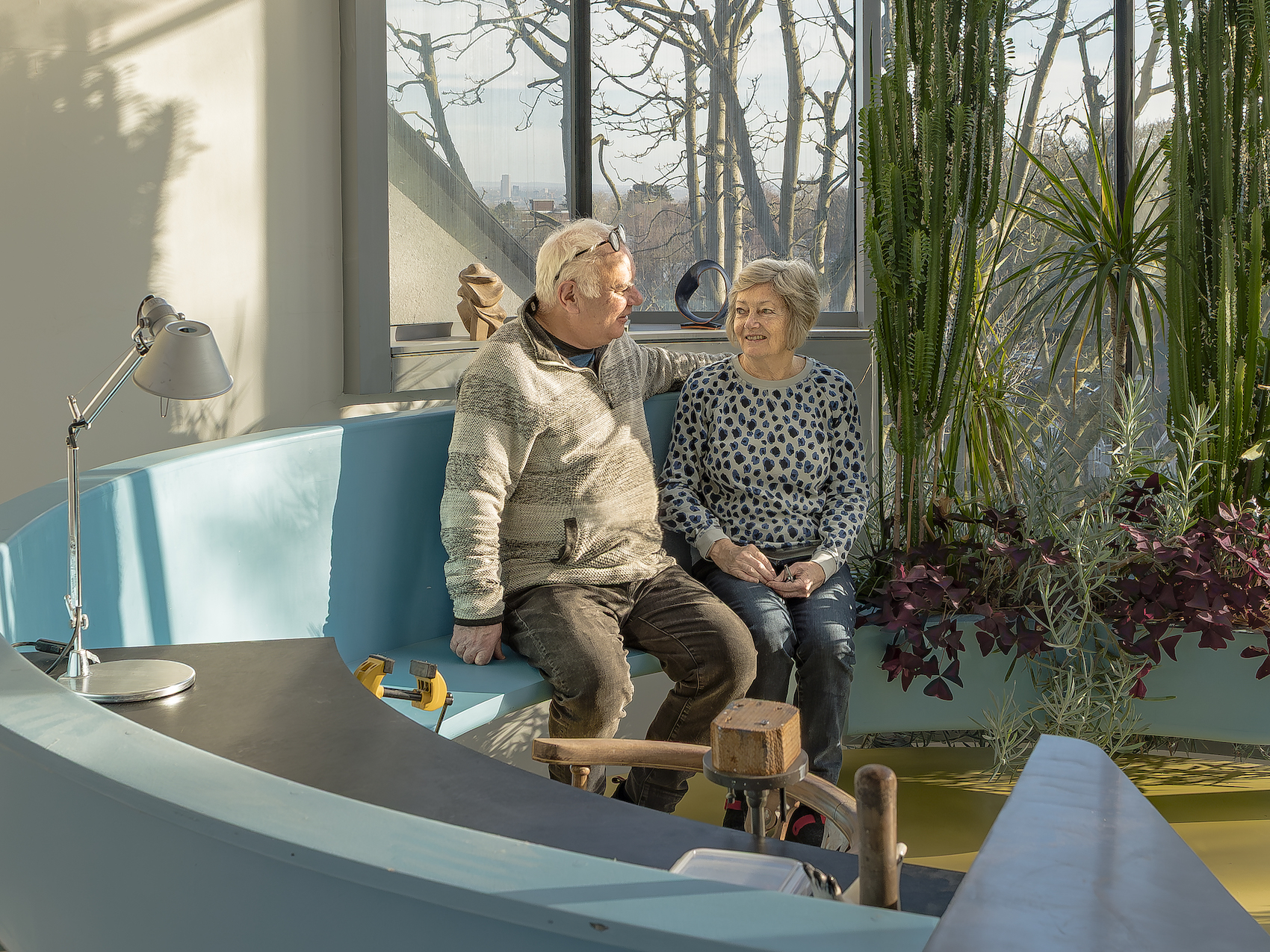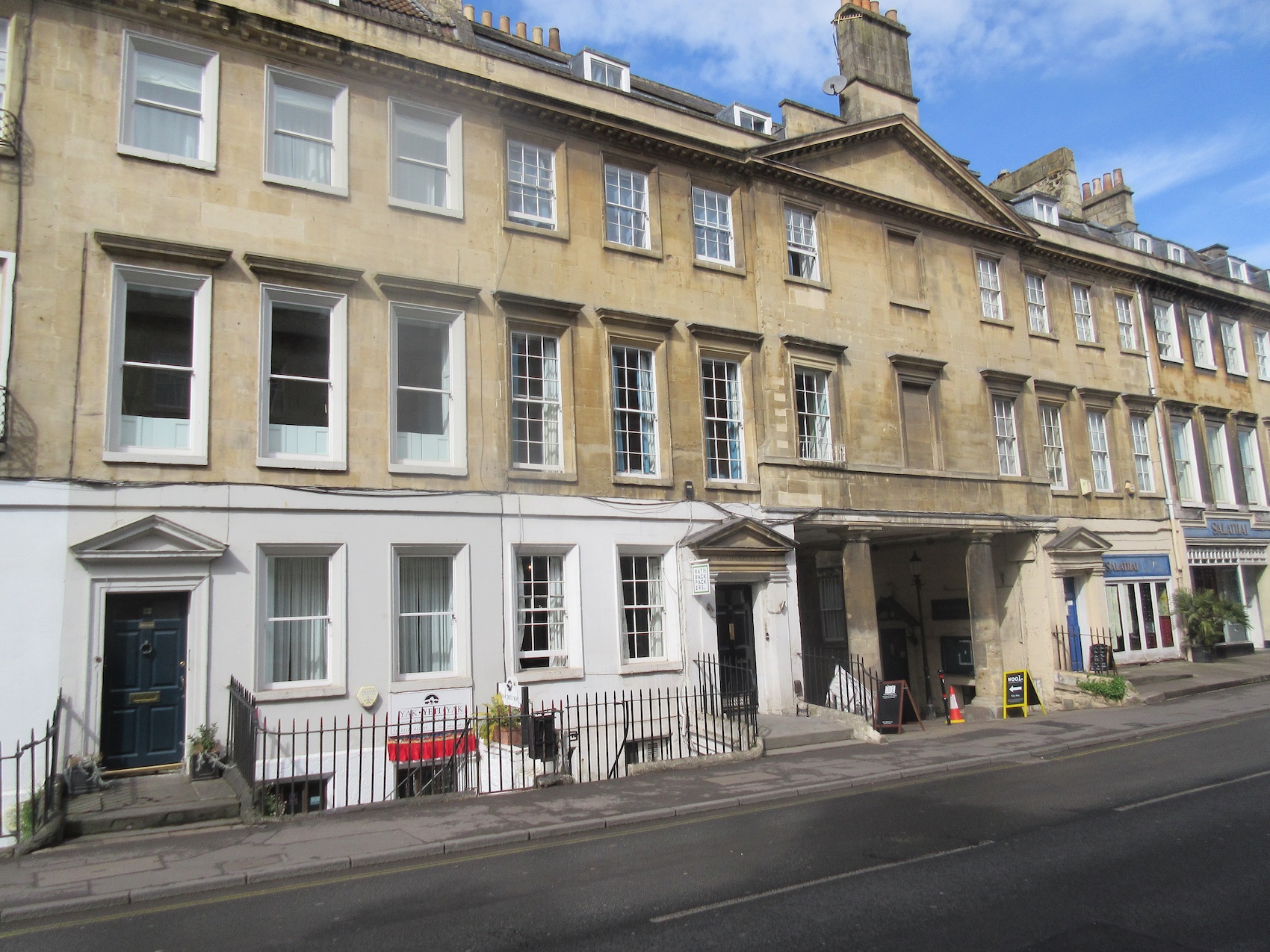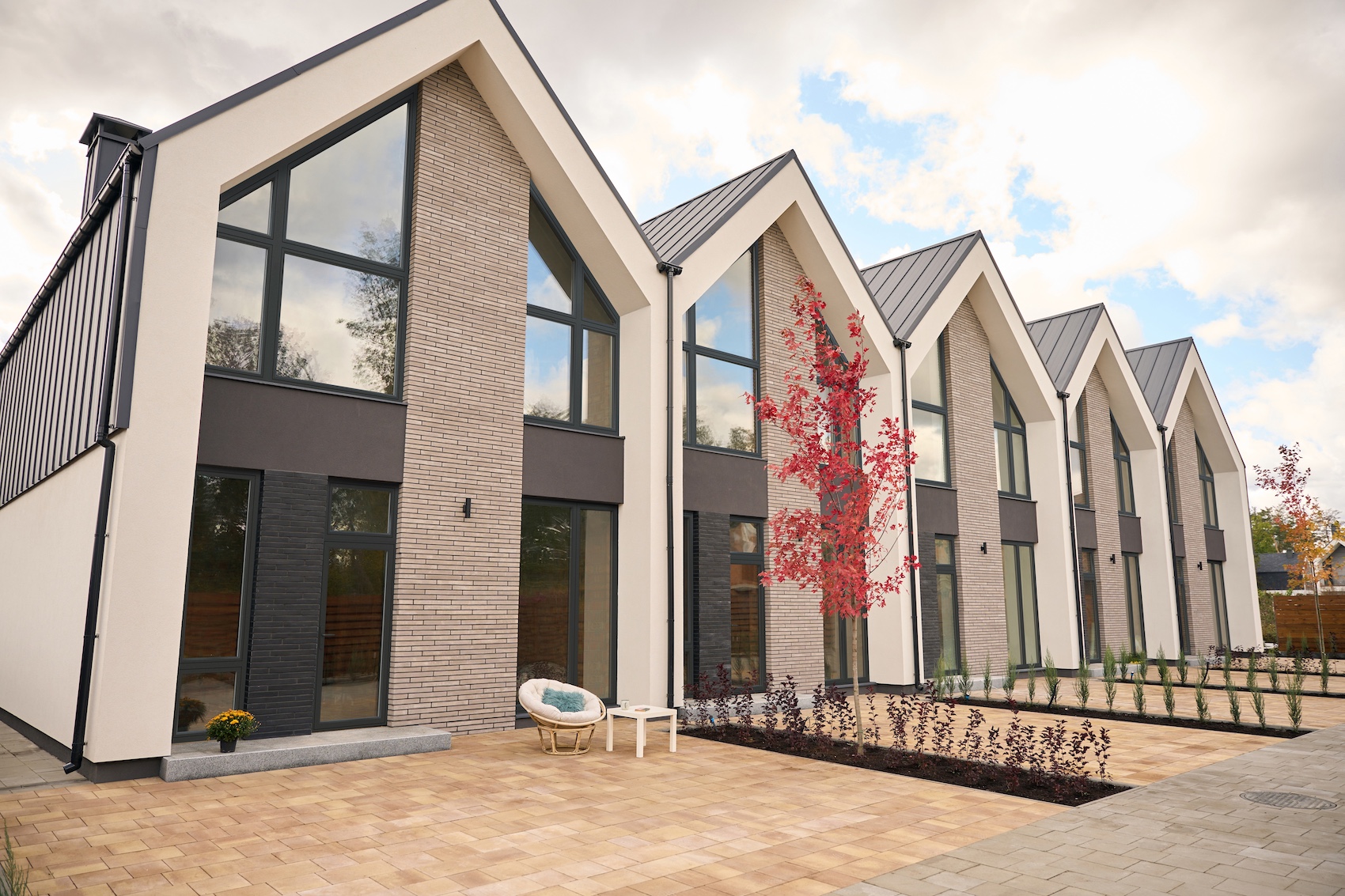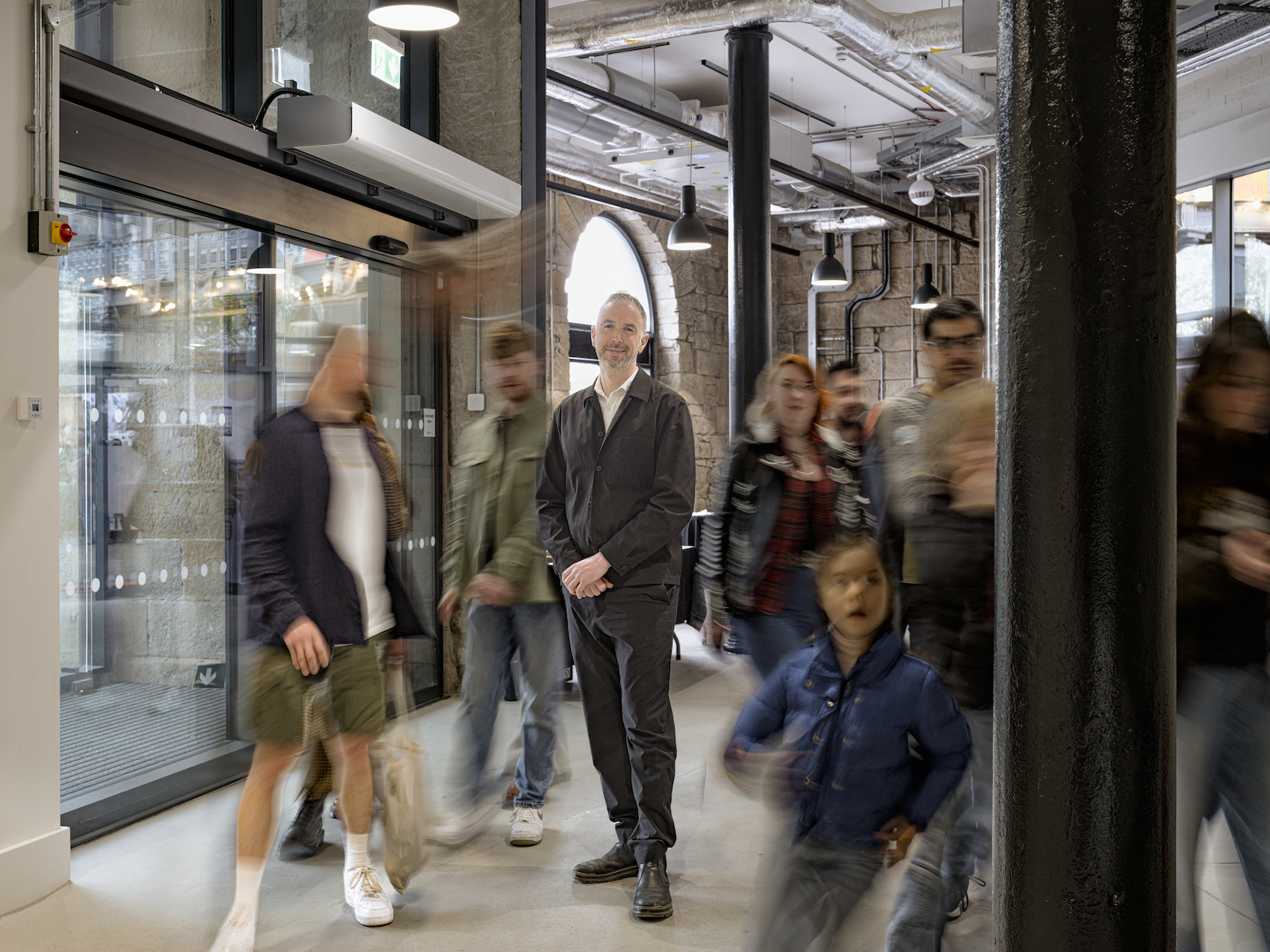
More than 100 organisations will each present a case study in a major free exhibition opening at the Building Centre in London this October, showing how the industry is putting regenerative design into action.
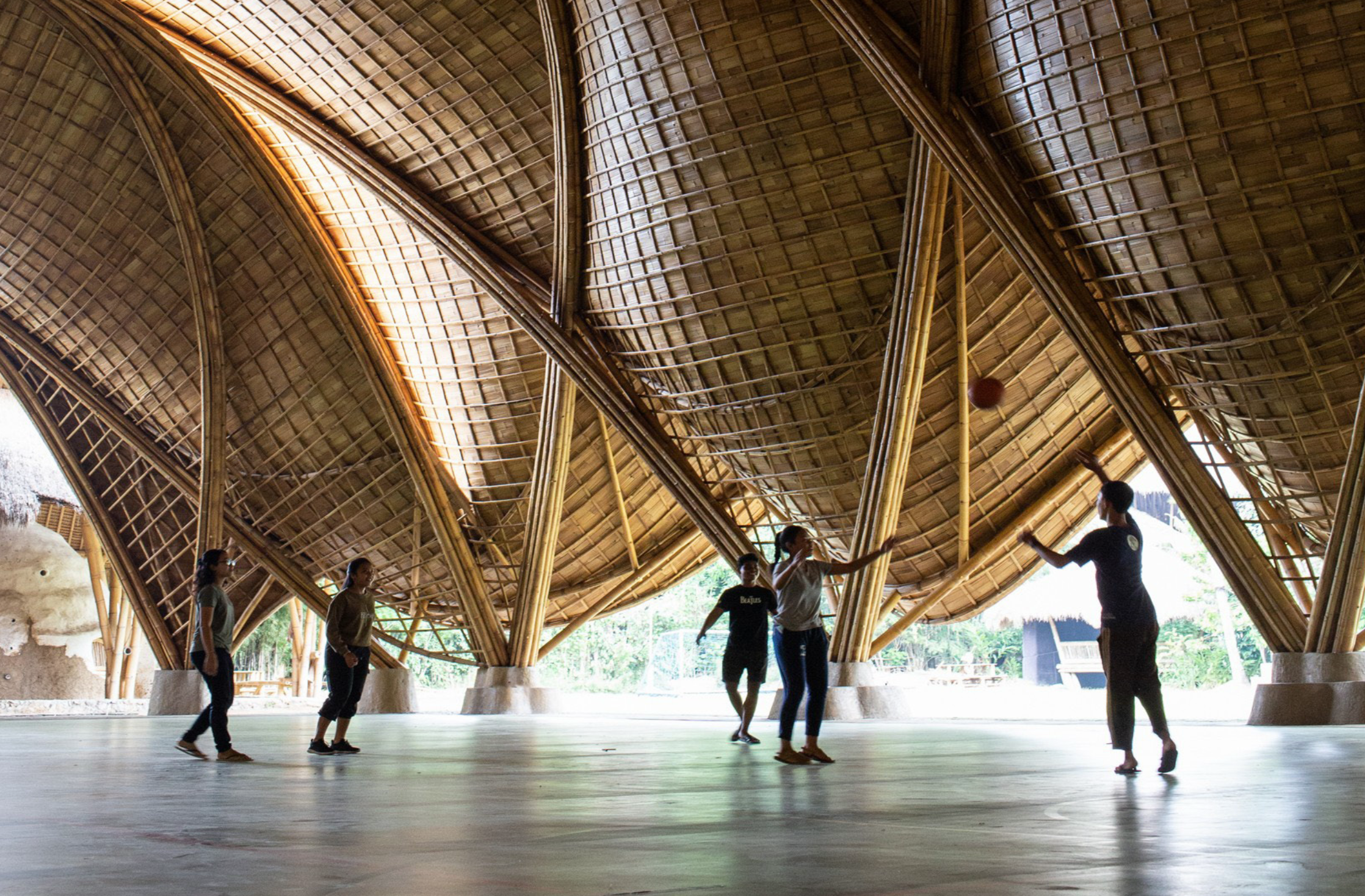
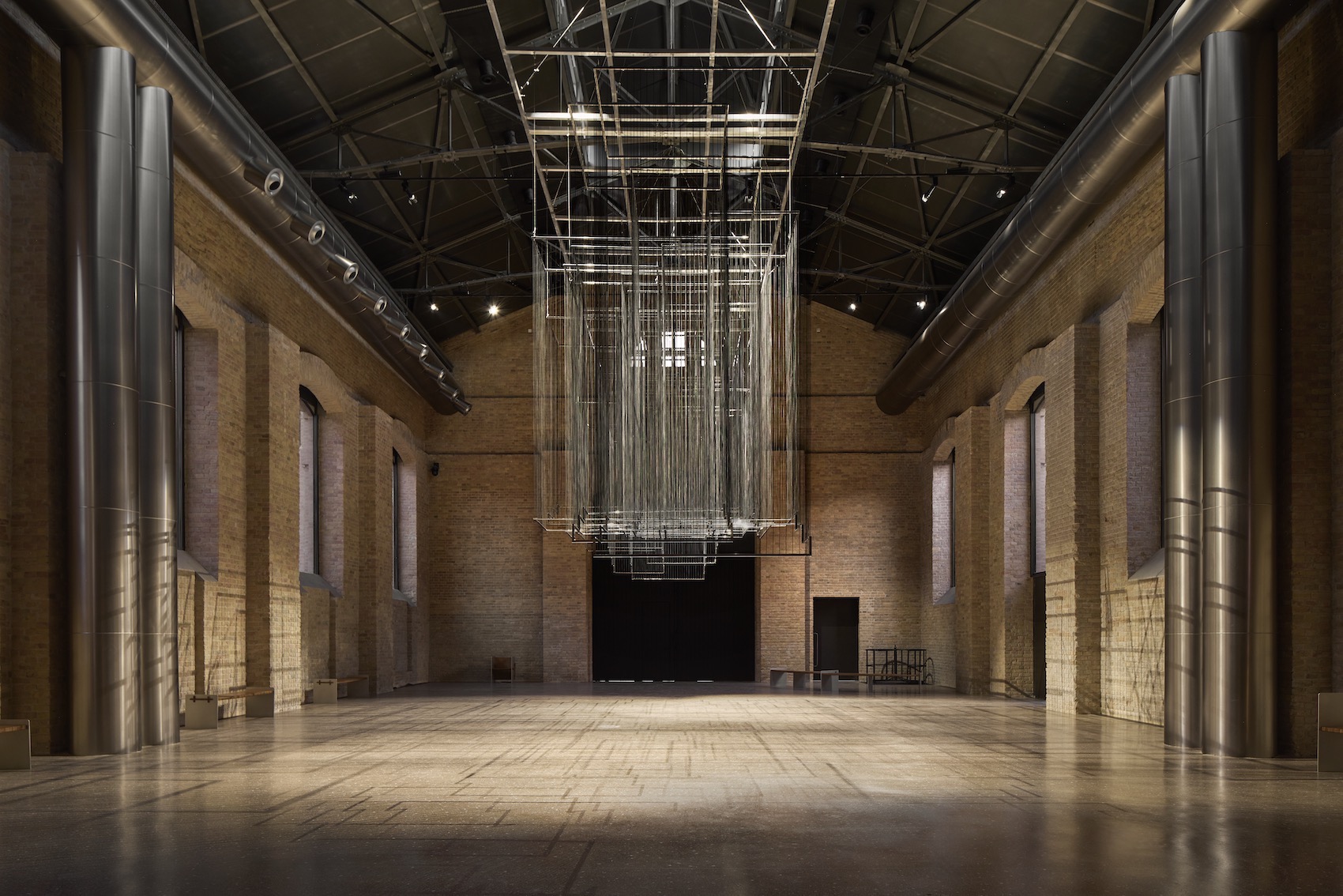
Atelier One Structural Engineers’ Green school Gym, Ubud, Bali. (Photos courtesy of Ibuku and Tomasso Riva).
More than 100 architecture practices will each present a project demonstrating their approach to regenerative design in a major exhibition opening at the Building Centre in London this October.
Regenerative Design 2026: Case Studies brings together work submitted to the 2026 Regenerative Architecture Index (RAI), creating a snapshot of how practices are putting regenerative principles into action across different building types, scales and locations.
The free walk-in exhibition, which runs from 1–30 October as part of Regenerative Design 2026, brings together more than 100 individual responses to the challenge of designing buildings and places that can have a positive impact on people, nature and future generations.
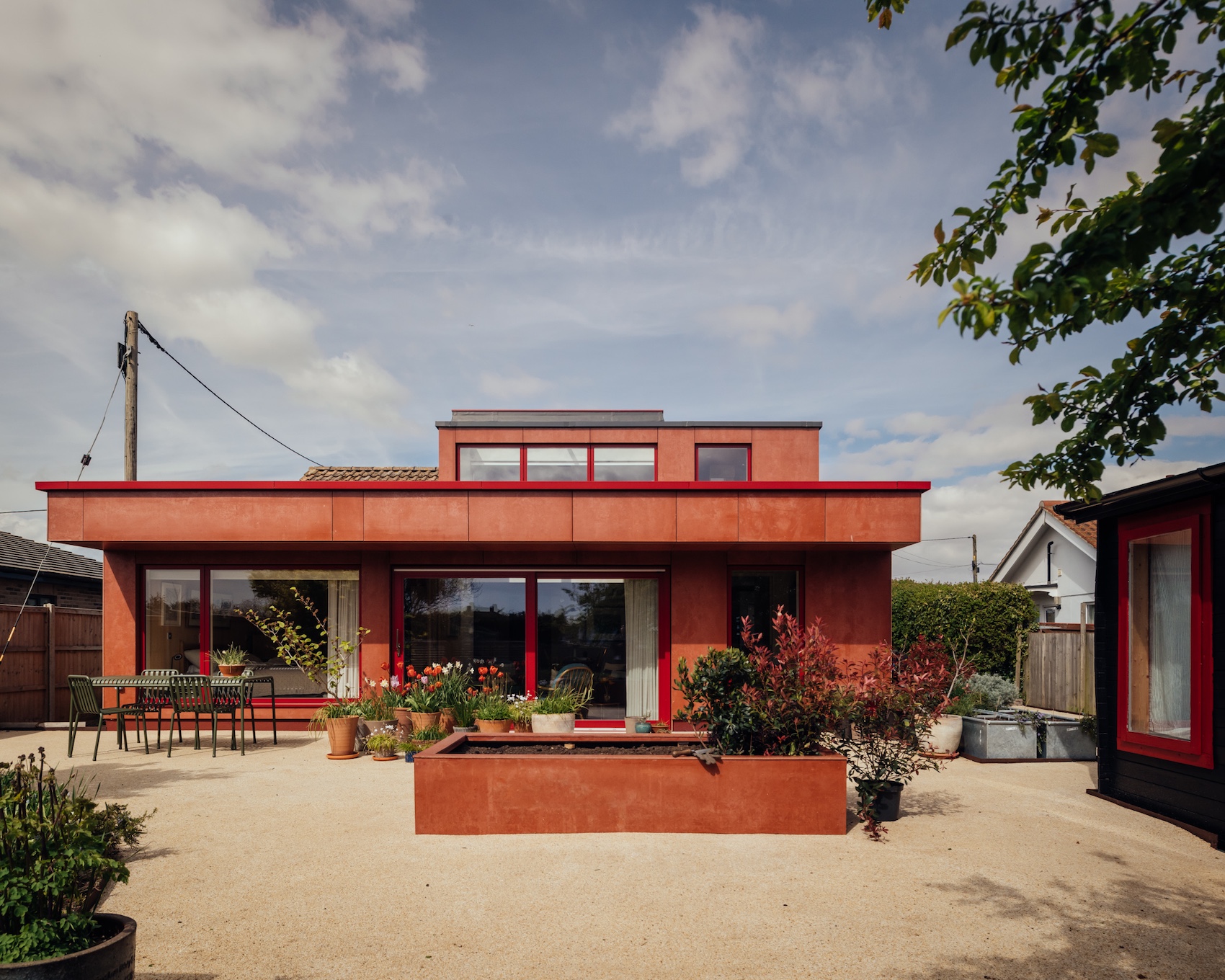
The projects range widely in scale and ambition. Atelier One presents the Green School Gymnasium in Bali, conceived by Elora Hardy of IBUKU which explores the structural potential of bamboo as a mainstream low-carbon building material. BakerBrown Studio’s Bradbury Den, meanwhile, uses locally sourced straw, clay from the site and English oak to create a year-round classroom for children and young people at Chailey Heritage Foundation, with students, staff and volunteers involved in its construction. (Don’t miss Elora Hardy’s free-to-attend keynote talk on Monday 5th October, for which she will be joined by Baker Brown).
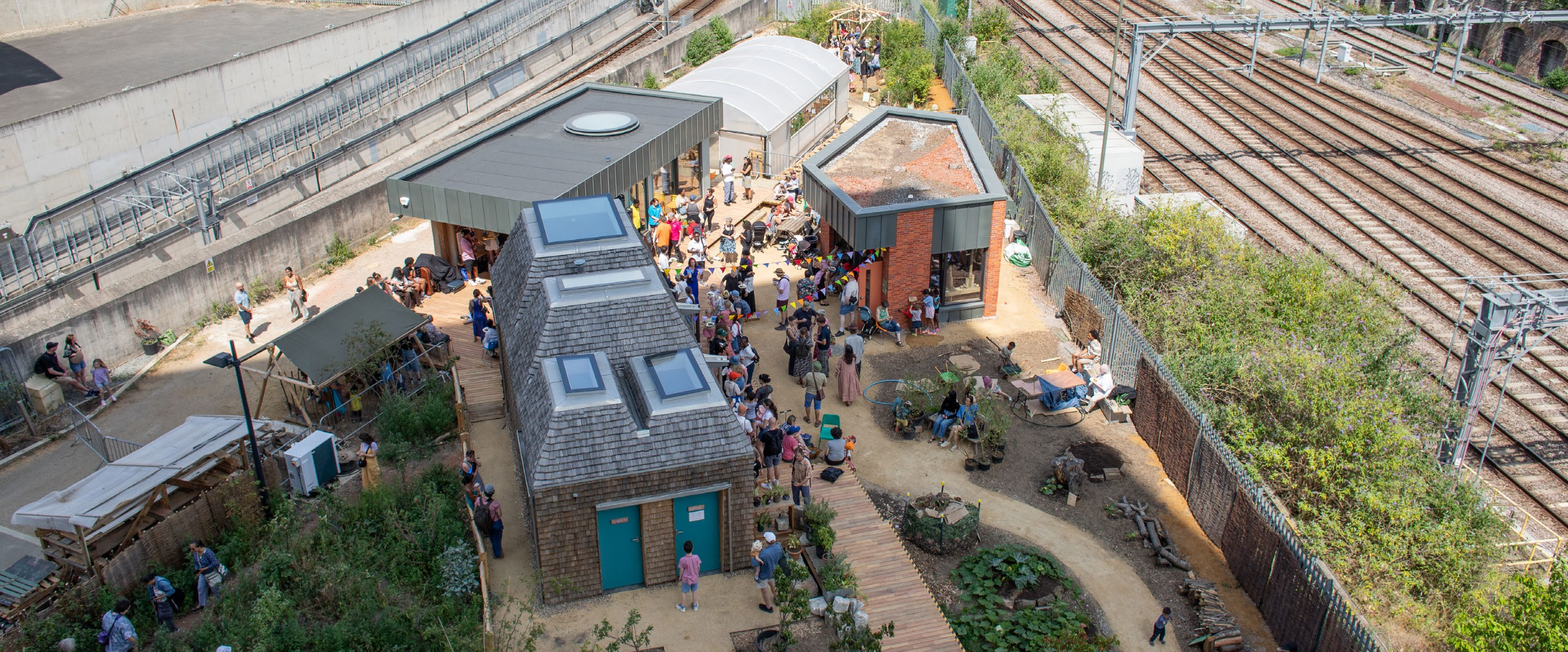
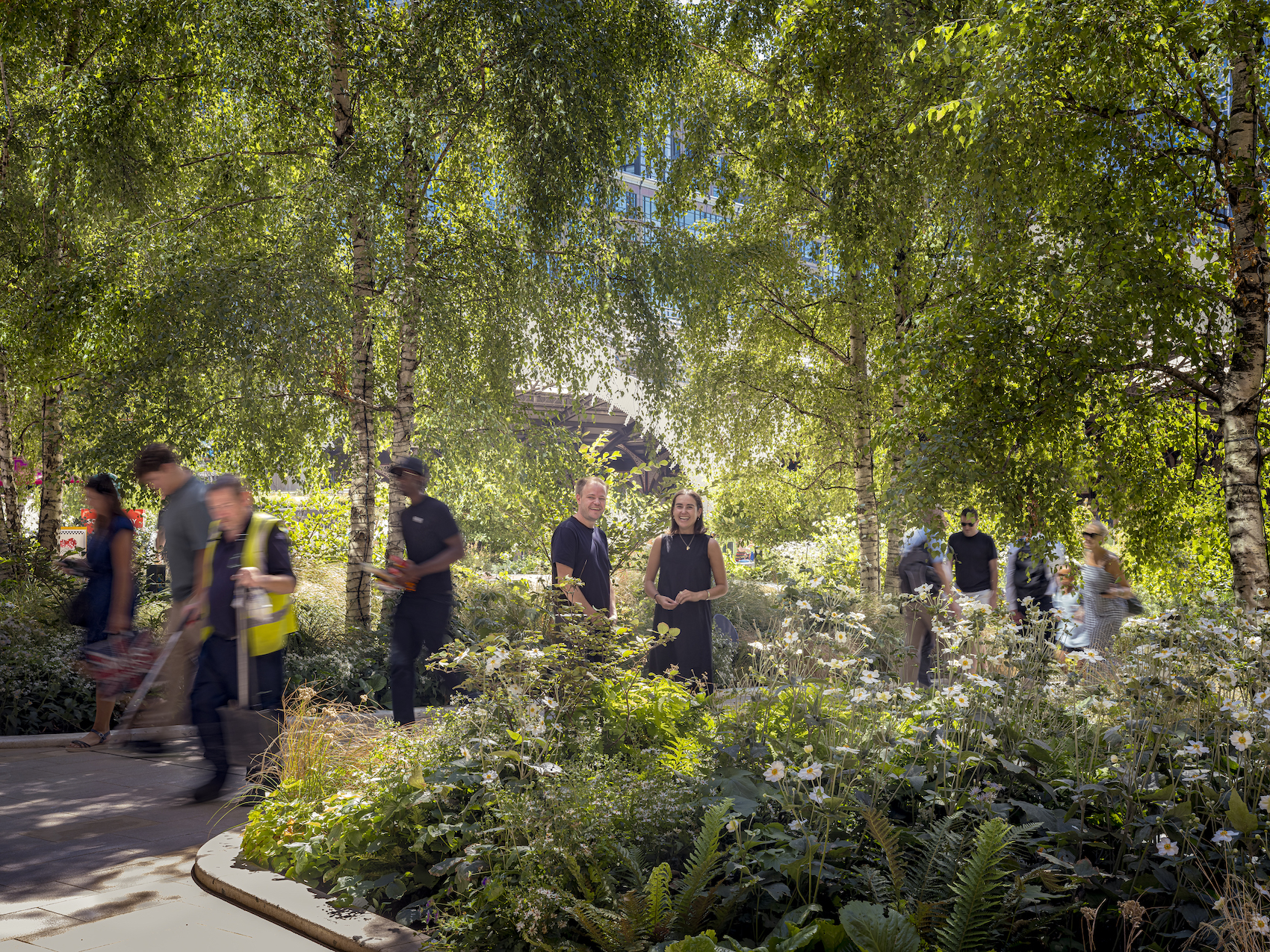
Jan Kattein Architects’ The New Story Garden in Kings Cross.
In King’s Cross, Jan Kattein Architects’ New Story Garden has been built with the help of more than 3,000 volunteers using natural and reclaimed materials, combining habitat creation with skills development and community building. In Dallas, HKS’s Halperin Park transforms airspace above an interstate into new public space, reconnecting neighbourhoods that had been divided by infrastructure for decades. And on Bodmin Moor, Unknown Works’ Atlantic Temperate Rainforest Research Station explores how timber generated through rainforest restoration and selective thinning could support a new model for low-carbon construction using climate-resilient British species.
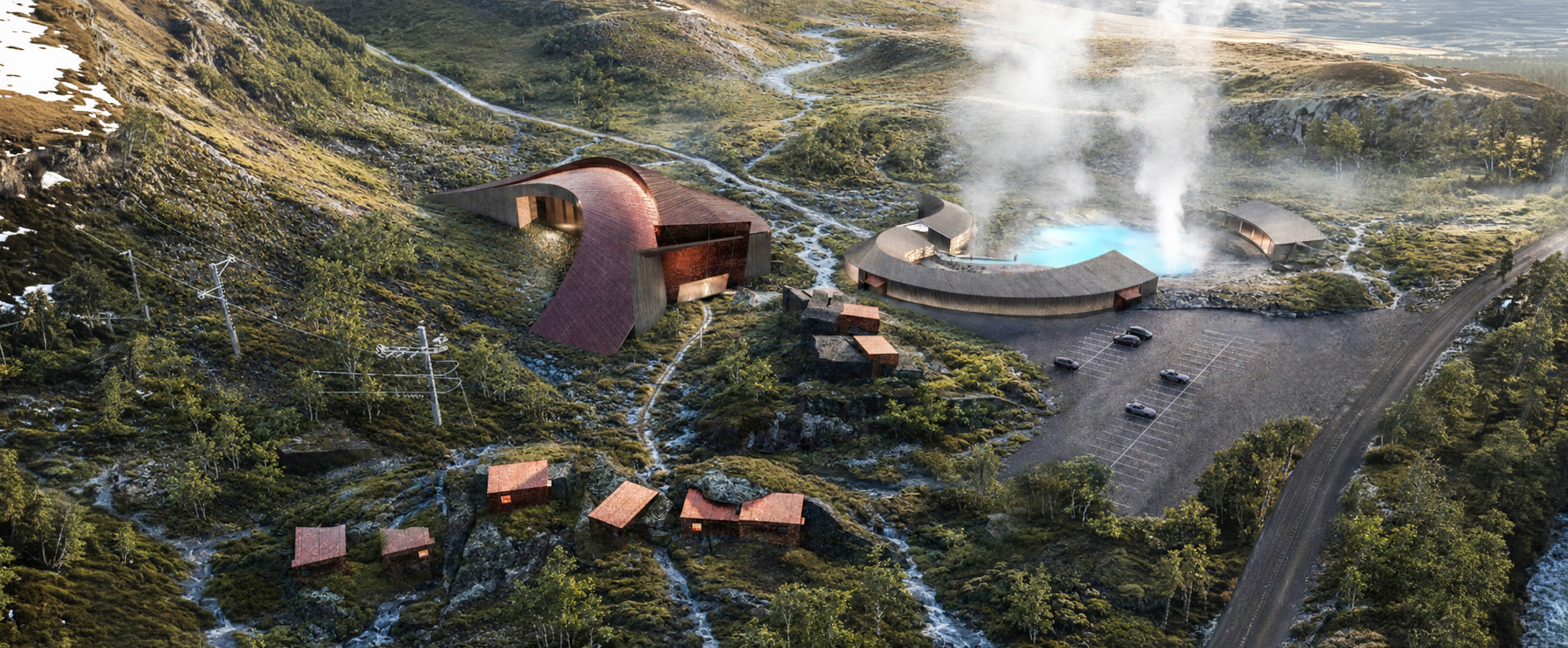
Atelier Architecture + Design’s Inner Retreat, Mývatn, Iceland. Pictured here is a bird’s-eye-view of the architecture integrated with the regenerated landscape.
Other case studies look at regenerative design at landscape and infrastructure scale. Greengage’s work at Eden Dock in Canary Wharf combines floating gardens, aquatic habitats and public space to increase biodiversity and improve water quality in a dense urban setting. Atelier Architecture + Design’s Inner Retreat in Iceland begins with the restoration of water flows and native birch habitat before introducing architecture into the recovering landscape.
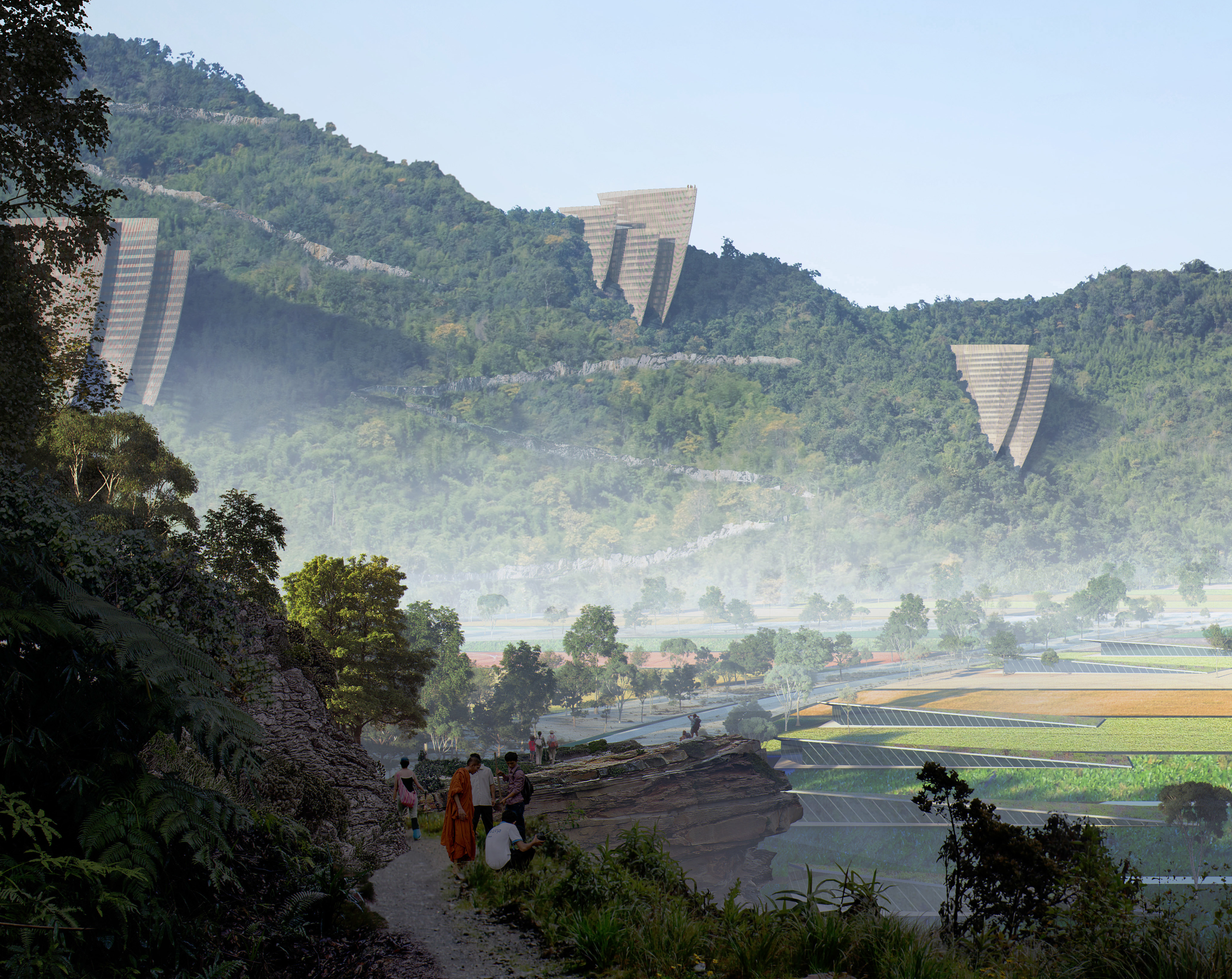
DaeWha Kang Design’s Anlong Veng (Cambodia Masterplan). View along the end of the Anlong Veng Trail.
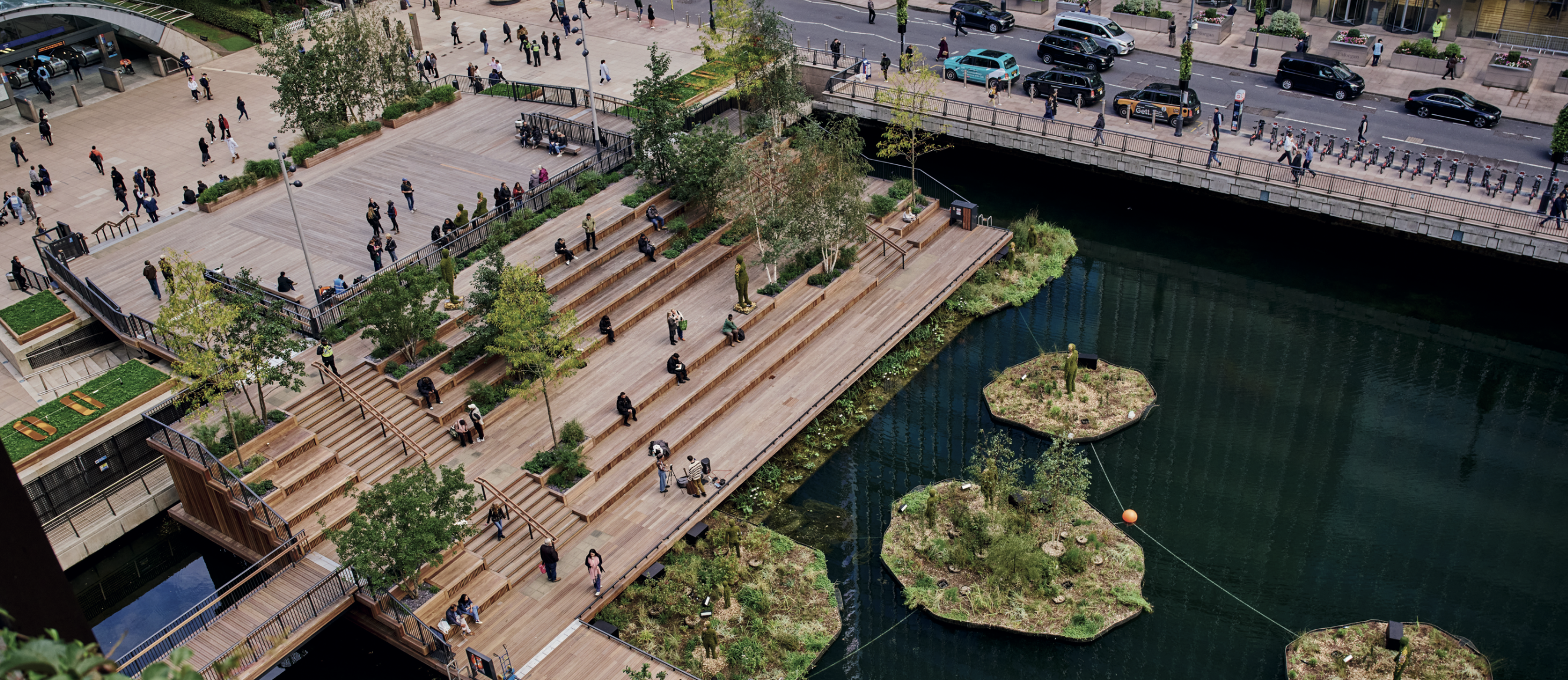
Greengage’s Eden Dock in Canary Wharf.
At the largest scale, DaeWha Kang Design’s Anlong Veng masterplan proposes an ecological and urban regeneration corridor along the Cambodia-Thailand border, using landscape repair and rewilding as part of a wider effort to transform an area marked by 20 years of conflict. Marks Barfield Architects’ speculative West Somerset Tidal Lagoon, meanwhile, combines renewable energy generation with coastal resilience, employment and regional regeneration.
Together, the case studies demonstrate that regenerative practice can mean everything from experimenting with natural materials and reusing existing resources to repairing ecosystems, strengthening communities and rethinking the role of major infrastructure.
The exhibition, delivered in partnership Allford Hall Monaghan Morris, draws directly from the Regenerative Architecture Index (RAI) 2026. Launched by Architecture Today and UK Architects Declare, and in partnership with Schüco, the RAI benchmarks practices’ progress in the move towards regenerative practice and projects. Each participating organisation in the exhibition has selected a case study that it believes exemplifies its work towards a regenerative future.
The Case Studies exhibition forms one of three free exhibitions at Regenerative Design 2026.
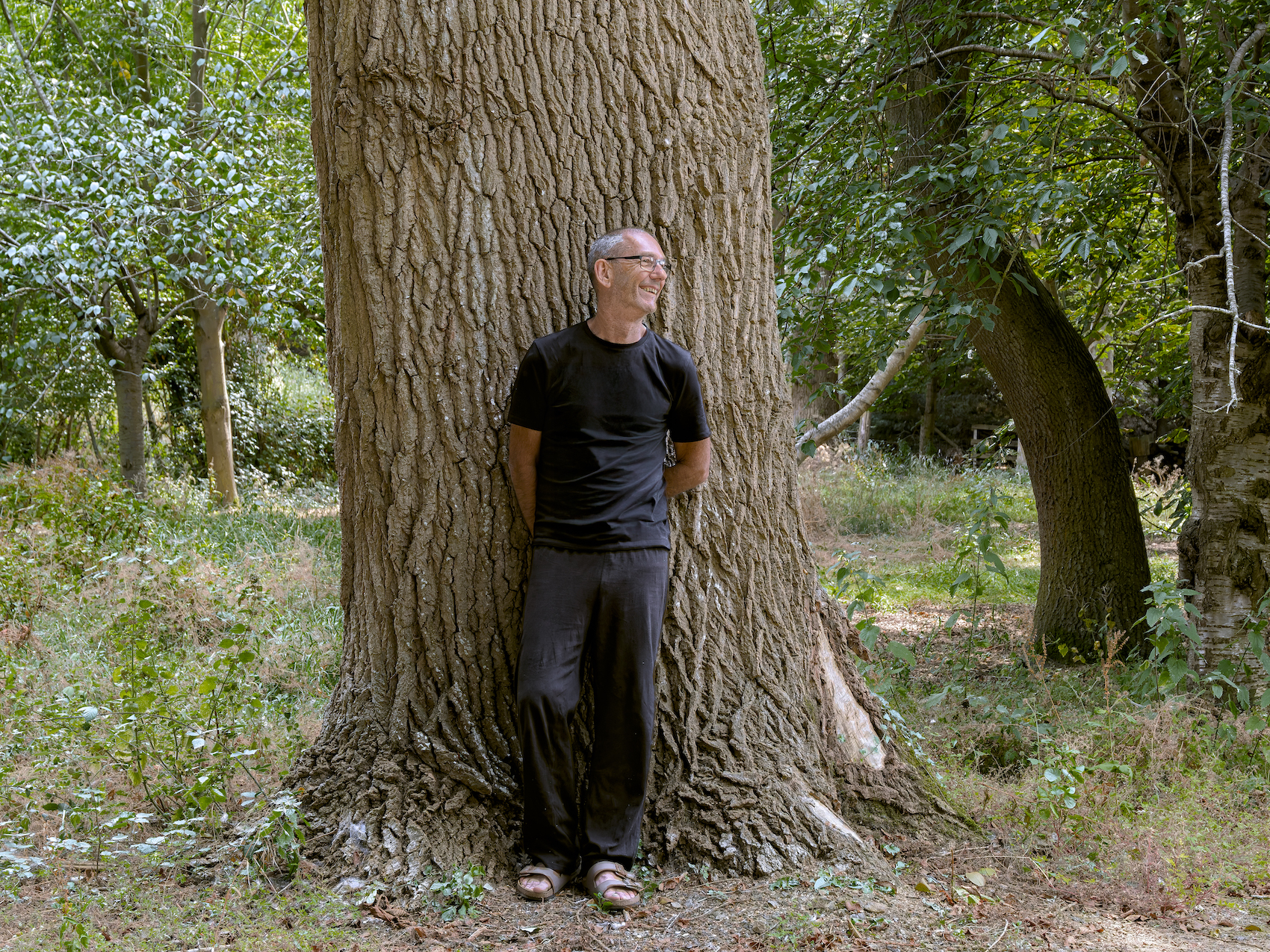
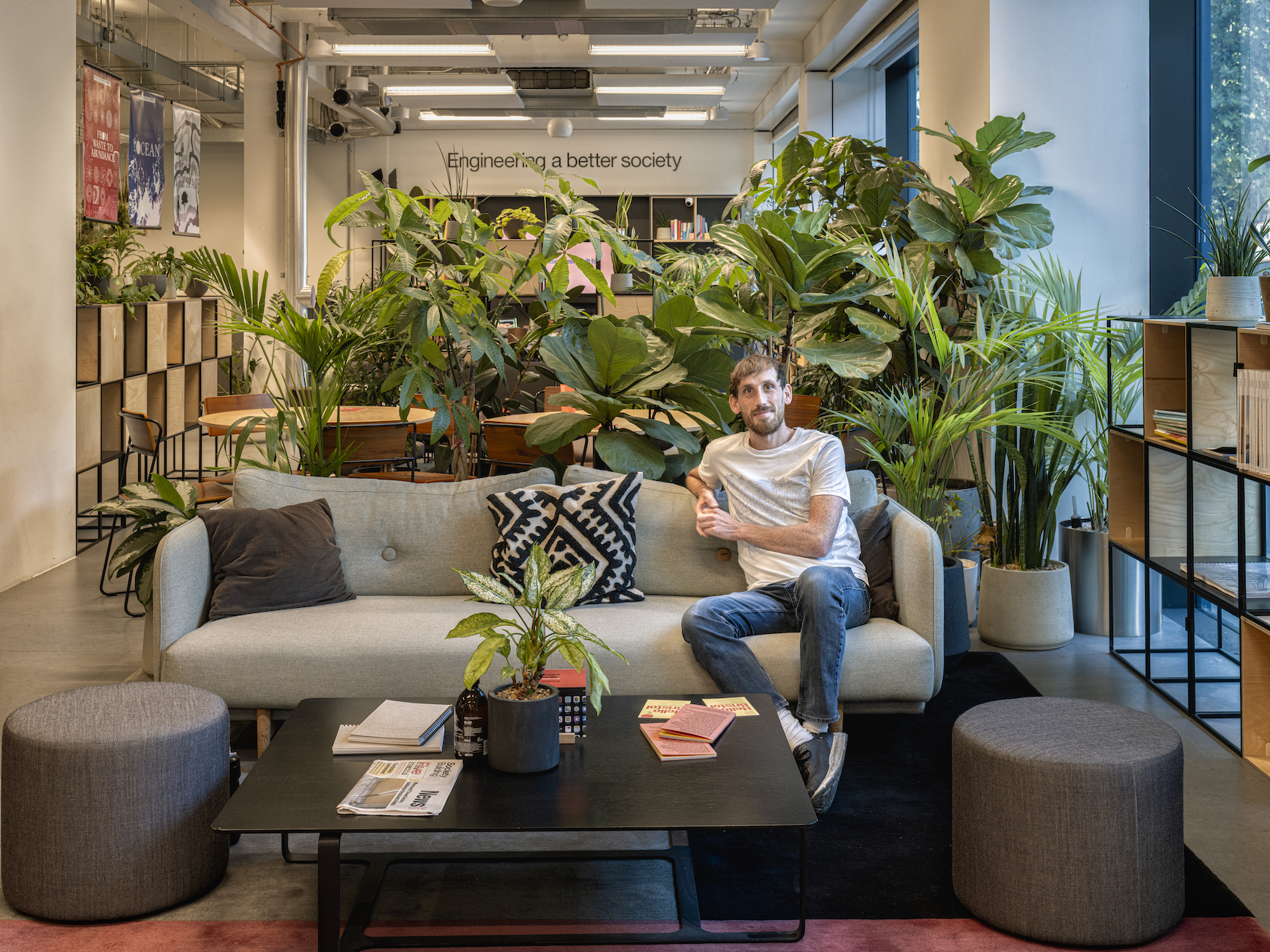
Alongside it, Reinventing Practice will present a series of portraits by architectural photographer Timothy Soar exploring organisations working to change the way the construction industry operates, while Wildheart Animal Sanctuary: Ambition in action will bring the work of the Isle of Wight sanctuary to the Building Centre.
Regenerative Design 2026: Case Studies
1–30 October 2026
Monday–Friday, 9am–6pm
The Building Centre, London
Free, no booking required