

Timeless principles, new architecture
Isabel Allen2026-11-11T09:15:07+00:00Steve Melvin of Atelier Architecture & Design asks what makes architecture timeless – the building itself, or the principles from which it was conceived.

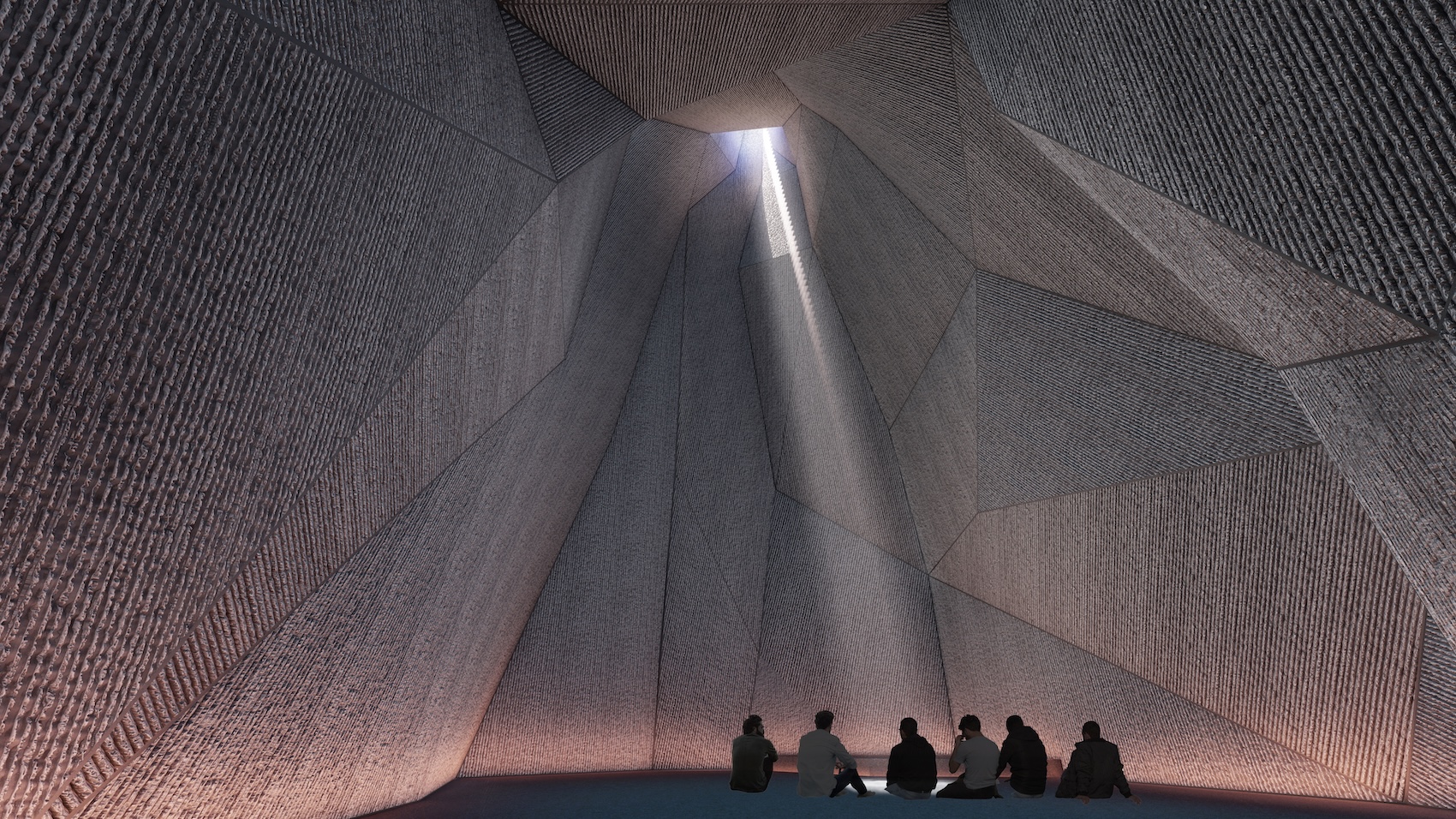
Steve Melvin of Atelier Architecture & Design asks what makes architecture timeless – the building itself, or the principles from which it was conceived.
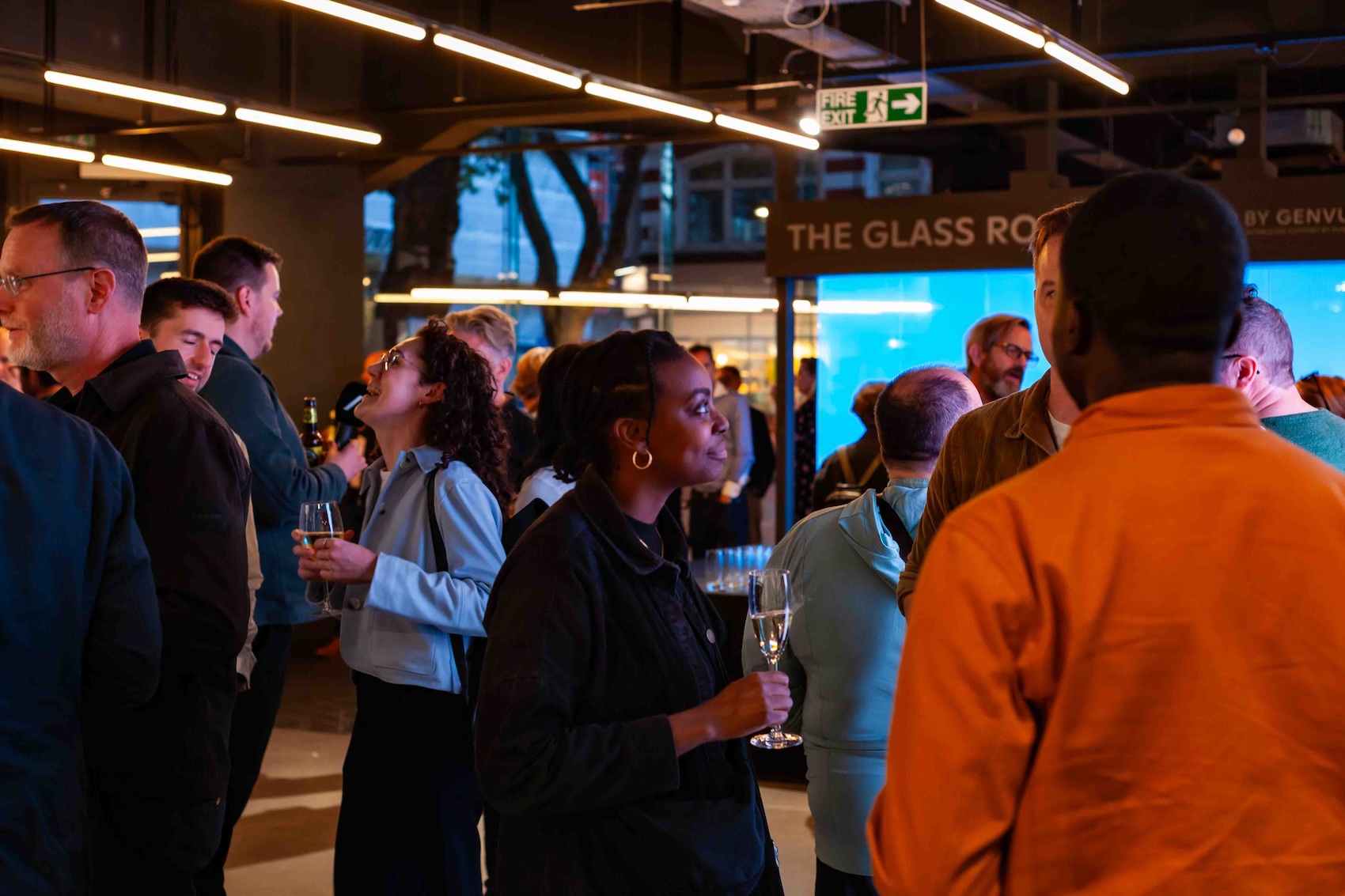
Architecture Today has launched Regenerative Design 2026, a month-long programme of exhibitions and events at the Building Centre in central London.
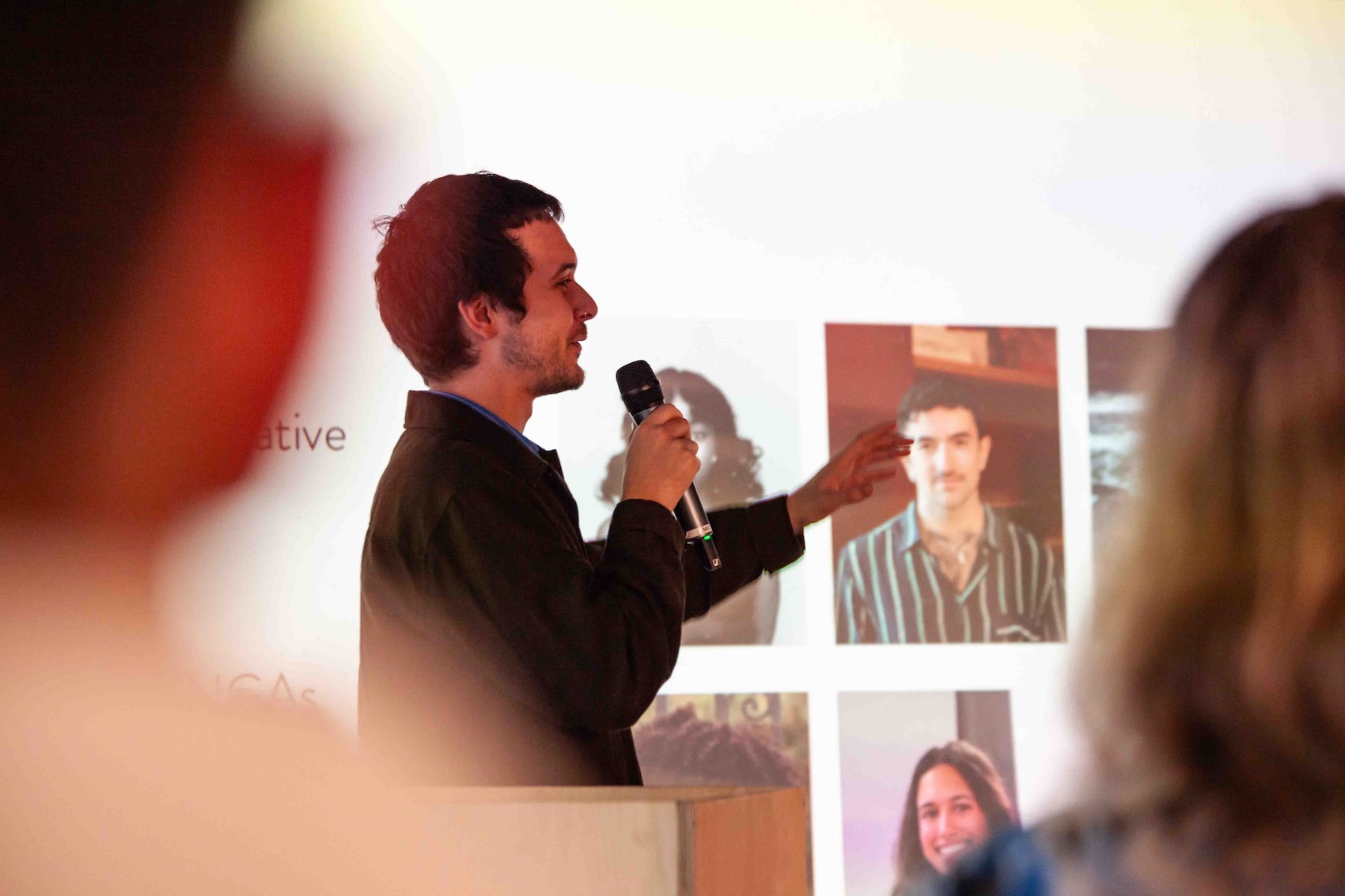
The front-runners in this year's Regenerative Architecture Index were announced on Thursday 1st October at the launch party for Regenerative Design 2026.
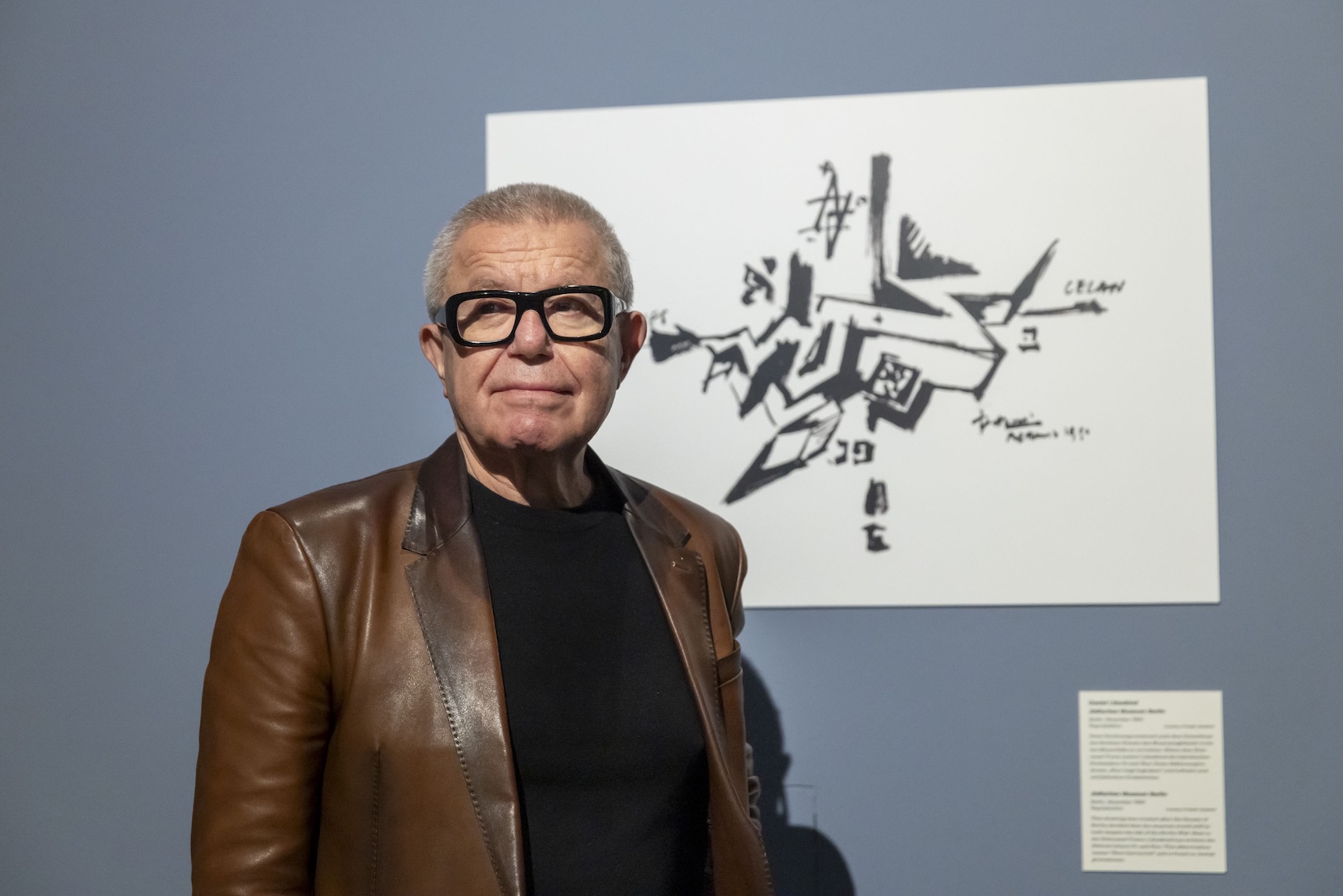
Polish-American architect Daniel Libeskind wins the Architecture category of the Praemium Imperiale Awards – the 'Nobel Prize of the Arts', established to fulfil the wish of the late Prince Takamatsu of Japan "to contribute to the enhancement and promotion of the cultures and arts of the world."
Invisible Studio with PEARCE+ and Studio 8FOLD have been selected as joint winners of the Hummingbird Learning Lab competition to design a learning environment that reflects a new approach to education.
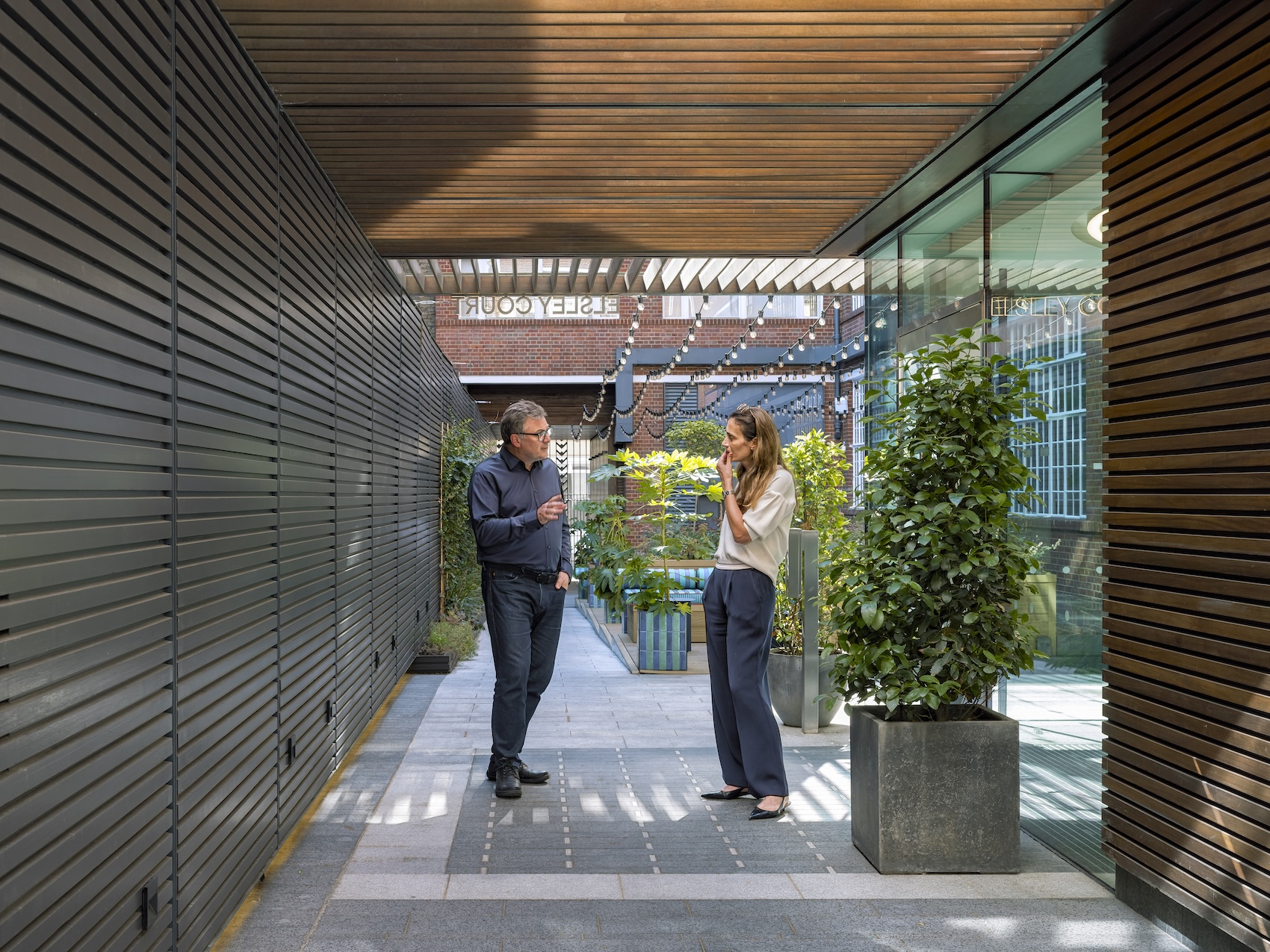
For Gary Clark of HKS using regenerative principles as a design driver yields long-term benefits, not just for communities and the environment, but for business too.
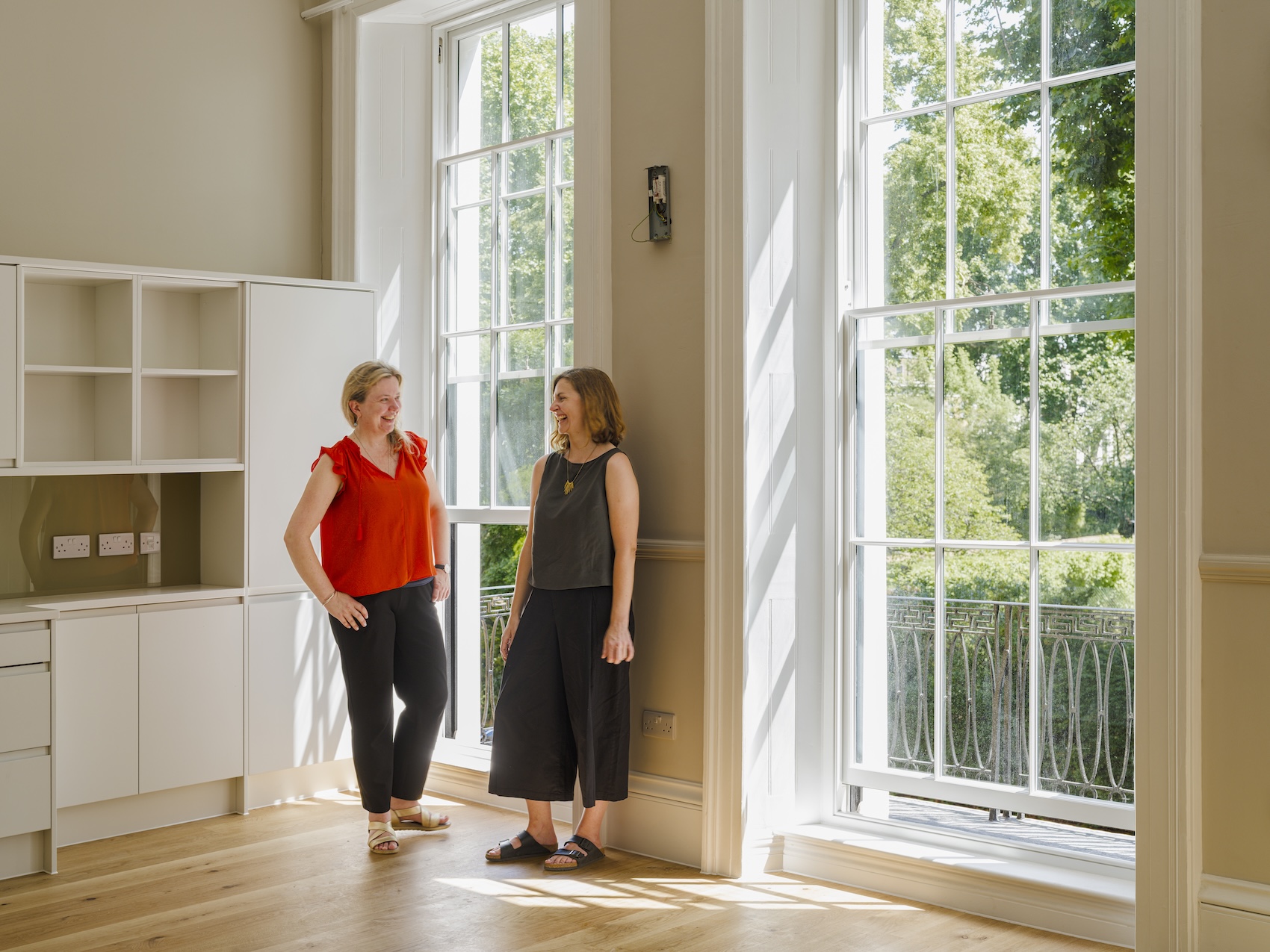
Mandy Franz's approach to architecture has been shaped by the romantic castles and brutalist architecture of her East German childhood, Santiago Calatrava and a focus on striking a balance between respect for heritage and a hunger for progress.
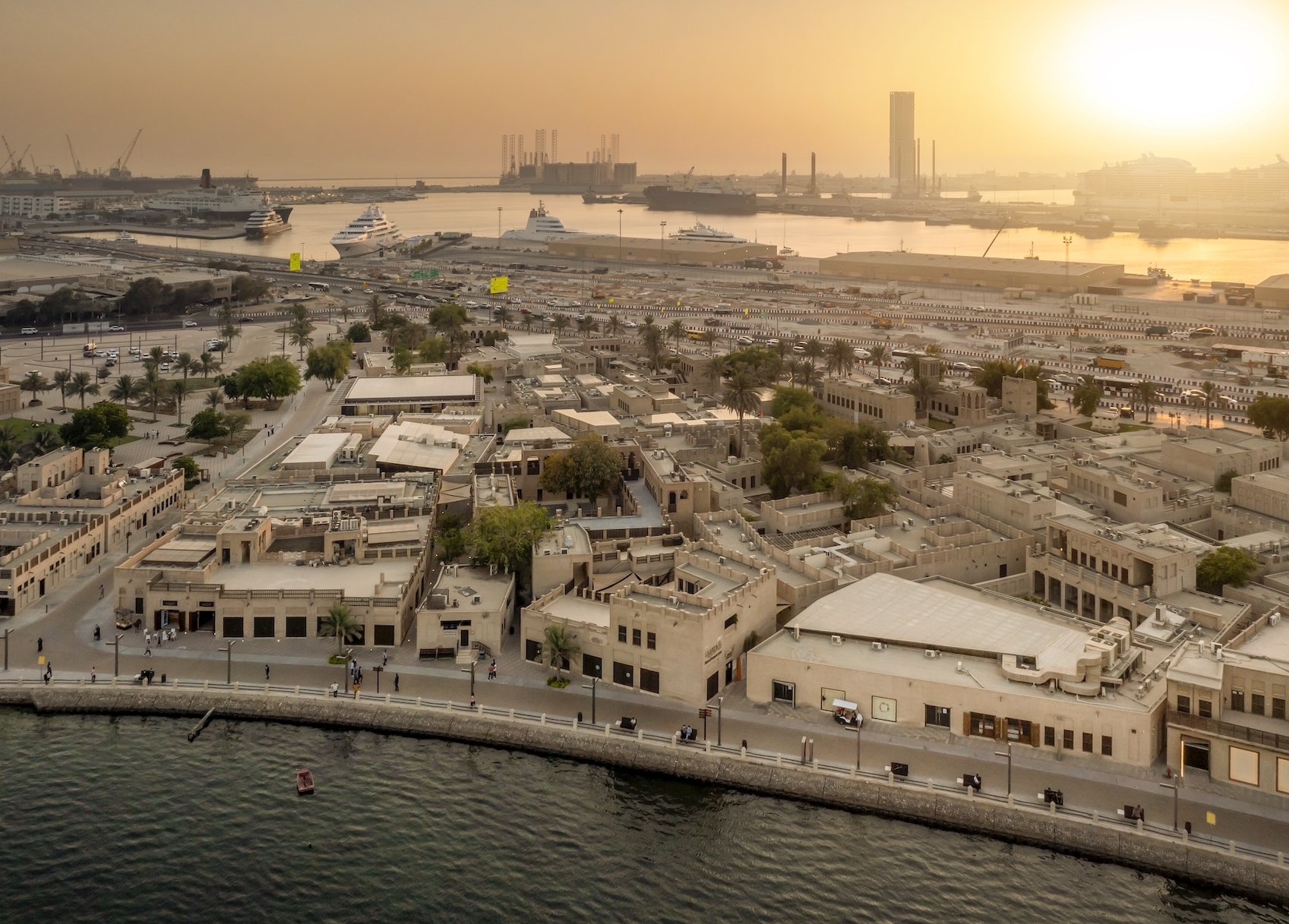
For X Architects founding partner Farid Esmaeil, Dubai is an extraordinary laboratory with a climate that demands a careful approach to materiality and passive design and a confidence that invites you to test ideas, challenge conventions and imagine architecture in new ways.
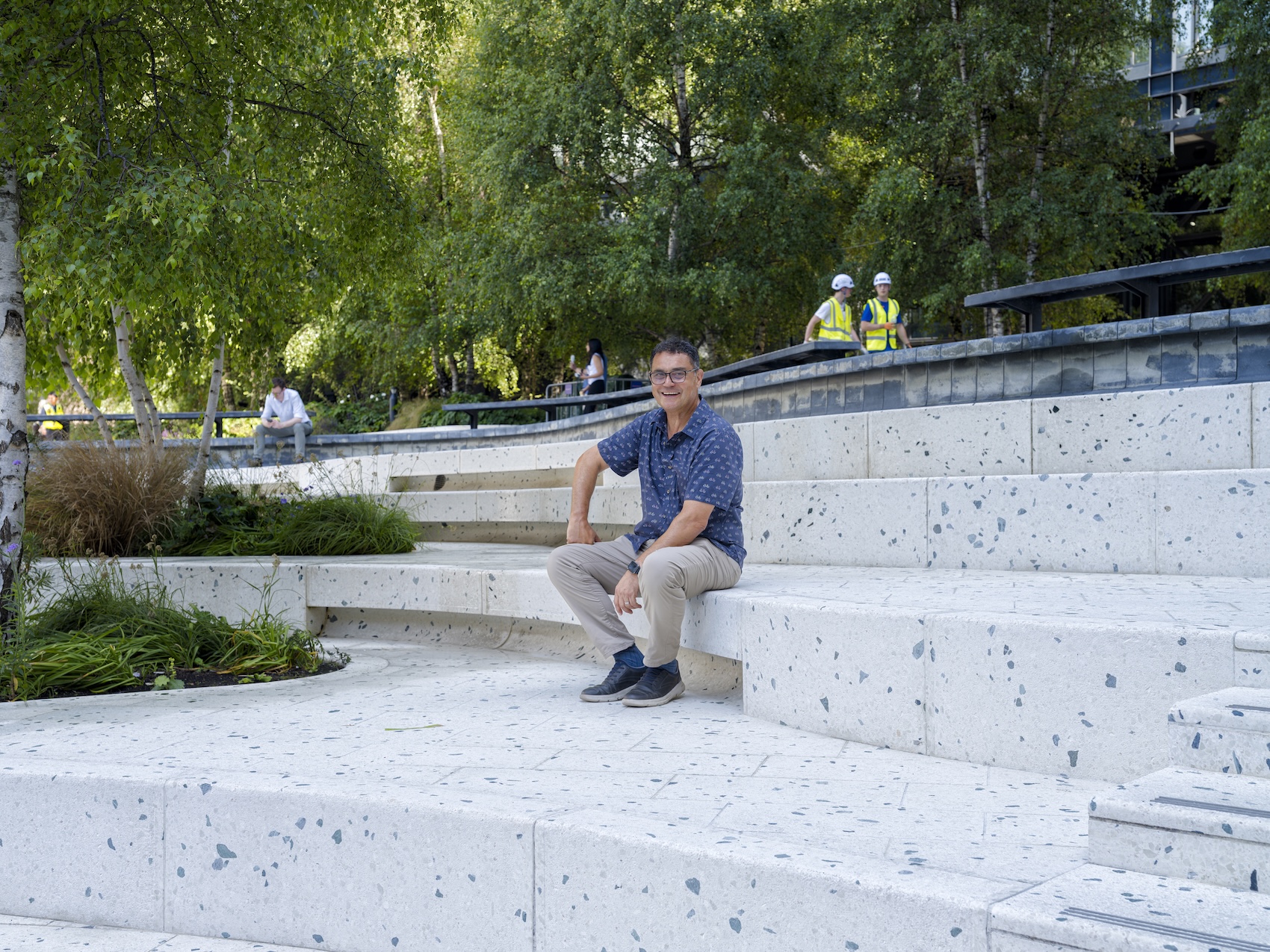
For Enzo Favro, regenerative design is about looking beyond a building's immediate impact to the legacy it leaves behind. The Director of In Opera Group explains why natural stone, terrazzo and a long-term approach to material value are central to creating places that last.
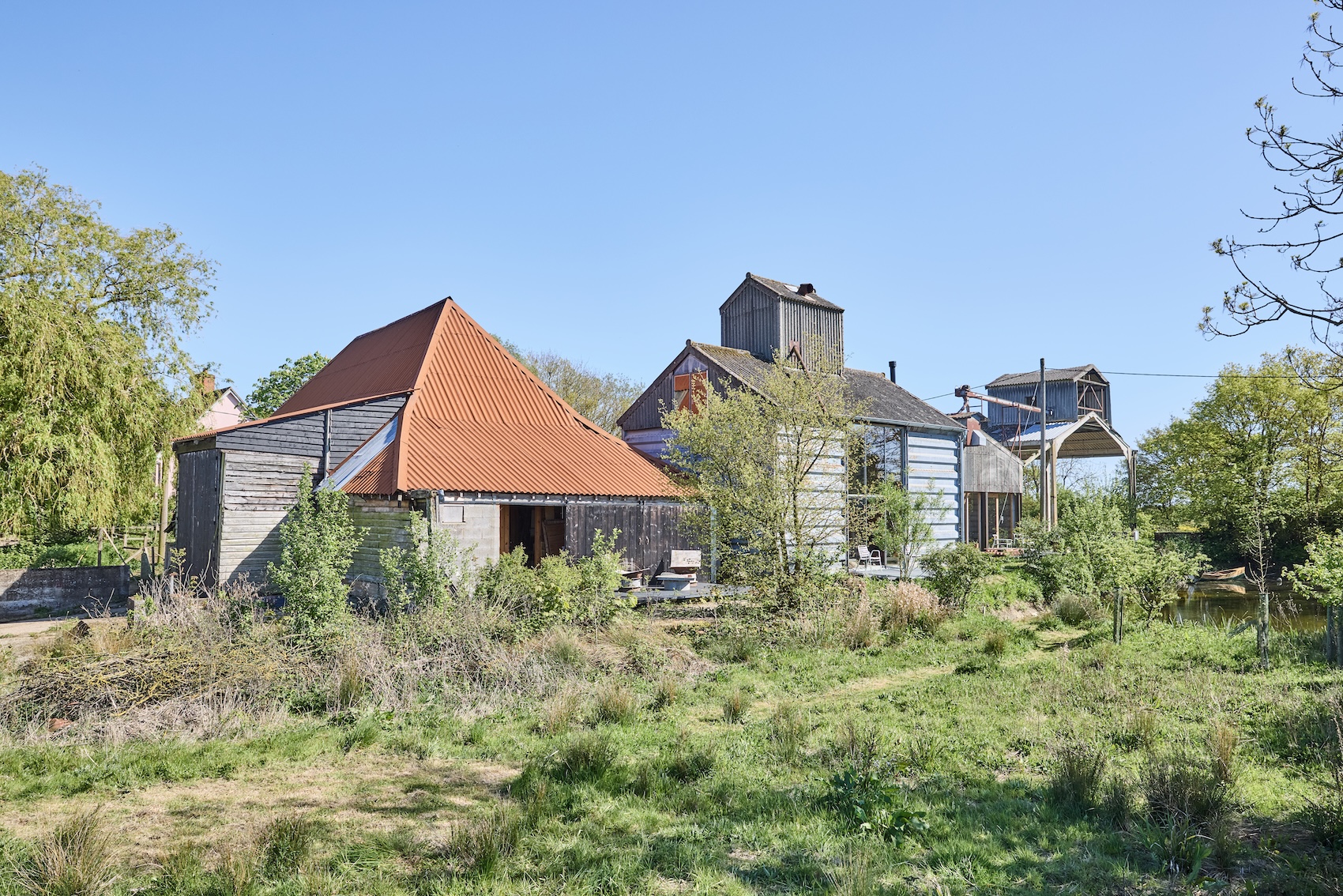
Marcus Lee and Corinna Dean have converted a Hopper-esque cluster of farm buildings in the Suffolk countryside into a maker space and home. Yuki Sumner applauds an 'architecture of empathy' that finds poetry in the awkwardness and rawness in agricultural infrastructure and opts for minimum intervention for maximum effect.
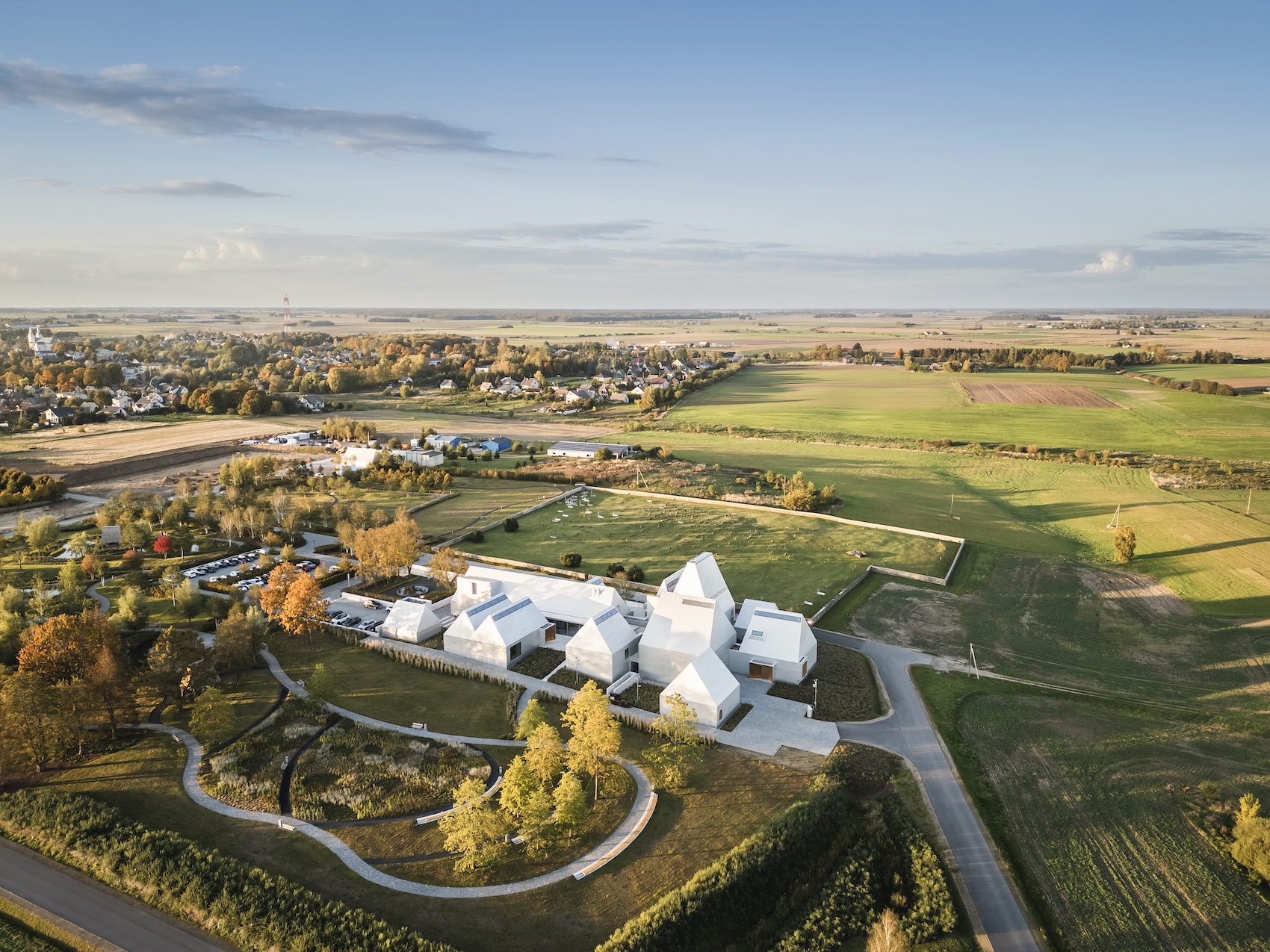
Designed by Lahdelma & Mahlamäki Architects, the Lost Shtetl Museum tells the story of Jewish life in Šeduva before the Holocaust. In the summer of 1941, 664 of the town’s Jewish residents were murdered, a fate repeated across more than 200 Lithuanian shtetls. Julian de Metz examines the building’s relationship to its highly charged physical and cultural context, and asks to what extent architecture can – or should – seek to shape collective memory and conscience.
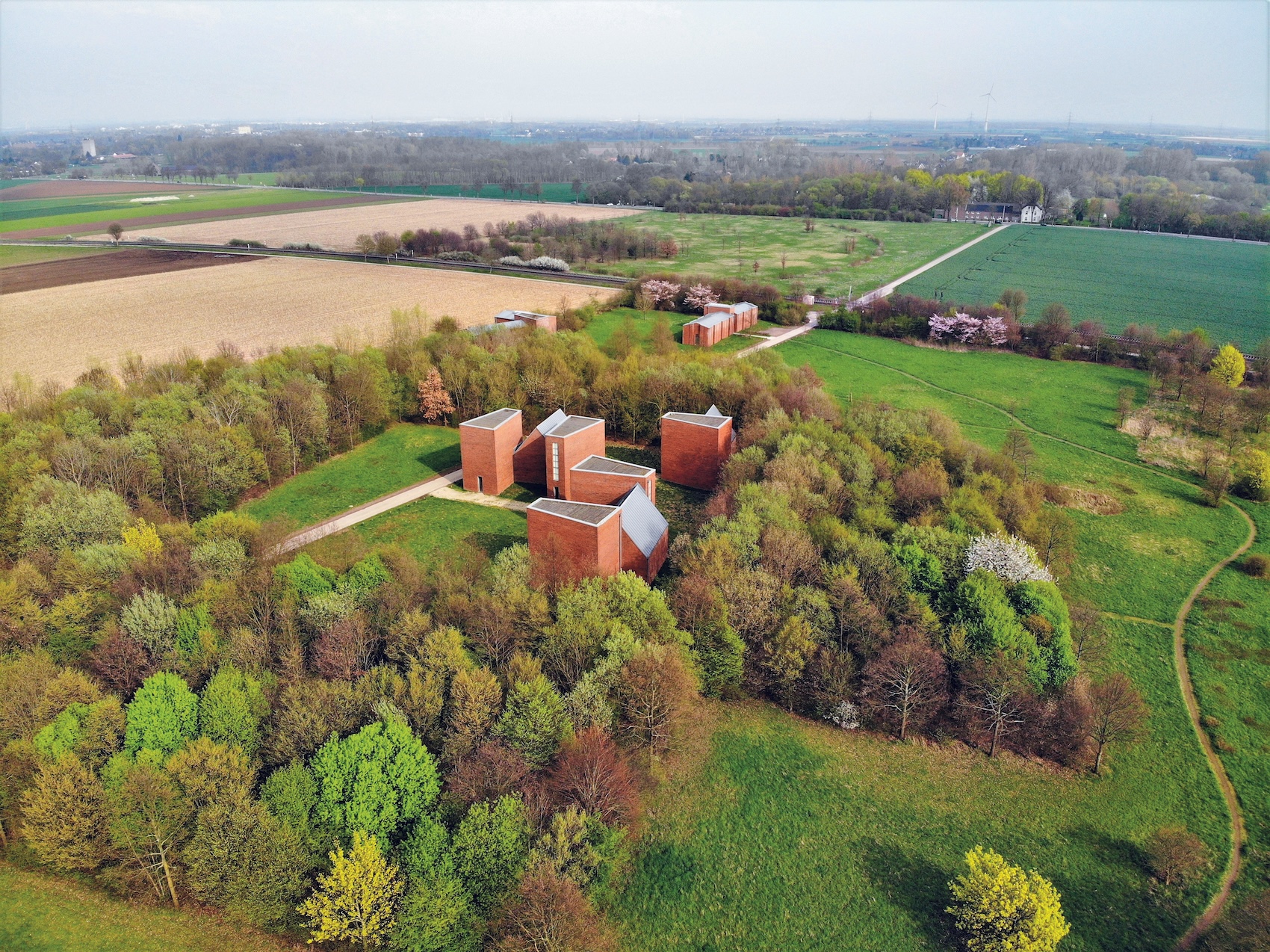
Publisher Torsten Bløndal and architecture professor Thomas Bo Jensen have joined forces to produce a compendium of the paintings, sculptures and buildings of Danish artist, poet, sculptor and film maker Per Kirkeby. John Pardey enjoys a lyrical tour through an eclectic portfolio rooted in love for the humble brick.