Abigail Scott Paul, Global Head of the Humanise campaign, talks to AT Editor Isabel Allen about waging war on mediocrity and giving Mayors the tools they need to set an awesome long-term vision for the communities they serve.
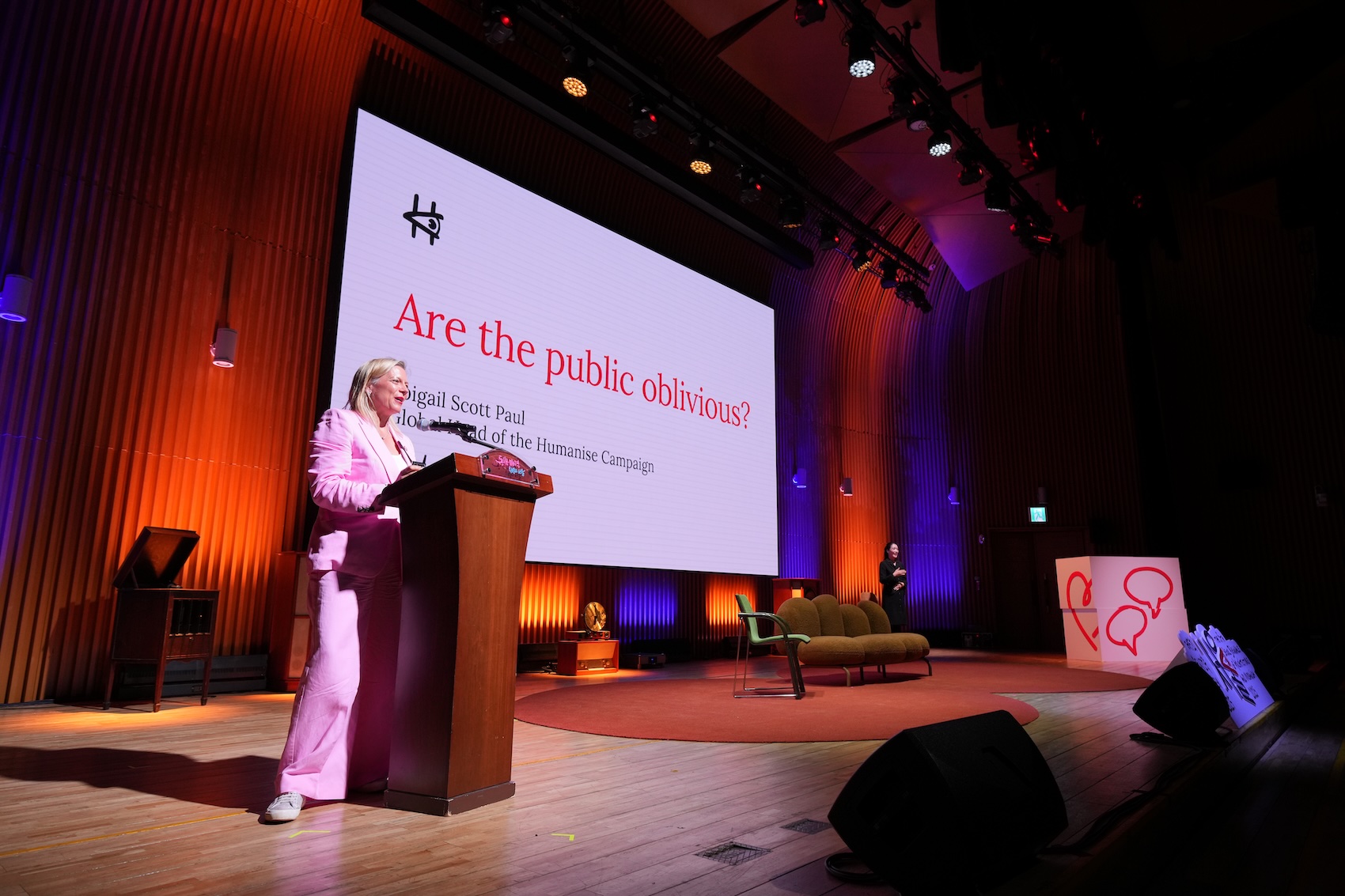
Abigail Scott Paul sets out the Humanise manifesto for an inspiring, joyful world.
I’ve heard you’re producing guidance for Mayors on how to humanise their city. Can you summarise your advice?
Yes. We believe we can humanise our cities through more interesting and visually engaging buildings. And Mayors can play an important role in making this happen.
Last year we developed a set of ‘Humanise Principles’ (listed below) – a toolkit for developers – on how they can embed a more humanised approach in projects. The principles focus on the importance of emotion as a function of design and the need for more visual complexity in the facades of buildings, particularly at the door and street level.
We’re now focused on the role of Mayors in encouraging and incentivising a new approach to development, to achieve more interesting and visually engaging buildings.
Great strides have been made to improve the public realm: streets, parks etc. This progress shouldn’t stop there. There’s a growing body of science showing that buildings, not just streets, impact our health and wellbeing and shape our experience of a city. We want to draw attention to buildings – how they meet the street and how citizens interact with them – and their role in creating confident, characterful and commercially successful places, that people feel proud to call home.
With increasing powers through devolution, and responsibility for delivering the Government’s growth agenda quickly, Mayors have a huge opportunity to inspire and encourage the type of development which delivers not only financial dividends, but meets people’s needs better, generates public benefit and civic pride, and boosts health and well-being.
Our guide focuses on vision, expertise and partnerships. For example, Mayors need to craft an awesome, long-term vision for their city or region. There’s no point being meek or mediocre. Setting a vision is a new requirement, introduced by the Planning and Infrastructure Act, 2025 for each Spatial Development Strategy. A clear vision should not only set rules and expectations for development, but should also provide the basis for attracting the right kind of developers who can deliver the ambition and quality that communities deserve.
Another recommendation focuses on Mayors bringing in the right kind of design expertise into their teams. This can strengthen a mayor’s ability to champion and deliver interesting, characterful development that prioritises human experience. Mayors should establish senior, permanent roles to steward design quality and make sure everyday development decisions are grounded in human experience and long-term ambition.
Finally, it’s also about choosing the right partners. Mayors should proactively identify and attract like-minded developers whose values align with their vision and can deliver development unique to their city’s character, that bolsters local identity and feels meaningful to communities.
What’s your plan for making sure Mayors are aware of the guidance – and that they take it on board?
We’re hoping to engage directly with Mayors and their teams. Our panel at UKREiiF will be the first step. Among the speakers will be the Mayor of West Midlands, along with a local authority chief executive – Kate Josephs, CEO of Sheffield Council.
After that, we’ll focus on a direct programme of engagement. We’ve had early success here too – Humanise has already been approached by a couple of cities who are keen to turn our call for more human buildings into action. These cities are top of our list.
But there is another goal: we want to have a much bigger public conversation about the need for more joy in our cities. We’ll be looking to the media, both sector and mainstream, to show that there is a public demand for more human buildings, and to call on those with power to act.
We have brilliant designers in this country, and we have the insight and tools to make joyful buildings the norm, not the exception. It’s time for us all to use our voices to call for change.
To what extent do Mayors have the power to act on these recommendations?
The shift towards a more design-led approach to urban regeneration has to start from the top. Mayors are in a unique position to set a strategy bringing different interests together – ownership, funding and delivery. There are already some great examples across the world of leaders using their position, existing resources and innovative thinking to make better places.
Realistically, which recommendations are the easiest to achieve? And which are the most challenging?
Crafting a compelling vision for a city and/or region, which isn’t about metrics, but is focused on the physical expression of the story of a place, should be easy but is actually quite hard! It requires working with citizens of that city to shape a vision that speaks to their experience, relationship and history, but that can also be relevant and authentic to new and future generations.
Resource and capacity is a perennial issue when it comes to the public sector. We need to invest in design expertise in these relatively new mayoral authorities and articulate the economic argument for doing so – and we need to get better at presenting the economic case and commercial benefits for doing so.

Heatherwick Studio’s Maggie’s Centre, built in the grounds of St James’s University Hospital, Leeds, and completed in 2020. Maggies Centres were conceived as a riposte to the mediocrity of many healthcare buildings. Photography by Hufton+Crow.
FIVE PRINCIPLES OF JOYFUL DESIGN
The five Humanise Principles are a practical tool that brings a people-centred perspective to development. They can help inform decisions about design and investment, allow better conversations with developers and communities, and ultimately help deliver more joyful, engaging and human development.
Five principles underpin the approach:
1. Emotion as a function of design
Development is not neutral and Mayors need to acknowledge the emotional role and function of buildings in boosting pride and the health and wellbeing of citizens. People want to spend time in places that make them feel good and connected to their community. The way that places look and feel are crucial elements in nurturing attachment, belonging and pride.
2. Public conversations
Change in the form of new development in cities makes people nervous and they often feel locked out of the conversation about what is getting built. A different type of dialogue is needed: one where the public feel confident, welcome and heard. That needs to take place both at the level of individual sites and across cities as a whole.
3. Visual complexity
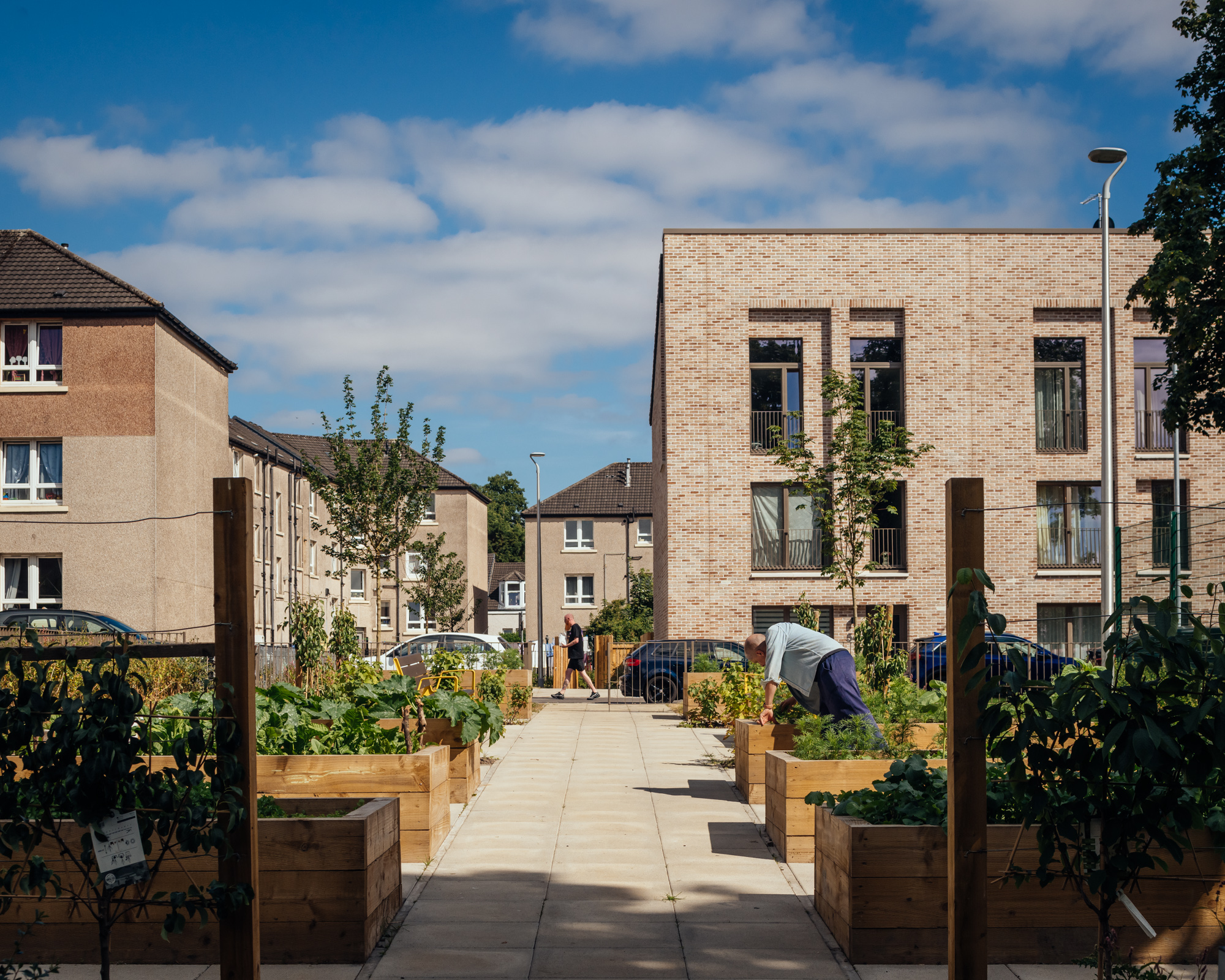
Dull and monotonous development is bad for our bodies, our brains and our behaviour. Mayors need to work with developers and encourage them to design sufficient visual complexity into the facades of buildings to ensure streets are not only interesting and varied, but also visually engaging to the passerby. This could take the form of adding different types of detail, texture, materiality, forms, patterns at the street and door level, which together can work to reduce stress and make us think and feel better. This creates places that deliver on character, pride and distinctiveness – goals in the Government’s Planning Policy Framework
4. Door and street scale
Mayors should prioritise the human experience of development at the street level and at the scale people actually experience buildings—entrances, ground floors, edges and thresholds. Buildings should reward close attention and support safety, interest and wellbeing at walking pace.
5. 1,000-year thinking
Mayors are custodians of a relatively small chapter in the long history of a city and should understand the opportunity they have in ensuring new development will stand the test of time. There is a need to protect existing heritage in cities but also to create new heritage, which can deliver on the long-term ambition and vision for a city, which will be cherished by future generations. It is important for Mayors to work with developers who are committed to investing in a city over the long-term.
FURTHER INFORMATION
Humanise is a global movement for buildings and cities which are interesting, joyful and human. We’re calling out how dull, soulless buildings are bad for our brains, our bodies, our behaviours, our economy, and our planet. Human beings need human buildings. For more information go to www.humanise.org