Religion & Culture
Standing the test of time: Vajrasana Buddhist Retreat Centre
Cindy Walters from Walters & Cohen Architects and Maitreyabandhu from the London Buddhist Centre discuss the challenge of communicating the Buddhist vision to the modern world through the Vajrasana Buddhist Retreat Centre – winner of the Religion & Culture Award at the Test of Time Awards 2025.
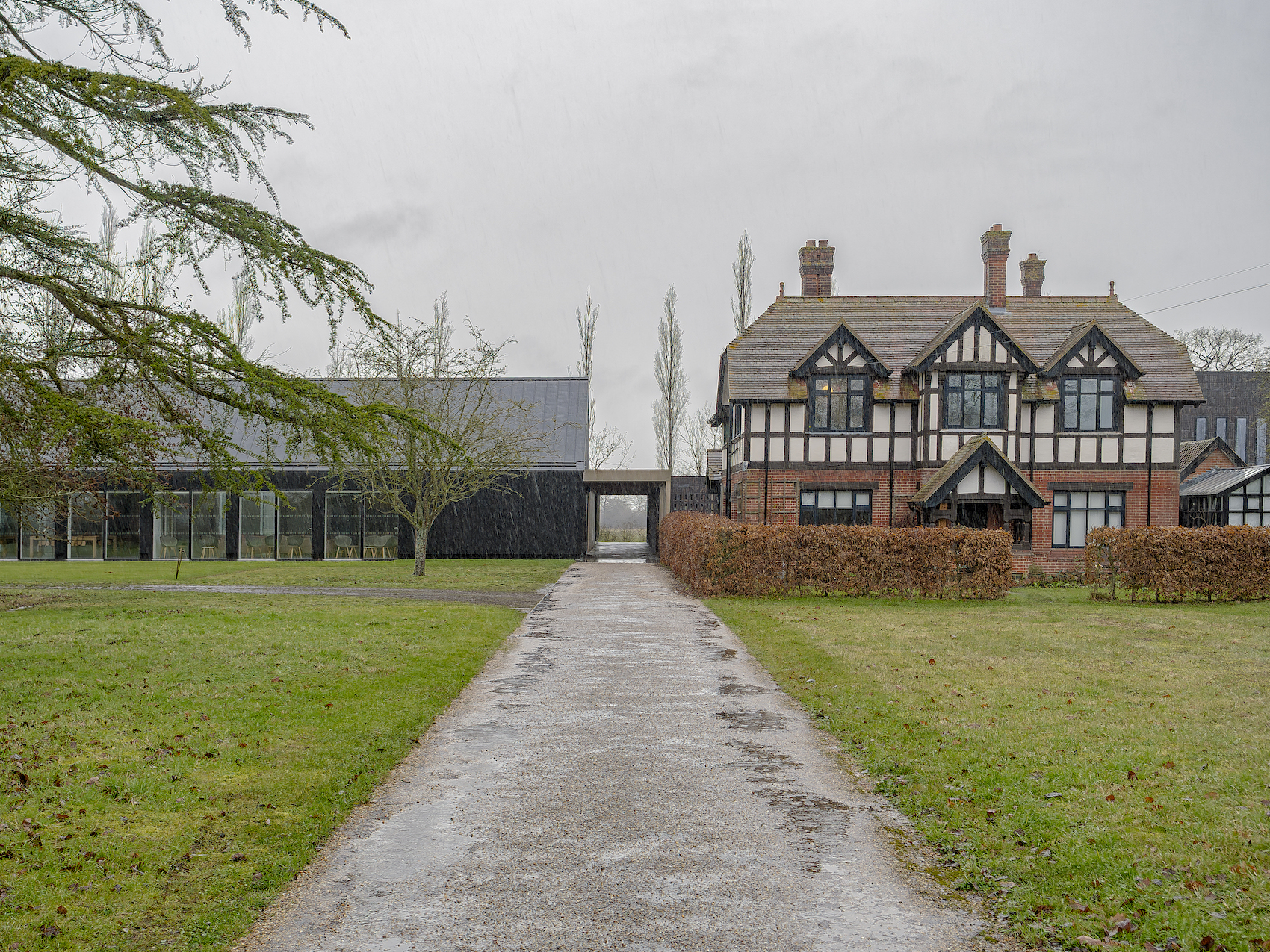
Commissioned by the London Buddhist Centre and designed by Walters & Cohen, the Vajrasana Buddhist Retreat Centre in Suffolk replaced a collection of deteriorating farm sheds with modest, low-rise buildings arranged around interconnected courtyards, balancing a domestic scale with spiritual gravitas. As the UK’s first purpose-built facility of its kind, the project presented unique challenges, including the absence of architectural precedents for a western Buddhist retreat.
The design team immersed themselves in the retreat experience to understand practical and spiritual needs, from barefoot movement and protected walkways to spaces for quiet contemplation. The building sequence reflects the three jewels of Buddhism – community, practice, and enlightenment – culminating in the shrine room. Materials were chosen for their simplicity and resonance with Buddhist values: dark multi-tonal brick lends weight to the spiritual areas while charred larch defines the social spaces.
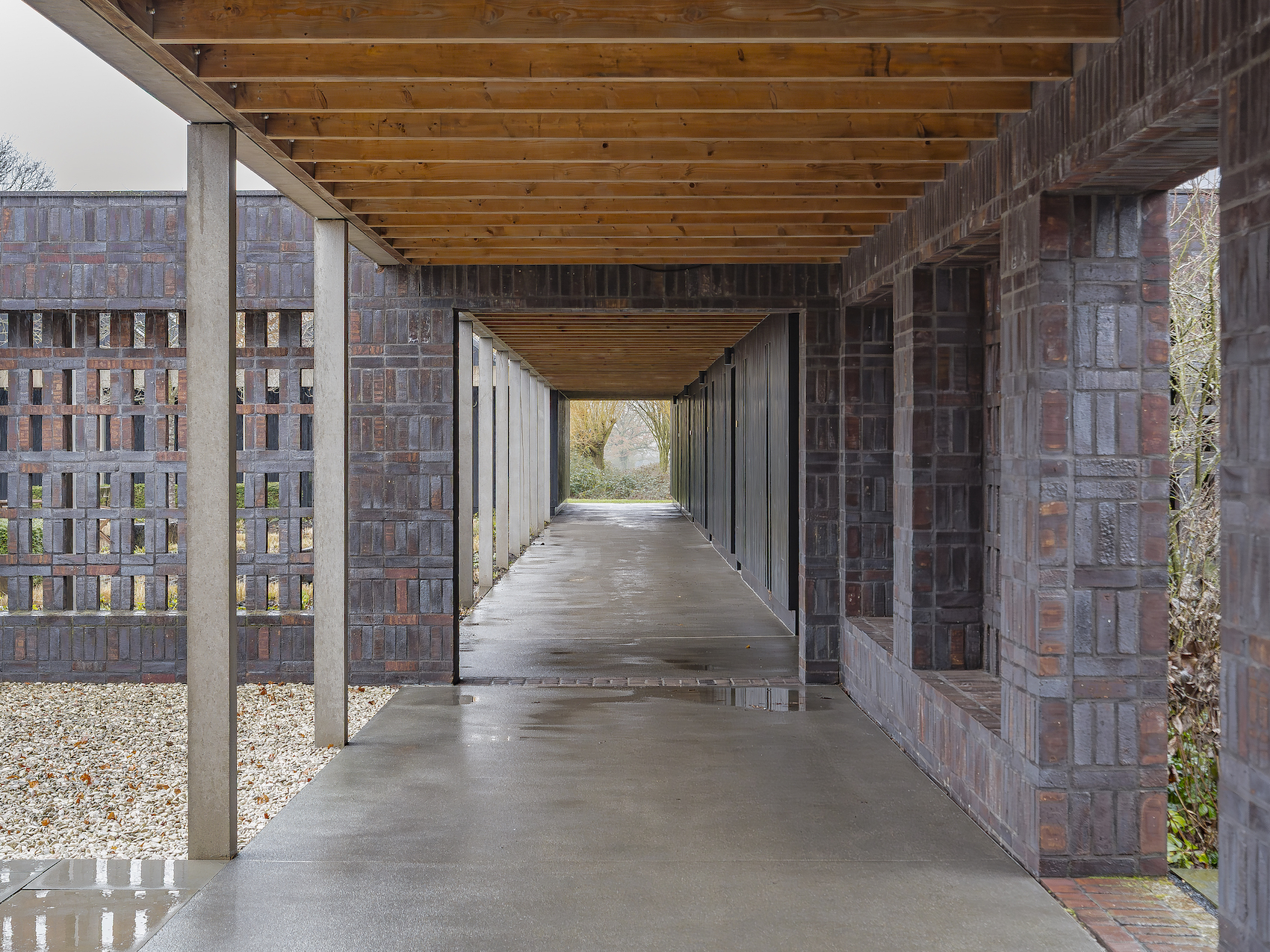
Covered walkways provide protection from the elements and framed views of the surrounding Suffolk countryside.
Thoughtful landscape design supports a ten per cent biodiversity net gain and enhances the contemplative atmosphere. Designed to Passivhaus levels, the centre achieved BREEAM Very Good, while doubling occupancy without increasing the building footprint. A ground-coupled ventilation system, photovoltaics, high-performance glazing, and natural lighting ensure a quiet, comfortable interior and minimal operational energy use. Acoustic, thermal and lighting requirements for the shrine room were carefully addressed to support long periods of meditative use.
A post-occupancy study conducted by Walters & Cohen as part of a PhD demonstrates that Vajrasana continues to function exactly as intended.
Maitreyabandhu I’m a senior teacher at the London Buddhist Centre. One of our great projects was to envision a new Buddhist retreat centre that communicated the spirit of Buddhism in the architecture, and which was contemporary, yet referred back to the Great Buddhist tradition. We didn’t have very much money, so we bought this small farmstead in Suffolk and did a very quick fix on it. We had a hay bale shrine room in the big barn and tried to make it possible to have as many retreats as we could. We could get 20 people in at most, and it was all a bit cramped. Then a very good friend of mine tragically died and left the Buddhist Centre some money. We raised more money, and for the first time since the Centre opened in 1970, we had something towards the funds needed to build a new retreat centre. We didn’t just want a centre that was more sensible, more practical, and could fit more people in – we did want all that – but we also wanted a place that communicated the Buddhist vision to the modern world.
Cindy Walters We had a call from the RIBA Client Advisory Service to ask if we were interested in being approached to come up with some initial ideas for a Buddhist retreat centre, and I said “yes, of course”, without even thinking about it. I made up my mind then and there that this was going to be our project. I don’t know how I knew that, but I just did. We assembled this incredible team around us, including wonderful landscape architects called BHSL (Bradley-Hole Schoenaich) and in particular a landscape architect called Brita who is still involved with the site. We started the process of design with an amazing brief that had been put together by the London Buddhist Centre, speaking about things that architects don’t often speak about for some reason, like beauty.
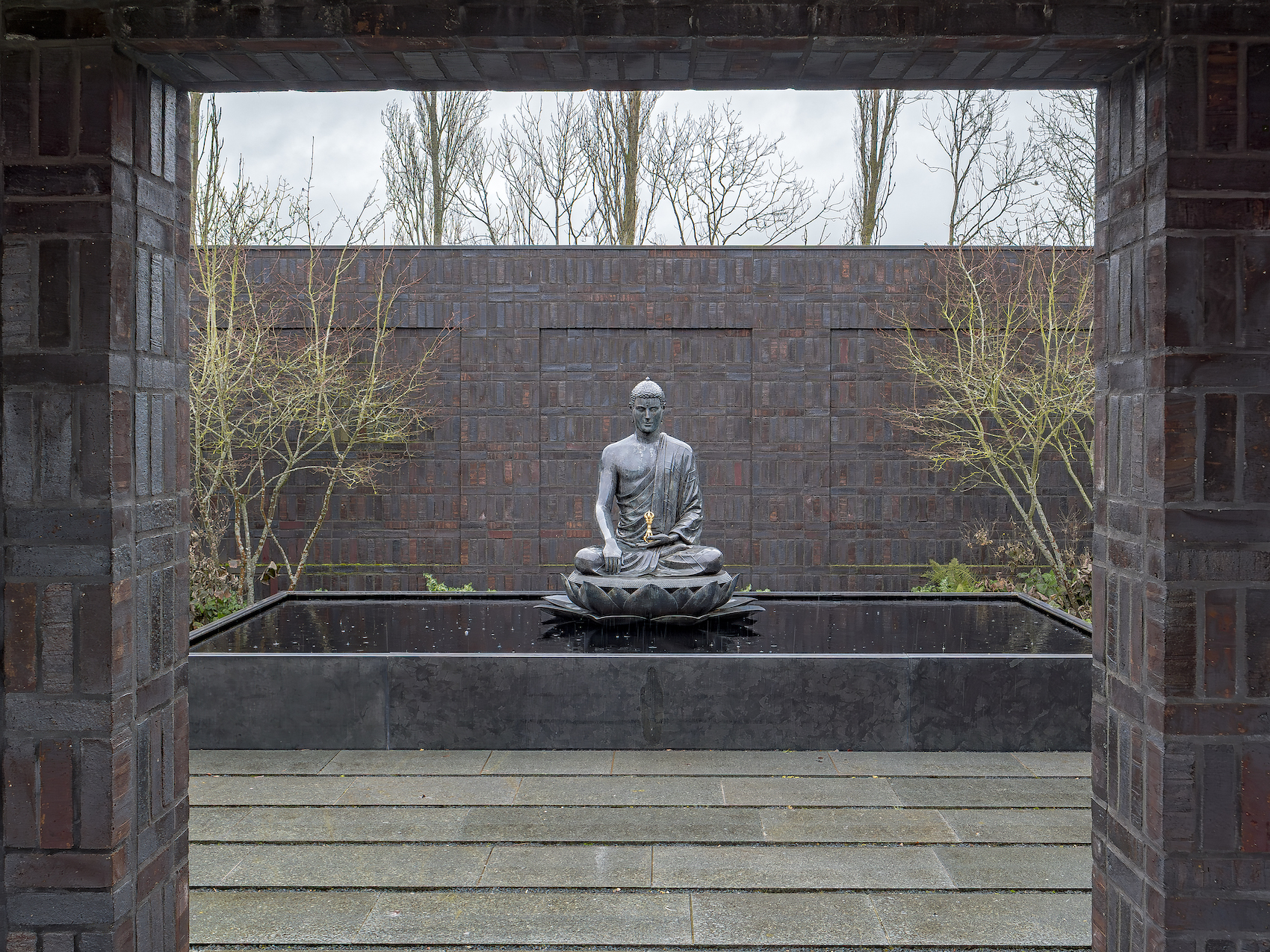
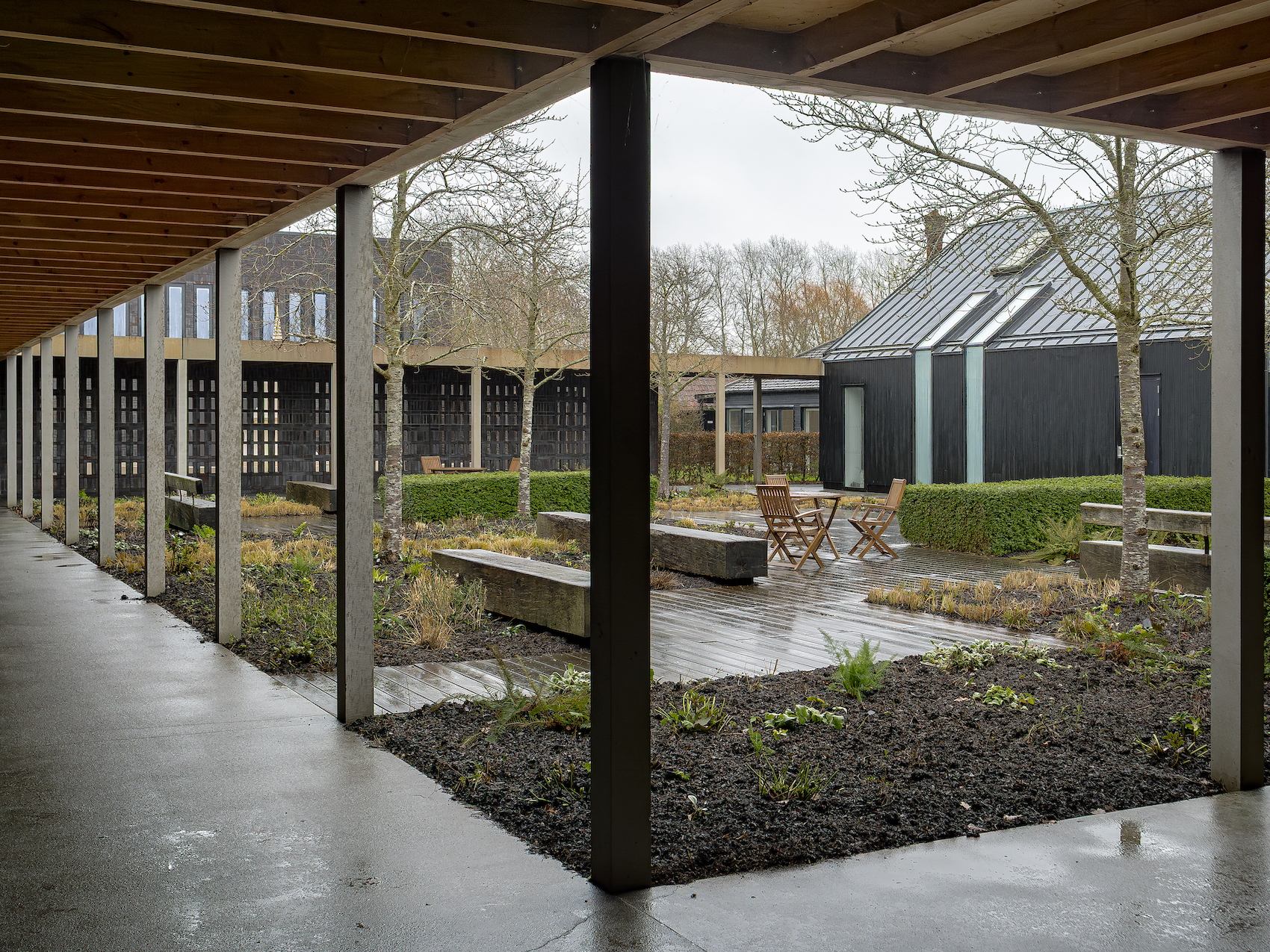
Dark multi-toned brick frames the Akshobhya courtyard, designed around a small Buddha figure sitting on a lotus flower at the centre of a pond.
Maitreyabandhu We were trying to create a vision of a new world: a world of beauty, a world of meaning, a world of community. That’s really what we asked Walters & Cohen to do: a new vision of Buddhism for the westernised world.
Cindy Walters We started off with a rather quaint jumble of farm buildings, and actually we wanted to keep as many of them as we could. But as we worked our way through the surveys and investigations, we realised that, because of asbestos and all sorts of other reasons, we couldn’t keep any of them apart from the farmhouse. We went on a retreat and stayed in those farm buildings working out what was important over a whole weekend; where you had to be quiet and where you could make a noise; when you had to stop for tea; and when you had to take your shoes off. And the routine and the ritual of a retreat was something I don’t think we could have responded to unless we actually experienced it.
That lived experience became central to how we ran the project. Some ideas came up very early on. We understood that we needed to create courtyards, and that was partly because it’s a flat site and it can be very windy. We knew that the shrine room was going to be precious, and it had to be separate, and there needed to be a process in order to get to the shrine room, wherever that ended up being. And we were fascinated by the fact that much traditional Buddhist architecture – eastern Buddhist architecture – is very vertical. If you look at the architecture in Tibet – if you look at stupas – they’re vertical elements. We had this incredibly flat, horizontal Suffolk landscape that we needed to respond to. So one of our early ideas was to create this slot at the bottom of the building looking out of the shrine room, where you could see the horizon.
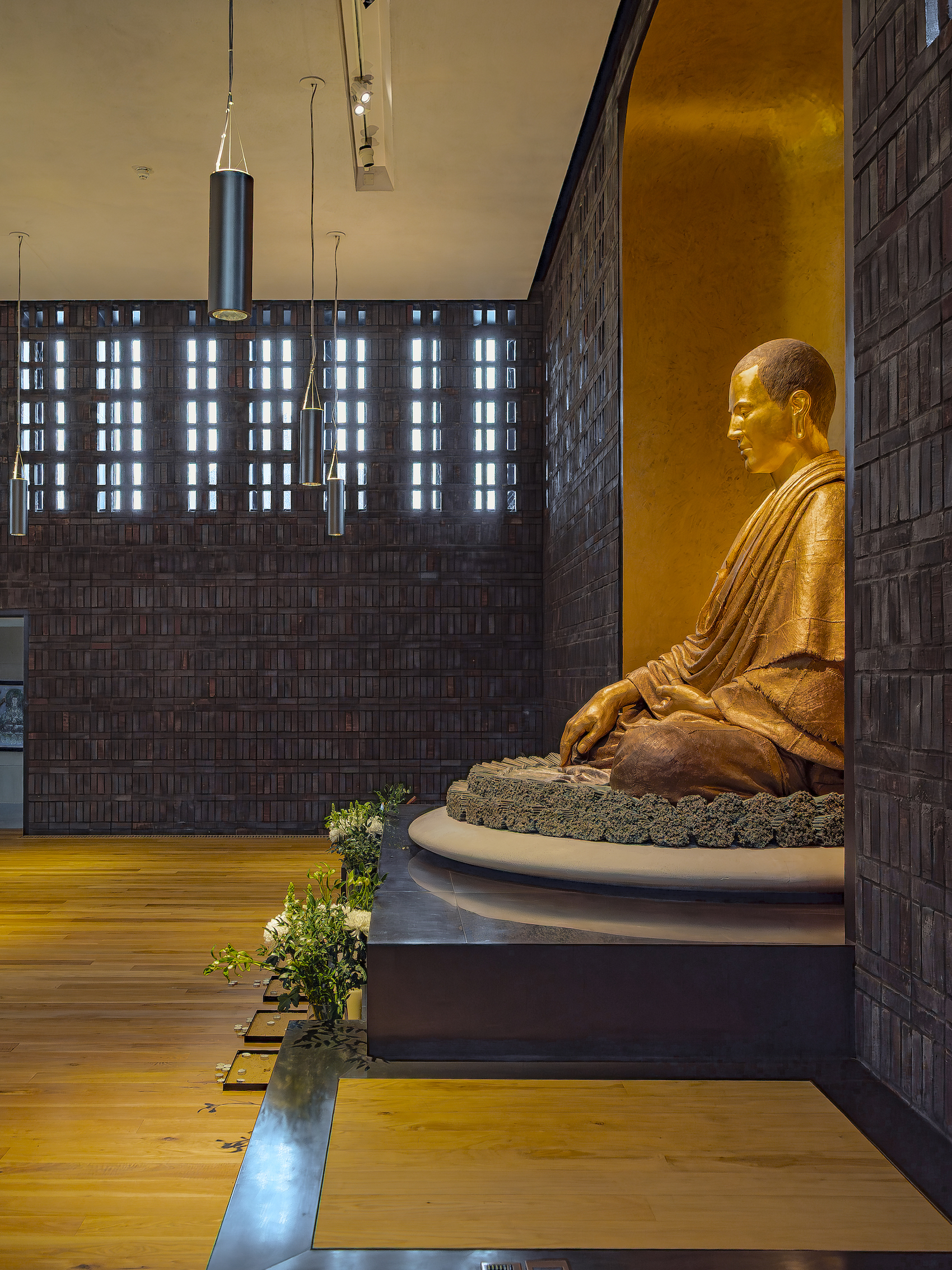
The double-height shrine room incorporates exposed brick walls, perforated at high level to admit diffuse daylight and maintain a visual connection to the outside world.
Maitreyabandhu We had meeting after meeting, working out a vision together. Those of us from the London Buddhist Centre have a very deep sense of what Buddhism is: how to teach it; how to express it; how to live it in the modern world; but we had no idea of how that would look architecturally. So Cindy and her team brought all of that, and we had discussion after discussion about what the shrine room would look like; about the values that were going to be built into the environment and how they were going to be expressed. We ended up spending a lot of time together just exploring how to combine our vision of Buddhism with Cindy and her team’s vision of architecture.
Cindy Walters It’s dawned on me many times over the course of my career, how many clients expect you to come up with an idea at the beginning and that the idea won’t change. We all understood that this was going to have to evolve and that we were going to get to a point where we felt we’d got it right – we’d done it justice. But that took some time. The London Buddhist Centre sits within the Triratna Buddhist order, which is represented by the three jewels, and we loosely translated that into three key spaces. One was Sangha, meaning community, and that was where people would live and eat together. The other was Dharma, which became where the stupa ended up, and which was about teaching and then ultimately the space where the Buddha would be and where the practice would take place. We spoke a lot about this place needing to deepen the practice that takes place at Vajrasana. It took us quite a while to work out what that really meant. And of course, we were absolutely terrified of getting it wrong, so we spent an awful lot of time thinking about what that meant to the people that were ultimately going to be the end users of this amazing place.
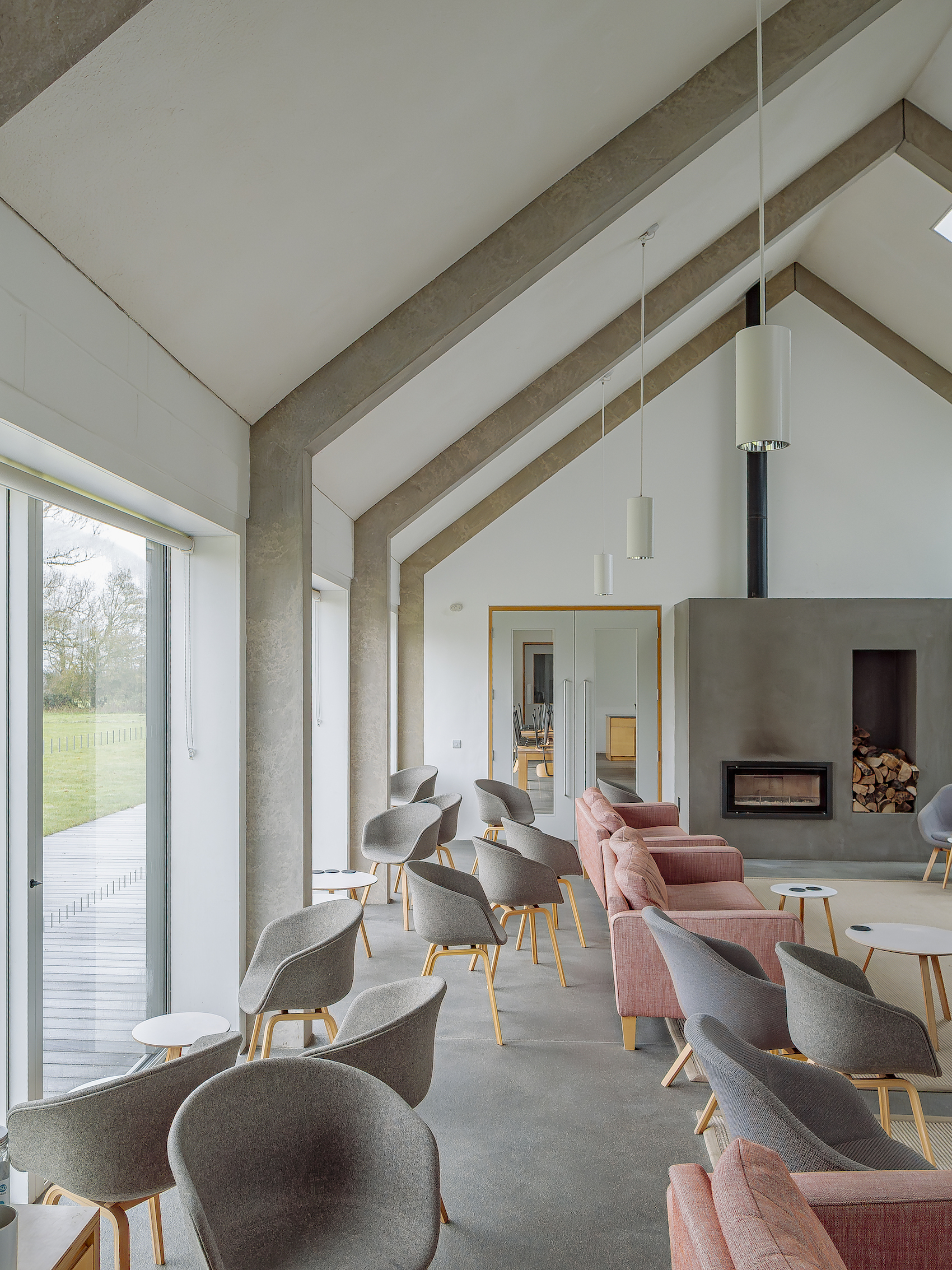
Left: A communal lounge enjoys full-height windows facing south east.
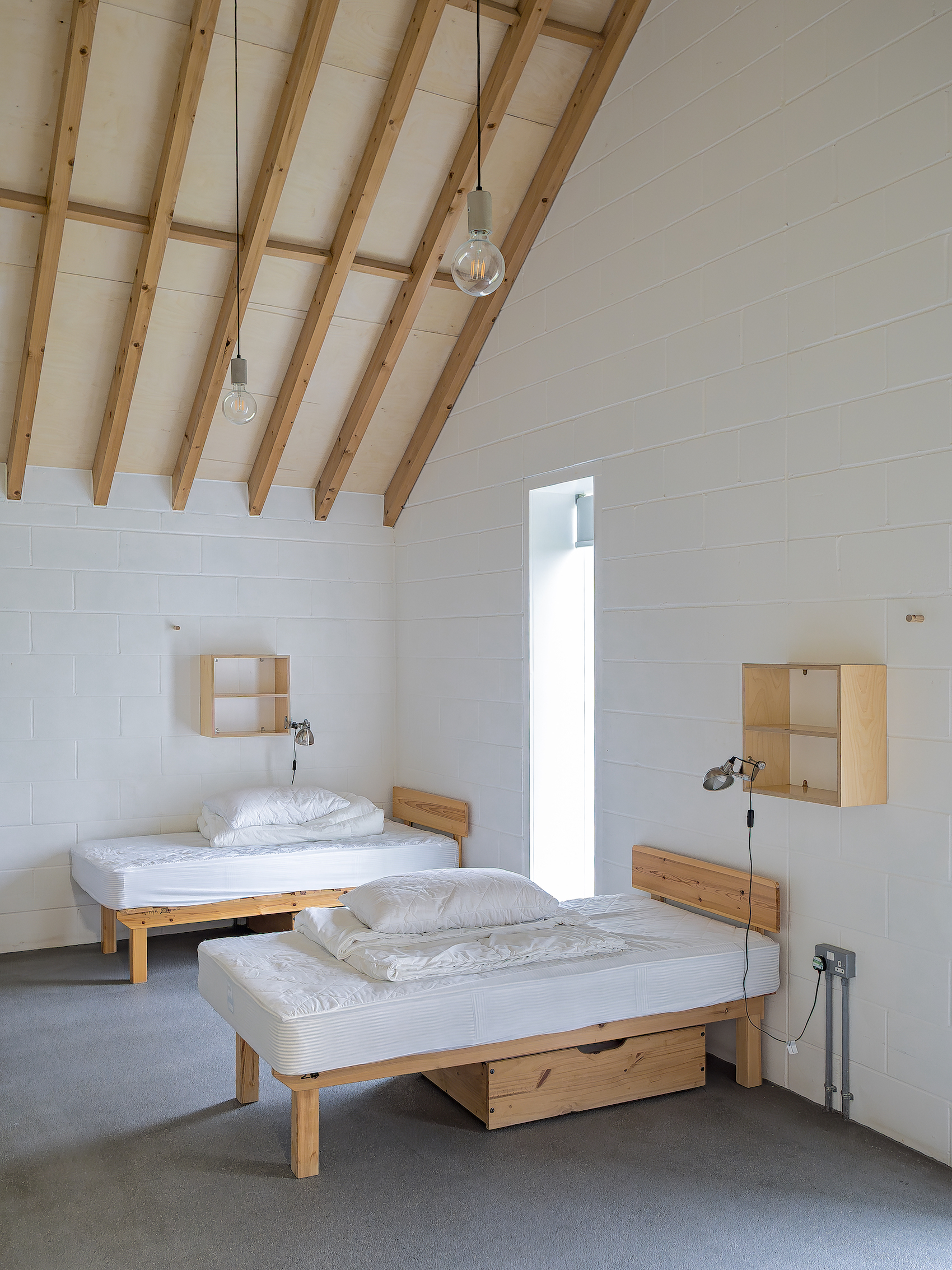
Right: Bedrooms have pared-back finishes, with wooden boxes for personal belongings.
Maitreyabandhu We talked together, Cindy and I, a lot about that idea of Sangha. We wanted a lot of shared rooms – we don’t want people with individual rooms and their own en suite. Part of the vision of Sangha is a vision of community, of living and working together, of sharing.
Cindy Walters The bedrooms are very stripped back and very simple. People are encouraged not to bring a lot of stuff with them when they come on retreat, but they have a box under their bed that they can put their belongings in and a box next to their bed for a book. People are encouraged not to use their mobile phones. You can’t really stop people from using their mobile phones in this day and age, but they are encouraged not to.
Maitreyabandhu We created this courtyard for the Sangha to be together – a communal, communicative space. And then we wanted to move into this space of the Dharma. The stupa was first created to commemorate the death of a great teacher. So that courtyard is trying to remind you that human life is shadowed by death, but death isn’t the end in Buddhism. What we also wanted to communicate is a kind of rebirth; a discovery of something that goes beyond egotism – goes beyond death – which is the shrine room itself. So we were trying to explore how a community of practitioners moves towards a deeper sense of the existential meaning of life in the Dharma, and then discovers a transcendental meaning of life in the Buddha in that final shrine room. Those were the sort of discussions Cindy and I were having.
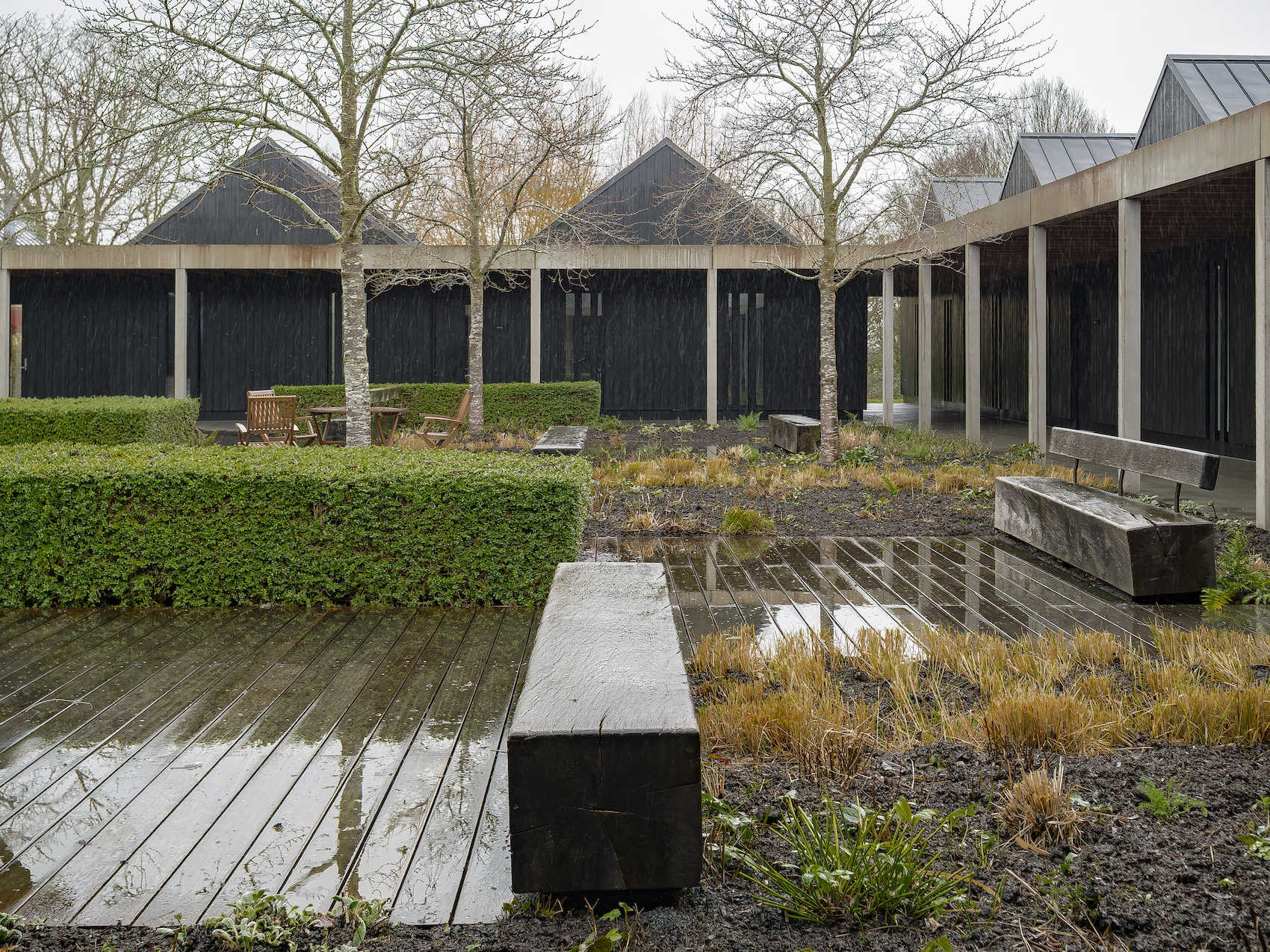
Cindy Walters So it’s very quiet, but it’s not monastic. Getting the aesthetic of the interiors right was very important. We used to joke about it not being a boutique hotel. We chose a very simple palette of materials. The floors are cast concrete; it’s very utilitarian. The interiors are painted blockwork, and then the only pops of colour are the plywood, which is also an inexpensive natural material. The countryside in Suffolk is dotted with dark agricultural buildings, so we selected zinc roofs, charred larch timber cladding, and then the walkways are concrete with a plywood soffit. The only brick building is the shrine room, which is a dark brick. Somebody said once that the brickwork looks like a medieval library, which I’ve always rather liked. So the general blend of materials is a dark palette, but when you’re there, it doesn’t feel like that. It’s this rich mix of different reds and browns and greys.
Maitreyabandhu We wanted this sense of simplicity, but we wanted it to be a rich simplicity. We weren’t trying to be monastic, and we weren’t trying to be some sort of spa place. We were trying to together discover this new way of being together that felt warm, communal, relaxed, but also had this sort of vision of change and transformation, and seriousness as well as humour. That’s what we were trying to do.
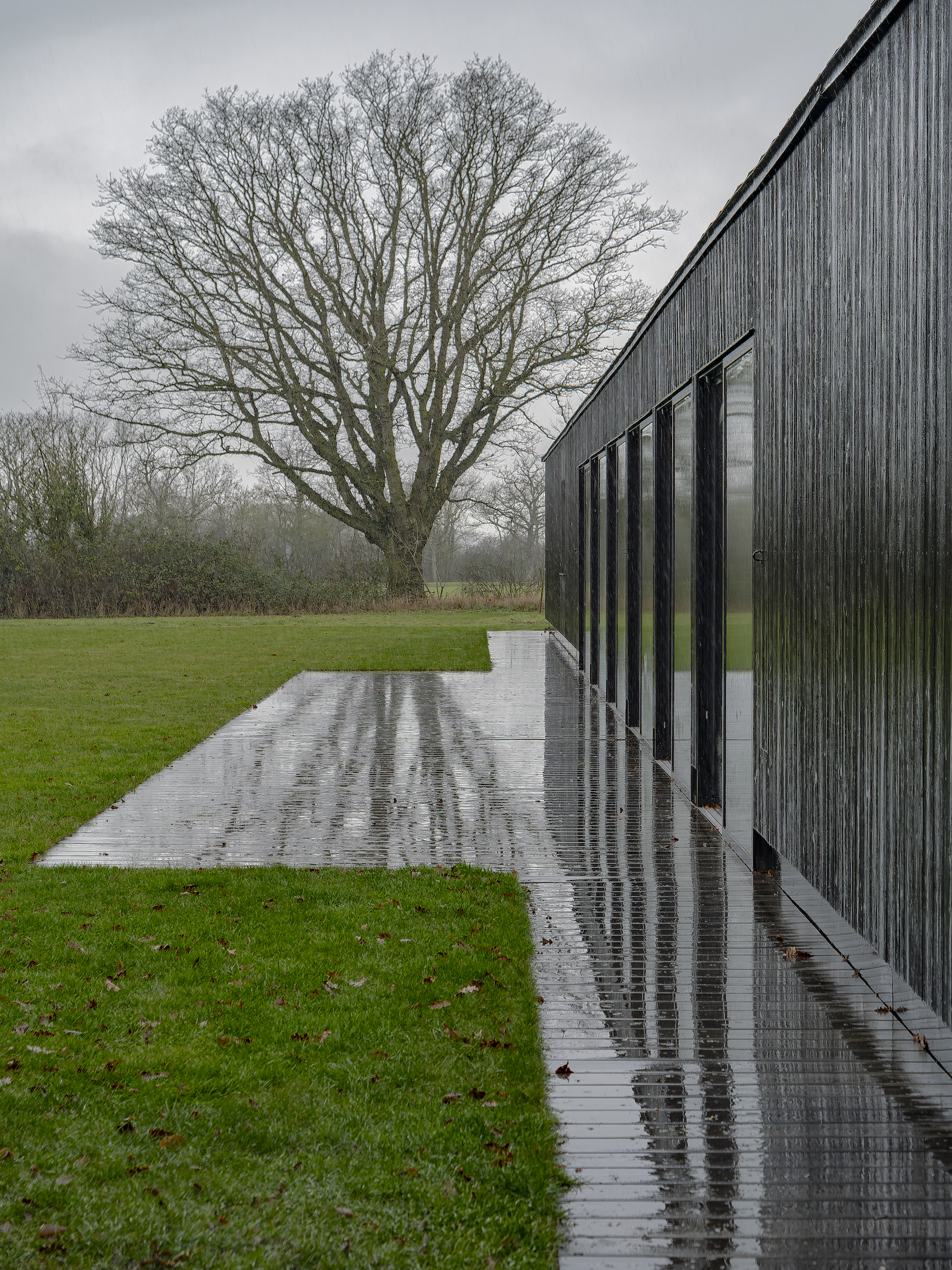
The architecture responds to the flat Suffolk landscape.
Cindy Walters Everywhere you are on the site, there are these framed views of the landscape. We were slightly besotted with the landscape. When you leave the city, you suddenly get this sense, as you approach the site, that you are actually in the proper countryside, and the views all around – of the fields and the landscape – are very beautiful. We introduced these perforated walls; jali walls. At the lower level, they provide privacy and separation between the community and the sacred aspects of the site. But it’s not a solid wall. There is some visibility and some permeability. It’s a very ancient idea. The jali wall is an Indian term, but many cultures have used this idea of a lightweight perforated wall to separate one function from the other.
Maitreyabandhu Buddhism believes in values, ritual and devotion. It’s not another kind of secularism. It doesn’t have any kind of God. It doesn’t have a personal God or any creator God. And yet we very much believe in creating a world in which ritual and devotion is natural. And one of the things that’s really striking about the design is that people naturally start to circumambulate the stupa. We have created this ritual space.
Cindy Walters In the shrine room, which is the only double- height space, the perforated walls flip to the upper portion of the room. This took a lot of trial and error, because it came to us quite late on that it was very important that when you are sitting down on the floor – and you do spend a lot of time on the floor in this space – you wouldn’t be distracted; that you weren’t looking out to the landscape beyond. That you were looking at the central figure of devotion, but you weren’t in a totally enclosed space. You would still be aware of a cloud passing in front of the sun; of night turning to day; and day turning to night. I went back on a retreat later on when the building was finished and somebody was sitting on that platform at the front telling a story, and everybody was in the room on the floor, and the only light in the space was candlelight and the light shining into the niche behind the main Buddha, and the walls just melted away, and you felt as though you were sitting outside, in nature, in a forest, and that wouldn’t ever have been possible if the walls were white.
Maitreyabandhu The first time we had an ordination retreat at Vajrasana – it was just post COVID and we couldn’t go to our usual retreat centre in Spain – we were all in robes. And being in robes in Vajrasana, and using Vajrasana as a fully monastic space was very, very natural. It somehow seemed as though everything we had created – Cindy and her team had created – somehow wanted us to be in robes. It was very, very special day.
Cindy Walters And the blue of the robes – I don’t know how or why – works with the palette of colours of the place.
Maitreyabandhu It does. The blue represents the blue of the Dharma; the blue of the Buddhist teaching. We’re not a celibate order, so we couldn’t wear the traditional orange robes. We are not a Tibetan Buddhist group, so we couldn’t wear red robes. The blue robes represent the blue of the Dharma in the sense of the same blue as the sky, the blue of the ocean, something of infinite depth. That’s why we wear blue robes.
Cindy Walters The building is standing, the test of time rather wonderfully, and that’s in no small part to do with the community who live there and the people who look after the place with the most extraordinary love and devotion. As an architect, it’s always a great joy to go back and see how the building that you designed is being loved and looked after. We did consider an addition to Vajrasana – converting the stable block, which is to the right of the main farmhouse, and then adding a new building – to cater for a shift in requirements and people wanting more single rooms. There isn’t funding for this project yet. At some point we’ll probably apply for planning permission, but we had a great dilemma about this because one of the great beauties I think of Vajrasana is that people do live communally, and you don’t come and check into your hotel room on your own. You are part of a community while you are on retreat. So although there may be valid reasons why people need more single rooms, there’s a reluctance to change the spirit and the nature of the place.
Maitreyabandhu And perhaps one last word about Vajrasana; the word itself. The Vajrasana is the place where the Buddha gained enlightenment. It’s supposed to be the centre of the universe, so the Buddha in that main shrine is touching the earth, which is what marks his enlightenment. And of course, the Buddha was enlightened in a forest so those perforations on the upper part of the walls create this abstract sense of solids at the bottom of the tree trunks, and light shifting through the leaves of the trees, while the Buddha gains enlightenment. So right at the heart of a Vajrasana is this vision of the Buddhist’s enlightenment.
Other finalists in this category:
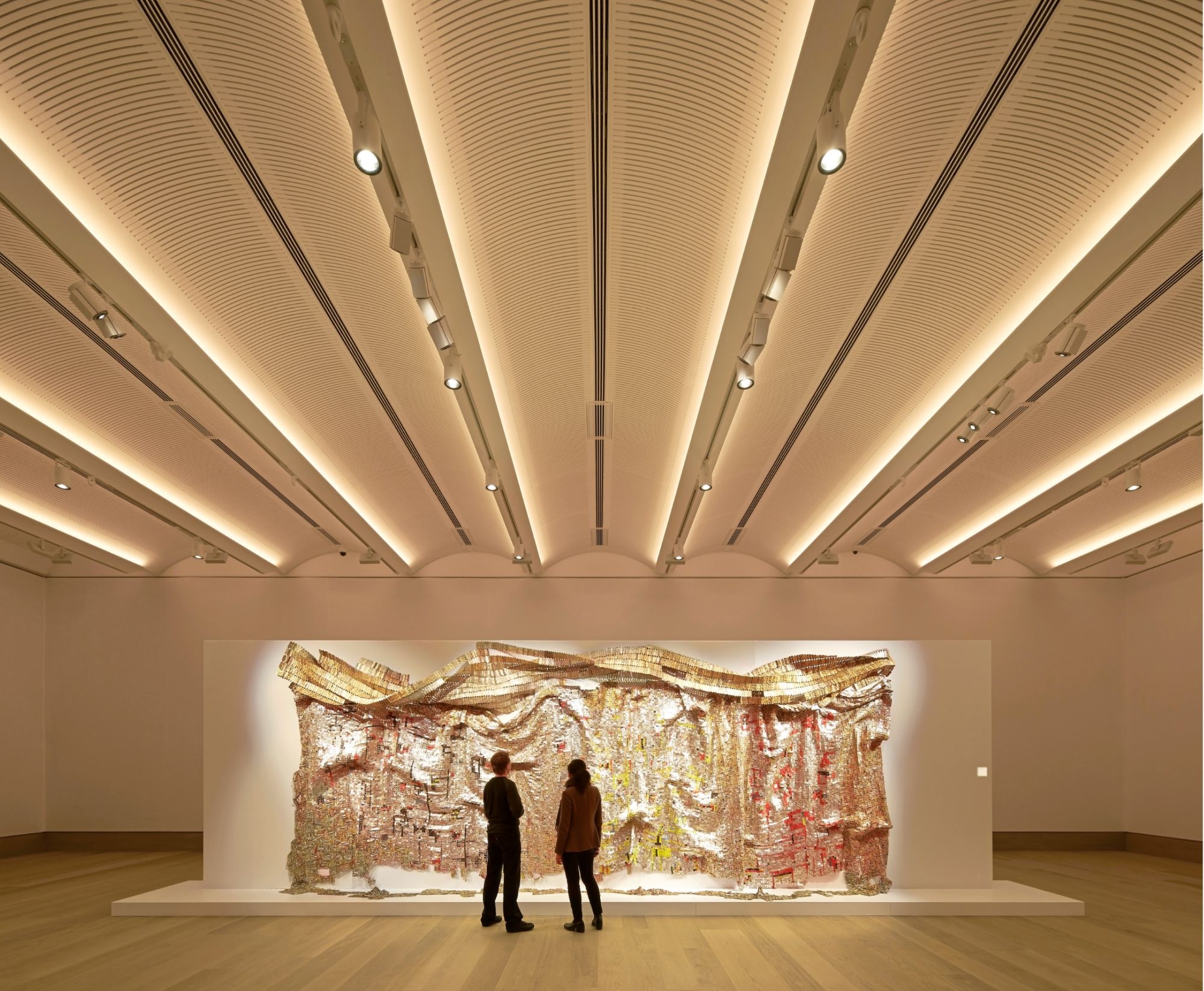
Bonhams by Lifschutz Davidson Sandilands