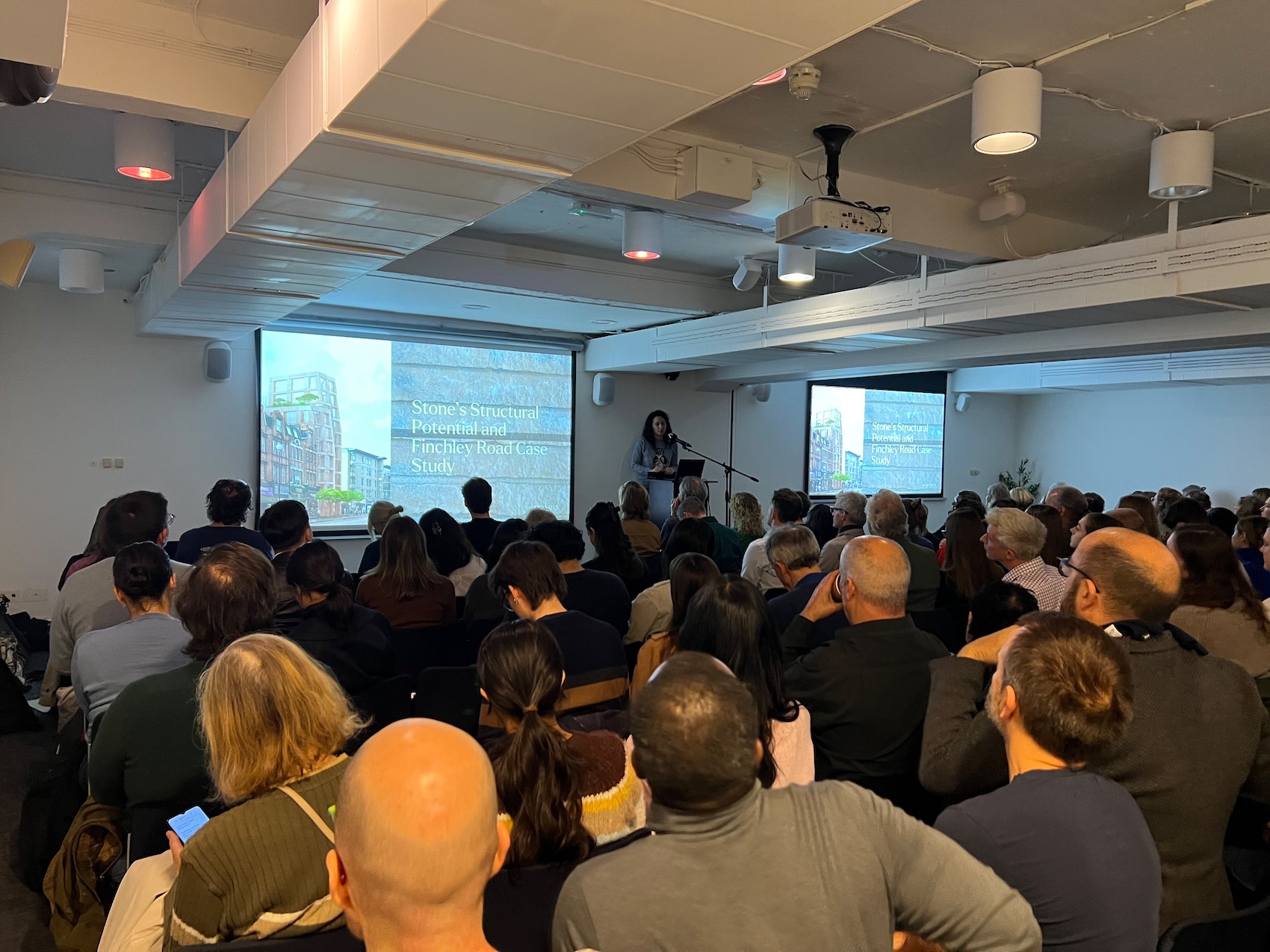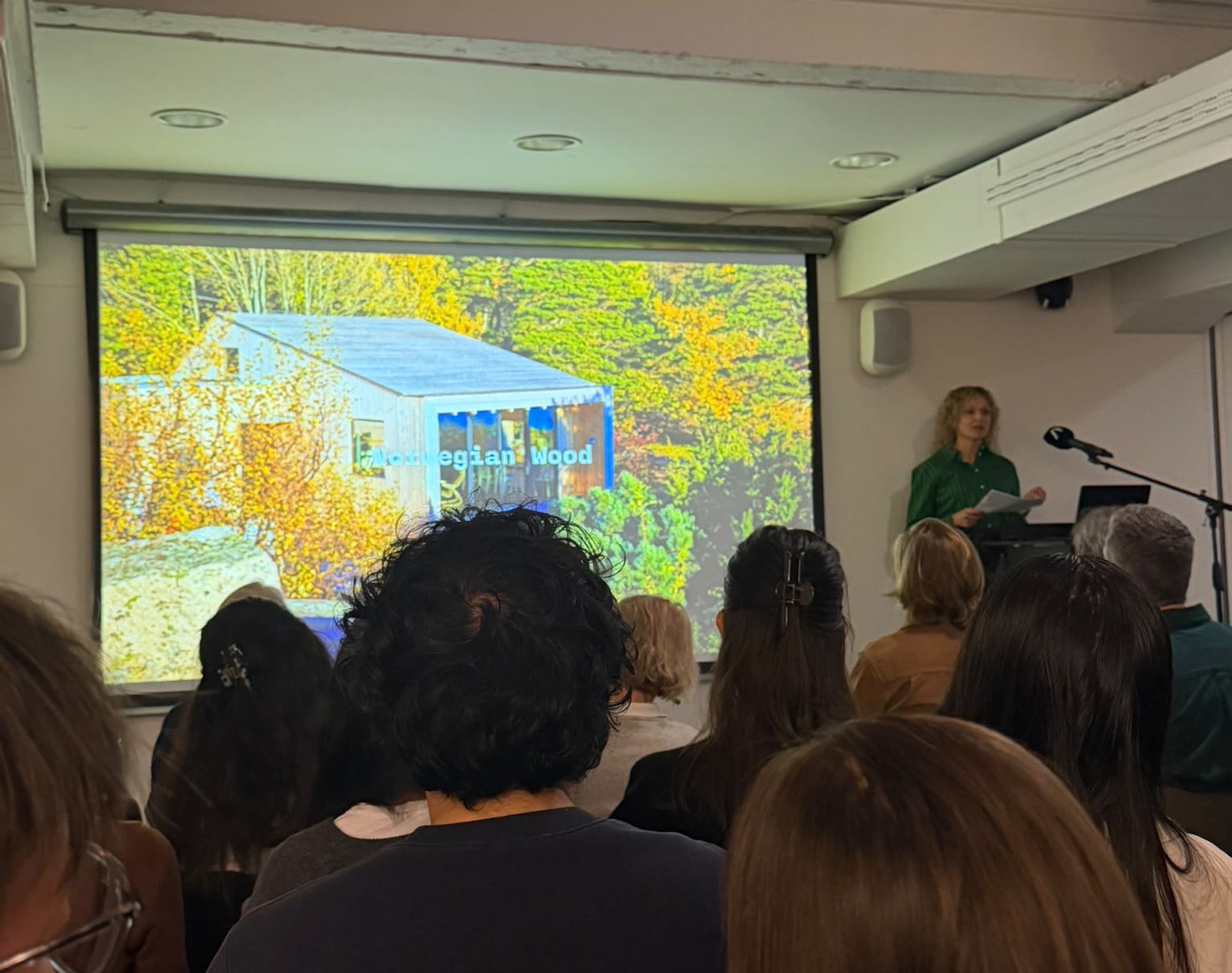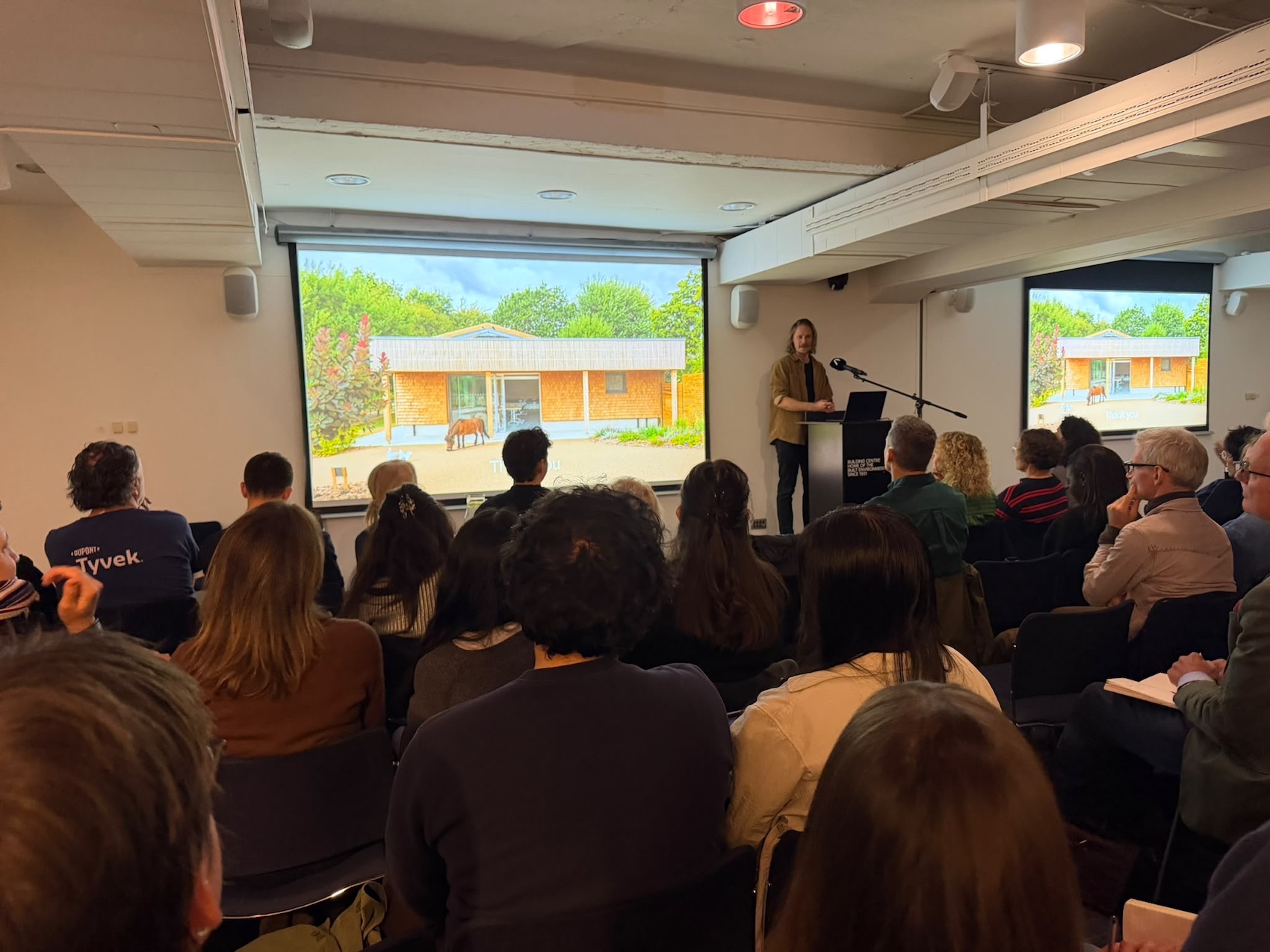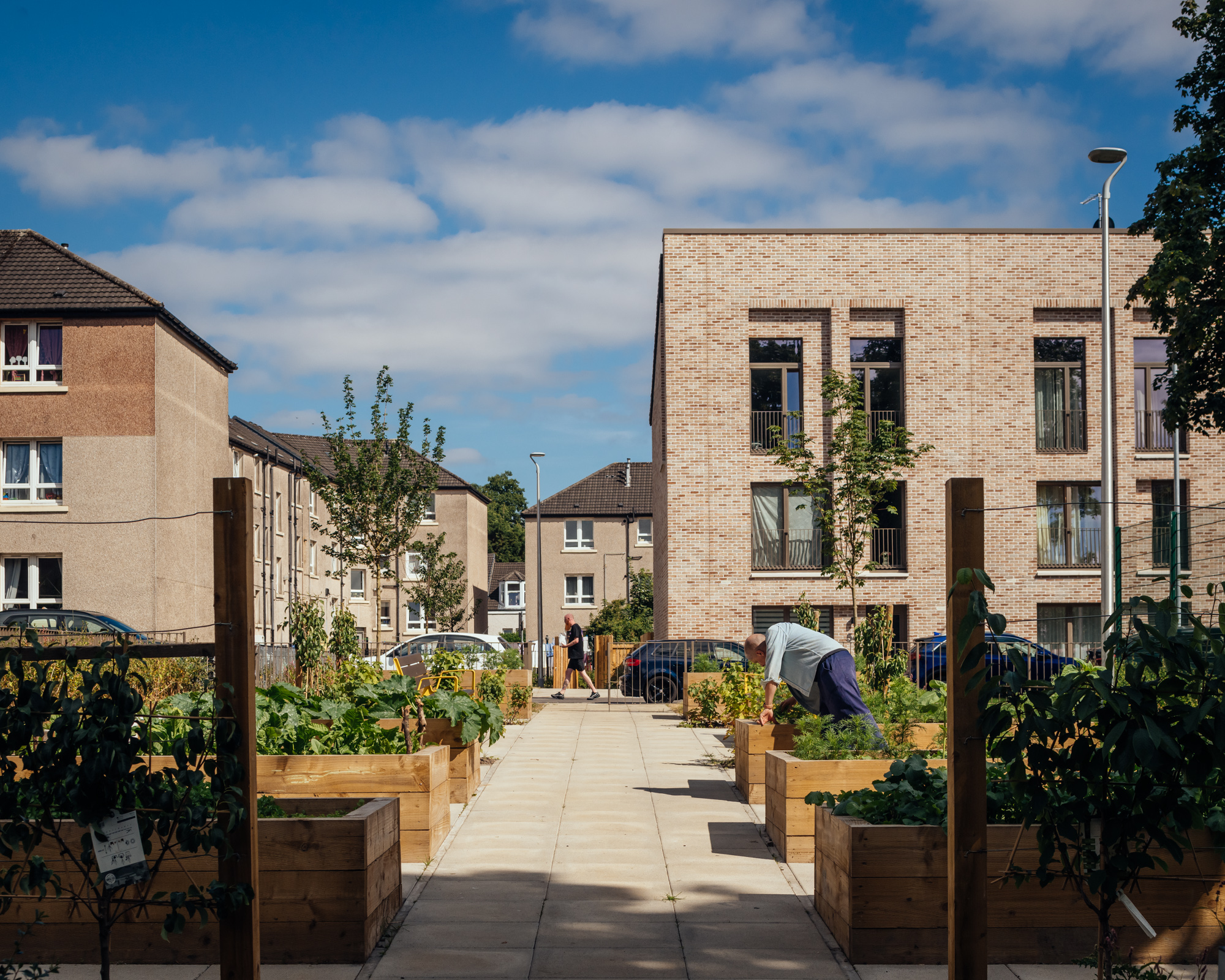
From pioneering employee ownership and collaborative procurement to championing low-energy design, retrofit and nature-led architecture, Carol Costello explains how Cullinan Studio is evolving its founding ideals to meet the challenges of a changing world.
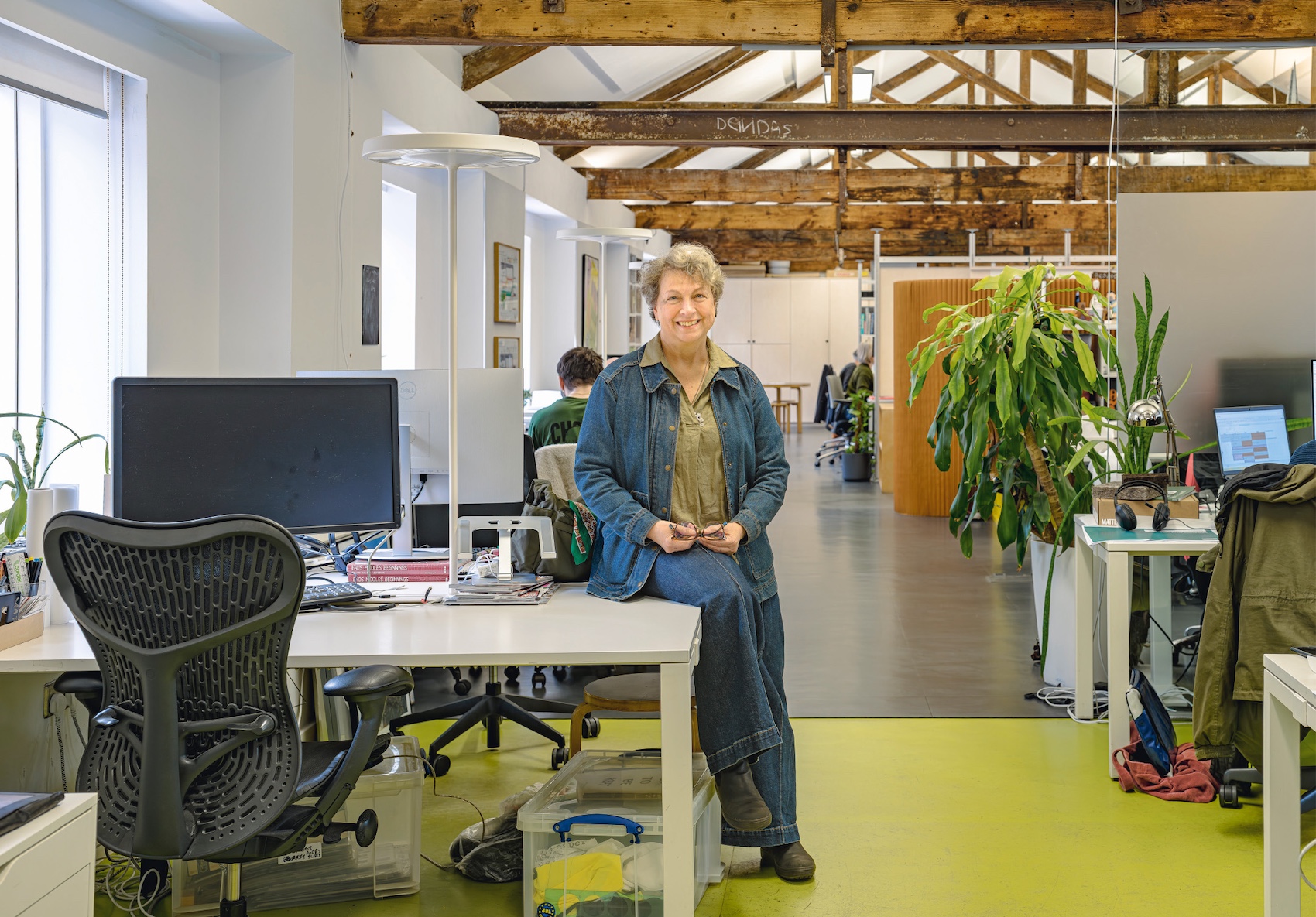
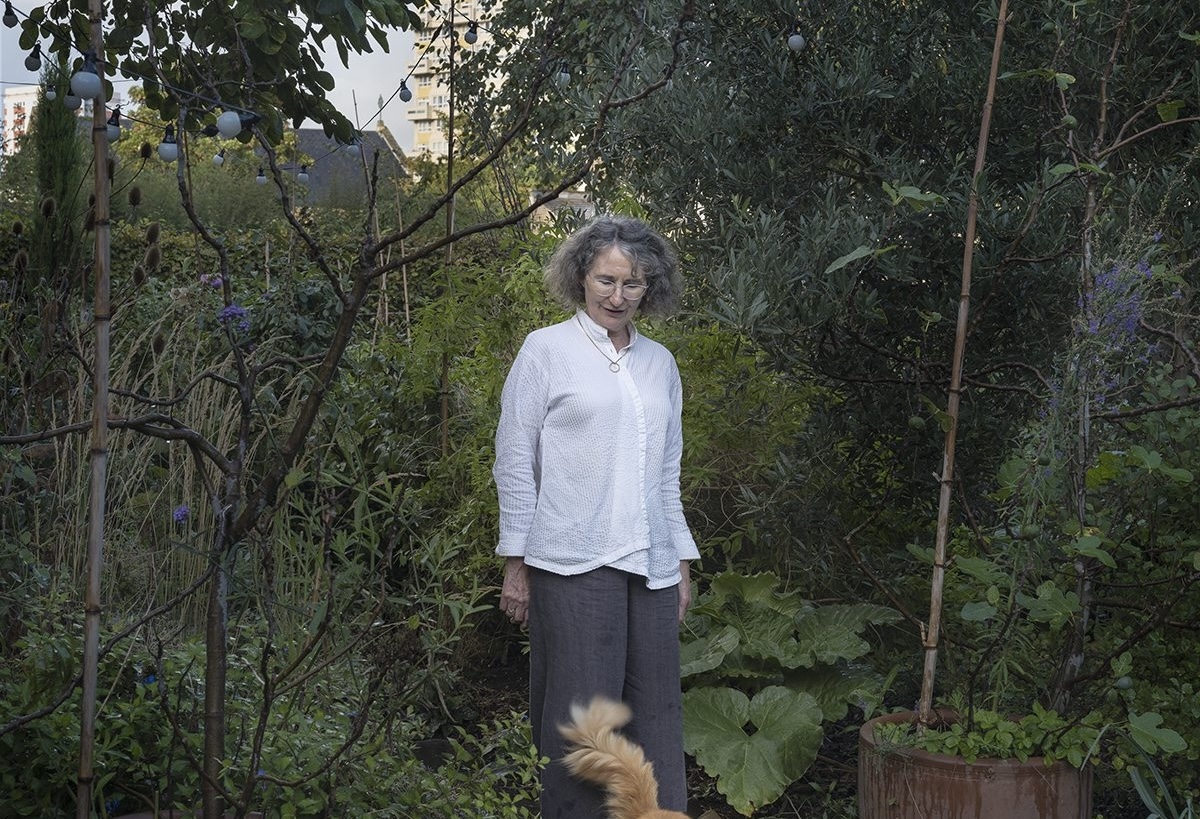
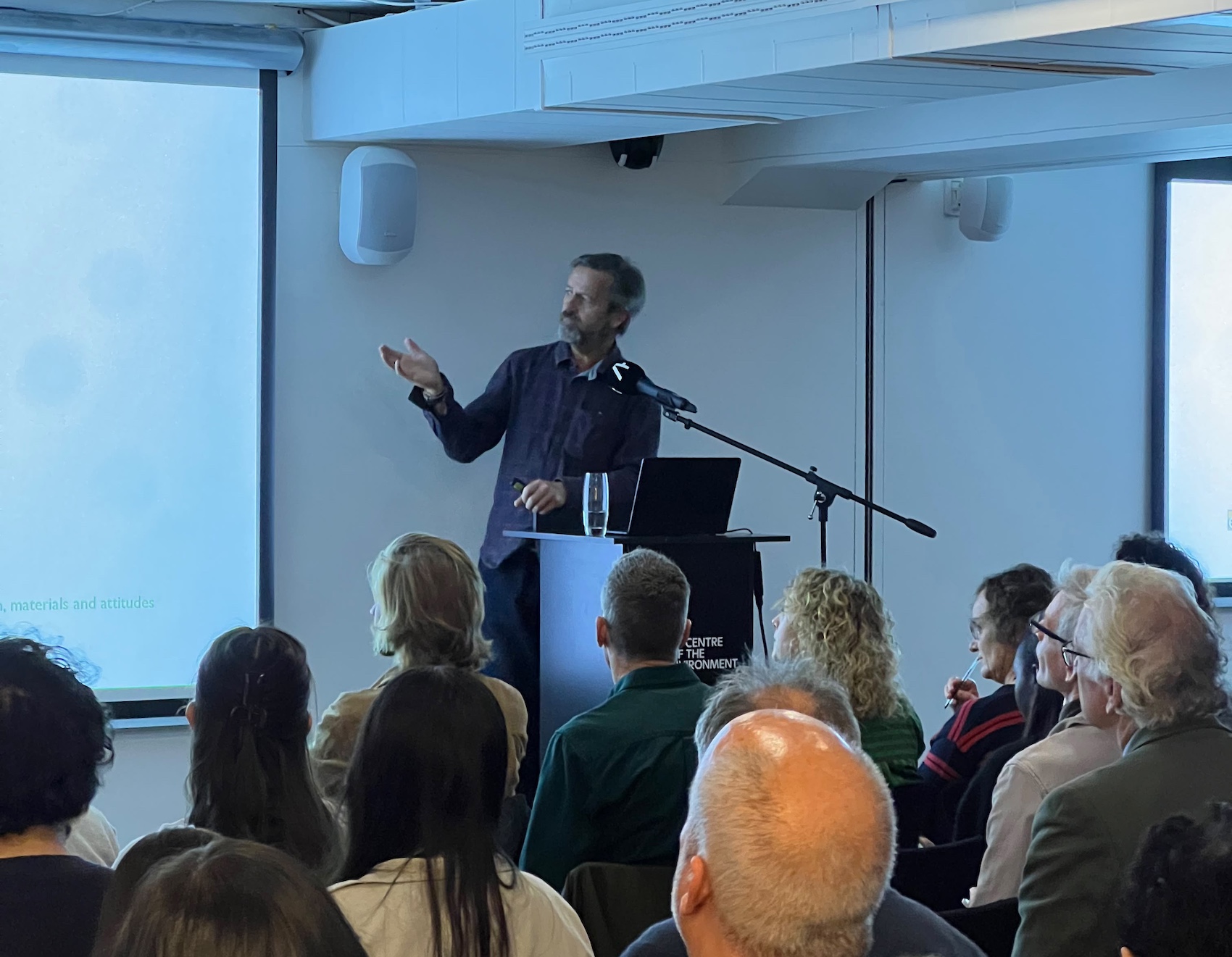
Carol Costello at Cullinan Studio in Islington, north London.
Ted Cullinan and his co-founders set up as a cooperative with an inspirational manifesto asserting that ‘The design of buildings is a social act.’ Acknowledging that it takes a team to make architecture, and that everyone should be treated with respect and be compensated fairly. 60 years ago, we were a pioneer of employee ownership, and we have continued to mentor other businesses toward this structure for many years.
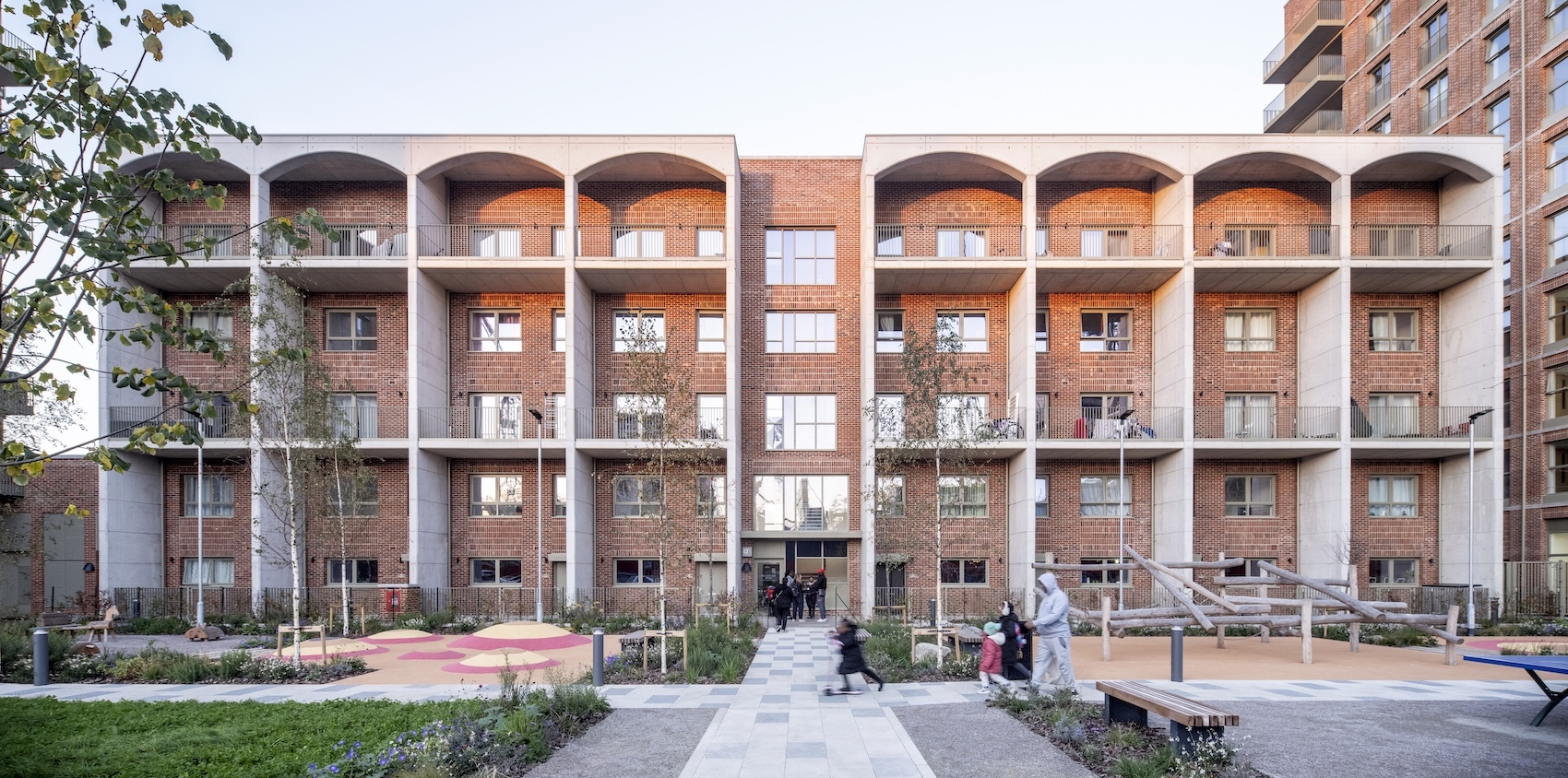
Our work has stood the test of time too. In 2014, our Ready Mix Concrete (RMC) HQ in Surrey was one of the youngest buildings to be Grade II* listed, preventing demolition and redevelopment. Currently we are working with the University of Cambridge designing adaptations to the Centre of Mathematical Sciences. Having worked on Phase One as a young architect, it is rewarding to see how its passive design and robust materials have resulted in ‘emotional durability’ and high user satisfaction for more than 20 years.
We have fulfilled the aspirations of the original manifesto, particularly when it comes to the diversity of our team. On gender balance we are basically 50/50 male/ female and on ethnicity we exceed national averages. We are supporting three apprentices ensuring those from disadvantaged backgrounds can become qualified architects. The variety of perspectives makes good business sense when engaging with diverse clients and communities.
We are one of the few firms capable of delivering projects through Integrated Project Insurance (IPI). This procurement method replaces adversarial traditional contracts with a blame-free, integrated team focused on shared goals. Beyond offering hope to a ‘broken’ insurance system, our three successful IPI projects have shown an overwhelming positive impact on the mental health of participating clients, designers, and contractors.
Cullinan Studio has a long reputation of designing low-energy buildings, beautiful timber structures and, uniquely, working in botanic gardens. In recent years, we have advanced our skills in Passivhaus techniques, ‘retrofit-first’ thinking, and reclaimed materials.
We are continuing to strive for design that co-evolves with nature. There is scientific evidence that connection to trees, plants and wildlife can aid recovery from injury and illness.
Cullinan Studio
N1 7RU
Reinventing practice features participants in the Regenerative Architecture Index.