The New Towns Taskforce is entrusting the delivery of new settlements to development corporations. Architect-turned-developer Russ Edwards explains why housing associations’ culture of stewardship and resilience makes them a better fit for the role.
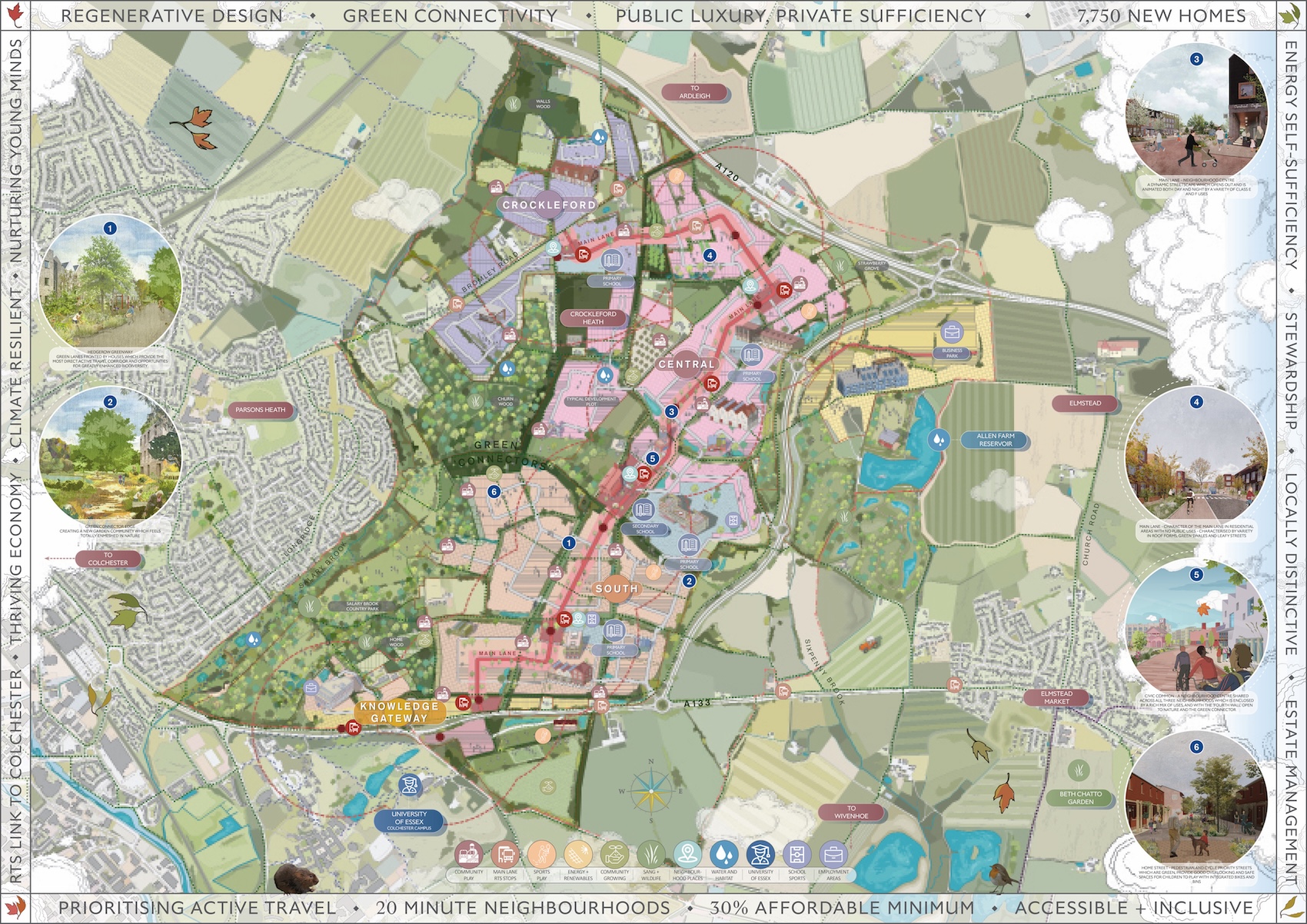
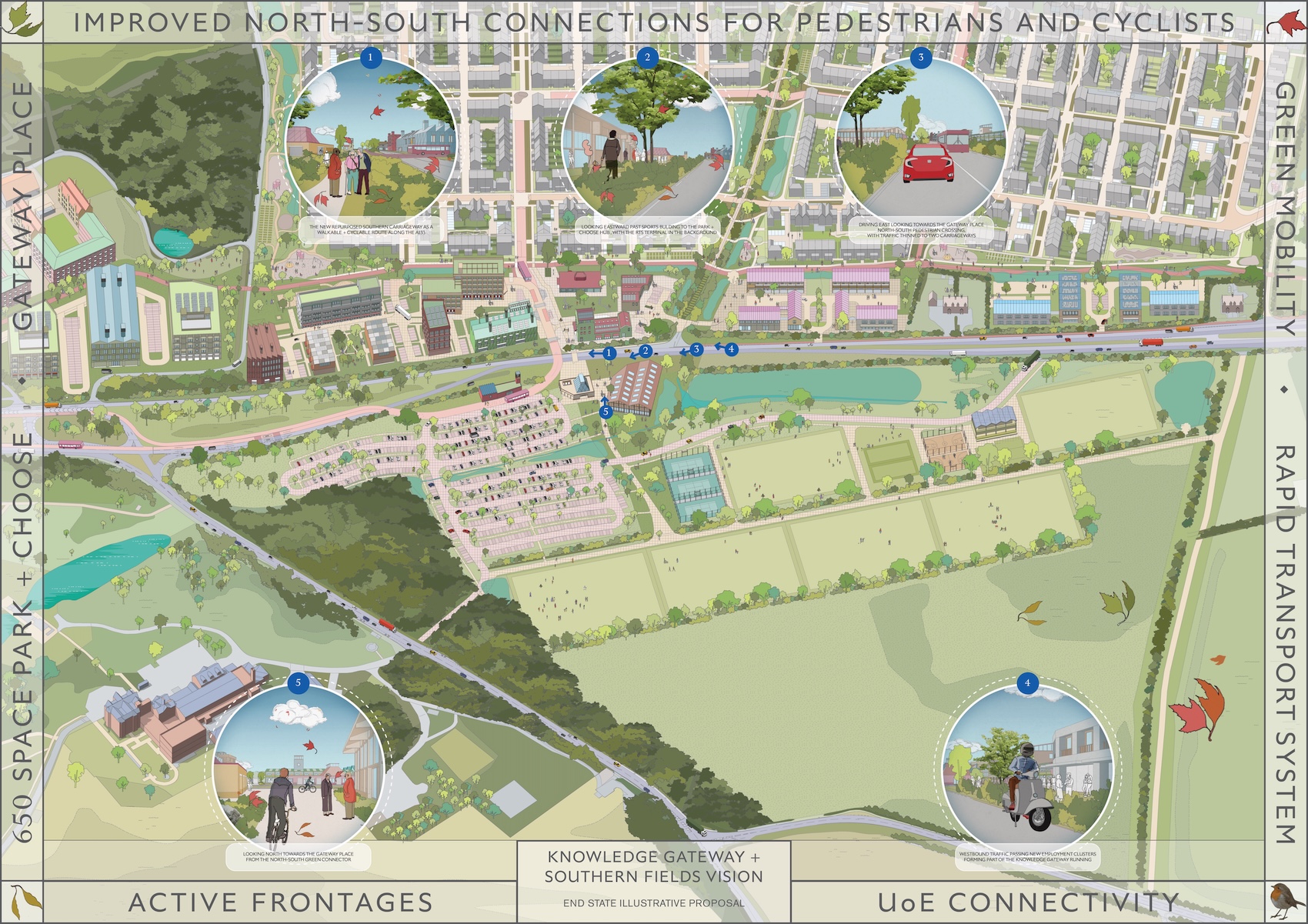
Drawing produced by Haworth Tompkins to communicate the principles that inform the strategic masterplan for Tendring Colchester Boarders Garden Community.
When I left architectural practice for a role client-side, part of the reason was frustration: however good the design proposition, the architect’s ability to really shape outcomes and engage with the current crises that effect our industry often felt limited. Thankfully, I found inspiration in Roger Zogolovitch’s manifesto Shouldn’t We All Be Developers? which argues that this agency can be recovered. The provocation on its front cover still resonates: ‘We need more homes and that’s a fact. We need volume, light and character. We need liberated rules. We need imagination to unlock forgotten small plots.’
His call to arms was aimed at small backland plots that volume housebuilders ignore. But what happens when you apply the same thinking to a new settlement of 7,750 homes?
That is the question that Latimer, the development arm of Clarion Housing Group, has been working through at Tendring Colchester Borders Garden Community in Northeast Essex. The landscape-led new settlement comprises three connected neighbourhoods, up to five new schools, a 60-hectare country park, and employment space for 6,000 jobs, within a climate-resilient masterplan. After four years of work, our planning application was submitted in March this year.
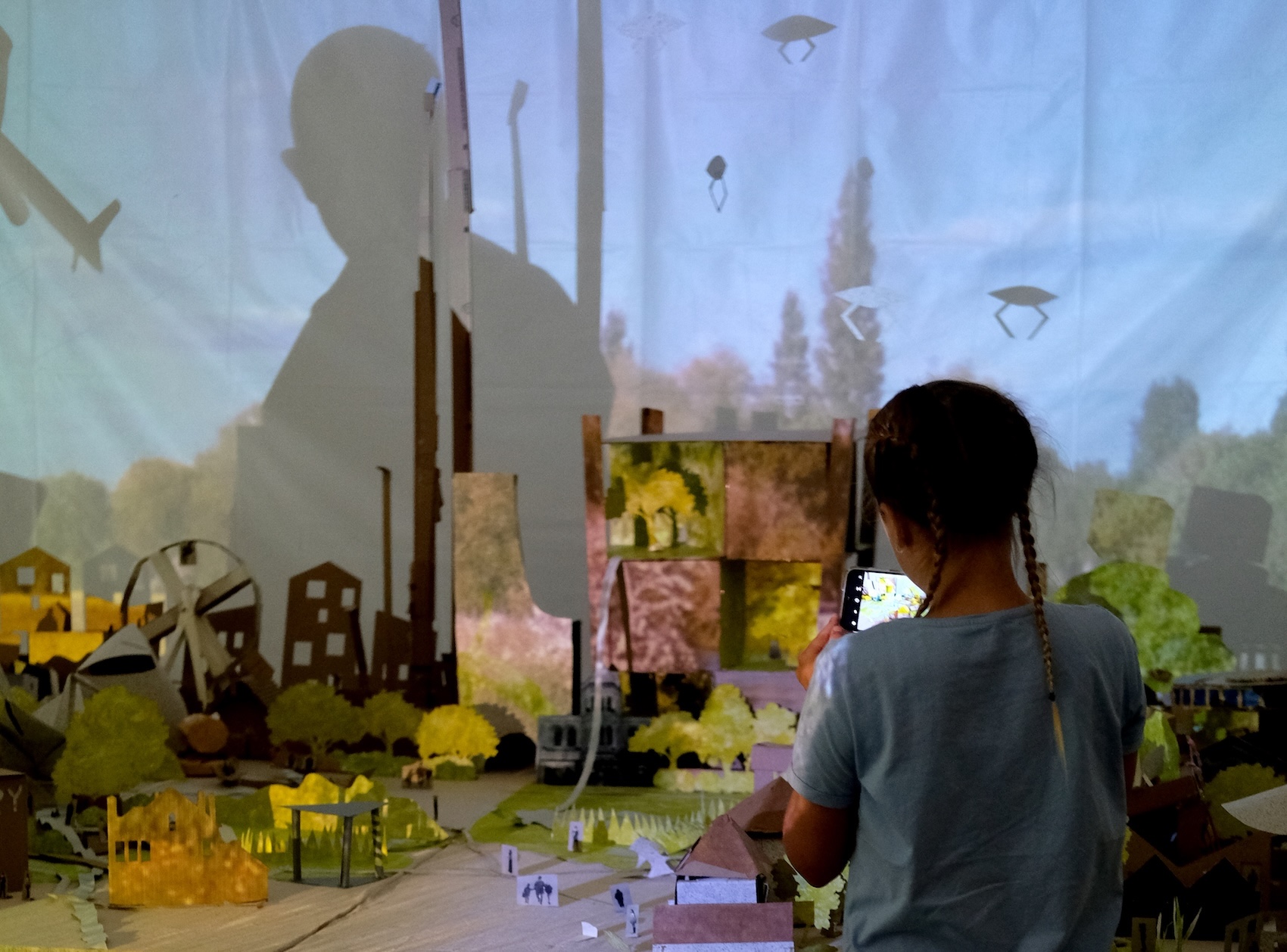
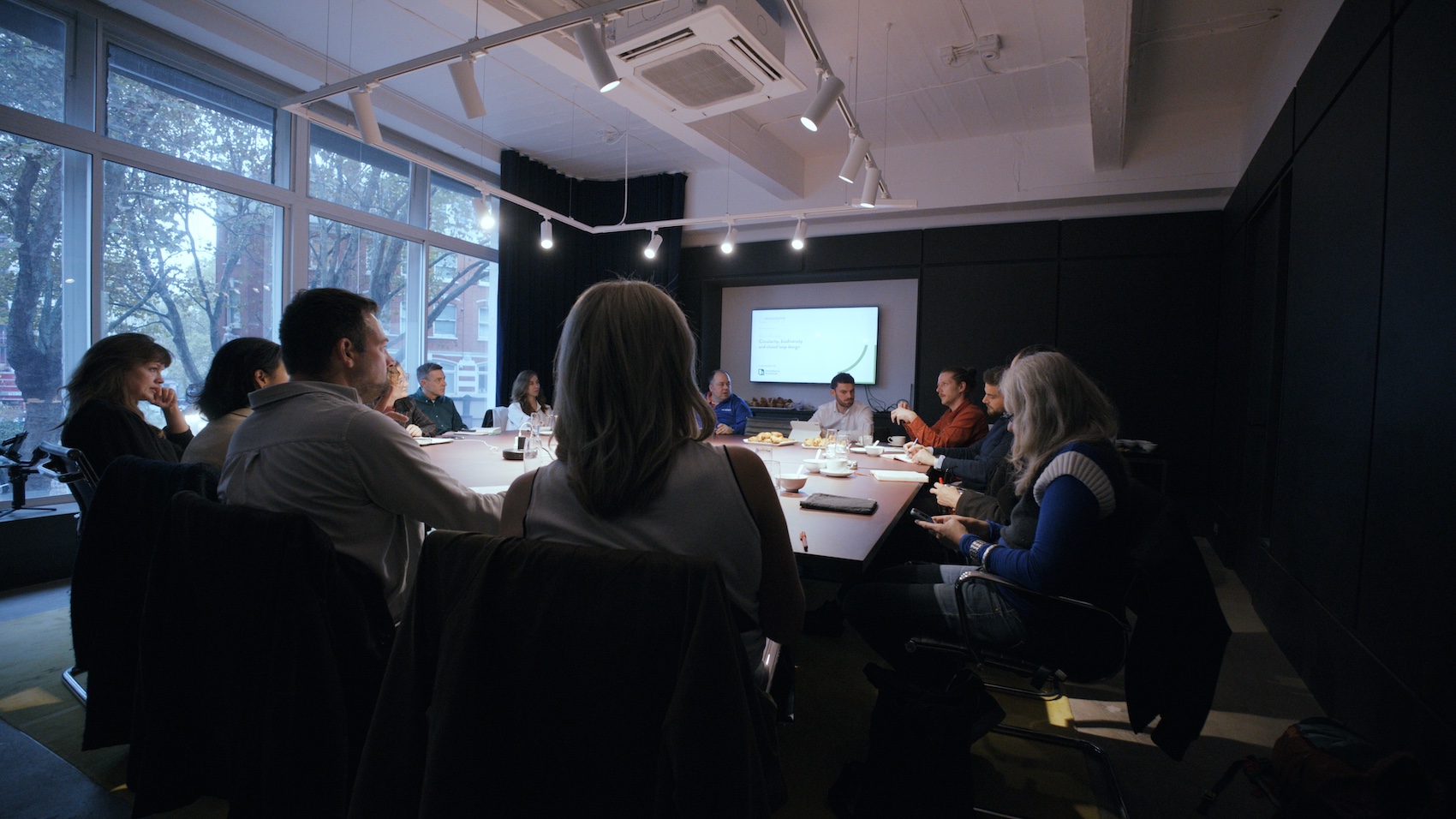
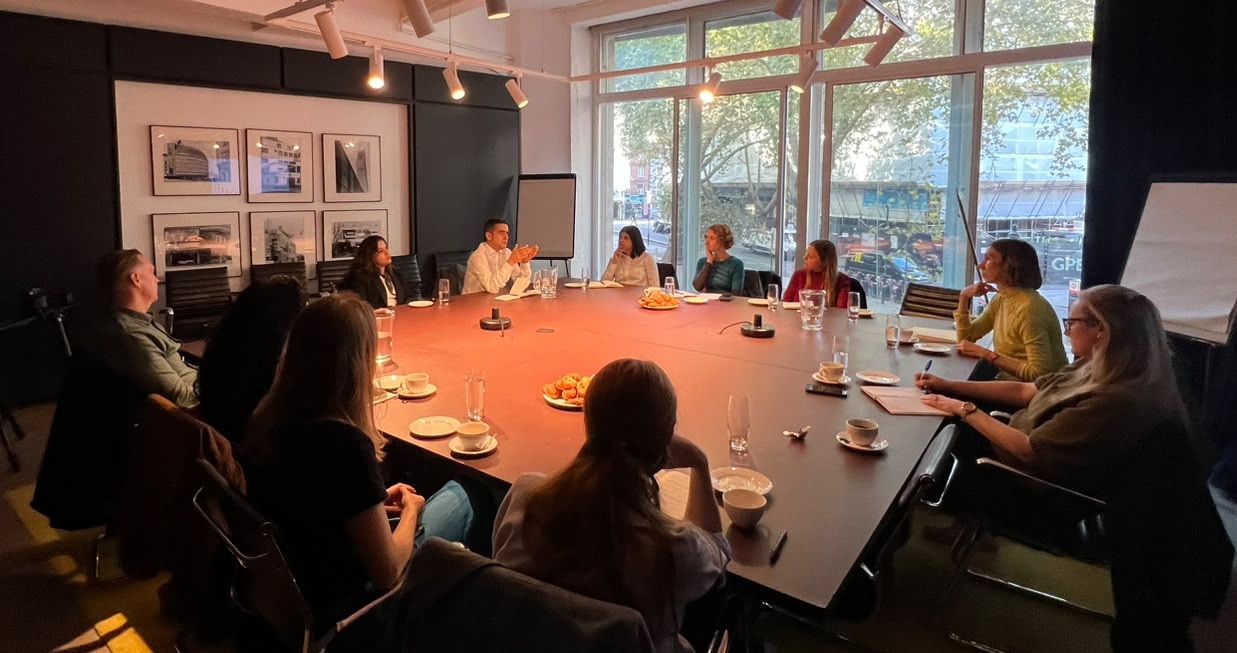
Design review with the self-named Young Esssex Designers, a group of young people aged between 13 and 19 who are working with specialist consultants MATT+FIONA to bring their named Young experience, local knowledge and imagination to the project. Photo by MATT+FIONA
So far, so standard…but the unique proposition here is that a housing association is the master developer, and what that means for the community long term.
Clarion recently marked its 125th anniversary, celebrating a legacy of providing homes to those that need them. We expect to be involved at Tendring Colchester Borders for at least as long, owning and managing more than 2,300 affordable homes in perpetuity, and ensuring resilience through our ongoing role in the stewardship and estates management. That is not a footnote; it is the whole basis on which decisions get made. When we remain responsible for a place a century from now, resilience, design quality and community value stop being aspirations. They become necessities, and create a deeper sense of accountability.
What does that look like in practice? We ran an open design competition rather than working through procurement frameworks, assembling an award winning multi-disciplinary team that embedded landscape, sustainability and community engagement as core disciplines. We commissioned our young person engagement strategy, working with specialist consultants MATT+FIONA, months before that competition launched. The thinking was simple; the future residents of this place are more likely to be in schools and colleges than community halls on a weekday evening, so that is where engagement should start. We worked with local authorities not just as applicants responding to policy, but as a critical friend during policy formation, co-authoring an Estates Management and Stewardship Strategy to ensure long-term governance was enshrined from the beginning. We are also investing in the existing community, years before any spades are in the ground, through a local Community Supermarket, construction skills boot camps, and a small grants programme.
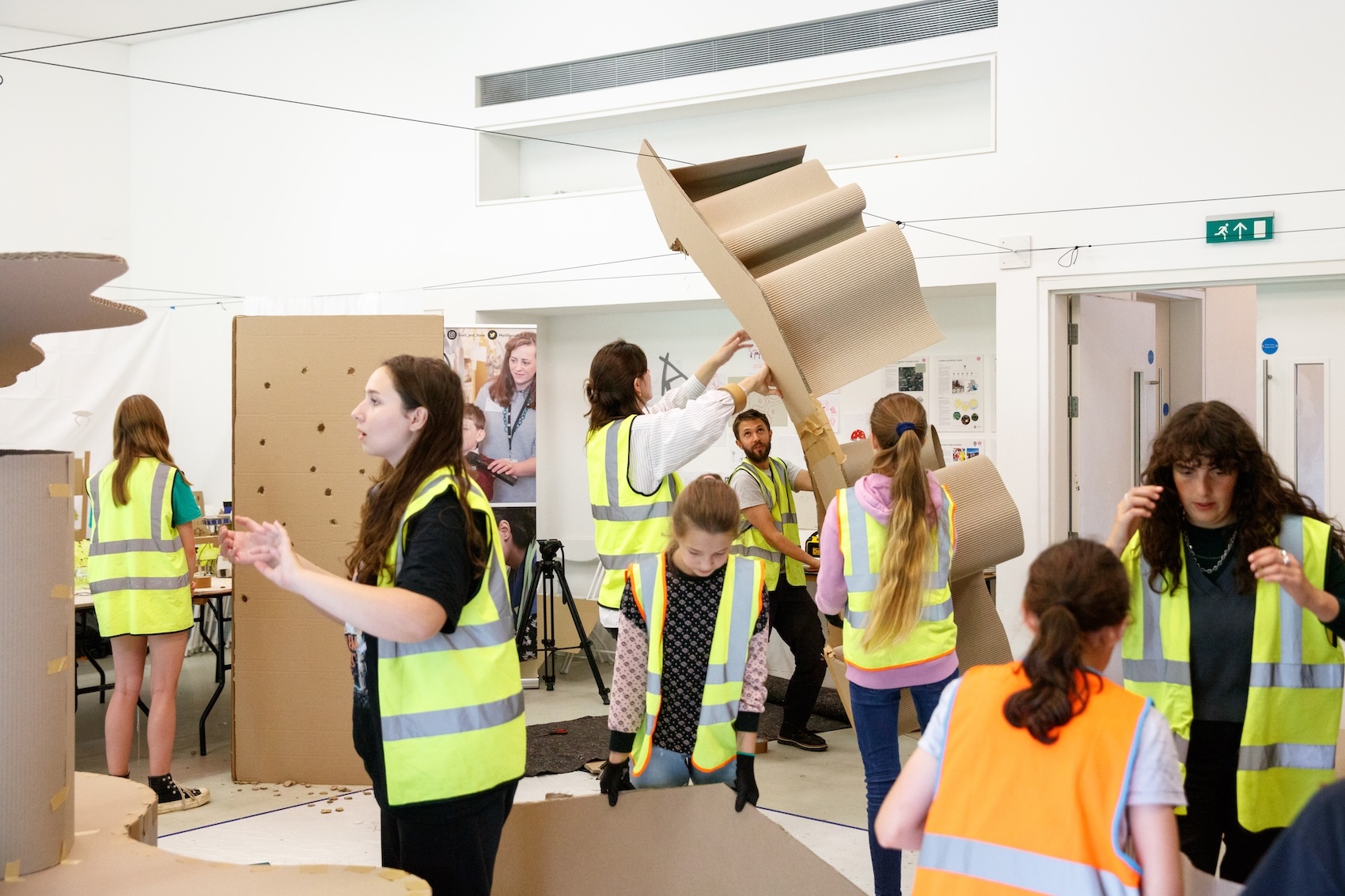
Exploring meanwhile uses at a summer School organised by MATT+ FIONA with the Young Essex Designers. Photograph by Luke O’Donovan.
The New Towns Taskforce recommends development corporations as the default delivery model for new settlements, and there are projects where that structure will be the right fit. But development corporations are designed to be temporary. They build, hand over and wind up. A housing association does not hand over. It stays. That distinction changes everything about how decisions get made, because the incentive structure is completely different.
So, should all Master Developers be housing associations? No. Few have the capacity or appetite for projects at this scale. But we do question the fixation about which specific delivery vehicle should be used, rather than how we ensure that long term value and accountability for the place in 20, 50, or a 100 years is embedded. At Tendring Colchester Borders Garden Community our answer to that question is to be the continuity – commission the masterplan, marry the interests of the developer and the community, be the quality guardian, shape future governance and be hands-on during delivery. It is not incidental to what we are trying to build here. It is the reason we are doing it.
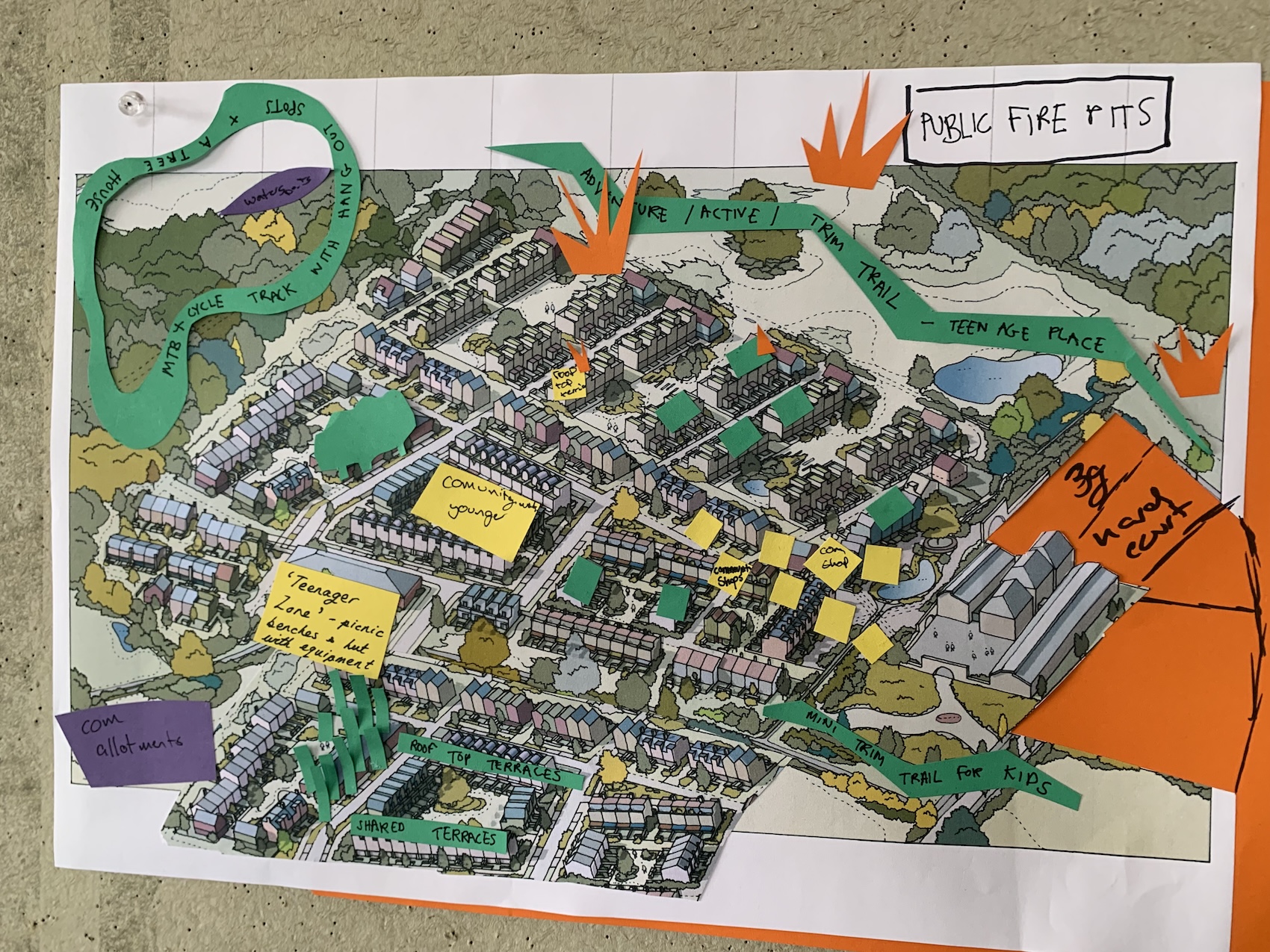
Reviewing proposals for the Civic Square at the summer school. Photograph by MATT+FIONA.
Russ Edwards is Latimer’s project director for Tendring Colchester Borders Garden Community. Latimer is the development arm of Clarion Housing Group, the largest social landlord in the UK. Over 350,000 people call a Clarion home their own.
Tendring Colchester Borders Garden Community
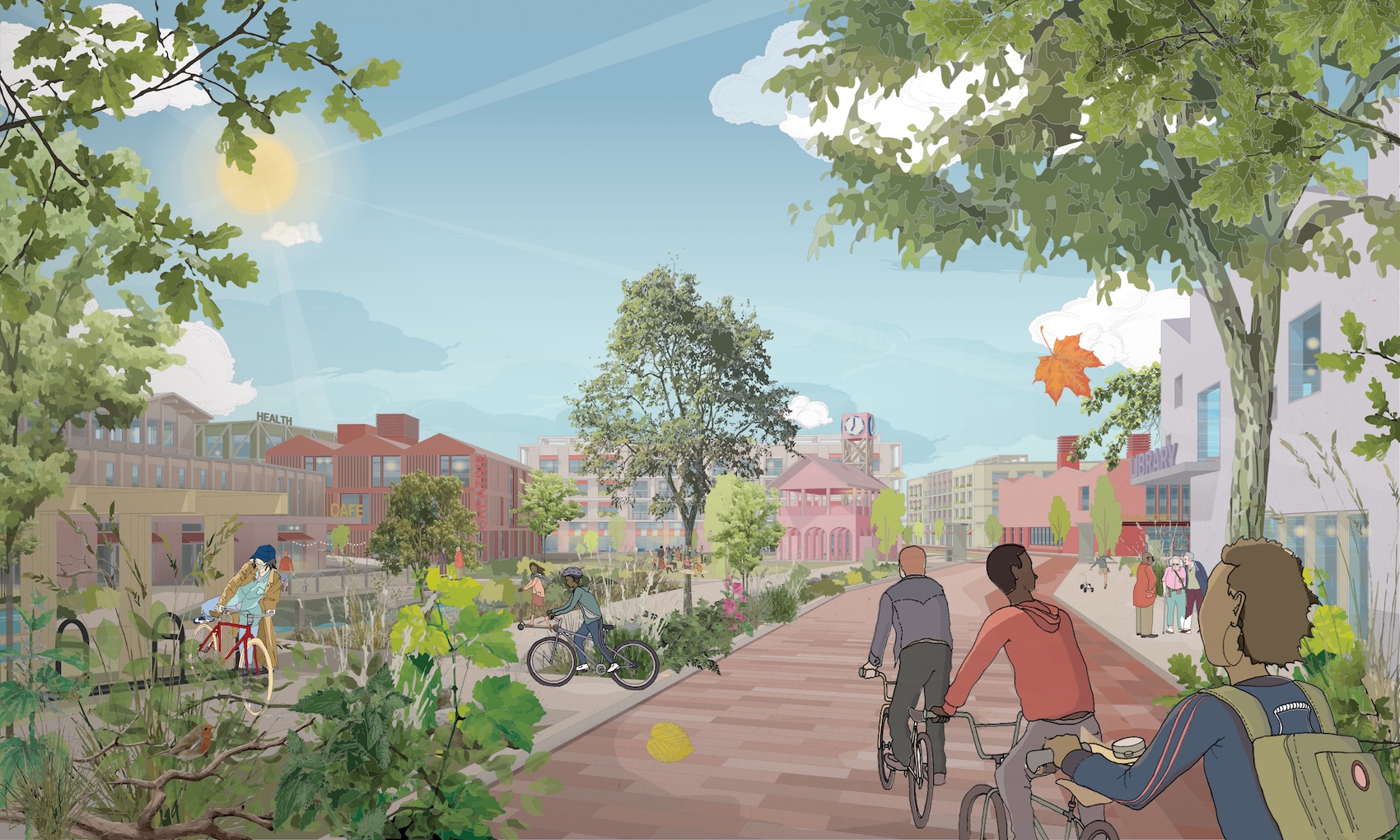
The three new neighbourhoods share a civic common overlooked by a healthcare hub, library, cultural venues, shops and a modern guildhall. The design prioritises pedestrians and cyclists.
Located on arable farmland to the east of Colchester, Essex, this new garden community will provide a country park, thousands of jobs and 7,750 homes delivered across three distinct neighbourhoods over the next 20 years.
Haworth Tompkins is leading a multidisciplinary masterplan team, including Kjellander Sjöberg, Grounded Practice, Periscope, Arup, Stantec, Bell Phillips and Michael Pawlyn, to deliver a project that prioritises ecology and landscape resilience.
Existing hedgerows have been retained and augmented to form a green active travel corridor and resilient ecosystems across the site, with development planned for plots of monocultural farming land that have been stripped of their ecological value from decades of intensive use.
The three new communities are linked by a Rapid Transport System, an ‘active spine’ flanked by public spaces and neighbourhood centres with schools, health facilities, shops, workspace and cultural uses.
The aim is to create fertile ground for micro-clusters of start-ups, small businesses, creative workspaces and community facilities in a bid to attract and nurture the entrepreneurial spirit that brings communities to life.