At the foothills of Mount Kilimanjaro in Boma Ng’ombe, Tanzania, Article 25 has completed a climate-responsive off-grid settlement designed to provide long-term care, stability and a community for orphaned children.
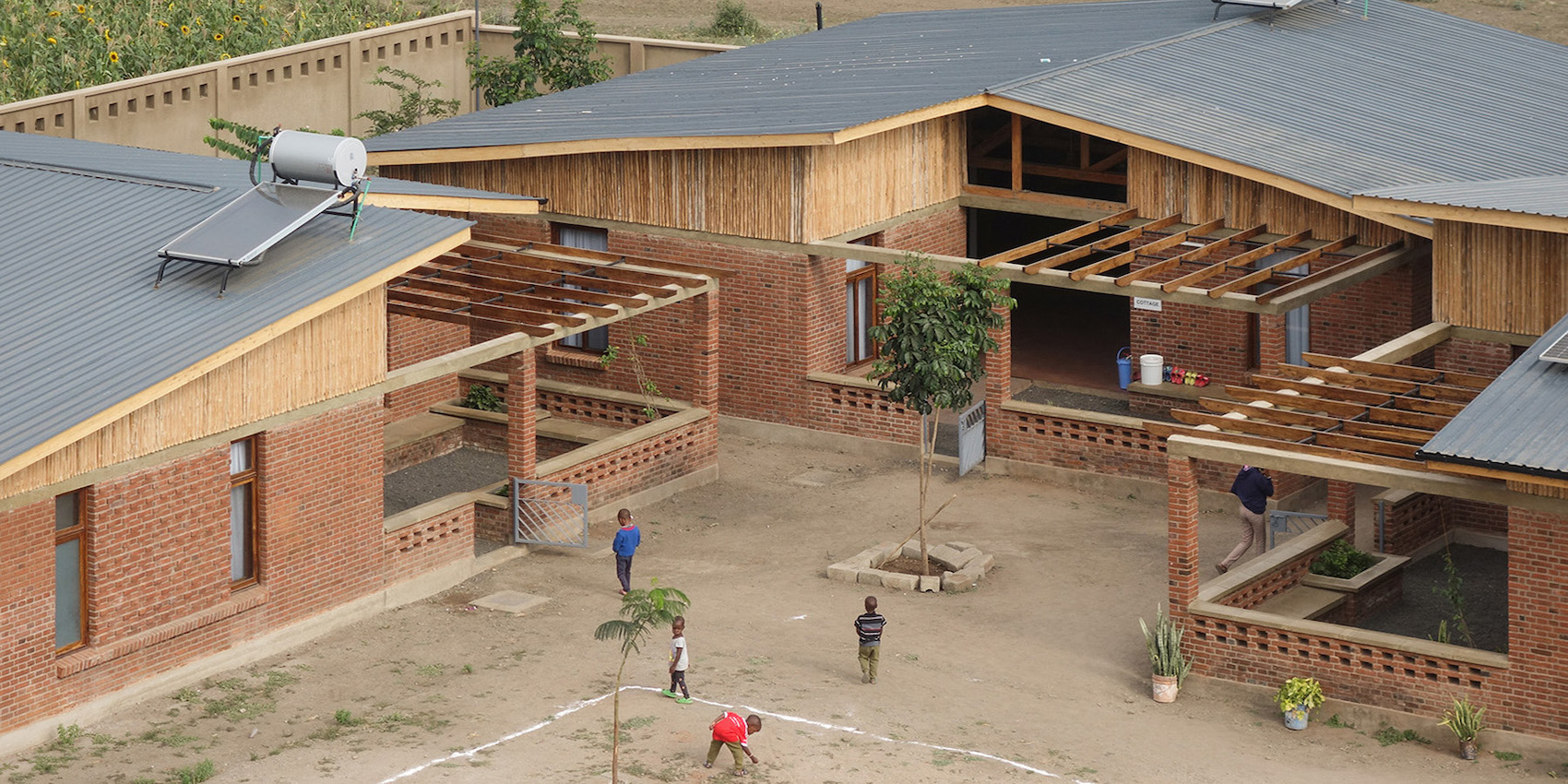
Article 25 has completed Kao La Amani Children’s Village in Boma Ng’ombe, Tanzania, creating a fully off-grid residential community designed to support the long-term care and wellbeing of children in the Kilimanjaro region. Developed in collaboration with Tír na nÓg Children’s Foundation and local organisation Kao La Amani, the project provides a domestic framework for 60 children, prioritising dignity, stability and a sense of belonging through architecture that responds to both climate and community.
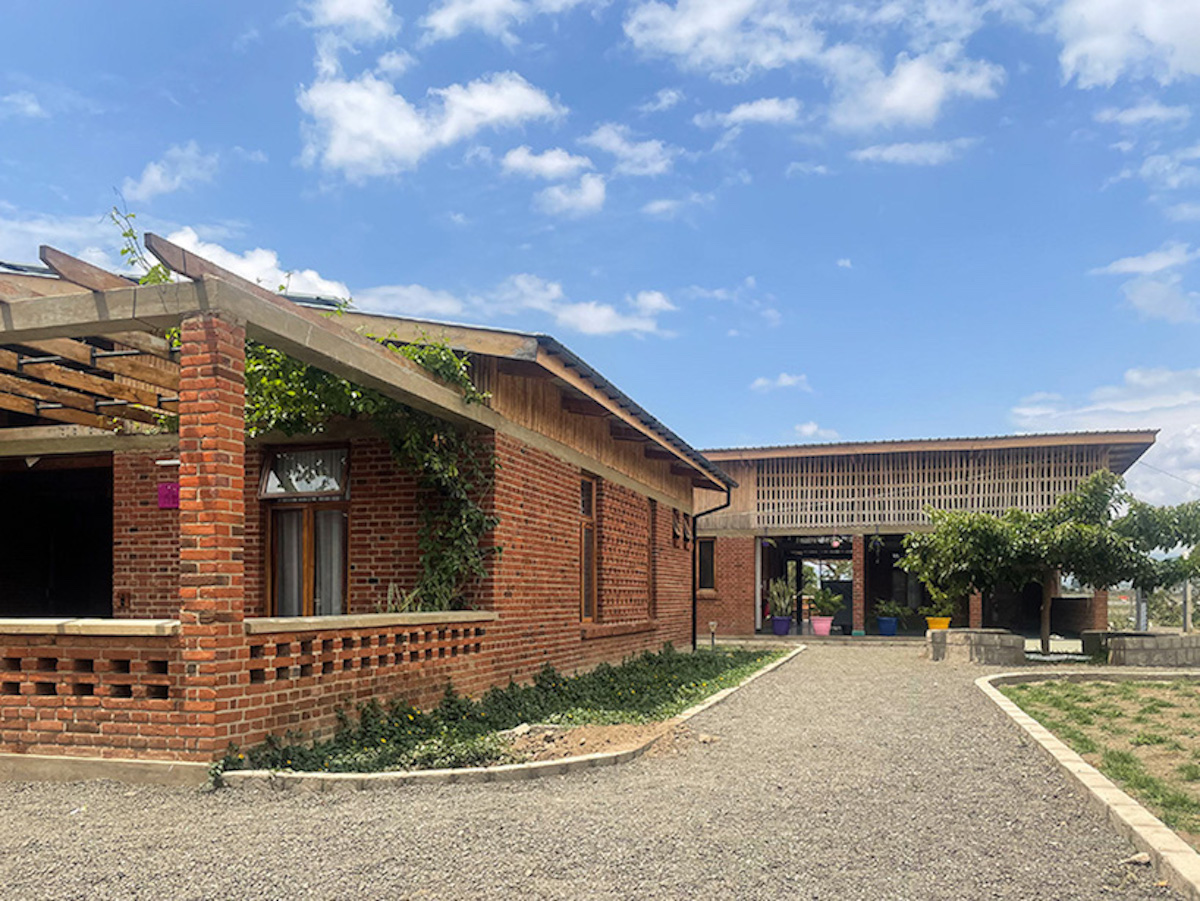
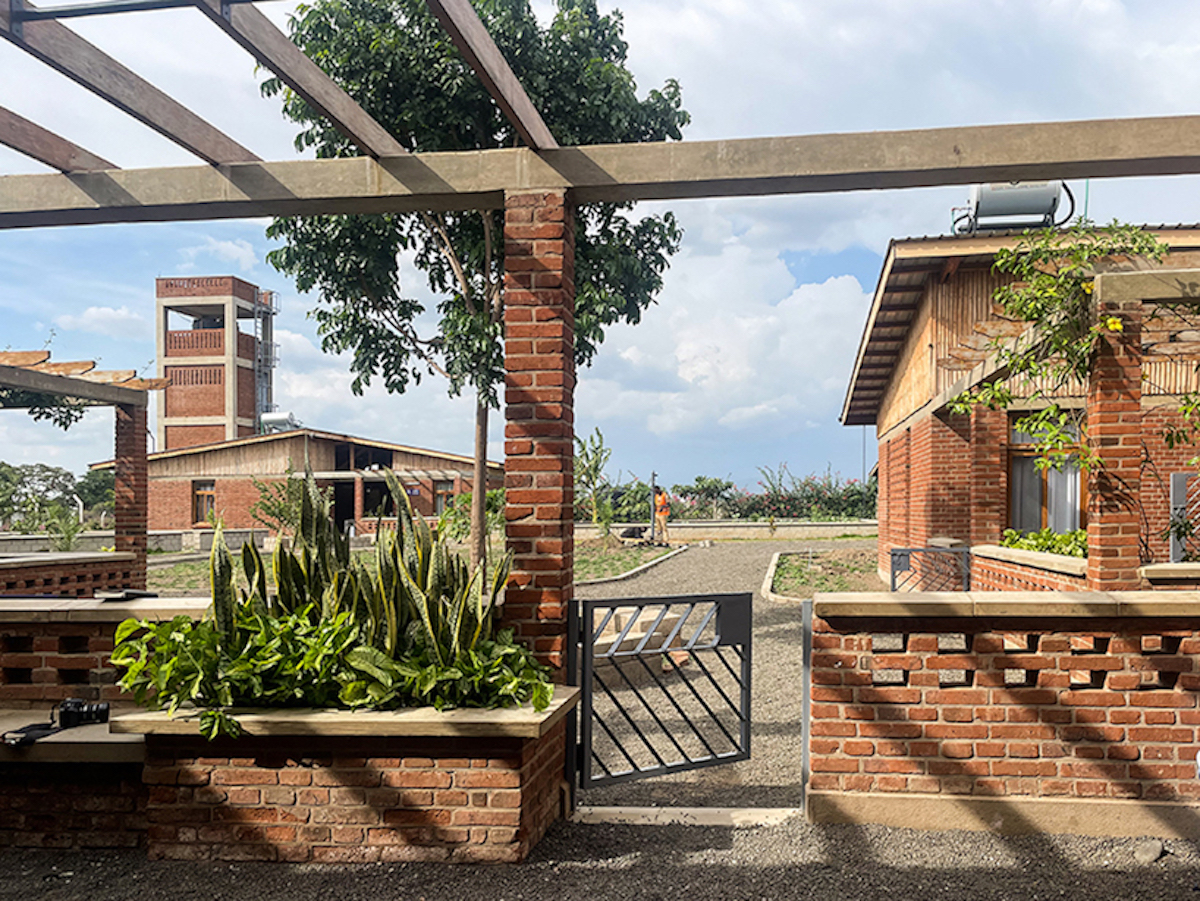
Located at the foothills of Mount Kilimanjaro, the village has been conceived not as an institutional facility but as a small settlement organised around family-scale living. In Tanzania, where approximately eight per cent of children are orphaned, the project offers an alternative model of care rooted in everyday domestic life.
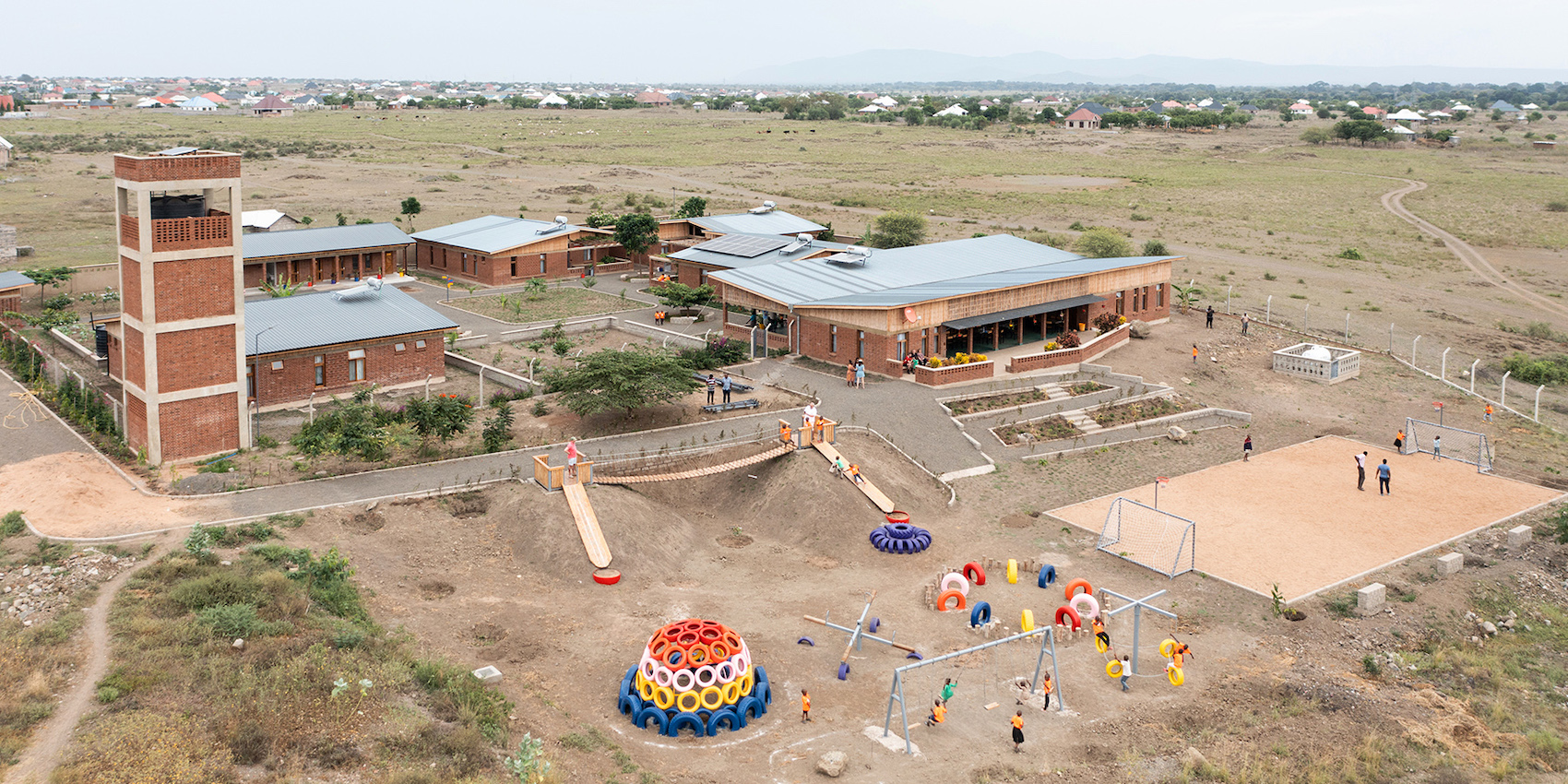
The masterplan is structured around six residential cottages, each housing a small group of children and a live-in caregiver known as a ‘Mama’. This arrangement embeds family-scale care directly into the architecture, creating smaller households that foster familiarity and continuity. At the centre of the site, a shared social building forms the communal heart of the village, containing a dining terrace, kitchen, games room, library and laundry.
Deep roof overhangs protect interiors from equatorial sun and seasonal rainfall, while dual- and triple-aspect rooms are arranged around courtyards to enable cross ventilation. A butterfly roof over the dining hall shades outdoor thresholds while encouraging stack ventilation, creating a sequence of shaded interior and exterior spaces that support comfortable social life in the tropical climate. Rather than relying on mechanical systems, thermal comfort is achieved through orientation, section and material performance.
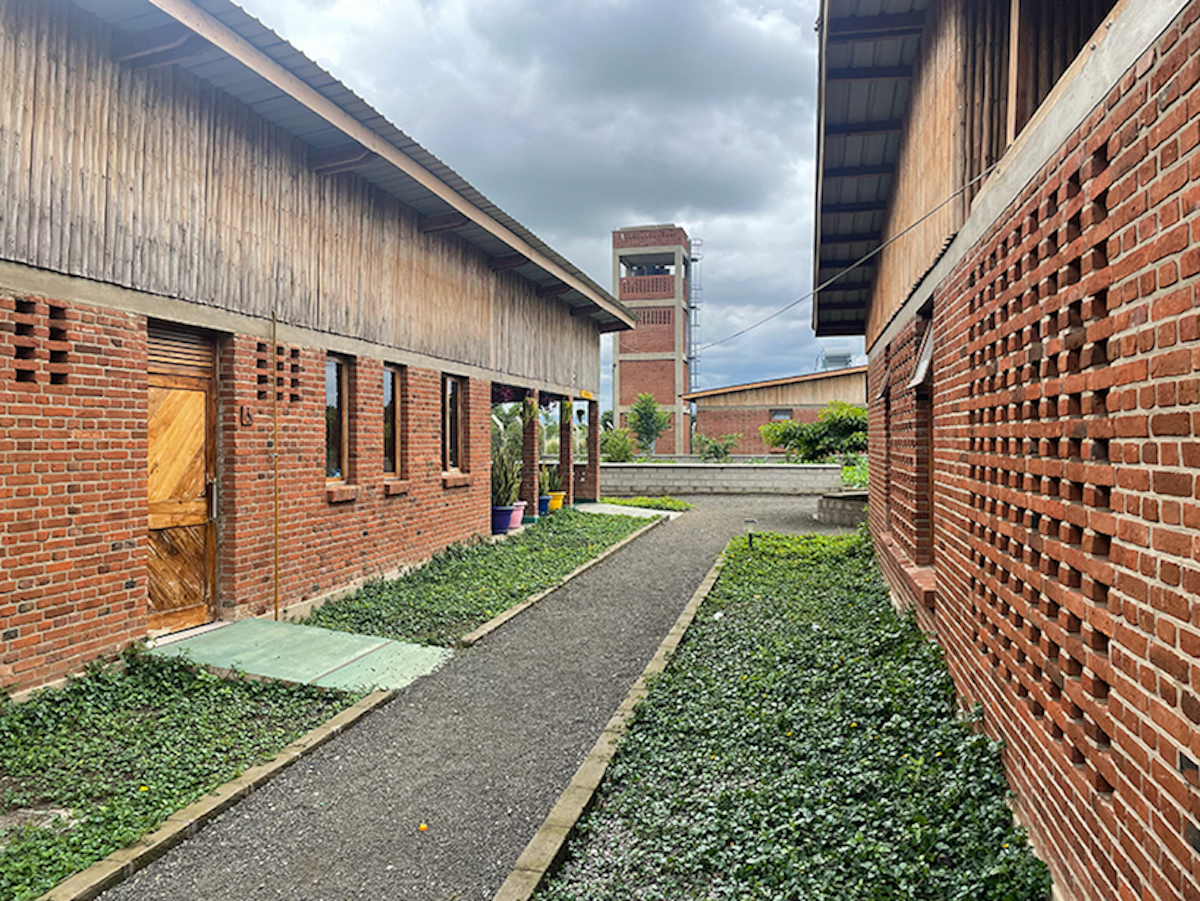
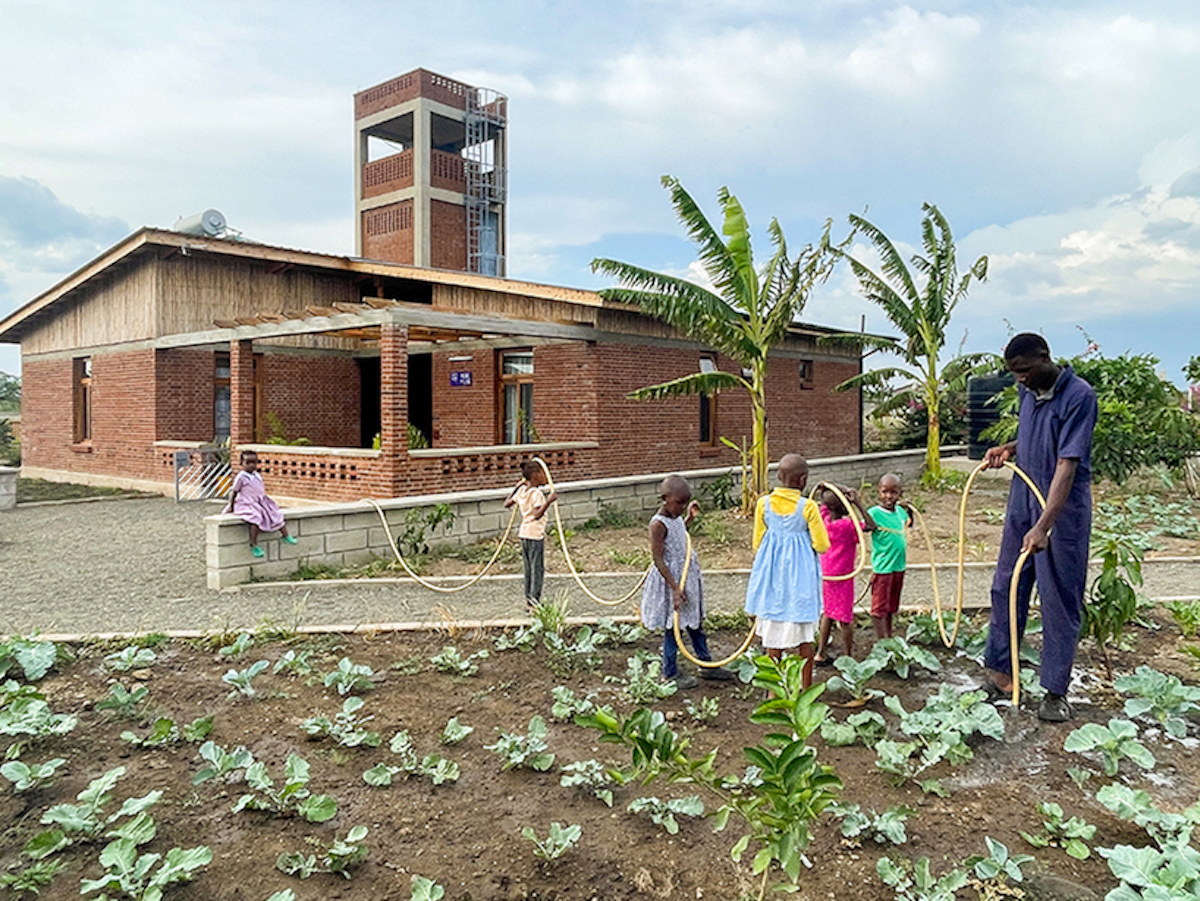
The construction strategy prioritised local materials and knowledge. Working closely with Tanzanian contractors and artisans, Article 25 developed a delivery approach focused on durability, skill transfer and long-term replicability. Timber trusses form the primary roof structures, while doors and windows were fabricated through on-site carpentry. Locally- sourced sisal poles are used as upper wall cladding, and bricks were fired in nearby kilns using rice-husk agricultural waste as fuel, reducing embodied carbon.
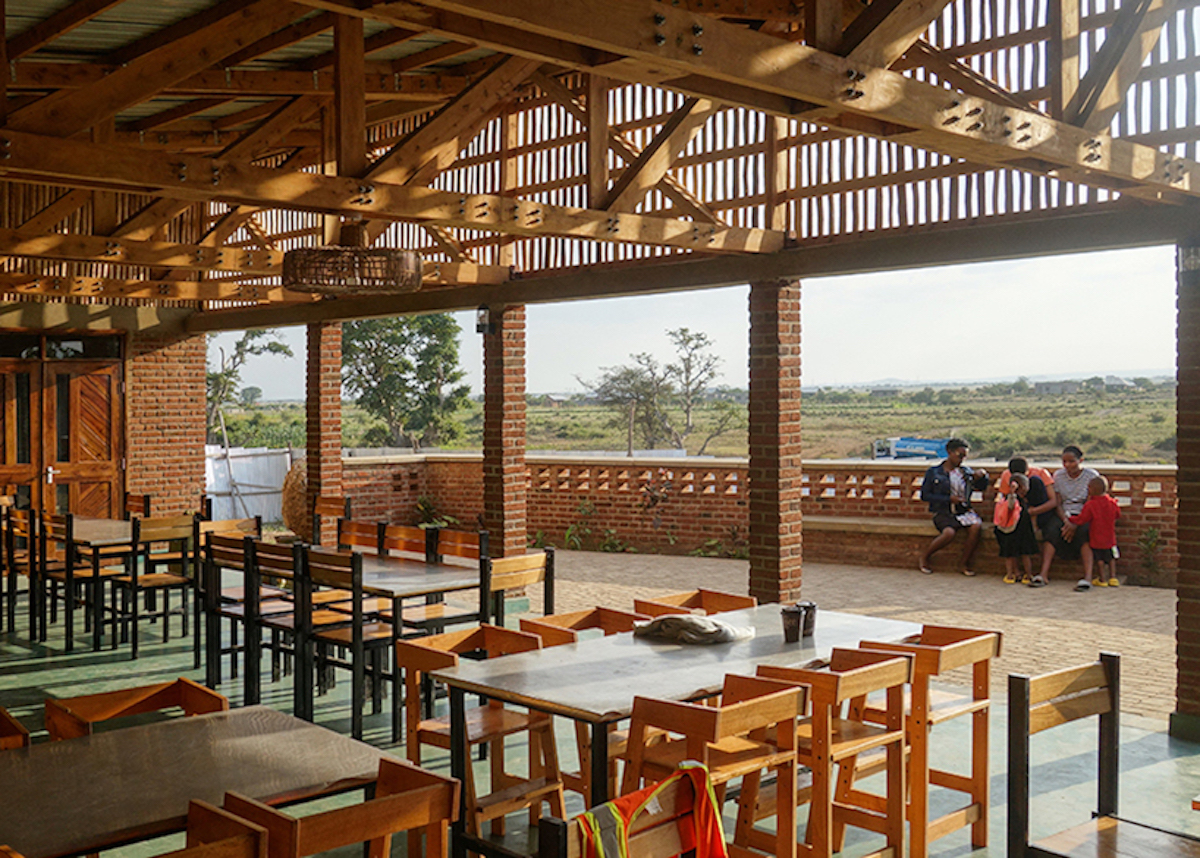
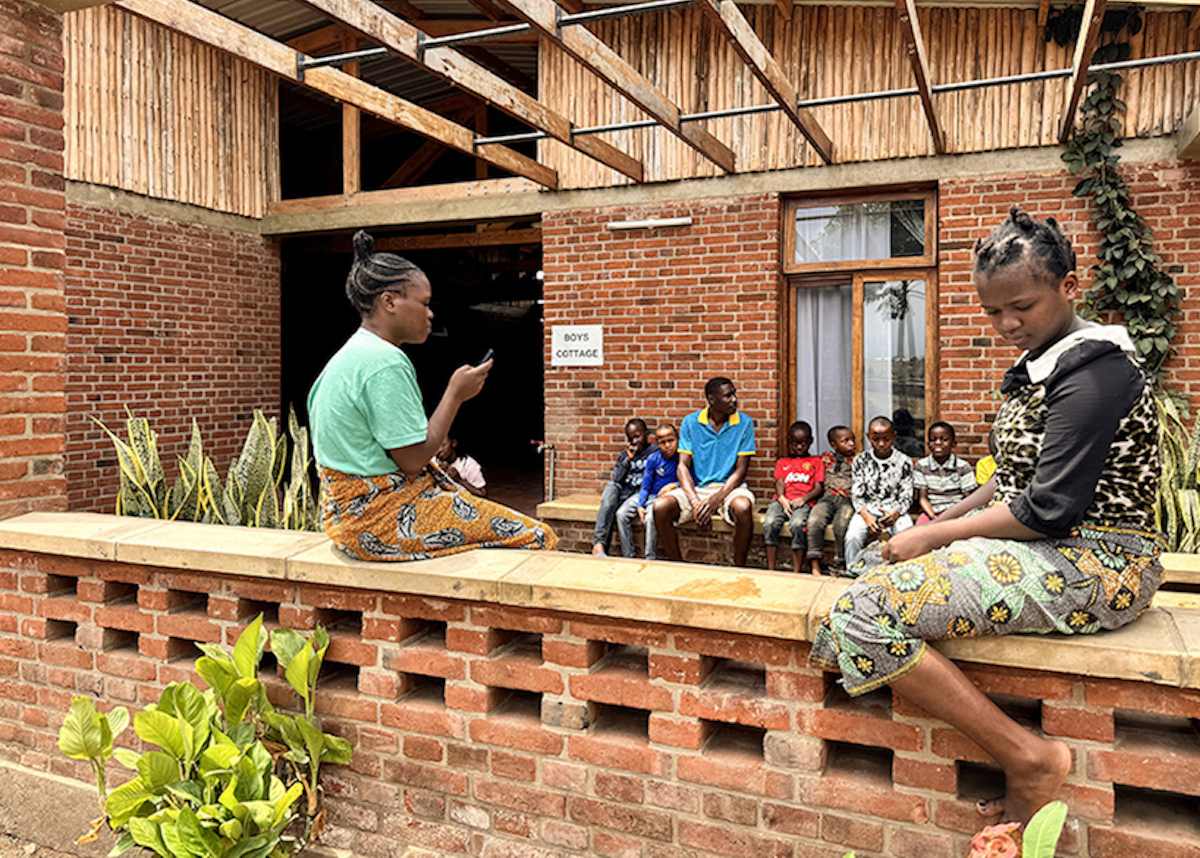
Workshops, full-scale mock-ups and iterative prototyping were used to refine construction techniques and ensure the precision required for passive environmental design features, such as ventilated roof profiles and deep shade structures. In this context, craft is understood not as decorative detail but as a means of delivering environmental performance through locally embedded knowledge.
The village operates independently from public utilities, ensuring long-term resilience and low operational costs. Solar photovoltaic arrays supply electricity across the settlement, while borehole water is heated using solar hot-water systems. Wastewater is treated through septic tanks and a constructed wetland, and the low-carbon building fabric minimises overall environmental impact.
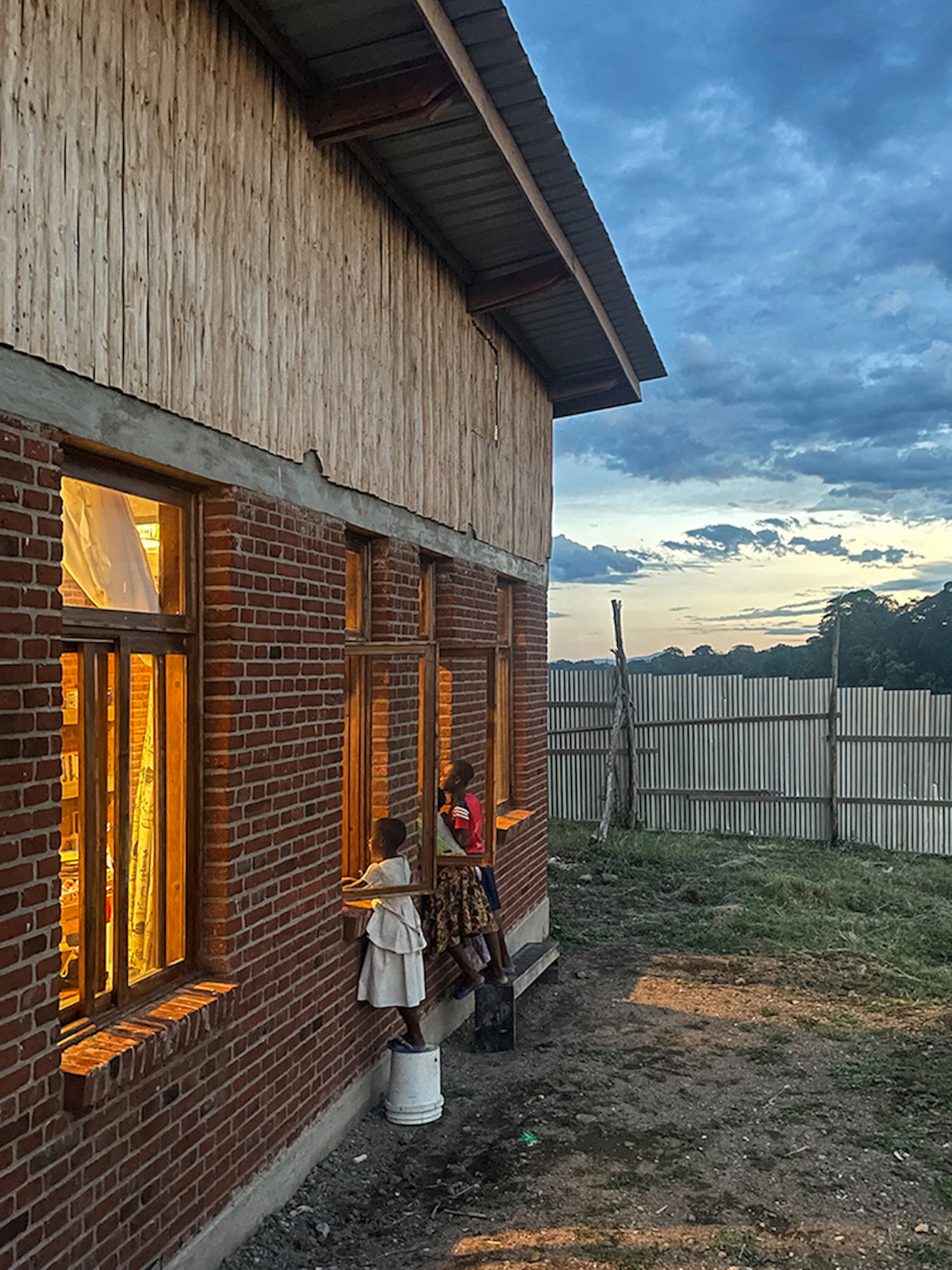
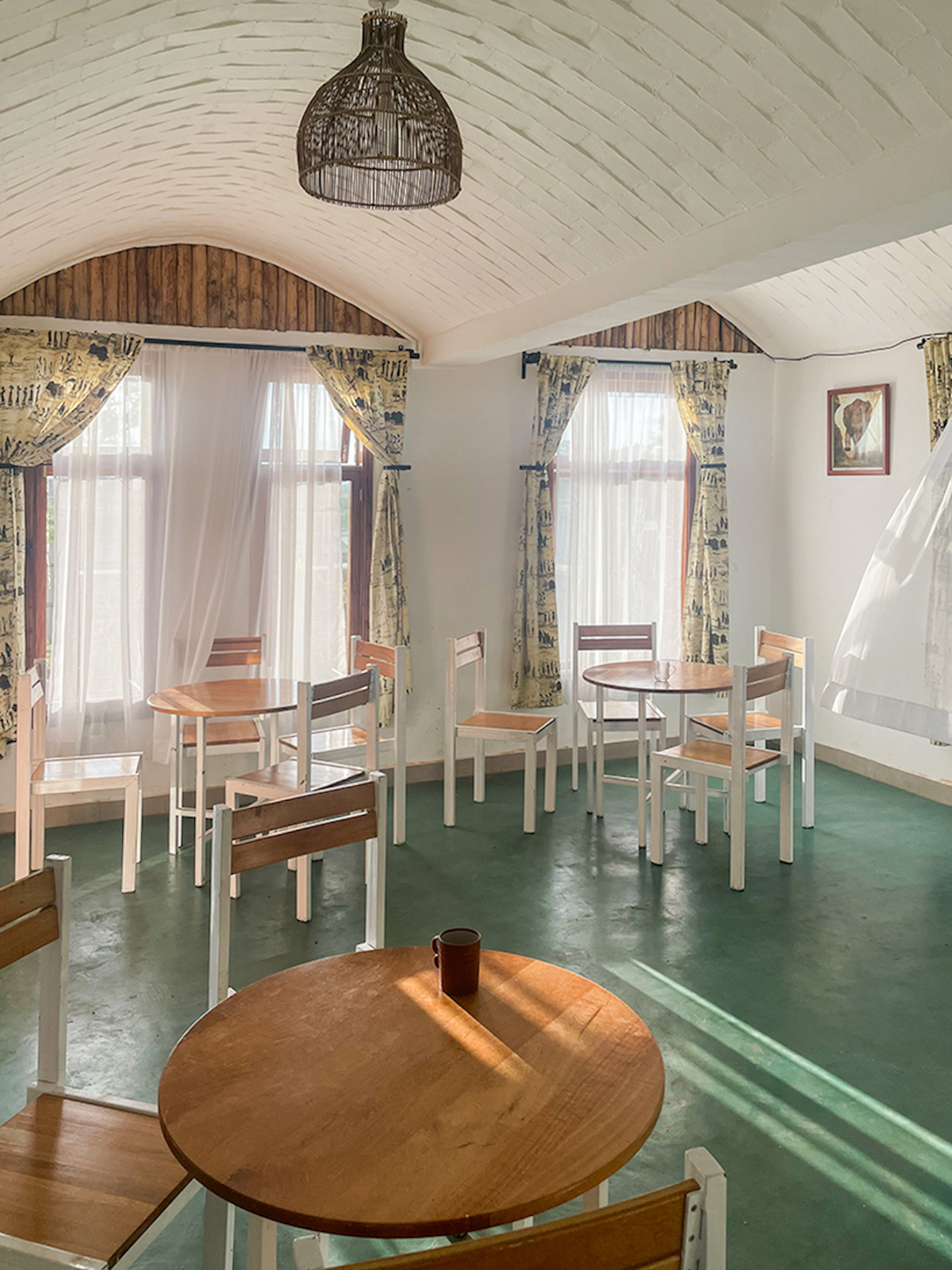
Construction and delivery were coordinated locally by site architect Paulina-Shari Stanley and engineer Gloria Shali, who worked closely with contractors and craftspeople. Article 25 oversaw architectural design, procurement and construction management, working alongside pro-bono engineering partners including MHA Structural Design, Hoare Lea and WSP.
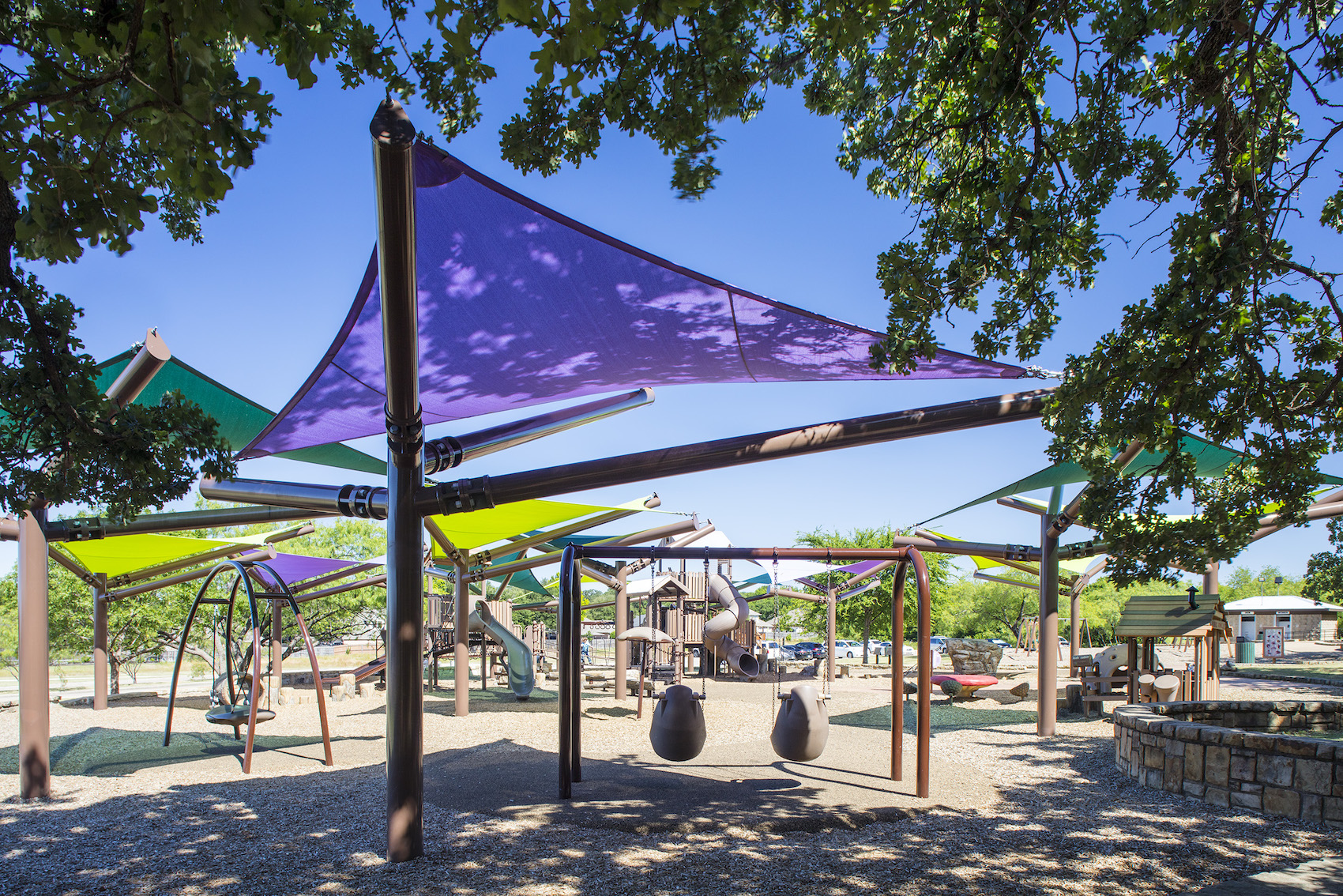
The village also includes a playground co-designed with the children and constructed with local maker Godlisten. Rope bridges, tyre swings, sand play and timber steps are integrated into the landscape, while two small hills linked by a bridge subtly reference Mount Kilimanjaro and Mount Meru. Solar lighting allows the space to be used safely after dark, transforming it into a gathering place for evening activities.
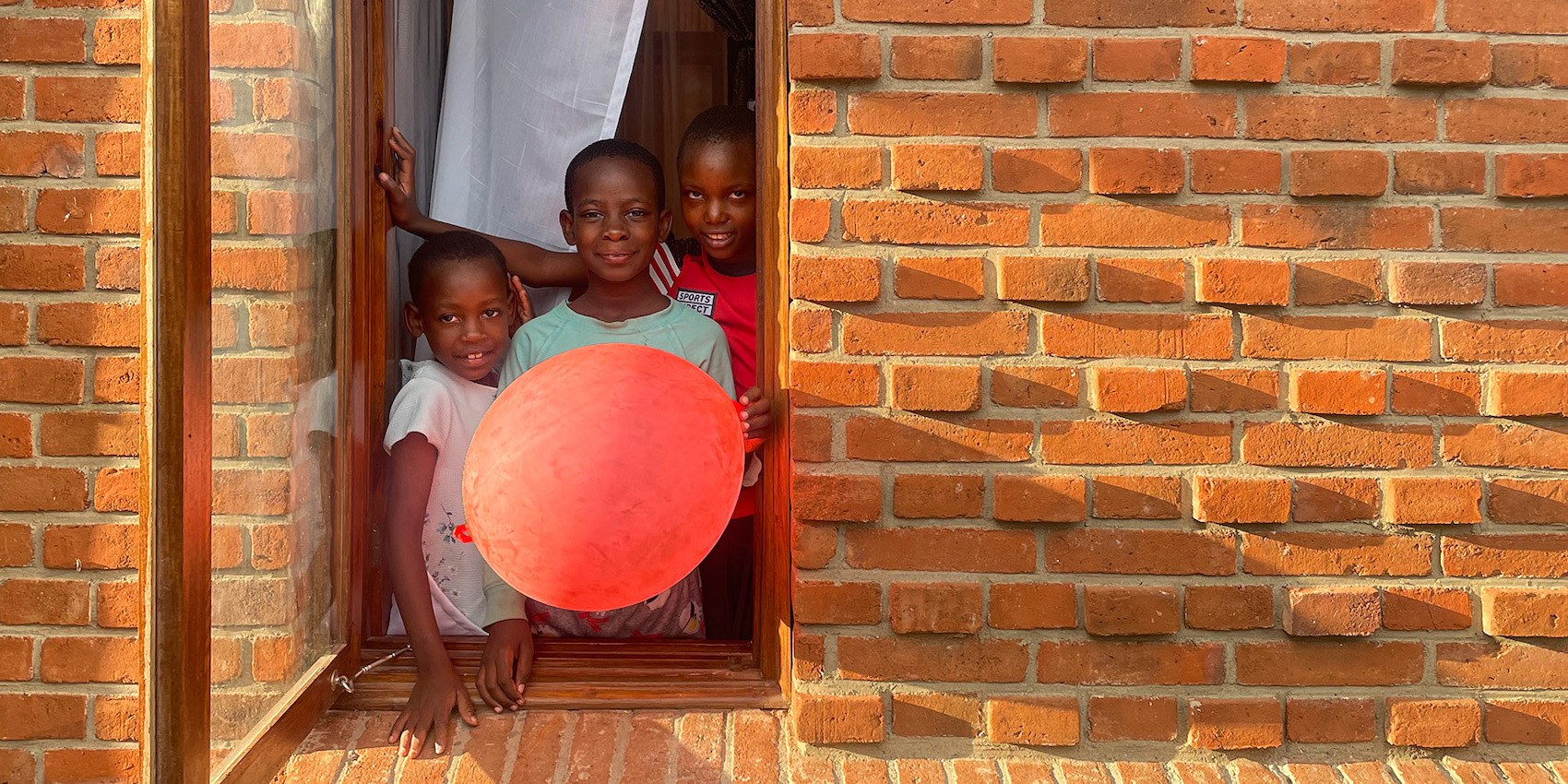
With the residential village now complete, the next phase of the project extends its focus from care to education. Article 25 is currently working on the refurbishment of existing classrooms in the neighbouring region and the delivery of new preschool and primary school facilities that will serve both children from the village and the wider community.
Chief executive of Article 25, Gemma Holding commented, “The pro-bono input we receive from our More Than a Building partners brings world-leading expertise to projects such as Kao La Amani Children’s Village, and helps to leave a lasting legacy in the communities we serve.”
Credits
Lead architect
Article 25
Local architect
Multiphase
Structural, MEP engineer
Estate Care
QS
MK Arch & Plan
Contractor
Mosha Building Works
Solar engineer
Power Providers
Pro‑bono collaborators (More Than a Building network)
MHA Structural Design (structure)
Hoare Lea (M&E
WSP (civil engineer)