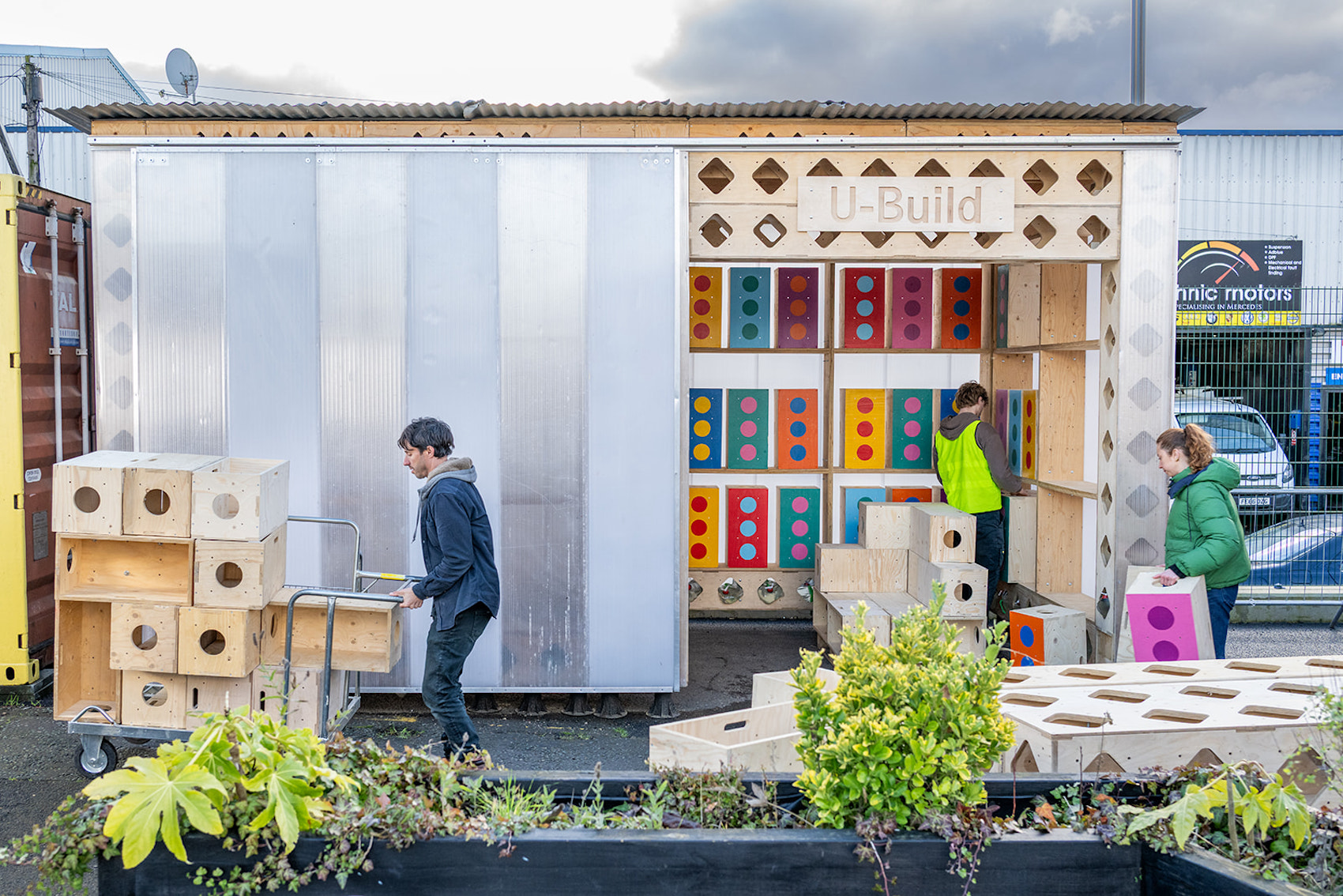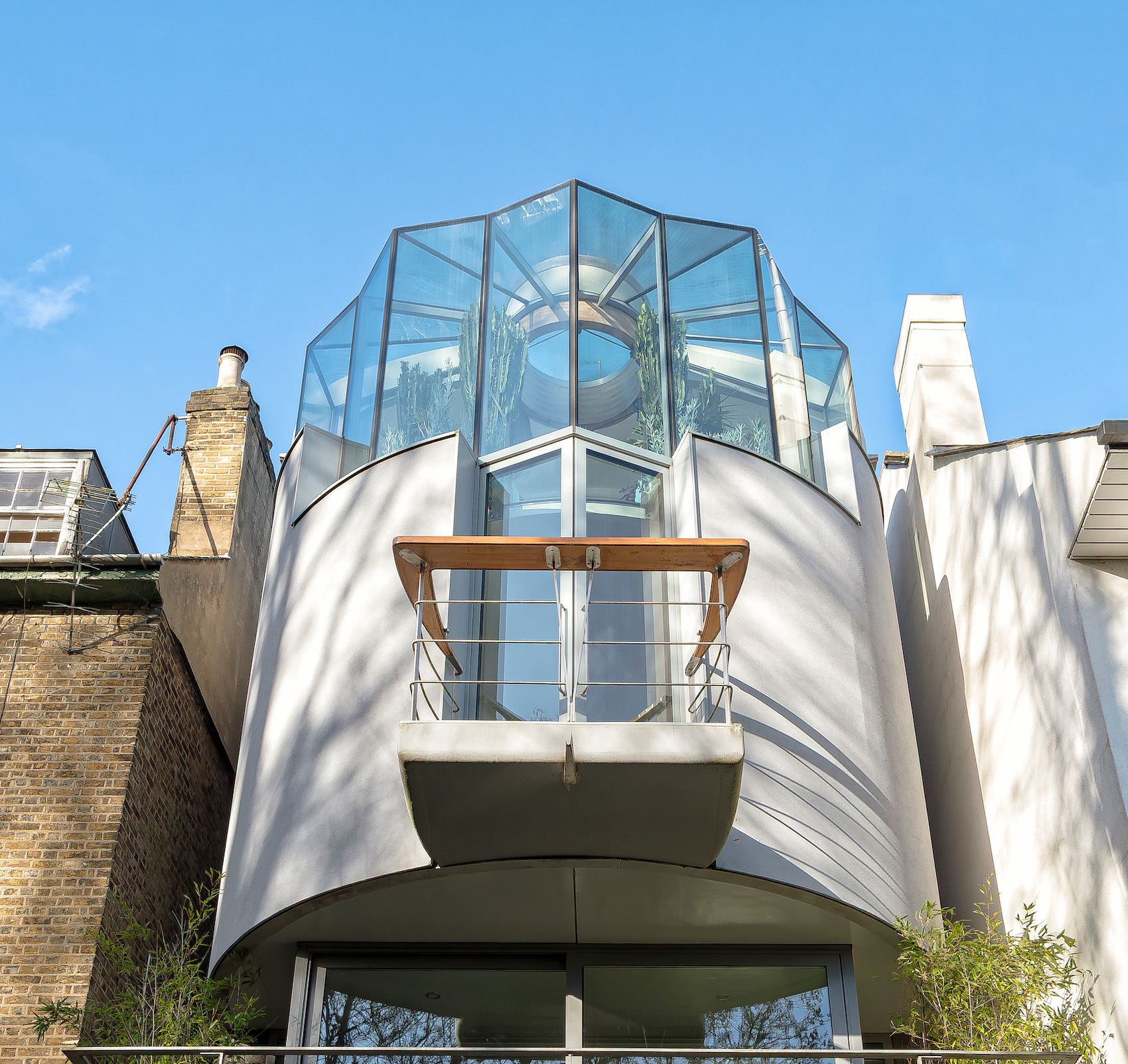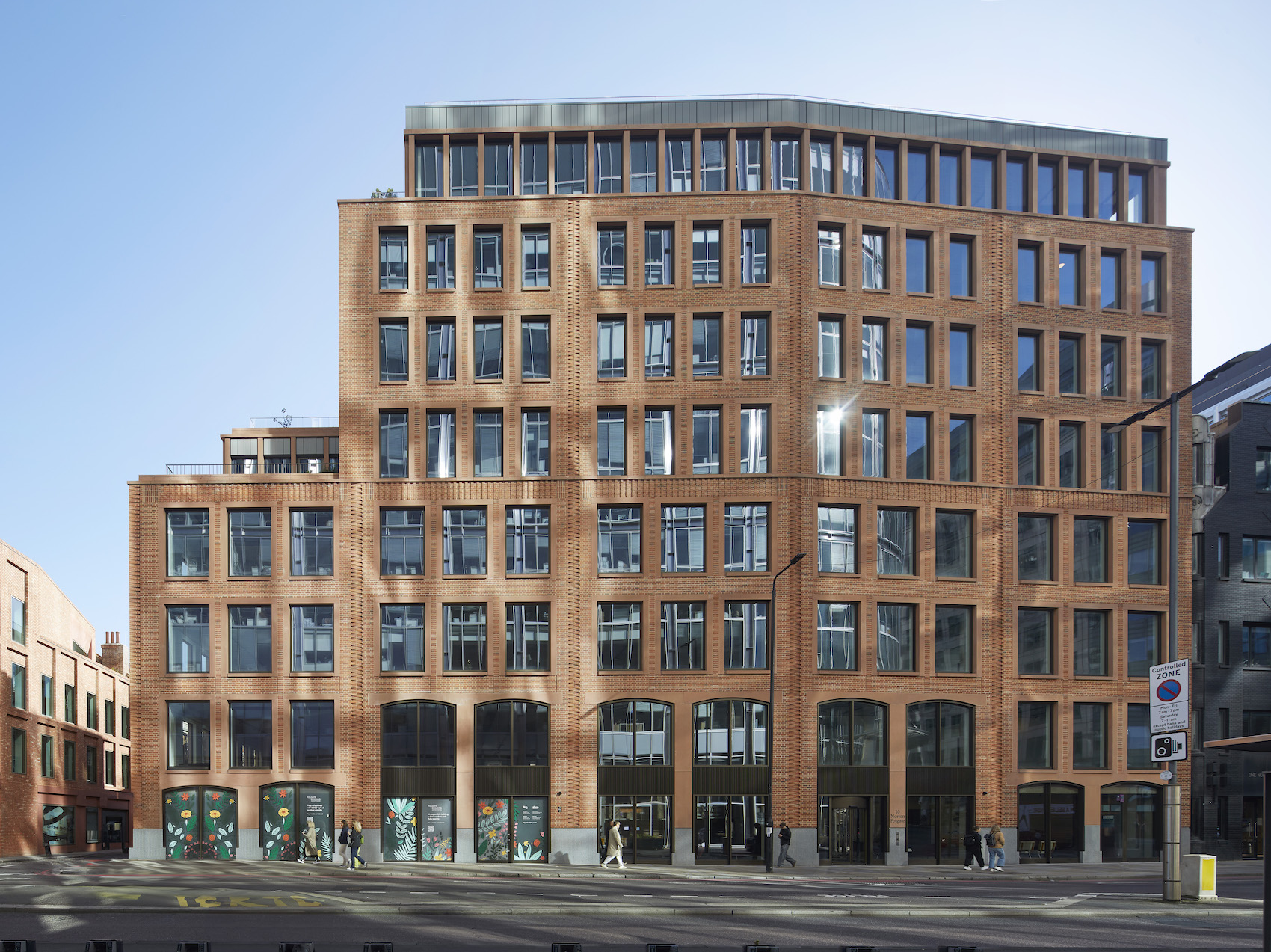
Material Cultures explain how they are challenging conventional construction cultures in a bid to bring architecture closer to agriculture, land management and landscape.
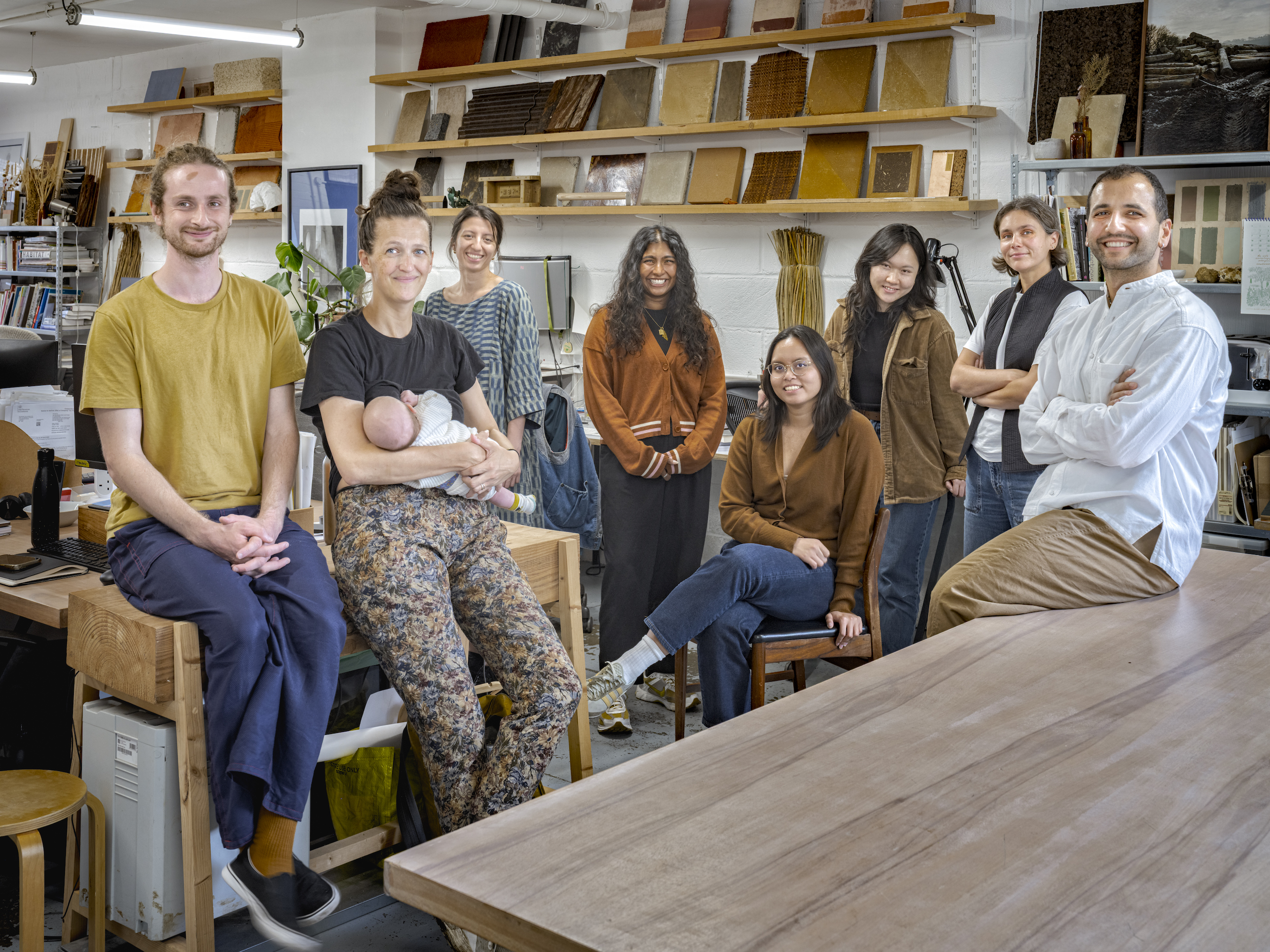
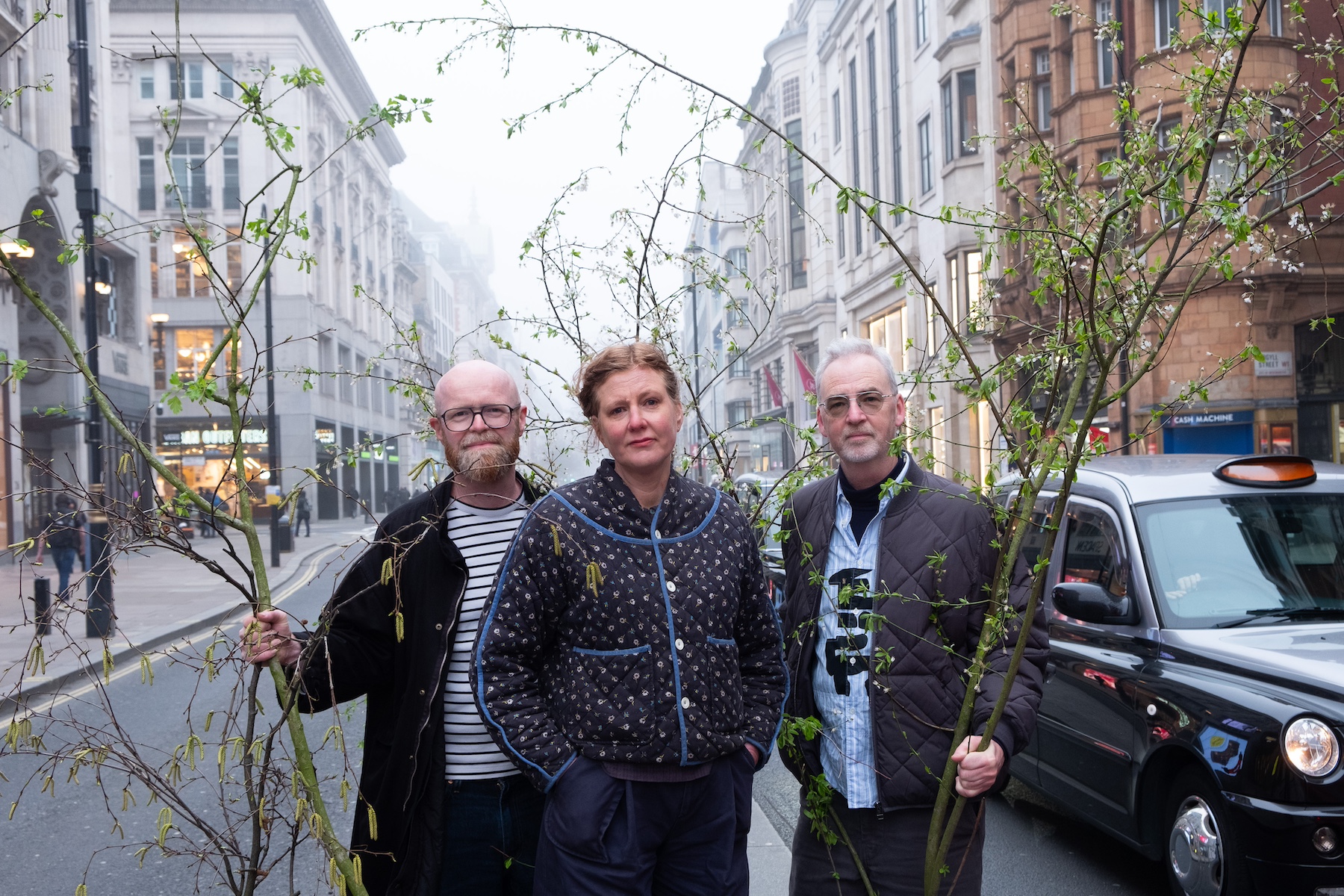
Material Cultures at their studio in Hackney, east London. From left to right: Will Bradley, Paloma Gormley, Daria Moatazed-Keivani, Huma Mahmood, Serena Faizal, Bo Yee Lau, Summer Islam and George Massoud.
Critically, we are working to understand how the transition to regenerative architecture can be meaningfully allied with the transition to agroecological agriculture. We are constantly working to understand our role and where our energy is best placed in the bigger picture of system change across the industry. With the increasing adoption of regenerative principles in mainstream practice, it feels important to continue to push at the boundaries of what this can encompass.
Bringing the practice of architecture closer to that of agriculture, land management and landscape regeneration is central to our practice. This means we are intentionally seeking out contexts where building and growing can happen in parallel, and developing spaces, frameworks and processes for collaboration and interdisciplinary exchange.
Building agroecologically means establishing new cultures of construction that are inherently less damaging to those along its supply chain – including the architectural worker – and in which we understand ourselves to be part of, rather than apart from, the ecological system.
We have built a national network of artisanal material specialists and builders, alongside regional suppliers. This means our building projects are increasingly rooted in place, creating local opportunities and jobs, and reinforcing bioregional practice and knowledge.
Design and construction are some of the most exclusionary sectors in the UK, with a distinct lack of representation and elitist cultures dominating the profession. Design services are usually only accessible to wealthy individuals and organisations, and there is increasingly little public investment in good design.
For us the most important challenge is how we can impact broader cultural change and centre the built environment’s relationships to care, reparations and justice. We face many practical barriers, from how we fund the practice, to research and learning work, to navigating the legislative hurdles of making buildings in a system that’s grown up alongside the oil vernacular. Material Cultures is working towards a bioregional construction industry, which is integrated into regenerative and socially just land and building systems.
Material Cultures
E8 4QN