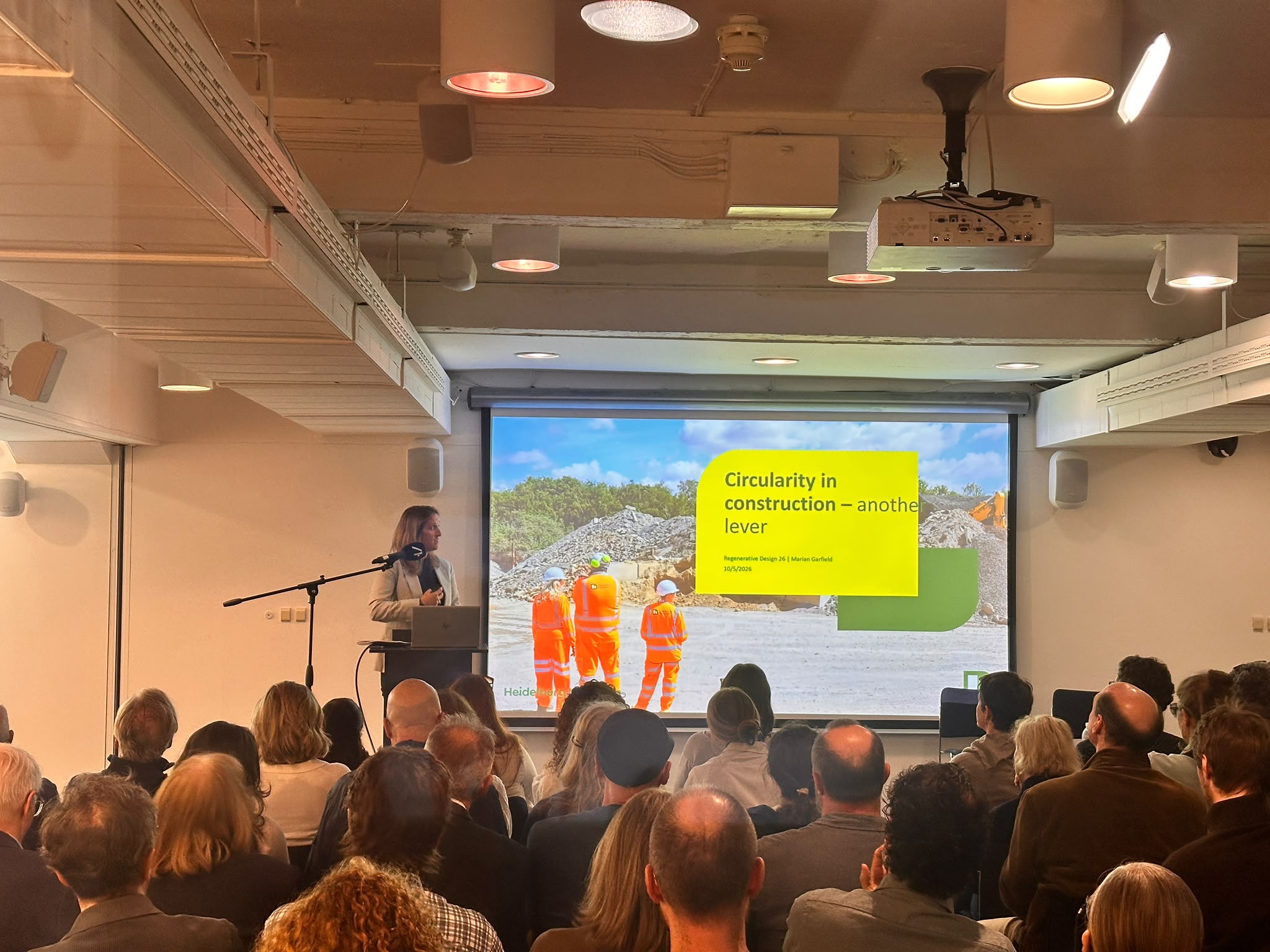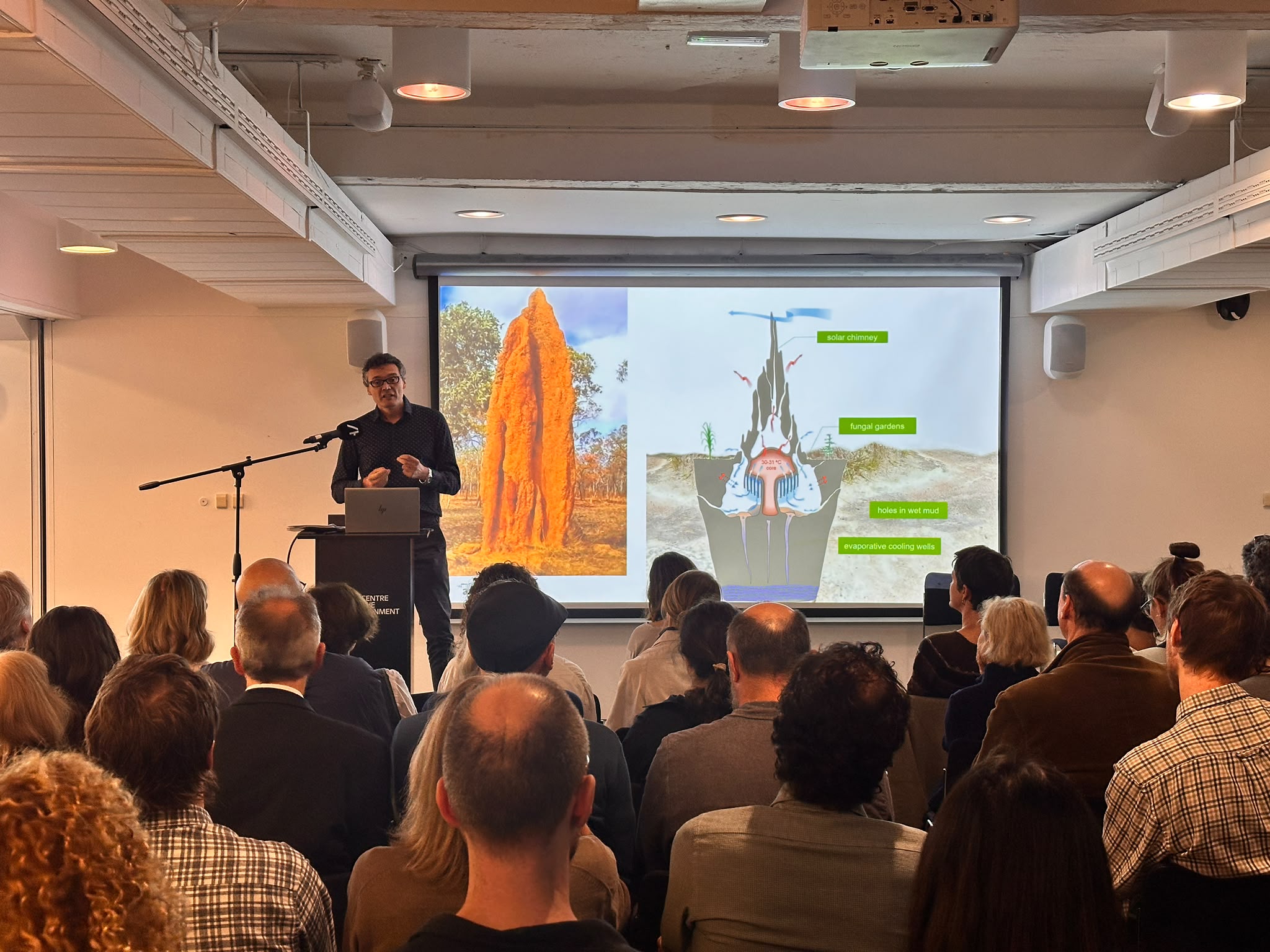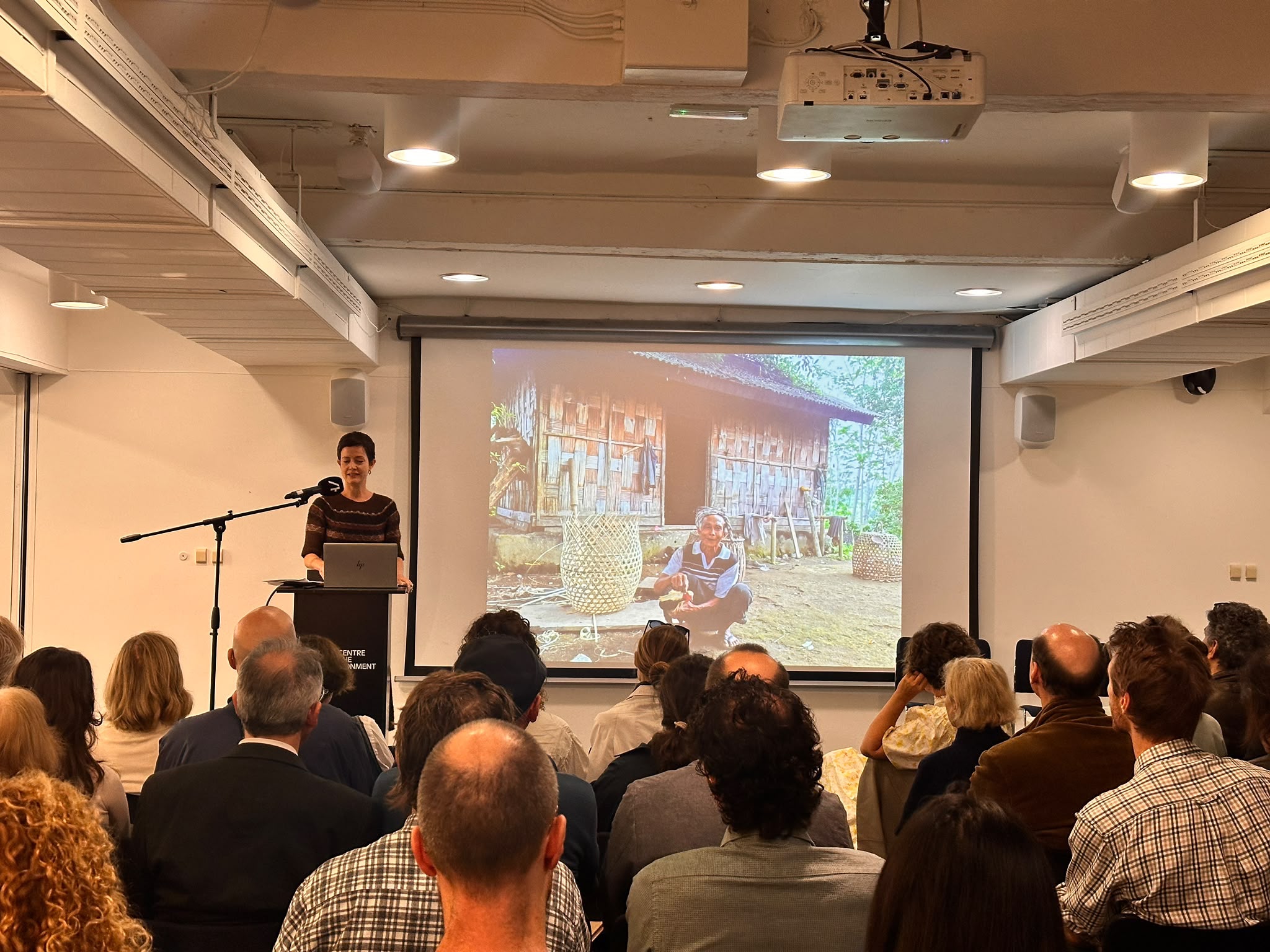
Forming part of Regenerative Design 2026, AT in partnership with In Opera hosted a round table discussion exploring the challenges of creating regenerative supply chains and making more responsible material choices.
In association with
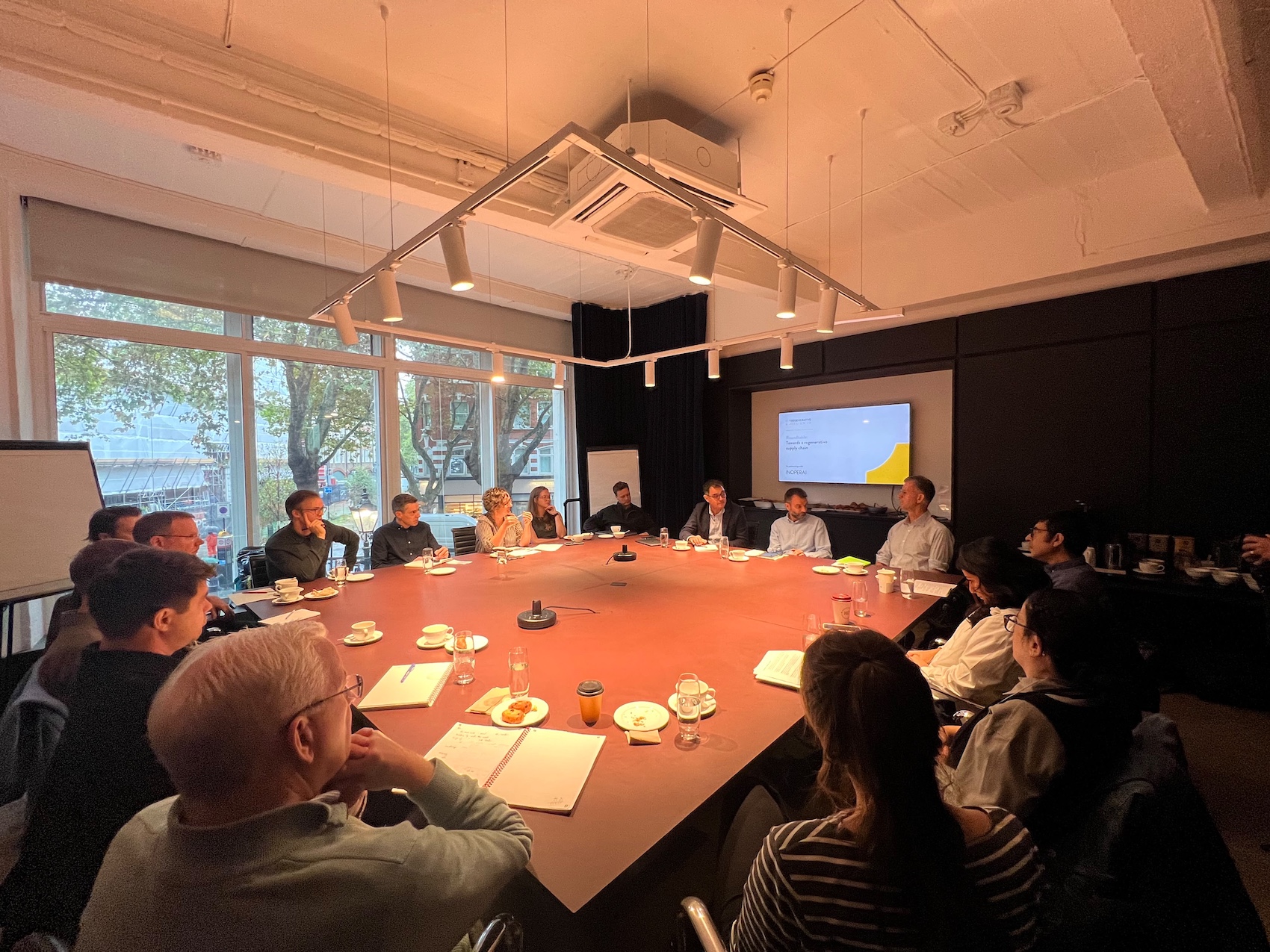
Round table participants
Alex Wood
Senior architect, Piercy&Company
Naomi Clare
Sustainability Manager and Architectural Technologist, AEW
Matthew Traub
Director and Head of Sustainability, Allies and Morrison
Magnus Wills
Associate, Barr Gazetas
Asif Din
Sustainability Director, Perkins & Will
Golnaz Ighany
Global Director of Sustainability, RIOS
Liam Kelly
Head of Sustainability, Sheppard Robson
Rob Delius
Associate Director, Head of Sustainability, Stride Treglown
Georgia Laganakou
Head of Sustainability, Hopkins Architects
Tim den Dekker
Senior Associate, Feilden Clegg Bradley Studios
Tom Gibson
Associate Director, Haworth Tompkins
Laura Baron
Head of Sustainability, Purcell
Ben Hayes
Co-founder and Director, Unknown Works
Enzo Favro
Co-founder and Director, In Opera Group
Patrick Riley
Specialist Coach & Business Management Consultant, Campsall Consulting
Isabel Allen
Editor, Architecture Today (chair)
Simply reducing the damage caused by construction is no longer enough. A genuinely regenerative approach demands a more fundamental reassessment of where materials come from, how they are made and transported, who benefits from their production, how long they remain useful and what happens to them when a building changes or reaches the end of its life.
But translating those ambitions into specification is far from straightforward. Designers are confronted by an expanding volume of environmental data, competing definitions of sustainability and regeneration, regulatory and insurance constraints, fragmented procurement structures, and commercial pressures that continue to favour short-term cost. At the same time, manufacturers need sufficient certainty to invest in new products, processes and supply chains.
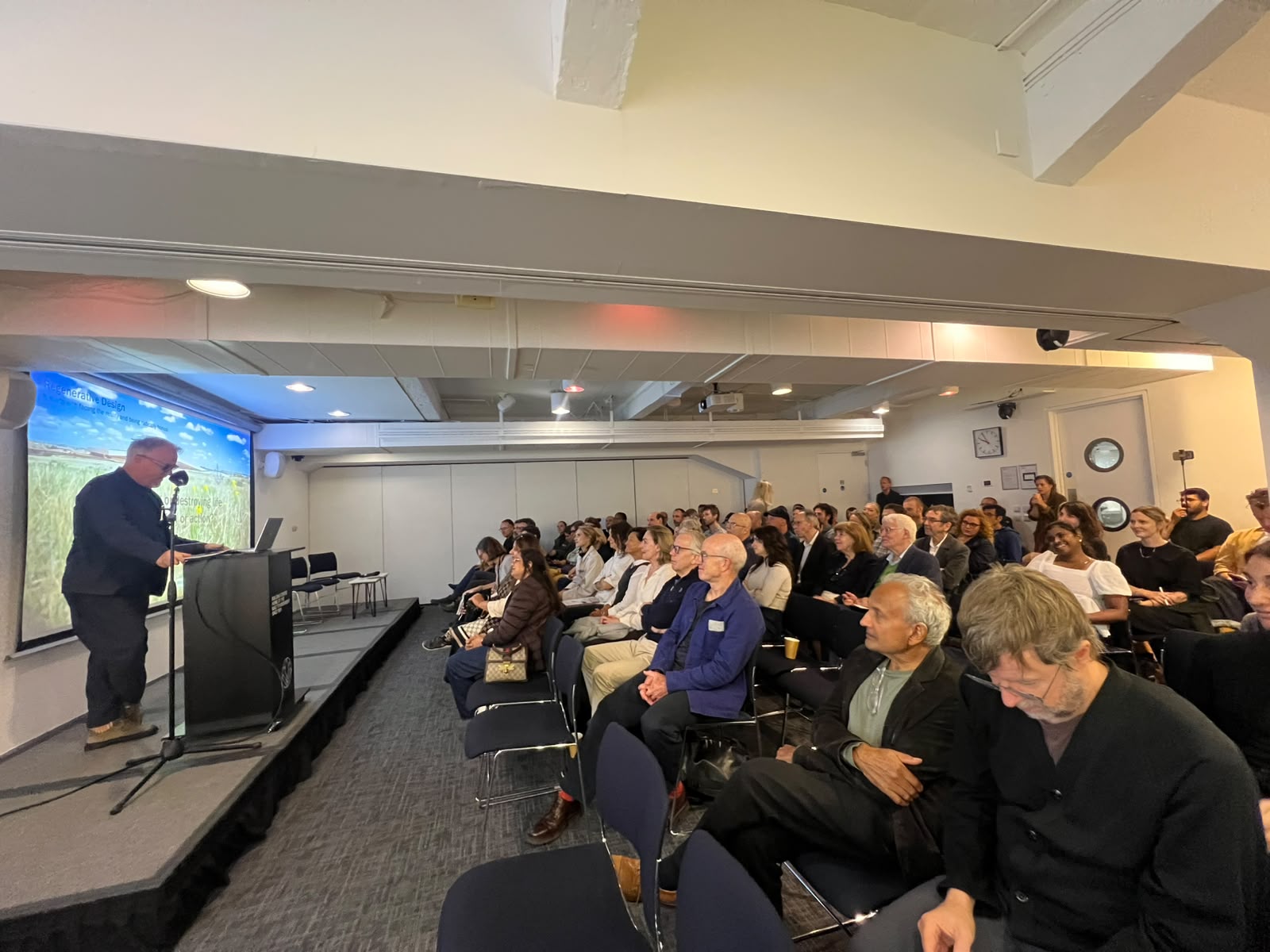
These challenges were explored at a round table discussion hosted by Architecture Today in partnership with In Opera at the Building Centre in London as part of Regenerative Design 2026. Bringing together architects, sustainability specialists and materials experts, the discussion examined what a regenerative supply chain might actually look like, and what needs to change to make it achievable at scale.
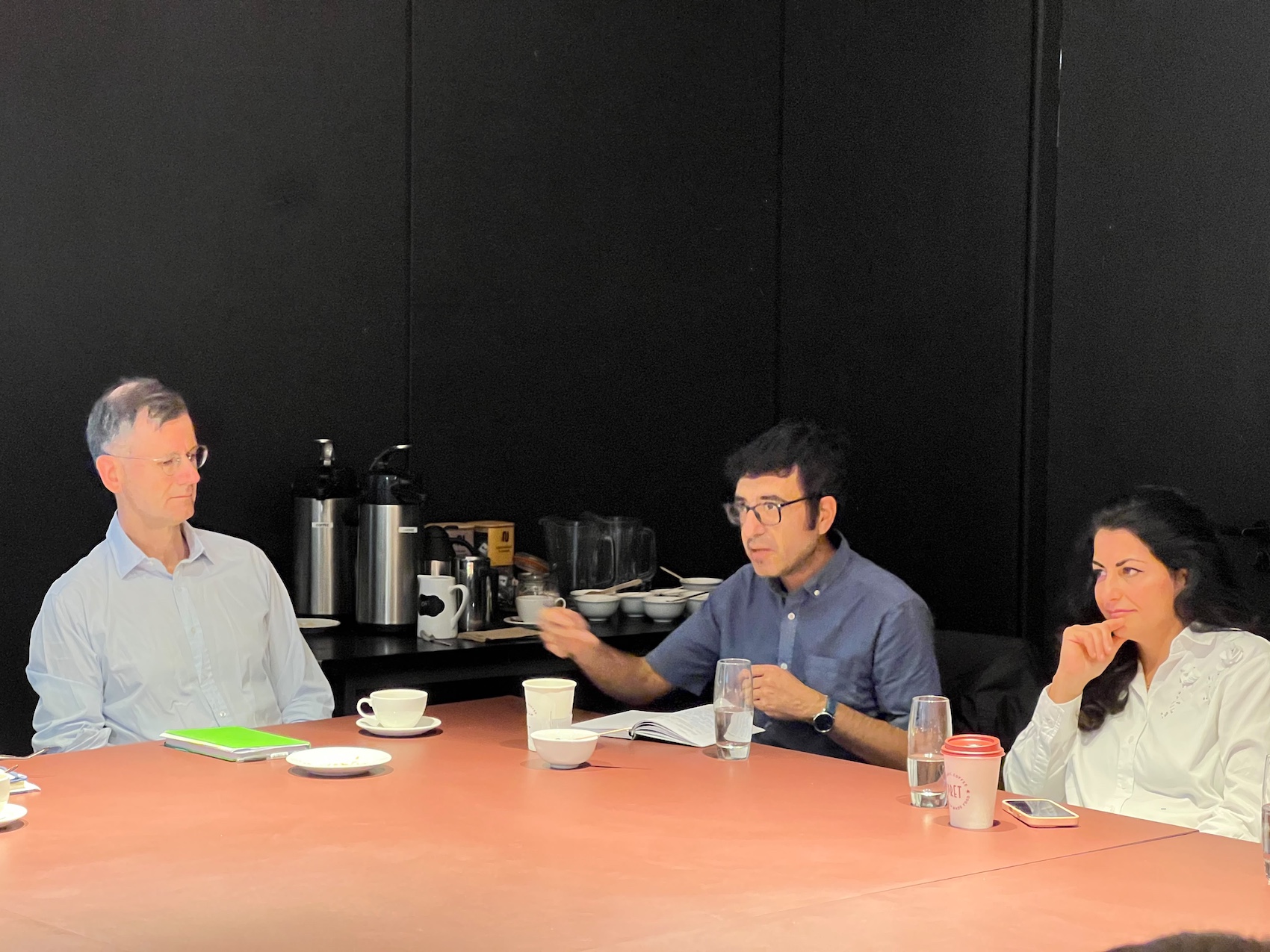
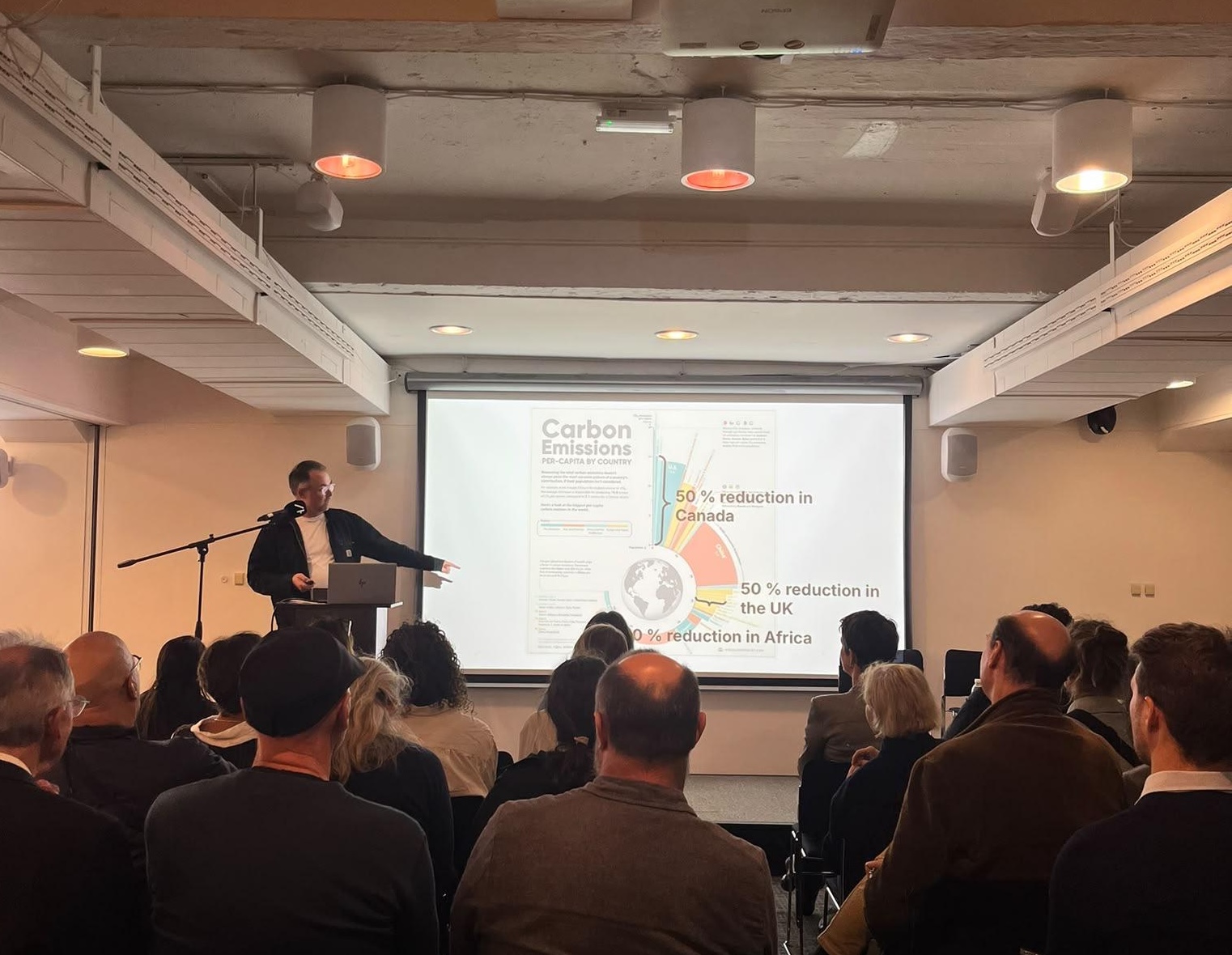
Tim den Dekker, Asif Din, and Golnaz Ighany.
From ambition to everyday practice
The discussion began with a deceptively simple question: how can regenerative principles move beyond sustainability teams and become embedded in the everyday decisions made by designers? Asif Din argued that regenerative design should be understood as an approach that leaves environmental, social and economic systems in a better condition, rather than as a fixed destination. That requires designers to begin by understanding the parameters of a project properly. Without rigorous analysis of place, resources, people and need, regenerative aspirations risk becoming an additional layer applied to a design rather than something that fundamentally shapes it.
Matthew Traub agreed that many clients already want the positive outcomes associated with regenerative design. The challenge is often to give them the evidence and confidence to pursue them. Technical knowledge, economic understanding and carefully timed information can enable clients to make choices that align with their values while remaining compatible with their business model. Tim den Dekker highlighted the importance of understanding who holds decision-making power at different stages, and of identifying the individuals capable of maintaining a project’s original ambitions when cost and programme pressures intensify.
Golnaz Ighany identified a related problem within larger organisations, where sustainability teams can become separated from those controlling budgets and making final decisions. Regenerative thinking, she argued, cannot sit with one specialist group. The wider client and design team needs to understand what it is trying to achieve and why. For Magnus Wills, this points towards the scale of the challenge. Exemplary projects and committed clients are important, but transformation ultimately requires systemic change. The question is how lessons from individual projects can begin to influence the much larger construction economy beyond them.
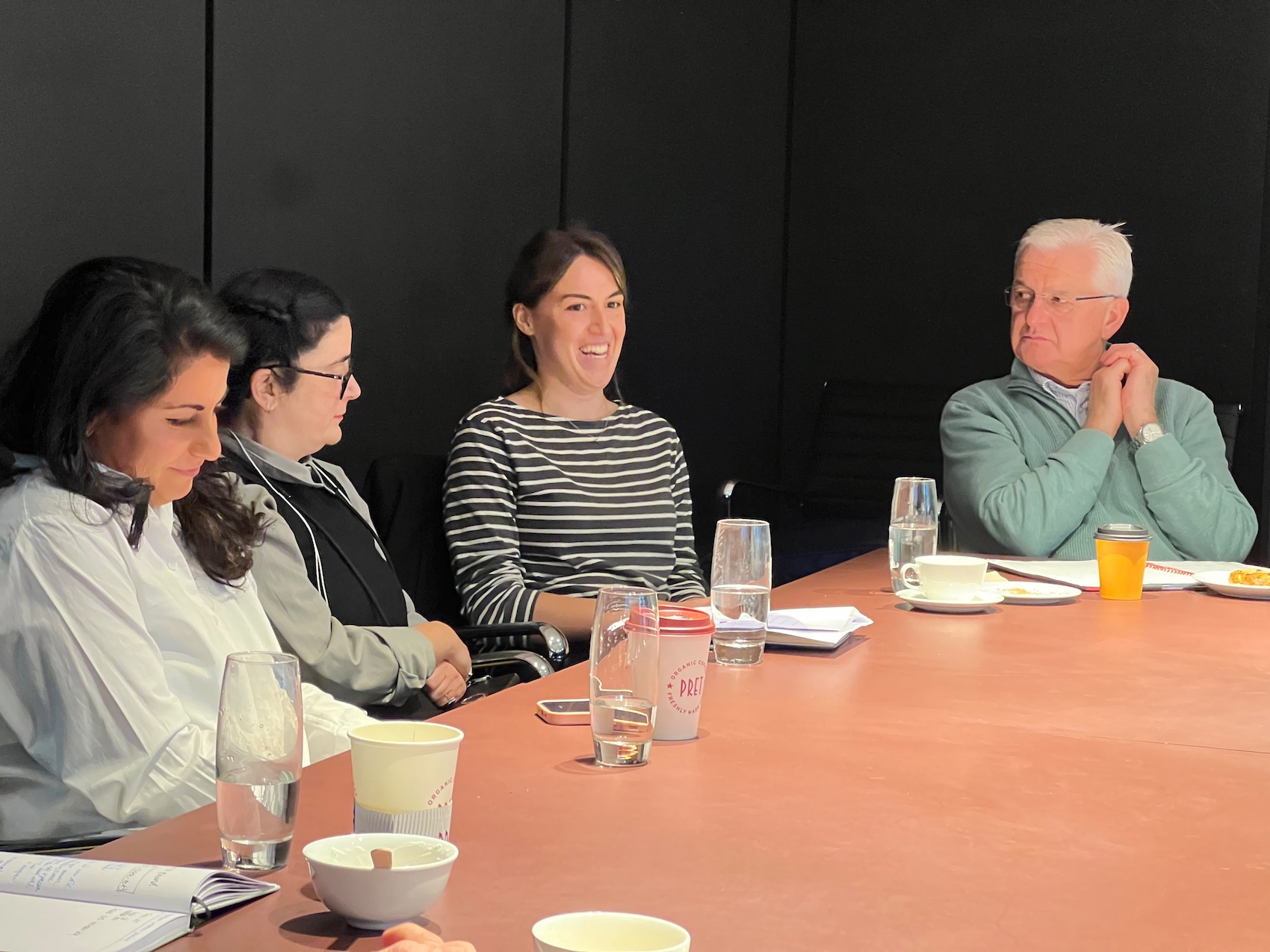
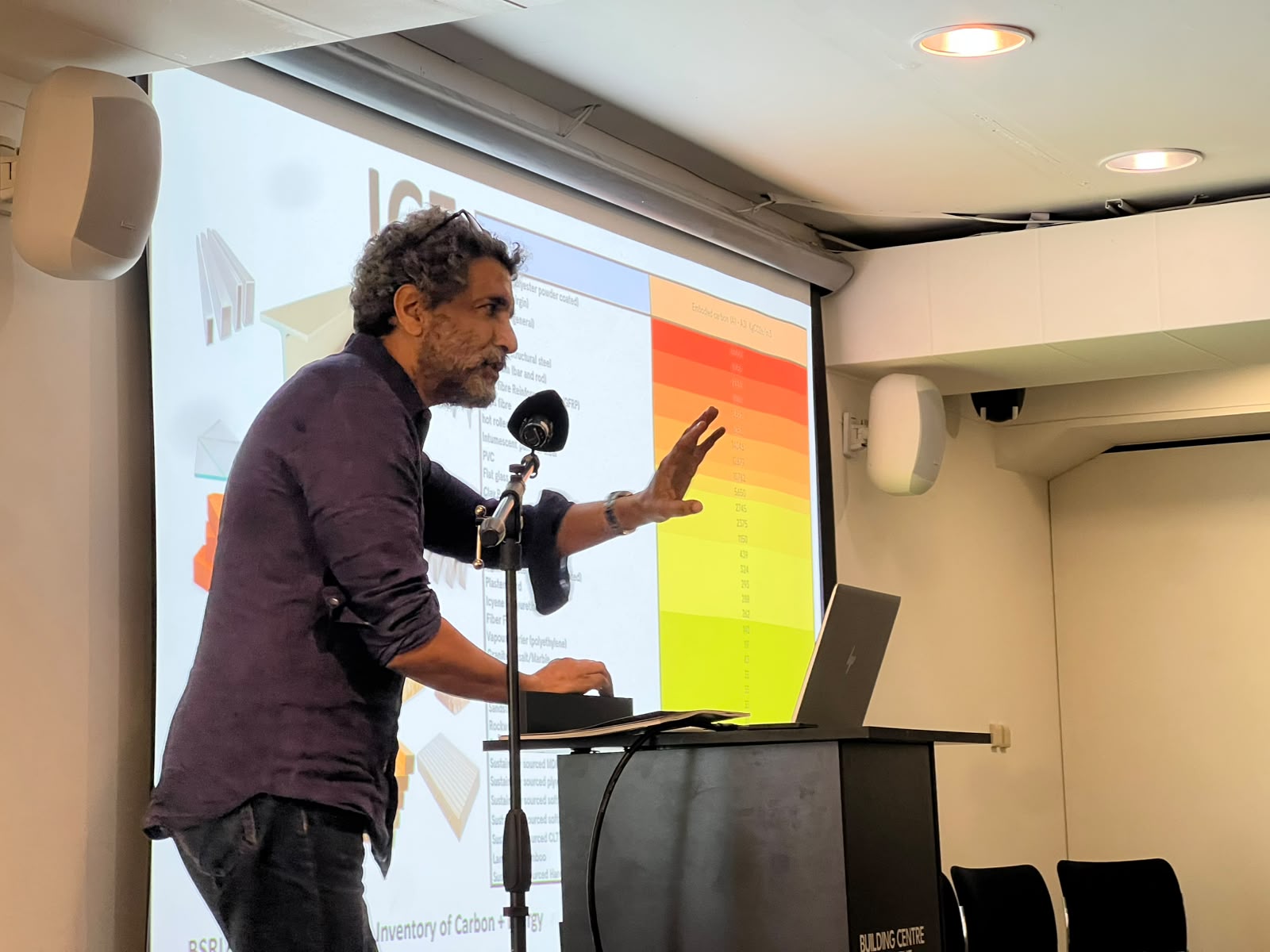
Golnaz Ighany, Georgia Laganakou, Naomi Clare, and Patrick Riley.
Redefining value
Cost inevitably emerged as one of the strongest influences on material choice. But several participants questioned what the industry actually means by cost. Enzo Favro argued that decisions are still too frequently based on capital expenditure, even where a relatively small increase in initial cost could dramatically reduce maintenance or replacement over the building’s life. Unless the people responsible for operating and maintaining buildings have a voice during design and procurement, those longer-term benefits can easily disappear from the calculation.
Traub offered loadbearing stone as an example of how this can be challenged. A material may appear more expensive when considered in isolation, but its structural performance may allow other elements to be reduced or removed. Understanding those wider consequences can turn an apparent cost premium into a viable proposition and allow other considerations, including embodied carbon and provenance, to influence the final choice.
The problem, the group suggested, is that capital and operational budgets remain stubbornly disconnected. Drawing on his experience in manufacturing, Patrick Riley described this separation as one of the most persistent barriers to better decision making. An investment capable of paying for itself through lower running costs can still be rejected because the organisation paying to construct the building is divorced from the one responsible for operating it. Whole-life carbon assessment could help change this dynamic. Several participants argued that requiring teams to consider replacement cycles, maintenance and end-of-life scenarios would naturally encourage a longer-term view of both carbon and cost.
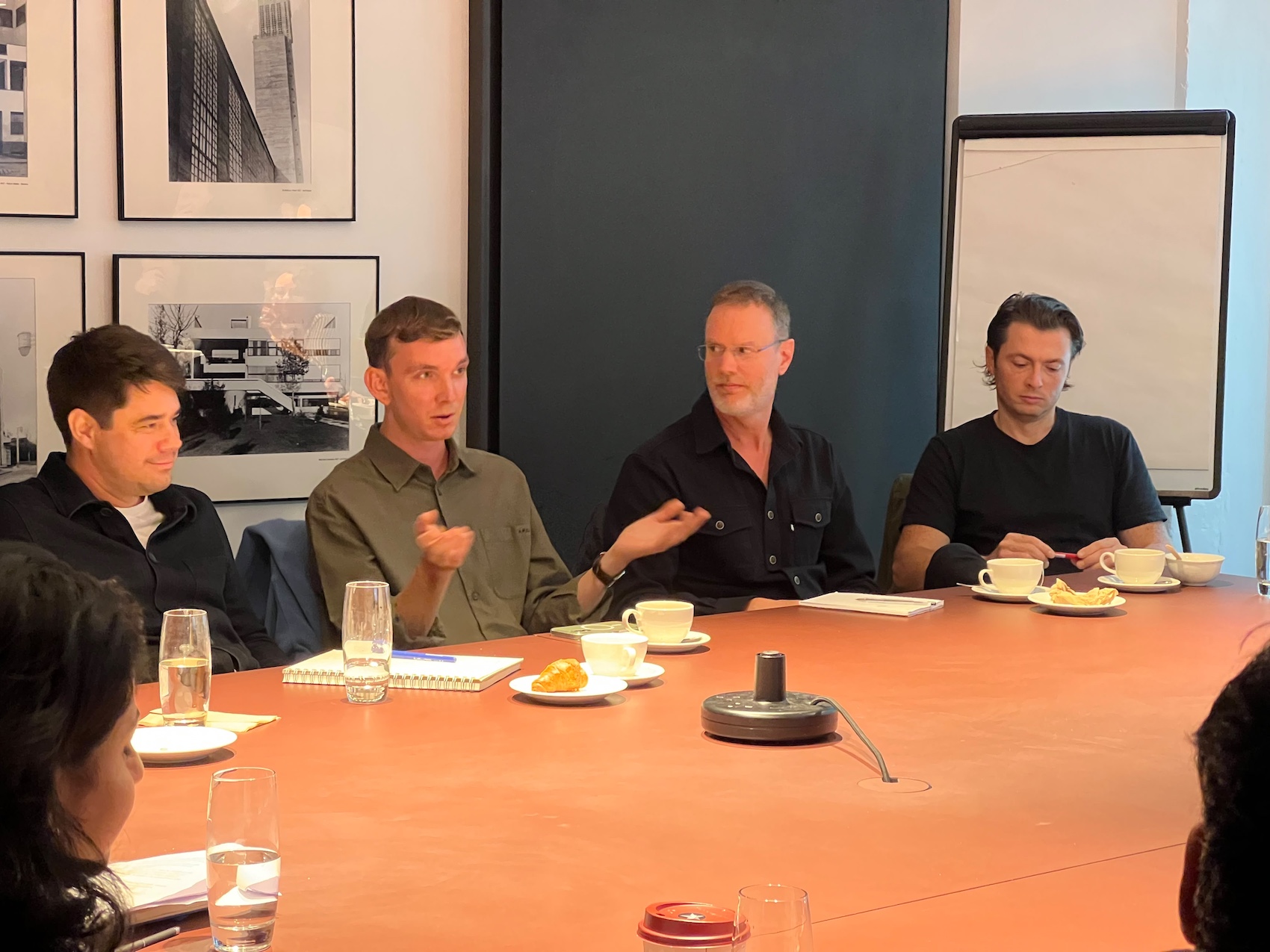
Matthew Traub, Liam Kelly, Rob Delius, and Alex Wood.
What makes a material regenerative?
The conversation exposed an important tension around terminology. Is a low-carbon, recycled material necessarily regenerative? For some participants, the distinction matters. Recycling existing petrochemical or highly processed products may reduce harm and make responsible use of materials already in circulation, but that does not necessarily replenish natural systems. Regenerative materials, it was argued, should ultimately encompass a more ambitious combination of renewable resources, ecological restoration and positive social outcomes.
Others advocated a broader definition. Wills pointed to the potential for supply chains to strengthen local economies, build skills and increase community self-sufficiency. A material’s impact therefore cannot be understood through embodied carbon alone.
The discussion around ‘local’ materials revealed similar complexity. Shorter supply chains can retain economic value and skills within communities, but distance is an imperfect proxy for environmental performance. A locally processed material dependent on inefficient machinery may have greater impacts than one transported considerable distances by ship.
The underlying message was that simple labels are rarely sufficient. Provenance, manufacturing, transport, durability, installation, maintenance, reuse and social value all need to be understood as parts of the same system.
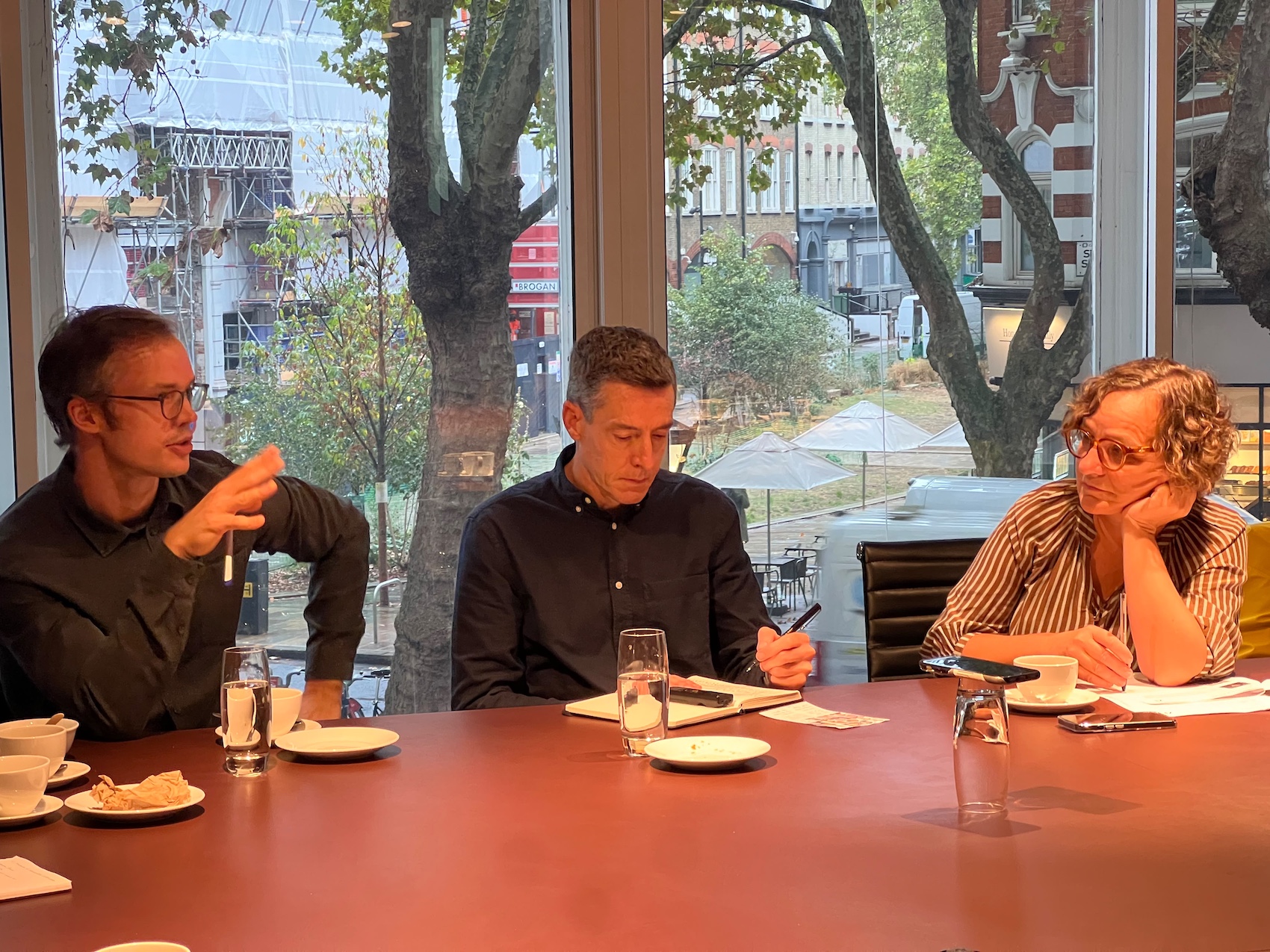
Tom Gibson, John Ramshaw (AT Technical Editor reporting), and Isabel Allen.
Better information, fewer barriers
Environmental Product Declarations (EPDs) have transformed the availability of material data, but the panel was wary of treating them as definitive answers. Different methodologies, assumptions and geographical contexts can make apparently comparable figures difficult to interpret. Georgia Laganakou highlighted the value of building internal material libraries capable of bringing environmental information together in a form designers can actually use. But information alone is not enough. The people drawing and specifying buildings need sufficient material literacy to interrogate what they are being told.
That prompted a wider discussion about the role of sustainability specialists. Ighany argued that practices cannot simply establish a sustainability team and expect it to ‘fix’ projects designed elsewhere in the office. Designers themselves need to understand the consequences of their decisions. Ben Hayes described a different model within a smaller practice, where responsibility is more dispersed and designers can think about ‘designing the supply chain’ alongside designing the building. Smaller fit-out projects can also provide opportunities to experiment with reuse and unfamiliar materials at a manageable scale.
For larger practices, the challenge is information overload. Rob Delius described efforts to distil extensive guidance into concise, practical information that project architects can realistically absorb. Liam Kelly saw the sustainability specialist’s role similarly: enabling architects to champion regenerative ideas without expecting every designer to become an expert in every dataset.
One example demonstrated the potential impact. A commitment to specifying Welsh wool on a major project helped support and revive elements of a local supply chain. The lesson was that specification is not merely a technical act: at sufficient scale, it can create the demand that allows industries, skills and infrastructure to survive.
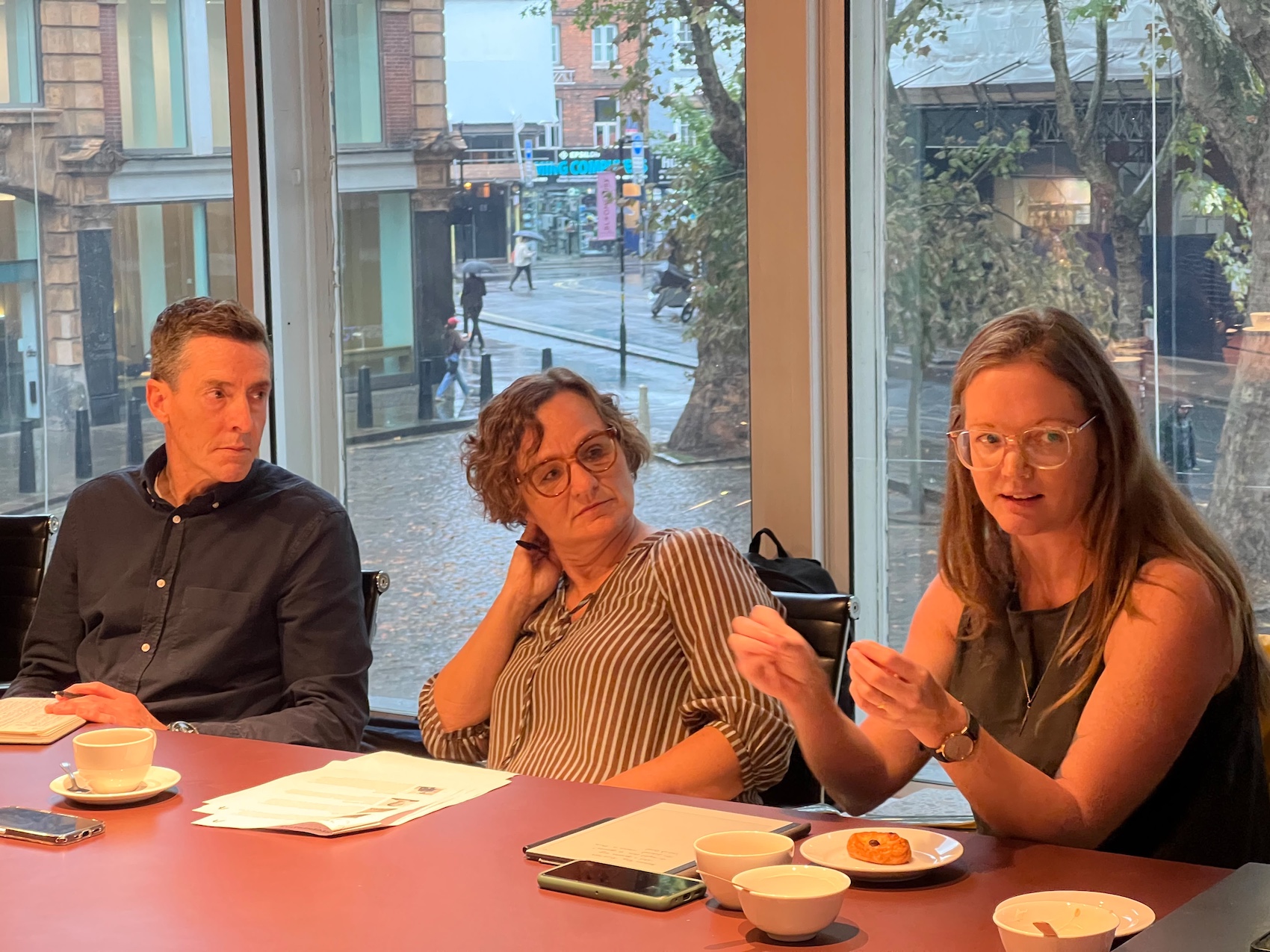
John Ramshaw, Isabel Allen and Laura Baron.
Sharing knowledge rather than reinventing it
If better information is essential, the panel questioned why practices repeatedly create their own versions of the same research. Kelly advocated greater sharing of carbon and materials data between architects, engineers and consultants, noting that numerous organisations already hold substantial datasets. Their collective value could be far greater if knowledge were shared rather than locked inside individual businesses.
Naomi Clare described signs that this culture is changing, particularly through networks of sustainability specialists where practices are increasingly comfortable exchanging knowledge and experience. The traditional competitiveness of architecture, she suggested, need not prevent meaningful collaboration. Ighany also highlighted the importance of making materials tangible. Her practice’s research into bio-based products culminated in a physical exhibition where designers could touch and discuss materials rather than encounter them solely through technical guidance. The exercise also exposed the looseness of some environmental terminology, including products marketed as bio-based despite containing only a relatively small proportion of biological material.
Laura Baron argued that this is where clear storytelling becomes important. Regenerative design encompasses an enormous range of interconnected issues, and designers need frameworks that make that complexity understandable without reducing it to simplistic claims. Concepts, such as being a good ancestor, co-evolving with nature and creating a safe and just space for people, can provide a way into those conversations.
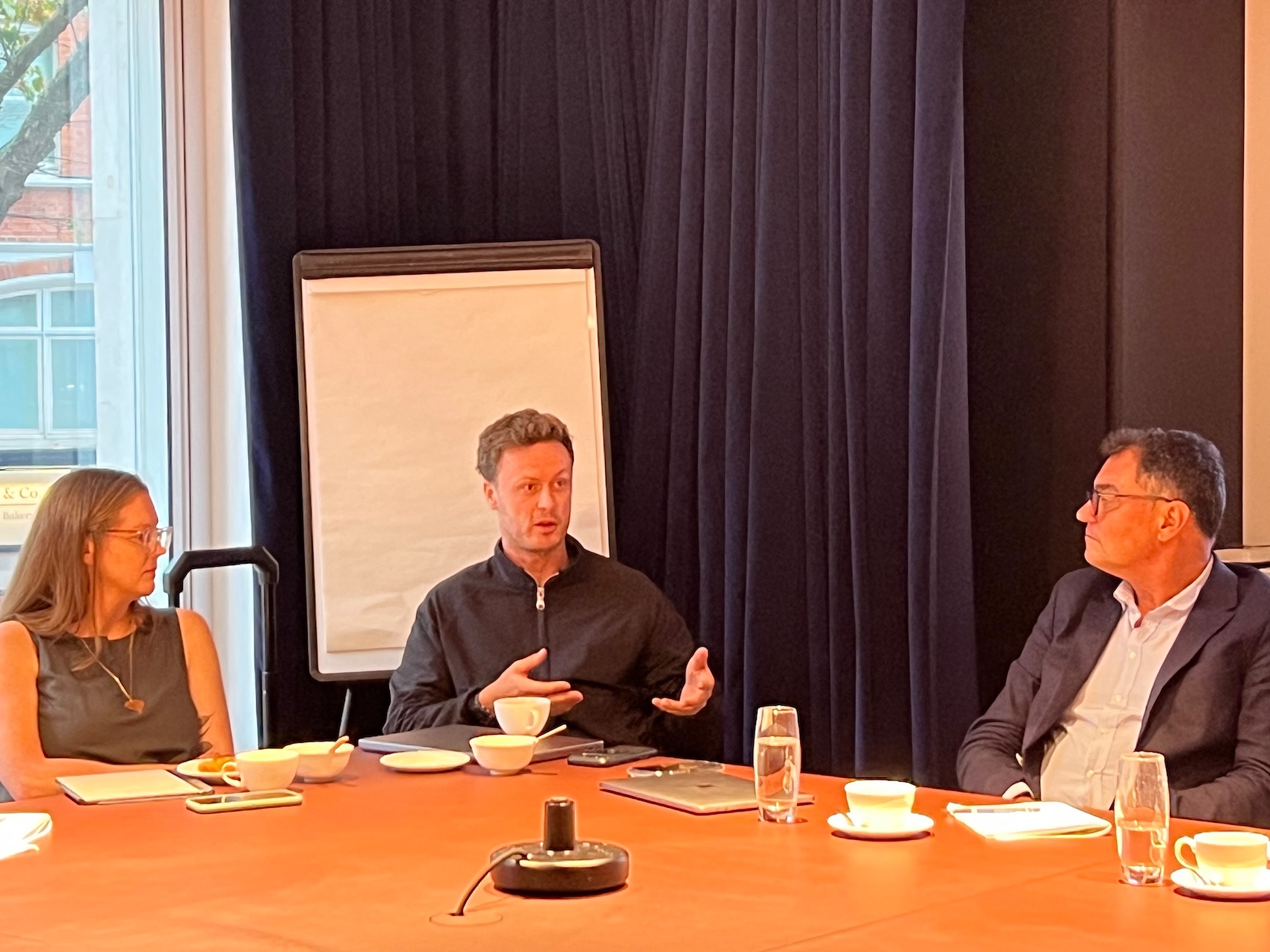
Laura Baron, Ben Hayes, and Enzo Favro.
Risk, regulation and permission to innovate
Even when an unfamiliar material performs environmentally and economically, perceived risk can stop it progressing. Din argued that architects need a much better understanding of risk if they are to challenge conservative decisions effectively. Questions around certification, availability, installers, warranties and insurance can quickly become hassle factors that push teams back towards familiar solutions.
Tom Gibson highlighted the particular difficulty of finding natural materials that satisfy environmental ambitions while also meeting the extensive fire, safety and performance requirements associated with higher-risk buildings. The problem is compounded by inconsistent government policy and testing regimes. Several participants therefore called for stronger leadership from government. Policy can create markets almost overnight by establishing clear minimum expectations, giving manufacturers the confidence to invest, and allowing clients to compare options on a level playing field.
Yet innovation itself also needed redefining. Some of the materials attracting renewed interest are among the oldest available: stone, lime, timber and other bio-based products. The innovation may lie less in inventing new materials than in combining established ones intelligently, developing appropriate testing and certification, and creating supply chains capable of delivering them at scale.
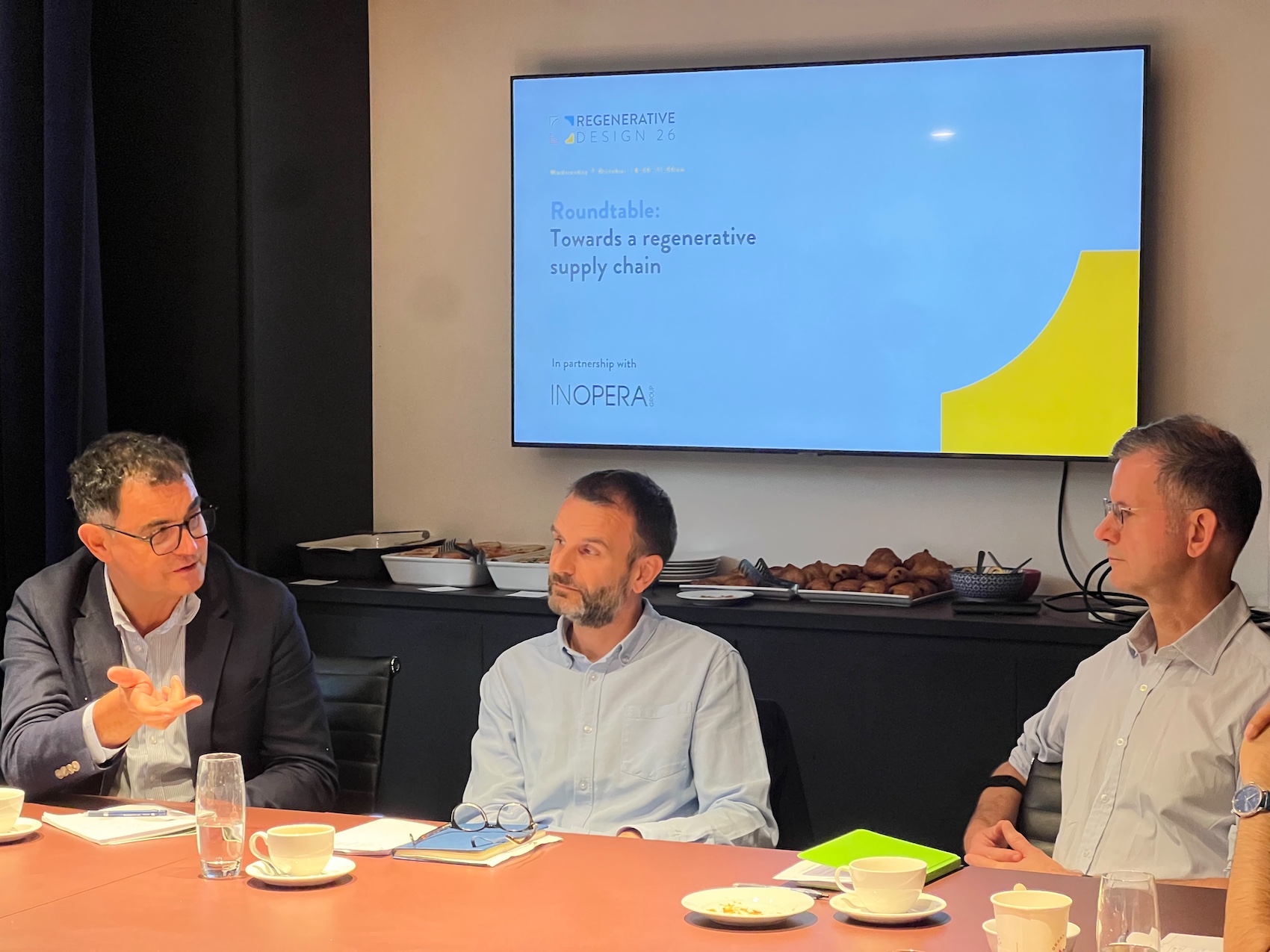
Enzo Favro, Magnus Wills, and Tim den Dekker.
Collaboration as infrastructure
The conversation repeatedly returned to the structure of project teams. Ighany proposed moving from multidisciplinary to transdisciplinary working: not simply bringing different specialists around the same table, but ensuring each understands the pressures, risks and objectives of the others. That ambition is frequently frustrated by contracts and insurance structures that encourage participants to protect their own position. The group discussed integrated project insurance as one possible model for shifting responsibility towards the project as a whole and incentivising teams to solve problems collectively rather than allocating blame.
For Riley, the lesson from manufacturing was similarly systemic. Individual product improvements can achieve only so much if the wider structure remains unchanged. Altering the system, even modestly, can produce effects far beyond the original intervention. That applies equally to procurement. Den Dekker pointed to emerging initiatives designed to connect public-sector clients directly with pre-qualified regenerative and bio-based suppliers, while combining procurement with knowledge sharing and training. Creating dependable routes to market could provide precisely the confidence manufacturers need to invest.
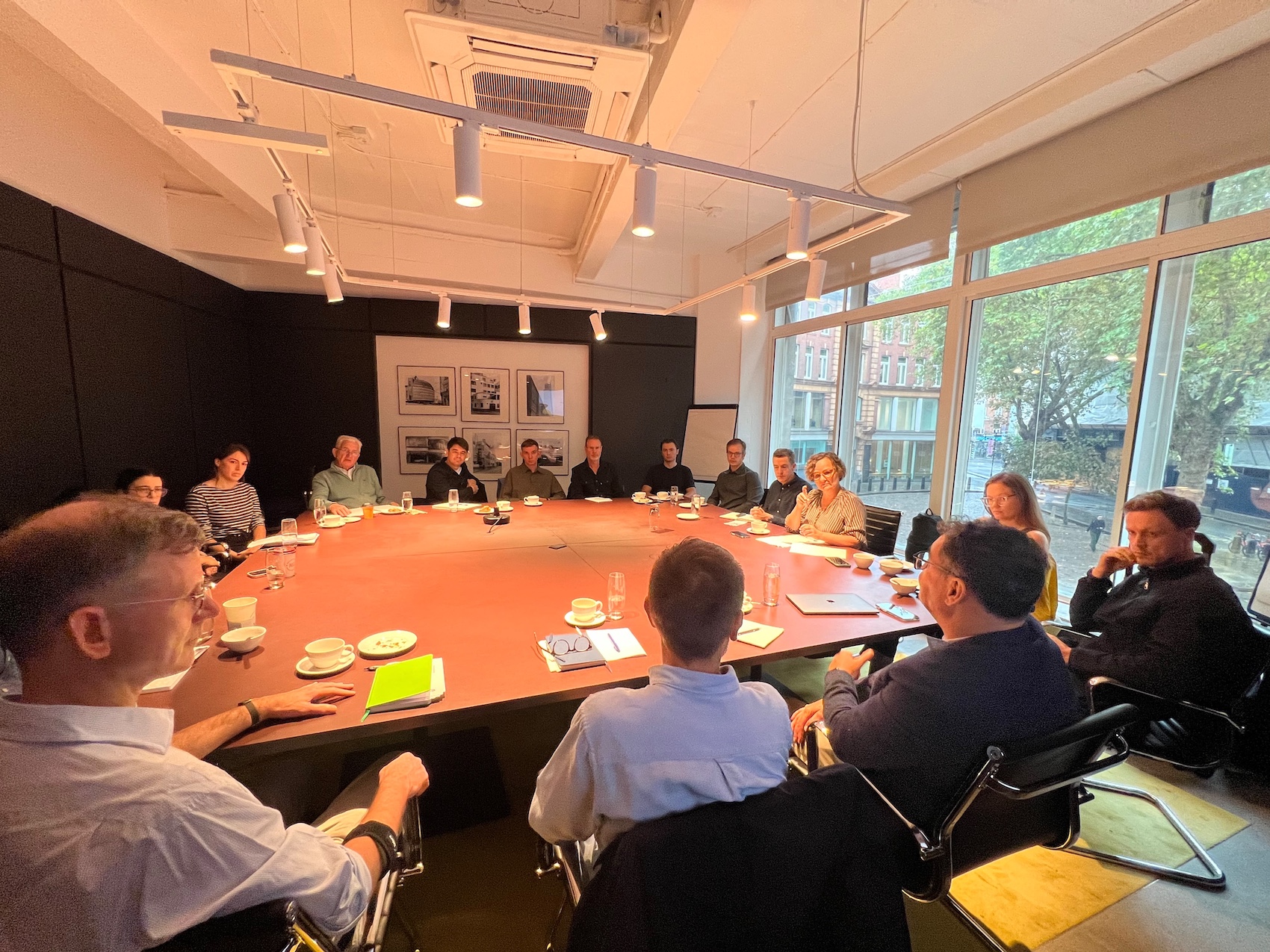
Today’s buildings as tomorrow’s supply chain
The final part of the discussion turned towards reuse and the idea of today’s built environment becoming tomorrow’s quarry. Baron reflected that being a good ancestor is not simply about designing for an imagined distant future. We are part of a sequence, inheriting buildings, materials, landscapes and knowledge from those before us while passing them on to those who follow. Regenerative thinking therefore means caring for what already exists as well as considering what we create.
This has significant implications for skills. Retaining and adapting buildings depends on craft knowledge and experience that modern construction has sometimes undervalued. Rather than seeing heritage and retrofit as conservative disciplines, the panel suggested they should increasingly be understood as central to a radical low-carbon future. Wills pointed to Britain’s long tradition of conservation and adaptive reuse as a valuable foundation. Planning protections that are frequently criticised as constraints on development have also preserved enormous quantities of existing fabric, along with the cultural and embodied value it contains.
Material reuse is beginning to develop its own infrastructure. Examples discussed included reclaimed structural steel, demolition audits and brokers capable of matching available components with new projects. But physical logistics remain a major obstacle. Digital marketplaces can identify materials relatively easily; storing them safely until another project needs them is much harder. Traub suggested that local authorities, developers and masterplanners could play a significant role by identifying temporary sites for storage and exchange within long-term regeneration areas. Such infrastructure could turn meanwhile land into a resource for circular construction, unlocking environmental, social and commercial value simultaneously.
Making regenerative practice normal
The discussion ultimately suggested that there will be no single regenerative material, metric or certification capable of transforming the supply chain. Progress depends on changing the relationships between design, procurement, manufacturing, regulation, finance, operation and reuse. It also requires the industry to communicate successful practice far more effectively. Good work is already happening, but lessons are often buried within individual projects or organisations. Sharing evidence, simplifying complex information and demonstrating where unfamiliar approaches have worked can reduce perceived risk for those who follow.
Regenerative design should remain demanding. Its value lies precisely in pushing the industry beyond incremental reductions in harm towards a more fundamental question: how can every project leave the ecological, social and economic systems it touches stronger than it found them? The supply chain will become regenerative when that question becomes part of ordinary design and procurement, rather than the preserve of exceptional projects.