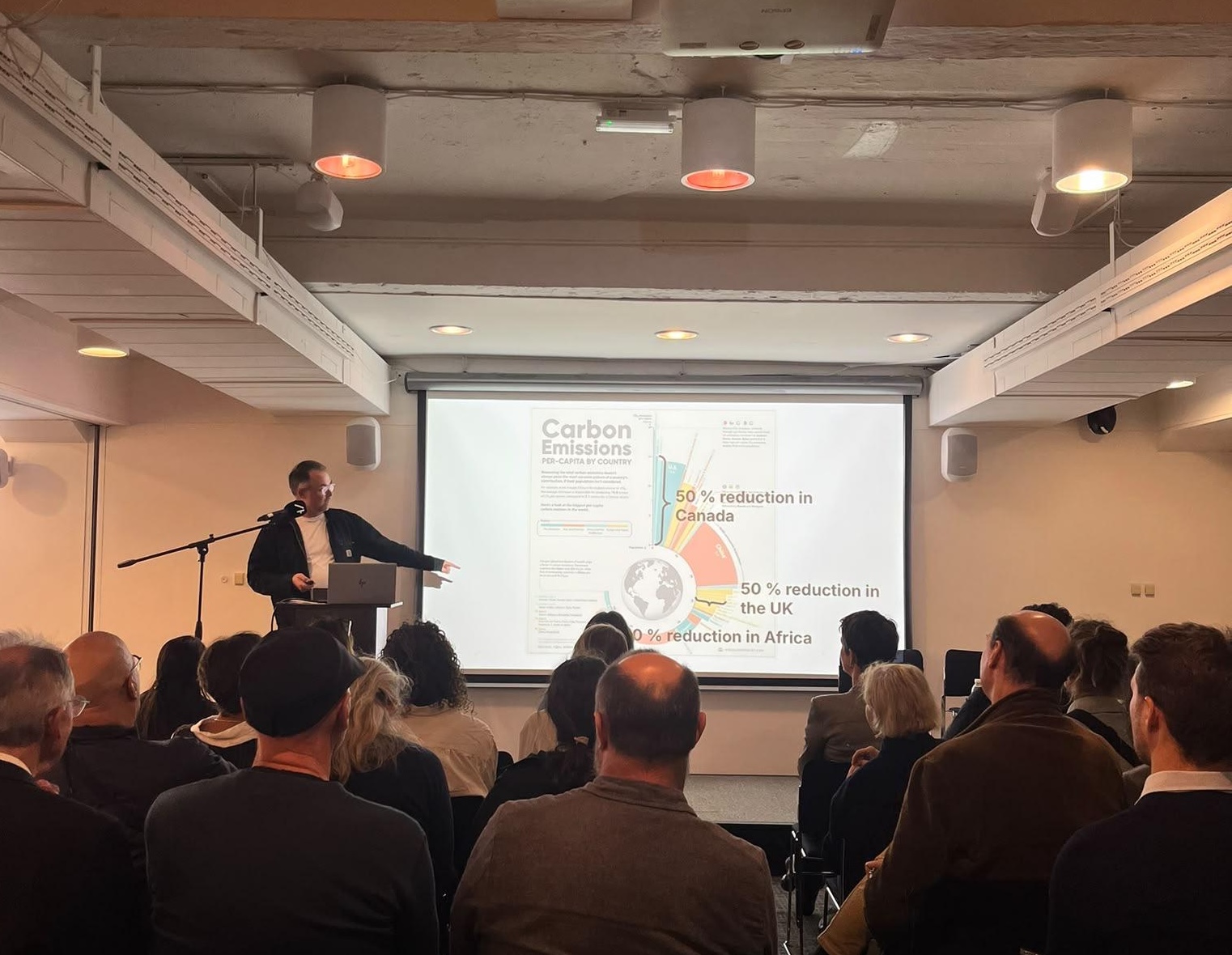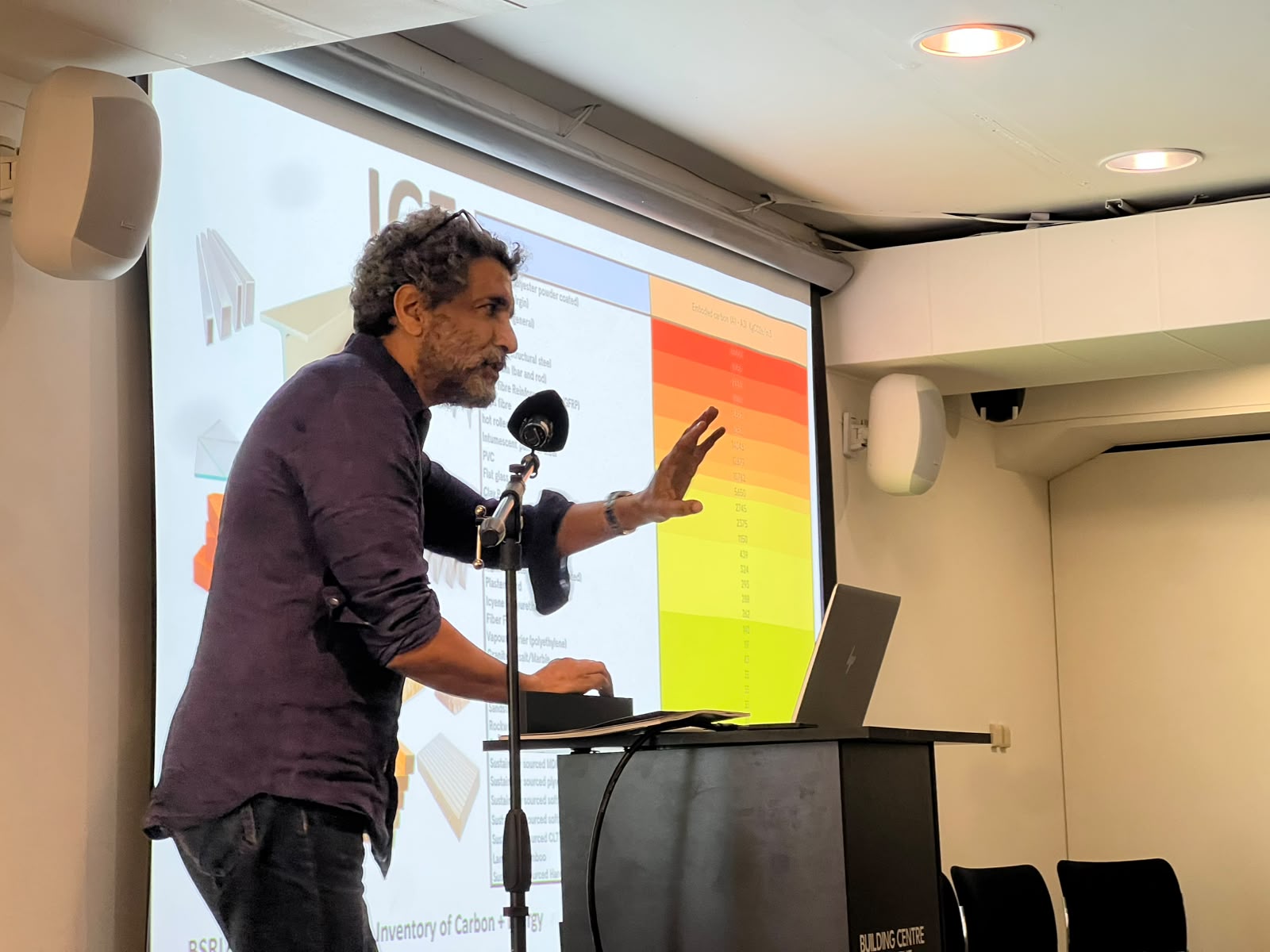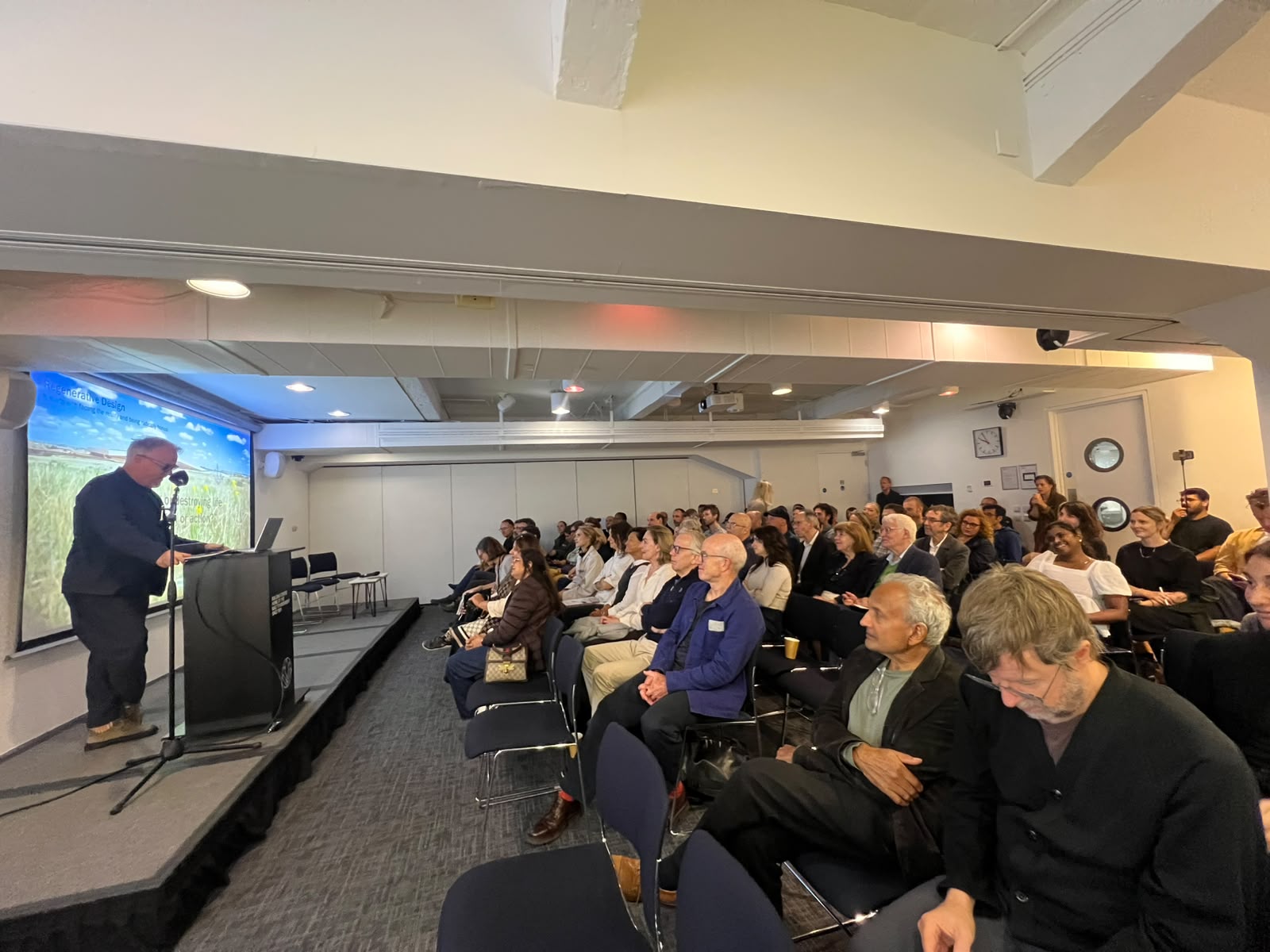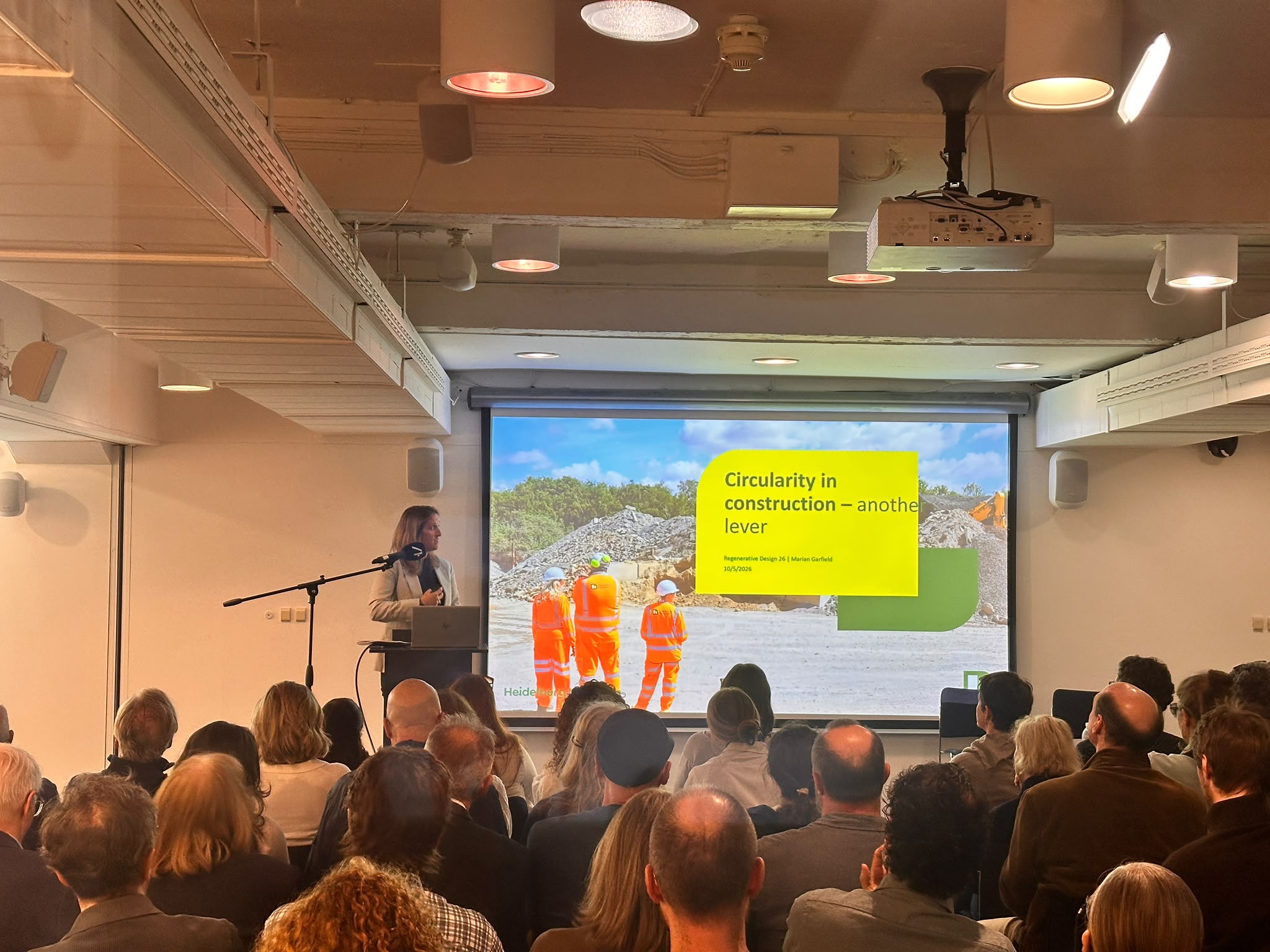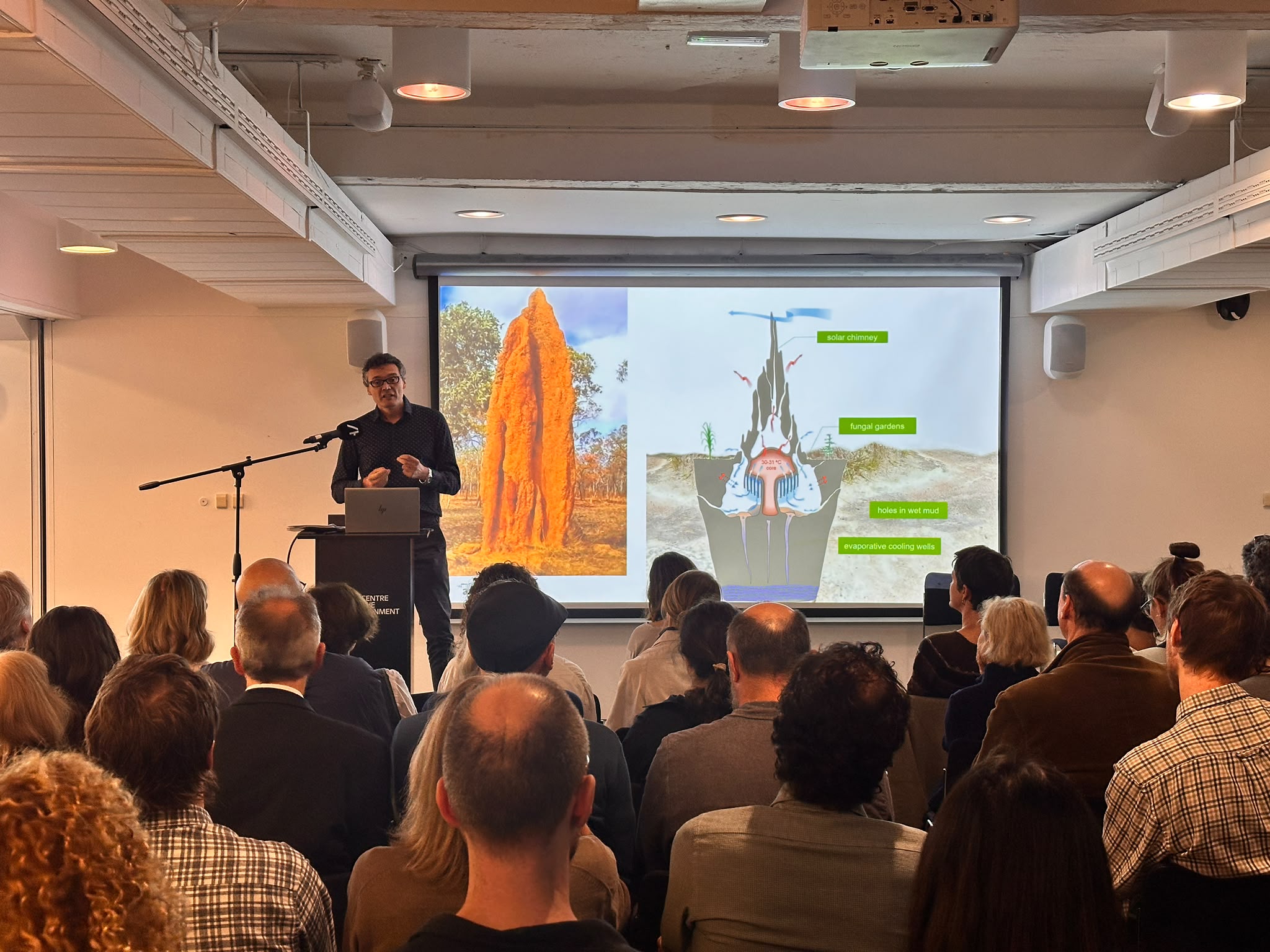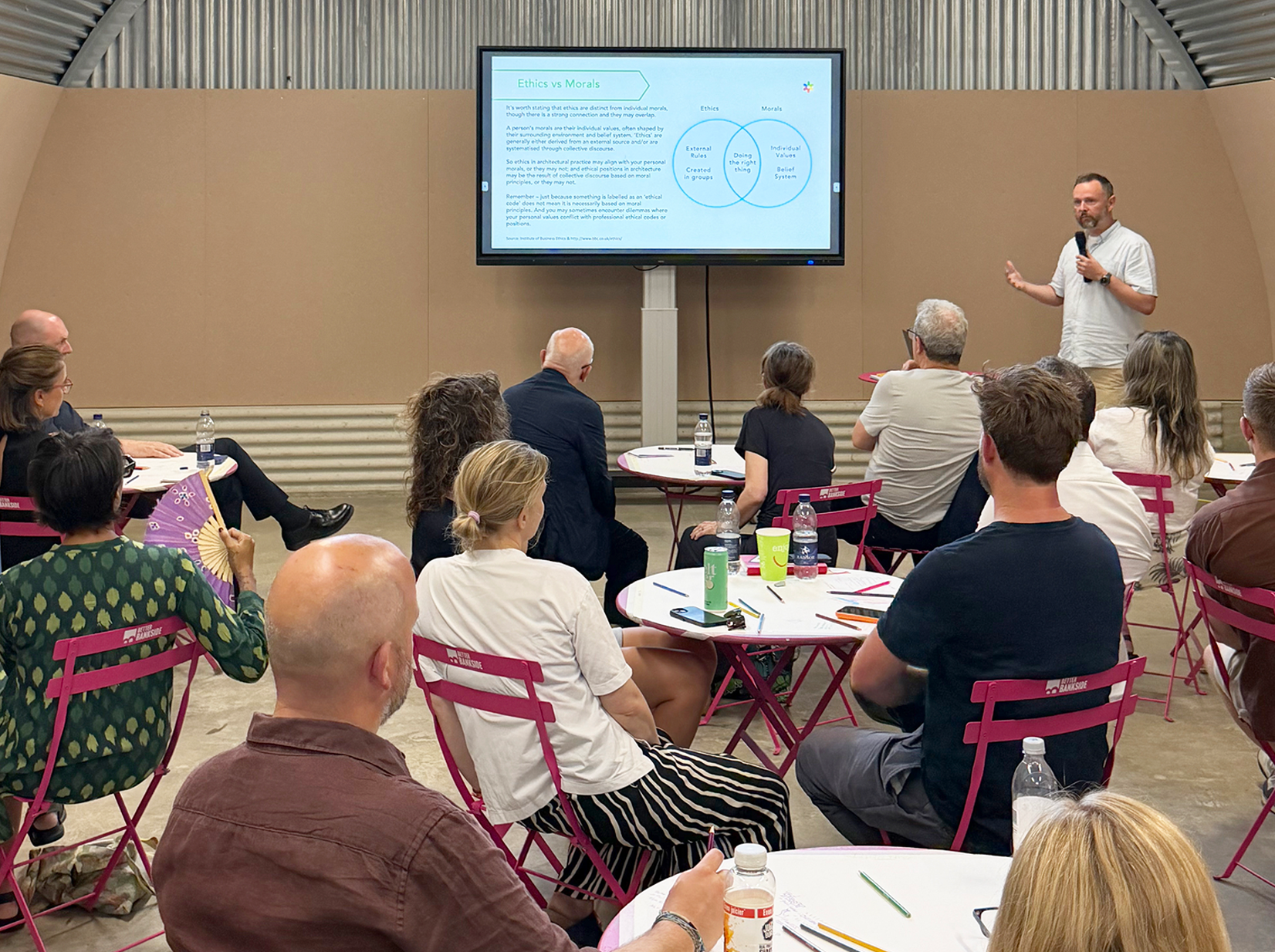
The launch of the newly revised Regenerative Design chapter of the UK Architects Declare Practice Guide took place at the opening week of Regenerative Design 2026 at the Building Centre.
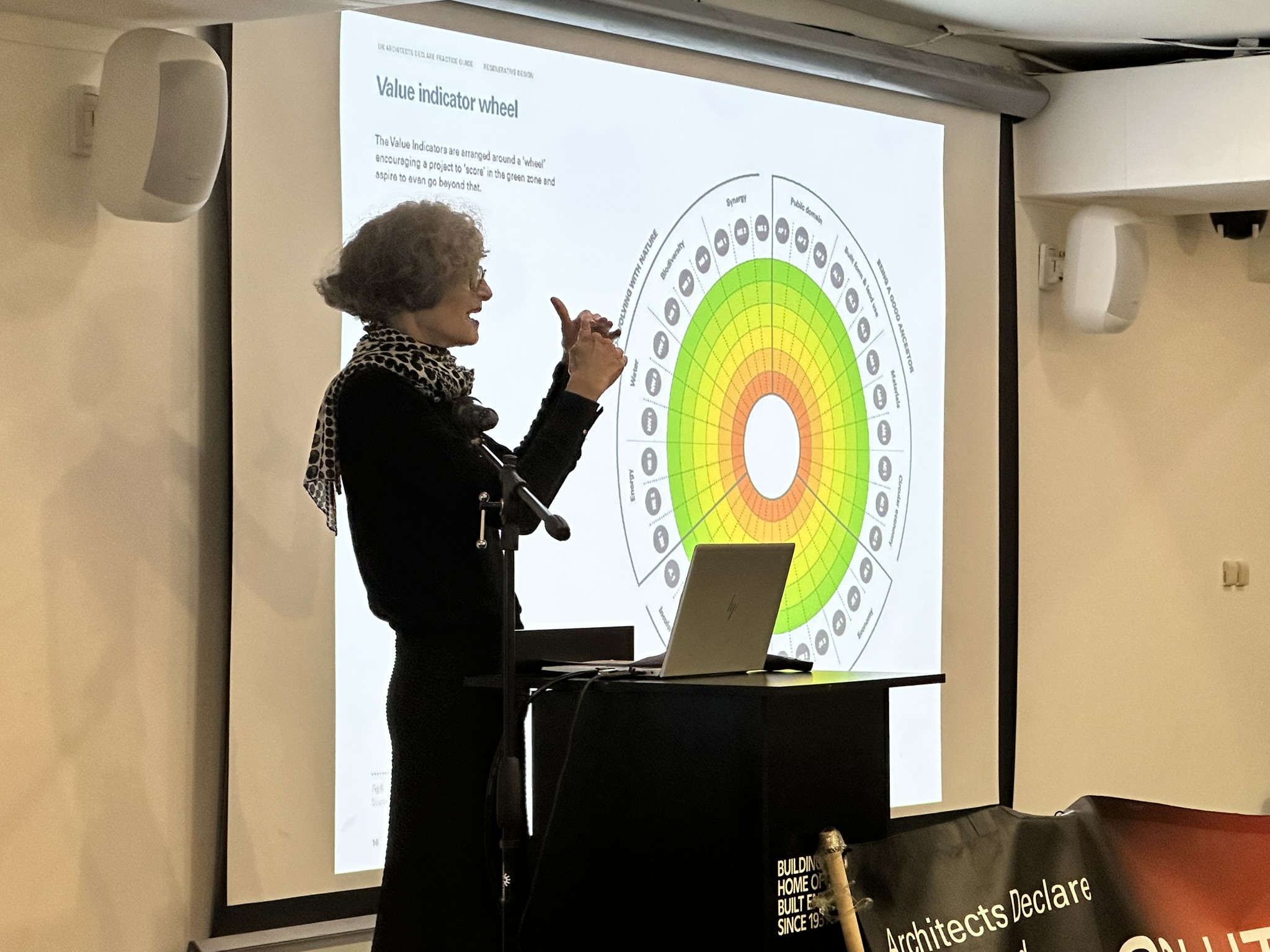
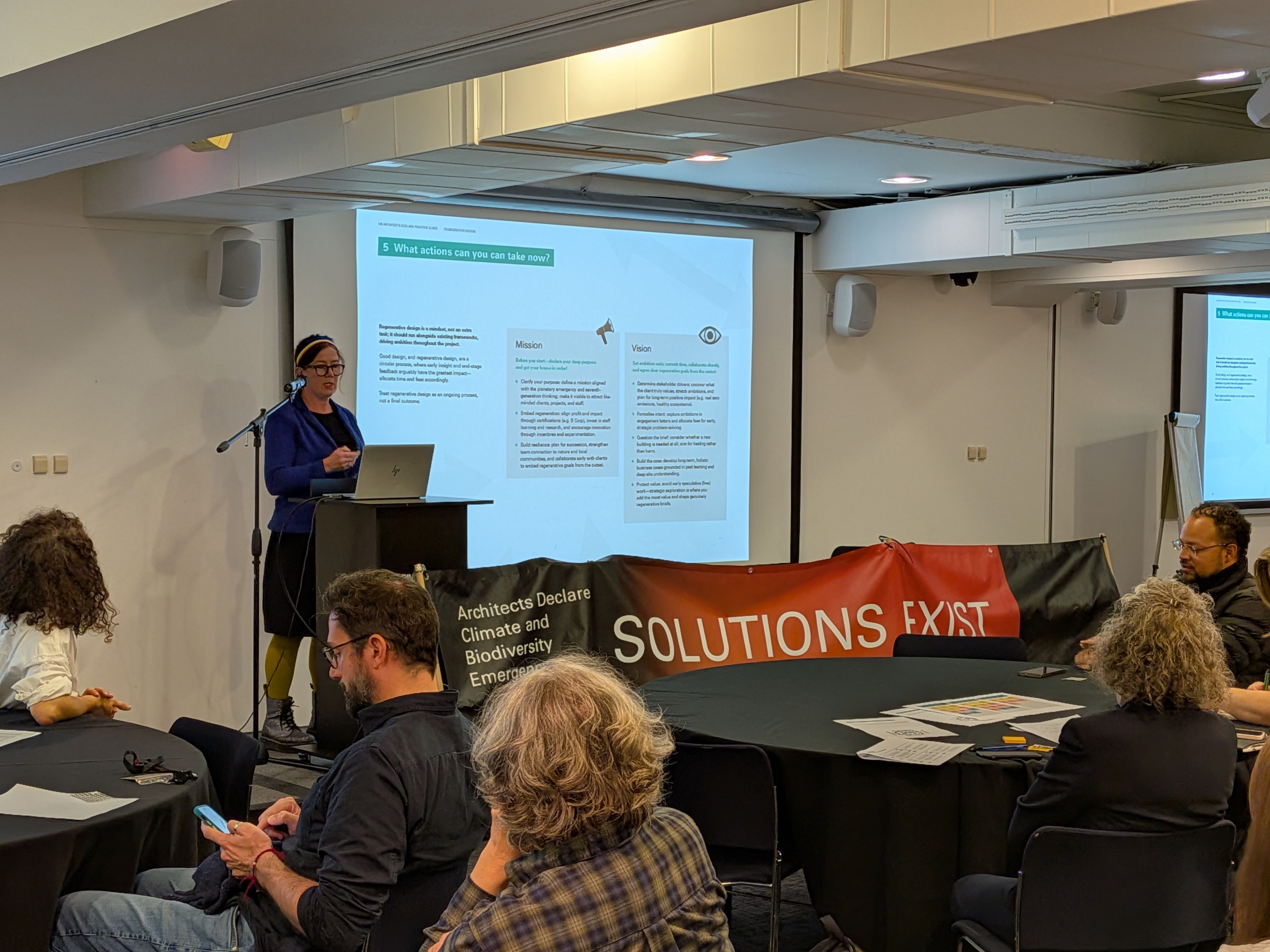
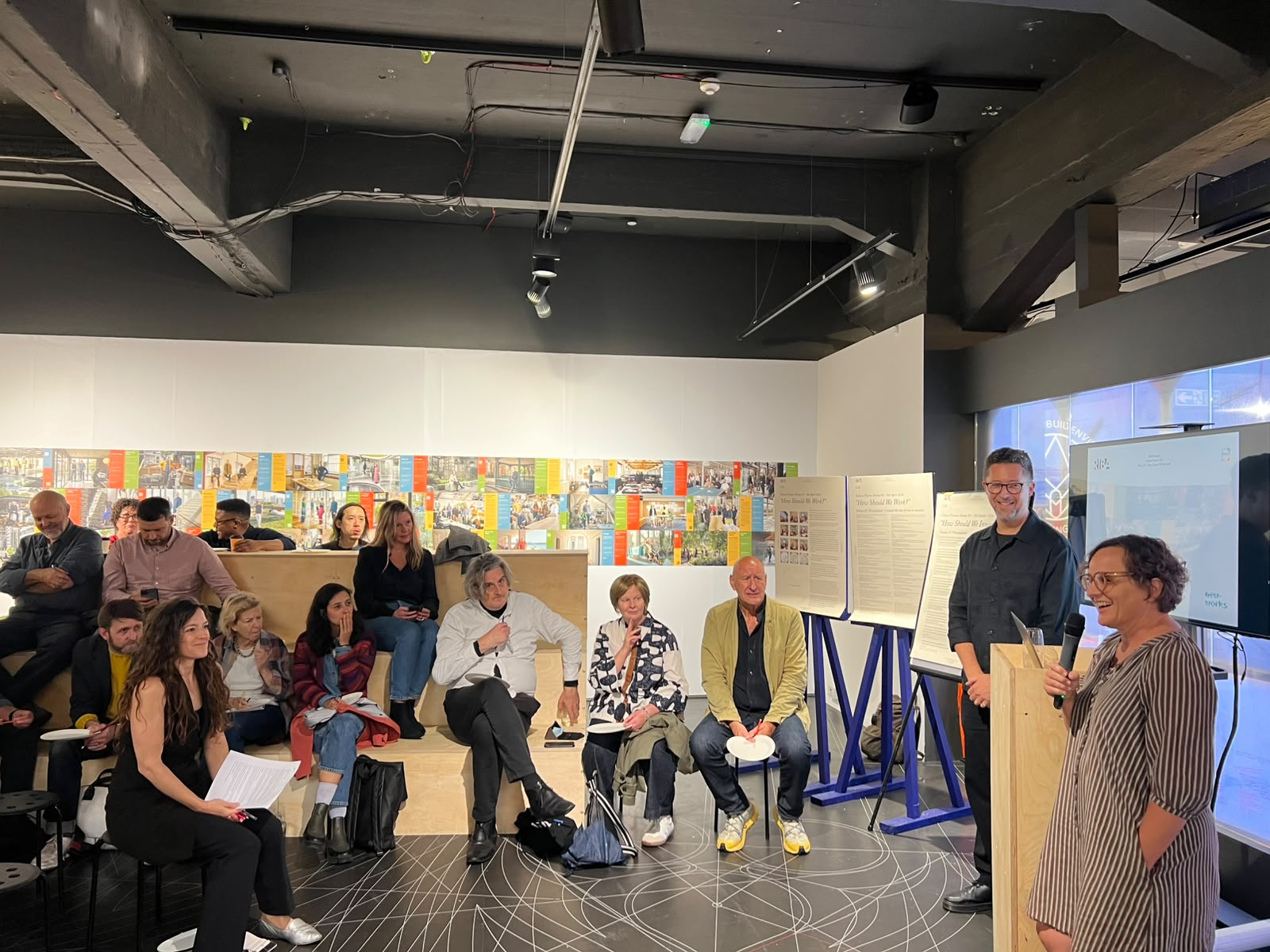
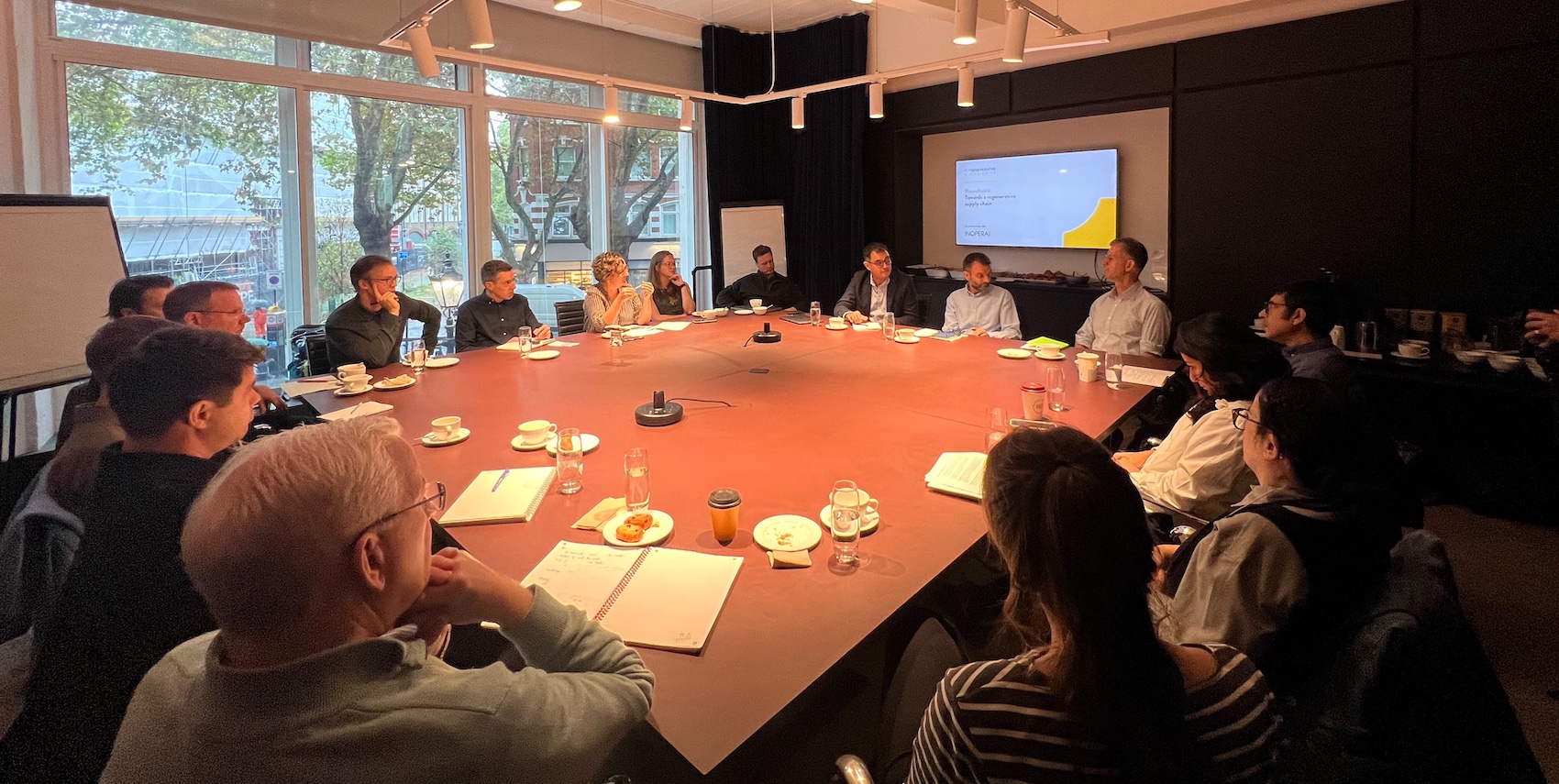
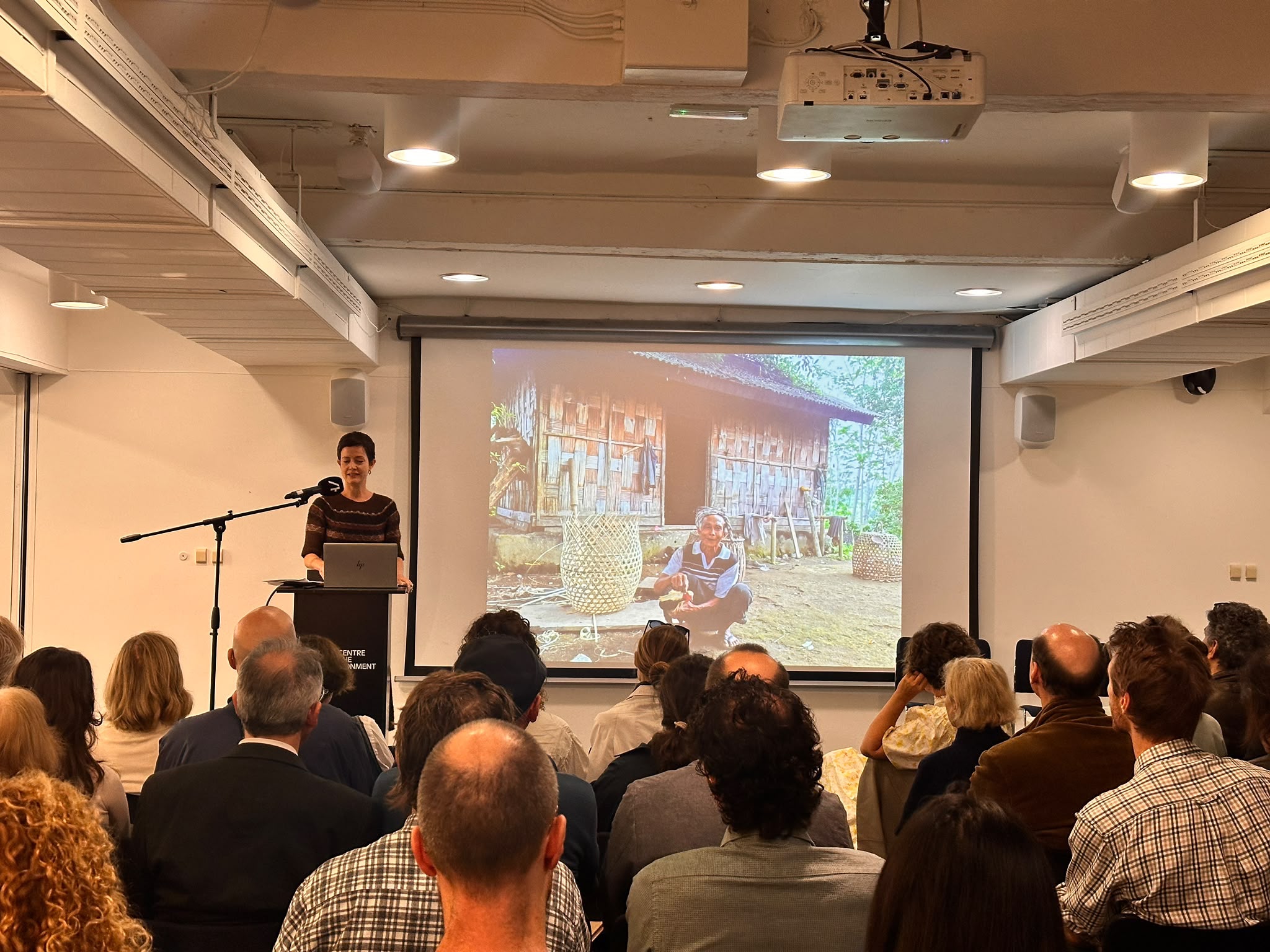
The launch of the newly revised Regenerative Design chapter of the UK Architects Declare Practice Guide brought together an exceptionally engaged group of practitioners at the Building Centre. Presented by Anna Pamphilon of Within Planetary Boundaries Studio, Kathryn Firth of FPdesign and Marc Seligmann of Maccreanor Lavington, the evening formed part of Architecture Today’s month-long Regenerative Design 2026 programme.
The Regenerative Design chapter was one of four newly updated chapters of the Practice Guide launched that day, alongside the Introduction and Practice Roadmap, Climate Justice, and Designing for Performance. Together, the chapters provide practical guidance to help practices respond to the climate and biodiversity emergency and embed more ambitious action into their everyday work.
Rather than simply presenting the revised Regenerative Design chapter, the event invited participants to test its ideas through conversation, debate and practical exercises. There was a real buzz in the room: people brought considerable knowledge and experience, as well as a willingness to question assumptions, acknowledge the difficulties of current practice and explore how regenerative thinking might influence everyday project decisions.
The chapter remains structured around three guiding principles: Being a good ancestor, Co-evolving with nature and Creating a just space for people. Together, they encourage us to consider the built environment across longer timescales, understand it as part of wider living systems and ask who participates in—and benefits from—the places we create.
The revised chapter introduces two significant additions. The first explores how to broaden the conversation by connecting regenerative design with the priorities of different clients and stakeholders. The second is the Value Indicator Wheel—a tool for examining the different forms of value a project creates, identifying what may have been overlooked and considering where it could go further. The two workshops gave participants an opportunity to test both.

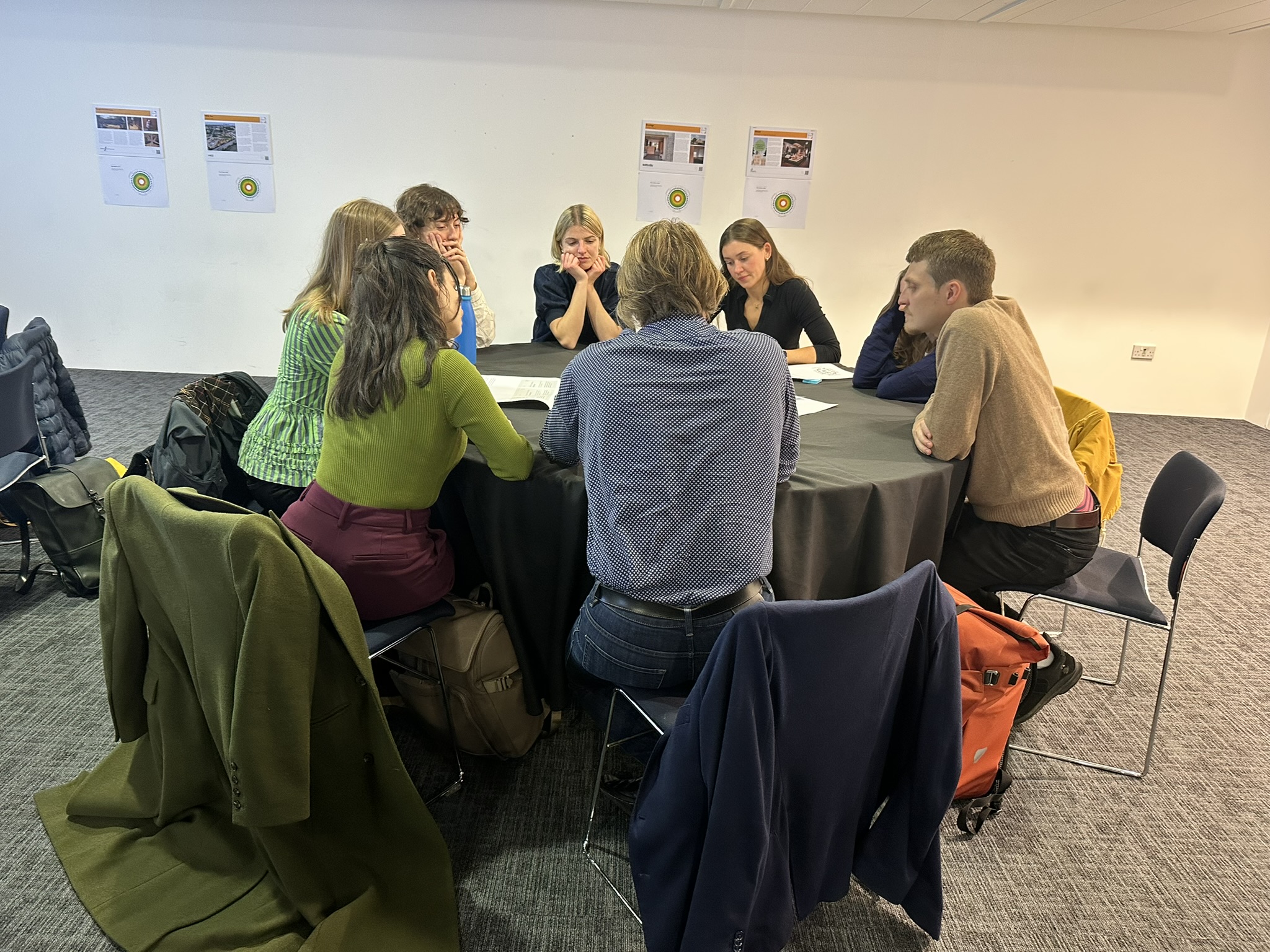
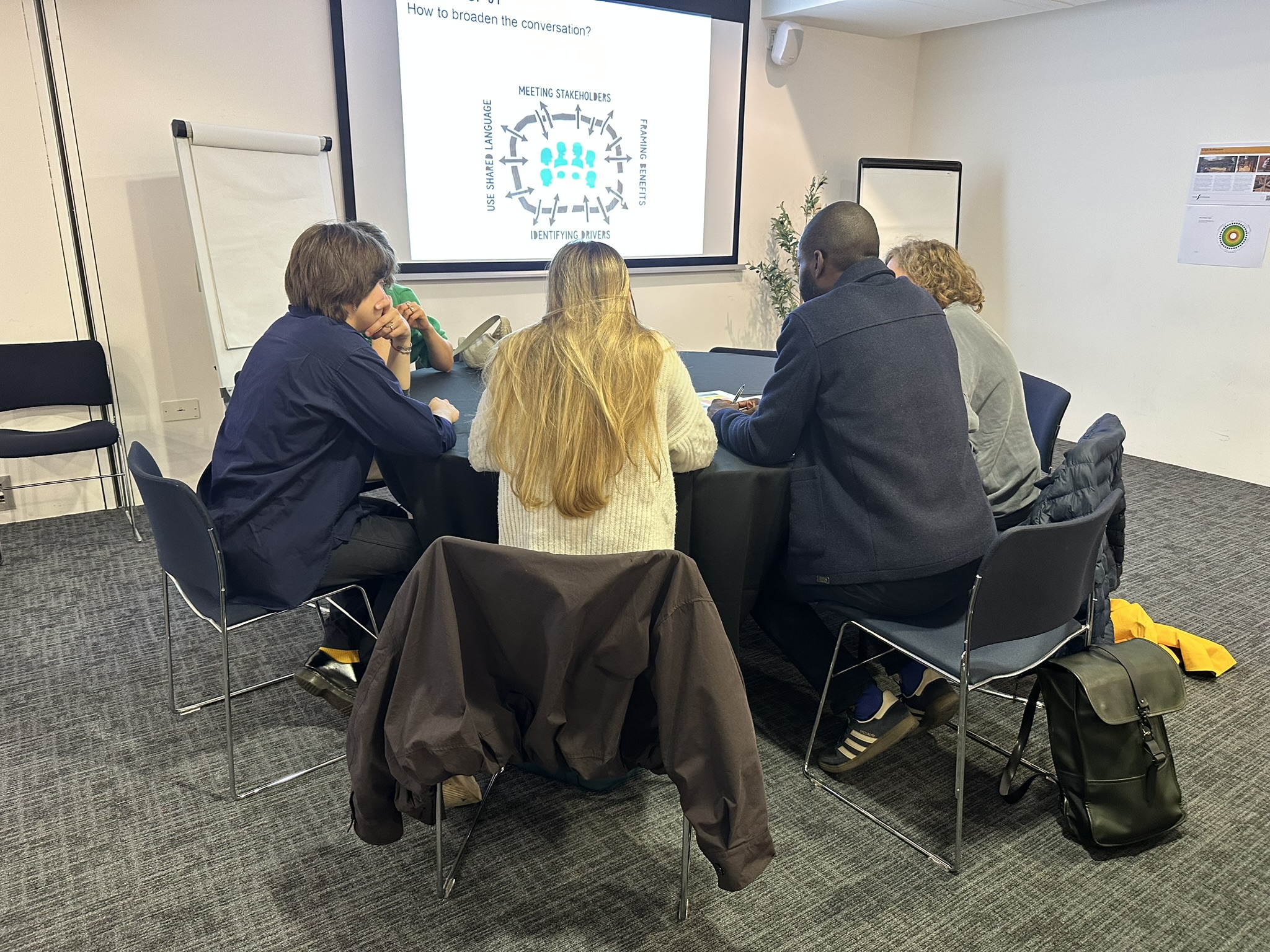
The first workshop focused on broadening the conversation. Participants worked in teams to develop a pitch for a particular property client, considering what might matter to that client, which arguments would resonate and how regenerative ideas could be connected to their priorities. The exercise demonstrated that there is no single, universally persuasive argument for regenerative design. Different clients and stakeholders are motivated by different concerns – whether social value, resilience, health and wellbeing, long-term stewardship, commercial value, biodiversity or responsibility to future generations. To bring more people into the conversation, we need to understand these different perspectives and find language that connects regenerative ambitions with the decisions people are making.
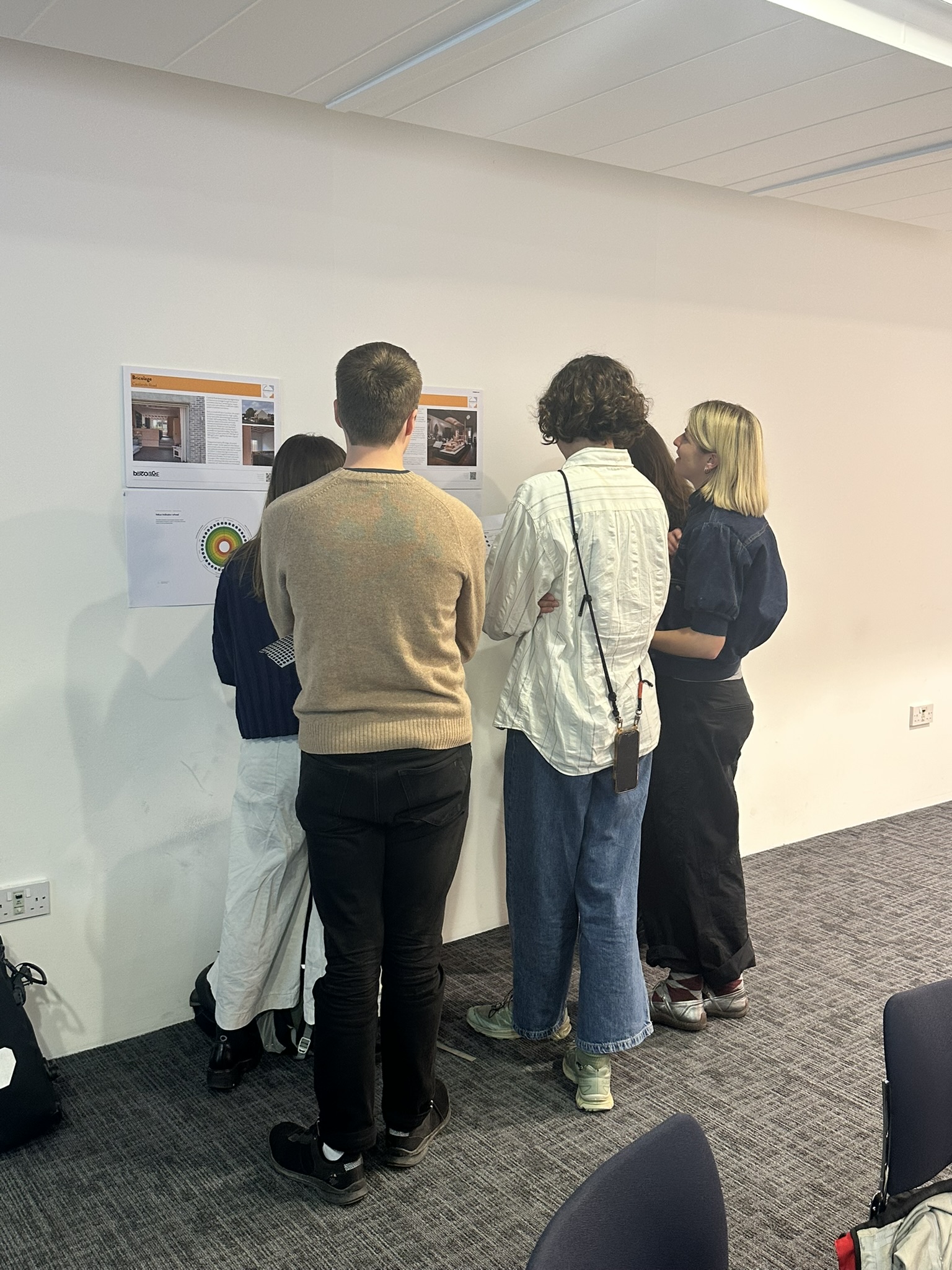
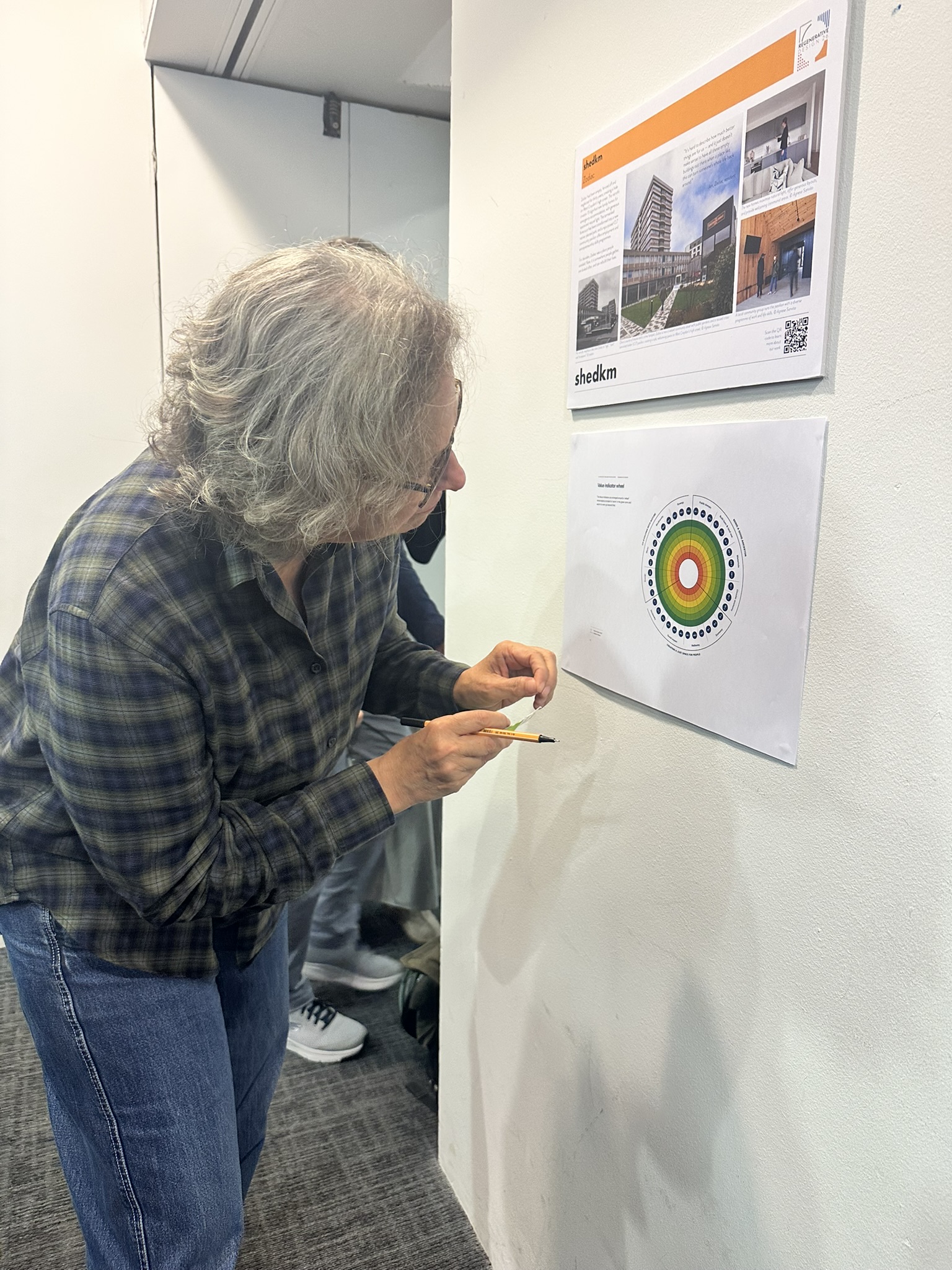
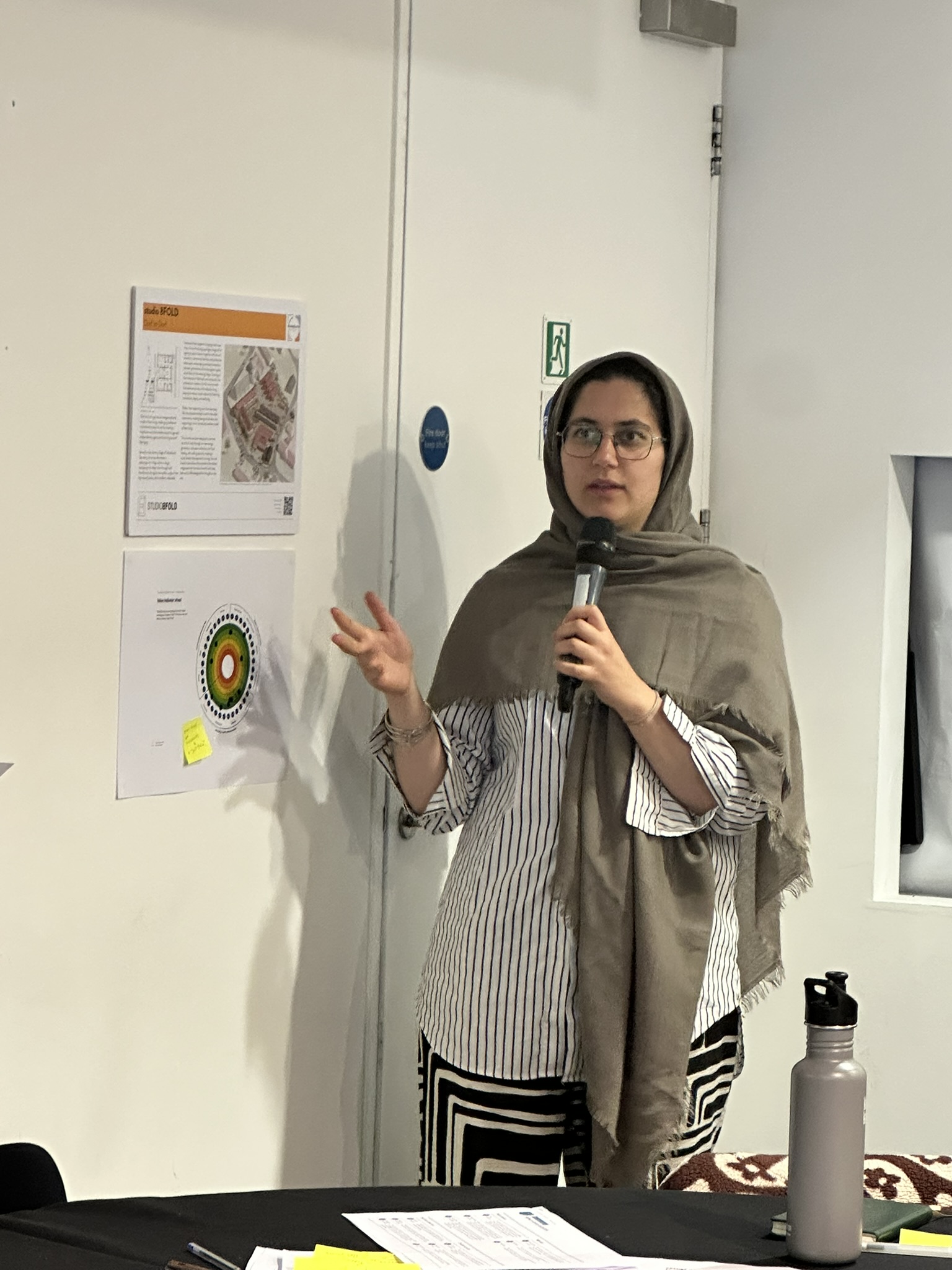
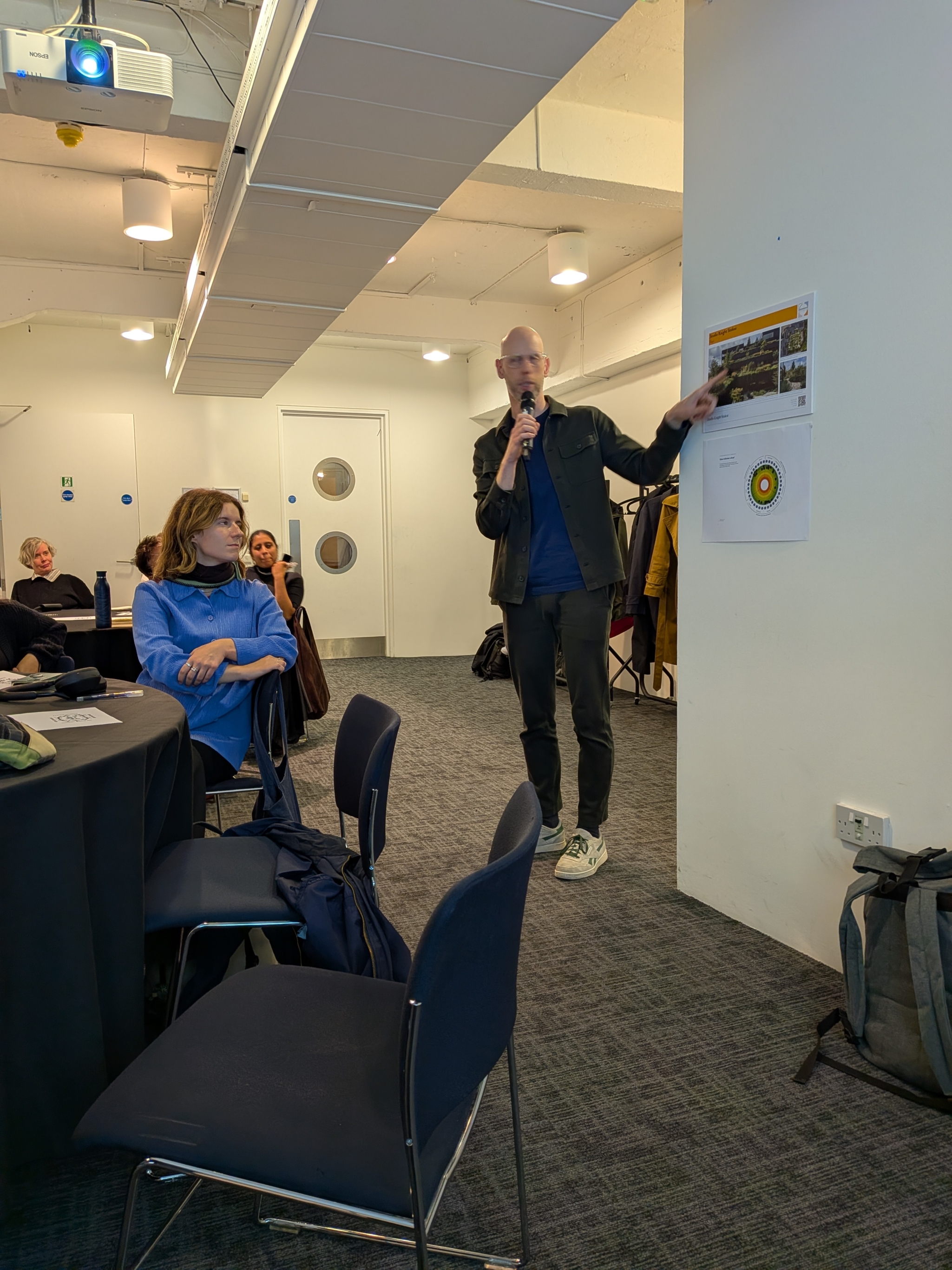
The second workshop focused on the new Value Indicator Wheel. Fixed targets can too easily become minimum goals, limiting ambition and innovation. The Wheel offers a broader and more exploratory framework through which project teams can examine their decisions, discuss the different forms of value a project might generate and identify opportunities for more positive outcomes. Working with a selection of projects from Architecture Today’s Regenerative Architecture Index, the groups used sticky dots and notes to explore each project against the Value Indicators. This generated a great deal of lively discussion. Participants considered where projects demonstrated regenerative value, where information was missing, where compromises or trade-offs may have been made and how the projects could go further.

The evening reinforced the importance of creating tools that support conversation rather than close it down. Regenerative design cannot be reduced to a checklist or achieved through a single technical intervention. It requires us to consider interconnected social and ecological systems, think beyond immediate project boundaries and recognise that the consequences of our decisions may extend far into the future.
A huge thank you to Architecture Today for hosting the month-long Regenerative Architecture Index programme at the Building Centre and for giving us the opportunity to launch and test the revised chapter as part of it.
The update was a significant collective effort. Alongside the speakers, the core team included Amy Thompson of Stonewood Design, Deepthi Ravi, Eike Sindlinger of Arup and Kevin Logan of Maccreanor Lavington. We are also enormously grateful to the wider group of contributors and expert reviewers—and especially to everyone who participated in the working groups, generously sharing their expertise, testing the emerging ideas and helping to shape the final chapter.
The Practice Guide is intended to be a live, open-source resource. We invite practitioners to read the revised chapters, test their tools and challenge their assumptions. Most importantly, we hope they will share what they learn so that the guidance – and the wider conversation – can continue to evolve.
The four newly updated chapters are:
Explore all the latest UK Architects Declare Practice Guide updates.
Share your feedback on the revised Regenerative Design chapter.
More pictures