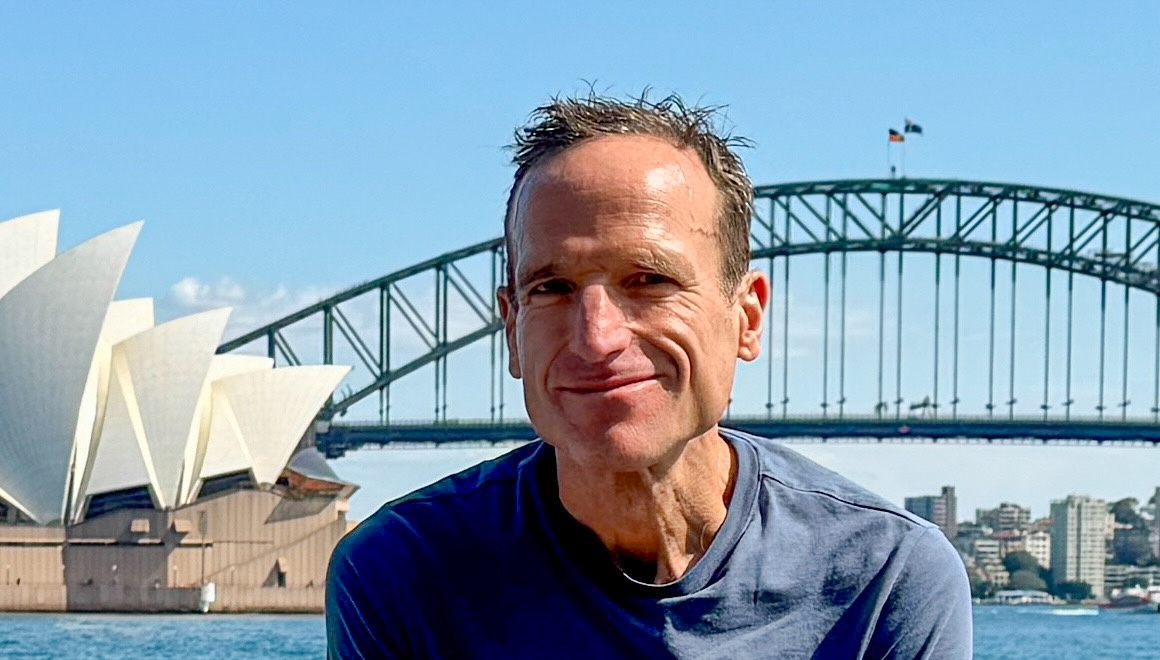
AT catches up with HLM Architects’ newly appointed Belfast Studio Director David Rooney. Using climate action, retrofit and Passivhaus as catalysts for Northern Ireland’s next chapter in architecture, Rooney explains how HLM Belfast is using people-centred, low-carbon design to deliver lasting civic and community impact.
What do you see as the most pressing architectural challenges and opportunities in Northern Ireland right now?
It’s hard to look past the climate emergency as both our biggest challenge and greatest opportunity. It underpins almost every design conversation we have. Northern Ireland has a large existing building stock, and the question is how we continue to regenerate our towns and cities while minimising embodied carbon. Retrofit can be technically complex and expensive up front, but demolishing and replacing is not always the responsible option. Recognising that a building no longer required for its original purpose may still be perfectly placed for a new one opens up far more creative opportunities for meaningful change.
The Climate Change Act (2022) has now given the region a clearer direction of travel, and there’s a real opportunity for Northern Ireland to move quickly and show tangible progress. Whether in housing, healthcare or education, we have a chance to demonstrate how thoughtful, low carbon design can create healthier, more resilient communities – and shape a more unique urban fabric that reflects the history and story of each place.
You’ve spoken about the value of human-centred design. How does that principle translate into decision making on large, complex public sector projects? How do you then measure its success i.e. whether a project has made a genuinely positive difference to the community it serves?
Public sector projects come with plenty of complexity, but our starting point is always the same – keep the end user at the centre of every decision. These buildings are often used intensively for decades, so they need to feel connected and intuitive to the communities they serve. The spaces between the main elements are often just as important as the headline buildings. They’re where people move, interact and experience the destination as a whole. To us, human-centred design means resisting the temptation to break a project into isolated pieces and instead ensuring everything works as one. Success, for us, is measured in how well our buildings and spaces perform once they are in use. Do they improve wellbeing, support better services, encourage further investment and activity, and still function well years down the line? If so, it’s made a genuine difference.
What is Northern Ireland’s stance on Passivhaus design? As a Passivhaus designer, how influential are you hoping to be as on the region’s mainstream architecture over the next few years?
I believe we are slightly ahead of the curve here in terms of our appreciation of Passivhaus values and its benefits. More clients are embracing that ambition, which is exciting to see. Queen’s University Belfast is currently delivering the city’s first purpose built Passivhaus student accommodation, so in many ways, Northern Ireland is leading the way. In the Republic of Ireland, we are working with Ireland’s largest home builder, Cairn Homes, on one of Europe’s largest Passivhaus developments. As a Passivhaus designer, my focus is on promoting the benefits in terms of energy efficiency, comfort and health. The more familiar these benefits become to clients, the faster we can move towards a more sustainable future.
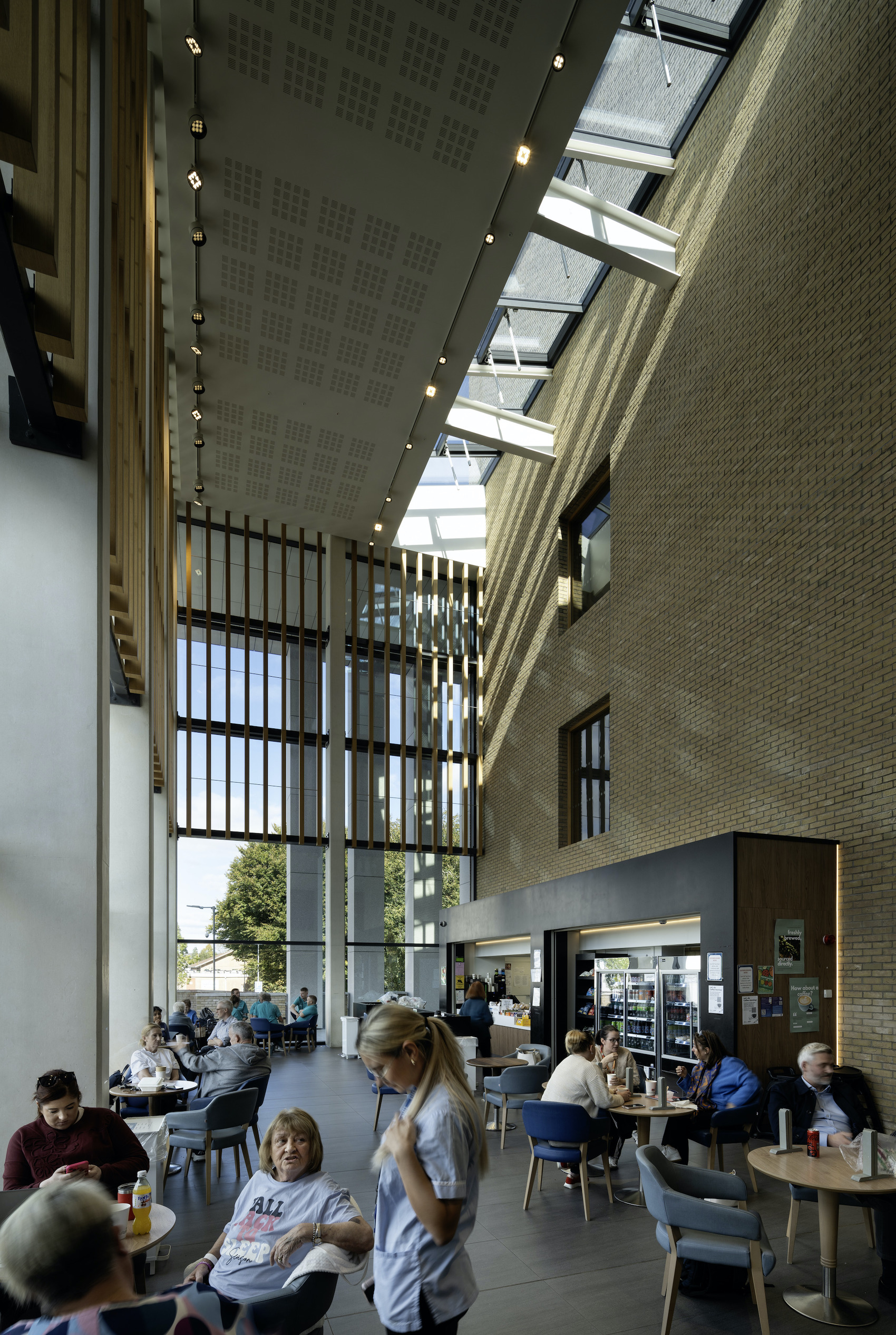
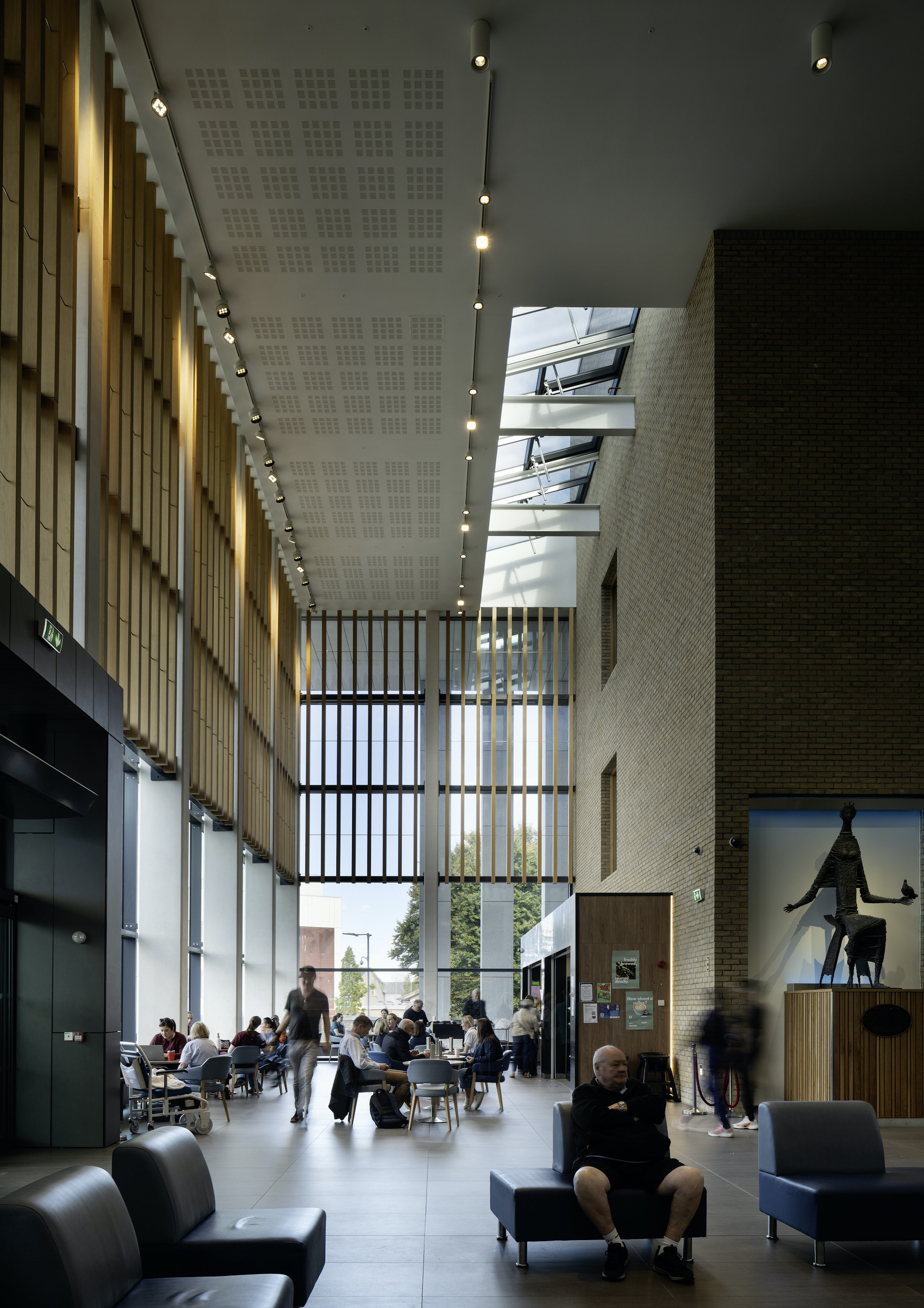
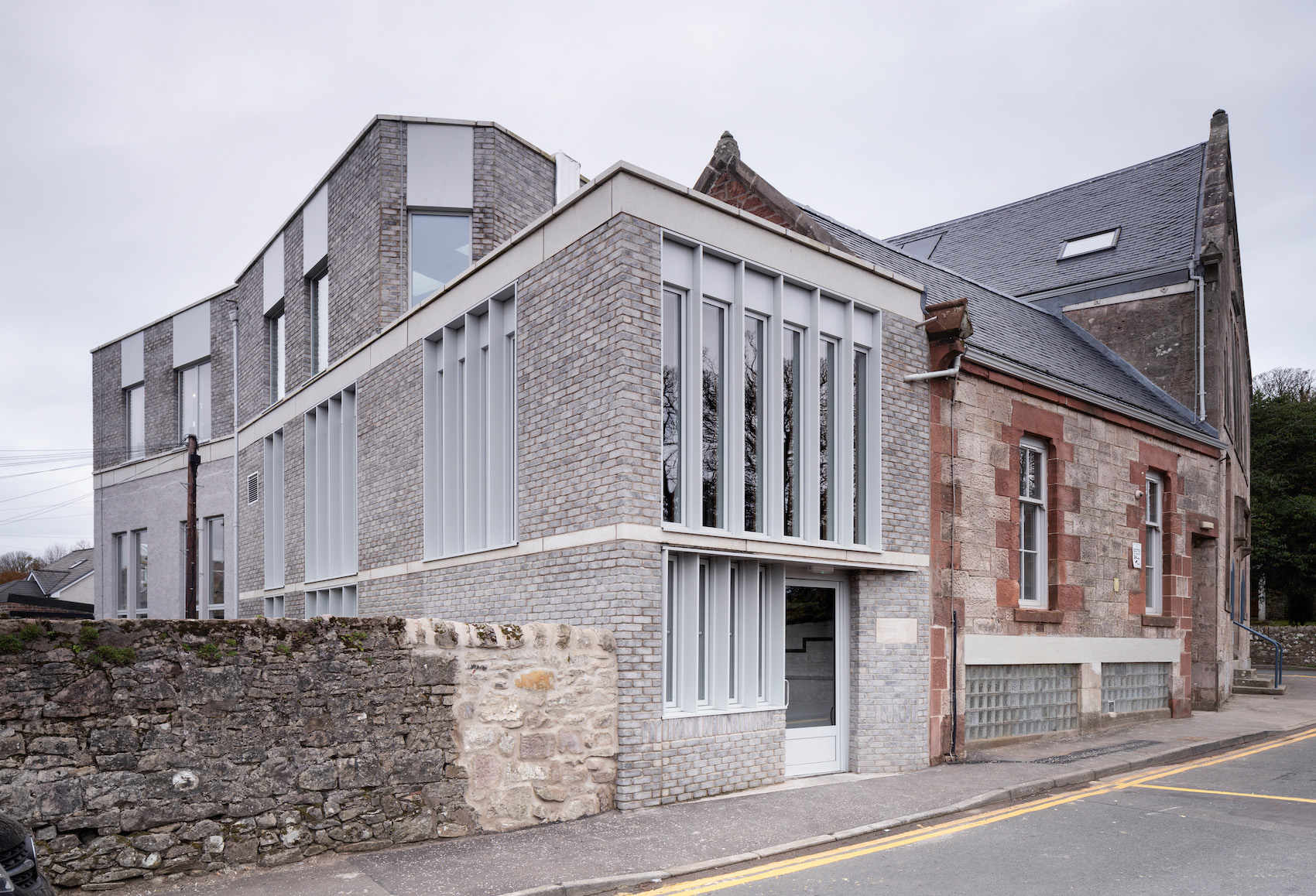
Images of Altnagelvin Hospital by HLM Architects. A £42m project in Derry/Londonderry that prompted the opening of a Belfast office.
Public projects such as Altnagelvin Hospital and the NI Fire and Rescue Service Support Centre position HLM with a strong civic stance. Are HLM Belfast going to be pushing for more public projects or will you be looking to explore other sectors?
We don’t define ourselves by public vs private. Our ‘Thoughtful Design’ approach transcends all sectors. The aim is to be a people-first, design-led studio that creates places with meaningful impact. We’ll absolutely continue our public sector journey, but we’re equally focused on private opportunities. A healthy mix makes us stronger designers, gives the team varied challenges, and supports a resilient business. With a local team of 23 and experience across sectors, we’re well placed to deliver that diversity while keeping our design values at the heart of everything.
What is the scope of HLM’s Belfast studio? Will you be working on projects solely based in Ireland, and how do you see the studio contributing to the practices broader trajectory and goals?
One of HLM’s strengths is working as one team across our seven studios, sharing expertise and resources across the UK and Ireland. But naturally, we’re very passionate about contributing to our own local environment too. There’s nothing quite like seeing your projects take shape and positively change the places you call home. Good design can be transformational and spark further regeneration, and it’s healthy for our Belfast team to experience that on their doorstep.
What does ‘growing the studio’ mean to you in practical terms? Does this mean more people, broader sectors, or something else?
Growth for us is as much about culture as it is about scale. We want to keep building an inclusive, collaborative studio that values innovation and understands the impact great design can have on communities. We have a fantastic, energetic team, so our priority is to maximise that potential. As we secure more projects, naturally we’ll expand headcount and continue diversifying our sector reach, but always with our values leading the way. Flexibility is also essential in any discipline, because sectors can rise and fall. But if you genuinely care about the projects, and work closely with clients to deliver their briefs to an exceptional standard, then growth tends to follow as a natural byproduct.
For younger architects working in Belfast, what skills or attitudes do you think will be most critical in the next decade of practice?
There’s a lot of focus on AI and new technologies at the moment – and they are important – but I’d encourage any young architect to start with the fundamentals. Great design comes from understanding people, place and purpose. That insight rarely comes from working on your own behind a screen. Traditional skills still matter. We encourage hand drawing and physical model making in the studio. Discussions around a physical model spark deeper thinking, healthy debate and stronger problem solving. We recently ran a visual thinking workshop, and the energy in the room was brilliant. Technology should refine and enhance your ideas on a practical level, not replace the thinking behind them. The architects who thrive will be those who stay curious and collaborative, while embracing both traditional craft and new tools.
We were delighted to be recognised last year. It’s always rewarding to receive validation from your peers. It’s a reflection of the hard work and care that goes into every project. We’ll certainly be entering again this year.