Collective Architecture’s 136-unit residential development at the former Victoria Infirmary site in Glasgow skilfully balances competing demands for density, heritage and public realm.
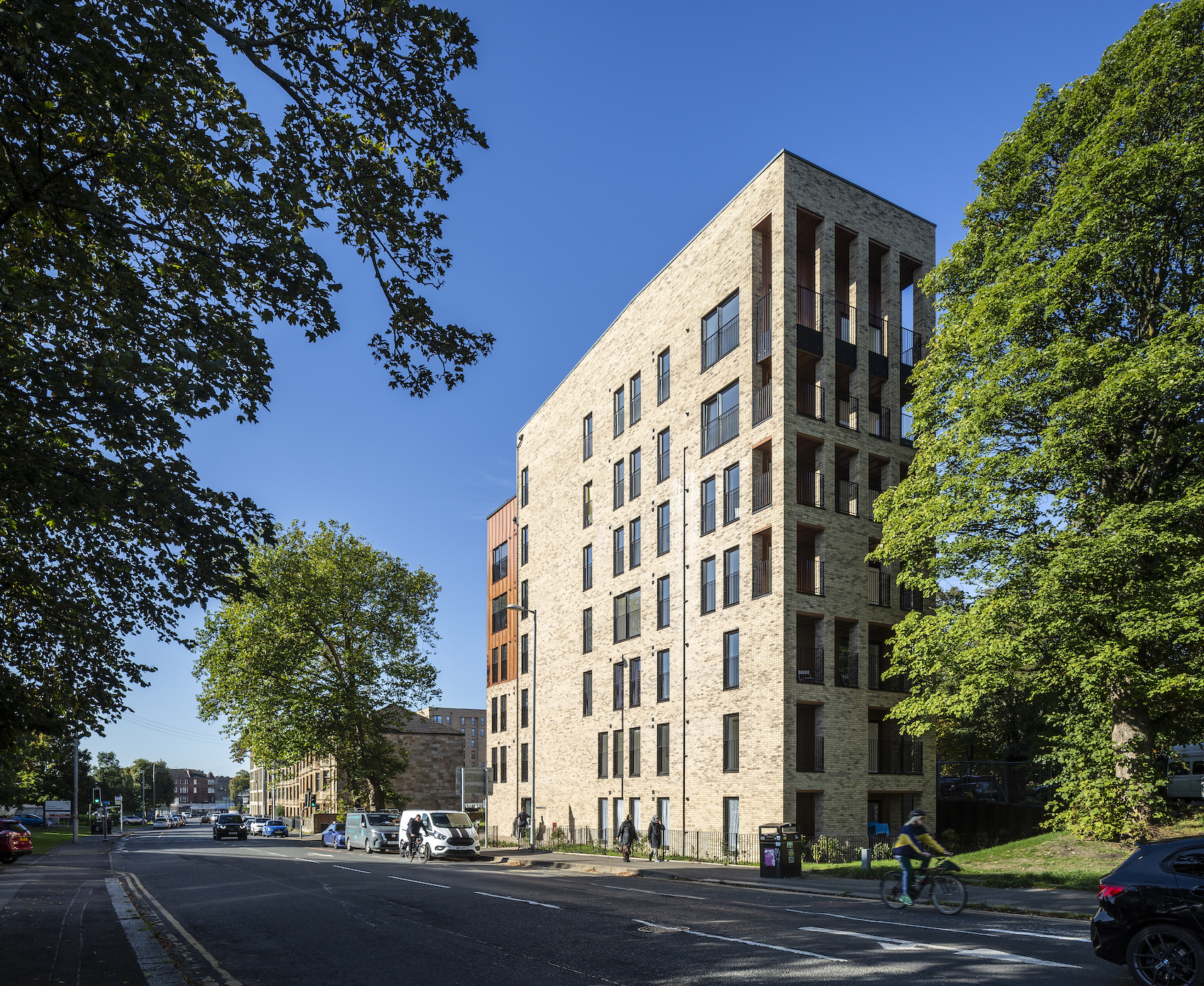
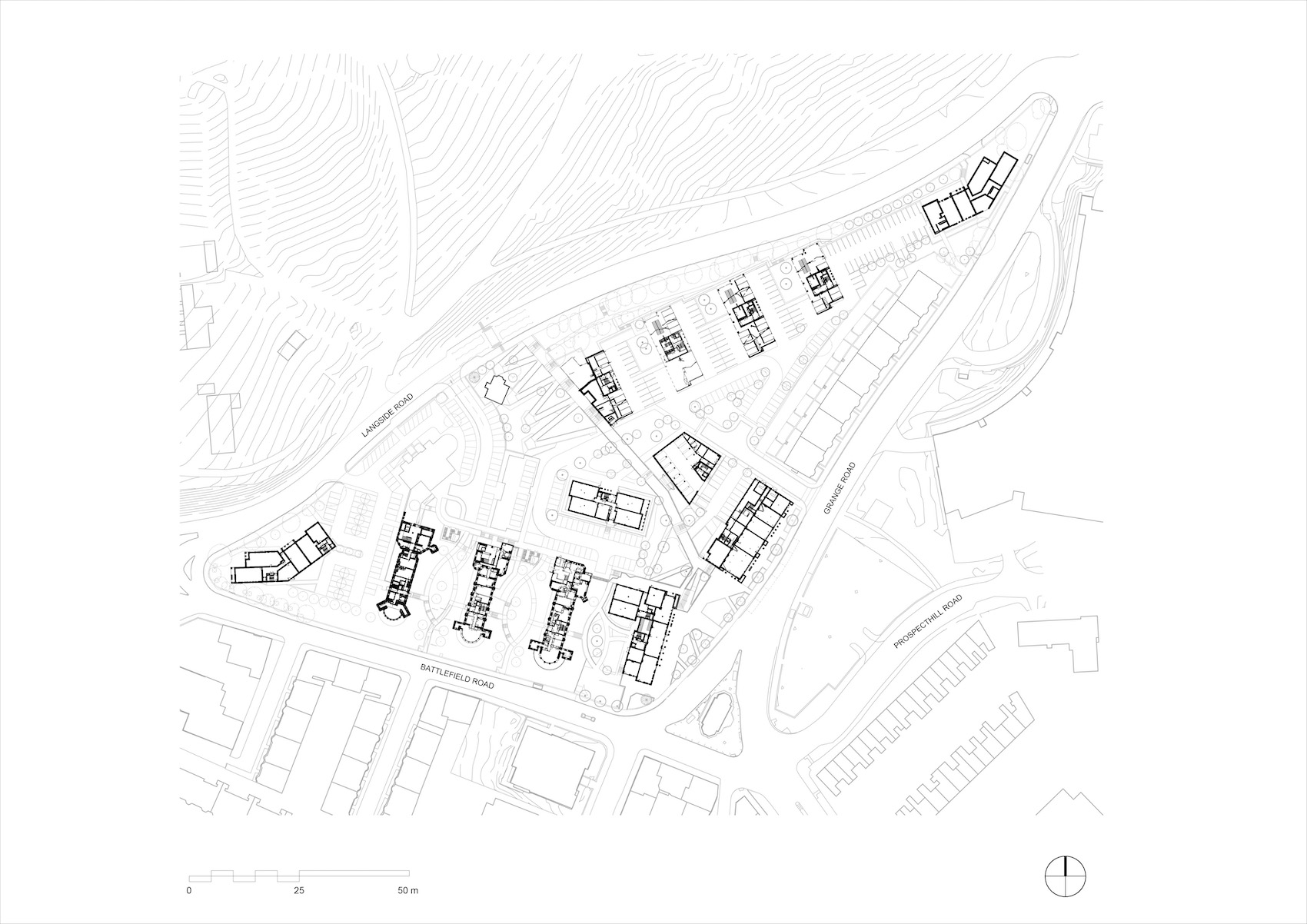
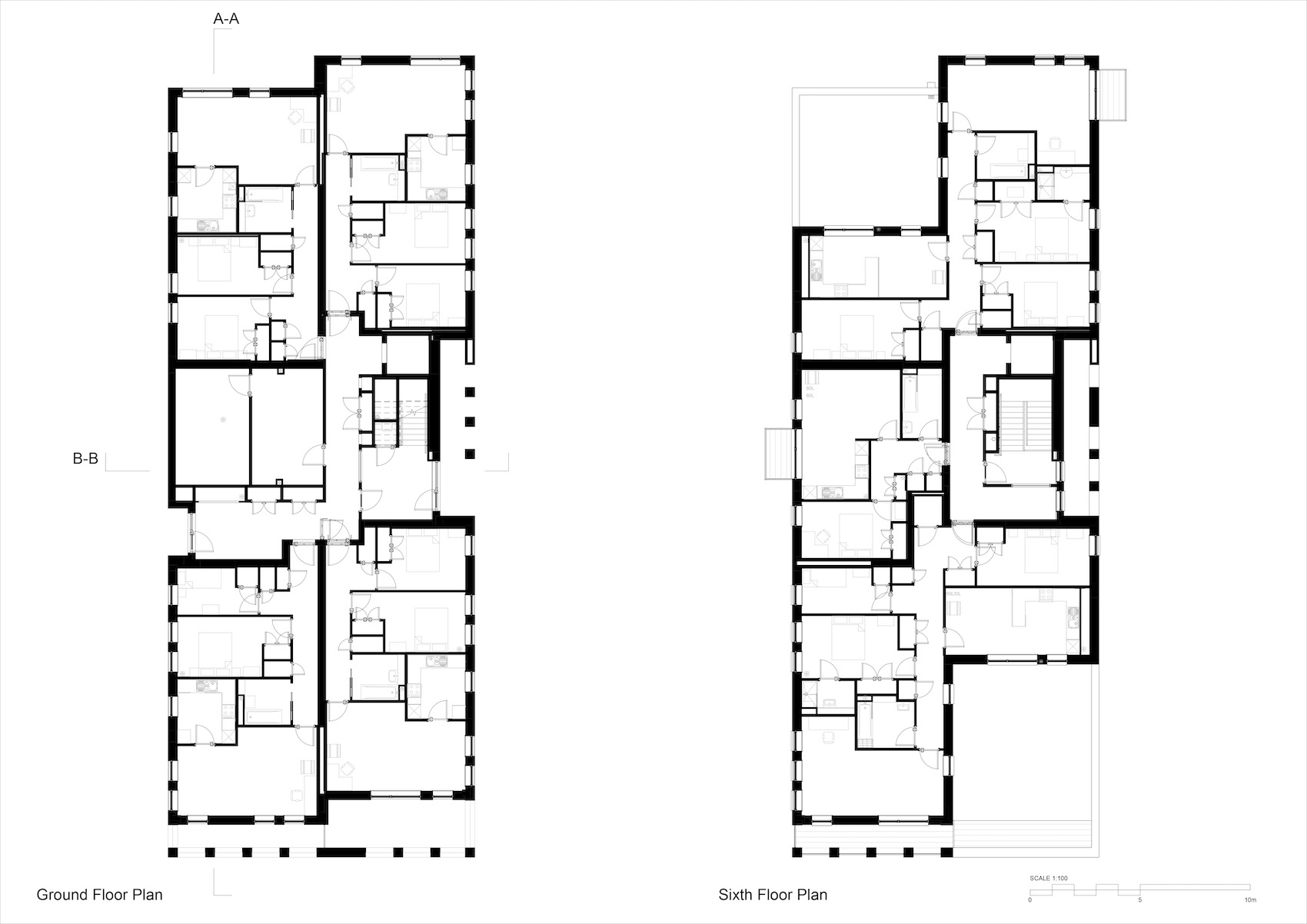
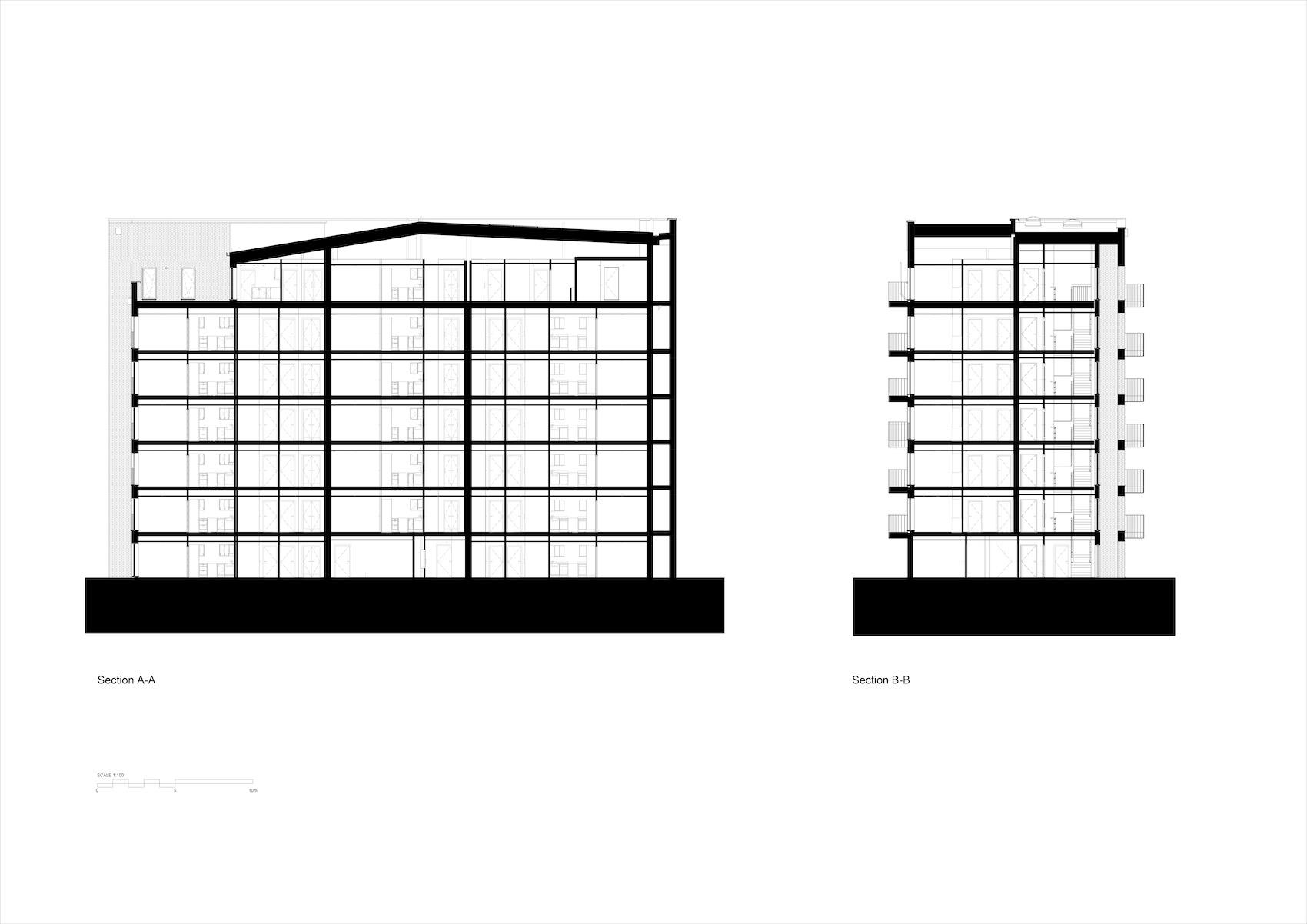
Collective Architecture has completed the four buildings of the first phase of The Victoria – a residential-led regeneration project on the site of the former Victoria Infirmary Hospital in Langside, Glasgow. Commissioned by Sanctuary Scotland, the scheme comprises 136 new homes and forms part of a wider masterplan that will eventually deliver more than 400 homes across the 3.75-hectare site.
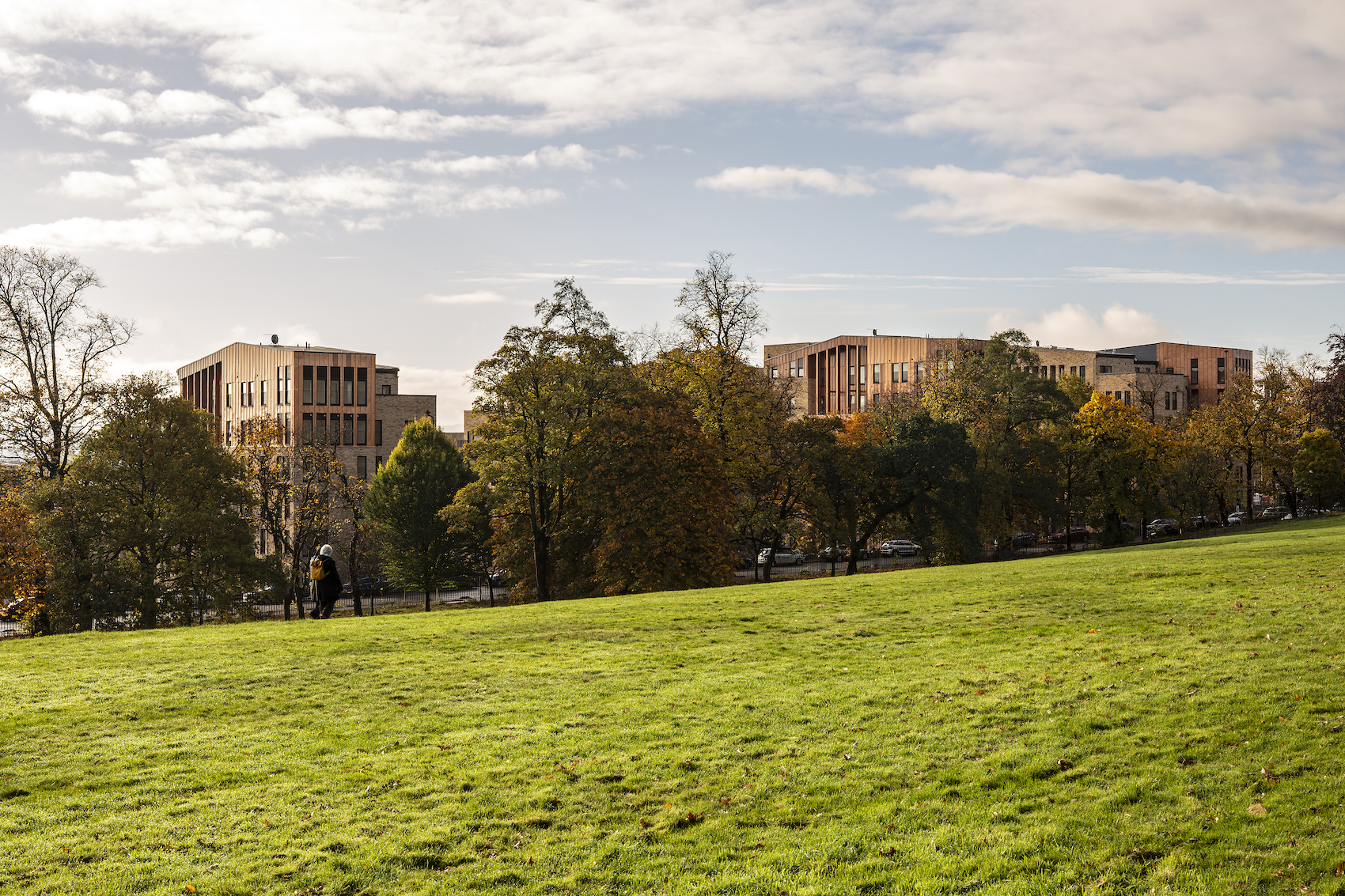
Located beside Queen’s Park on Glasgow’s south side, the project establishes a new civic frontage along Battlefield Road and Grange Road. The development provides a mix of housing for social rent and shared equity buyers, carefully integrated with the retained fabric of the historic hospital complex. Key to the brief was achieving a balance between residential density and the creation of meaningful public realm, while also responding sensitively to the context and character of the site.
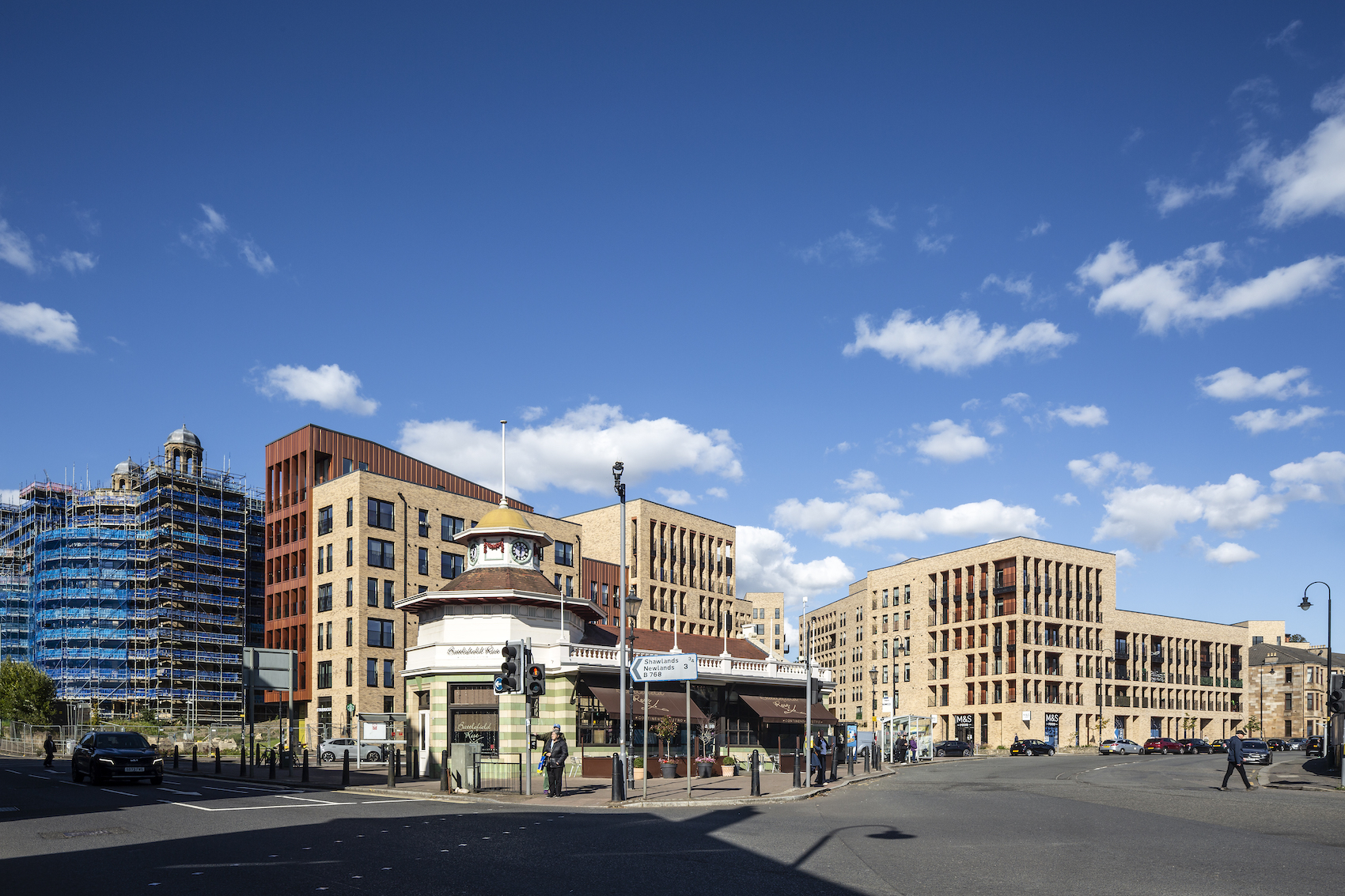
The scheme draws inspiration from the 1883 hospital masterplan by Campbell, Douglas and Sellars, and in particular its pavilion-style layout. This historic structure of buildings and interstitial green space informed the massing, orientation and landscape strategy, ensuring generous public access and clear visual connections across the site.
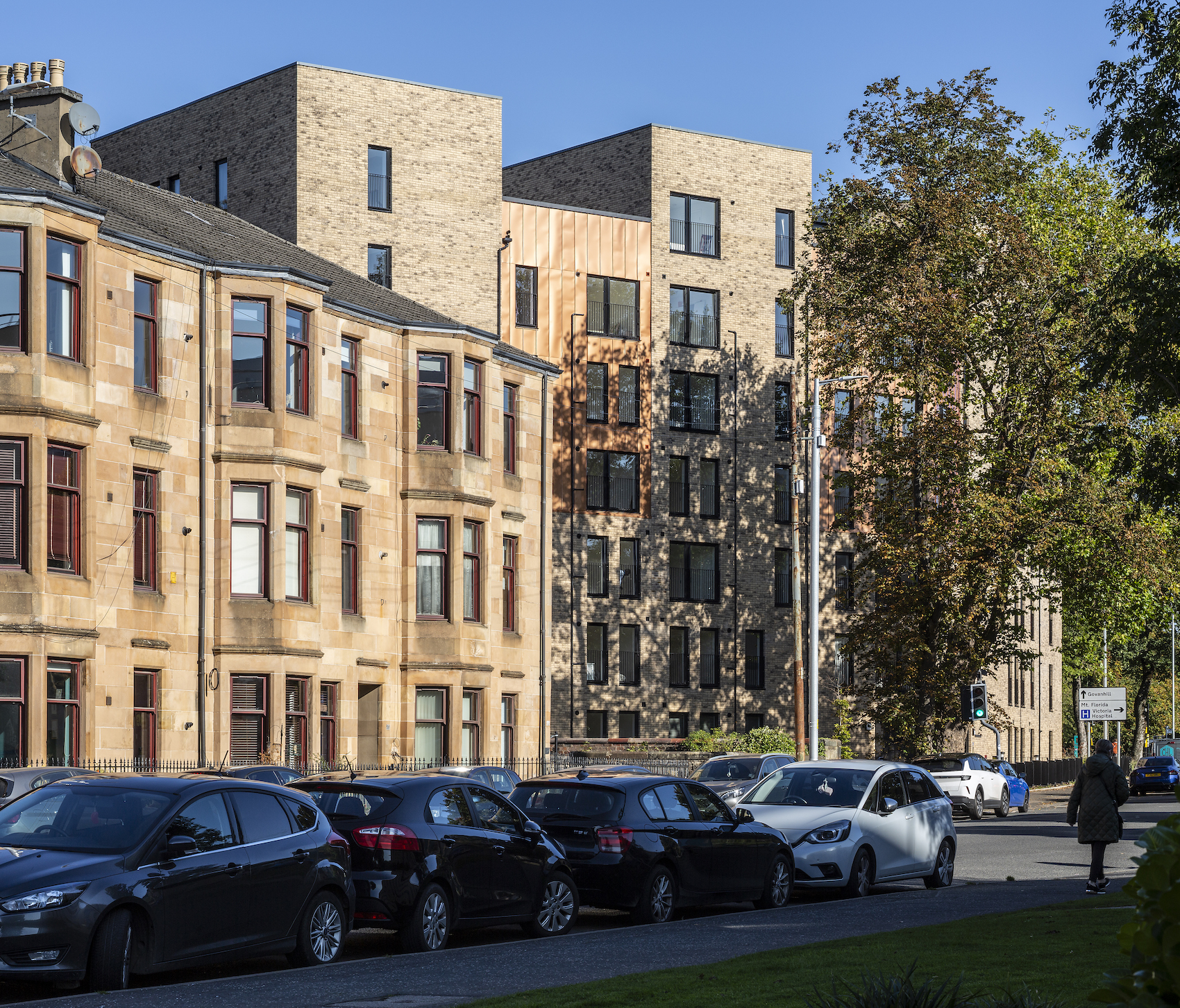
Collective Architecture’s approach involved unpicking decades of ad hoc extensions and unsympathetic alterations, revealing the original urban grain and reinstating lost views, balconies and frontages. The new-build elements are positioned to reinforce historic lines and thresholds, establishing a series of contemporary forms that defer to the language and rhythm of the existing sandstone Nightingale blocks.
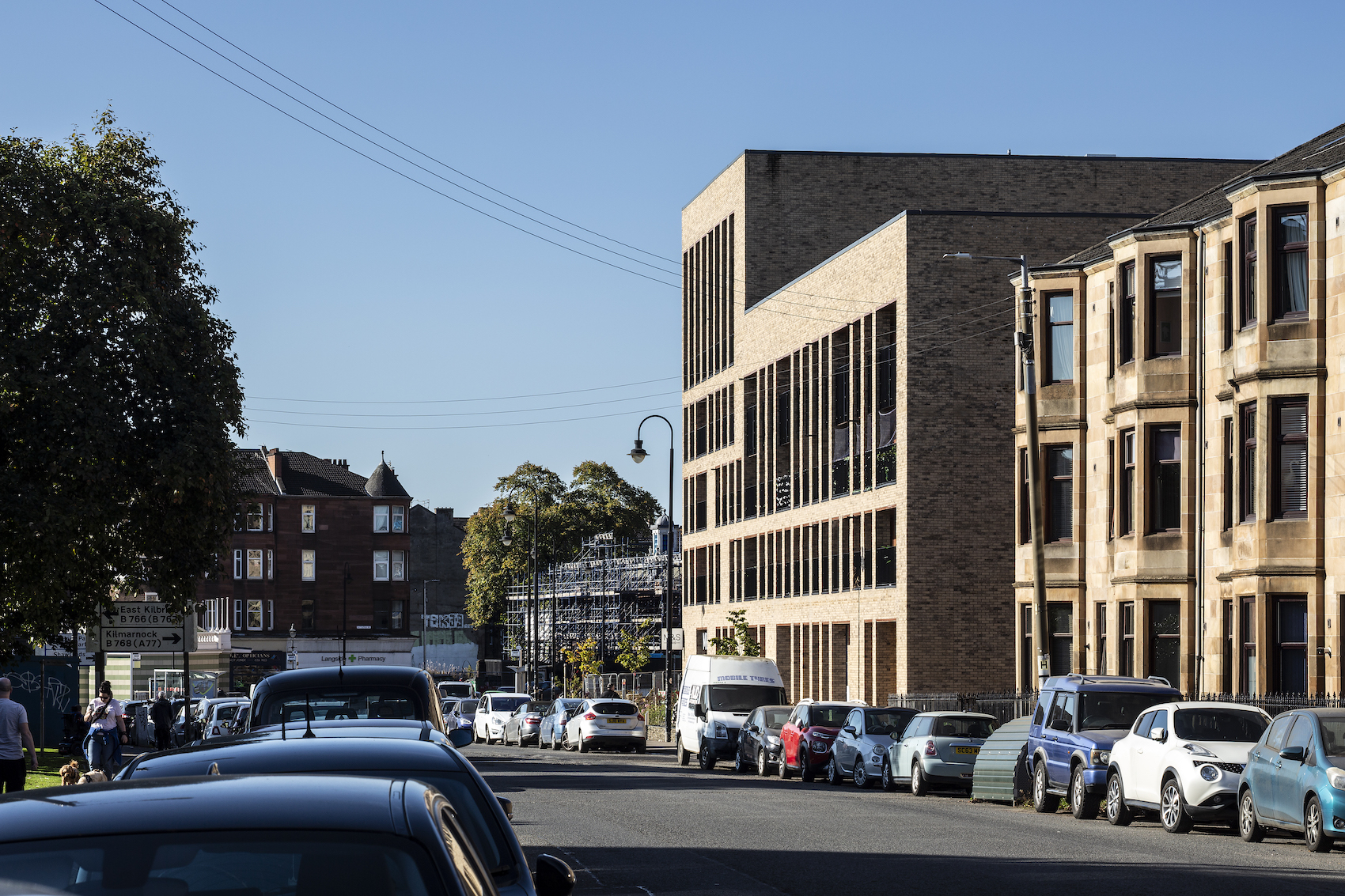
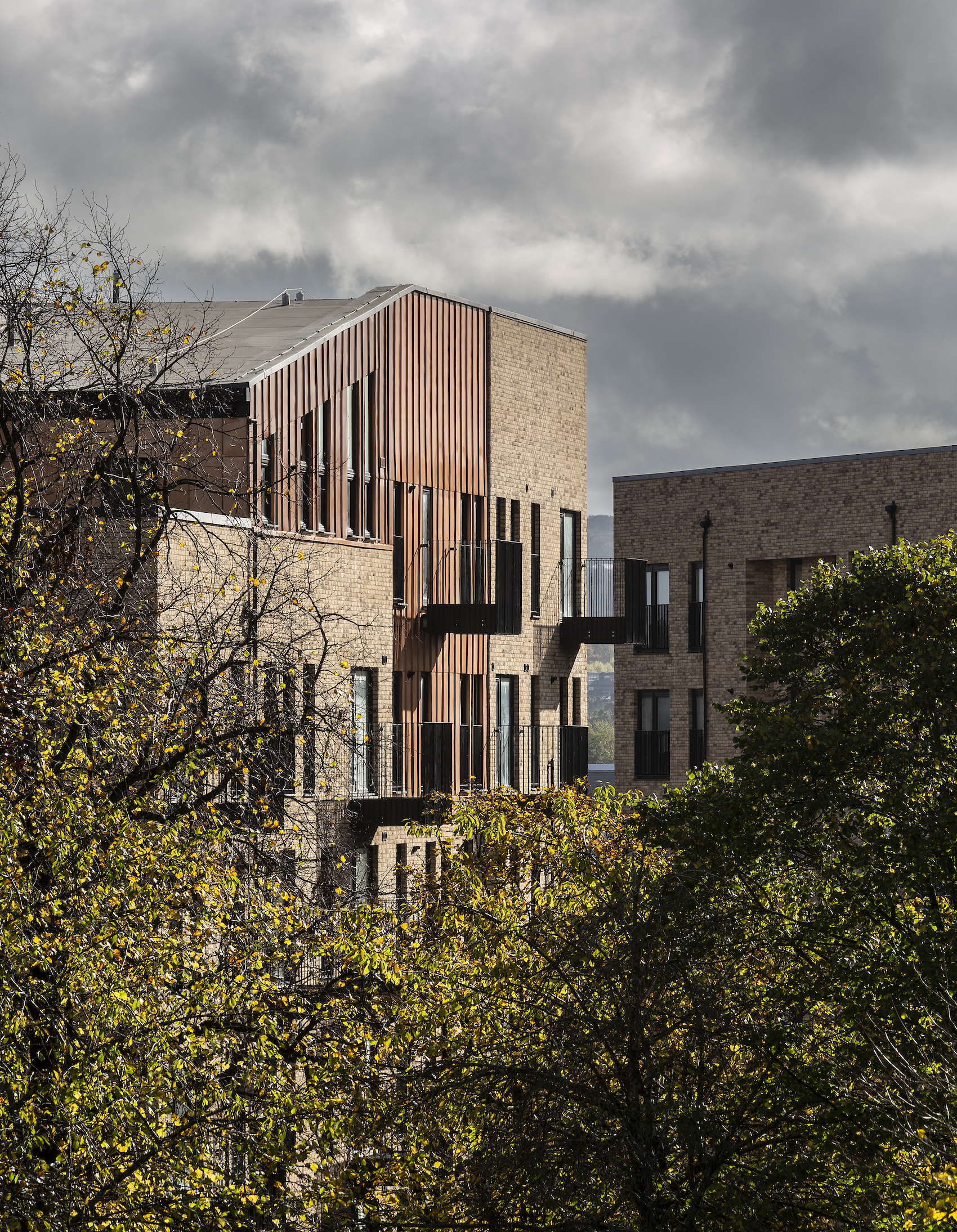
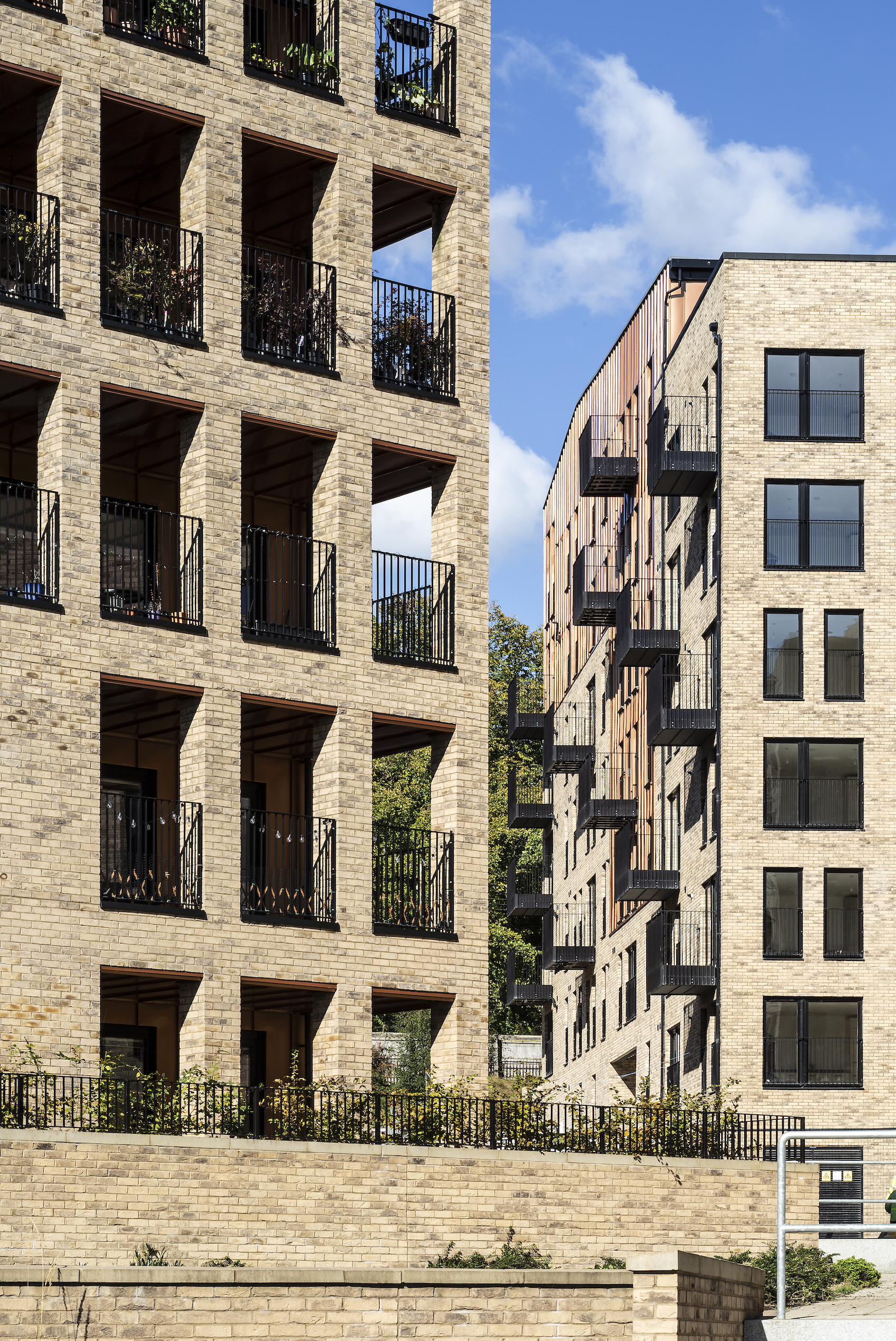
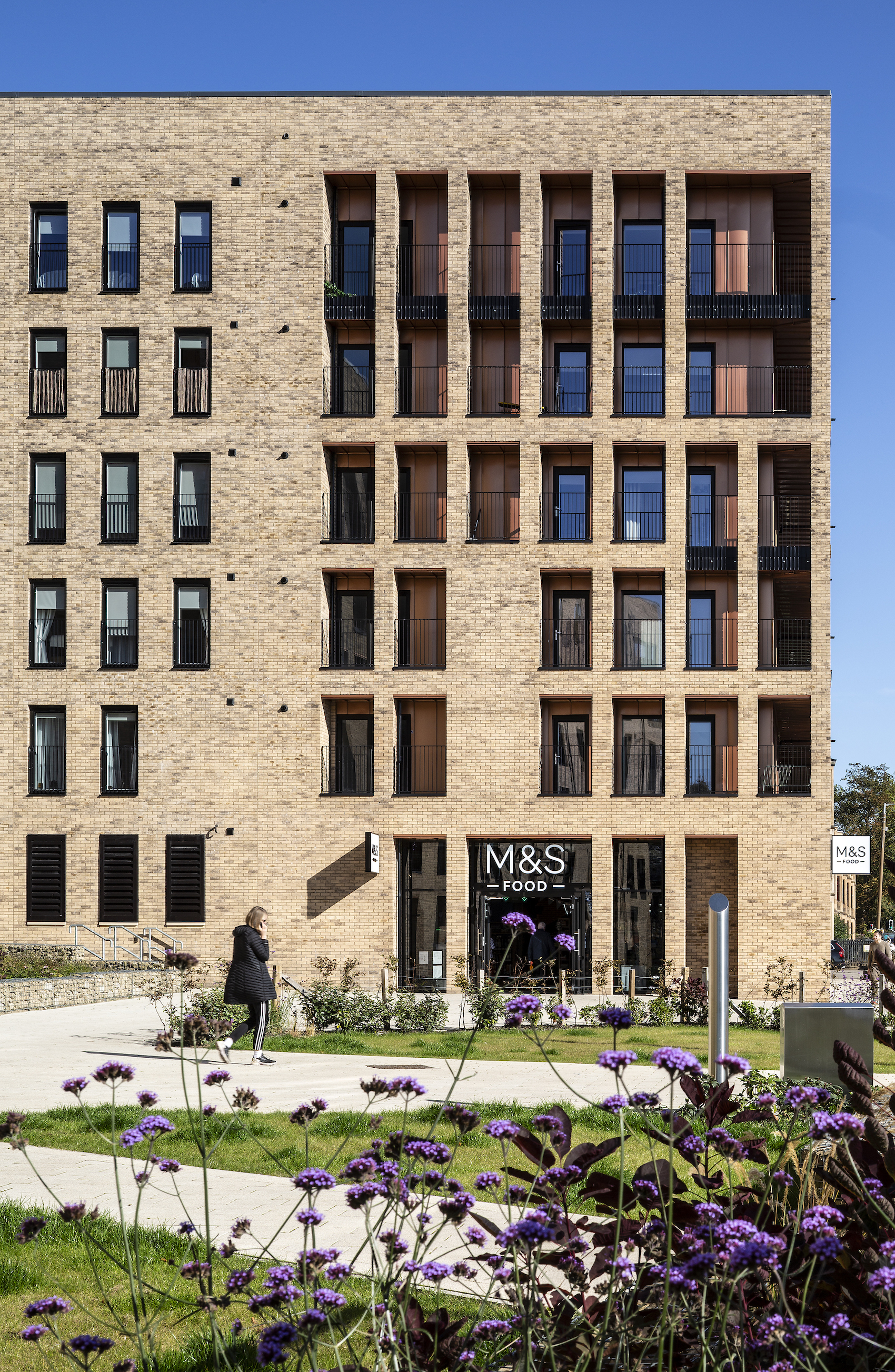
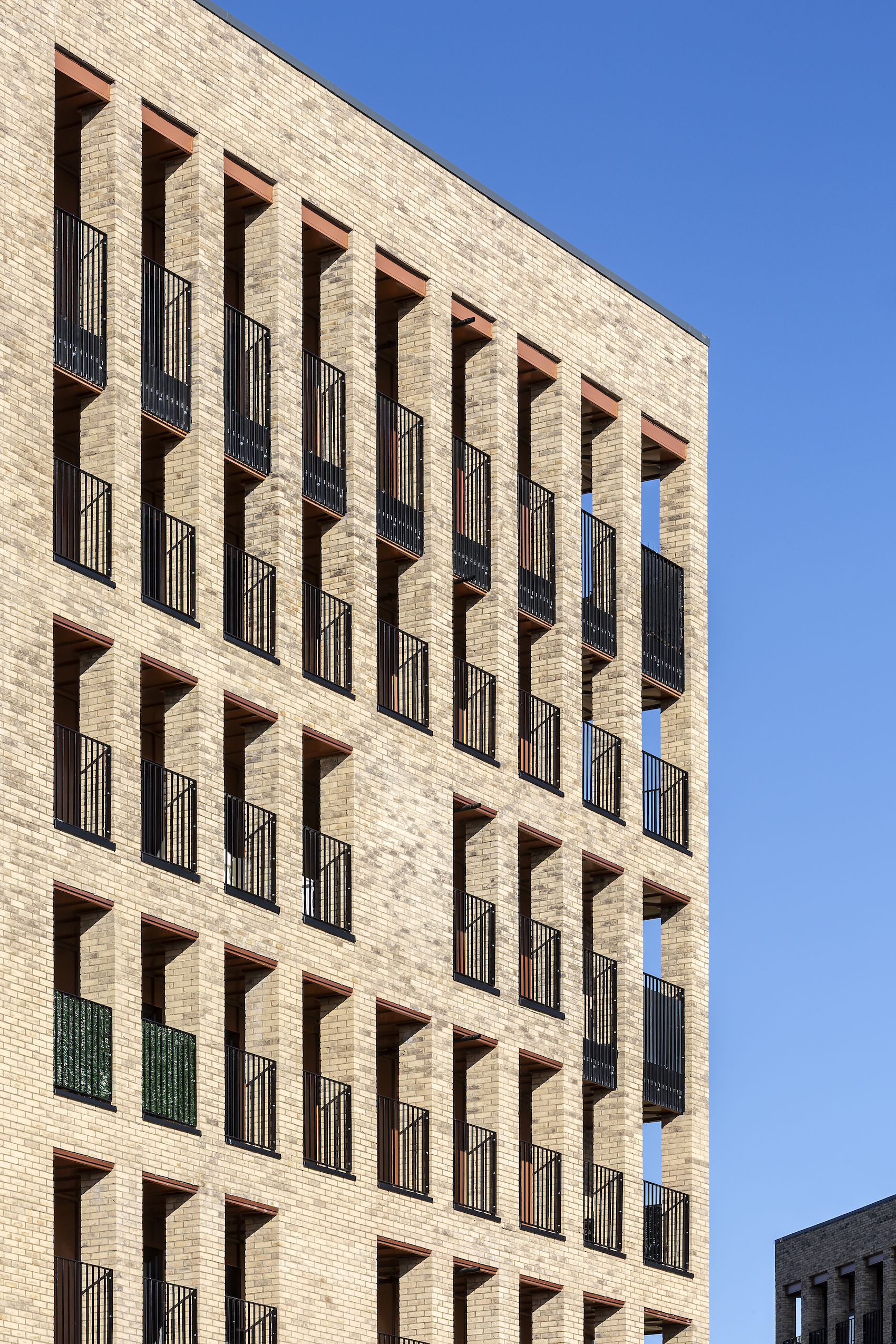
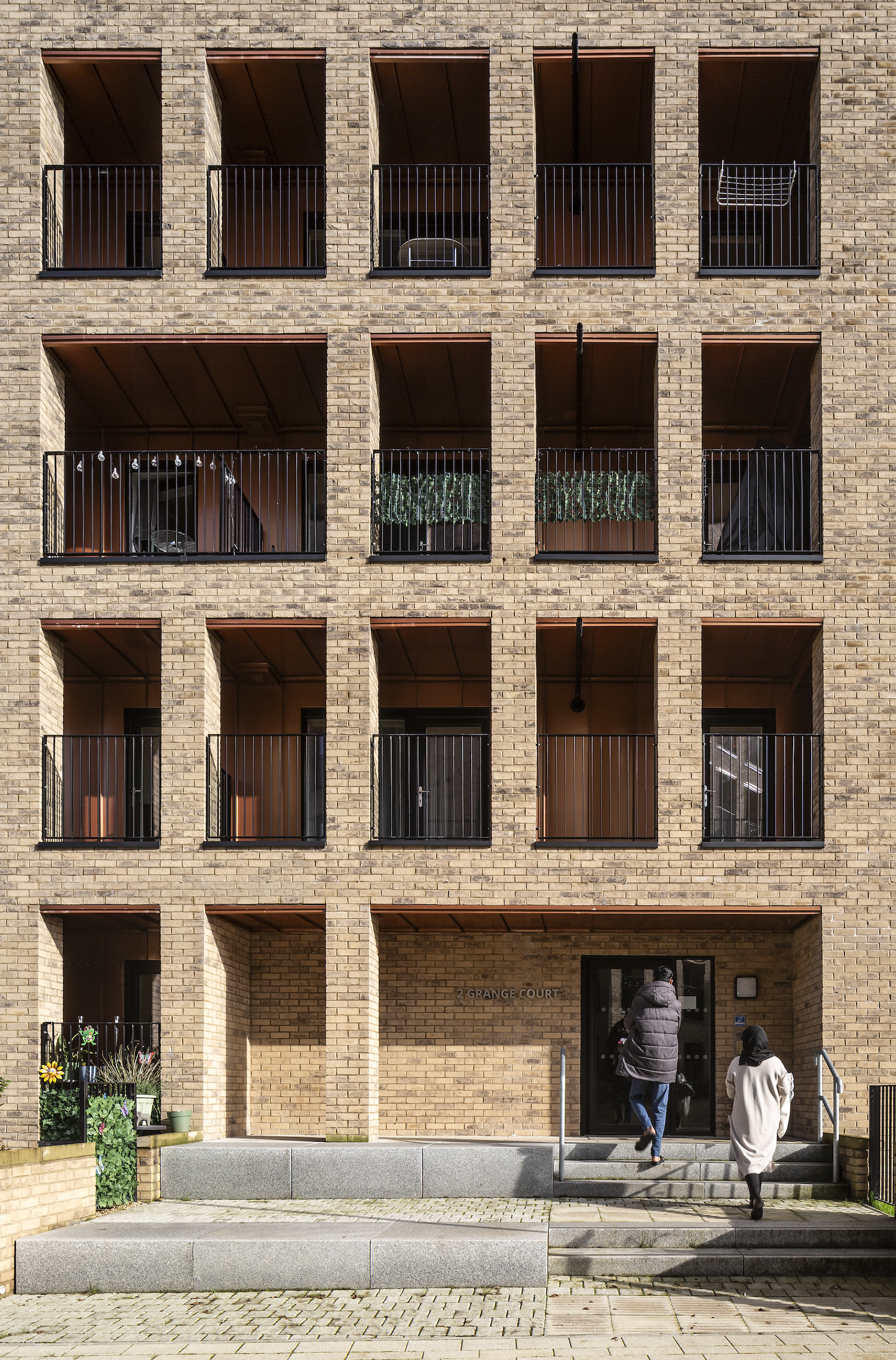
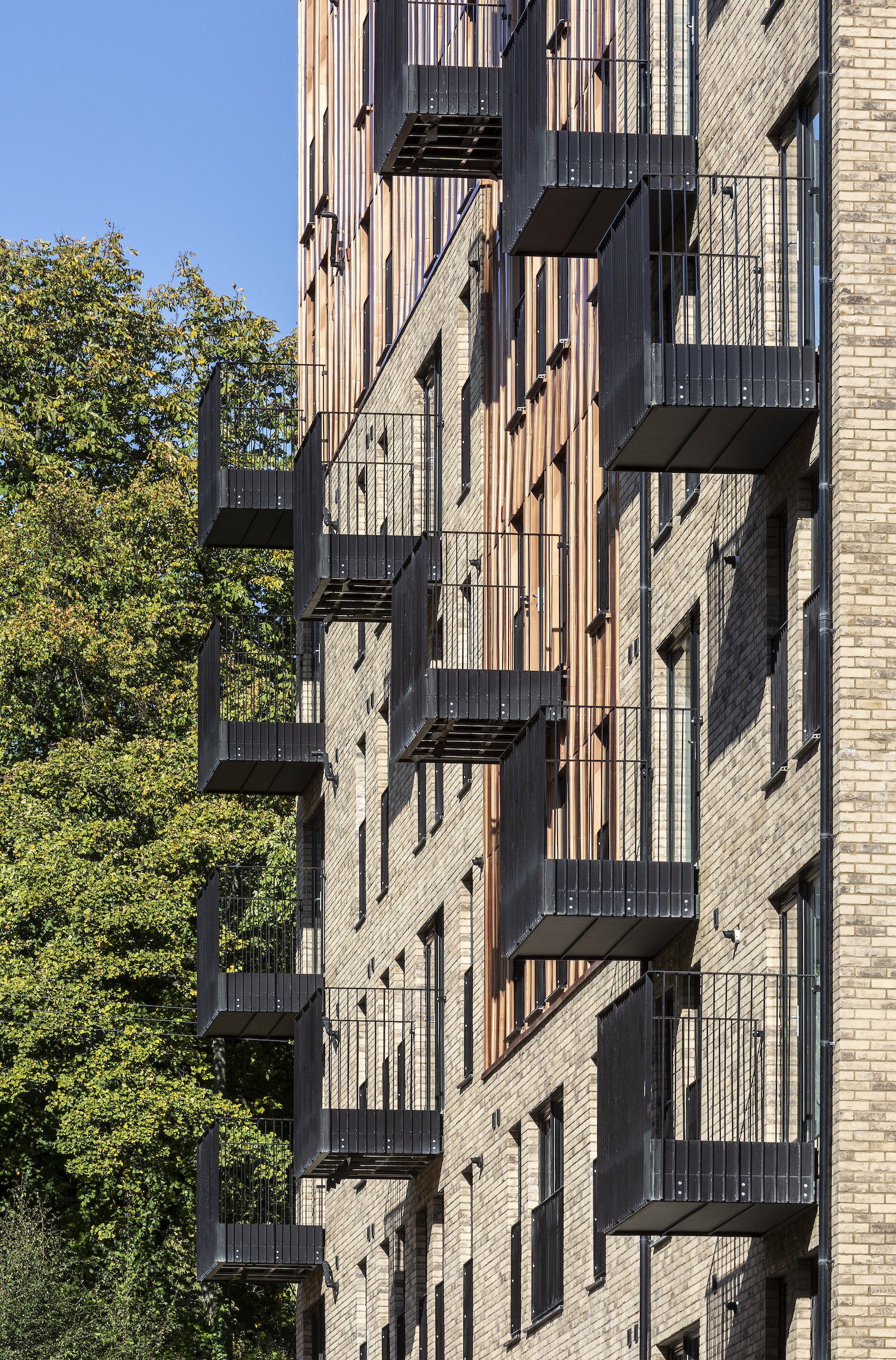
A restrained material palette, led by tonally-varied brick, references both the historic hospital pavilions and surrounding tenement fabric. Large-format metal panels are used to articulate key corners and break down building massing, while balconies, terraces, colonnades and lanterns animate the elevations and recall the language of the existing site structures. The result is a layered street edge that signals both continuity and renewal.

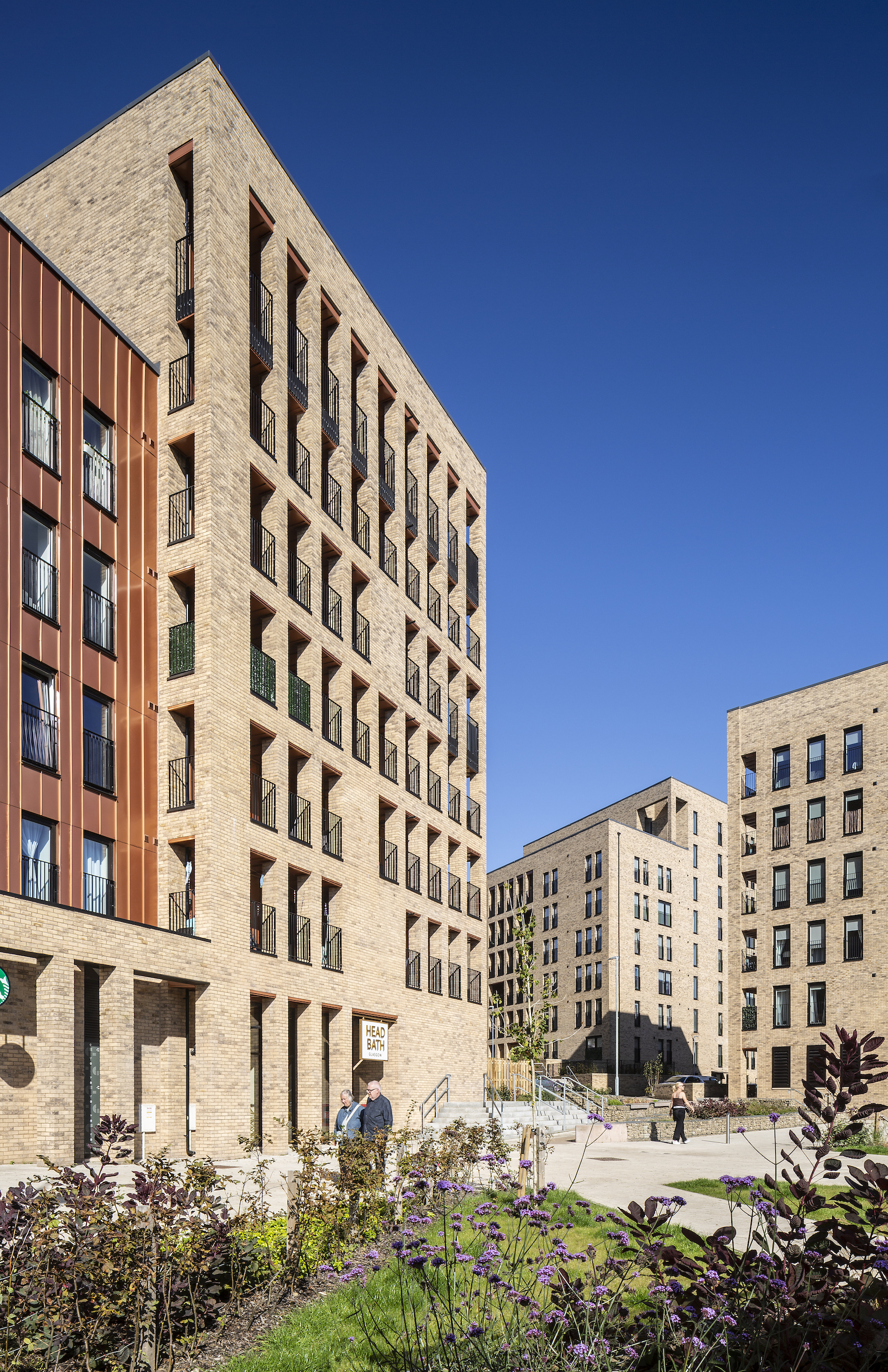
The masterplan strategy supports a gradual transition from public to private space. The four new buildings in phase one are positioned to define clear relationships between public routes, shared courts and private thresholds. The layout prioritises walkability and orientation, with generous landscaping and pedestrian connections that encourage permeability through the site and towards Queen’s Park.
“Working within the derelict estate of the former Victoria Infirmary, our focus was firmly on urban and social regeneration,” explains Peter Smith, Project Architect at Collective Architecture. “Central to this vision was the creation of a generous public route that connects the site to Queens Park, reinforcing existing green infrastructure and introducing spaces for nature where previously there was only concrete and tarmac. Our strategic approach prioritises people and place, ensuring a net impact that is positive and continually evolving as the community matures and takes ownership of these new pockets of green space.”
The second phase of the scheme, which includes the repurposing of the Nightingale buildings, is currently in progress. Upon completion, it will complete the new public route into Queen’s Park, making way for the third and final phase adjacent to the Langside Battlefield Memorial, including the Category ‘B’ listed administration building.
“Redeveloping the former Victoria Infirmary Hospital has been both an immense privilege and monumental challenge, introducing new housing and public space within the tightly constrained, historically significant, and culturally valued site,” reflects Smith. “The success of the first phase, both as a piece of city and as a place to live, is a testament to the many people involved. As new residents begin to settle in, I look forward to seeing the project come to life.”
Additional images