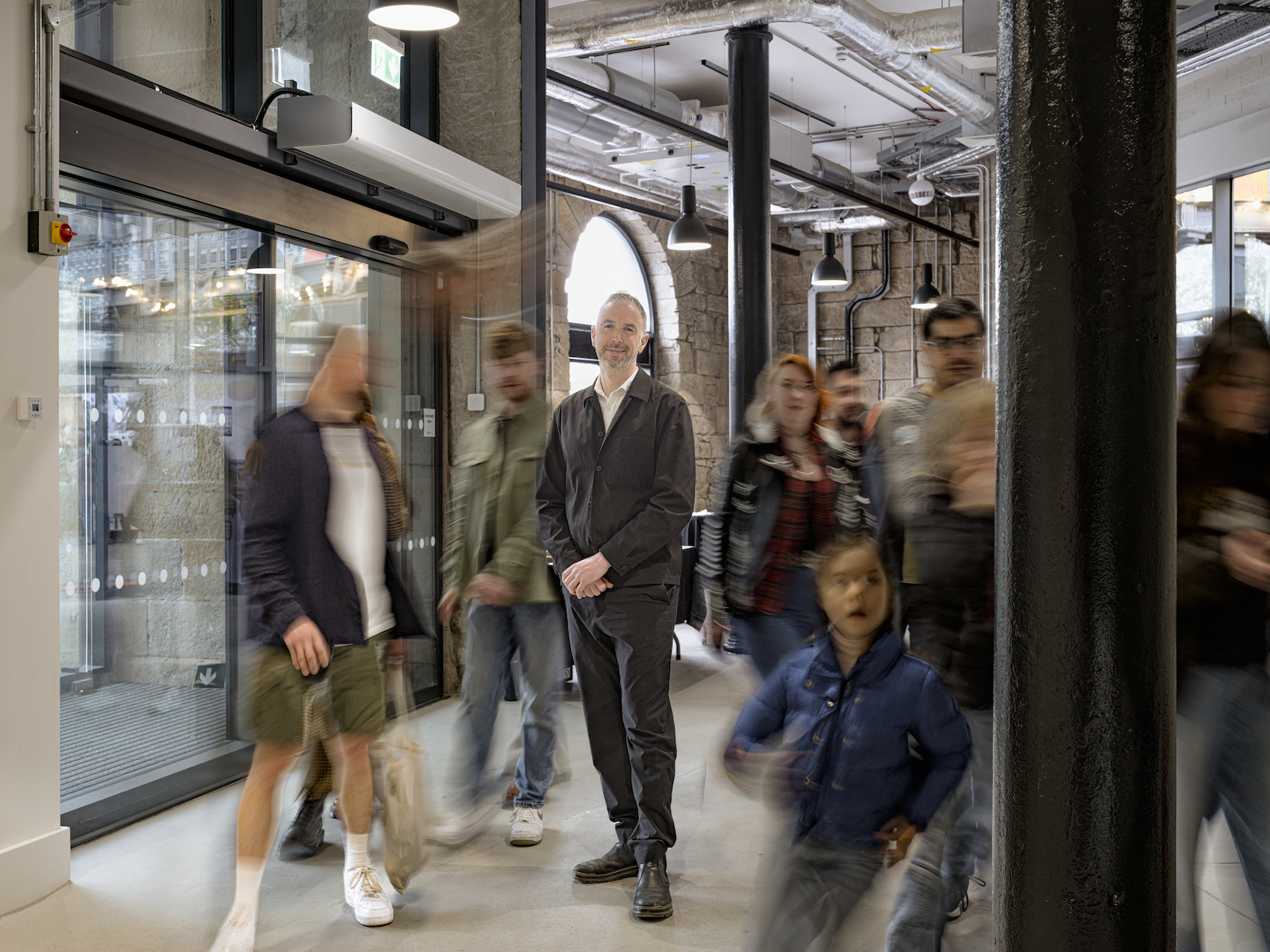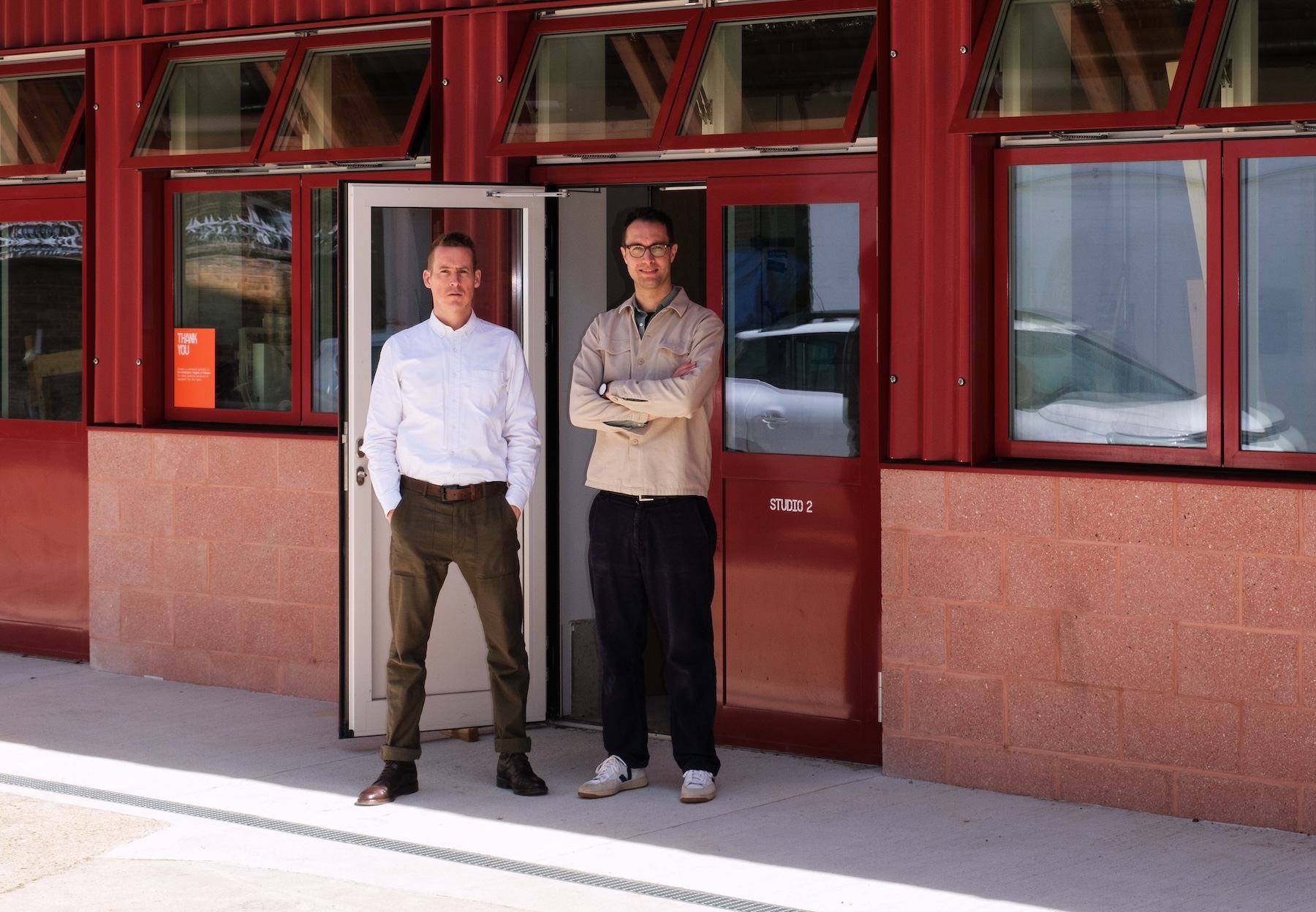
Schüco Sales Director Dan Gleeson talks to AT Technical Editor John Ramshaw about how the façade systems manufacturer is continuing to evolve its approach to regenerative design, long-term stewardship and being a good ancestor.
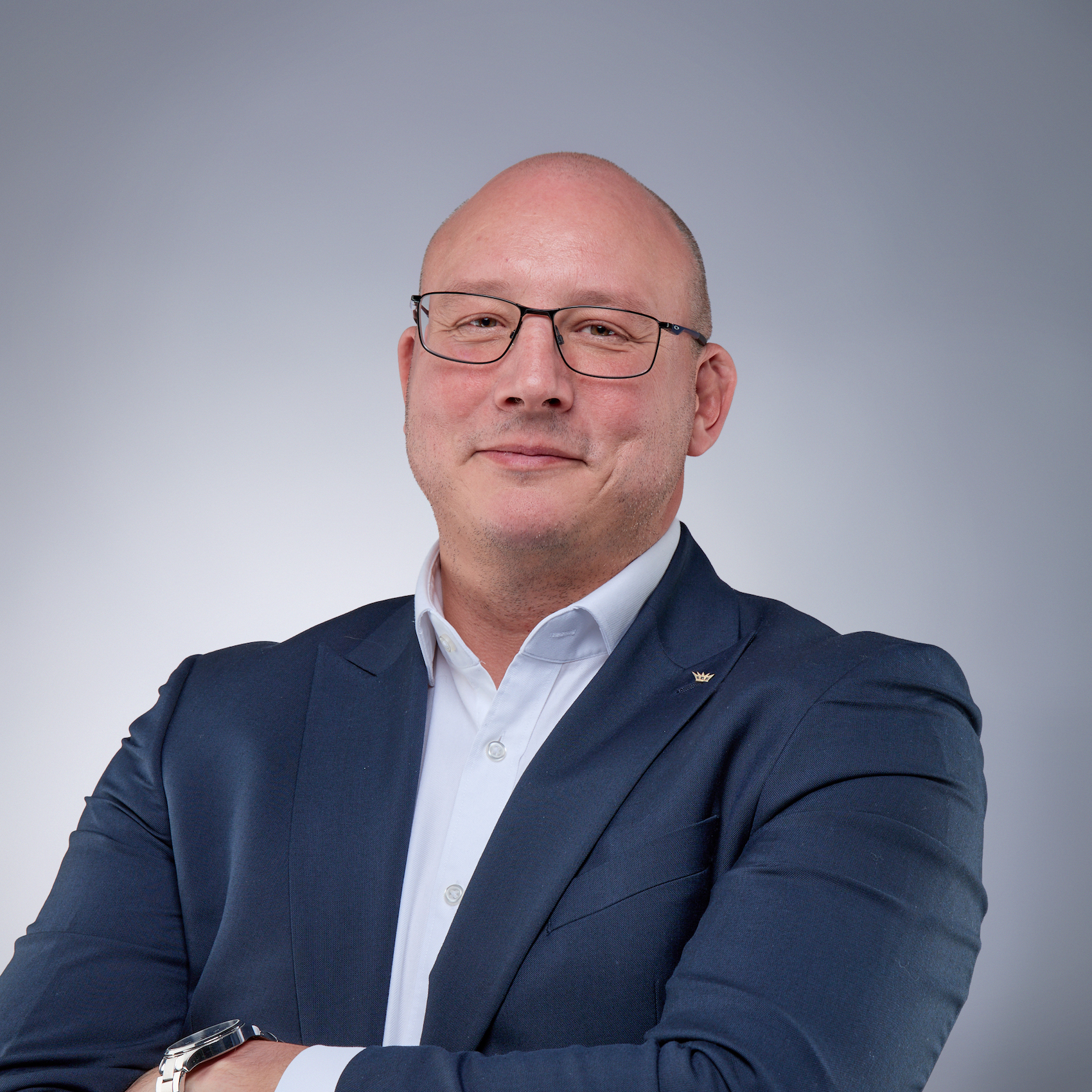
Schüco Sales Director Dan Gleeson.
Thank you for continuing to support the Regenerative Architecture Index in 2026. What has the partnership helped you achieve or learn so far?
I think as a manufacturer we can sometimes be guilty of approaching things from a purely engineering standpoint. The RAI has helped us look at projects more holistically; and being a good ancestor is a message that really struck a chord with the whole team. We’re not just looking at aluminium windows or curtain walling in isolation anymore. Instead, we’re increasingly trying to understand the bigger picture: the whole lifecycle of the building and our role within it.
What’s one area of the business that’s changed the most in response to regenerative design thinking?
There’s been a clear rise in refurbishment activity and we’re aligning more of our business around that. Traditionally, we might have approached a project with a mindset of: remove what’s there and replace it with something new. Now we’re actively asking: what’s already on site? What can be retained or remediated? What’s the most responsible intervention?
What sort resources are you investing in to support this shift?
We’re looking at introducing building surveys at a very early stage in the project, which is something manufacturers don’t typically offer. There’s obviously a cost involved, but we believe it’s a critical enabler of more regenerative outcomes. We’re aiming to support architects and planners at the front end; offering guidance on the condition of existing façades, advising on what can be repaired rather than replaced, and helping make informed decisions about the whole building fabric.
How can manufacturers like Schüco help clients and design teams shift from compliance to transformation?
There’s definitely a role for manufacturers in helping project teams go beyond the minimum. That starts with engineering support and specification advice, but it needs to extend much further. We’re looking at providing a cradle-to-grave service. We want to help teams understand not just what’s possible now, but how a façade system will perform and evolve over time.
The RAI talks about being a good ancestor. What does that mean for a global product manufacturer?
I think one of the key ideas is futureproofing. For us, that means taking full responsibility for the materials we put into the market, and finding ways to bring them back at the end of their life. We’ve got two live projects where we’re taking Schüco systems back from existing buildings and reintroducing them into the circular economy. We’re also putting much more emphasis on façade maintenance, and offering this as a service, because if you look after a system properly, it can last far longer.
What role do you see Schüco playing in the wider ecosystem of regenerative design?
The closed-loop work is a good example. It’s brought us into conversations with new types of stakeholders, particularly demolition contractors, who we wouldn’t normally deal with. What we found early on is that 80 per cent of materials from façade replacements are handled by demolition contractors, not façade specialists. That’s a huge gap if you’re trying to recover high-quality aluminium and return it to construction-grade use. We’re currently working on a project-by-project basis, but we’re also looking to build strategic partnerships so we can scale that recovery process across more projects.
What’s the most exciting regenerative project Schüco is involved with right now?
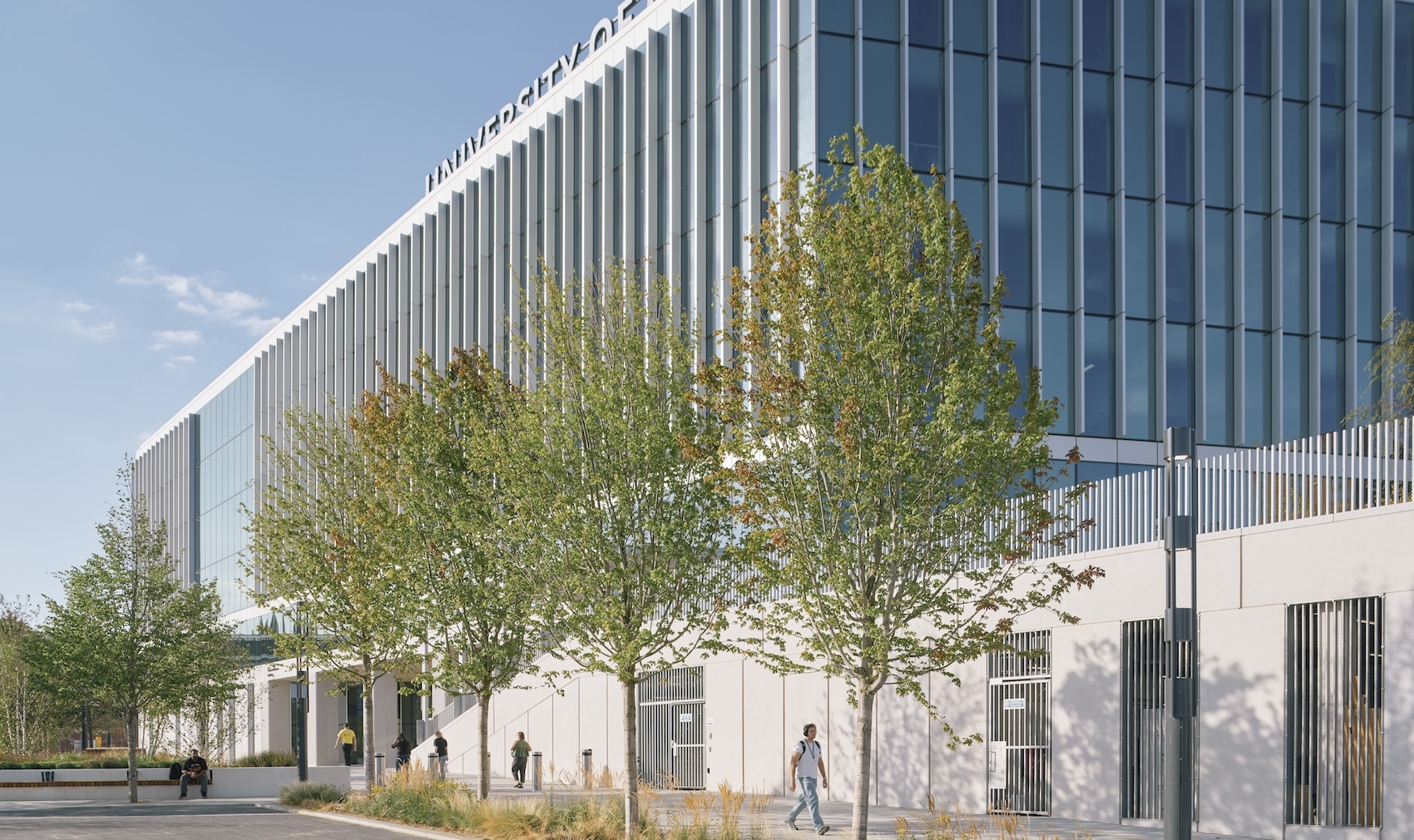
There are quite a few, but one that stands out is Port Hamilton in Edinburgh, which is being delivered in partnership with Dane Architectural, who are very experienced in refurbishment and remediation schemes. It’s going to be an innovation hub, which is a nice thematic link to the ideas we’re talking about. There’s a lot of curtain walling and windows being remediated, and we’re supplying low-carbon materials.
If you could change one thing about how the industry approaches façade specification, what would it be?
I’d love to see the end of cost engineering being passed off as value engineering. If a client understands the value of high-performance, low-carbon systems, they’ll often fight to keep that value in the project. But in too many cases we see meaningful sustainability measures, such as green walls, solar shading, PV, triple glazing, being stripped out to save money.
What message would you give the next generation of architects and engineers about the role of façades in shaping a regenerative future?
Don’t stop innovating, and don’t stop learning from nature. One of the RAI’s 2026 themes, co-evolving with nature, really resonates with me. Often the best engineering solutions come from observing natural systems. There’s still so much we can learn and apply from the natural world, especially if we want our buildings to become more adaptive, integrated and life-enhancing in the years ahead.