Landscape evangelist and Test of Time awards judge Kimberly Tryba of LILA Studio extols the transformational power of landscape projects that get stronger over time.

It’s great to have you on board as a judge for Architecture Today’s Test of Time Awards. As a landscape professional, what makes these awards so interesting for you?
What makes the Test of Time Awards so compelling is that they reward something design culture doesn’t always prioritise enough: longevity. Landscape architecture is inherently about time. Unlike buildings, landscapes are living systems that evolve seasonally, ecologically, and socially. A successful project doesn’t just perform on opening day — it grows into its purpose over decades. Architecture Today has already recognised the importance of landscape within the awards programme, and I’m particularly excited that the 2026 cycle will re-envision the landscape category. That evolution reflects how central landscape has become to the way we think about cities — not just as amenity, but as infrastructure that supports ecological health, public life, and climate resilience. I’m thrilled to be involved not only as a judge, but also to help raise the visibility of the awards within the wider built environment community so that the landscapes that truly endure receive the recognition they deserve.
How can you tell if a landscape project has stood the test of time?
The clearest signal is whether the landscape has become part of everyday life. Great landscapes remain socially relevant. People continue to use them, communities adopt them as shared space, and ecological systems mature rather than decline. Trees thrive, planting strategies adapt, and the space continues to support public life. The other key factor is stewardship. Landscapes are living environments, so their longevity depends on the relationship between design and long-term care. In that sense, the best landscapes aren’t static compositions — they’re frameworks that grow stronger with time.
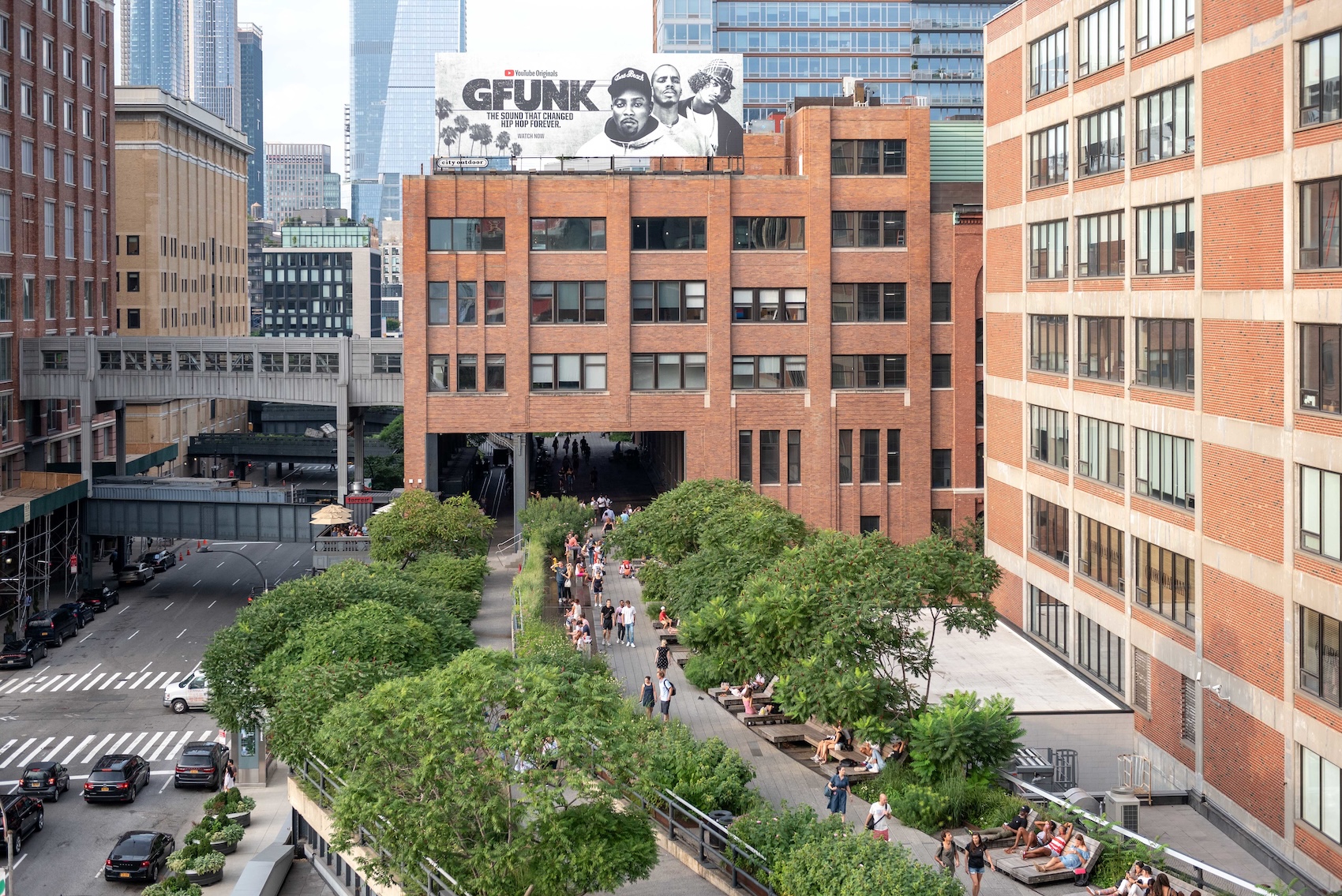
The High Line, New York, designed by Jame Corner Field Operations, Diller Scofidio + Renfro and Piet Oudolf, is a prime example of a visionary landscape project that has had a transformative impact on the economic, social and physical environment of the neighbourhoods it serves. Built on 1.45 mile-long elevated freight rail on Manhattan’s West Side, the design is inspired by the landscape that grew on the tracks during the 25 years after the trains stopped running. Photograph by Timothy Schneck.
When we caught up with you this time last year, you were on a mission to raise the profile of landscape architecture at MIPIM 2026. Have you seen any progress?
Yes — and the shift is noticeable. Developers, investors, and city leaders are increasingly recognising landscape as more than an amenity layer. It’s being understood as critical infrastructure that influences climate resilience, public health, and long-term real estate value. Events like MIPIM are important because they bring together the full development ecosystem. When landscape architects are part of those conversations early — alongside planning, architecture, and finance — the outcomes tend to be far stronger. Awards programmes like Architecture Today’s also play a role by highlighting projects where landscape has matured successfully over time. That visibility helps reinforce the discipline’s long-term impact.
What are you working on at the moment?
My work increasingly focuses on how landscape architecture supports long-term civic and ecological systems. Through LILA Studio I’m exploring projects that position landscape as infrastructure — places where planting, water systems, and public space work together to create resilient environments. Alongside practice, I’ve also been writing and speaking about the relationship between biophilic design and landscape architecture, particularly the idea that biophilia should move beyond aesthetics toward landscapes that are performative, measurable, and durable over time. Across these efforts, the goal is simple: helping ensure that landscape is understood not as decoration, but as a foundational layer of healthy, resilient cities.
Why does landscape architecture deserve its own recognition in design awards?
Landscape architecture deserves its own recognition because it operates on a fundamentally different timeline — and according to different measures of success — than most other design disciplines. A landscape is not a finished object. It’s a living system that evolves ecologically, socially, and culturally over decades. Trees mature, soils improve, habitats emerge, and communities develop relationships with these spaces in ways that often extend far beyond the original design moment. That’s why awards programs create an important opportunity to evaluate landscape through the lens that matters most to it — performance rather than purely visual impact. While landscapes can certainly be beautiful, their real success often lies in what they do: mitigating heat, managing water, supporting biodiversity, and creating public spaces that remain relevant and actively used over time. When design awards recognise landscape architecture on its own terms, they acknowledge that these projects are doing more than contributing to the visual composition of the built environment — they are shaping its long-term ecological health and civic life. Programs like the Architecture Today Test of Time Awards are particularly valuable in this respect because they allow landscapes to be evaluated not just for how they looked when they opened, but for how well they have performed, adapted, and endured over time.