The transformation of a Grade II-listed townhouse in Mevagissey demonstrates how VELUX Heritage roof windows can unlock underused roof spaces, delivering daylight and usability within strict conservation constraints.
In association with
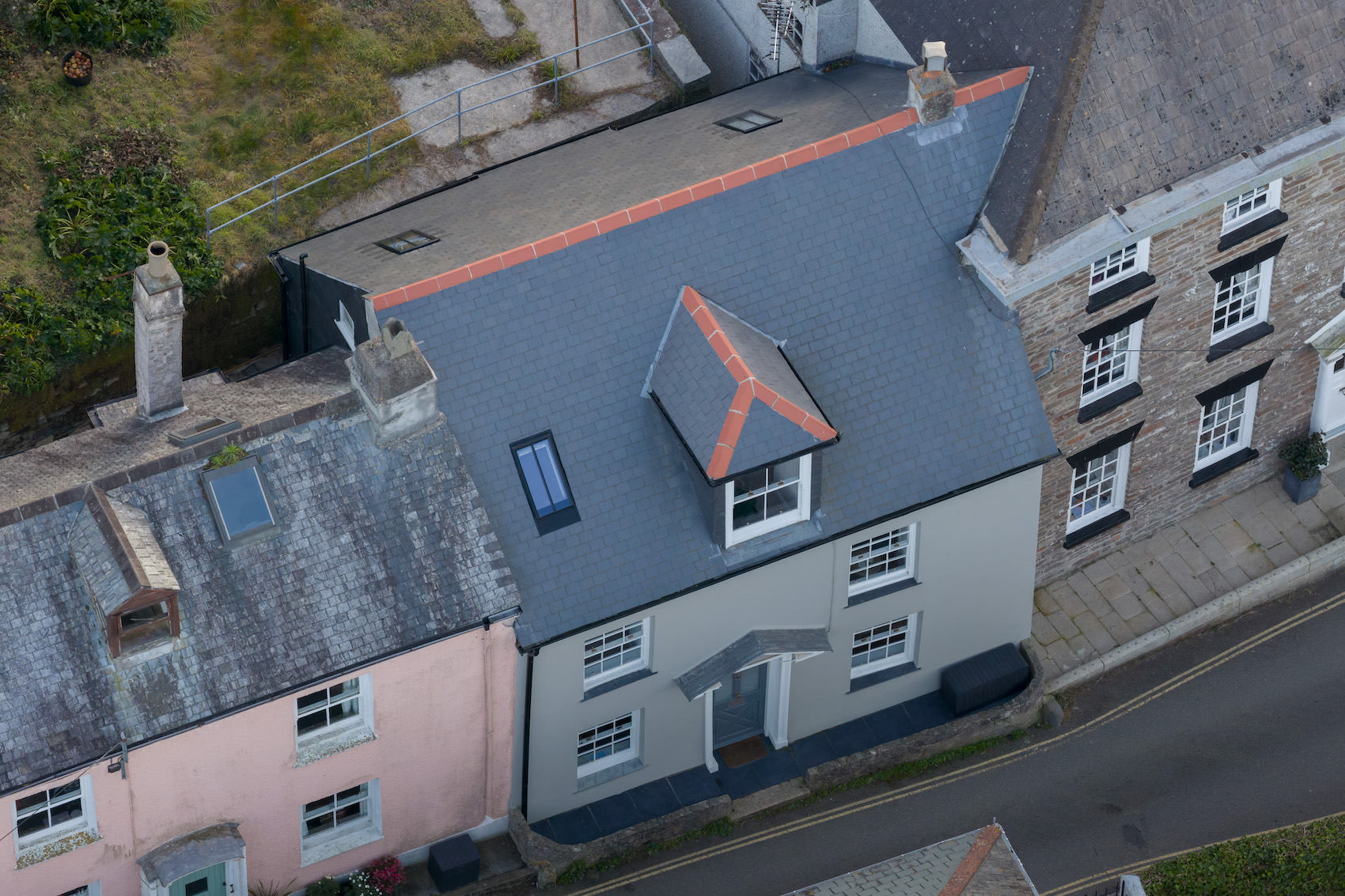
The restoration of Polkirt Hill, a Grade II-listed townhouse overlooking Mevagissey harbour, began as a straightforward refurbishment. What emerged instead was a complex conservation project shaped by discovery, research and carefully negotiated architectural intervention.
Built in the early 18th century, the house is a rare example of Cornish domestic architecture, combining vernacular construction with more refined interior detailing. While its modest exterior gives little away, investigative works soon revealed an unusually rich interior history. Paint analysis of the timber panelling uncovered up to 18 distinct decorative layers, including early uses of Prussian blue and French ultramarine pigments. Most significantly, a concealed Renaissance‑style painted panel, dating from the 18th century, was discovered beneath later finishes.
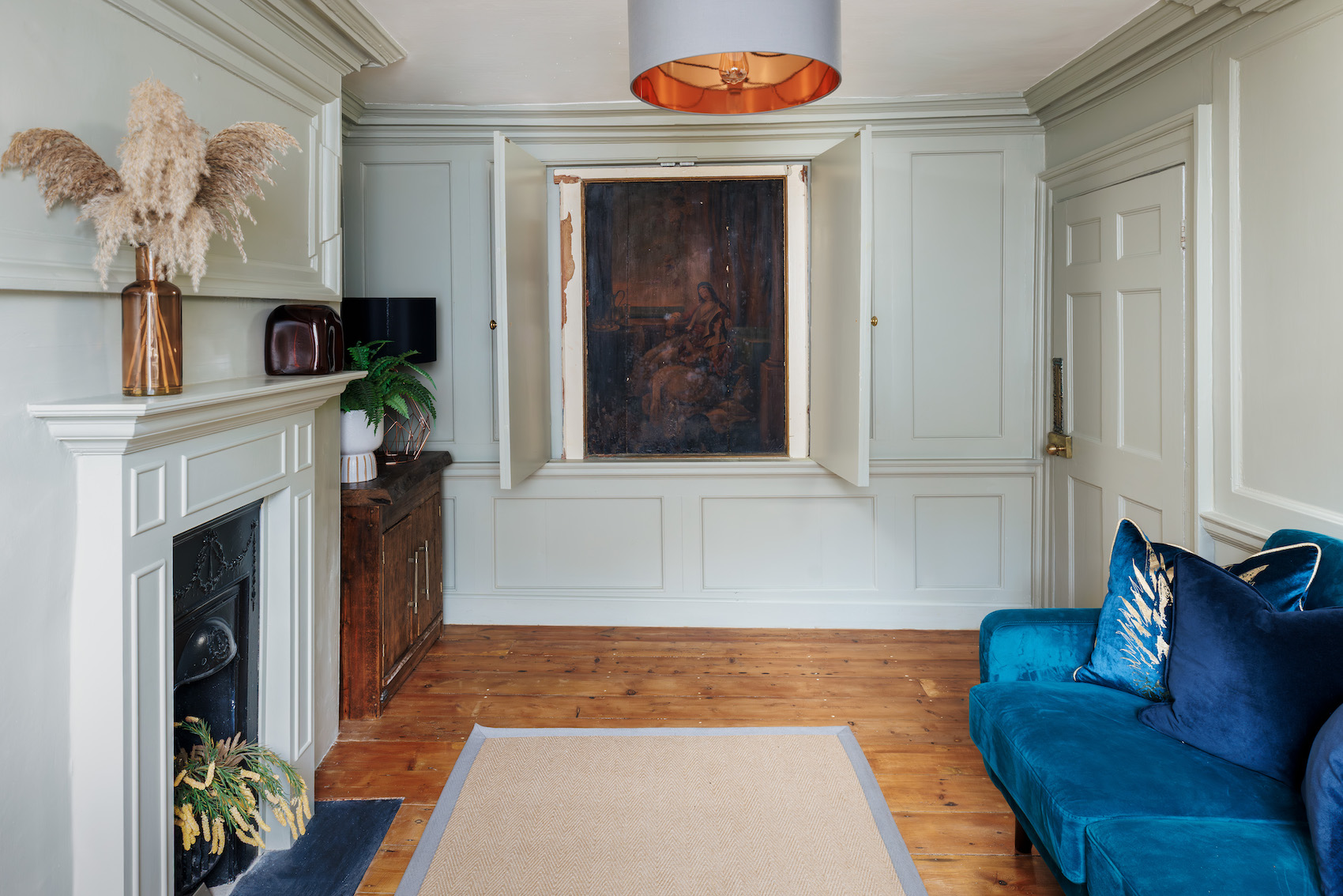
This finding reshaped the project entirely. Conservation priorities were reassessed in close collaboration with the local heritage officer, and restoration decisions became evidence‑led rather than aesthetic. Scientific paint stratigraphy and material analysis informed the reinstatement of colour palettes and finishes, ensuring that interventions reinforced the building’s historic legibility rather than erasing it.
Alongside this careful interior conservation sat a parallel architectural challenge: how to introduce additional living space without altering the building’s character or footprint. The long‑neglected roof void offered the only viable opportunity, yet converting it posed structural, policy and heritage constraints. Any alteration to the roof had to preserve its silhouette and respect the wider Mevagissey Conservation Area.
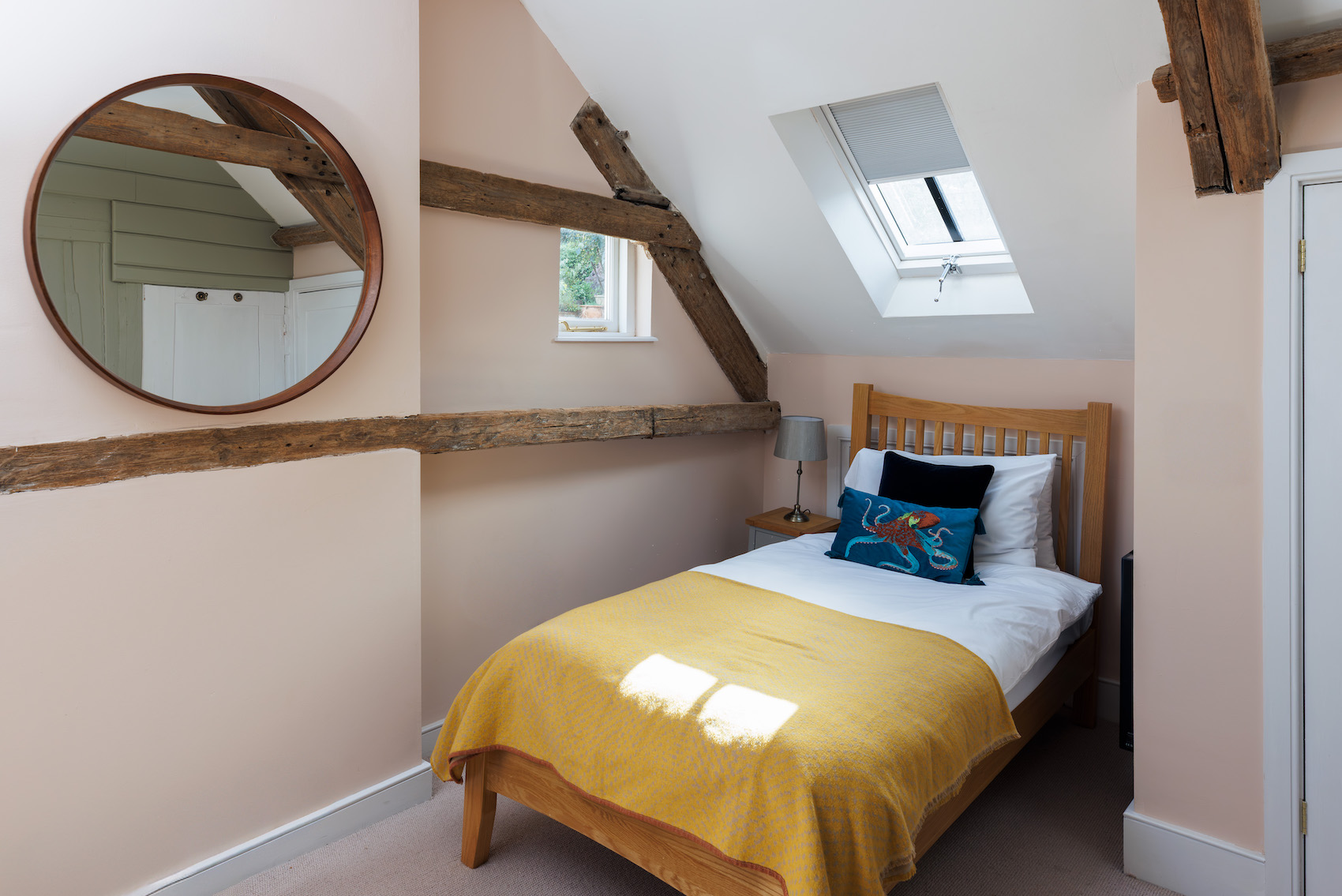
Structural engineers with conservation expertise were brought in to sensitively stabilise the roof, introducing a discreet steel ridge beam while retaining and celebrating the original timber trusses. This allowed the attic to be safely occupied without visually dominating the historic structure.
Daylight proved to be the pivotal issue. For the loft conversion to succeed as a habitable space, natural light and ventilation were essential, yet roof openings had to remain visually recessive. VELUX Heritage conservation roof windows were selected for their slim profiles, traditional detailing and compatibility with listed‑building consent requirements. Their design allowed the architects to introduce daylight without disrupting the historic roofscape.
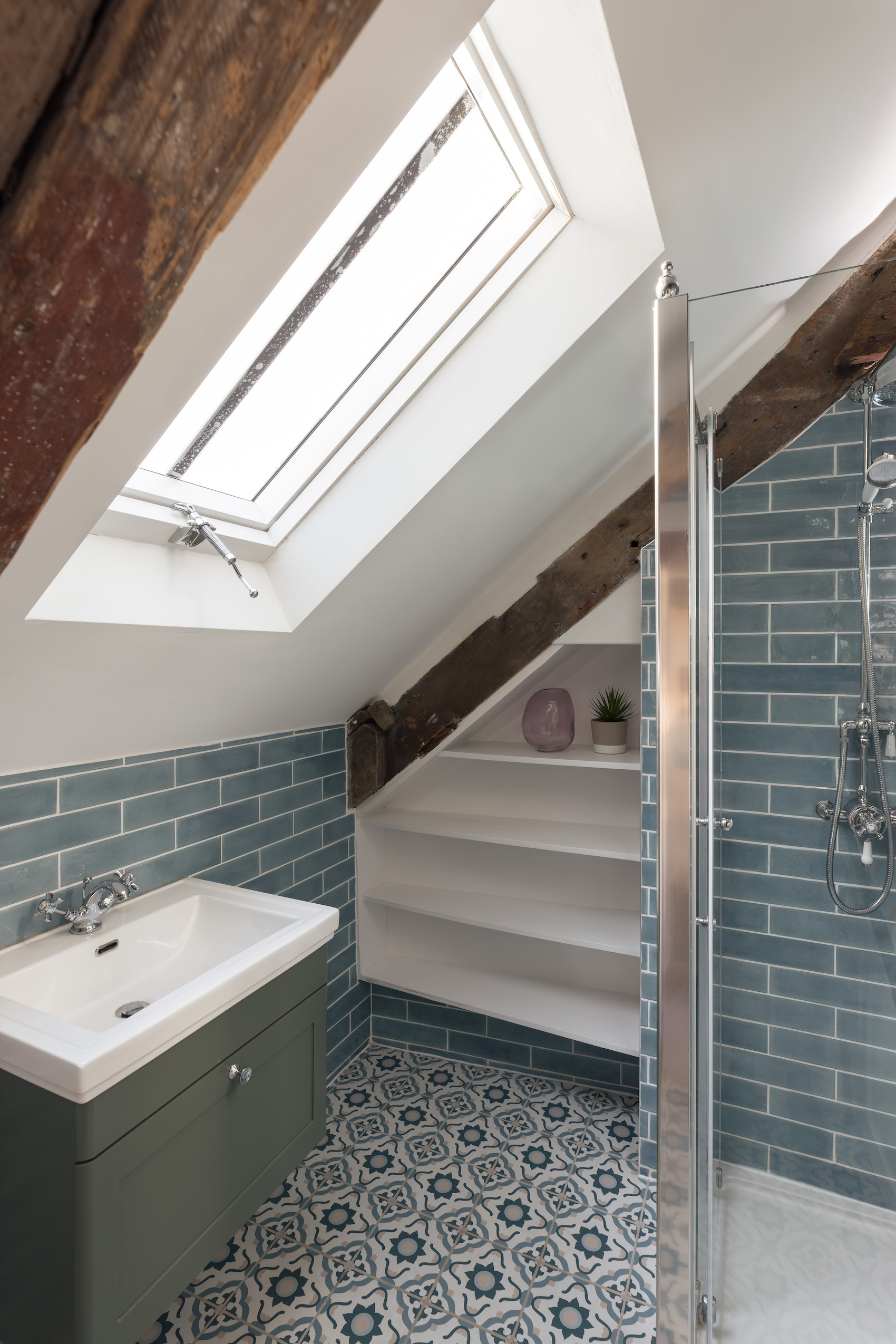
The result is transformative. The former attic has become two generous bedrooms overlooking the harbour, spaces that are now among the most frequently used in the house. Carefully placed roof windows bring daylight deep into the plan, reducing reliance on artificial lighting while maintaining the roof’s external integrity.
Elsewhere, Rowett Architecture resisted wholesale spatial change. Original layouts were retained, with lightwells repurposed rather than removed, and traditional materials such as lath and lime plaster carefully repaired or reinstated. Modern services were threaded discreetly through the historic fabric, prioritising reversibility and long‑term durability.
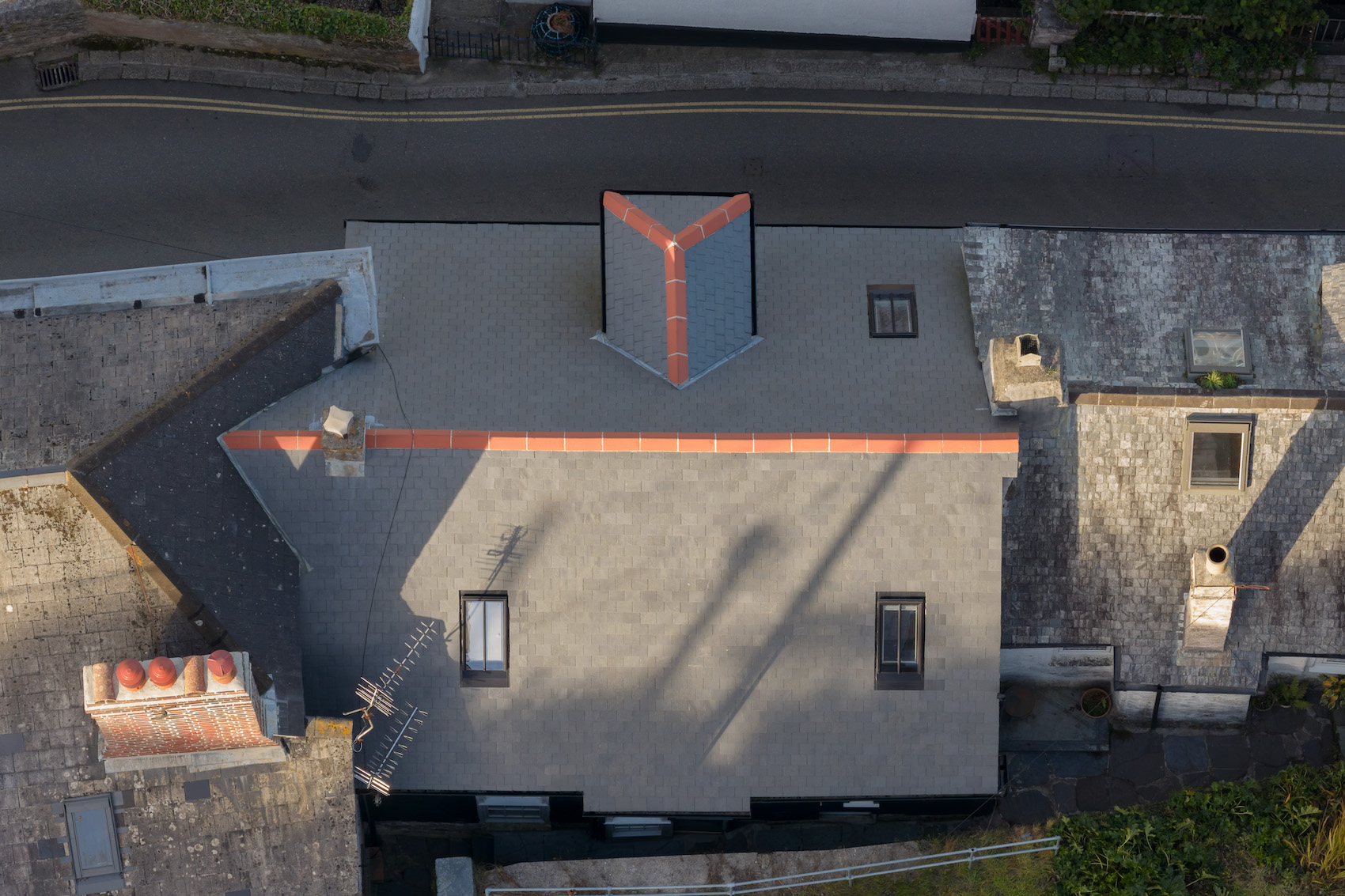
At Polkirt Hill, conservation is not treated as preservation alone but as an active design process. The project demonstrates how research‑led discovery can reshape architectural priorities, and how carefully detailed roof interventions can unlock new use in historic buildings, ensuring their continued life without compromising the stories they carry.
Click here to read the full case study and find out more about VELUX Heritage conservation roof windows.
For more information, reach out to us at architecture@velux.co.uk