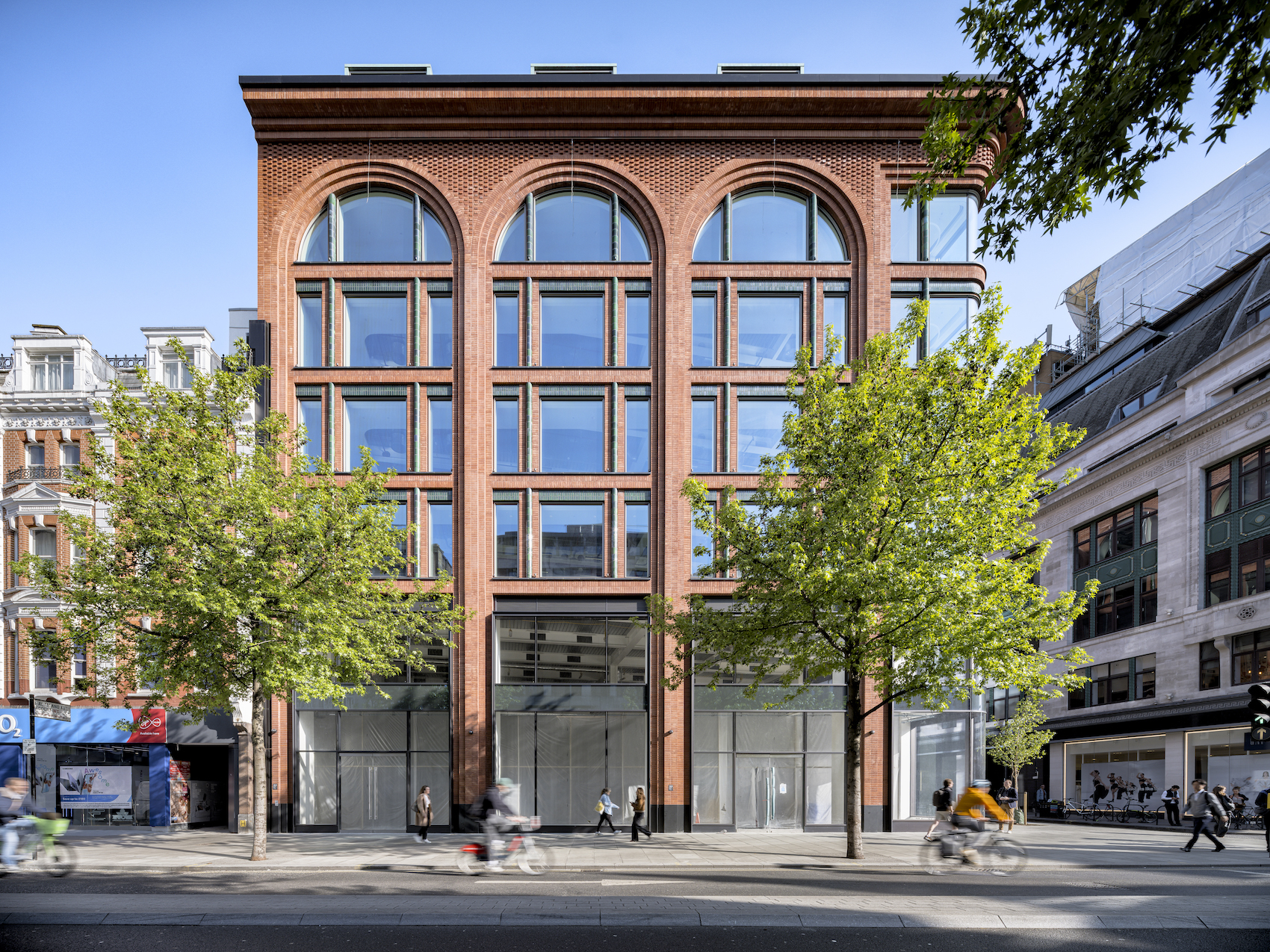
Róisín Heneghan and Shih-Fu Peng won the international competition for The Grand Egyptian Museum in 2003 against 1557 entries, with a practice of four. They turned to Snøhetta’s Craig Dykers and Nick Schumann for advice, and describe how the practice has changed since.
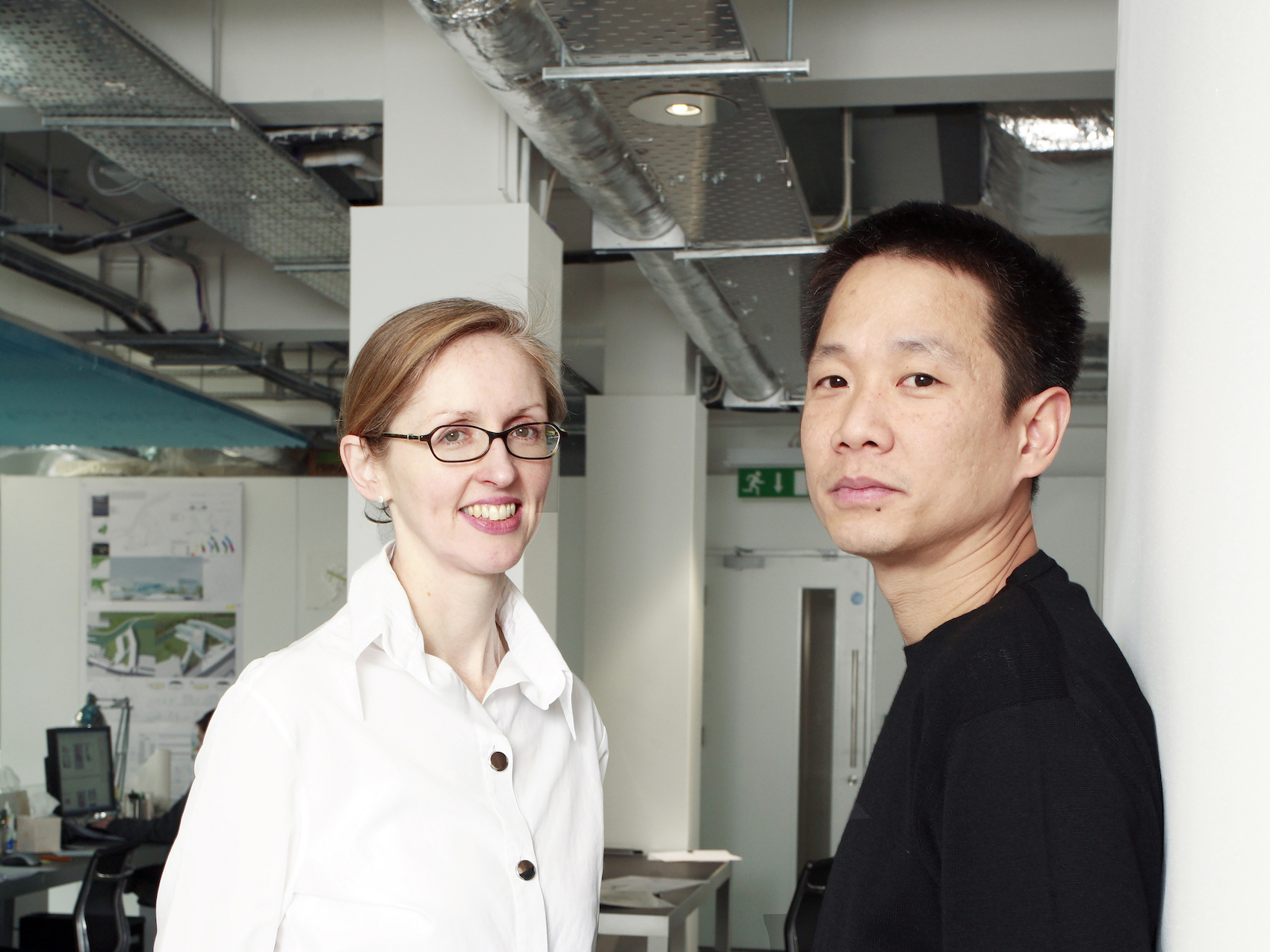
What was the practice’s reaction to winning the project?
It was a two stage competition. The first stage narrowed the competitors to 20 from 1557. Obviously we were delighted to make the cut. It was unexpected, and when a competition is that big, it all feels a little unreal.
How did the win change the practice practically?
We needed to scale up quickly. We were four people when we won so we needed to grow. We spoke to Craig Dykers at Snøhetta who was very generous with his advice. He recommended that we speak to a design manager Nick Schumann who had helped Snøhetta with the Alexandria Library. Nick and his colleague Gerard Daws, helped us develop a structure and from there we gradually built our team. At its largest there were 30 of us working on the project.
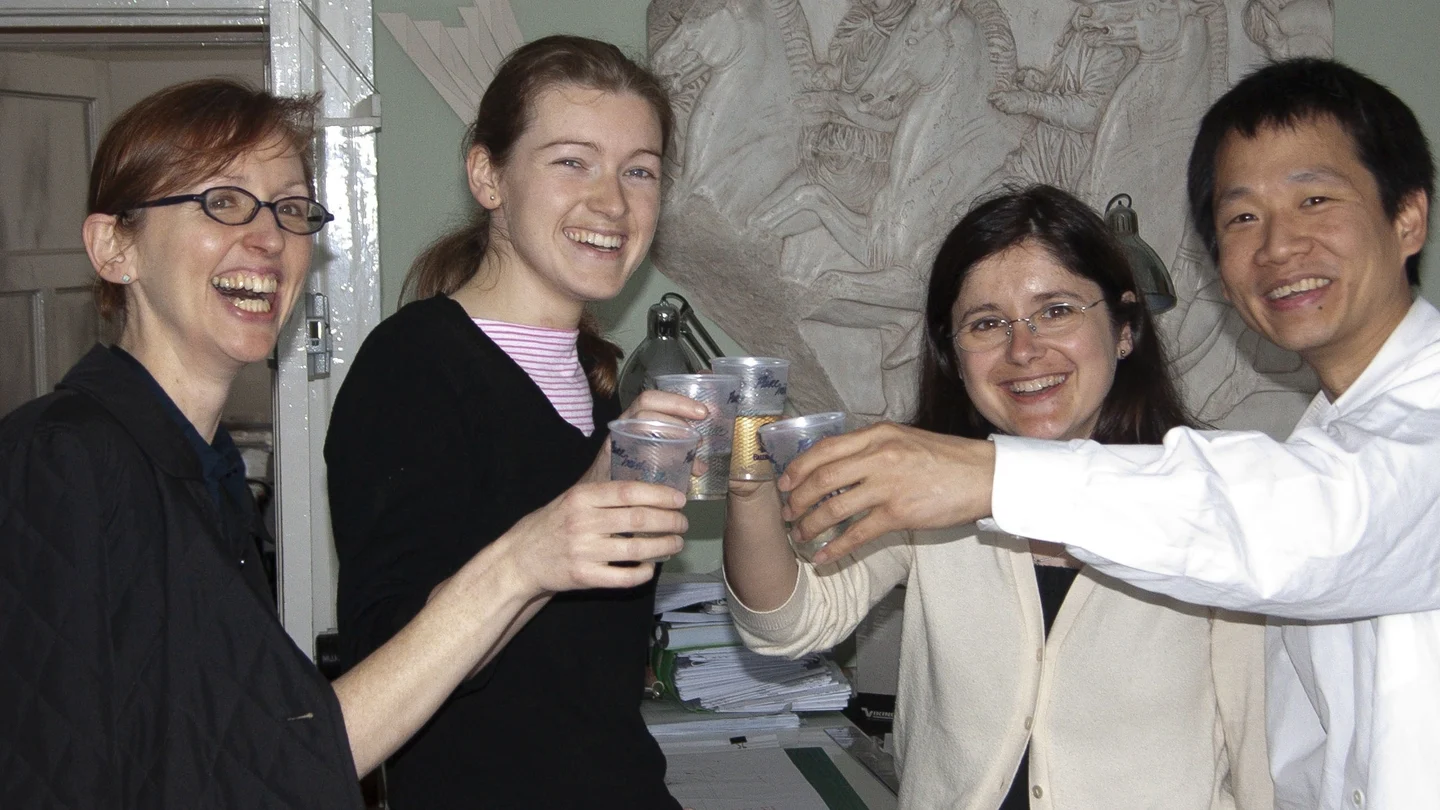
The practice of four celebrating their win in 2003. Left to right: Róisín Heneghan,Edel Tobin, Alicia Perez Gomez and Shih-Fu Peng.
How did you approach the brief?
From very early on the relationship between the site and the pyramids was instrumental in the design. Viewing this collection within sight of the pyramids was an opportunity that is rarely possible. How often is a major historical collection situated so closely to some of the built artefacts of that period? To manage the complexity of the brief and the scale of the Museum, we had a simple narrative. An easily comprehensible visitor journey that, interestingly, 25 years later, has been realised.
The design for the Grand Egyptian Museum is completed only by the view at the top of the ascent of the Grand Staircase, to the Great Pyramids of Giza; framing a ‘single’ perspective, which brings together the largest collection of Egyptian artefacts into the visual field of the the pyramids.
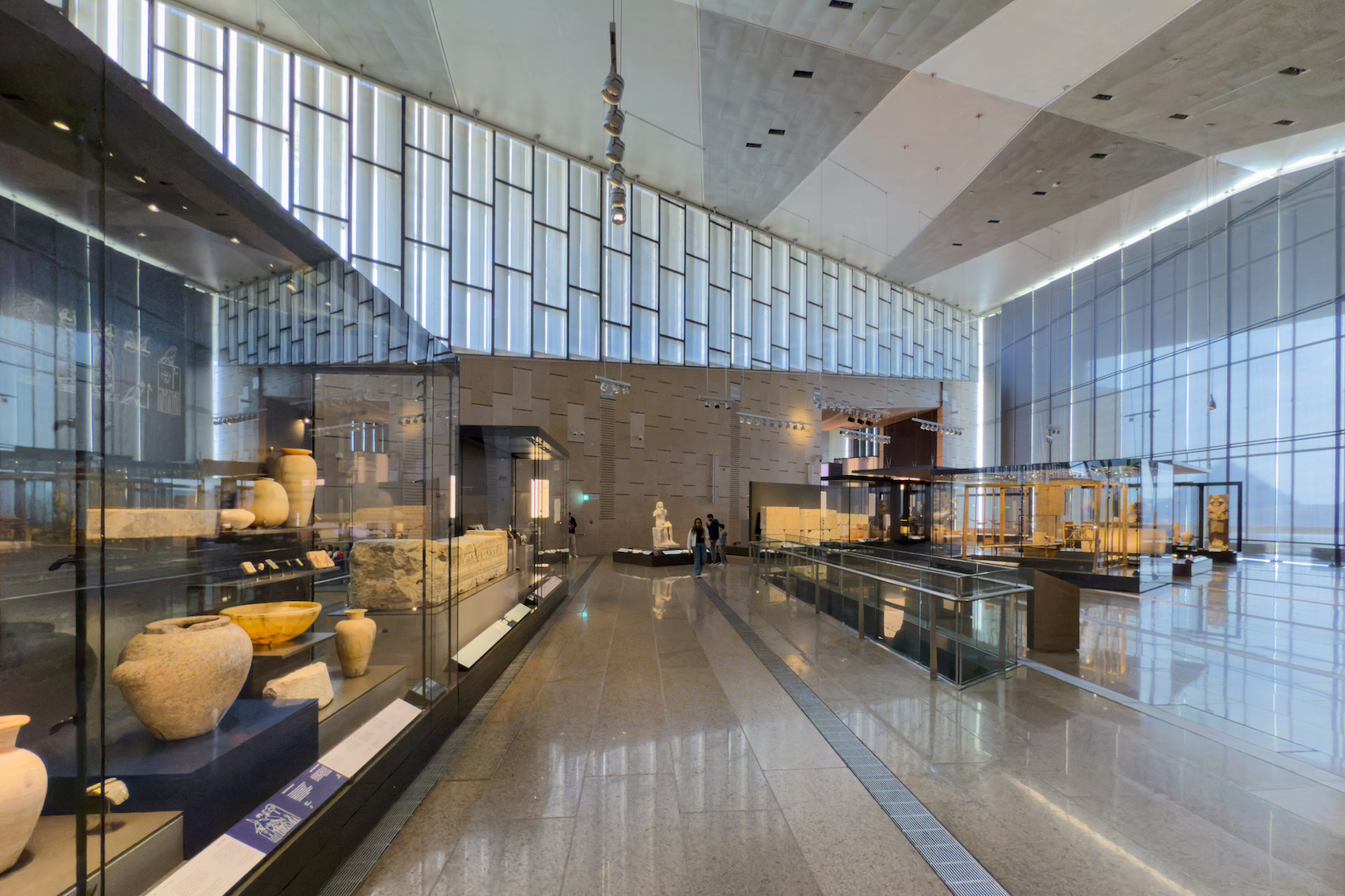
The Grand Egyptian Museum. Iwan Baan ©
Where did you look to for precedents?
We always look at other work; we thought a lot about how the Louisiana Museum looks out to the landscape. Of course we also considered Ancient Egypt… Shih-Fu is a Cornell graduate from the era of Colin Rowe.
Rowe’s interest in urbanism would undoubtedly have influenced our approach to the museum. It tips over into the discipline of urbanism rather than remaining as just architecture.
The juxtaposition and eventual collaging together of the pyramids – that are just three kilometres away – as artefacts inside the galleries, the enormity of the museum itself, and the zigzag of the Nile Park criss-crossing the entirety of the site, all draw from techniques developed in the urban ‘compositions’ of “Collage City”.
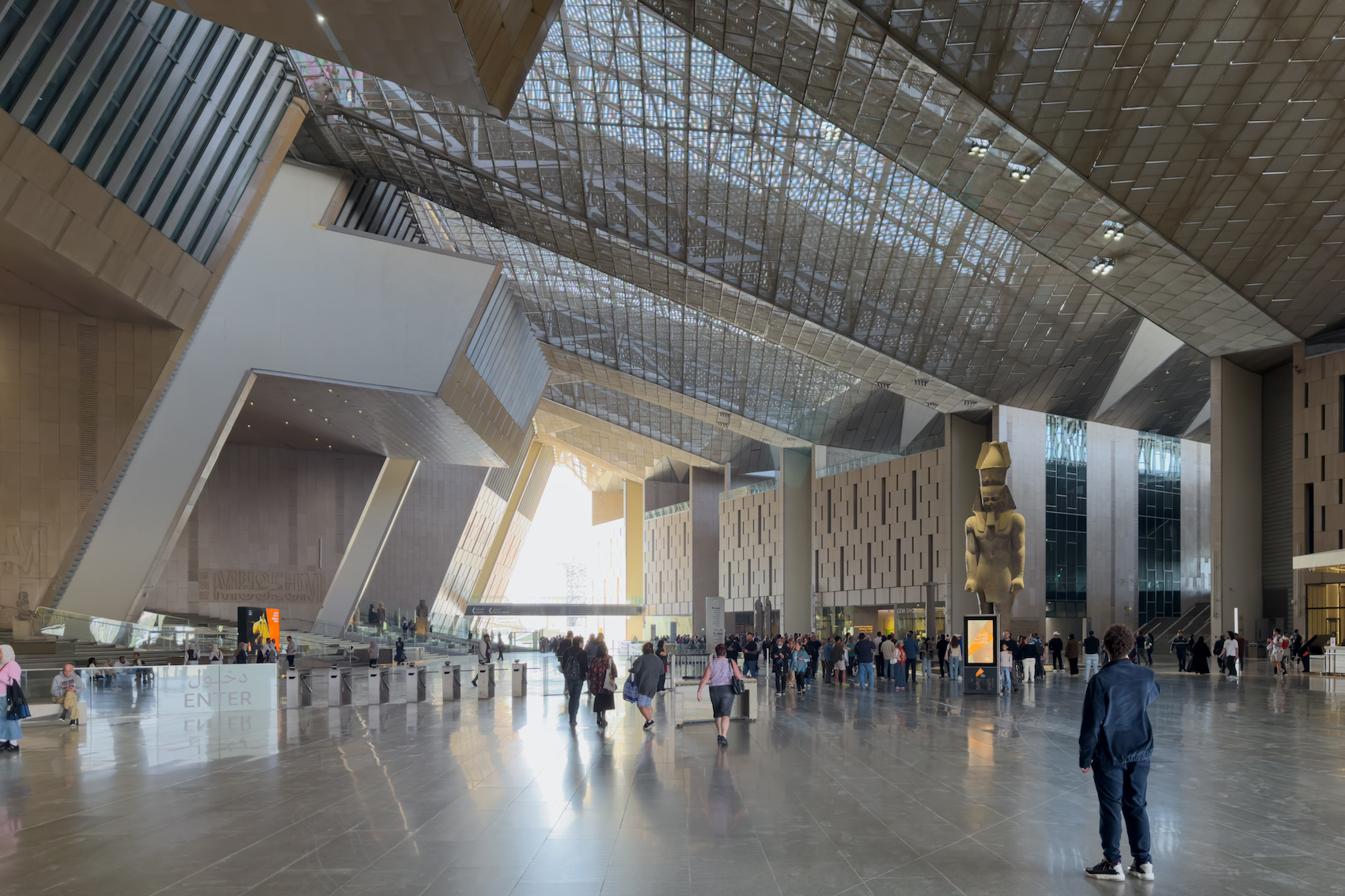
The Grand Egyptian Museum. Iwan Baan ©
Has winning the project influenced the competitions you have entered since and did you particularly enjoy designing for the museum context?
Definitely. Working on a big museum opens up lots of opportunities. We did enjoy designing ‘for the museum’, and thinking about how people experience and move through the site. Another interesting aspect is change: these buildings must accommodate changing exhibition strategies over their lifetime, so there is a balancing of flexibility and specificity.
Working at such an enormous scale forced us to prioritise. As architects we love to control every detail but with the Grand Egyptian Museum we needed to have strategic clarity.
When we were completing the construction documents, we anticipated change but the reality was major political upheaval in Egypt, a global financial meltdown and recession, then the COVID pandemic. So while there have been changes, the overall strategy has been retained.
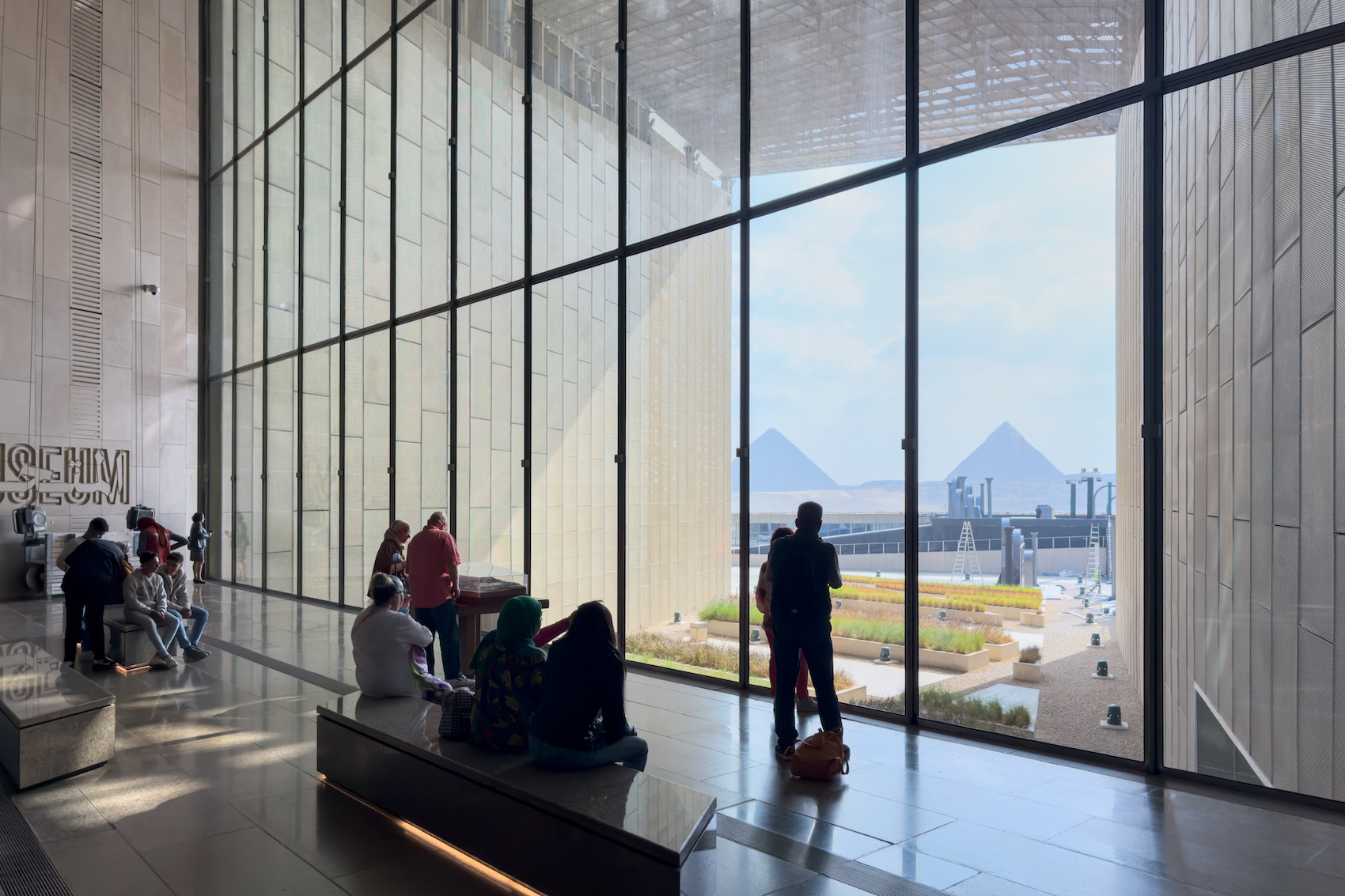
The Grand Egyptian Museum. Iwan Baan ©
How does the finished building compare to those initial proposals? Does it feel like the same space you set out to design in 2003?
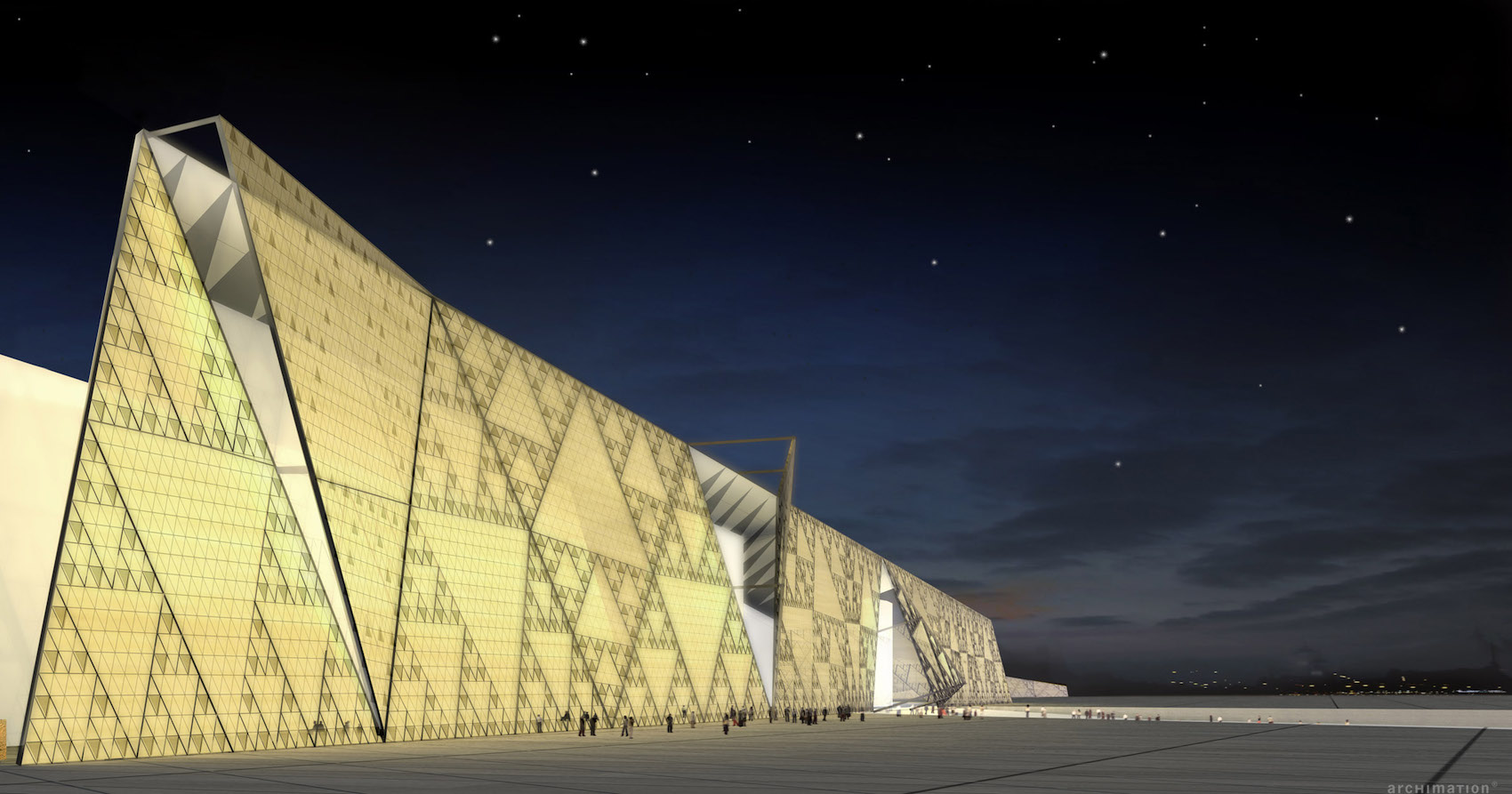
The space feels very similar, as does the structuring of the museum. The differences are in the façade which was redesigned during construction for reasons unknown to us.
What are you working on at the moment and what’s next?
We won the competition in 2003 and finished working on it in 2009. We’ve definitely been considered for museum projects since that we otherwise wouldn’t have.
I think we were also exposed to a whole world of people working in museums so we developed a much better understanding of this sector. Now that it is finally open, more people are talking about it again.
Current projects include a children’ s museum in Waterford, Ireland and the Kaiser Wilhelm Gedaechtnis Kirche in Berlin.