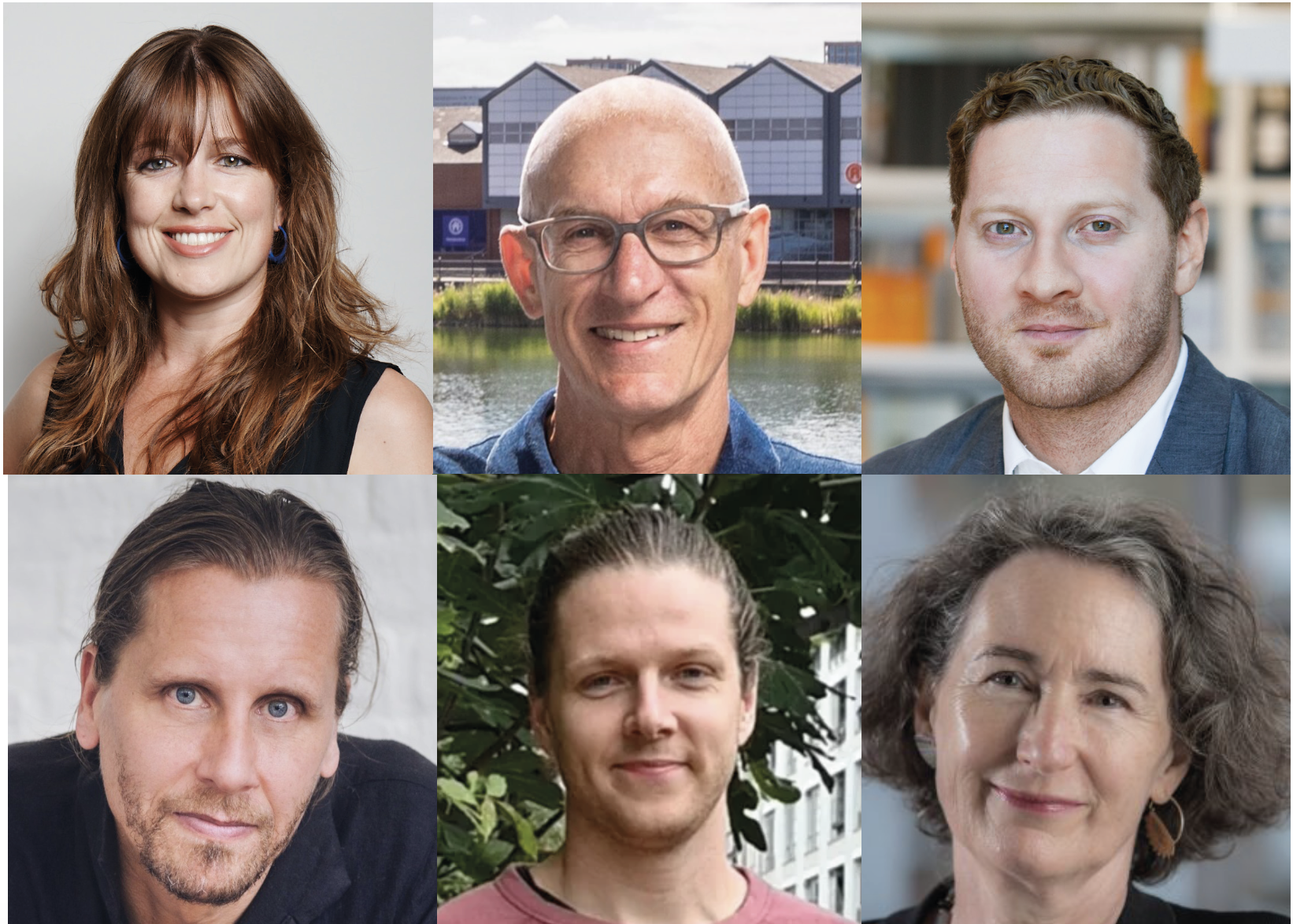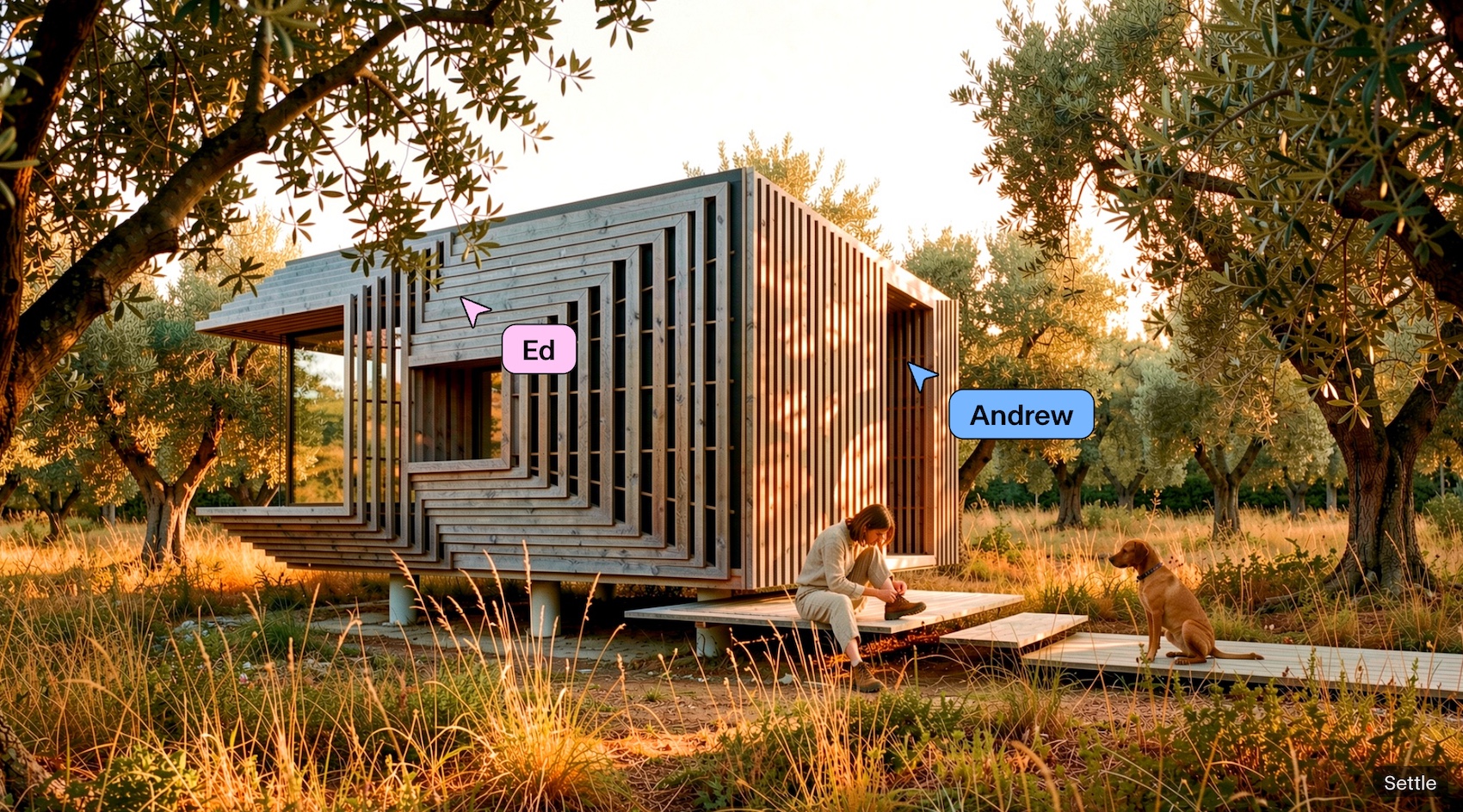
Marion Baeli and Chris Jones of 10 Design on what the UK government could learn from Oman – and from Sheffield – and the challenge of embedding a rigorous approach to sustainability across a global practice.
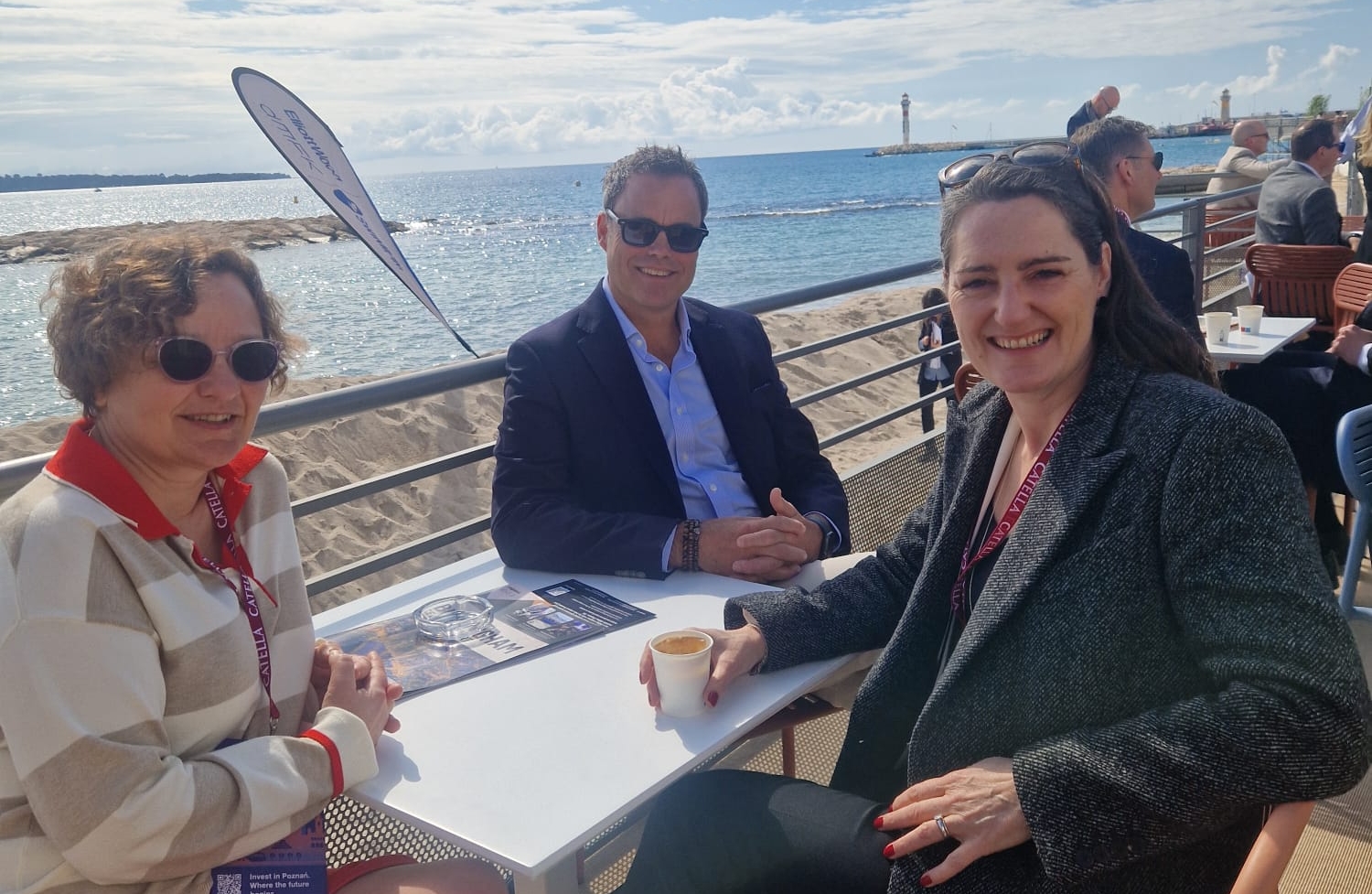
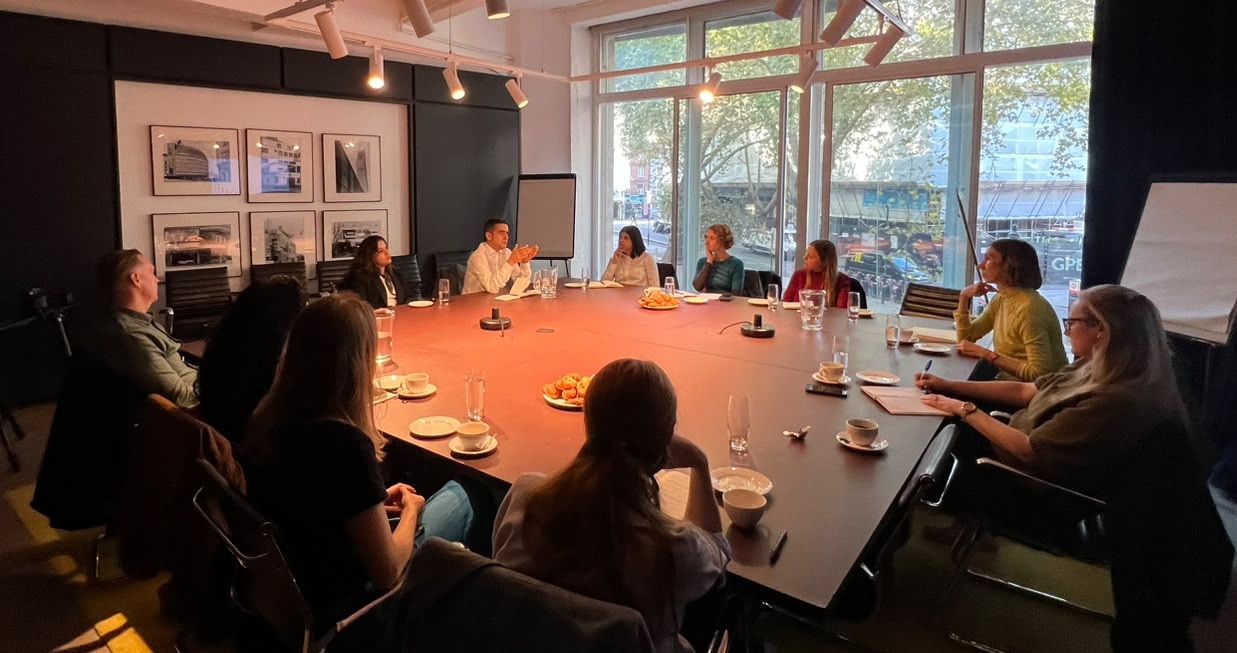
Isabel Allen, Marion Baeli and Chris Jones shoot the breeze on the London Stand Terrace at MIPIM.
What do you get out of coming to MIPIM?
Marion Baeli To consolidate relationships with people that you know. I feel like the conversations we have at MIPIM are very different from the conversations you have in London. They’re a little bit more chilled out, in a way that just doesn’t happen in a meeting room. But also to meet people that you never meet at home, and to establish a personal connection before you talk about business. I think sometimes where you send an email to somebody you’ve never met in person, it’s difficult to make the conversation work. It’s much easier to make a connection if you just chit-chat about something you have in common.
Chris Jones I think it’s the counterpoint of the structured and the impromptu that’s so beneficial. It’s incredibly efficient in terms of the dialogue and tempo and contacts you can engage with, and the informality really accelerates the value of the relationships and conversations. For me, it’s very much about global engagement with different regions. So yes, the UK and Europe, but also continental Europe, and in particular the Middle East which, given the current situation, is incredibly well represented. We’re delighted to be involved with the Oman pavilion.
What’s your involvement with Oman?
Chris Jones We’ve worked with them for the last two years. We’re currently engaged with the Greater Muscat plan, so we’re talking to the Ministry of Housing and Urban Planning about the future of communities and the influence of sustainability and wellness in particular. We’re also talking a lot about destination and hospitality, which is a big sector that they’re driving, with a real emphasis on authenticity.
Can you tell me about the local architectural scene in Oman?
Chris Jones There are local architectural and engineering practices that have operated for decades. We always engage with local firms. I don’t think we’ve ever worked on a project in the Middle East where we haven’t had a local partner. It’s so important in terms of nuance and specificity. While as a visitor we like to think we understand the context, but you can’t really navigate the complexities without a local partner, and I think that’s a really healthy thing. Interestingly, the Ministry is employing a lot of really capable, young architects so they are developing a really skilled and talented client base.
Is that a model the UK could learn from?
Marion Baeli Sheffield has a great in-house architecture team, that is developing, renovating and extending the housing stock, acting both as an architectural practice running their own projects, and also supporting private sector projects with architectural intelligence and acting as the point of liaison between the council and architects and developers working on projects in the area. I was recently invited to talk to them about how to implement sustainability across the council in a structured way.
Is that a reflection of your role across 10 Design?
Marion Baeli That’s part of it. So one of my jobs is about supporting the team, especially with regard to working with existing buildings, and establishing protocols and standards across the whole company. For example, the Hong Kong office has a huge interest in retrofit and adaptive reuse for energy reasons, but also in terms of materiality and circularity, so we are making sure that they are leaders in the reuse of materials. I have a team of four people working on that aspect of the business, and a lot of it is already up and running, so I can delegate to them.The rest of the time I’m focused on the London office, and really increasing the portion of work we’re doing on existing buildings.
Chris Jones It’s an important optic. The office has 25 years of UK and London expertise, but the London office itself is only two years old. Strategic hires like Marion and also Ewan Jones and our new CEO Sabrina Klor are part of our strategy of making a pivot from having our headquarters in Hong Kong to establishing our London office. Marion has been very important in terms of bringing an academic and educational focus on sustainable transformation and retrofit which we’re using in London and UK, but also exporting to other regions. Selling that expertise globally is a key focus, but also upskilling our existing talent by being rigorous in how we think about sustainability and embed it in our projects.