Steve Johnson, FR Product Manager at James Latham, speaks to Architecture Today’s John Ramshaw about the company’s extensive fire-retardant panel range, exploring performance, compliance and specification best practice.
In association with
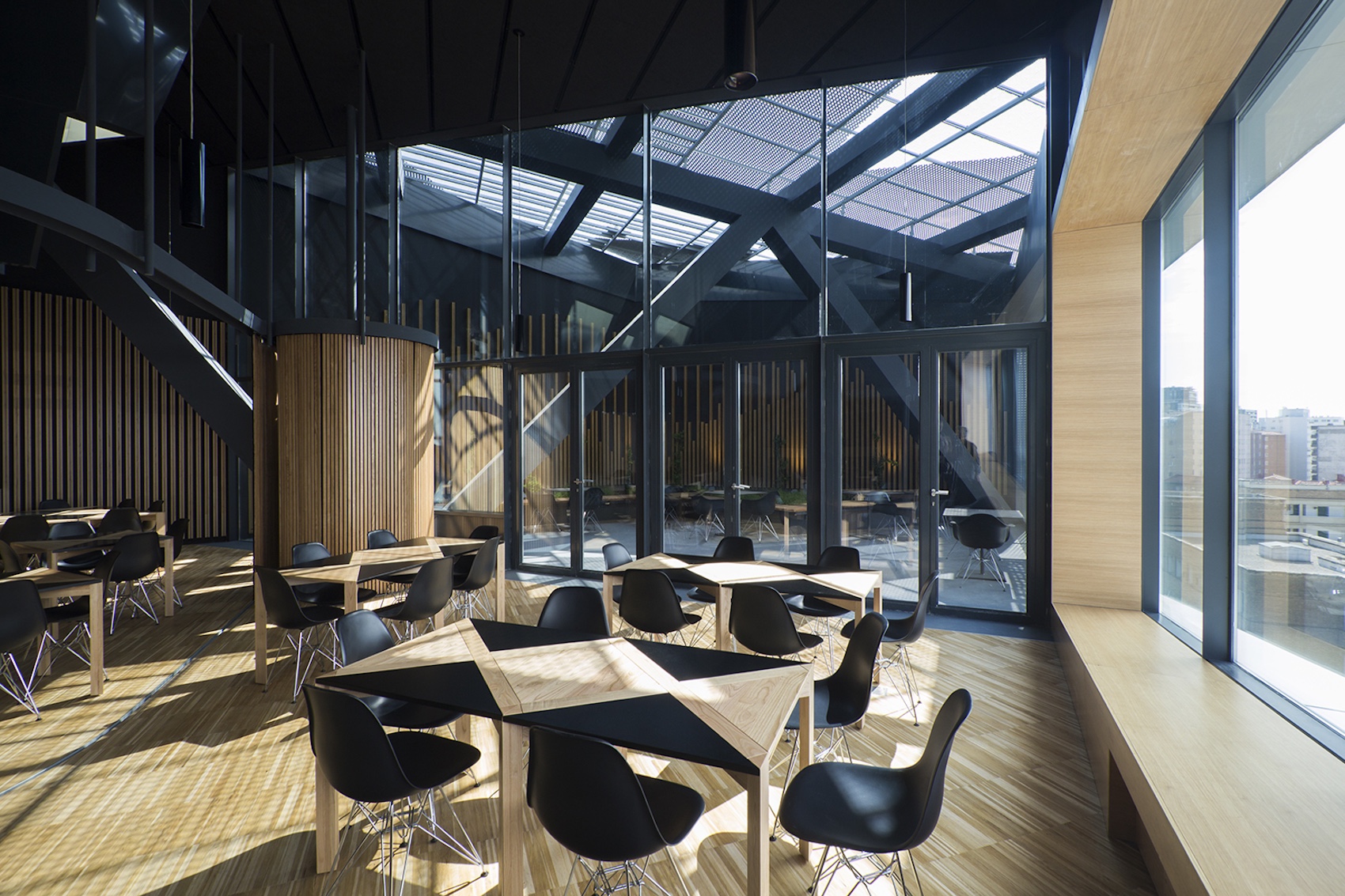
Furniture and interior panelling in flame retardant Poplar Plywood (photo: Garnica).
Fire-retardant panel products form a key component on many projects, particularly across the commercial, education, healthcare and hospitality sectors. But not all fire-retardant panels are the same. Different manufacturing methods, and treatment processes can result in significant variations in performance, weight, durability, appearance and, crucially, suitability for particular applications.
James Latham’s comprehensive fire-retardant panel portfolio includes fire-retardant MDF and chipboard, WISA Spruce FR plywood, Garnica Fireshield Building Poplar plywood, and fire-retardant laminates, with each product designed to meet specific technical and regulatory requirements. Steve Johnson, FR Product Manager at James Latham, in conversation with Architecture Today’s Technical Editor John Ramshaw, explains how these products work, where they are best used, and how architects can specify them with confidence.
What is a fire-retardant panel, and how does it differ from a standard plywood, MDF, chipboard or laminate product?
At their core, fire-retardant panels are engineered wood-based products that have been modified to slow the spread and development of fire. Whether the substrate is plywood, MDF, chipboard or OSB, the principle is broadly the same: fire-retardant chemicals are incorporated throughout the panel.
One of the most important distinctions architects need to understand is the difference between reaction to fire and fire resistance. A fire-retardant panel is designed to reduce flame spread and limit a material’s contribution to a fire. It does not mean the panel is inherently fire-resistant for a defined period, as expressed with fire doors or plasterboard which are rated 30min, 60min, 90min etc. Fire resistance is achieved through a tested construction or system, not through a panel in isolation.
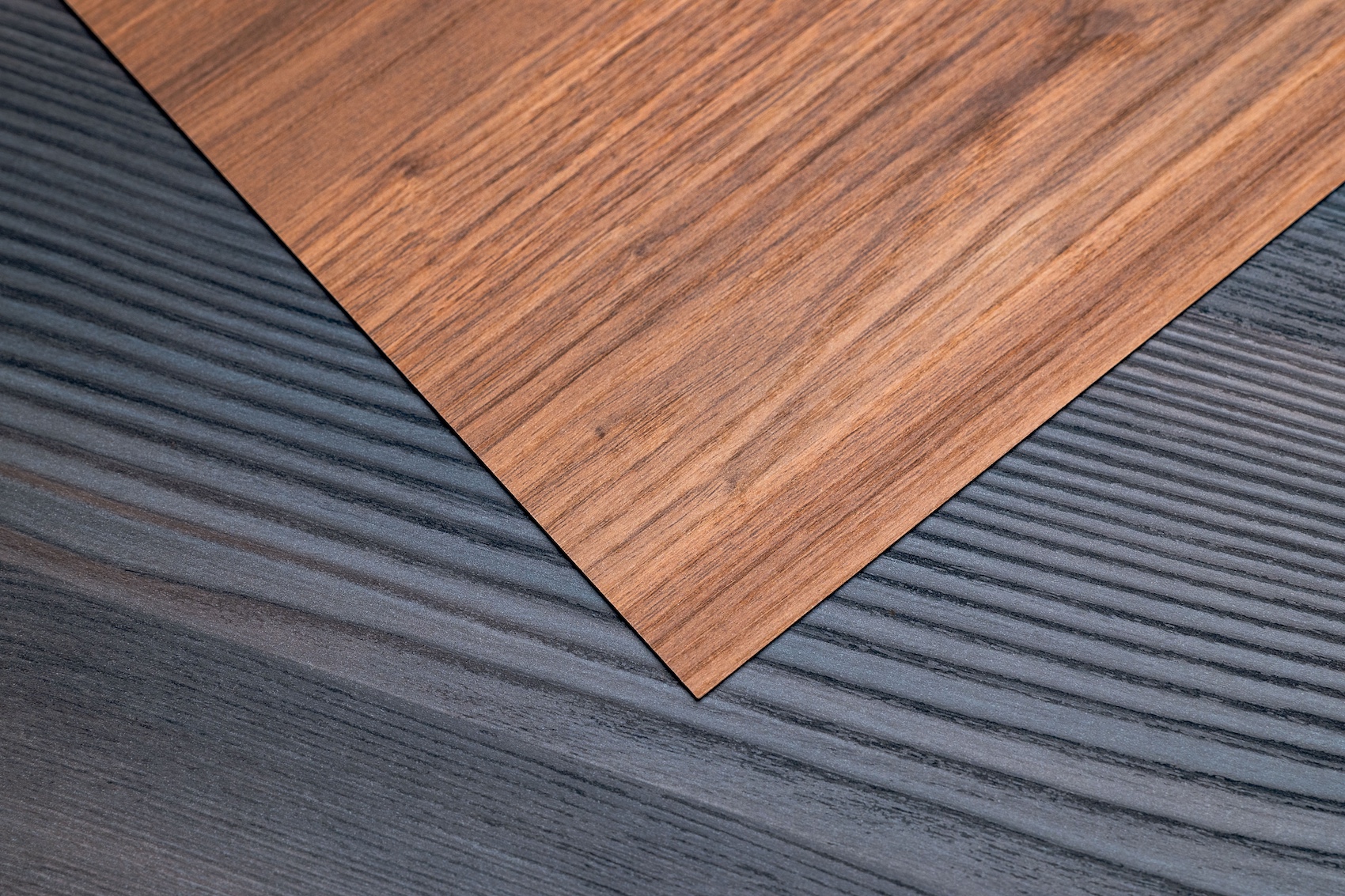
Merino FR+ laminates come flame retardant as standard (photo: James Latham).
What fire classifications and standards apply to these products?
BS EN 13501-1 is the European standard used across the UK and EU to classify the ‘reaction to fire’ performance of construction products and building materials. This has replaced the older BS 476 classification system. While many people still refer to Class 0 or Class 1 ratings – as per BS 476 – modern specifications should rely on the harmonised European classification system. The main classification scale runs from A to F. Class A materials are non-combustible, while Classes B, C and below indicate progressively higher levels of combustibility. For timber-based products, achieving a Class B rating is generally regarded as a very high level of performance.
However, architects should look beyond the headline letter classification. Under EN 13501, classifications are accompanied by additional ratings that relate to smoke production (s1-s3) and flaming droplets (d0-d2). These supplementary classifications are just as important as the primary rating because a product that limits flame spread but produces excessive smoke can still create a significant life-safety risk. James Lathams’ Garnica Fireshield, for example, is rated B-s1,d0, denoting a low contribution to fire development and spread, with little or no smoke during the test, and no flaming droplets or particles.
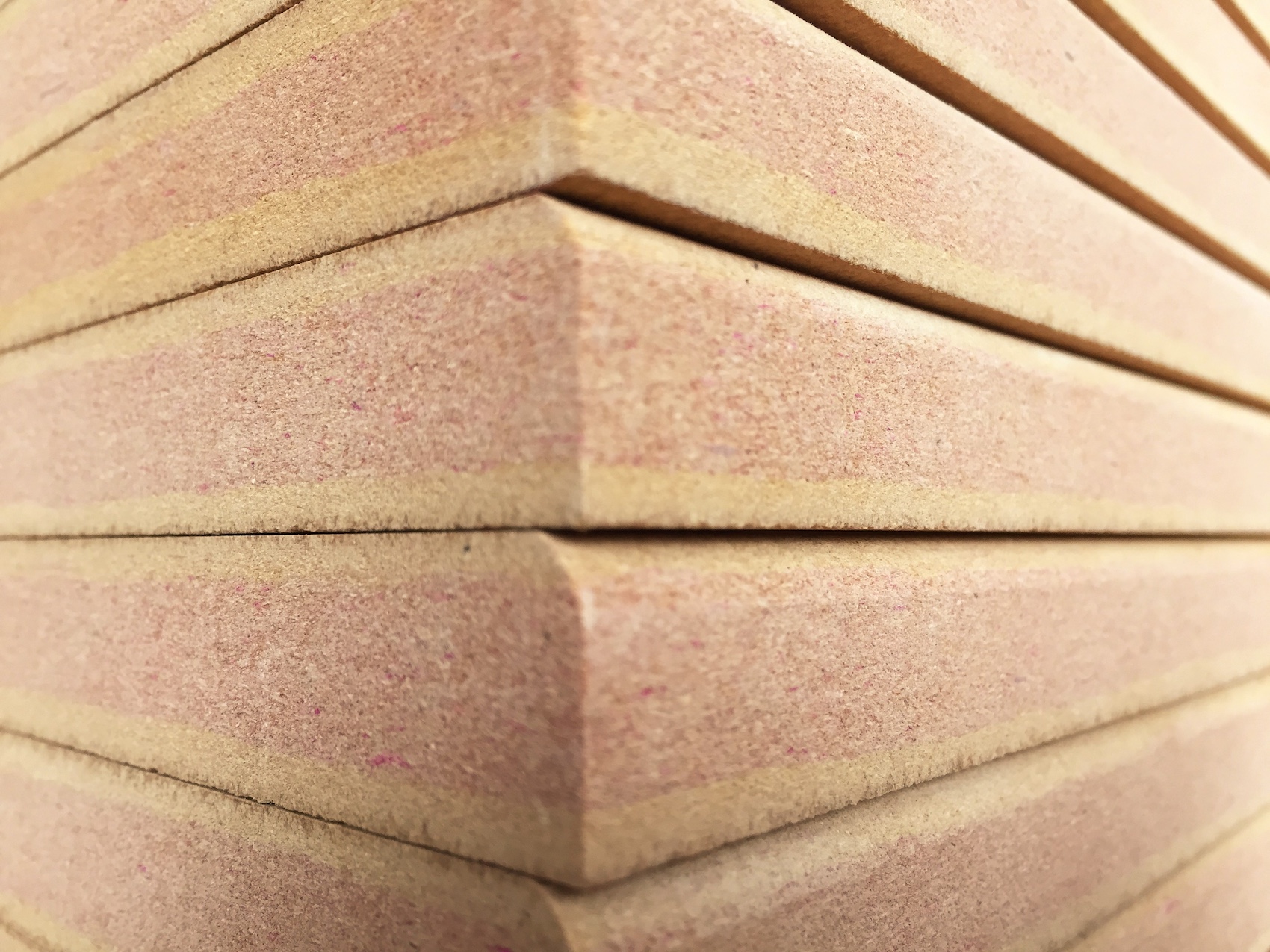
MEDITE FR MDF showing red core (photo: MEDITE).
How do fire-retardant panels achieve their performance?
The key objective is to ensure the fire-retardant treatment extends throughout the entire panel rather than remaining on the surface. In plywood, this is often achieved by treating the individual veneers under pressure, ensuring the chemicals penetrate deeply into the timber before the board is assembled. In MDF and chipboard, the fire-retardant additives are introduced into the resin system used during manufacture, meaning the fibres or particles are bonded together with fire-retardant properties built into the panel itself. This distinction is important because panels are frequently cut, machined or drilled during fabrication. If the fire-retardant properties only exist as a surface treatment, those properties can be compromised once the panel is processed.
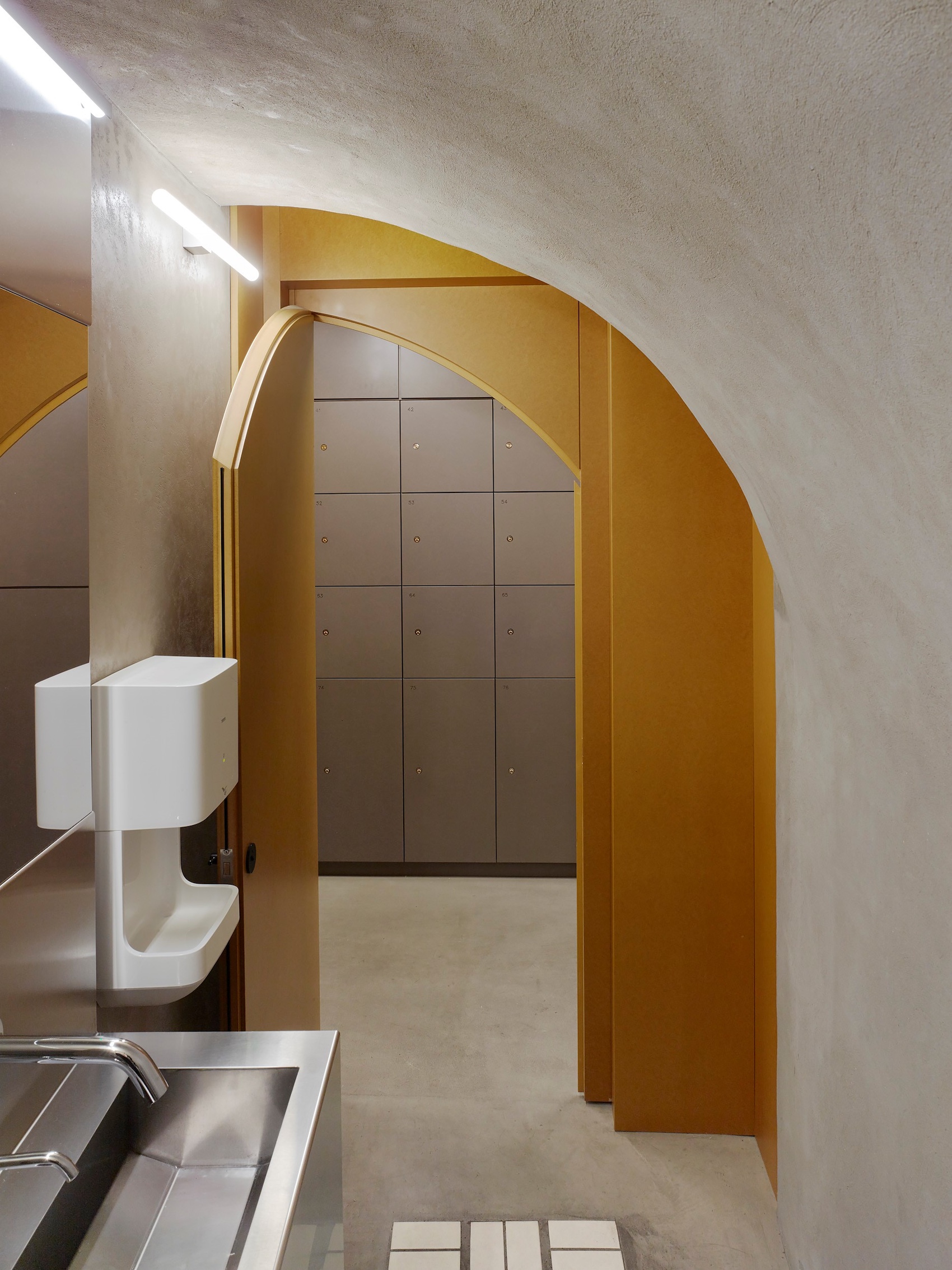
Yellow Valchromat facings on fire door (photo: Roz Barr).
James Latham supplies a number of fire-retardant panel products. Could you provide an overview of the range?
Our range spans structural and non-structural applications and includes plywood, OSB, MDF, chipboard, laminates and specialist decorative surfaces. Within plywood, we offer products such as WISA SpruceFR, Garnica Fireshield Building Poplar plywood, FR birch plywood and Paged DryGuard FR. We also supply fire-retardant OSB products, including Egger OSB and SmartPly MAX FR, each with specific performance characteristics and intended applications.
For interior fit-out and joinery, we offer a range of fire-retardant MDF and chipboard products, including Medite Premier FR and Finsa FR MDF. These are available as plain boards, but the finish is also available with a decorative melamine-faced surface. At the decorative end of the spectrum, we can offer coloured MDF, Valchromat in FR, as well as fire-retardant laminates such as Merino and specialist materials, such as Kydex, which was originally developed for the aviation sector and combines exceptional durability with fire performance.
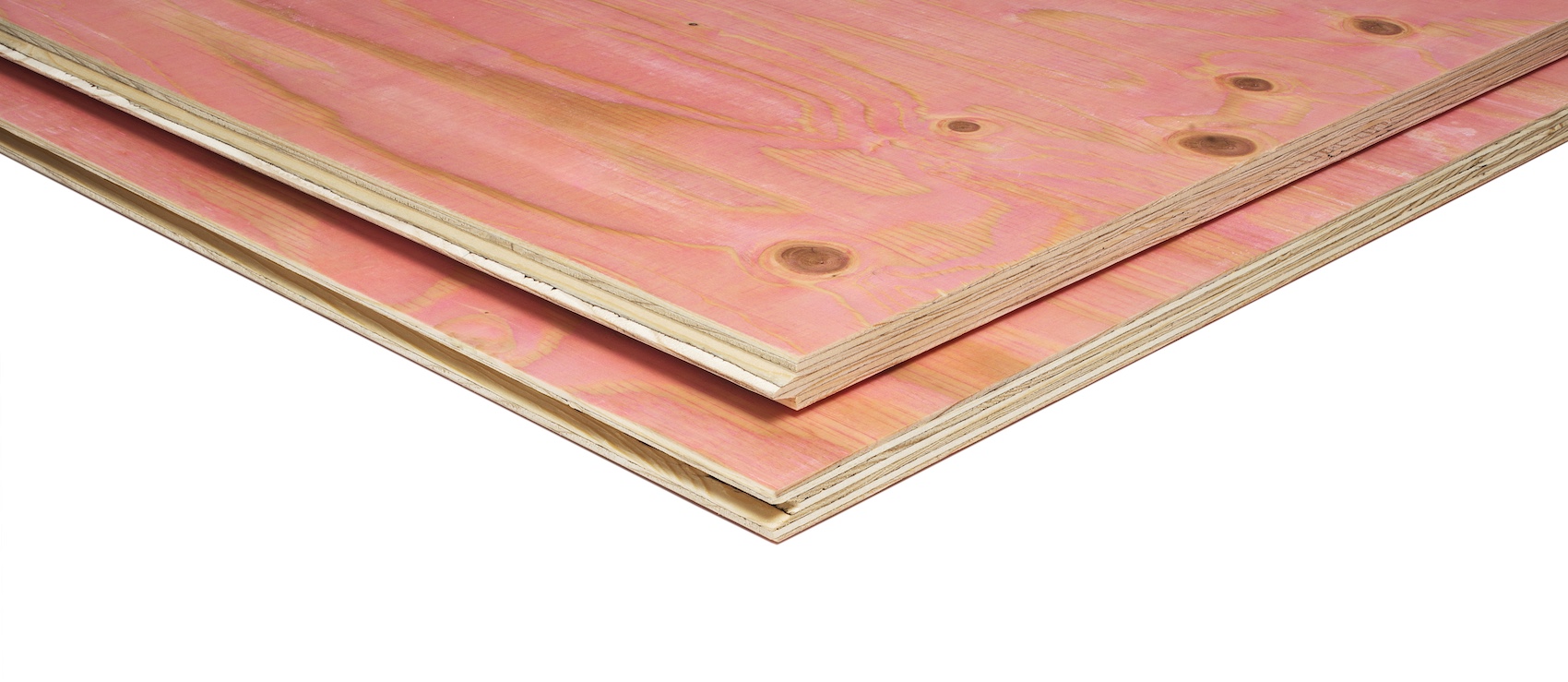
WISA SpruceFR plywood with T&G joint (photo: WISA).
Can you tell us more about WISA SpruceFR plywood?
WISA SpruceFR is a structural spruce plywood that combines good load-bearing capability with fire performance. The fire retardant treatment significantly improves the fire resistance properties of the product without compromising the plywood panel’s excellent technical performance. One of its key advantages is that it carries test evidence for both wall and floor applications, provided the relevant installation requirements are met.
What distinguishes Garnica Fireshield Building Poplar plywood from other fire-retardant plywoods?
The most obvious difference is weight. Poplar plywood is significantly lighter than many alternative plywood products, making it easier to handle, transport and install. Fireshield also benefits from an exceptionally broad scope of certification and testing, mainly due to the treatment process which means that every veneer in the board is impregnated with the chemicals required to make this an FR board in various different sectors such as construction, marine and rail.
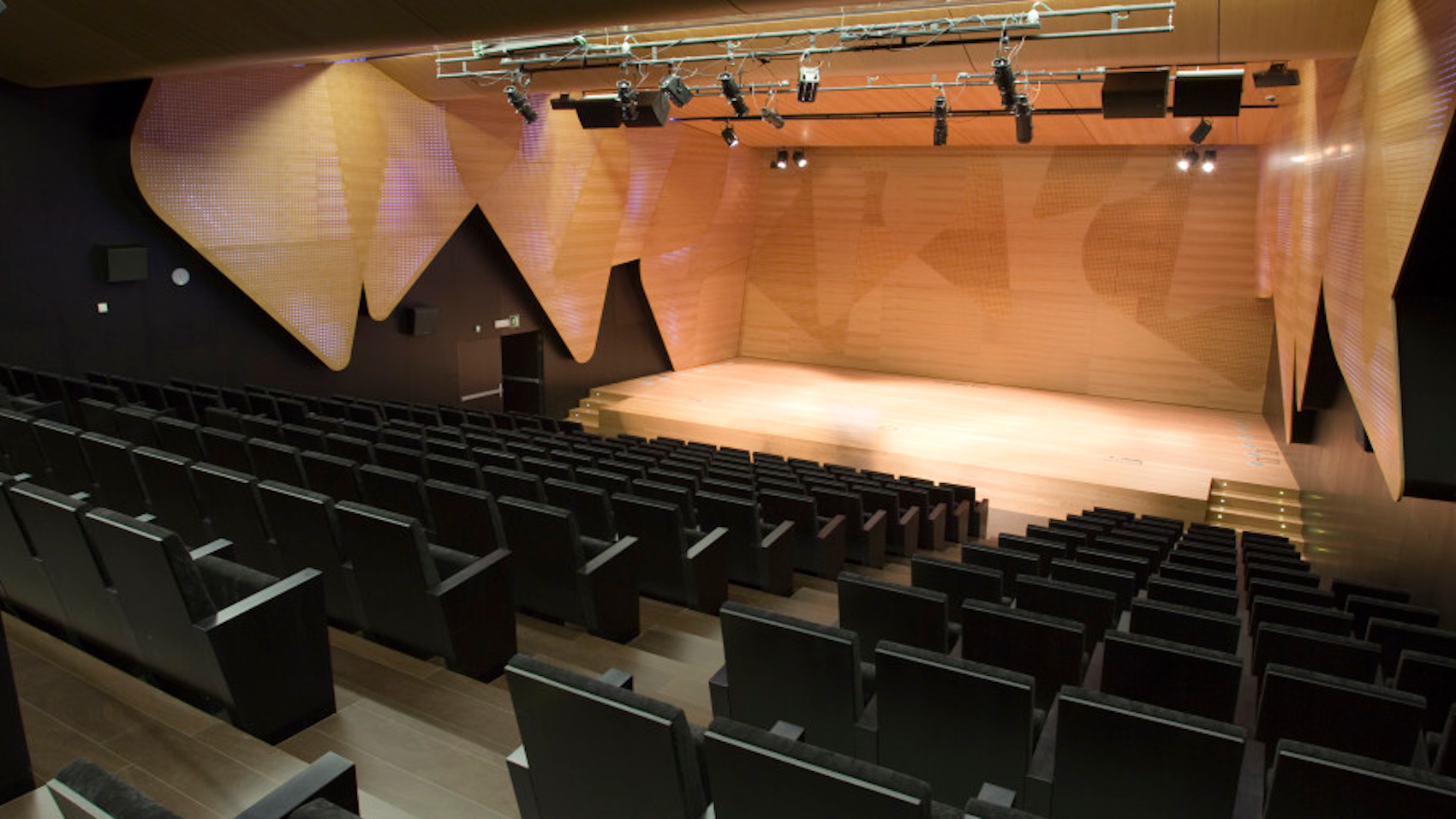
Auditorium acoustic panels in Garnica Fireshield (photo: Garnica).
How do fire-retardant MDF and fire-retardant chipboard differ?
The choice often comes down to surface quality, appearance and cost. Fire-retardant MDF offers a very smooth, uniform surface that is well suited to painting and high-quality decorative finishes. Fire-retardant chipboard tends to be more economical and is frequently used where the board will be covered with laminate, melamine or another decorative surface. In both cases, the fire performance can be comparable, so the specification decision is often driven by the intended appearance, fabrication method and budget, rather than by fire performance alone.
What role do fire-retardant laminates play within a compliant specification, and what should architects consider when combining decorative surfaces with fire-retardant substrates?
Fire-retardant laminates allow architects to combine aesthetic freedom with enhanced fire performance, but the entire assembly needs to be considered as a system. Specifiers often focus on the laminate and substrate while overlooking the adhesive used to bond them together. This can be a critical mistake. If an inappropriate adhesive is specified, or the tested adhesive not used, it may soften, melt or fail under heat, compromising the performance of the entire assembly.

KYDEX laminate is flame retardant, flexible, formable and available in a range of different colours (photo: James Latham).
Are there any common specification mistakes architects should avoid when working with fire-retardant panels?
One of the most common mistakes is assuming that a fire-retardant board automatically provides a specific period of fire resistance. There is no such thing as a ‘60-minute board’ or a ‘90-minute board’ in isolation. Fire resistance is achieved through a tested construction system that may include framing, insulation, linings, fixings and other components working together. Another frequent error is failing to consider the field of application associated with the test evidence for applicable boards. A panel tested within one specific construction may not automatically achieve the same performance when installed within a different system.
Penetrations are another major issue. Introducing pipes, ducts, cables or openings into a tested assembly can fundamentally change its fire performance. Similarly, architects should pay close attention to joints between panels, ensuring that the specified detailing reflects the tested construction.
Finally, care should be taken when modifying, coating or decorating fire-retardant products. Altering a tested assembly without understanding the implications can compromise the performance originally achieved by the manufacturer.
What technical support does James Latham provide to architects looking to specify fire-retardant panels?
Fire-retardant products must be factory produced to guarantee consistency of FR performance, that's why CE/UKCA marking under factory production control system 1 is essential. It is also why we place a strong emphasis on compliance documentation and technical guidance. For every fire-retardant product we supply, we maintain the relevant Declaration of performance, FR test evidence, certification and field-of-application information. This allows architects and specifiers to review the supporting documentation before making specification decisions. Our compliance team carries out rigorous due diligence when assessing products and manufacturers, ensuring that any claims made are supported by appropriate evidence. We also continually review and update our documentation to reflect changes in standards and certification requirements.
Contact Details
To find out more about James Latham's fire-retardant panel range range, please email or visit the website.