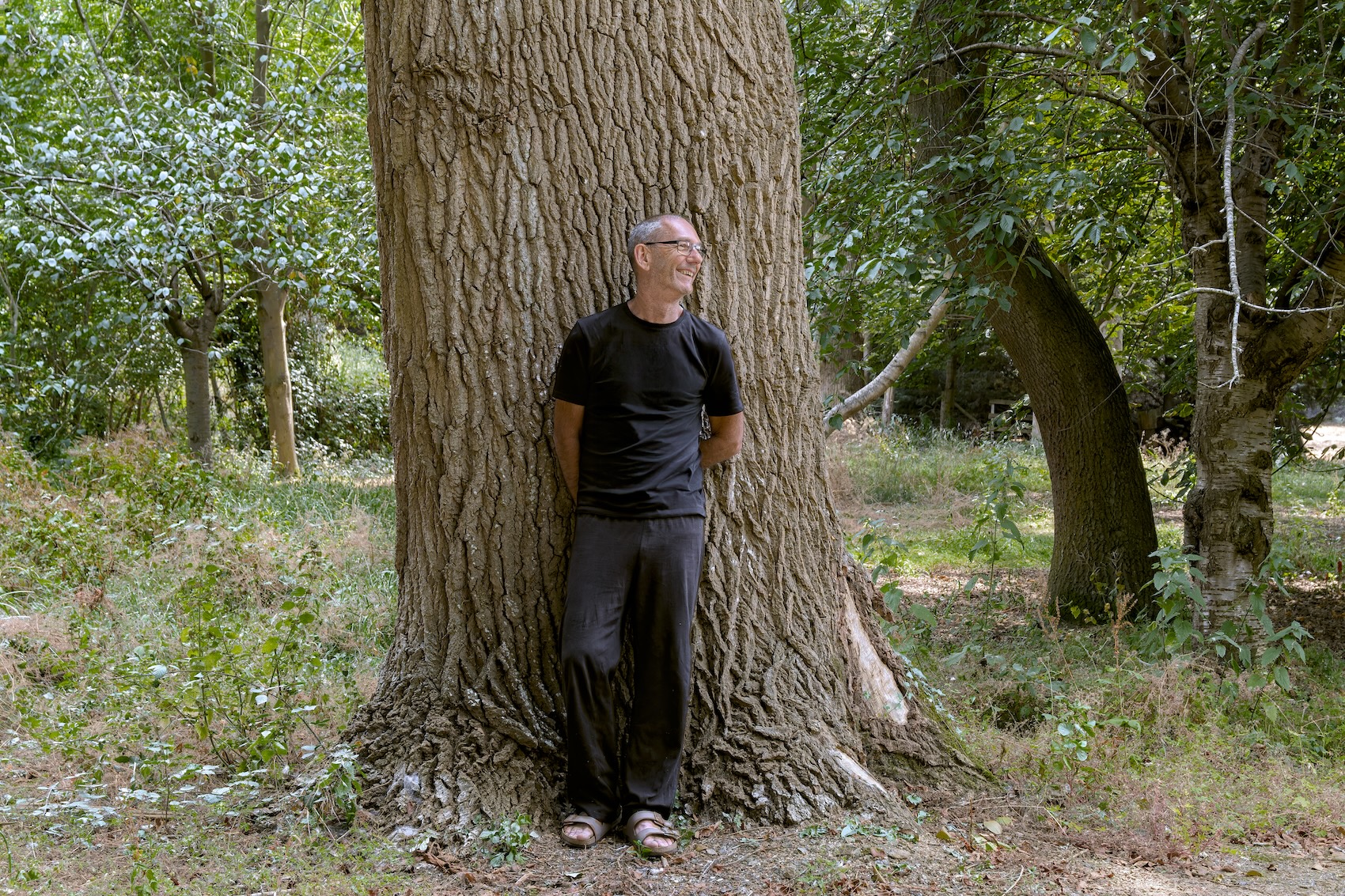
Francesco Pierazzi Architects has transformed an ageing extension to a Victorian house in Kingston upon Thames into a light-filled, low-energy family home. Drawing on the area’s industrial heritage, the project combines a distinctive sawtooth roof profile with deep retrofit measures to create a playful yet highly sustainable domestic environment.
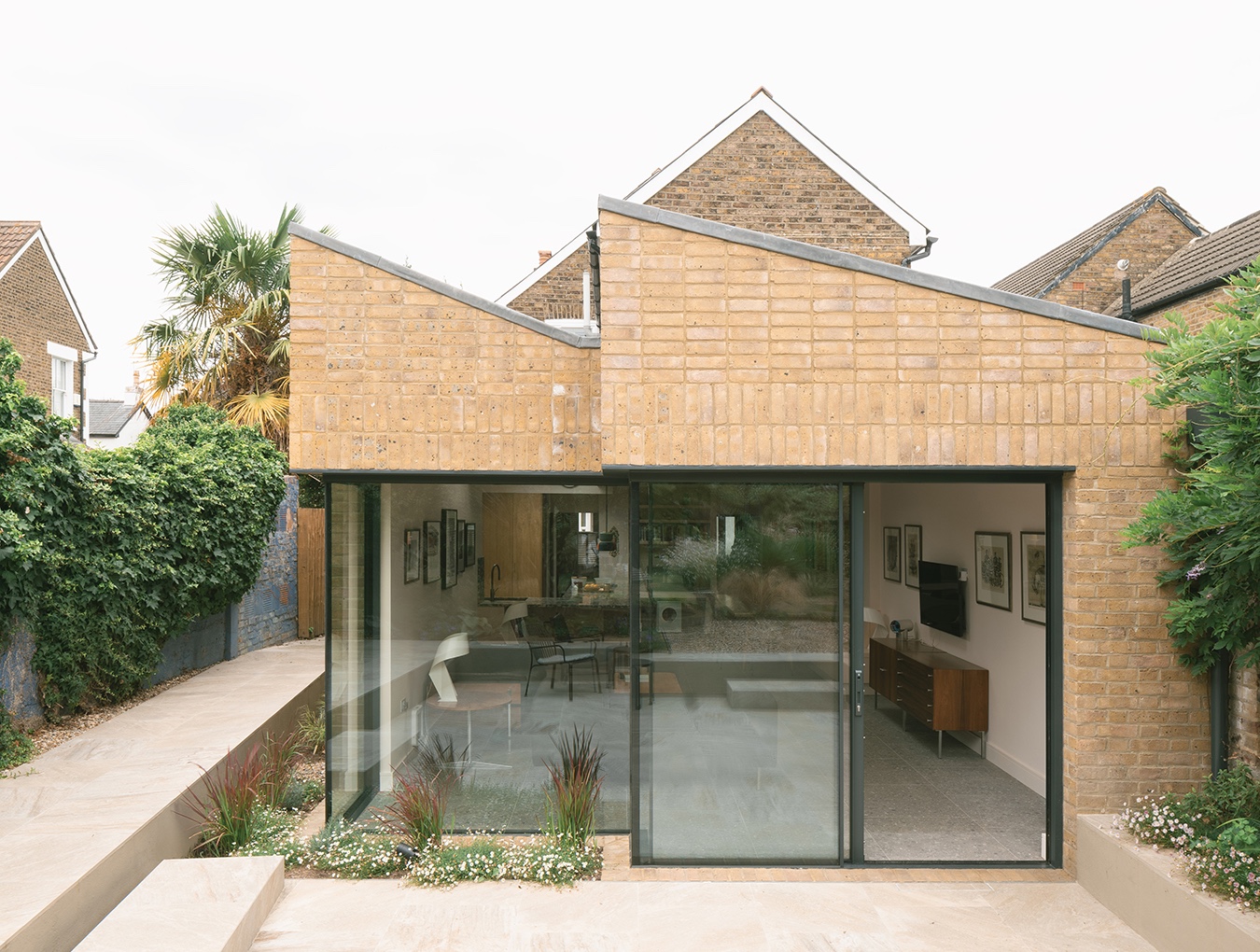
Francesco Pierazzi Architects has completed the renovation and extension of a Victorian house in Kingston upon Thames, replacing a dated rear addition with a contemporary intervention that responds to both the site’s history and the clients’ environmental ambitions. Hidden from the street behind the original house, the project reworks 125 square metres of existing accommodation and introduces a modest 15-square-metre extension, increasing the home’s overall area to 180 square metres.
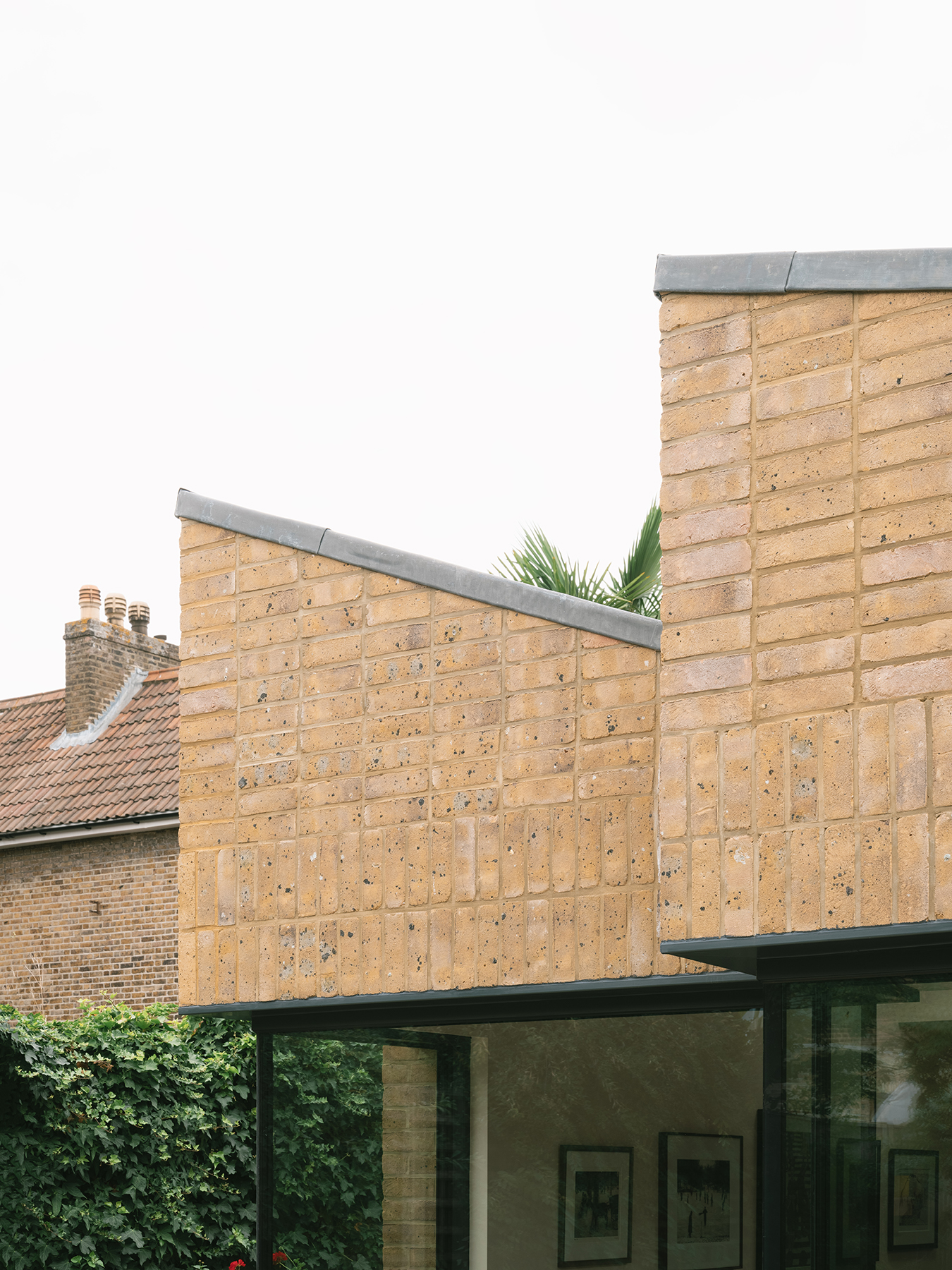
The design takes its cue from Kingston’s industrial past. The distinctive sawtooth roof profile references the town’s former manufacturing buildings, including Middle Mill, once occupied by The Patent Cocoa Fibre Company, which processed coconut fibre imported through the Thames. Rather than replicating historic forms, the architects reinterpret their rhythm and silhouette within a domestic setting, creating a contemporary addition that sits comfortably alongside the Victorian fabric.
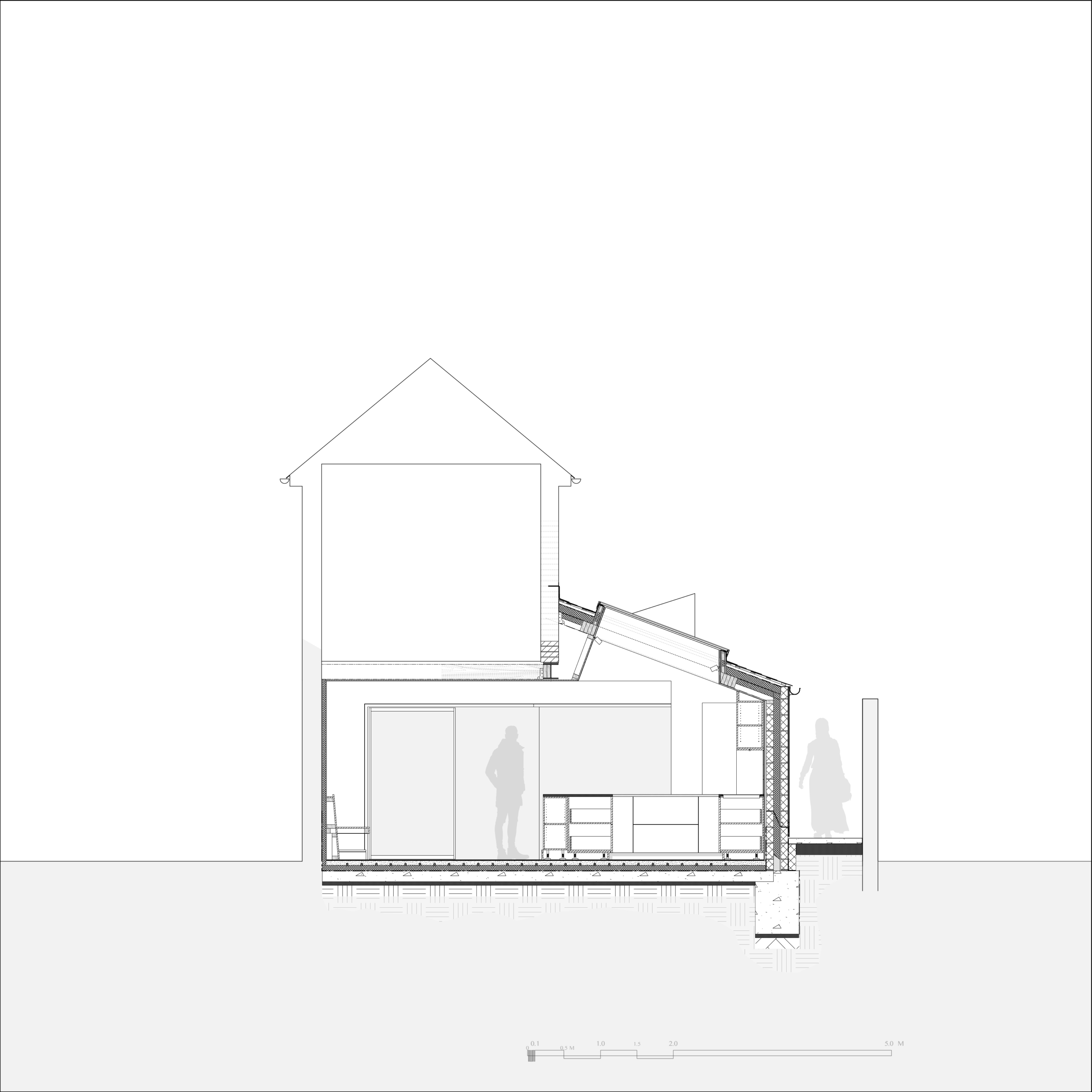
Kitchen section.
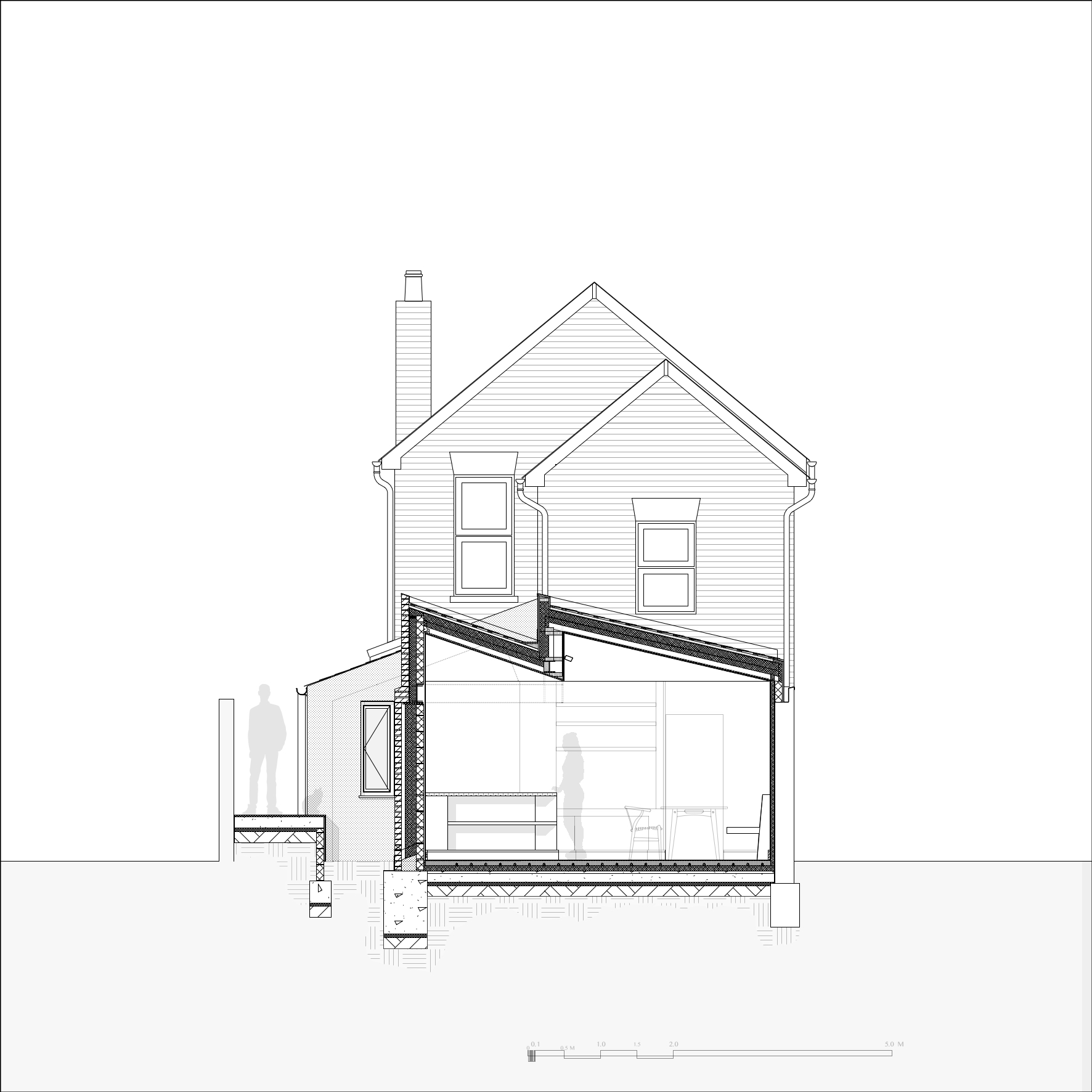
Section of the rear of the house.
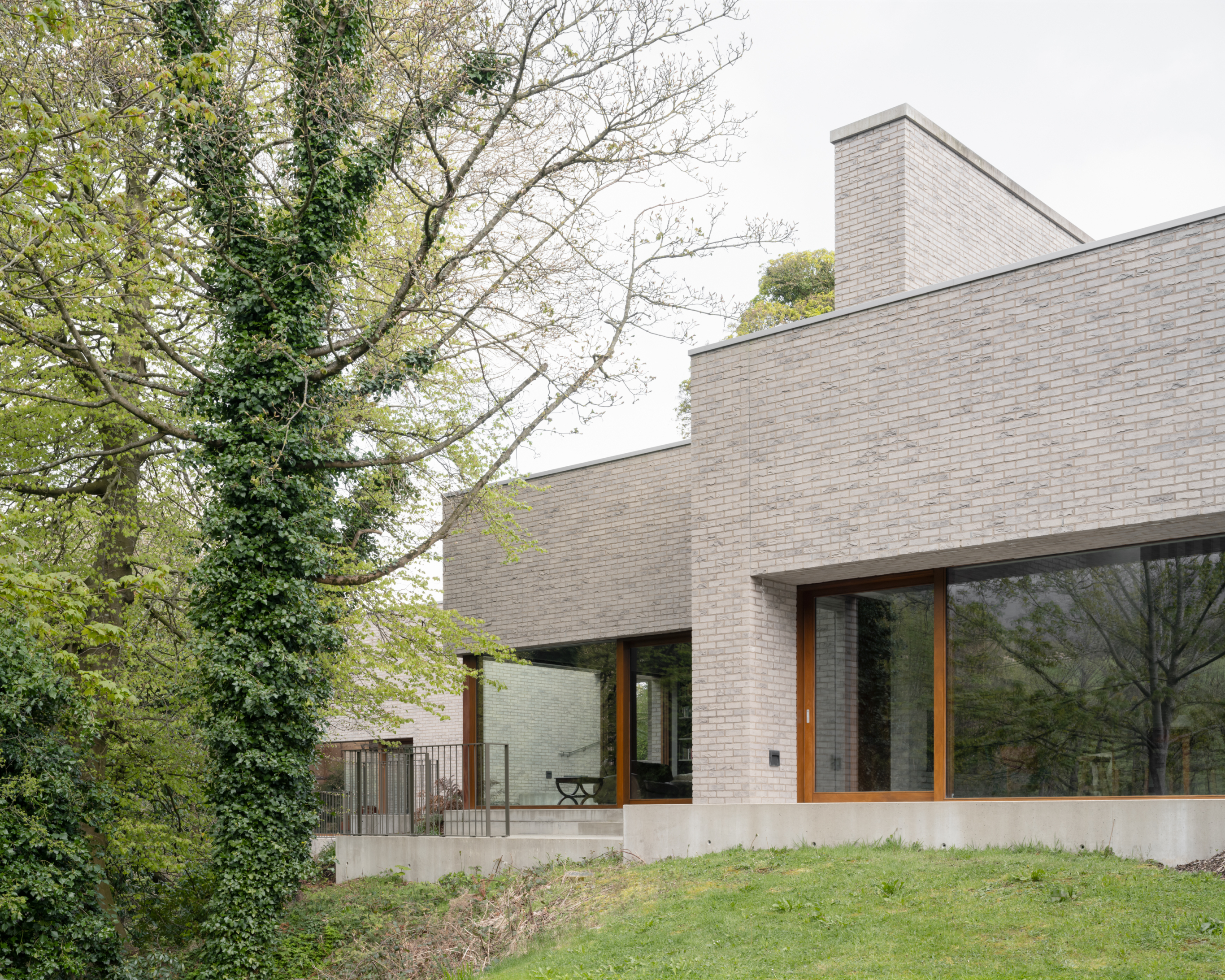
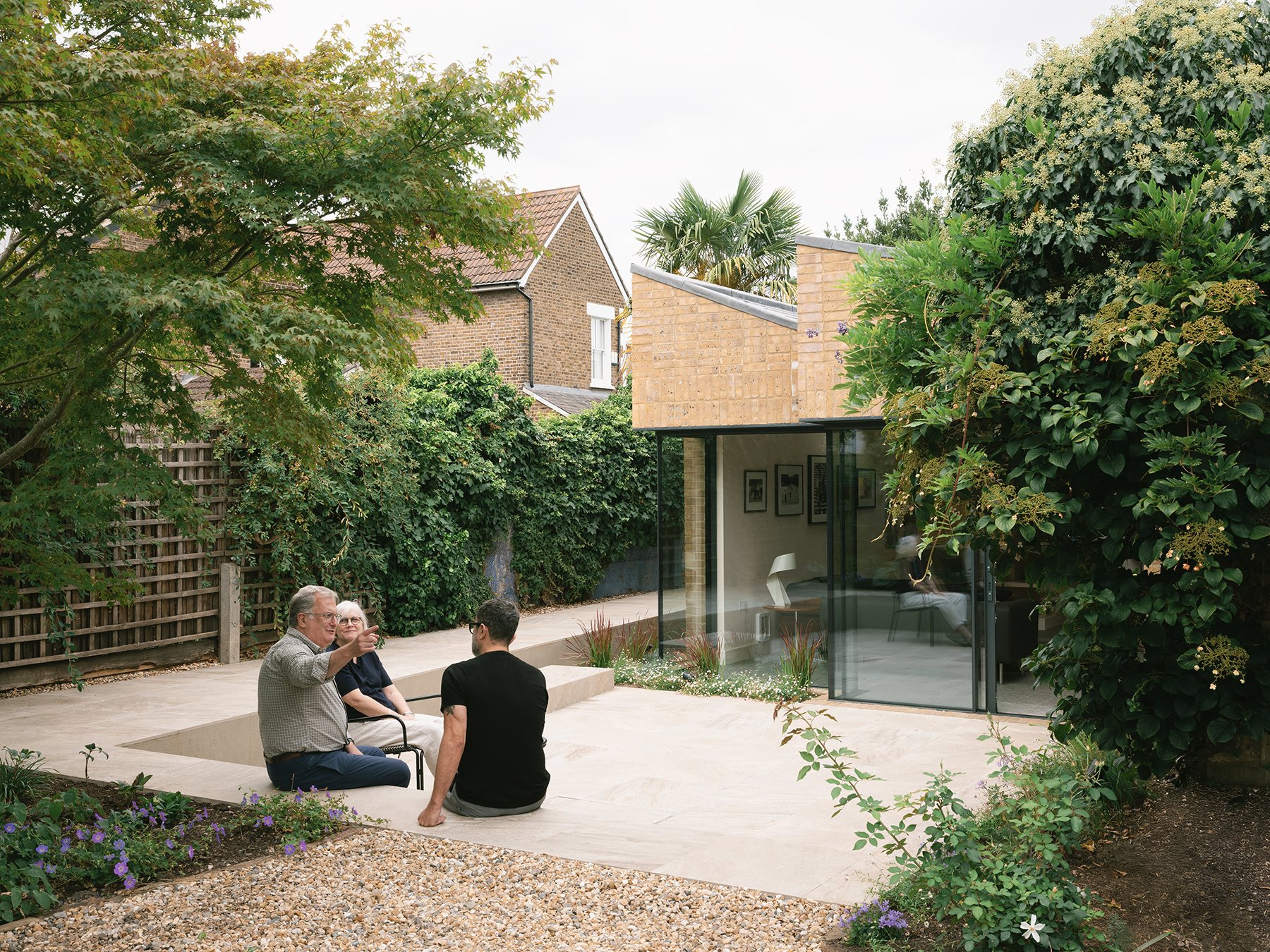
Constructed in brick, the extension uses varied bonds and subtle changes in texture to reinforce the connection to local industrial architecture. From the garden, the composition reads as a series of compact brick volumes gathered beneath the double-sawtooth roof. The approach gives the project a strong identity while maintaining a sense of permanence and continuity with the existing house.
The scheme emerged from the clients’ desire to replace an extension they had lived with for decades. No longer fit for purpose, it struggled to meet the practical requirements of modern family life and performed poorly environmentally. Richard and Liz challenged the design team to create a home that would align with their values while offering generous, adaptable living spaces. Sustainability was treated not as an add-on but as a fundamental driver of every design decision.
This ambition was tested during the planning process. Initial proposals were resisted by the local authority, which favoured a more conventional solution. Following refusals under Permitted Development, the project ultimately secured consent through a successful planning appeal, allowing the architects to realise the double-sawtooth form as originally conceived.
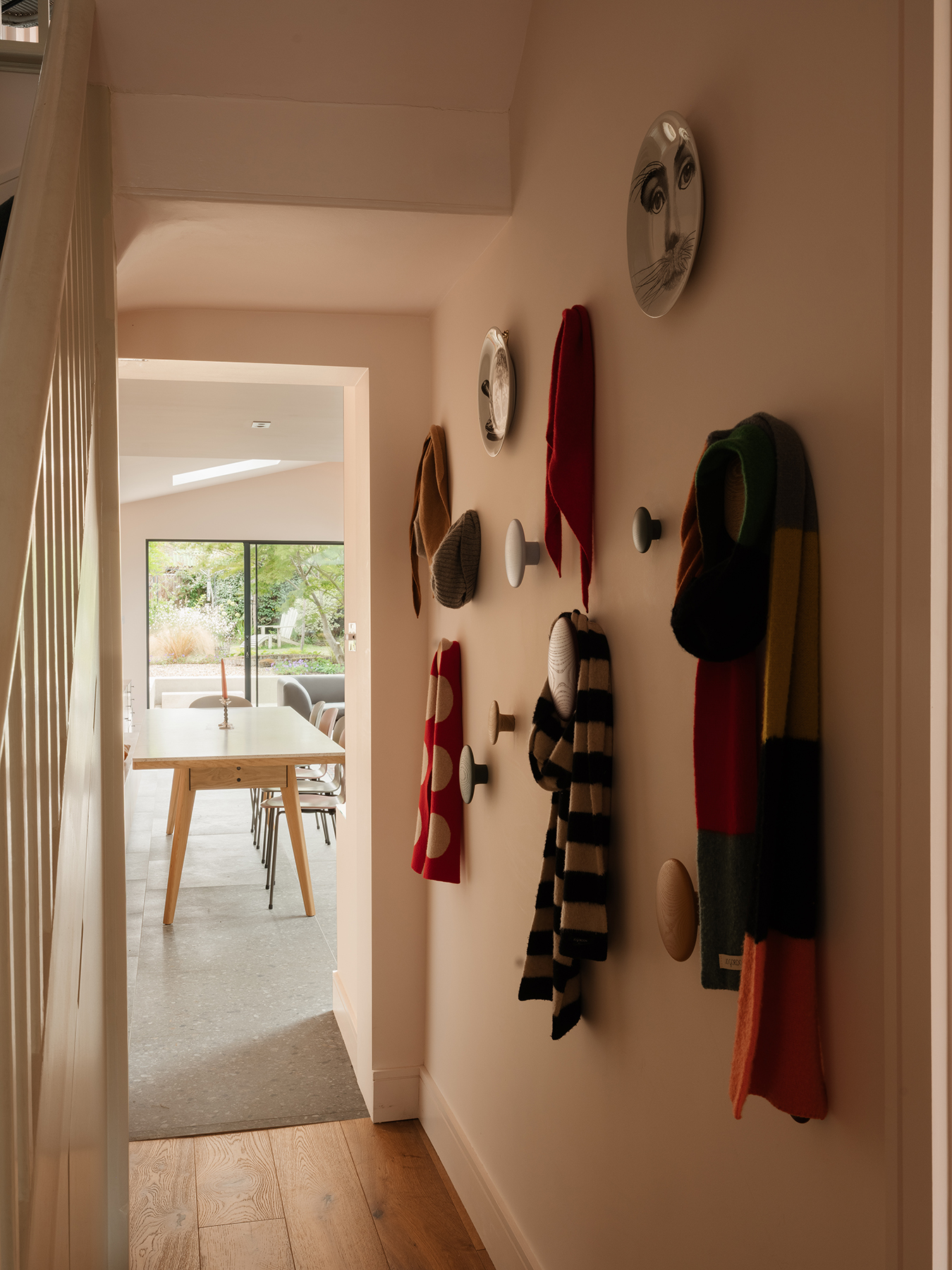
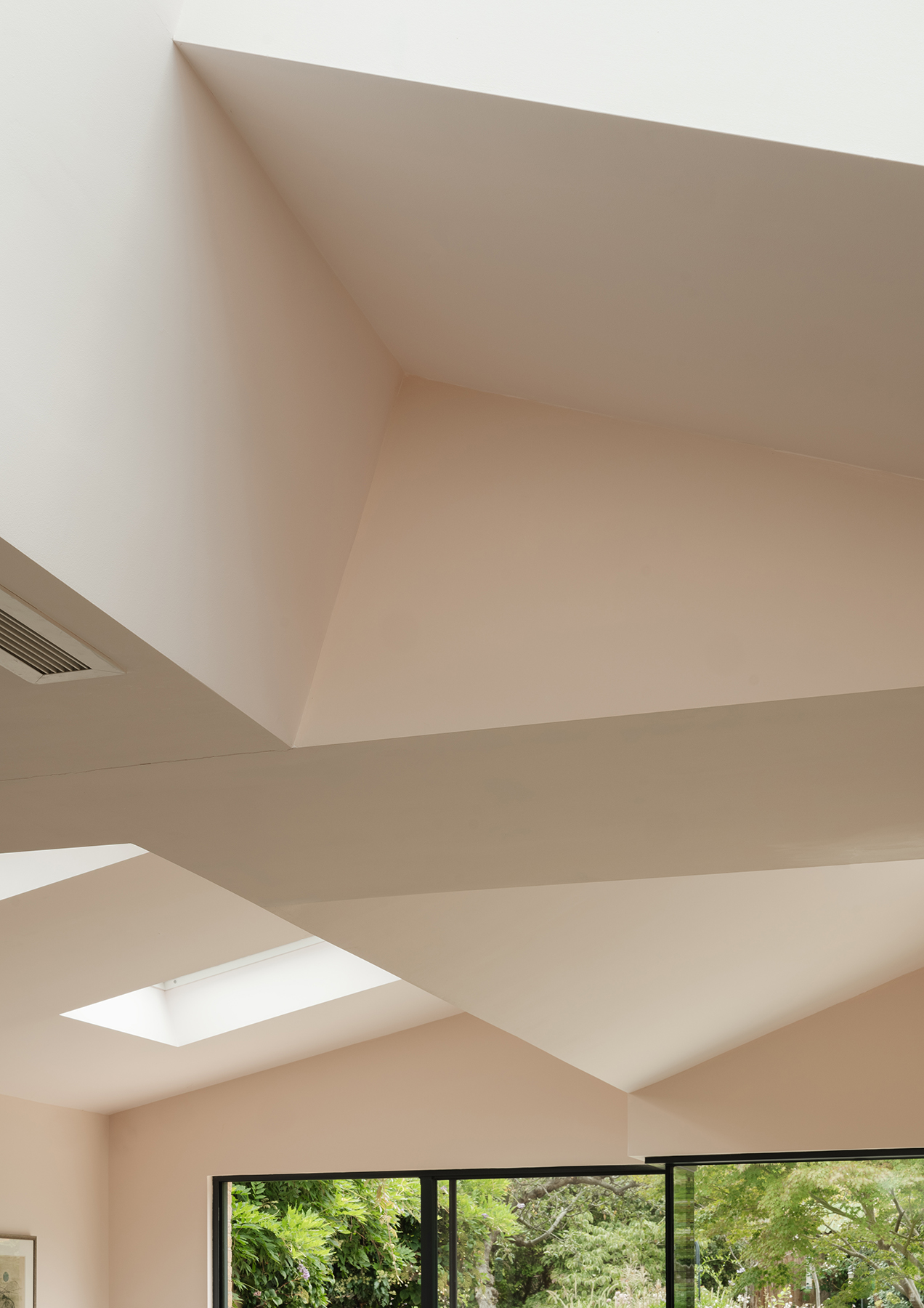
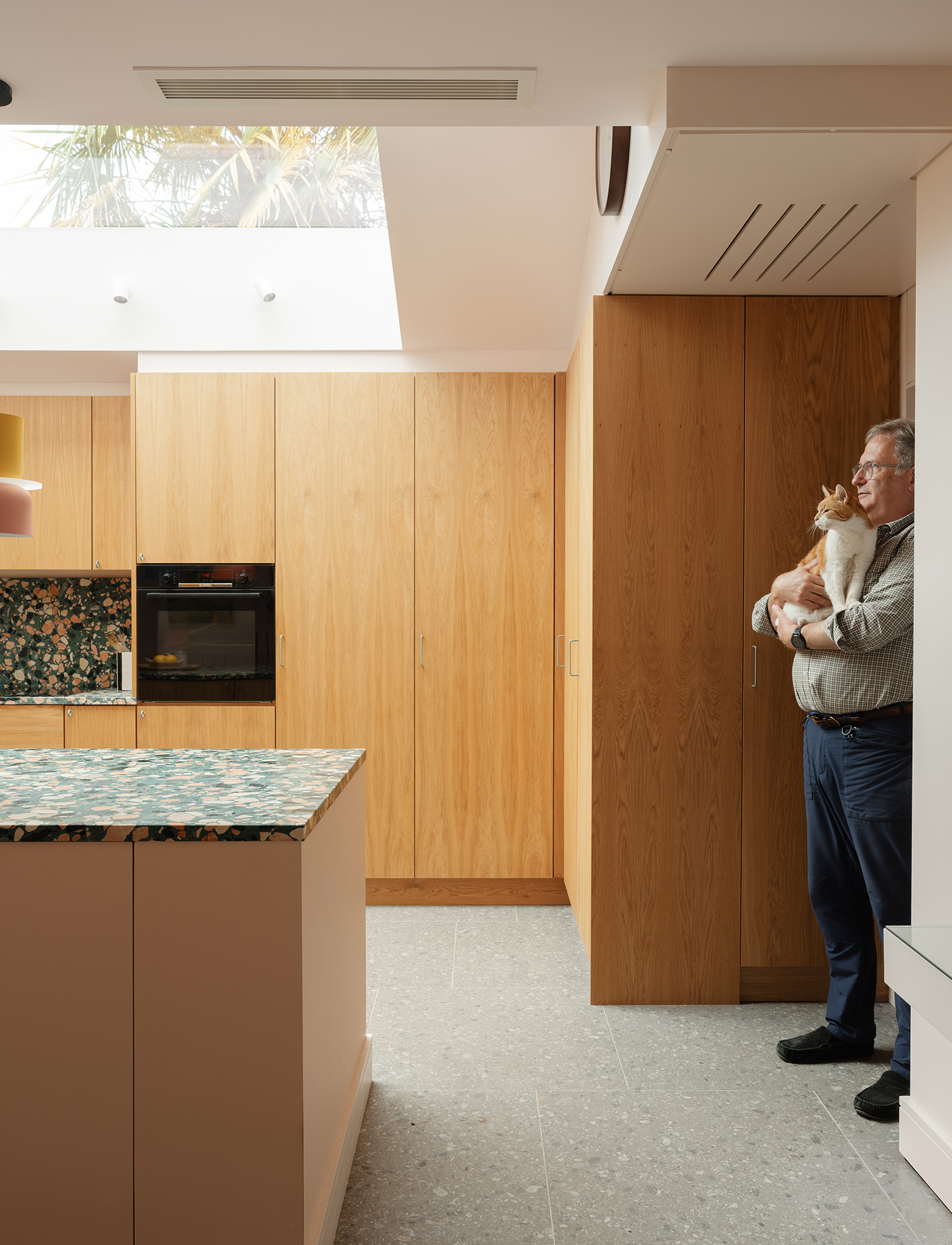
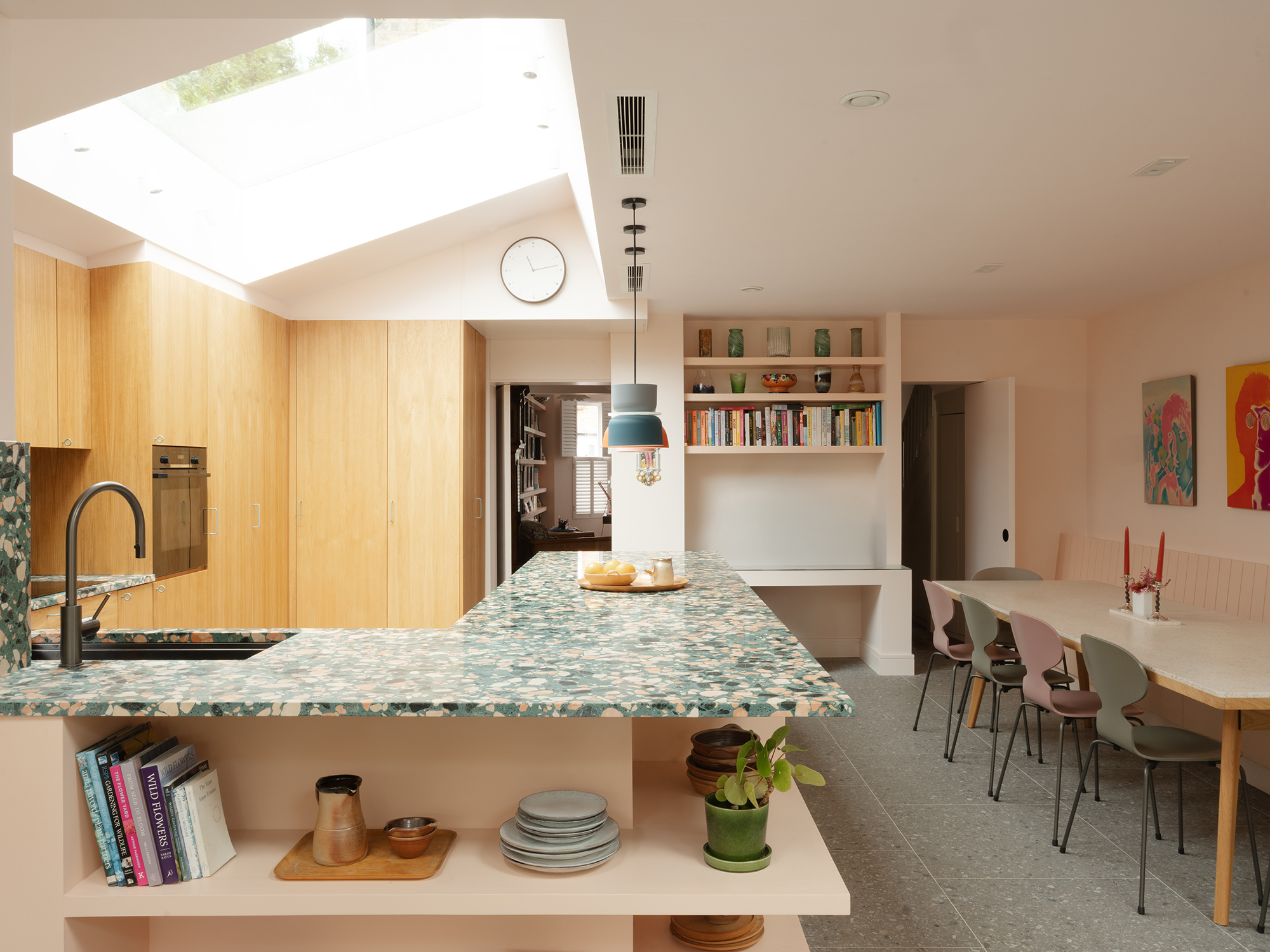
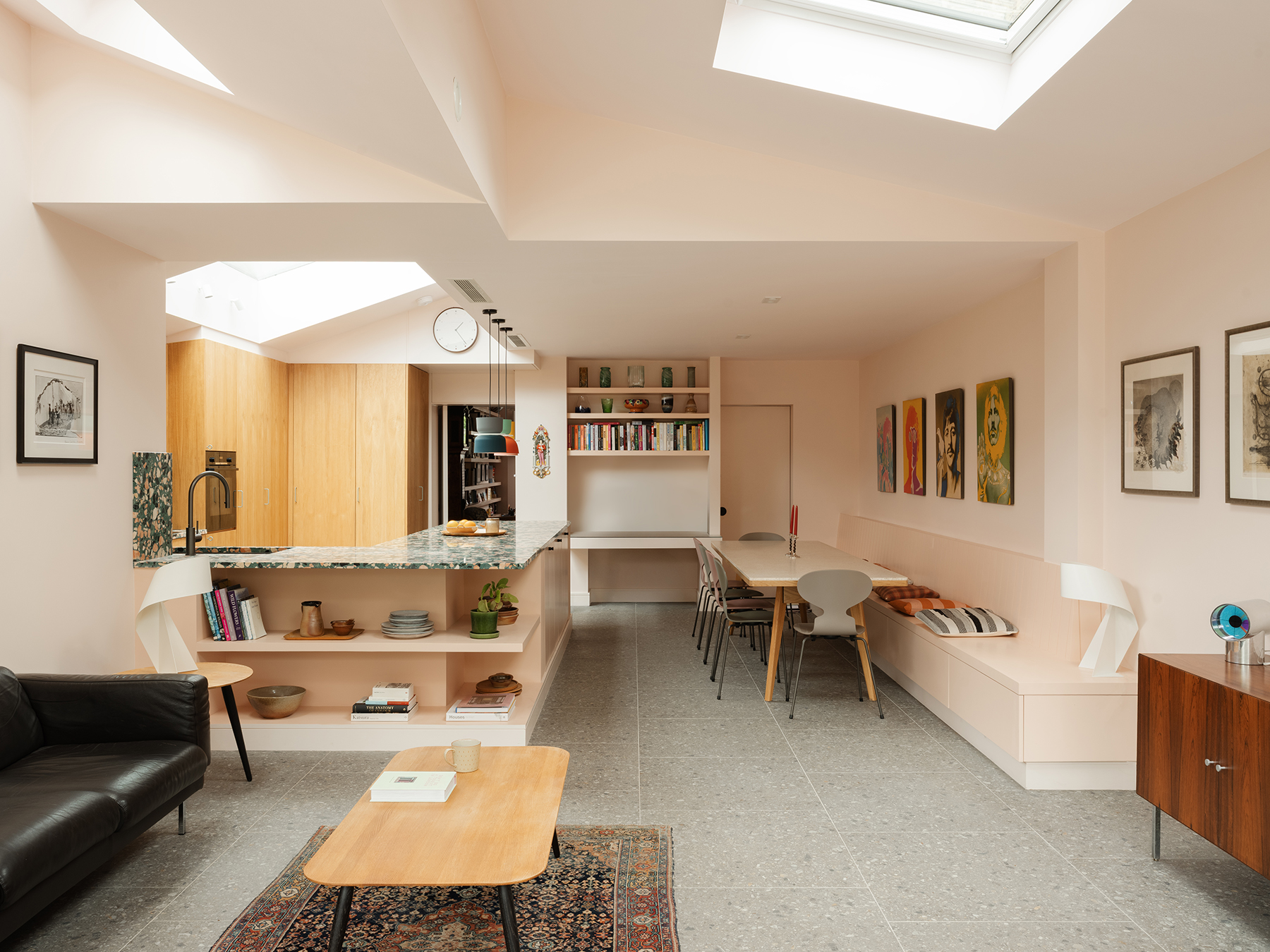
Inside, the house unfolds as a sequence of bright, interconnected spaces animated by natural light. Angled ceilings, rooflights and carefully positioned openings bring daylight deep into the plan, while views are choreographed to frame features within the garden and beyond. A mature yucca, a large maple tree and changing patterns of sky become focal points within everyday family life.
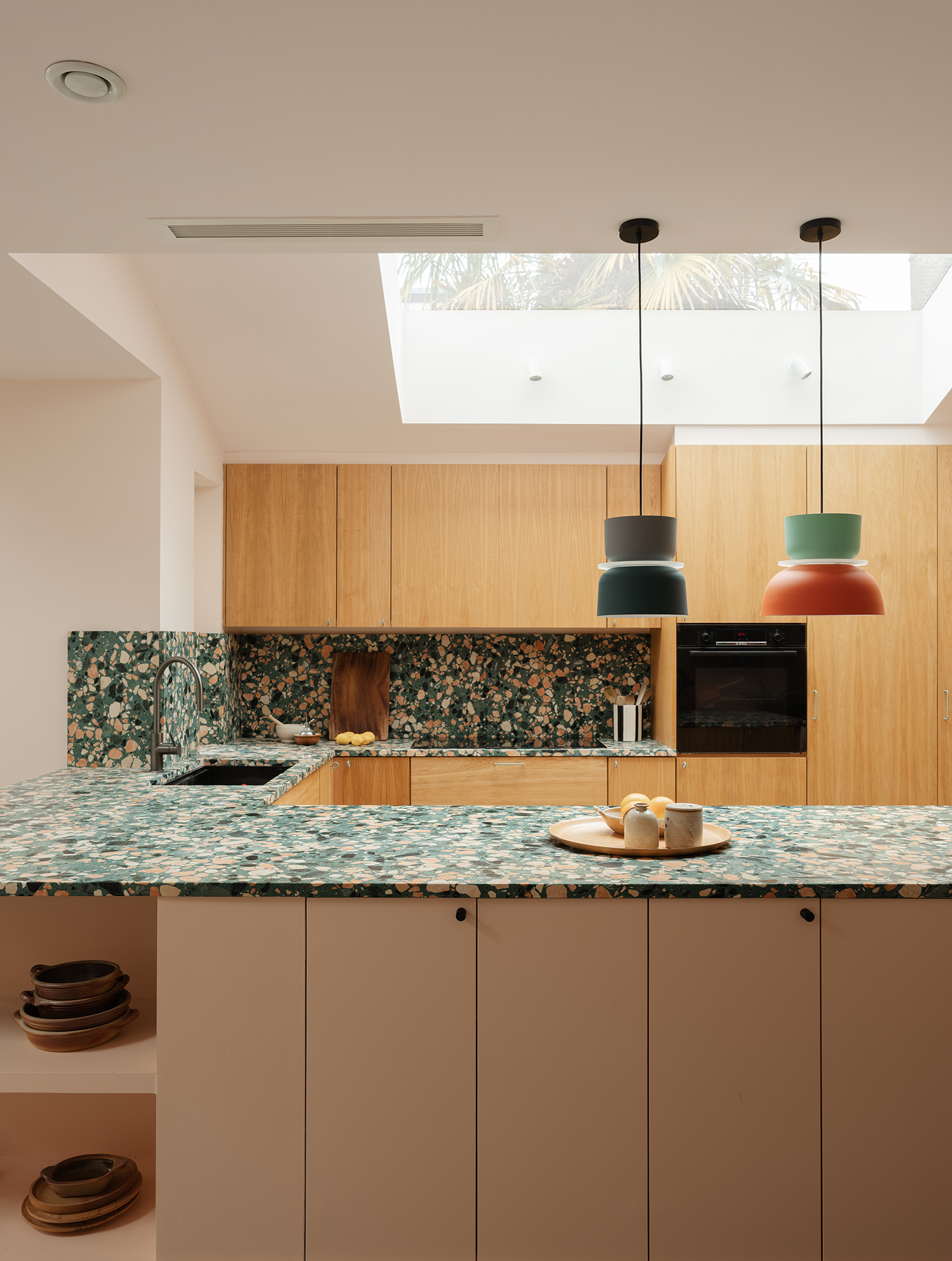
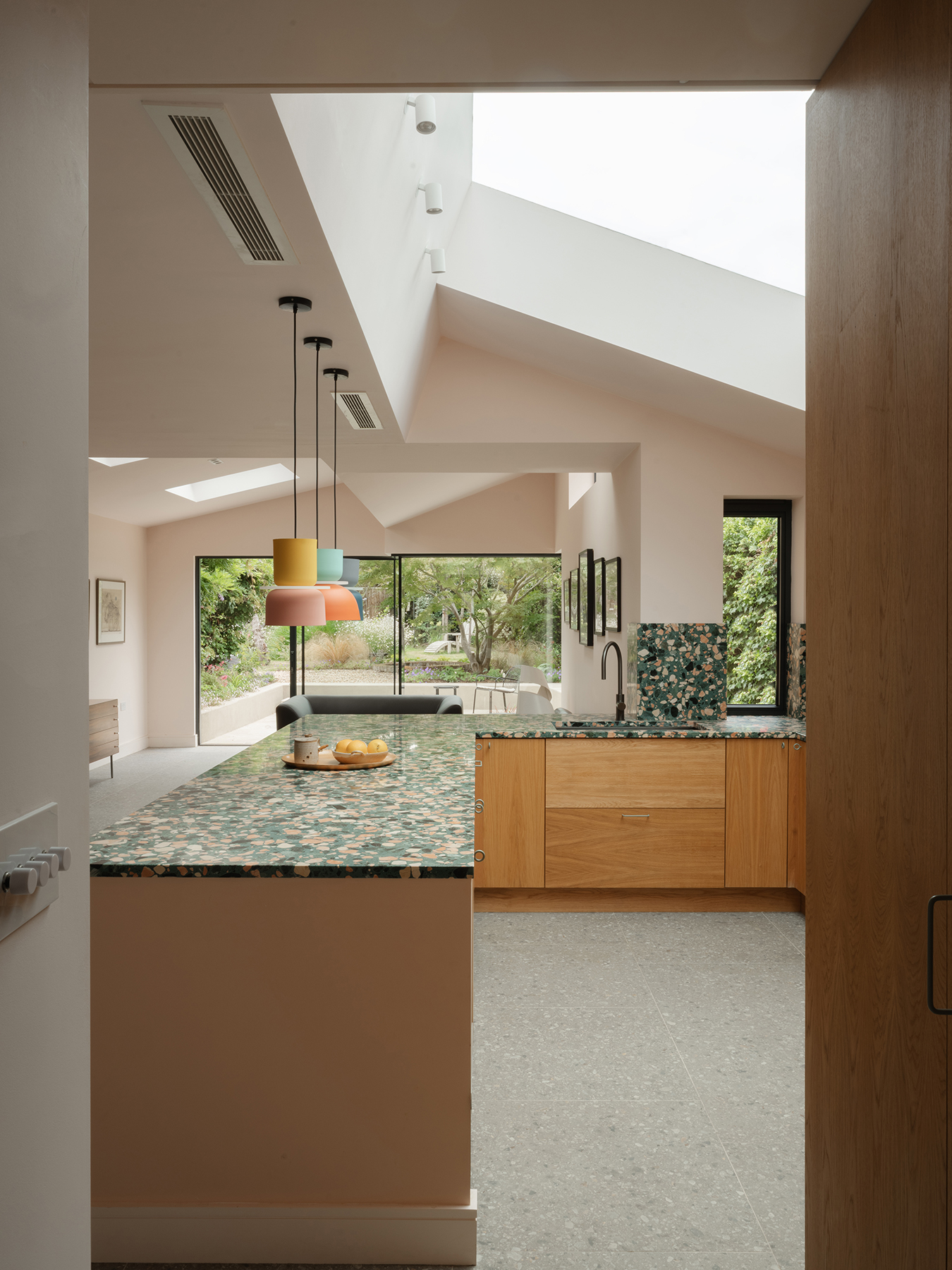
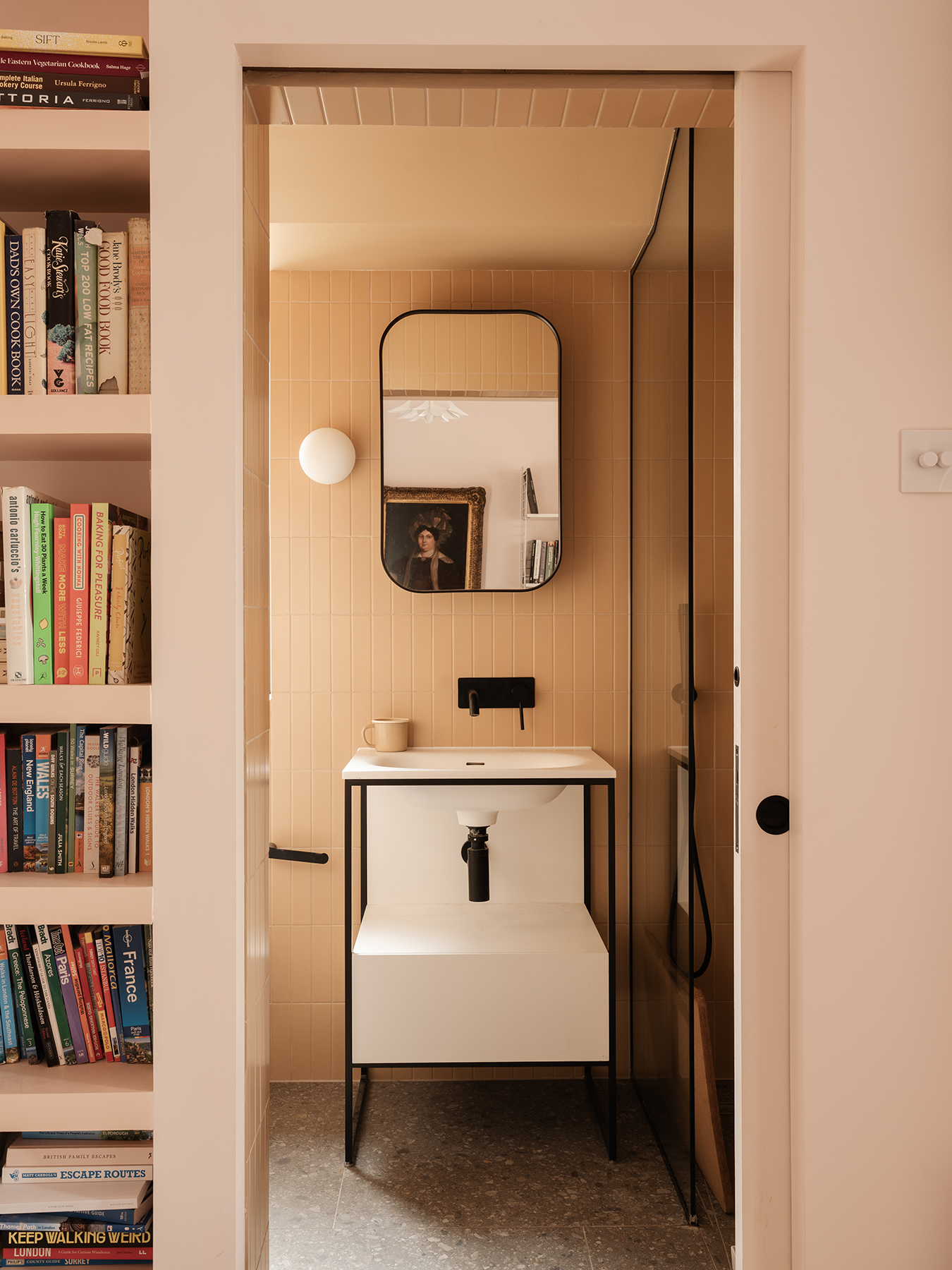
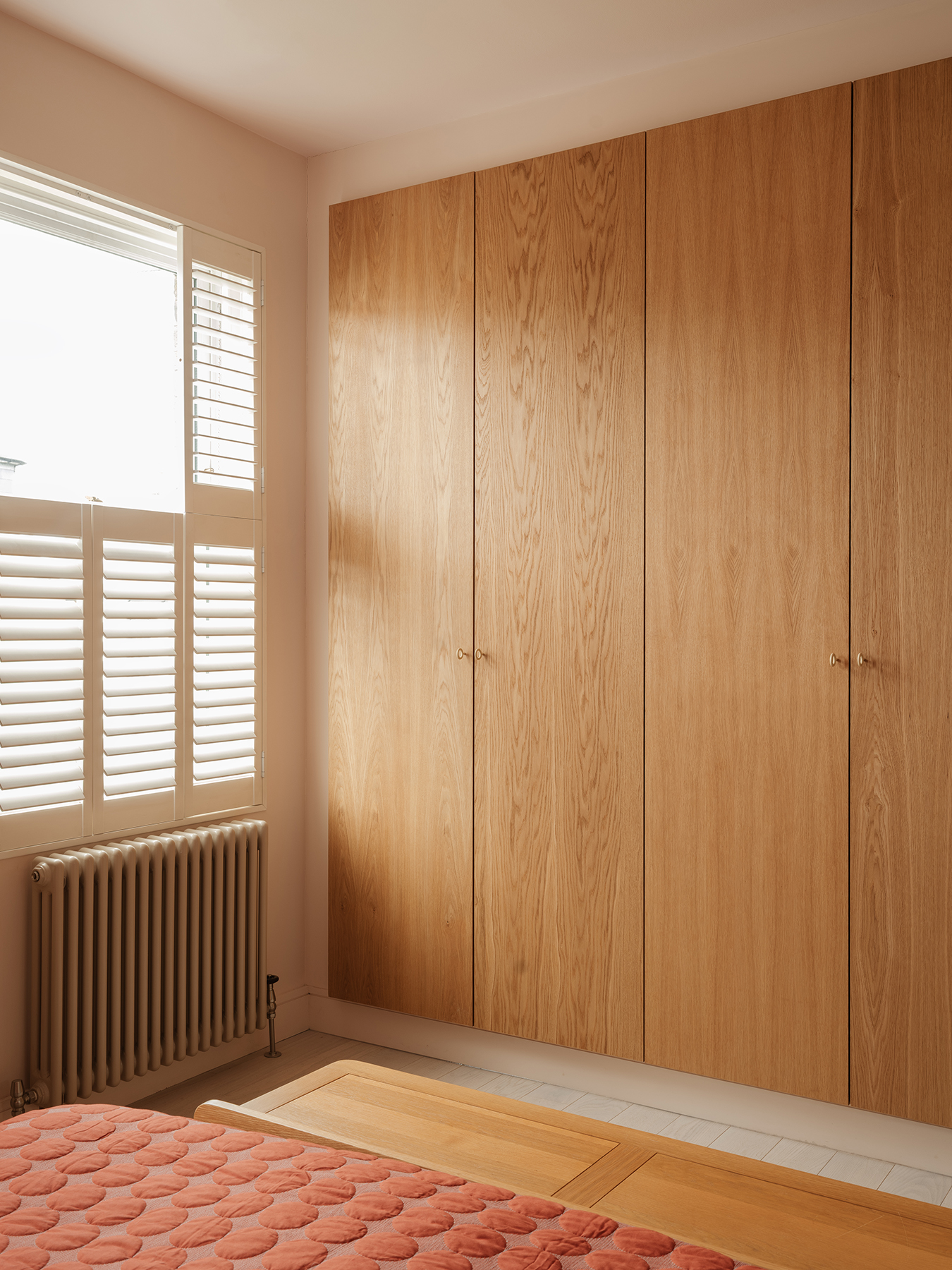
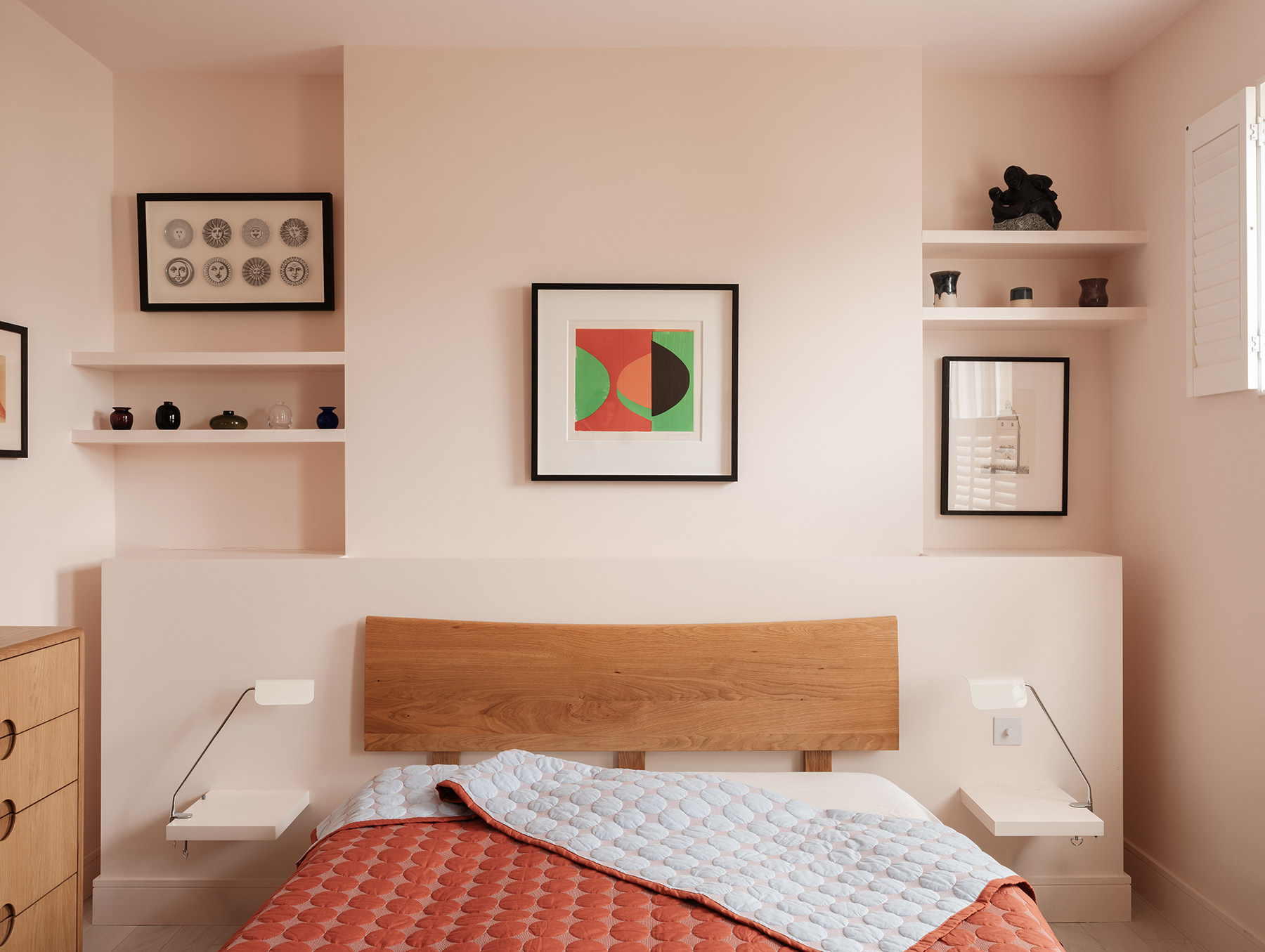
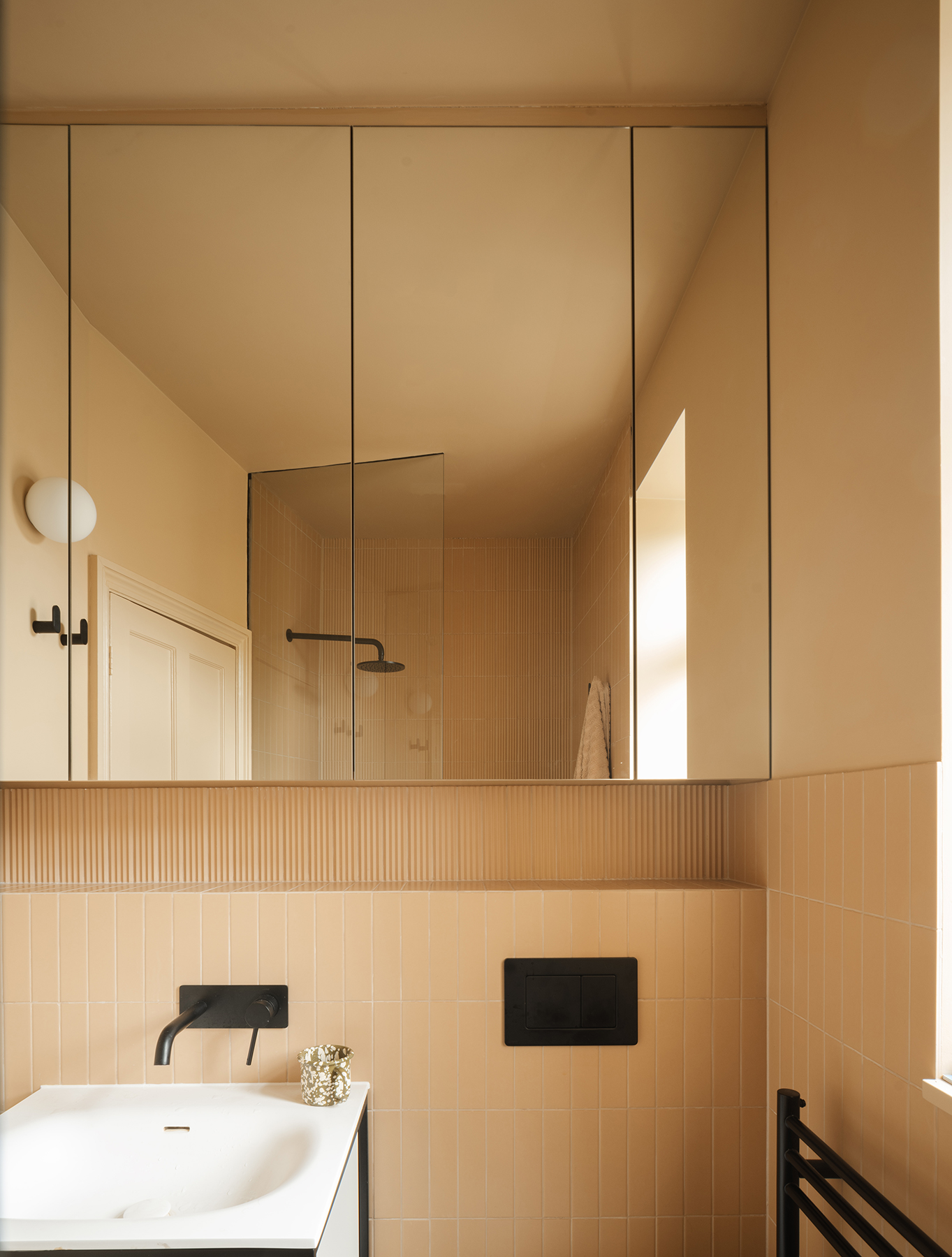
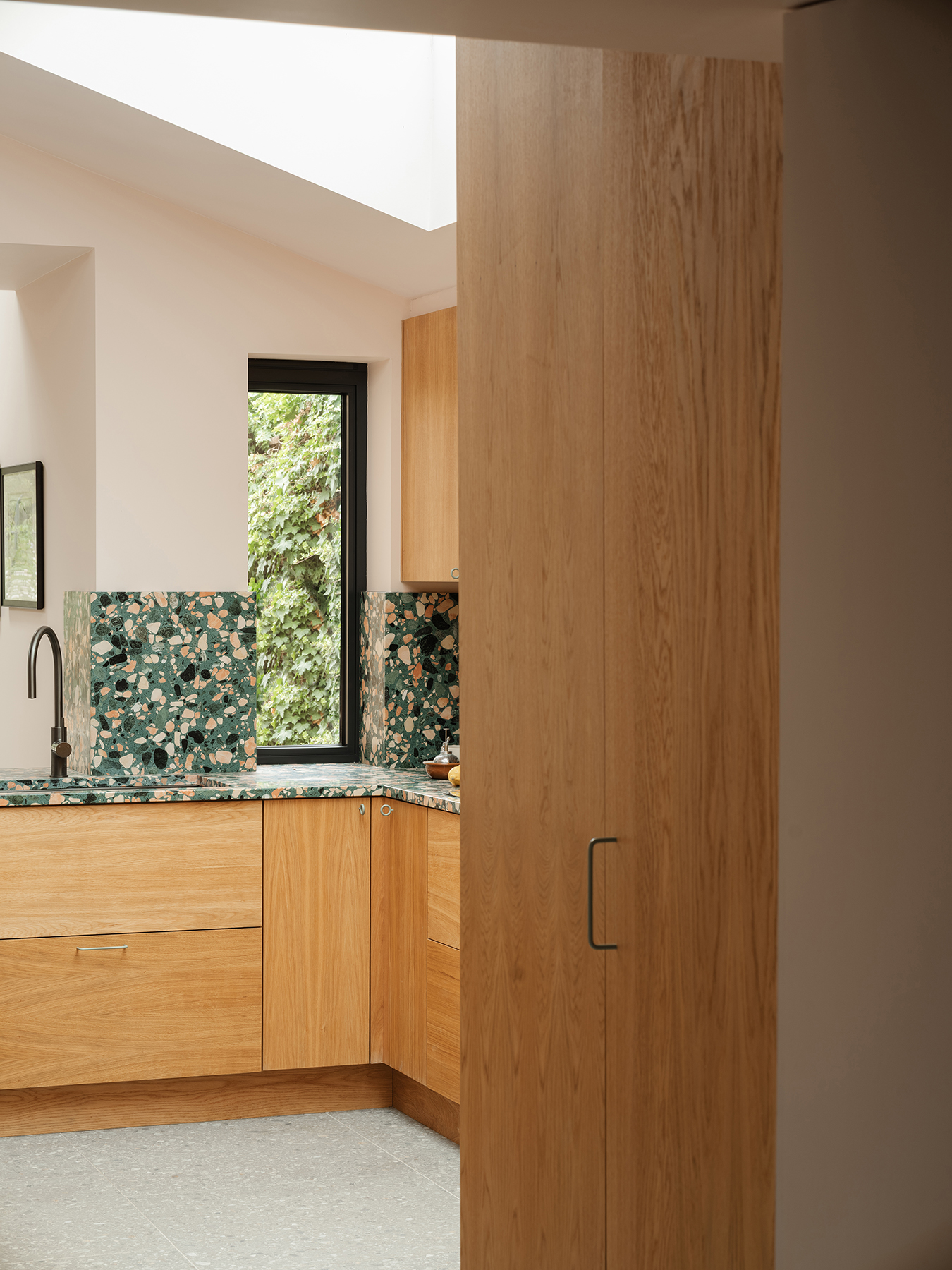
Colour is used sparingly but purposefully throughout the interior. Soft pastel tones help define individual spaces and draw attention to particular moments, while a multicoloured terrazzo worktop provides a vibrant centrepiece within the kitchen. Warm timber joinery introduces a sense of continuity and balance, creating interiors that feel both playful and calm.
Behind the expressive elevation lies an array of environmental improvements. The existing house has been extensively upgraded with additional insulation to reduce energy demand, while heating and hot water are supplied by an air source heat pump. Mechanical ventilation with heat recovery improves indoor air quality and helps maintain comfortable temperatures throughout the year.
A 7,500-litre underground rainwater harvesting tank captures and stores rainfall for garden irrigation, reducing dependence on mains water during dry periods. Together with the wider retrofit measures, these interventions have significantly improved the building’s operational performance.
The environmental benefits are substantial: annual operational carbon emissions have been reduced from 30.09 kgCO₂e/m² to 13.63 kgCO₂e/m², while the home’s all-electric energy strategy enables it to operate using renewable electricity. The embodied carbon associated with the renovation is estimated to be offset by operational savings in less than seven years.
“Looming retirement forced us to focus on what would come next in our lives. After a lot of debate we decided we wanted to focus on making our home beautiful and fit for the future. The first element led us to Francesco Pierazzi, whose architectural work appealed to us,” client Richard Templer OBE and Emeritus Professor of Climate Innovation at Imperial College London, told AT.
“The second element came in three parts – a home that would comfortably and easily accommodate us as we grew older, which would make negligible contributions to greenhouse gas emissions and last but not least would be able to cope with the increased heat and rainfall that climate change brings. We now have a beautiful house that takes care of us and helps to take care of the planet.”
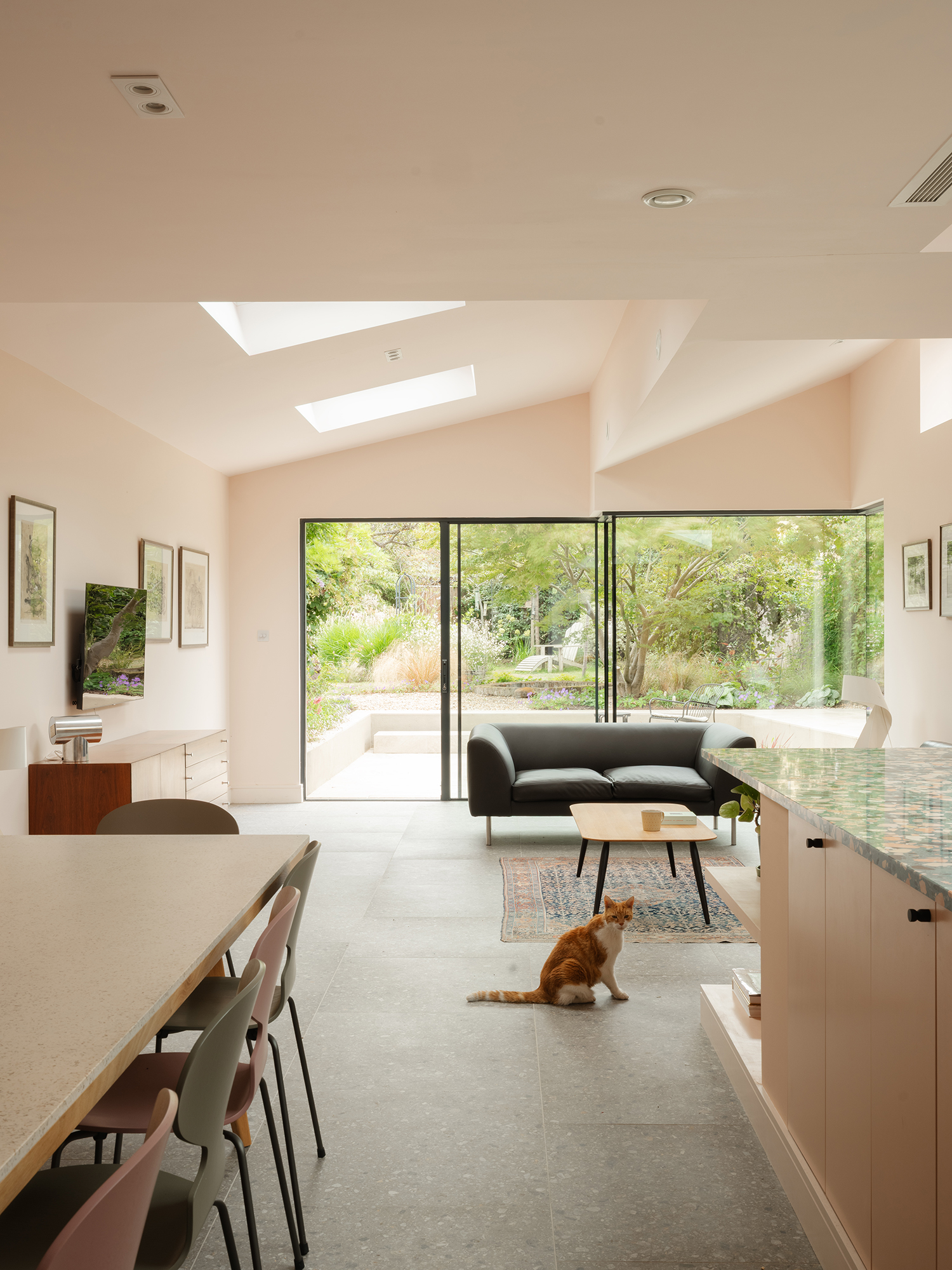
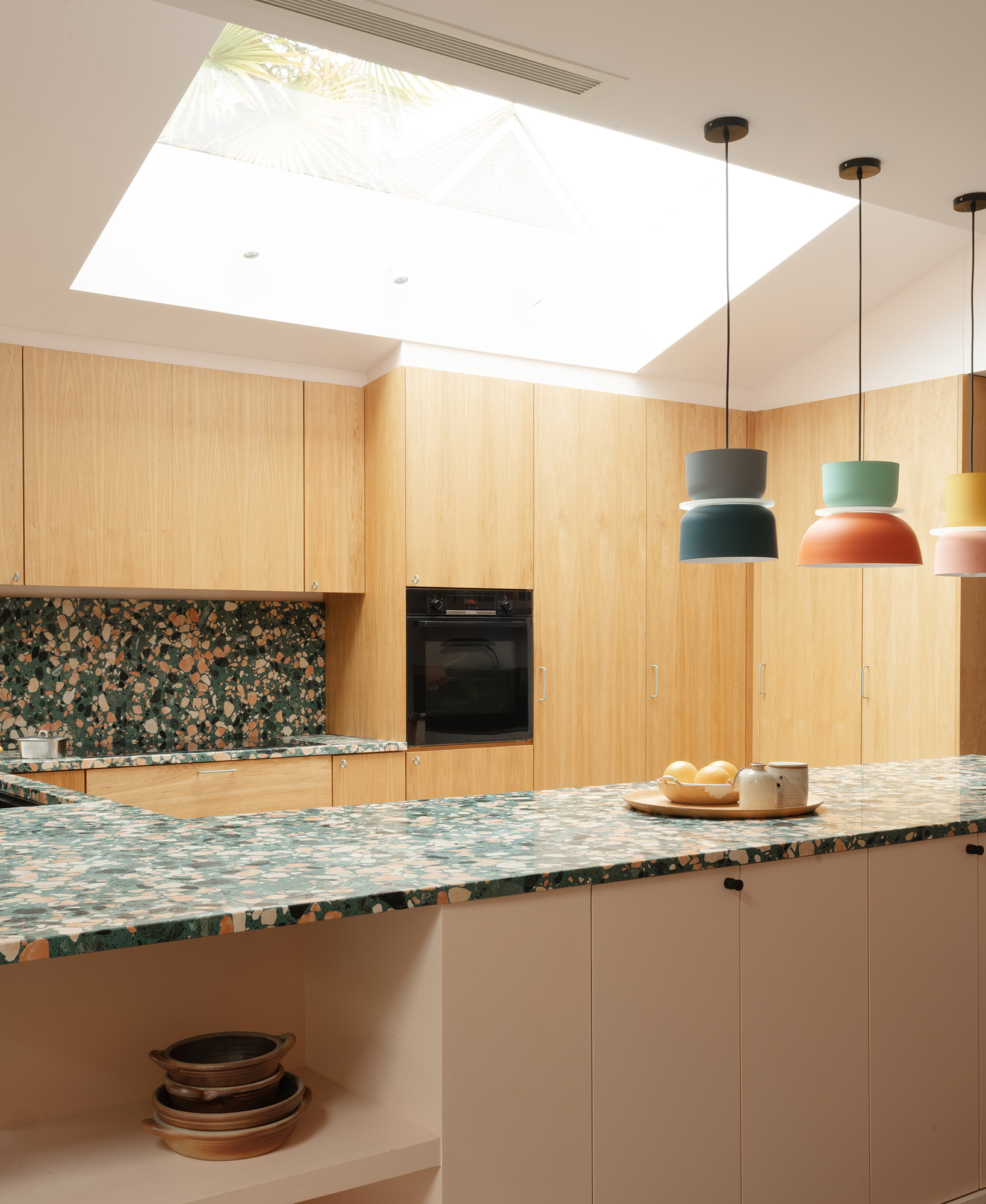
Externally, a sheltered sunken patio sits between the brick volumes, creating a protected outdoor room that extends the living spaces into the garden. The sawtooth roof admits daylight from above while helping to shape a series of varied interior volumes. What appears from outside as a relatively restrained intervention reveals itself internally as a generous and characterful home.
The project continues Francesco Pierazzi Architects’ exploration of light, materiality and narrative in residential architecture. By combining deep retrofit measures with a carefully crafted architectural response, Sawtooth House demonstrates how existing homes can be transformed to meet contemporary environmental challenges while remaining rooted in their local context.
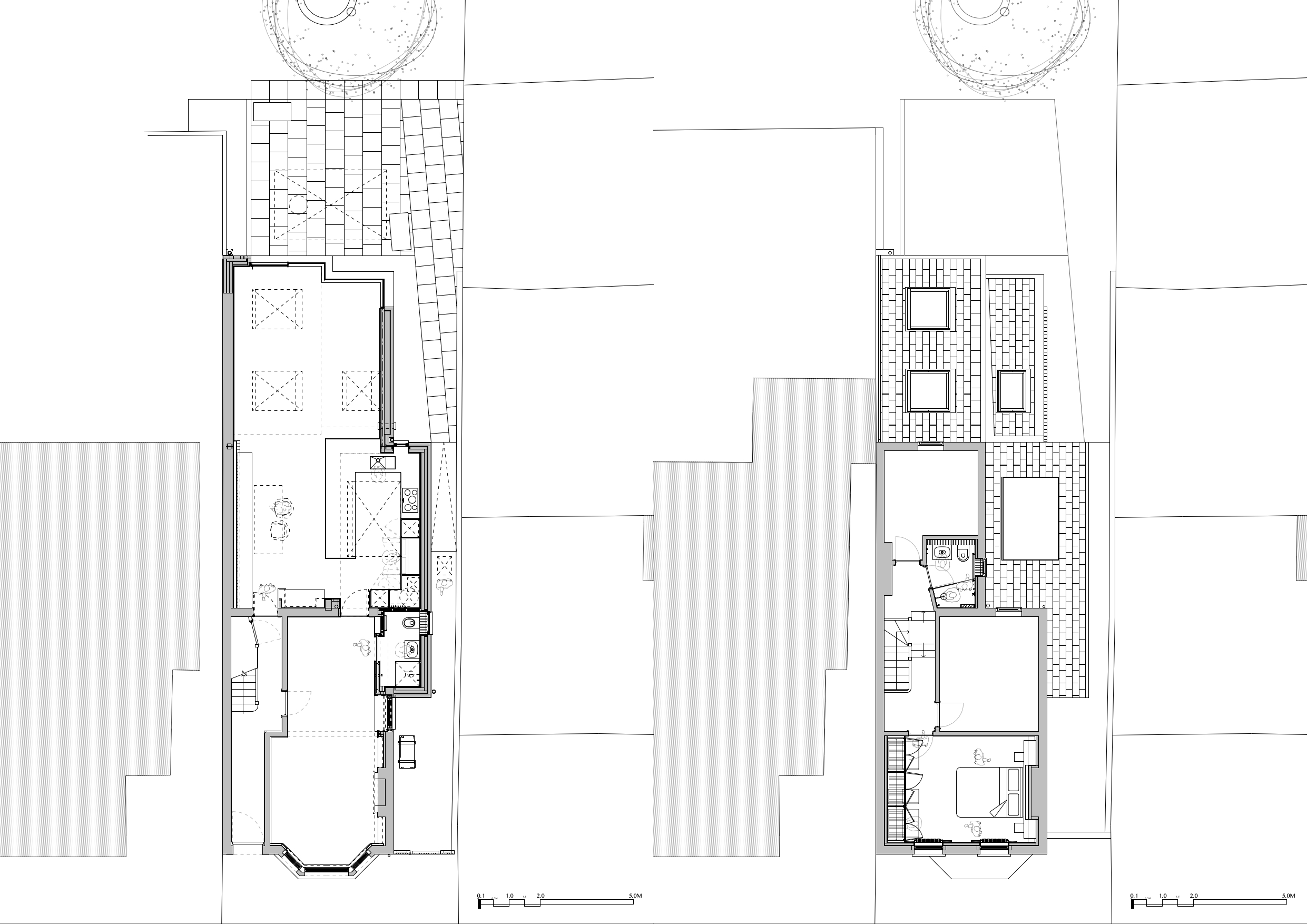
Left: ground floor plan. Right: first floor plan.
“With Sawtooth House, we wanted to prove that sustainability doesn’t have to be serious or solemn – it can be bold, colourful, and full of joy,” said Francesco Pierazzi, founder and director at Francesco Pierazzi Architects. “The project is a reminder that even the most ordinary of extensions can be reimagined as something extraordinary. Richard and Liz’s belief in the project, even through the planning appeal, allowed us to turn an ordinary extension into something playful, joyful, and deeply sustainable. It’s a home that wears its values proudly!”
Credits
Architect
Francesco Pierazzi Architects
Structural engineer
Harrison Shortt Structural Engineers
Building control
Vantage Building Control
Main contractor
Nathan Dew / MMMJ
More pictures