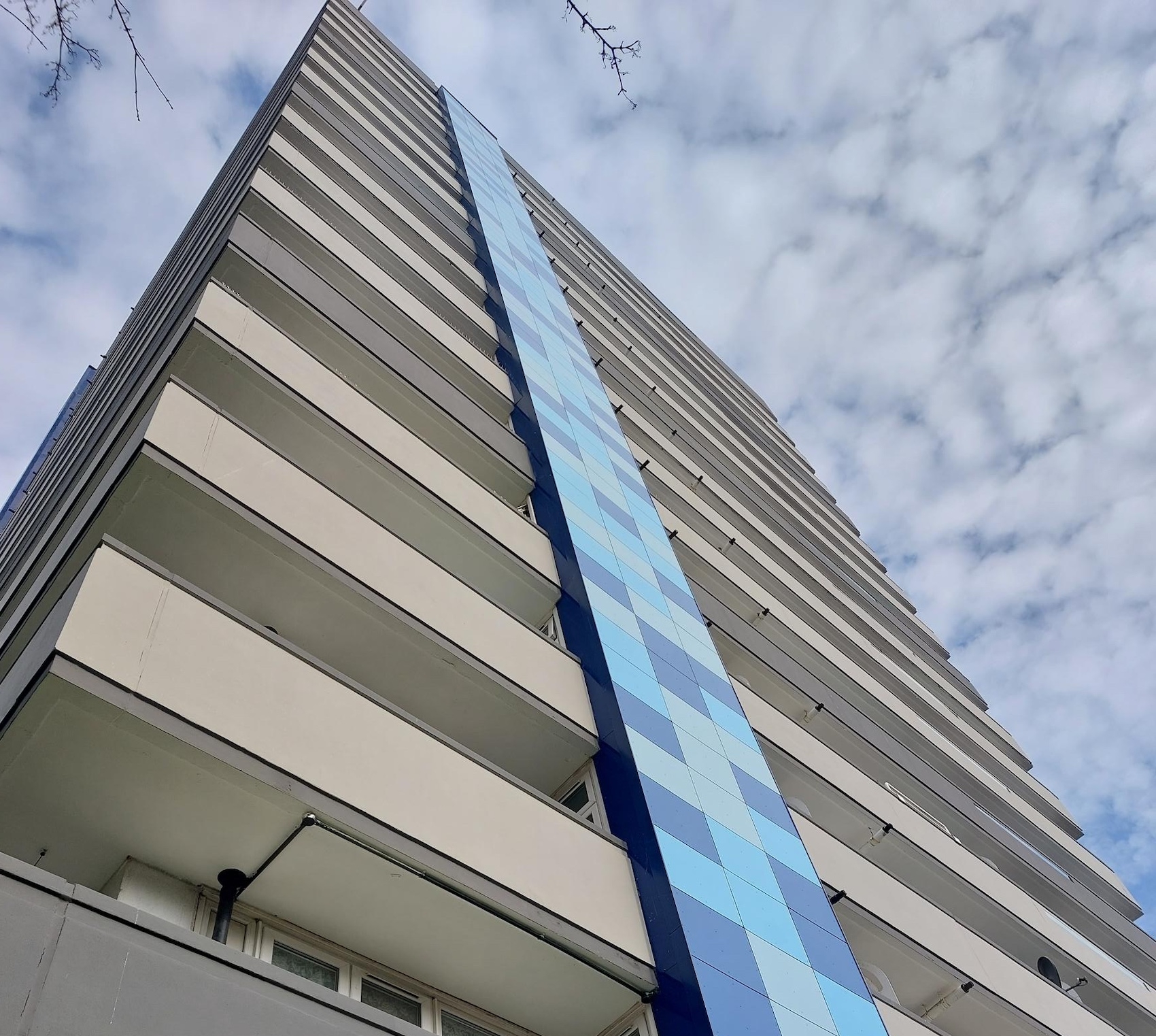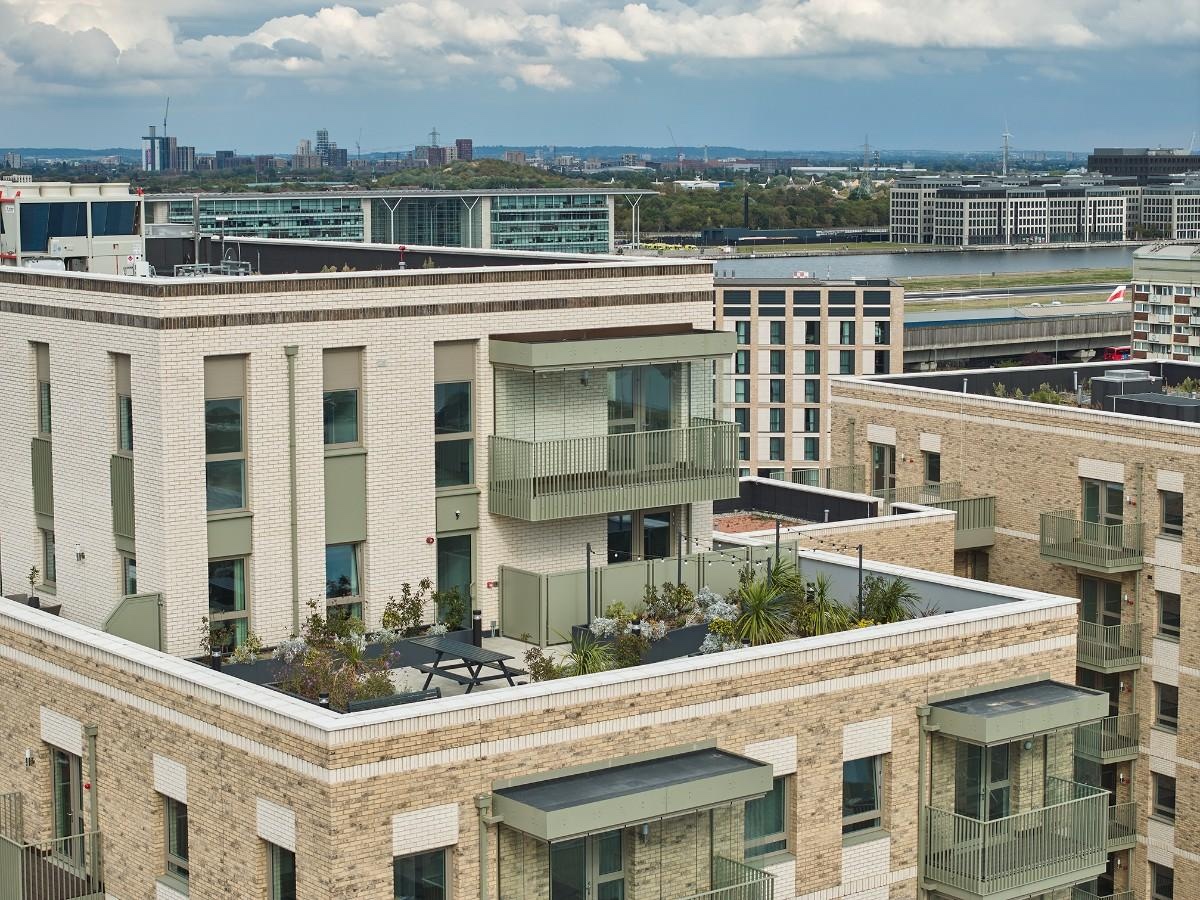
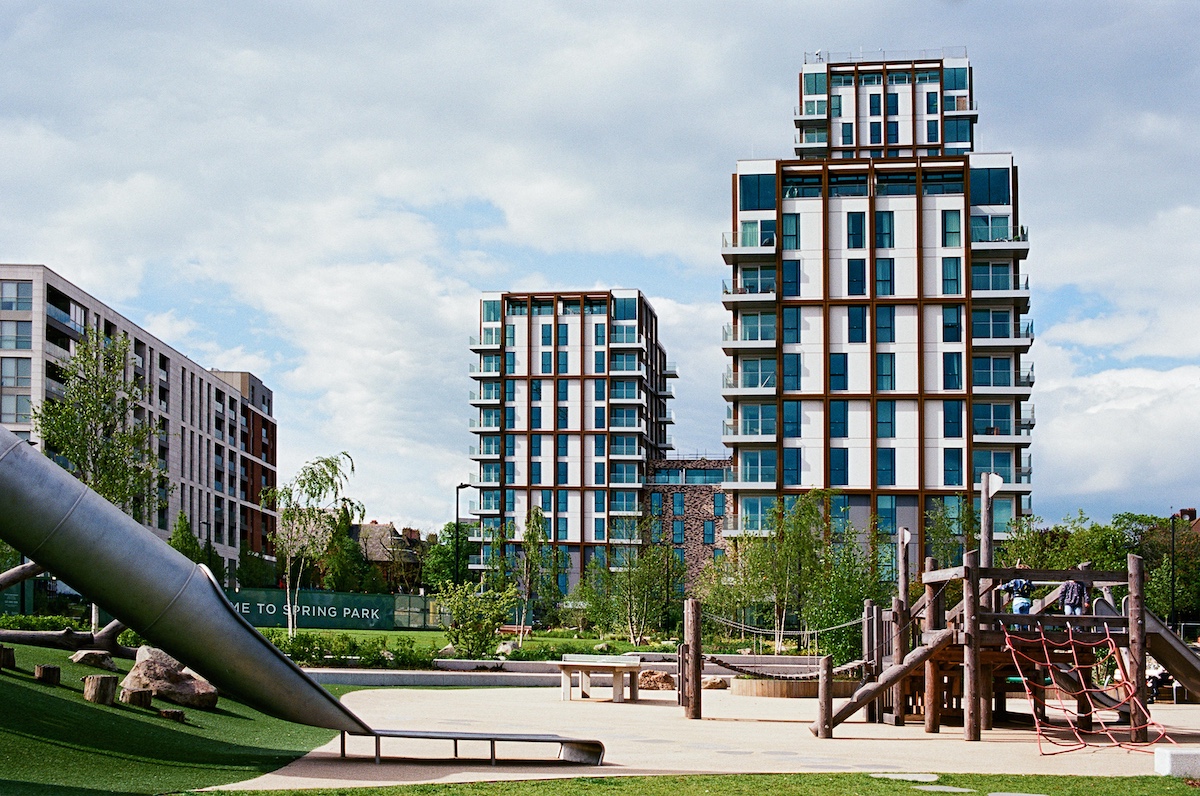
Balconies remain a highly desirable feature in mid-to-high-rise residential buildings, providing valuable private outdoor space in dense urban environments. However, as balconies intersect the building envelope and interface directly with the façade cavity at the floor slab, they introduce critical considerations for passive fire protection that must be addressed from early design stages.
Projecting balconies are typically supported by steel brackets that connect directly back to the floor slab, one of the most critical compartment lines within a building. These brackets frequently occupy the full depth of the slab edge, leaving little or no room to maintain continuity of cavity barriers. In a fire, unprotected steel brackets can rapidly heat up, potentially compromising structural integrity or igniting combustible materials located on the balcony.
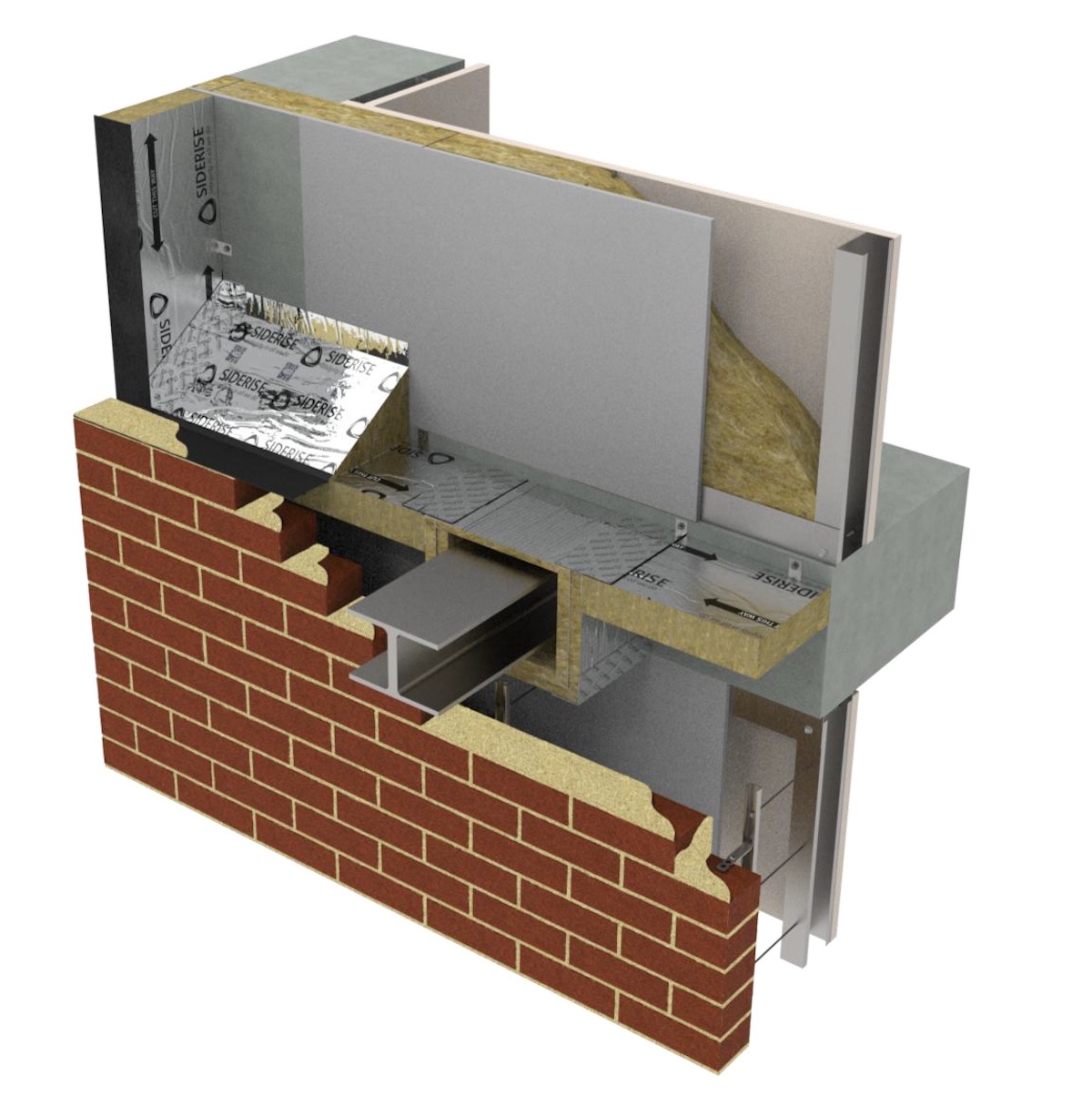
For specifiers, this junction has traditionally required a degree of compromise. In some cases, cavity barriers may be positioned beneath the bracket, or locally lowered, subject to approval by the project fire engineer and confirmation that the inner leaf provides sufficient fire resistance when stepping off the compartment line. Where slab edge depths are minimal, barriers may be notched around brackets, base plates and bolts but this approach is highly dependent on installer skill and is rarely supported by fire test evidence. As a result, site trials, benchmark areas, and extended dialogue with Building Control are often required to validate both constructability and compliance – adding time, cost, and uncertainty to delivery.
Siderise developed the BB‑FB Balcony Bracket Fireboard to provide a simpler, systemised approach. The system uses pre-cut or site cut interlocking fireboards formed from non-combustible semi-rigid stonewool to fully encapsulate steel balcony brackets at the slab edge. This offers a new, innovative approach that provides a clear, repeatable methodology tailored specifically to space‑constrained scenarios common in masonry external wall and rainscreen façade applications.
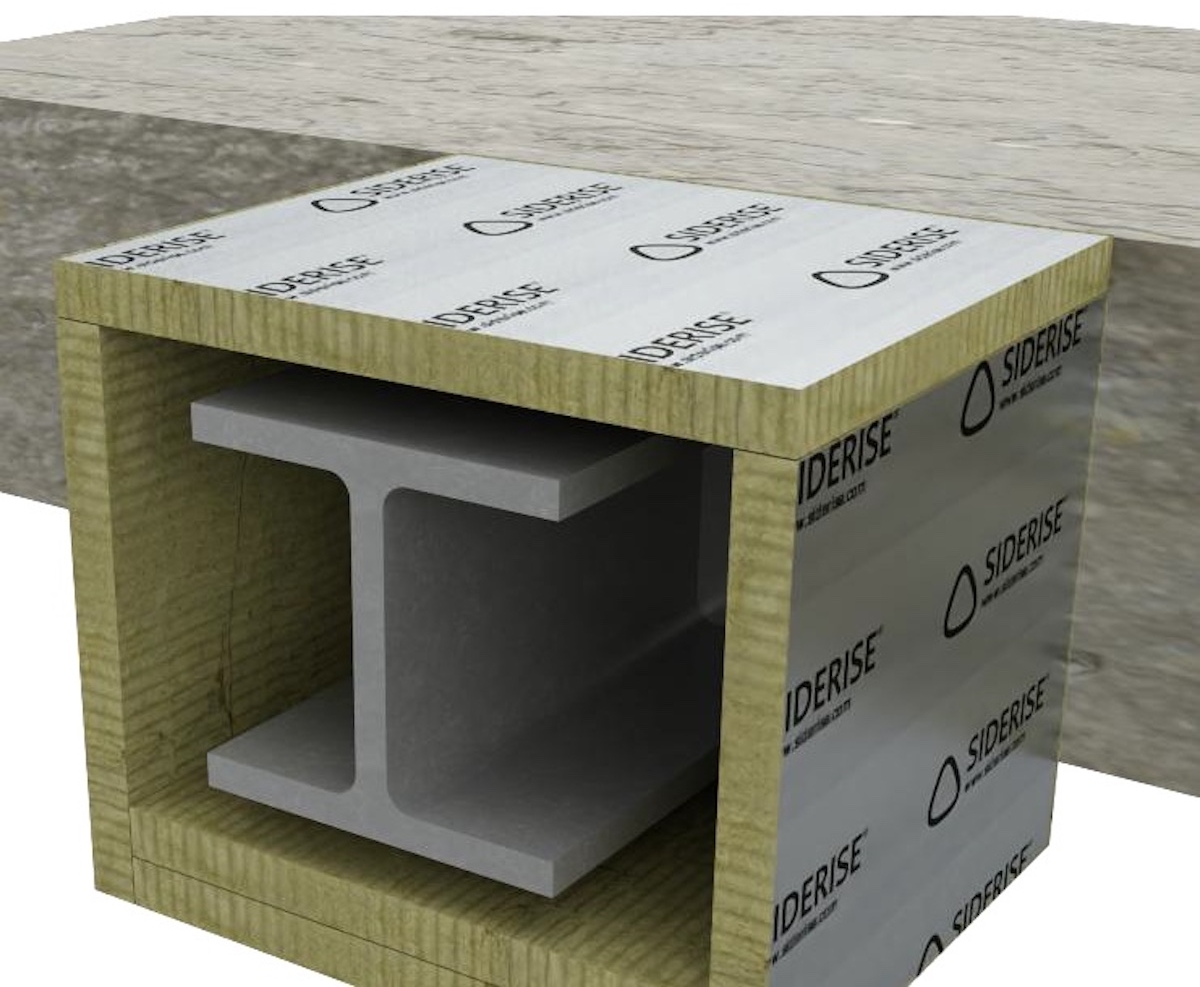
The system has been tested to EN 1366-4: 2021 in multiple configurations, achieving a fire resistance performance of 120 minutes integrity and 120 minutes insulation, and crucially, has been assessed as part of a complete system alongside adjacent cavity barriers. This system-level validation provides a stronger foundation for fire strategy development and regulatory approval, particularly at Gateway 2. Additionally, the pre‑configured nature of the system reduces reliance on site interpretation, enabling consistent fire performance to be achieved across multiple storeys and elevations.
Supporting specification is product information which meets the Code for Construction Product Information (CCPI), validating that data is clear, accurate, up to date, accessible, and unambiguous. This is further supported by the BB‑FB Testing Information Pack, which converts extensive fire test data into a practical design tool. The use of 2D section details and 3D visualisations to illustrate tested arrangements, combined with live digital links to up to date to information and technical resources, reduces the risk of design error, prevents reliance on outdated data, and strengthens due diligence. This makes it easy to include within fire strategy and compliance documentation.
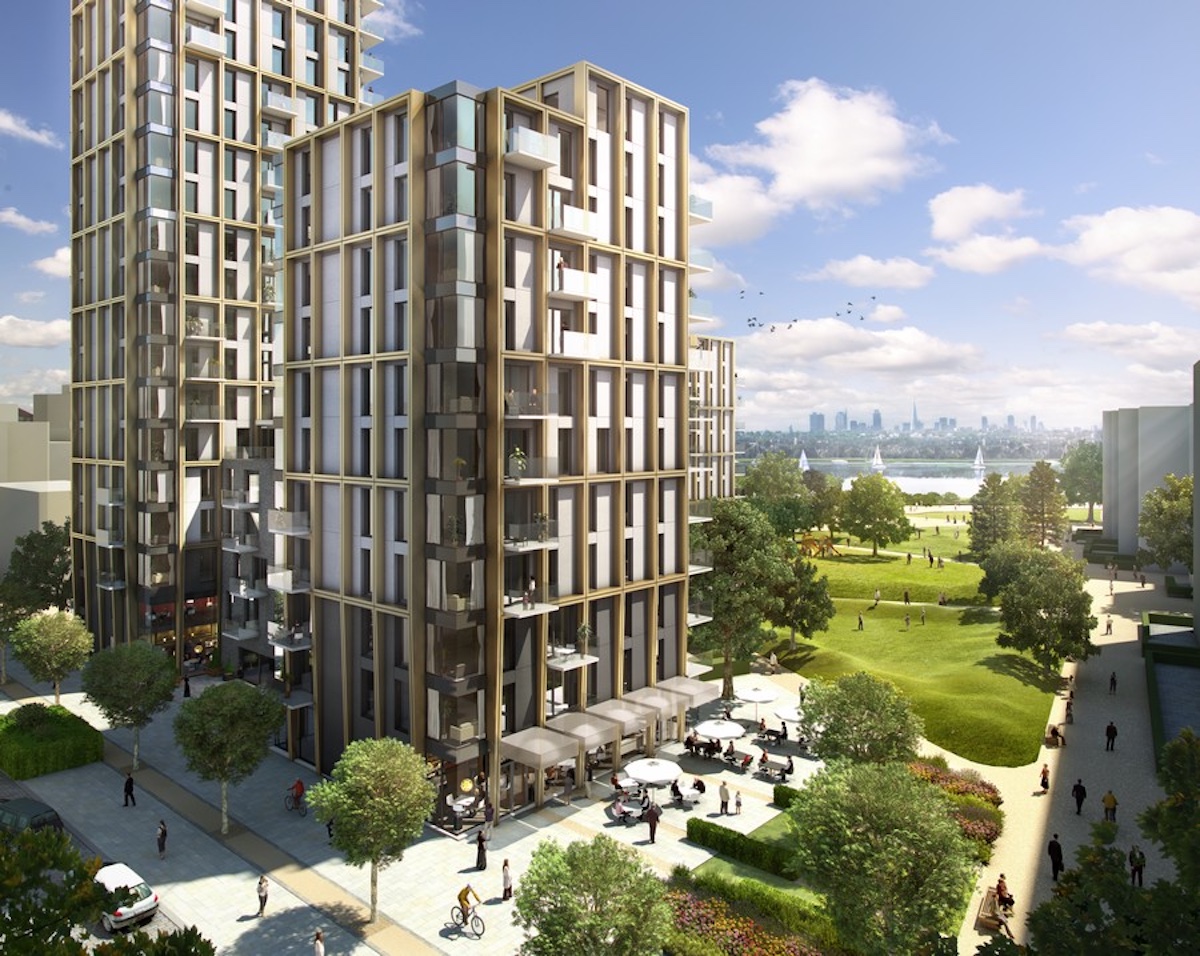
As regulatory expectations increase and scrutiny of façade interfaces intensifies, resolving details such as balcony connections becomes ever more critical. By transforming a historically inconsistent and high-risk junction into a tested, repeatable solution, systemised approaches like Siderise BB‑FB offer specifiers a more dependable path to achieving both compliance and buildability in high-rise design.
Explore the product at siderise.com