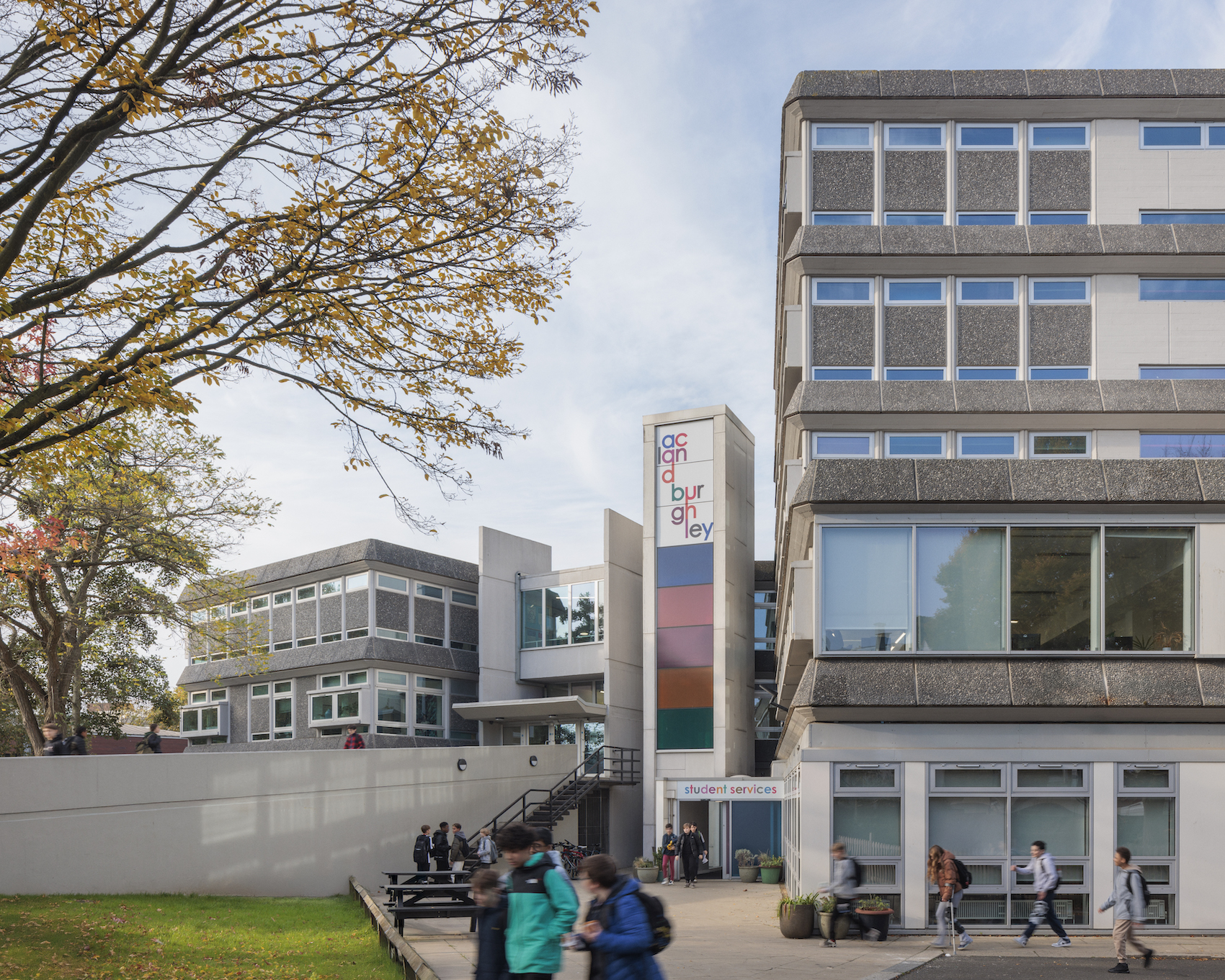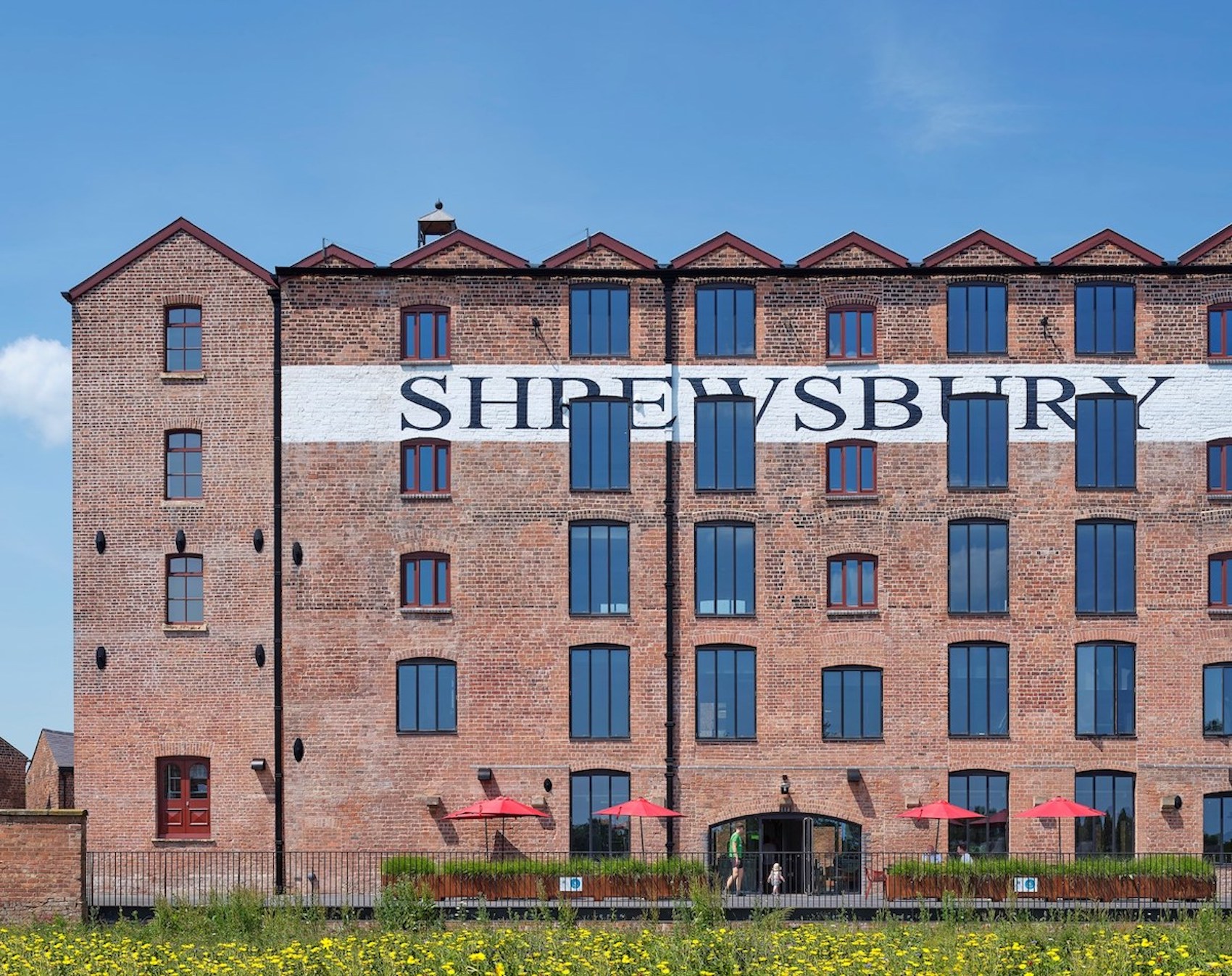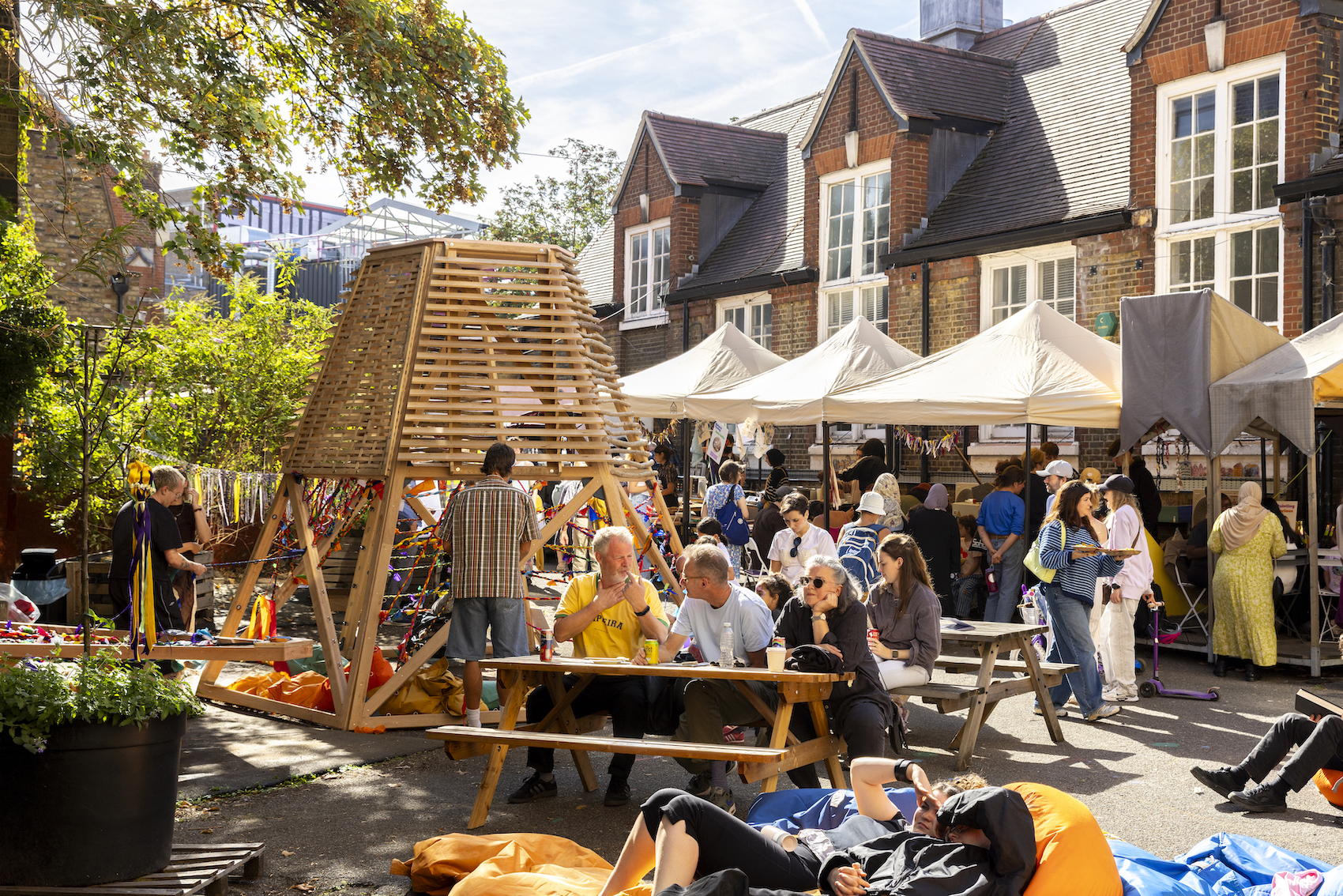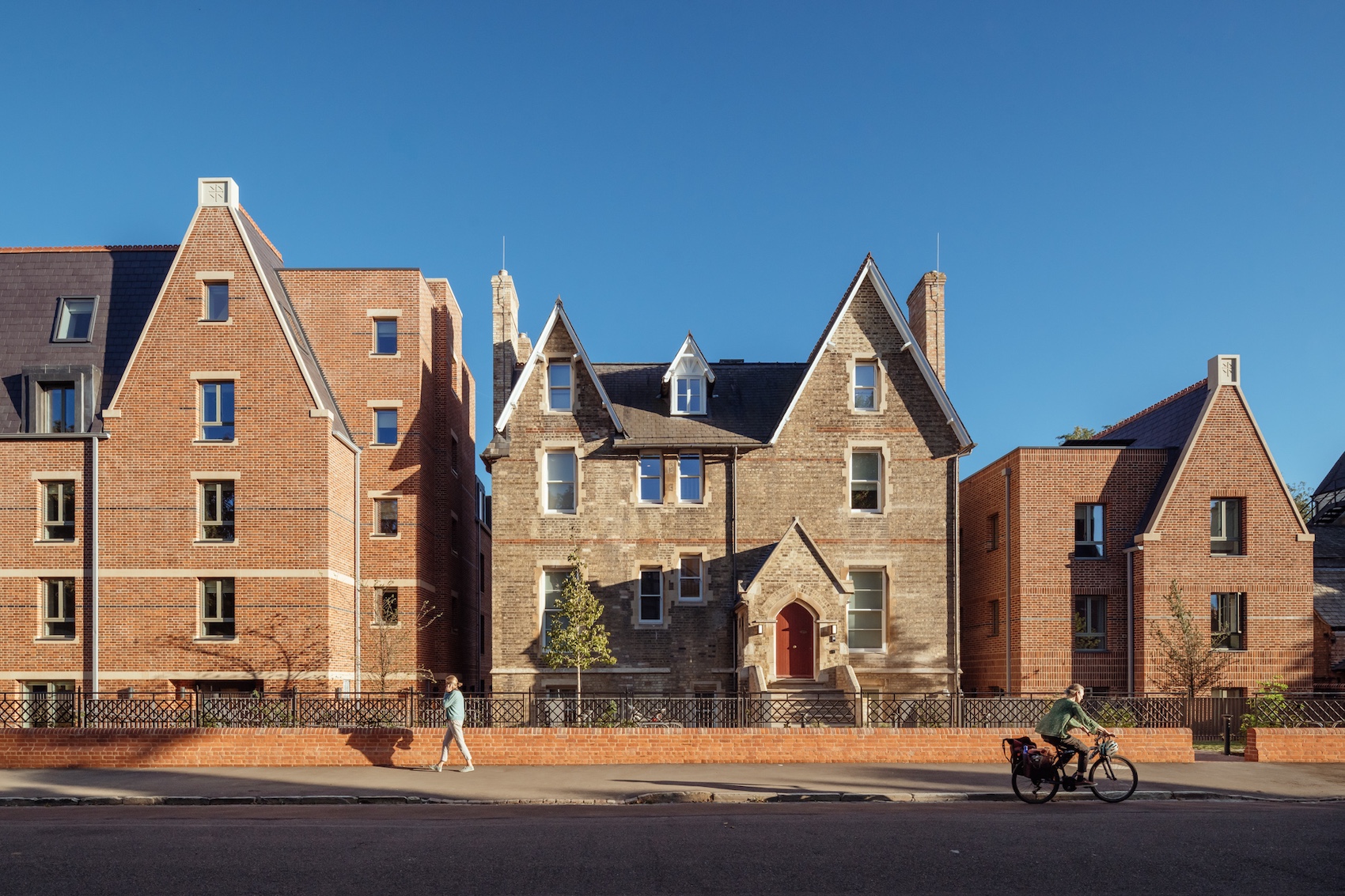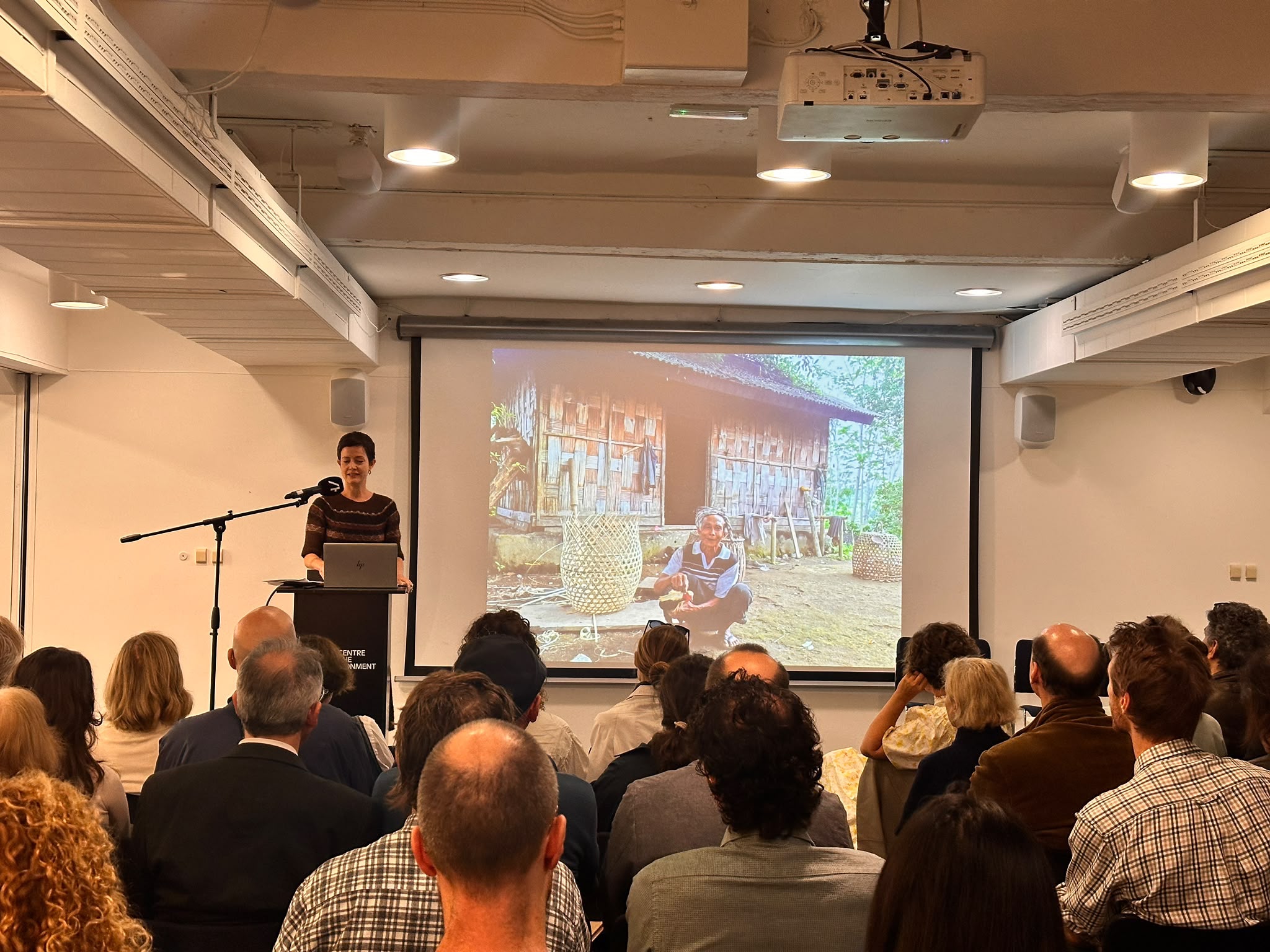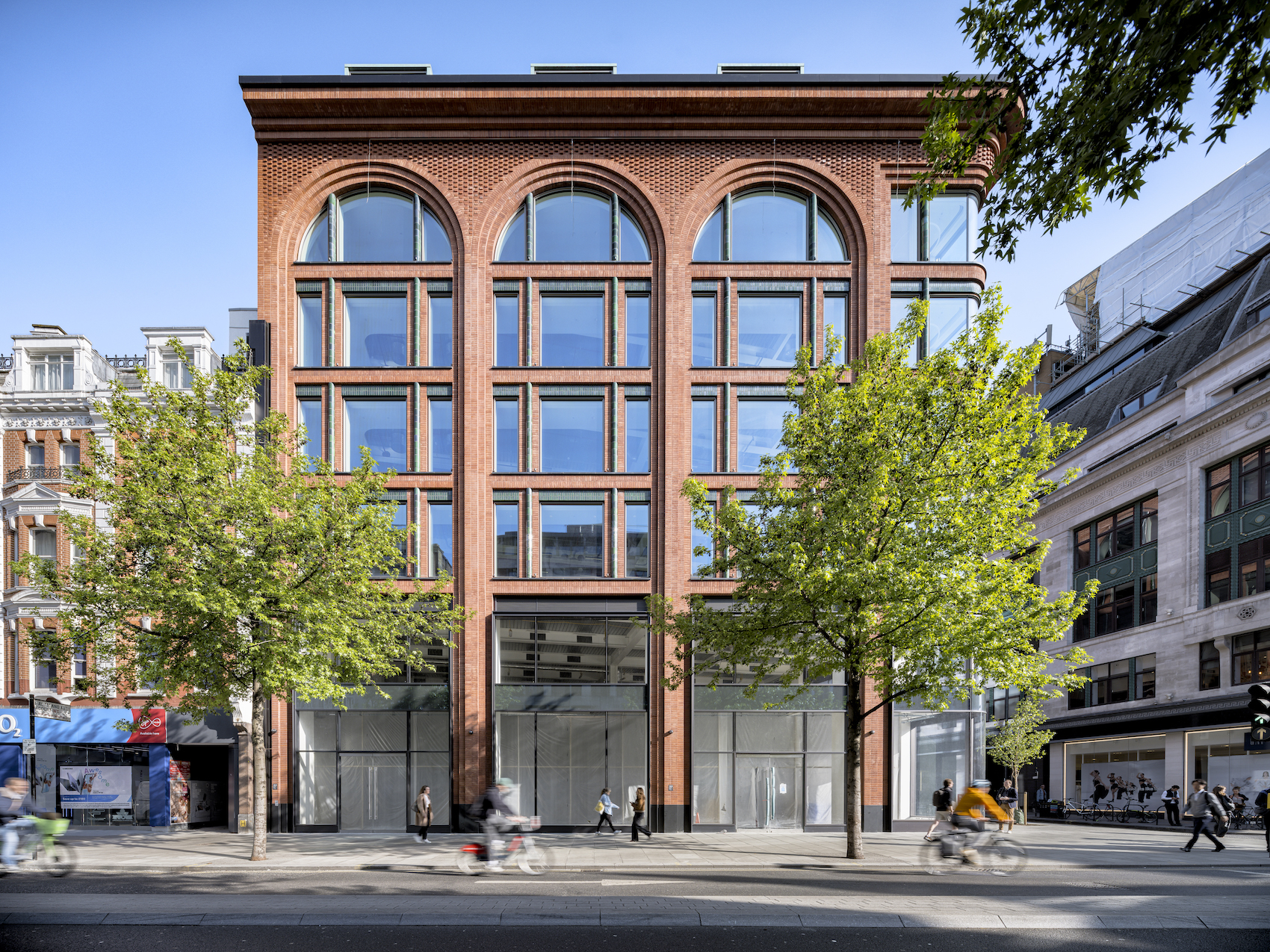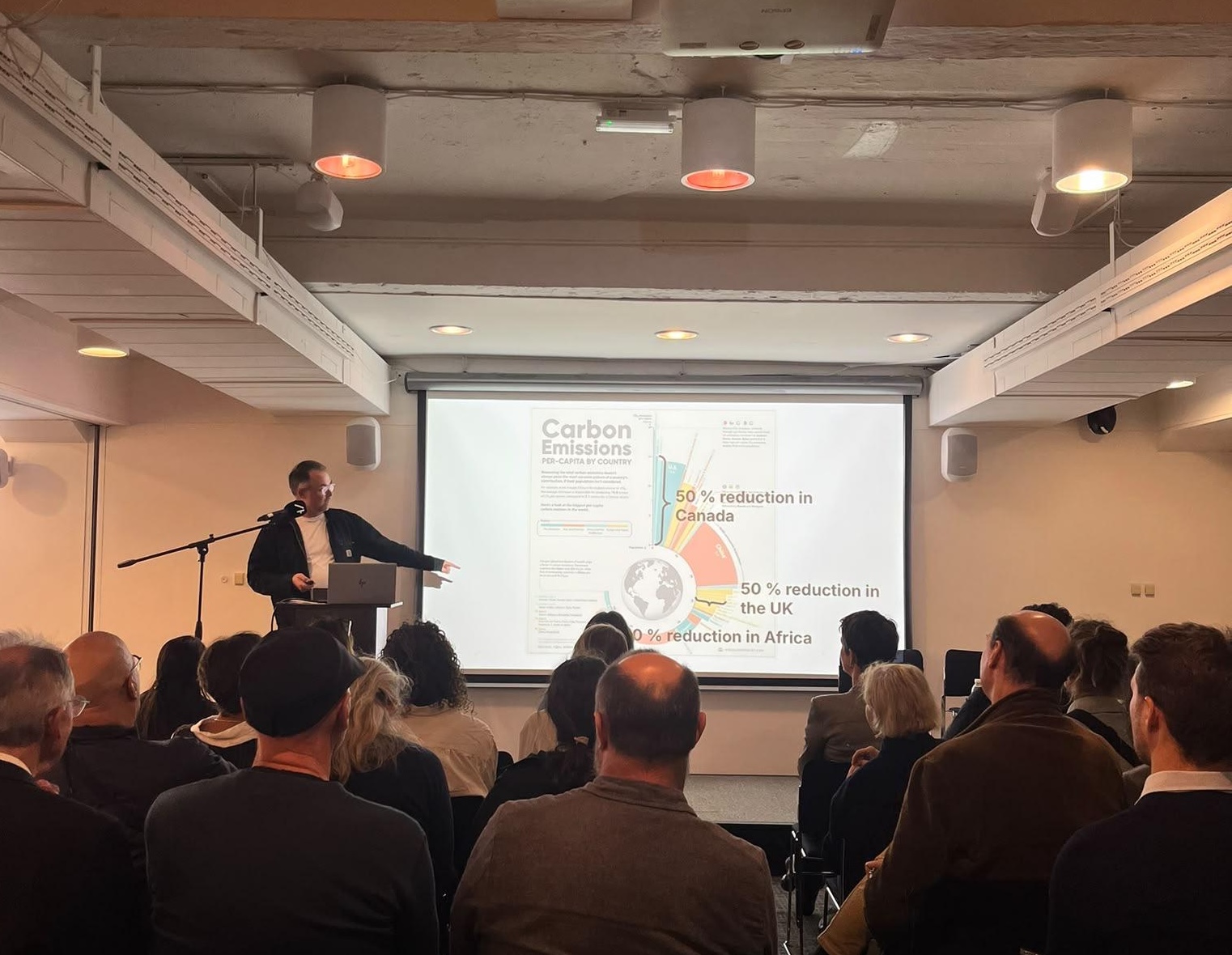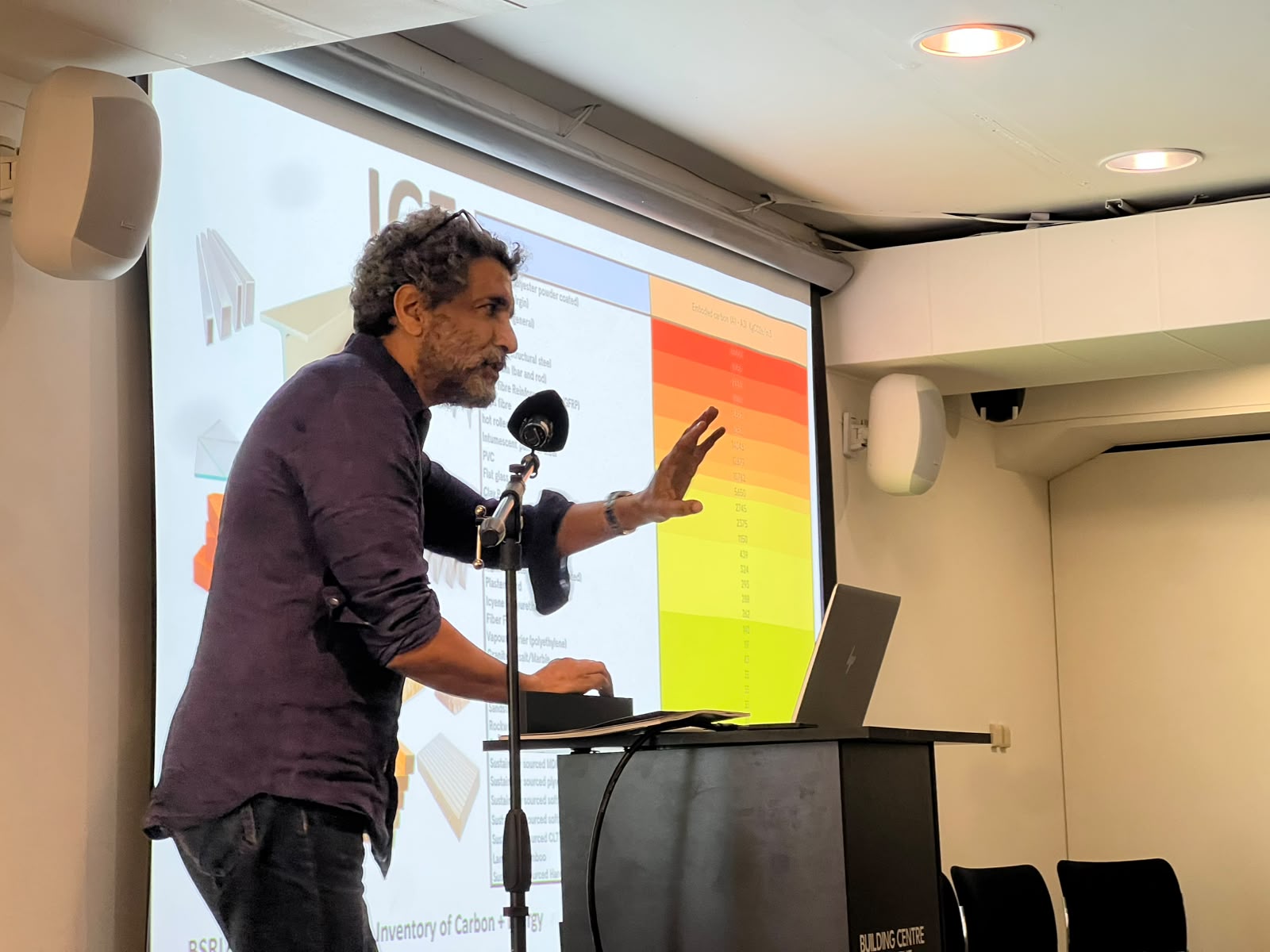
Elisa Pardini and Robert Hall’s approach to architecture is shaped by a mix of English and Italian influences including the countryside around Lucca in Pardini’s native Italy.
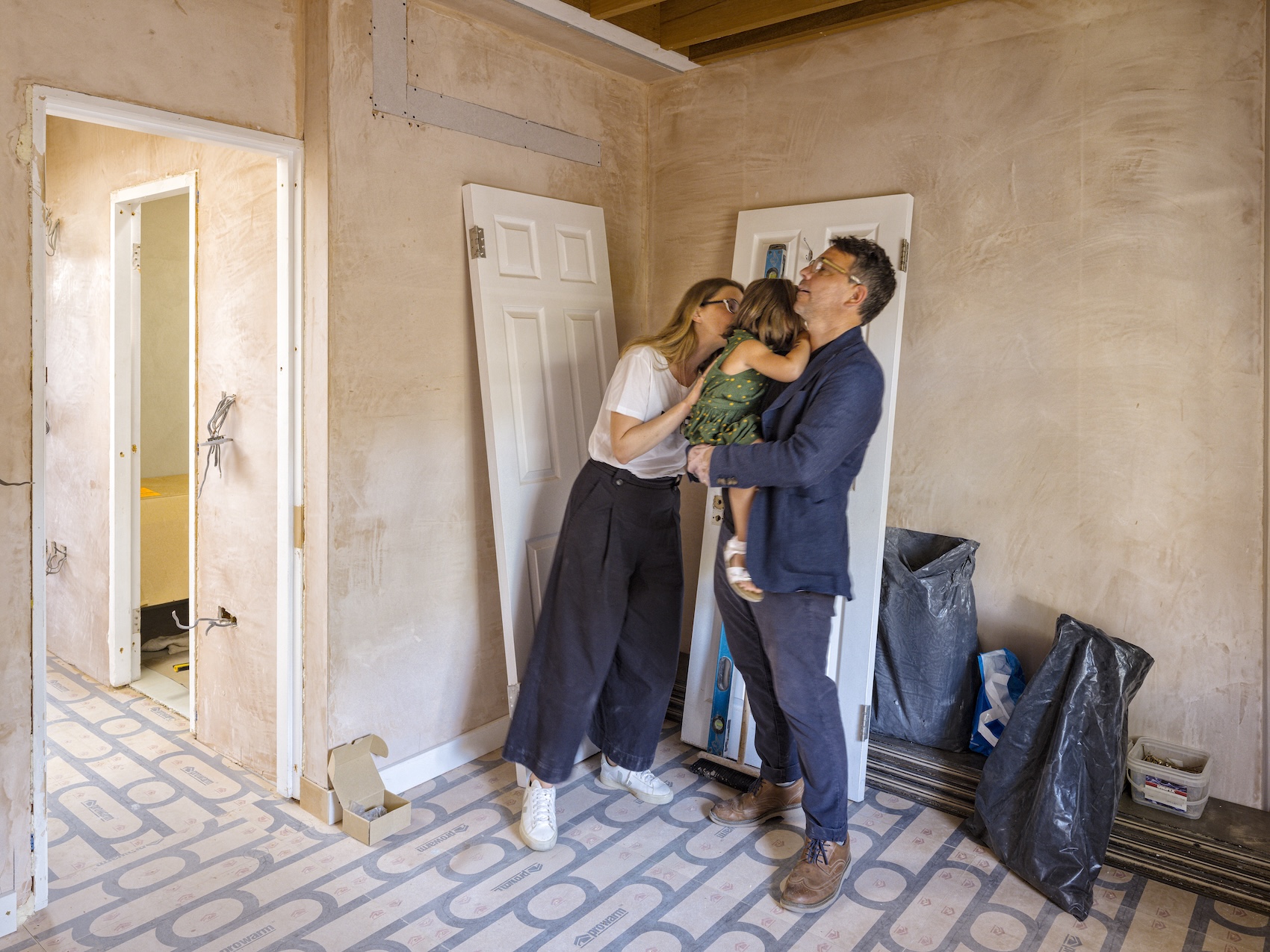
Elisa Pardini and Robert Hall with their daughter at their home in Knightsbridge, London.
Our English side gives us rigour and the Italian brings a certain design instinct. This combination of knowing how things are actually built: detailing, tolerances, sequencing, a practical discipline of making a design work on site, and the Italian habit of reuse – in Italy you don’t demolish a building because it’s old, you carry on with it – results in schemes that are considered and that also get built properly.
‘Regenerative’ is a way of living and thinking, not a chapter at the end of the report. Day-to-day it shows up as small, unglamorous decisions: keep the structure, repair rather than replace, source locally, ask whether the material can have another life afterwards. If it’s a philosophy you hold personally, it doesn’t need to be enforced on a project , it’s already in every choice.
If you want stone, use stone; if the budget says otherwise, choose an honest material that is good at being itself. Imitation ages badly, both physically and visually, and it teaches clients that surface is the same as substance. It isn’t.
The Lucchesia landscape – the countryside around Lucca – changed how we think about architecture. Farmhouses sit into hillsides rather than on top of them, oriented for sun and wind because there was no other technology available. Every building was made from what was within a few kilometres. That landscape taught us that context isn’t a planning requirement, it’s the first design tool, and that the most sustainable buildings we have were built by people who never used the word.

All photographs in the Reinventing Practice series will be on show at Regenerative Design 2026, a month-long programme of exhibitions and events that takes place at the Building Centre throughout October 2026.