Laura Baron, Head of Sustainability at Purcell, calls for architects to set aside ego and embrace their role as custodians, working collaboratively to preserve, adapt and enrich the places and communities entrusted to their care.
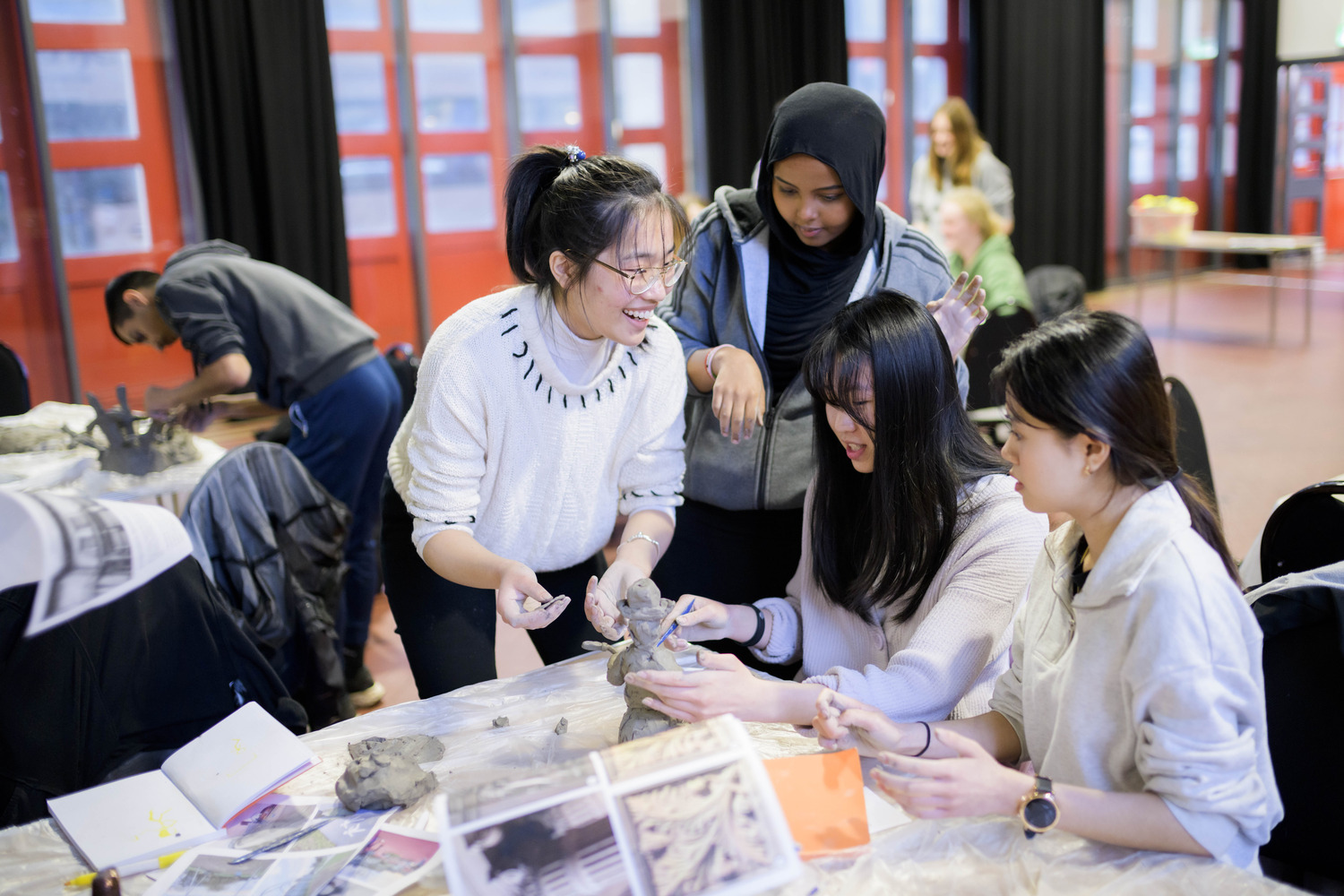
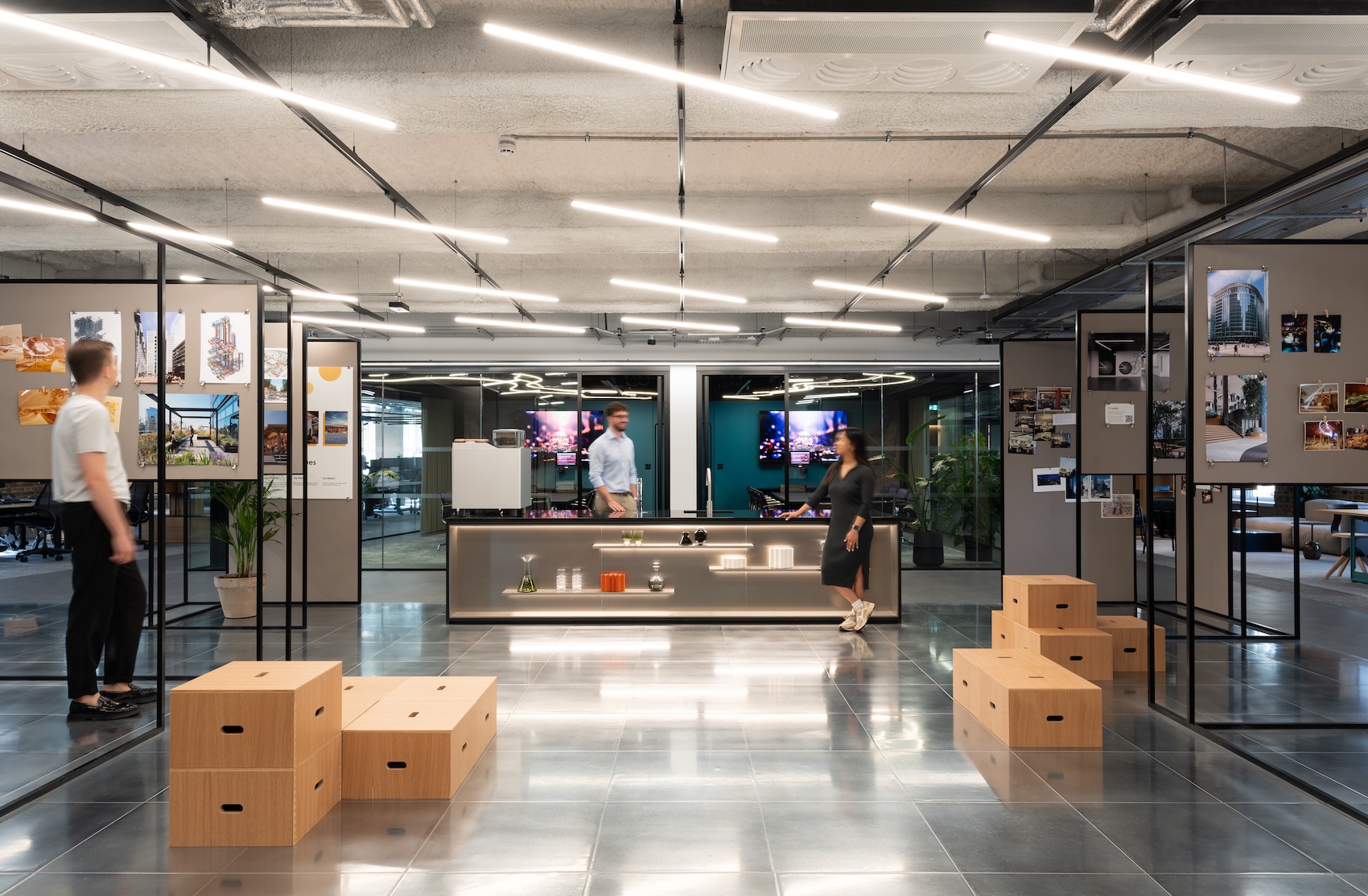
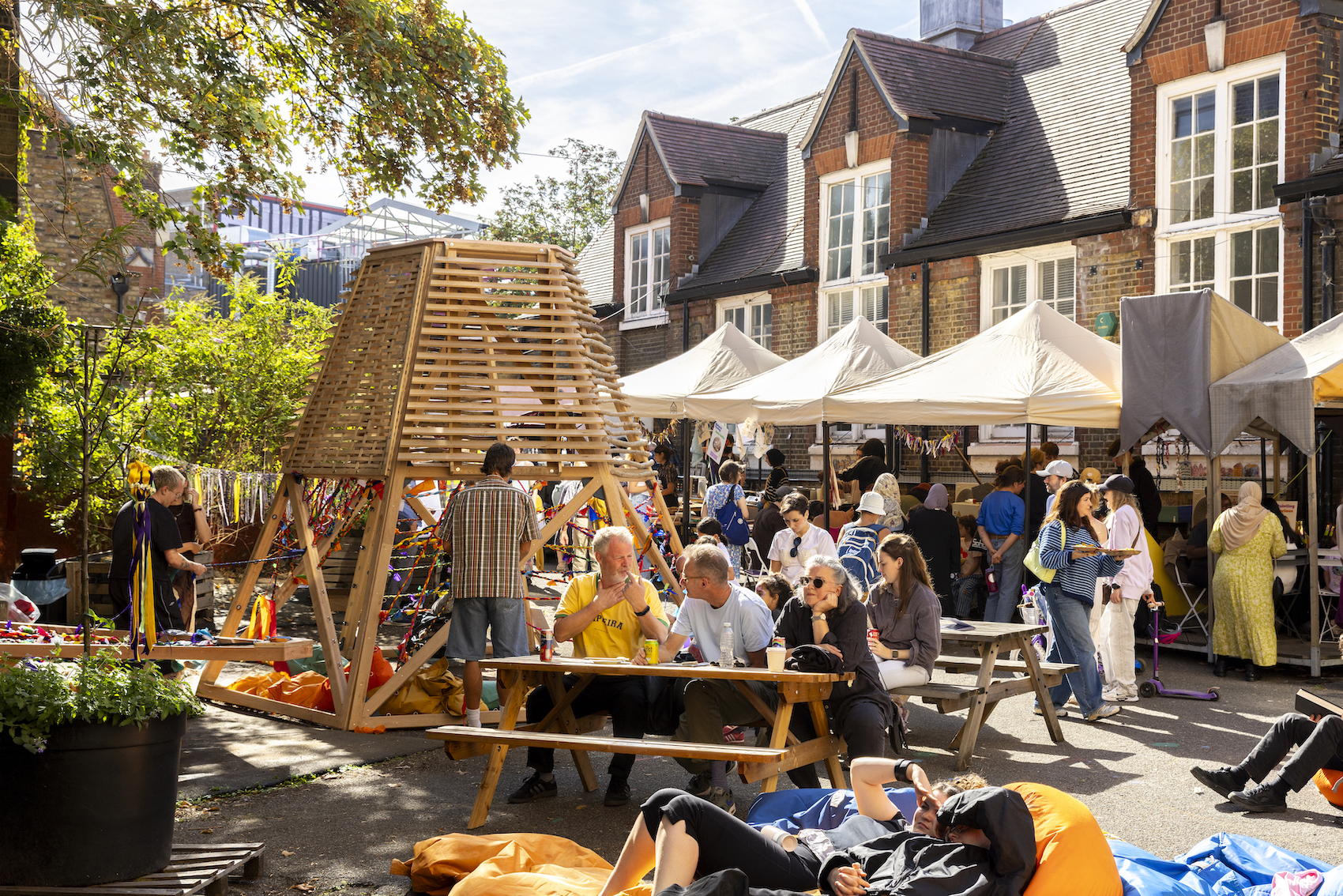
Working with the Creative Youth Network charity based in Bristol. Credit: Paul Blakemore
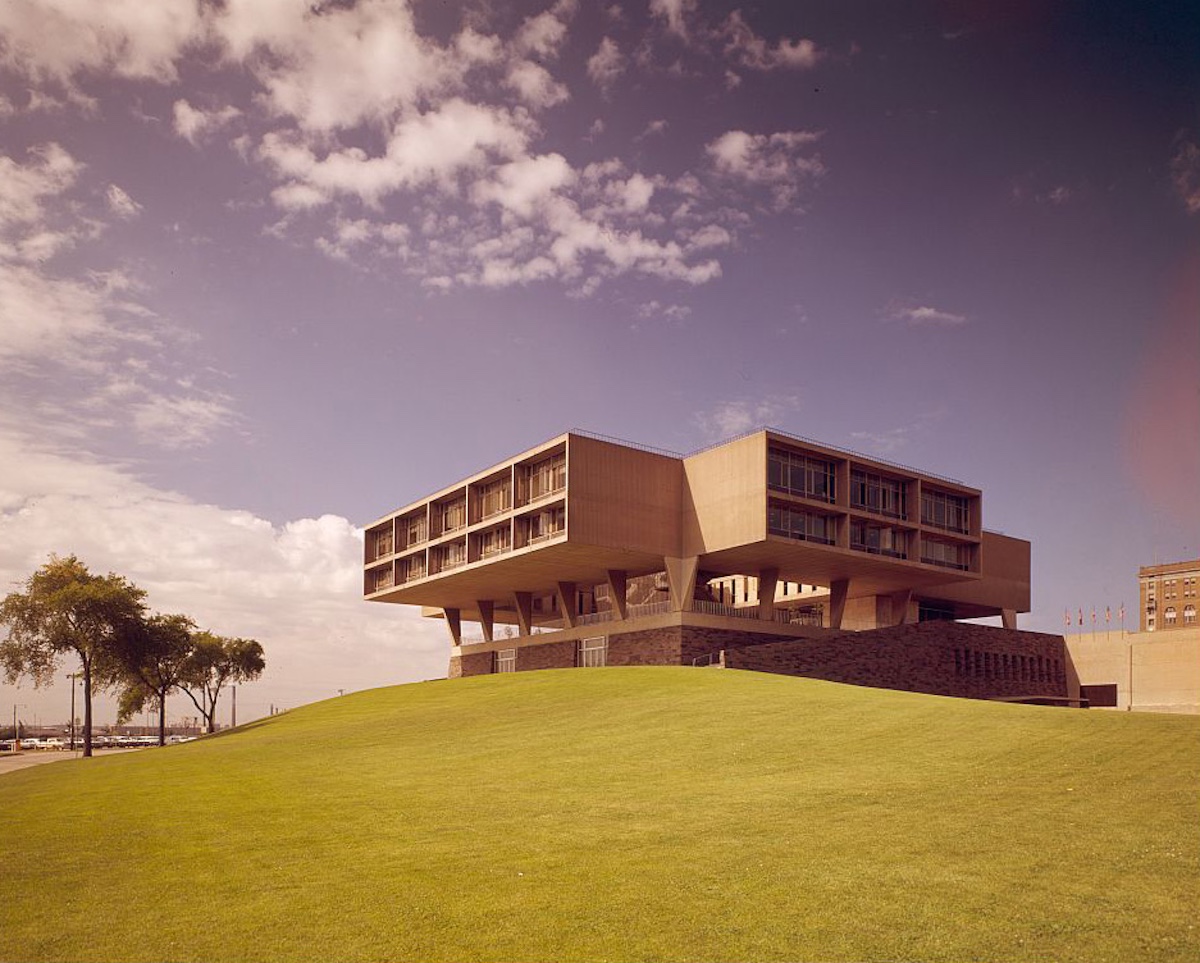
I studied architecture when the UK curriculum was dominated by the white male architects of the 20th century. Images of Le Corbusier’s hand over a model of Ville Radieuse or Mies surveying the city from his glazed high-rise painted a picture of the architect as visionary and solitary author.
Barnabas Calder’s From Prehistory to Climate Emergency scathingly critiques the enduring legacy of the modernist era: high embodied carbon and energy-intensive forms exported around the world. The deeper inheritance, however, may be cultural; a belief that the architect is a god-like creator, singly able to solve society’s challenges through bold innovations and a dismissal of what came before.
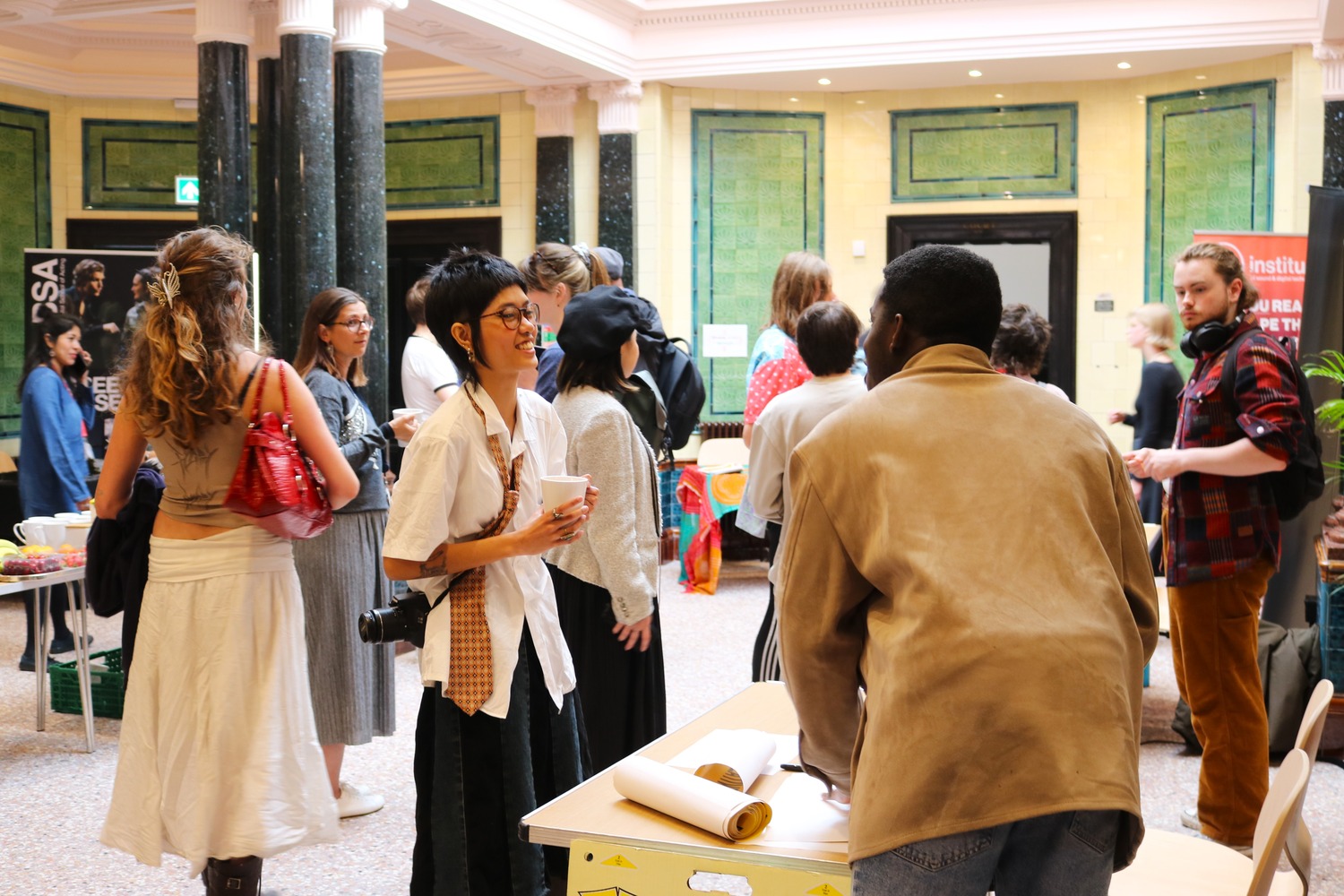
Working with the Creative Youth Network charity based in Bristol. Credit: Paul Blakemore
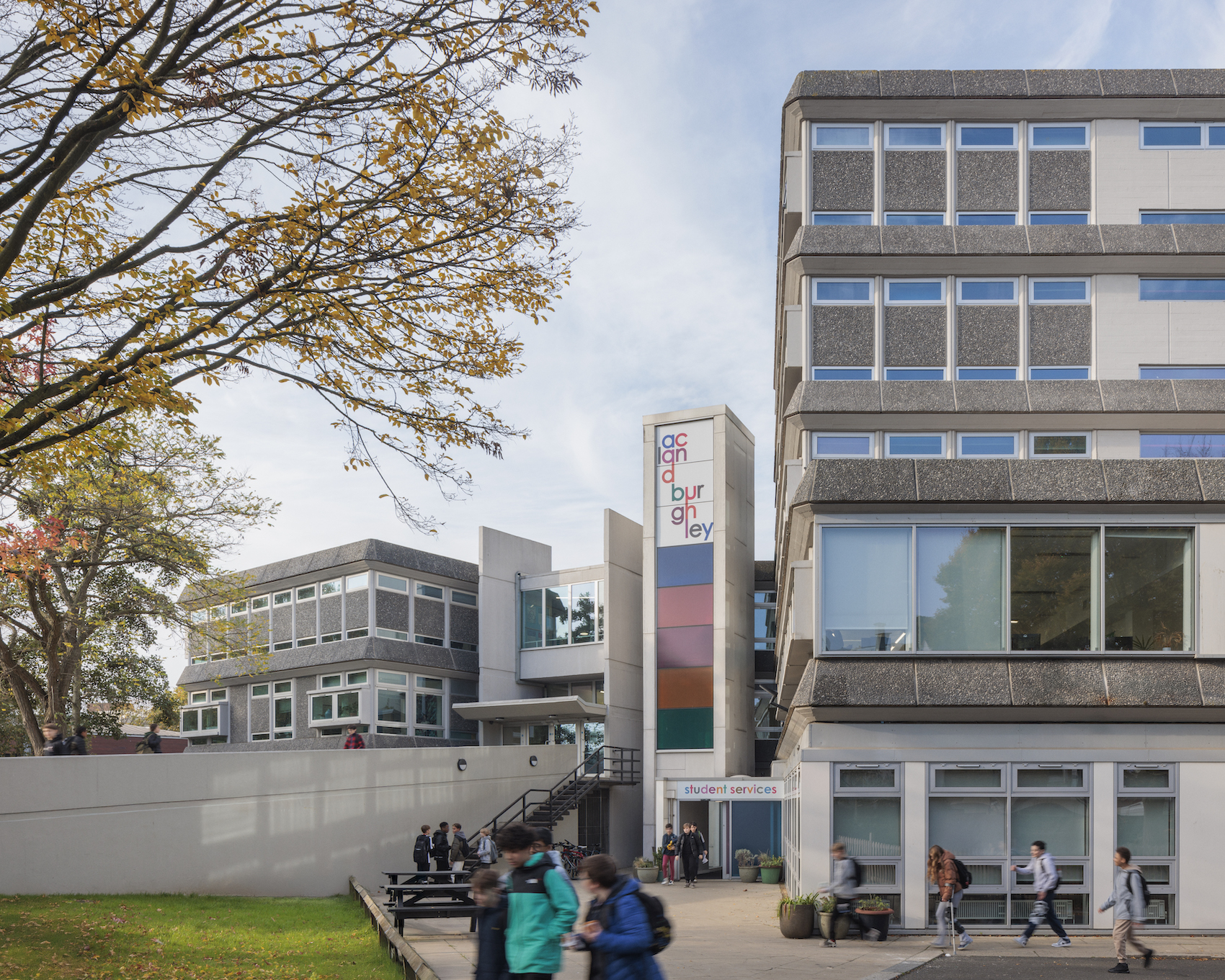
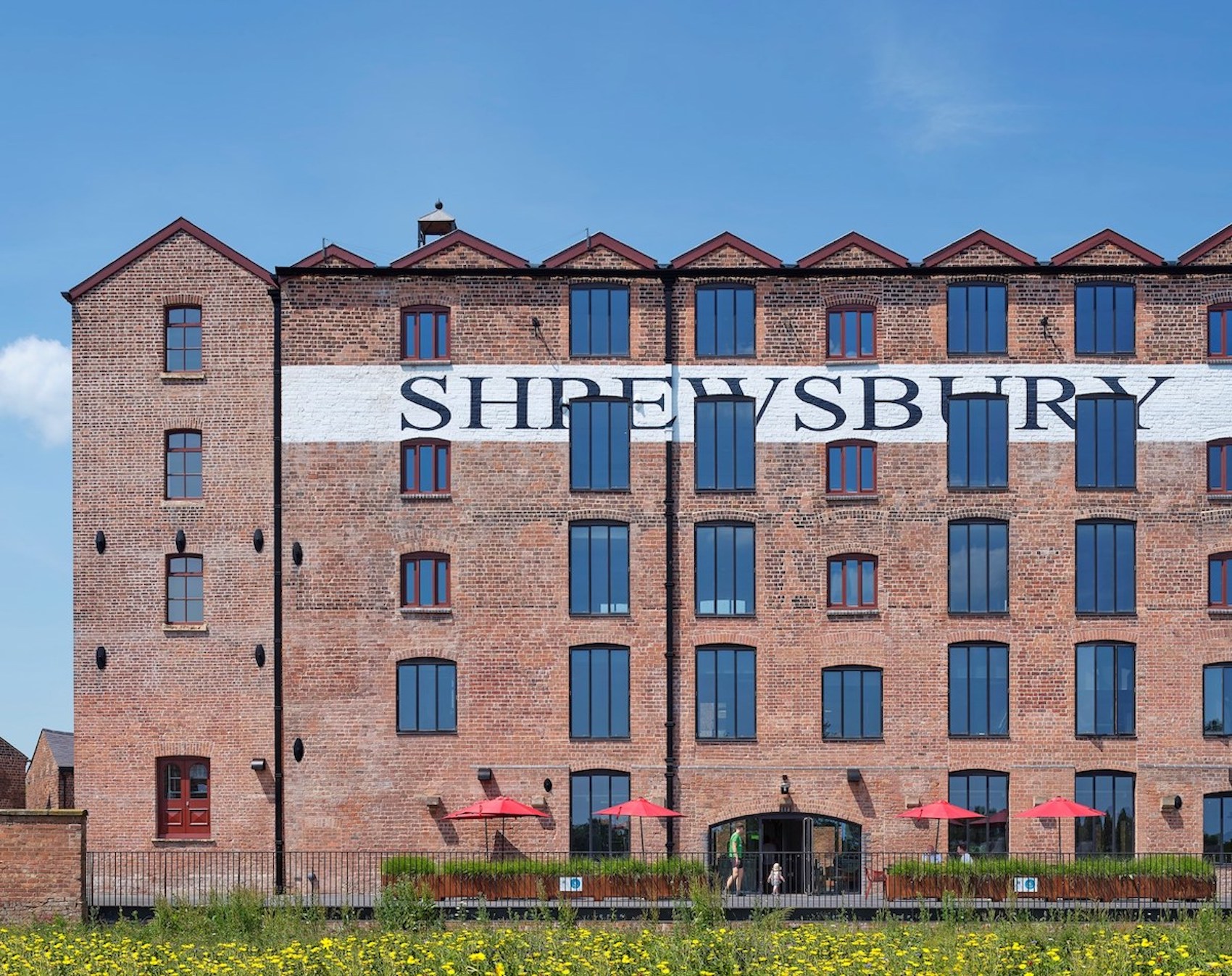
Lacaton and Vassal’s philosophy: “Never demolish. Never subtract, remove, or replace. Always add, transform, with and for the inhabitants.” offers a lesson in architectural humility. This mindset is inherent to those working in the heritage sector, where stewardship begins with honouring what’s come before. The trick isn’t necessarily to create new but to layer, recognising present interventions as one moment in a long story stretching from the past well into the future.
Purcell’s work with Bristol charity Creative Youth Network is an example of this layering. The transformation of the former Bridewell Magistrates’ Court put young people at the heart of the design process, breathing new life into the existing building and celebrating its past whilst ensuring its continued community use for future generations.
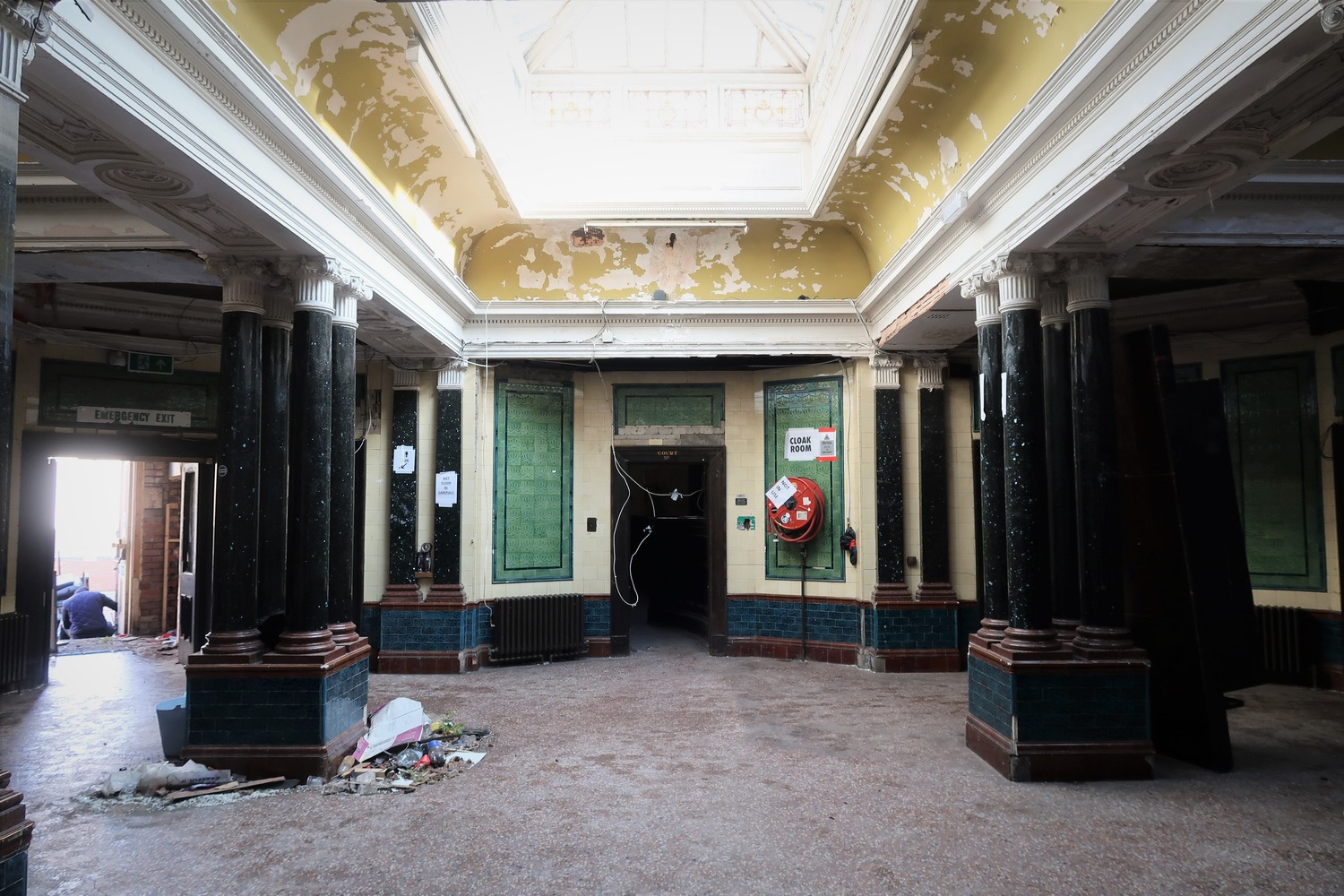
Bridewell Magistrate’s Court before Credit: Fotohaus
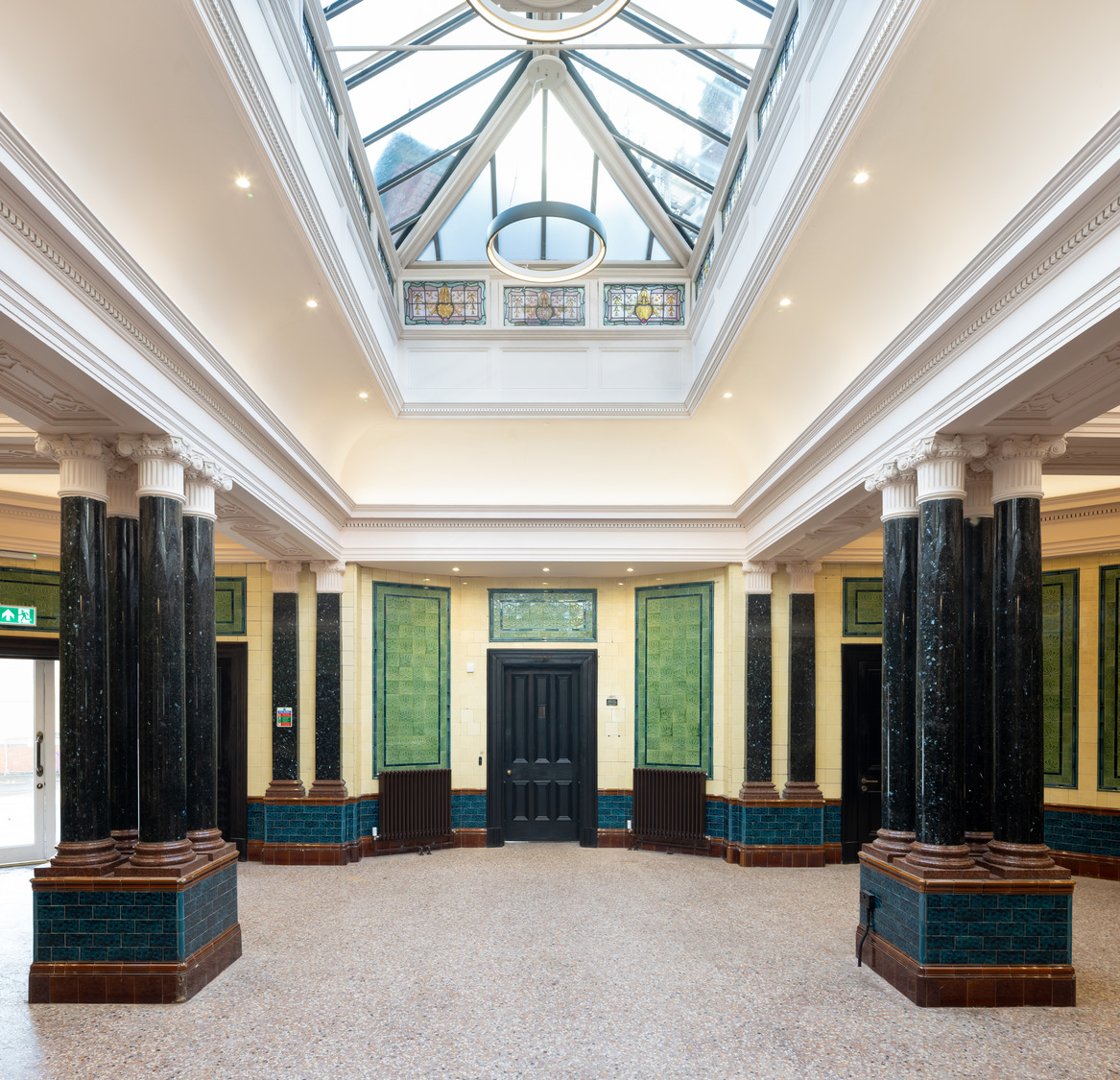
Bridewell Magistrate’s Court after Credit: Fotohaus
Individuals like Yasmeen Lari and Shigeru Ban, known for their professional shift towards humanitarian architecture, showcase a quiet revolution: place-based, people-focused and rooted in local culture, skills and heritage. Here, legacy is more than individual recognition, it’s a community with the skills, knowledge and resources to build regeneratively, and resiliently, in the face of growing uncertainty.
There are lessons here we should all take note of. The architectural ego is far from extinct in today’s professional landscape, but egos are useless in a crisis. Let us embrace its demise. In this climate and biodiversity emergency we need humility, not hubris. We need collective collaboration, not individual brilliance and we need to shift the role of the architect from ‘creator’ to ‘custodian’.