Siderise explores how bespoke cavity barriers can address brick slip fire safety challenges, while supporting compliance and design flexibility.
In association with
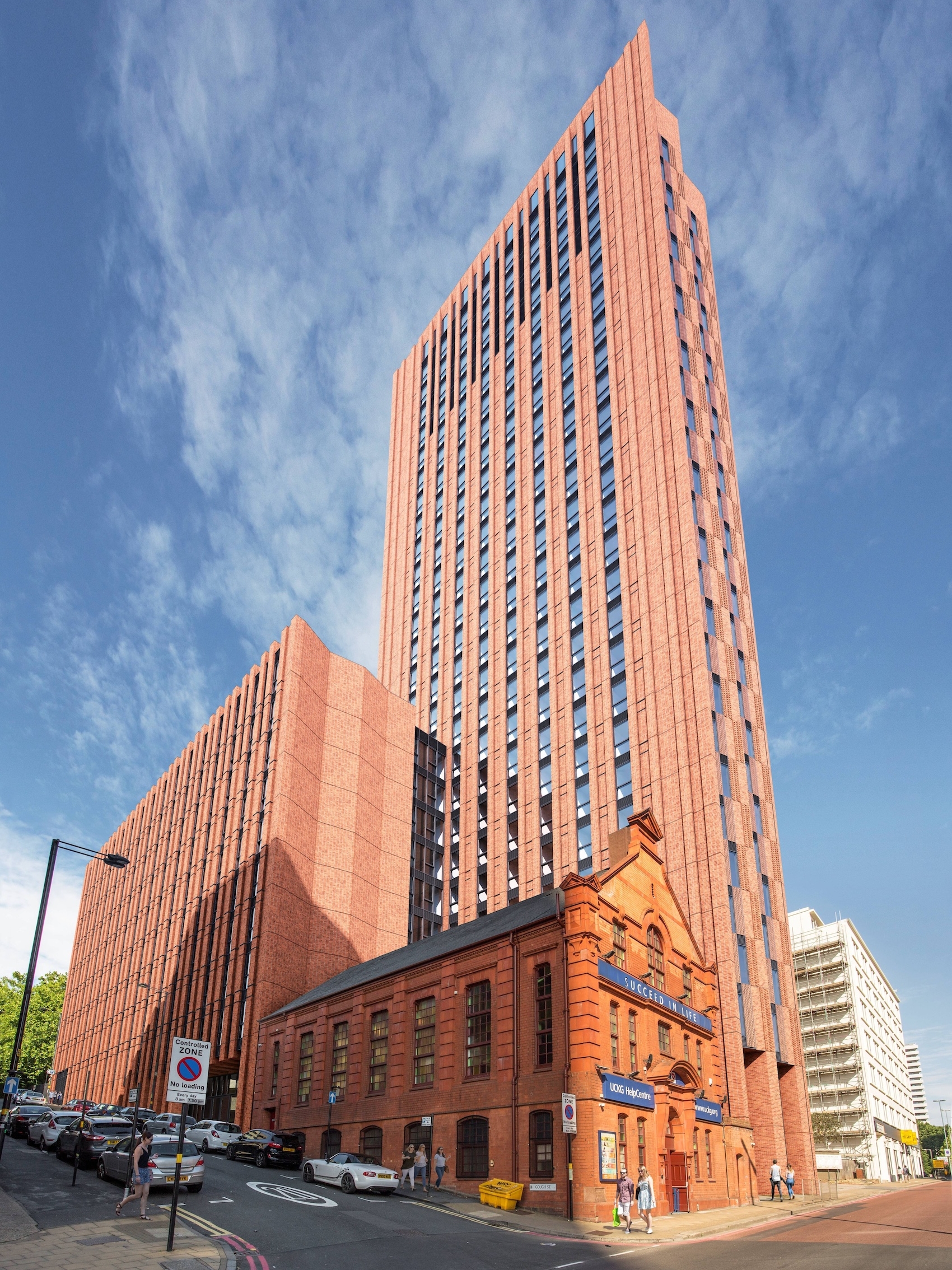
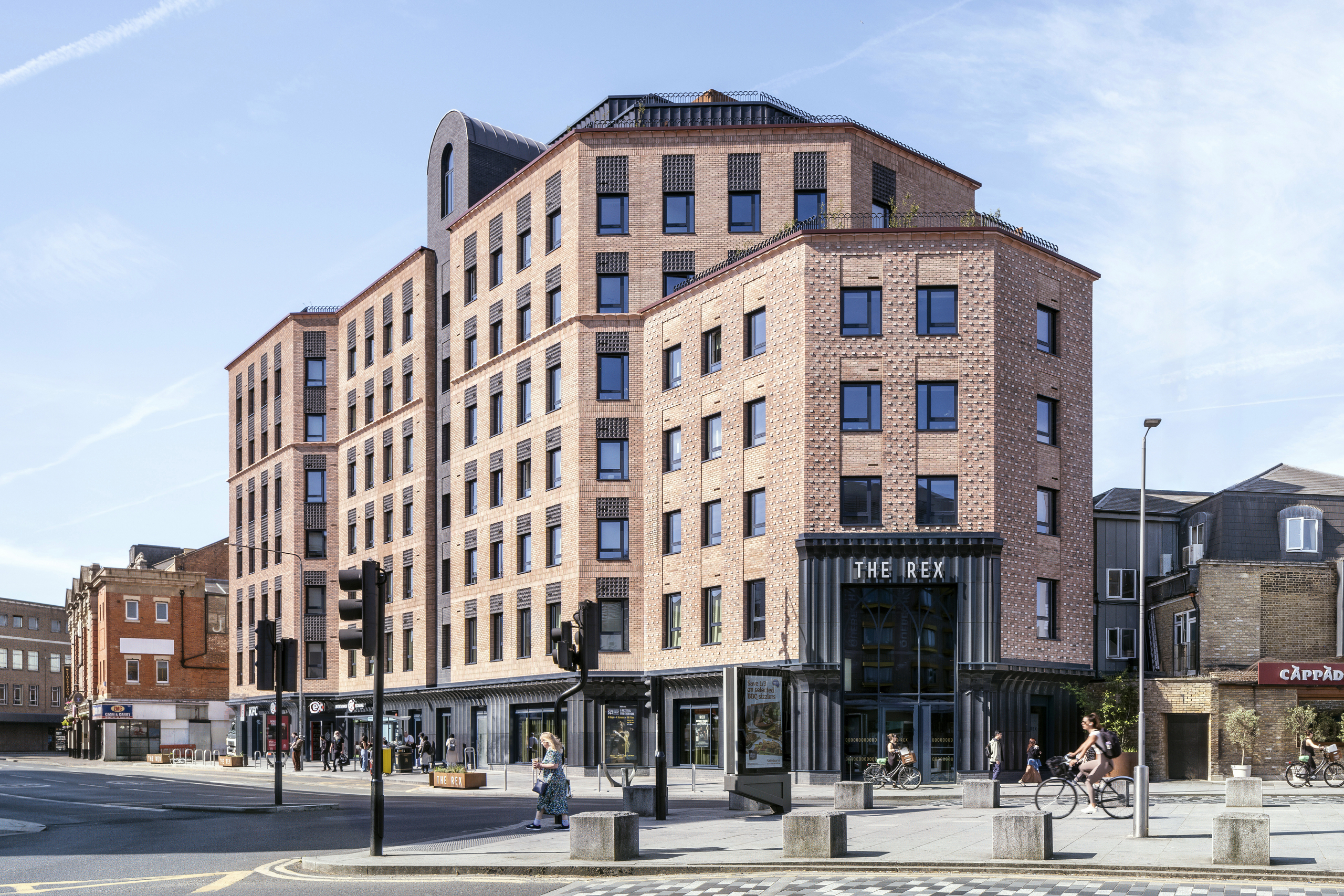
Siderise cavity barriers protect an Ash & Lacy NaturAL-X brick cladding system at Gough Street, Birmingham.
Bricks have long been a staple of British architecture, but increased building complexity, height and performance demands have made full-depth brickwork a less practical choice, especially on mid- to high-rise and renovation projects. This has led to the development of brick slip cladding systems as a way to achieve the same aesthetic while supporting modern construction methods, such as drained and back ventilated (DBV) rainscreens with non-masonry substructures. Despite being widely adopted and available, it is important for architects to note that these systems can vary broadly in their design, with different manufacturer’s solutions presenting various structural and fire performance considerations. This means that taking a standardised approach to compartmentation can often be insufficient.
Passive fire protection challenges
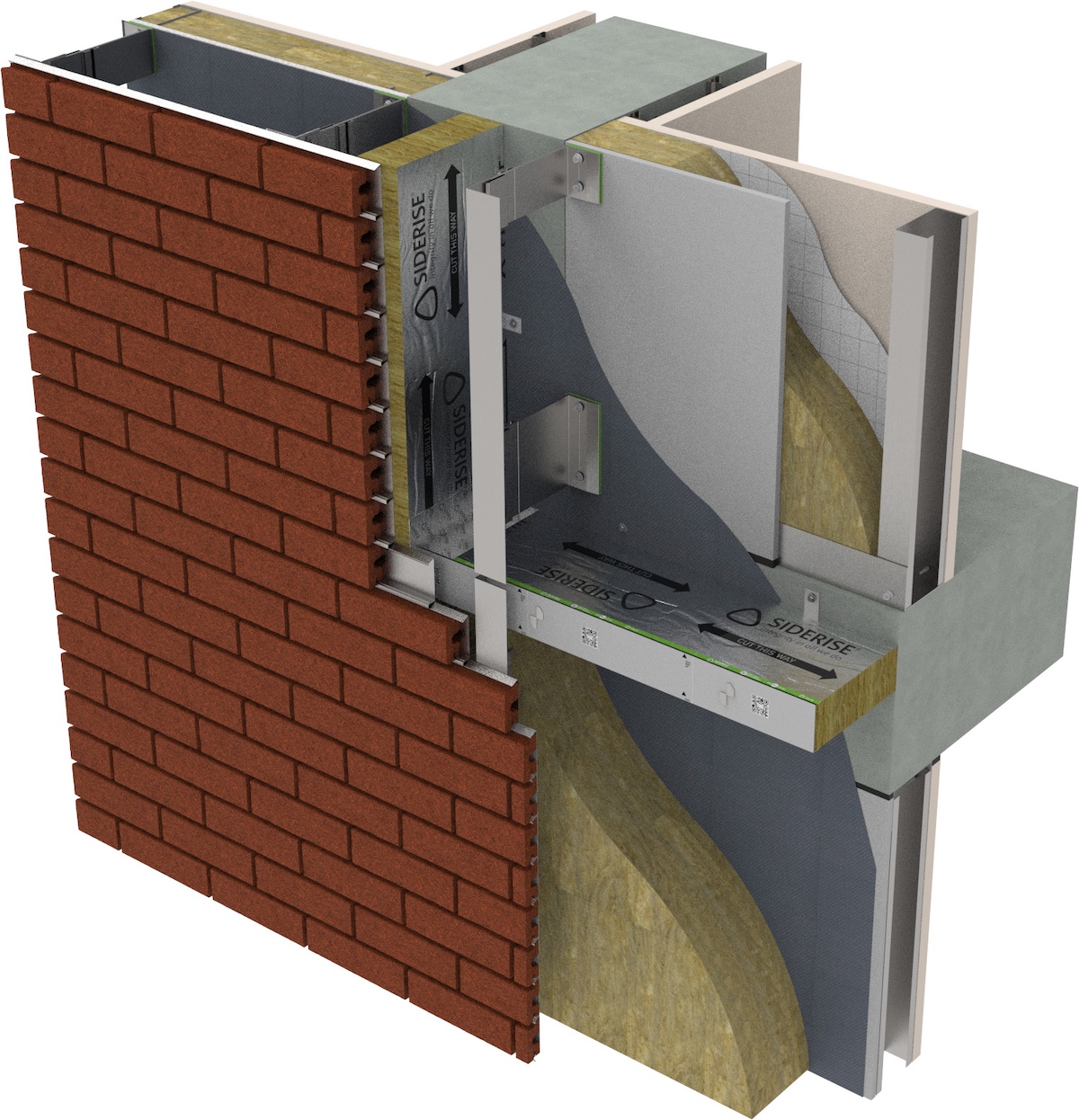
Mechanical-fix brick slip systems are the most common type of system used on external building elevations. Here, the brick tiles are integral to the ventilated façade system, rather than applied as a decorative finish, as with bonded/adhesive-fixed brick slip cladding. To prevent fire spread through the cavity behind the outer layer, they are protected with horizontal partial fill ‘open state’ cavity barriers (OSCBs) and vertical full-fill barriers fixed to the inner construction.
These systems can use a range of approaches to retain the brick tiles in place, such as a ‘clip in’ rail fix or ‘dovetail’ fix, both of which present interfacing complexities with compartmentation solutions. Additionally, if a flat backed system is not used, irregular cavity sizes within the void created by the profile of the brick tiles can be difficult to seal effectively using conventional vertical and horizontal cavity barriers. Even with flat-backed systems, there can be hidden voids behind carrier rails.
In the past, installers have resolved this problem by extensively notching and scribing full-fill cavity fire barriers onsite to match the system’s inner profile. However, this is time-consuming, inconsistent and unsupported with fire test data. Using horizontal open-state cavity barriers with an intumescent edge does not directly solve this issue either as the many nuances and variations within brick slip systems means there can often be insufficient test evidence that it will provide the right performance and protection for the full façade system. Dedicated fire protection solutions designed specifically for brick slip systems can help address these challenges.
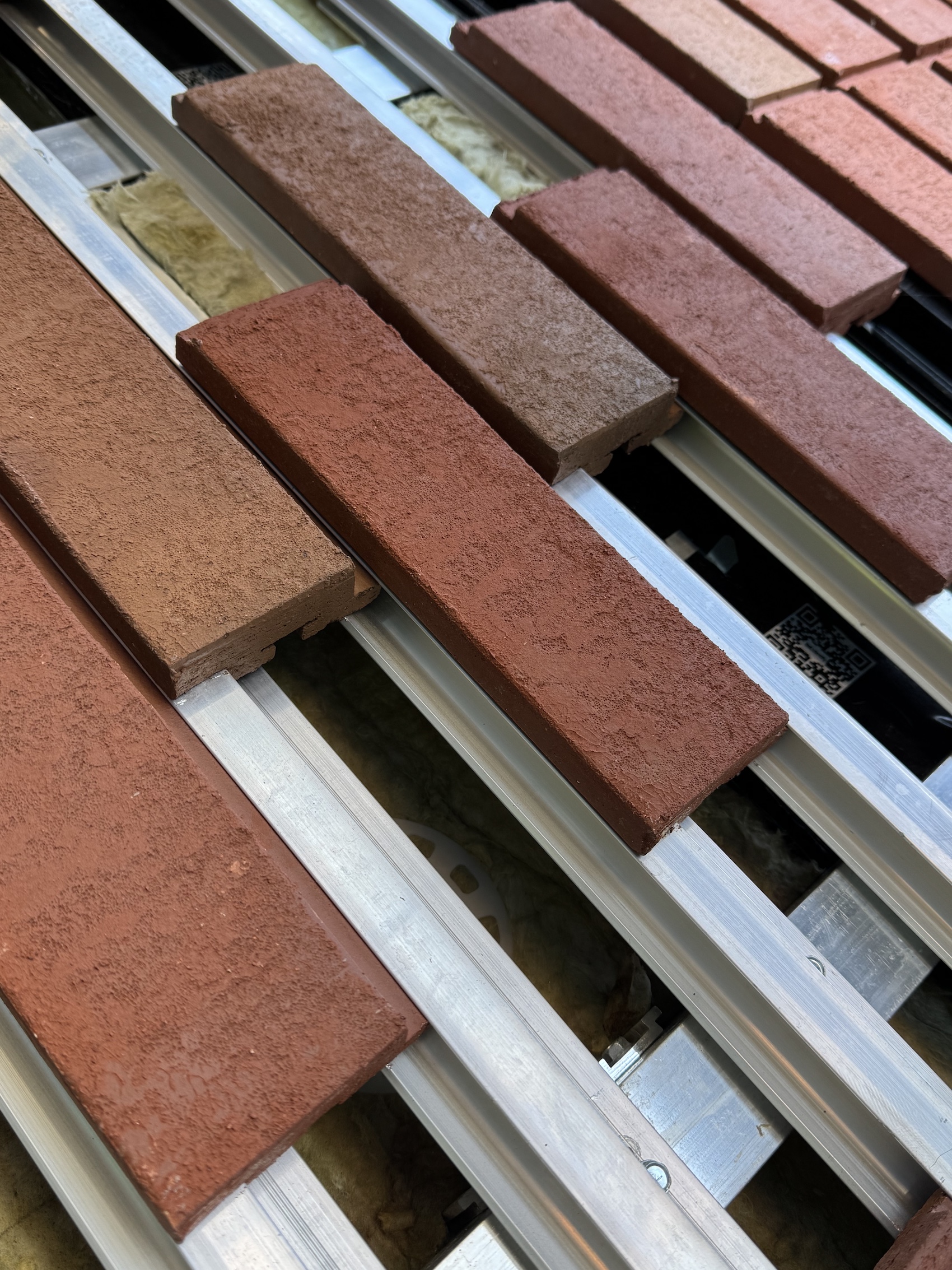
Siderise BV and BH Brick Slip Cavity Barriers have been tested alongside several popular and widely available brick slip cladding systems from a range of different manufacturers.
Siderise bespoke brick slip solutions
The Siderise BH and BV Brick Slip Cavity Barrier System comprises a range of horizontal open-state and vertical full-fill cavity barriers that are designed, certified and supported to address the specific demands and design nuances of all the common ventilated brick slip façade systems available. Crucially, these products are not only supported by primary test data and third-party certification required for demonstrating regulatory compliance, but also an array of supplementary test data that takes into consideration a range of different factors, such as rail types, substrates and pipe penetrations.
Architects can work closely with Siderise’s technical team to assess and better understand risk factors for designs, make more informed decisions on product applications, and gather sufficient evidence to demonstrate compliance. Where test data may be lacking, Siderise can make use of its UKAS-accredited in-house test facilities. This allows them to work collaboratively with project teams, engineering their cavity barriers to overcome the fire safety, moisture egress, and ventilation challenges presented by the individual characteristics of a specific system.
Integrated benefits
Using Siderise’s bespoke brick slip solution carries additional benefits. For example, the unique lamella core within all Siderise cavity barriers means that the BV Vertical Cavity Barrier can be installed under increased compression and detailed accurately around interfaces using only basic tools. This means that there is no need to install intermittent intumescent strips that run vertically between each rail. This not only reduces the amount of material that needs to be specified and costed but also speeds up installation, enhancing the efficiency benefits of brick slip systems.
Additionally, Siderise offers passive fire protection solutions for all kinds of building envelope systems, from traditional masonry and precast to curtain walling. This means that projects which incorporate different façade system types on a single building— for instance a traditional brick podium with brick slip used for the higher floors or a building with large, glazed elements— can all be protected with solutions supplied by a single manufacturer. This not only simplifies supply and logistics but also adheres to the Association for Specialist Fire Protection’s Technical Note 6, which advises against combining fire-stopping products from different manufacturers unless explicitly tested and validated together.
Being ready for brick slip
Brick slip façades offer a practical route to achieving traditional masonry aesthetics within modern building envelopes. However, given the diversity of systems available, application-specific cavity barrier solutions are essential—especially those that are backed with robust test data and supportive services to ensure solutions are tailored appropriately to the specific system and project demands. Taking this approach can help give project teams confidence that façade performance, regulatory compliance and design intent are being met together.
Contact Details
Click here to learn more about Siderise’s solutions for brick slip façades. For enquiries relating to Ash & Lacy and Mechslip systems, please contact technical.services@siderise.com or visit www.siderise.com.