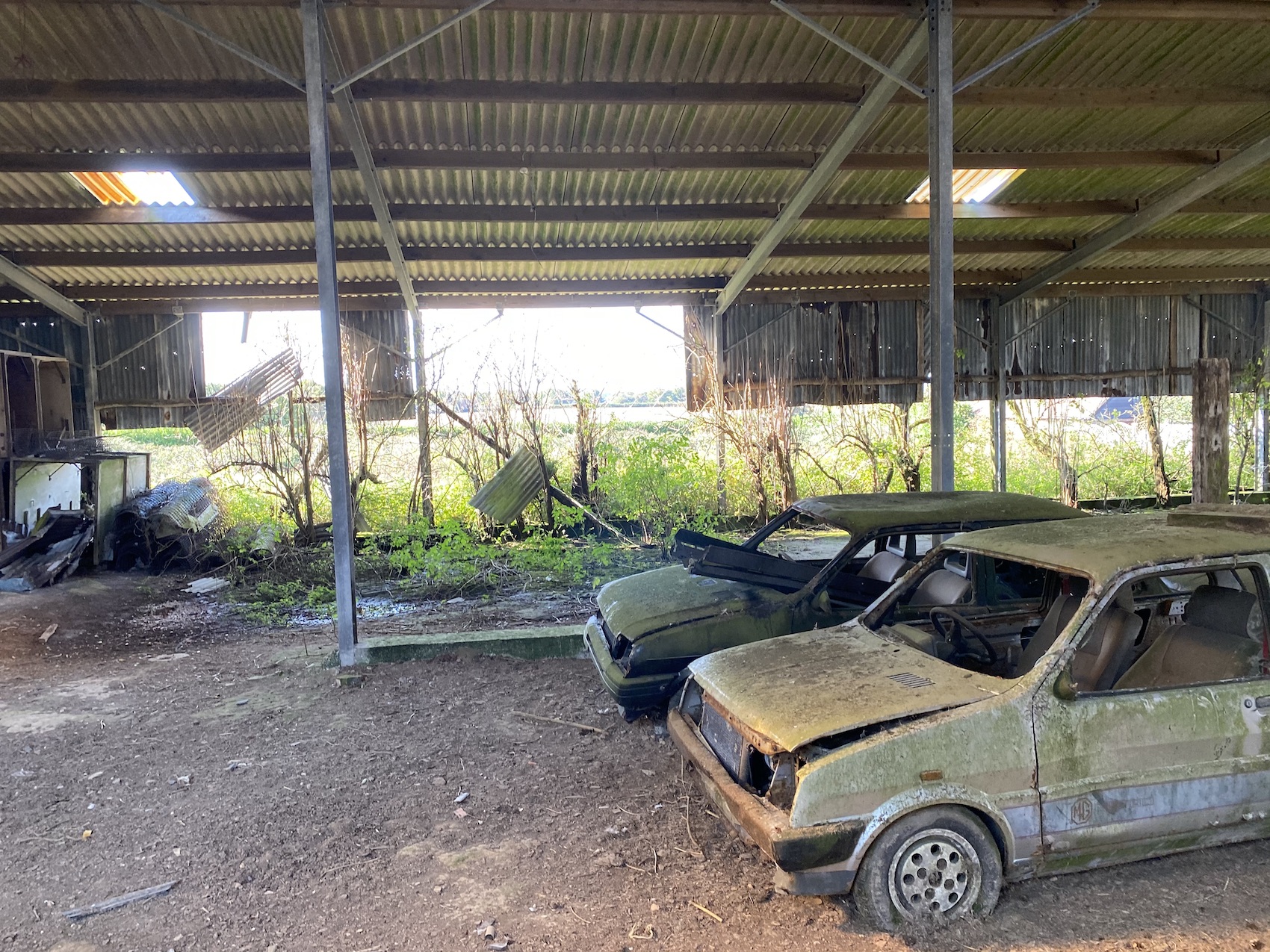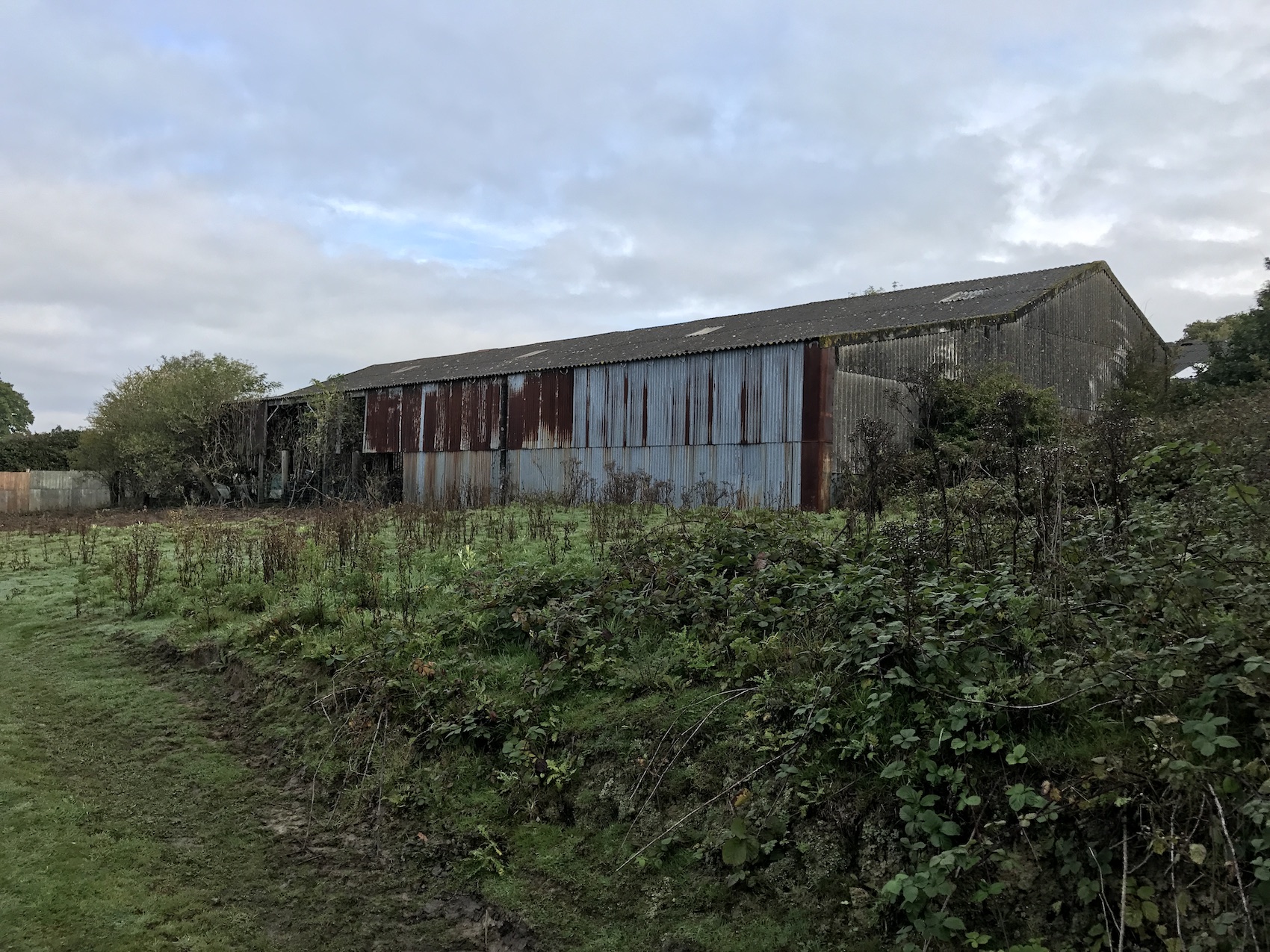
A derelict East Sussex farm has been reimagined as a low-impact holiday retreat, skilfully balancing architectural rigour with informality and sustainability with adaptability.
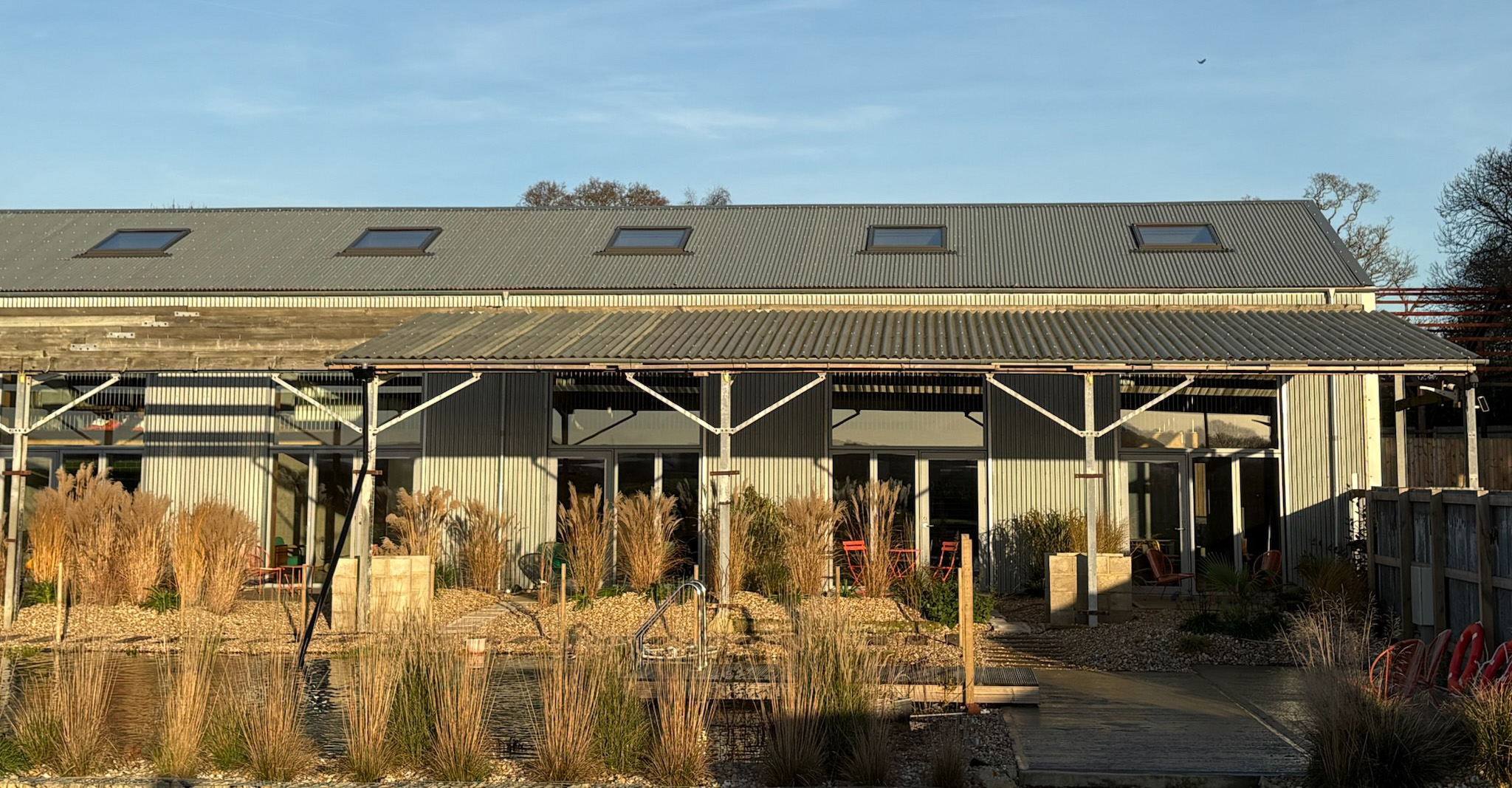
Architect–developer duo Colin and Linh Pennington have completed Barnscapes, a mixed-use rural development near Hastings, East Sussex, that transforms 1.2 hectares of derelict farmland into a flexible retreat for short stays, events and celebrations. Located within an Area of Outstanding Natural Beauty, the scheme combines raw industrial materials with ecological sensitivity, offering a new model for low-impact tourism and collective rural living.
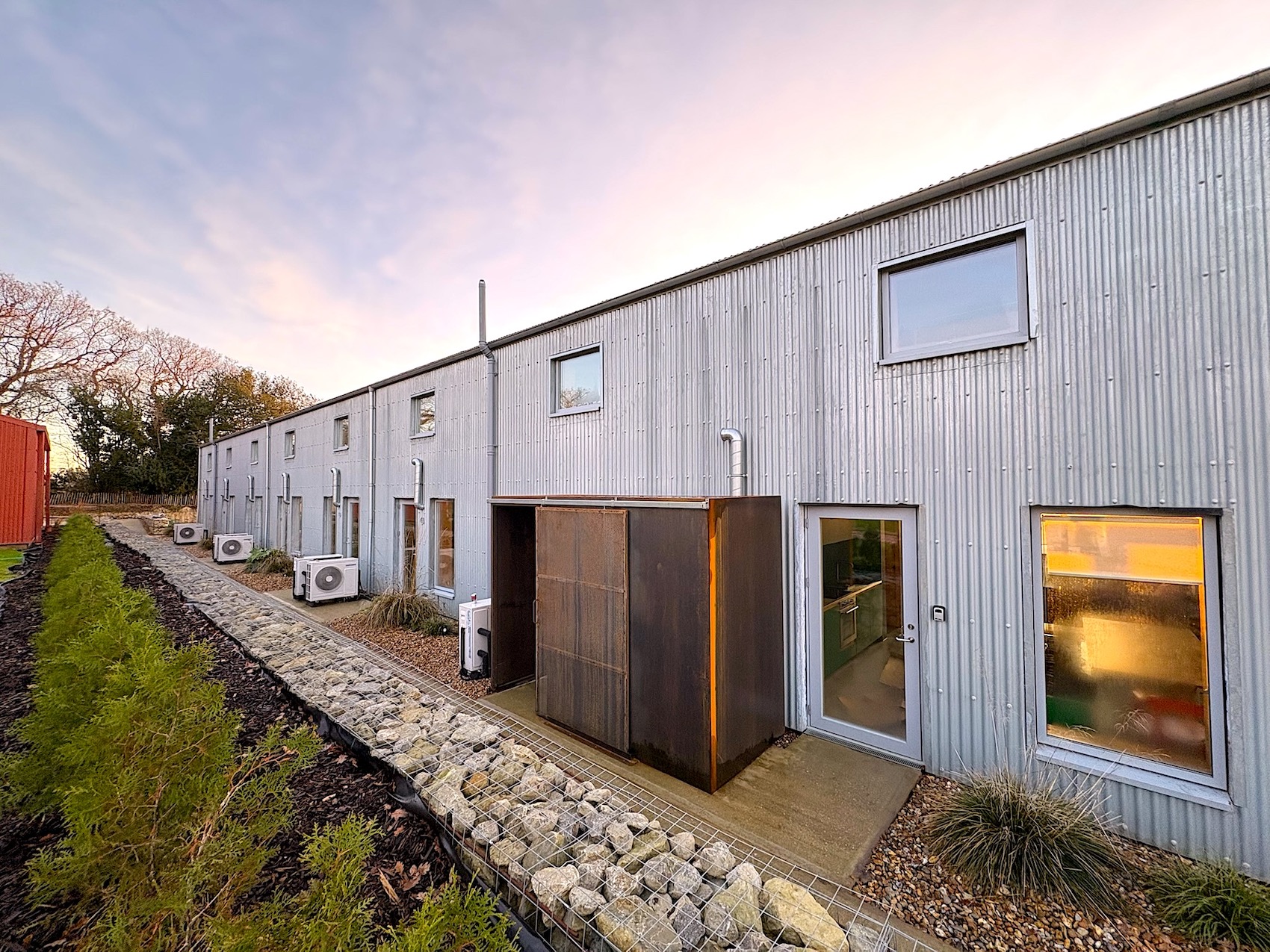
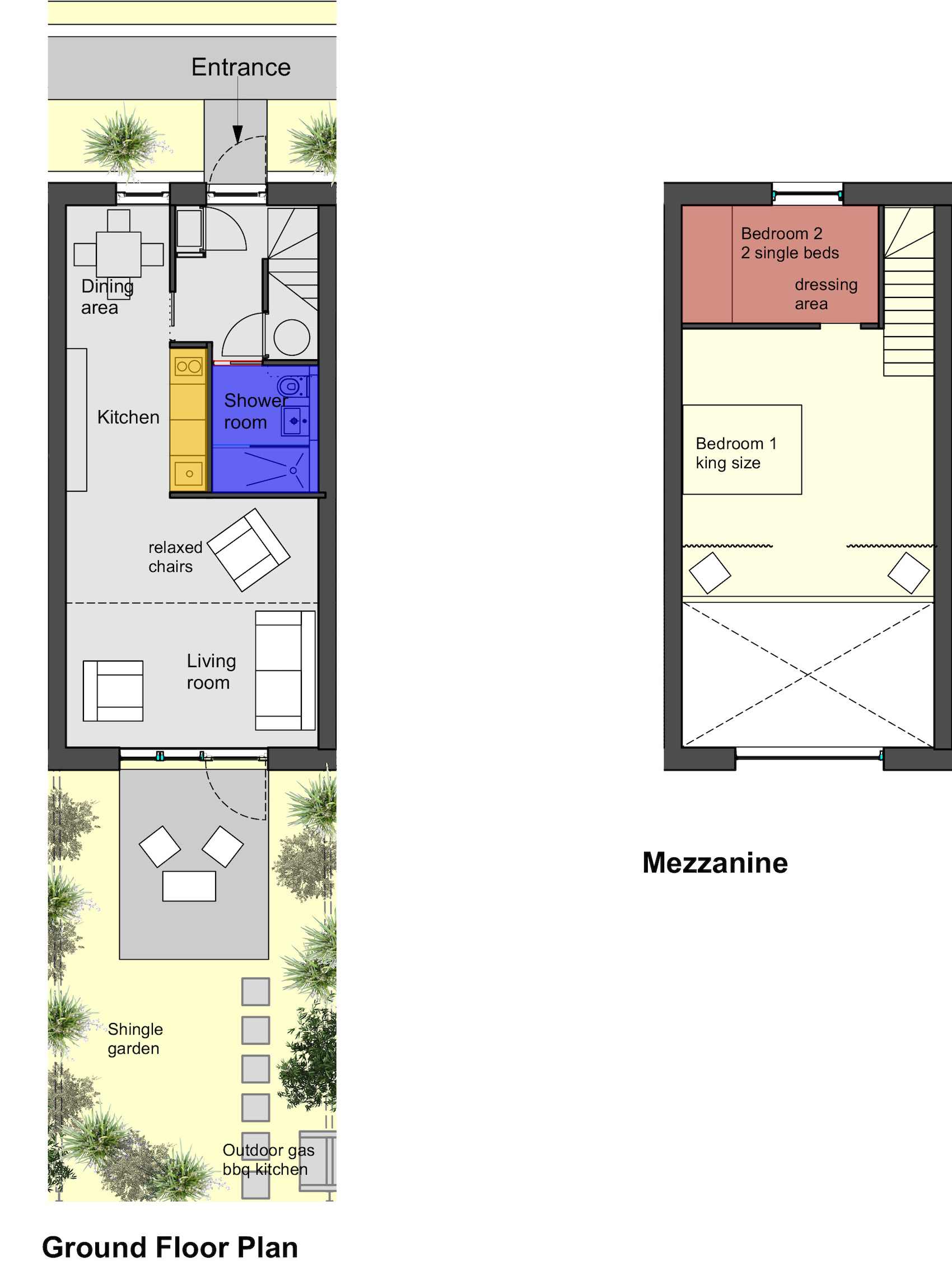
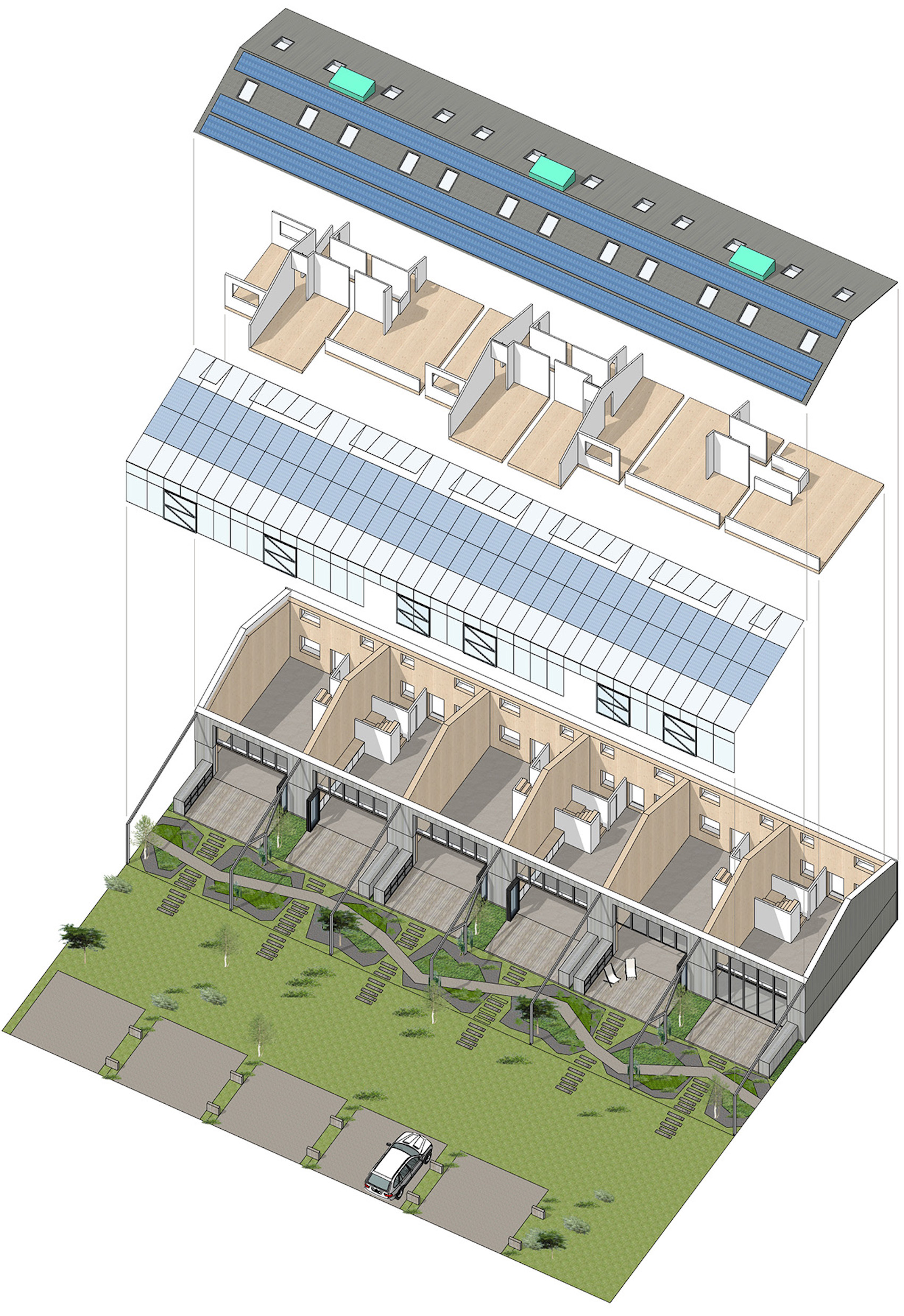
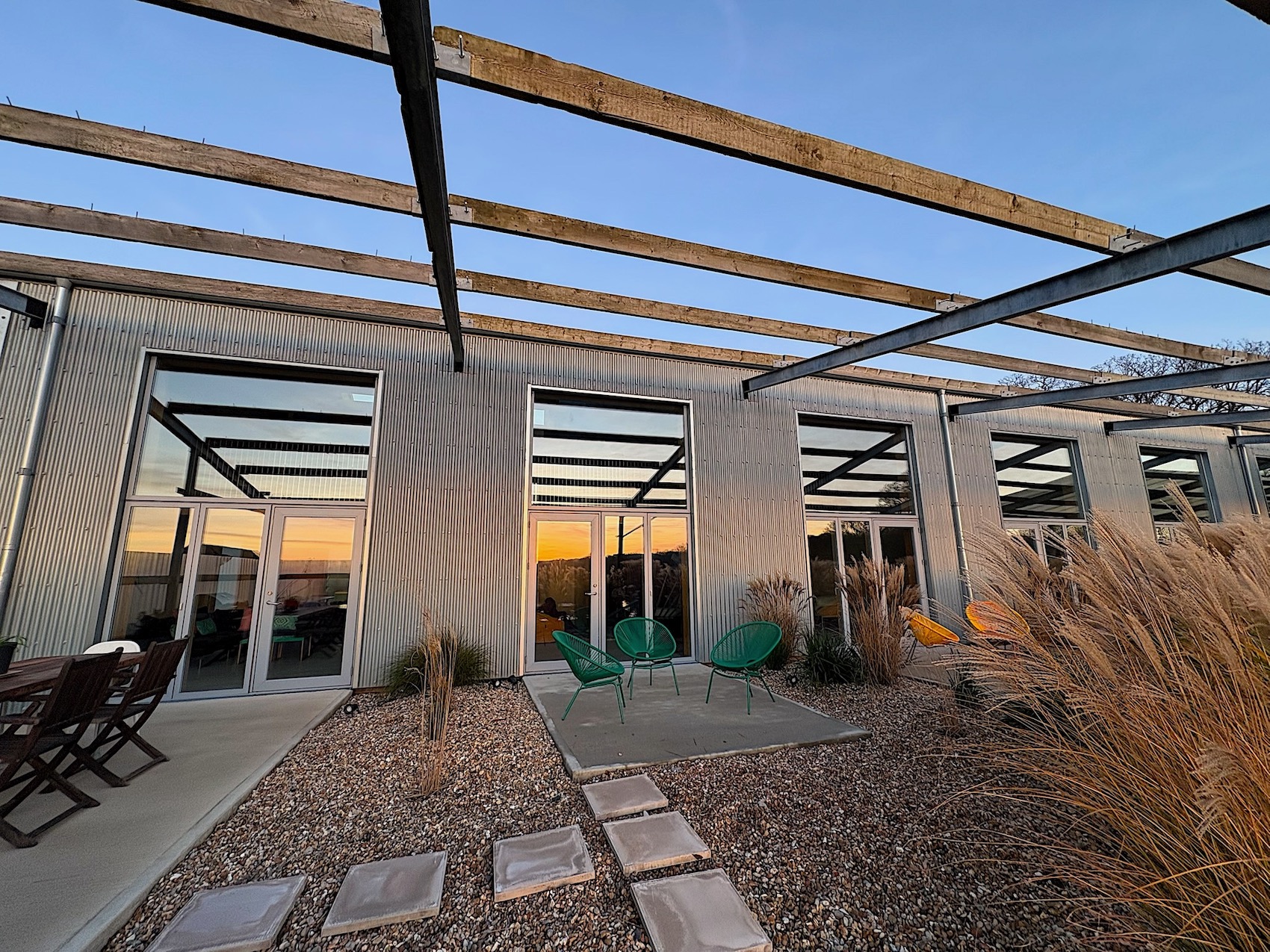
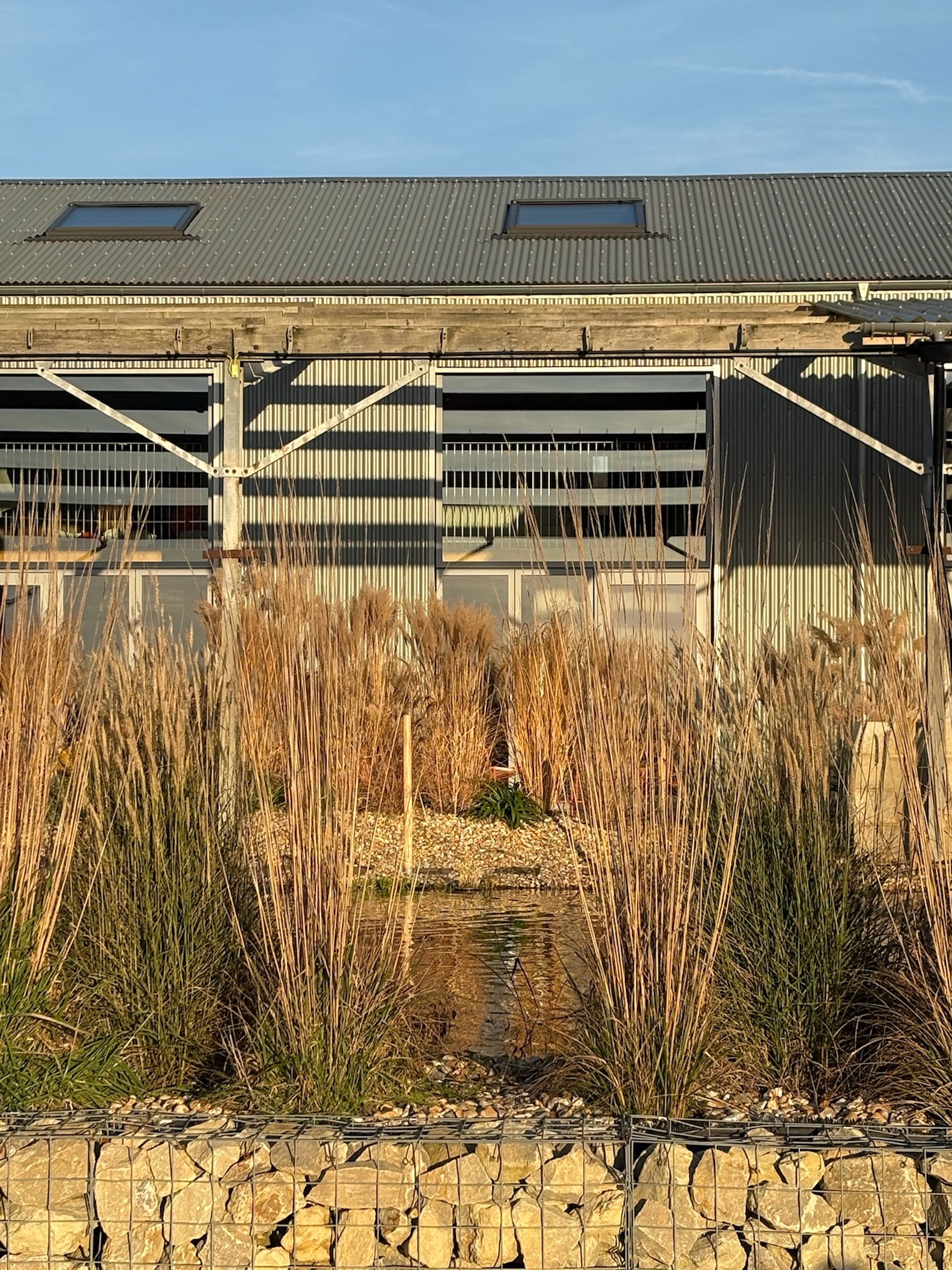
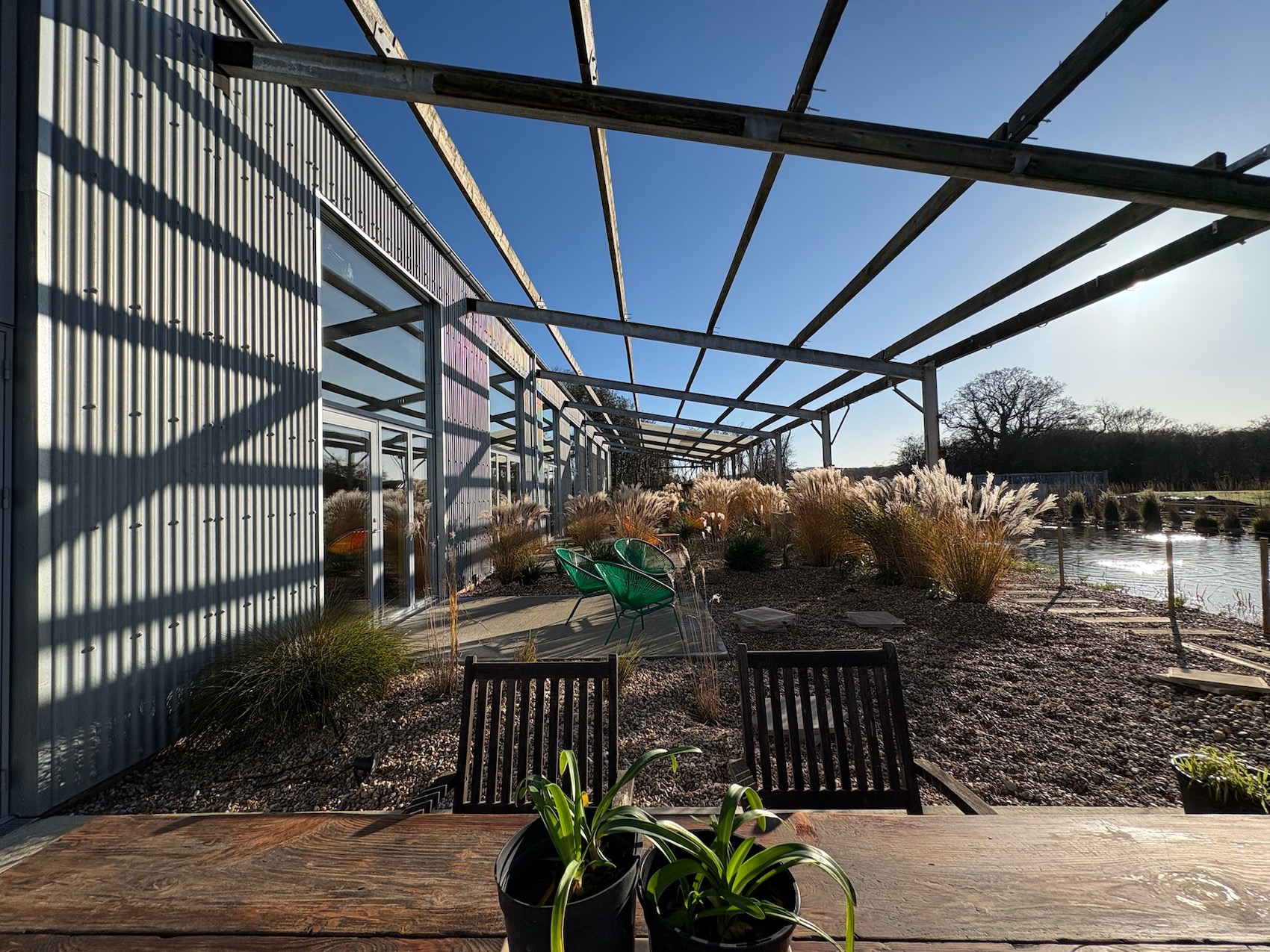
The site is organised around two principal structures: a large steel-framed barn and a former brick cow shed. The barn now contains six loft-style units, each opening onto a 20-metre natural swimming pond designed in collaboration with Ray Bates, a Chelsea Flower Show Gold Medal winner. The pond is both a visual focal point and a shared amenity – biologically filtered, rainwater-fed, and set within shingle-based, coastal planting intended to evoke the nearby Sussex coastline. Rather than pastoral nostalgia, the landscape references seaside ecologies, reinforcing the project’s hybrid agricultural-urban identity.
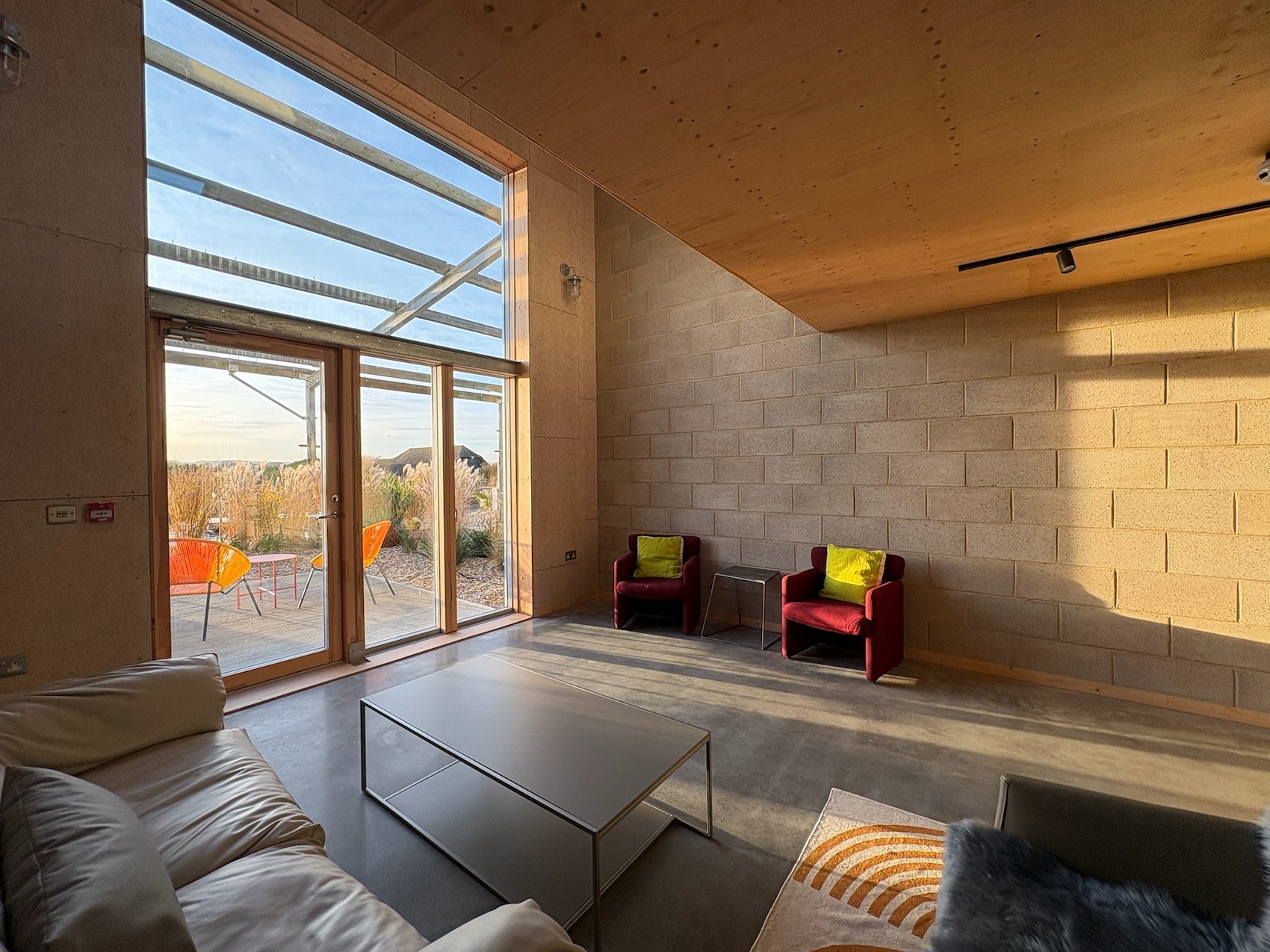
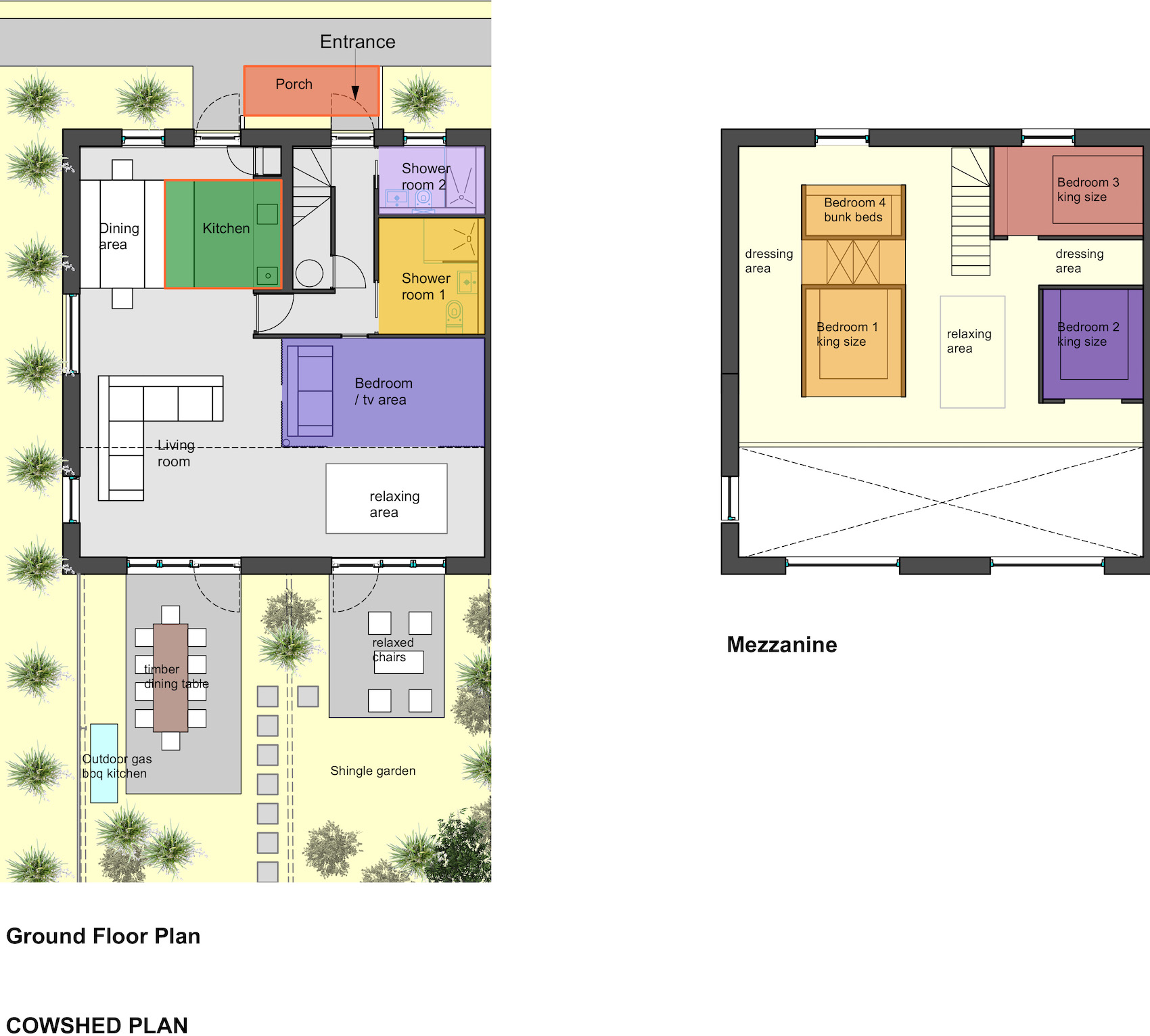
Larger groups are accommodated in the converted cow shed and one of the principal loft units, with a second steel-framed barn and a communal greenhouse and wood-fired sauna planned for future phases. The design enables flexibility across scales – from individual getaways to full-site retreats and celebrations – encouraging guests to move fluidly between private spaces and communal areas.
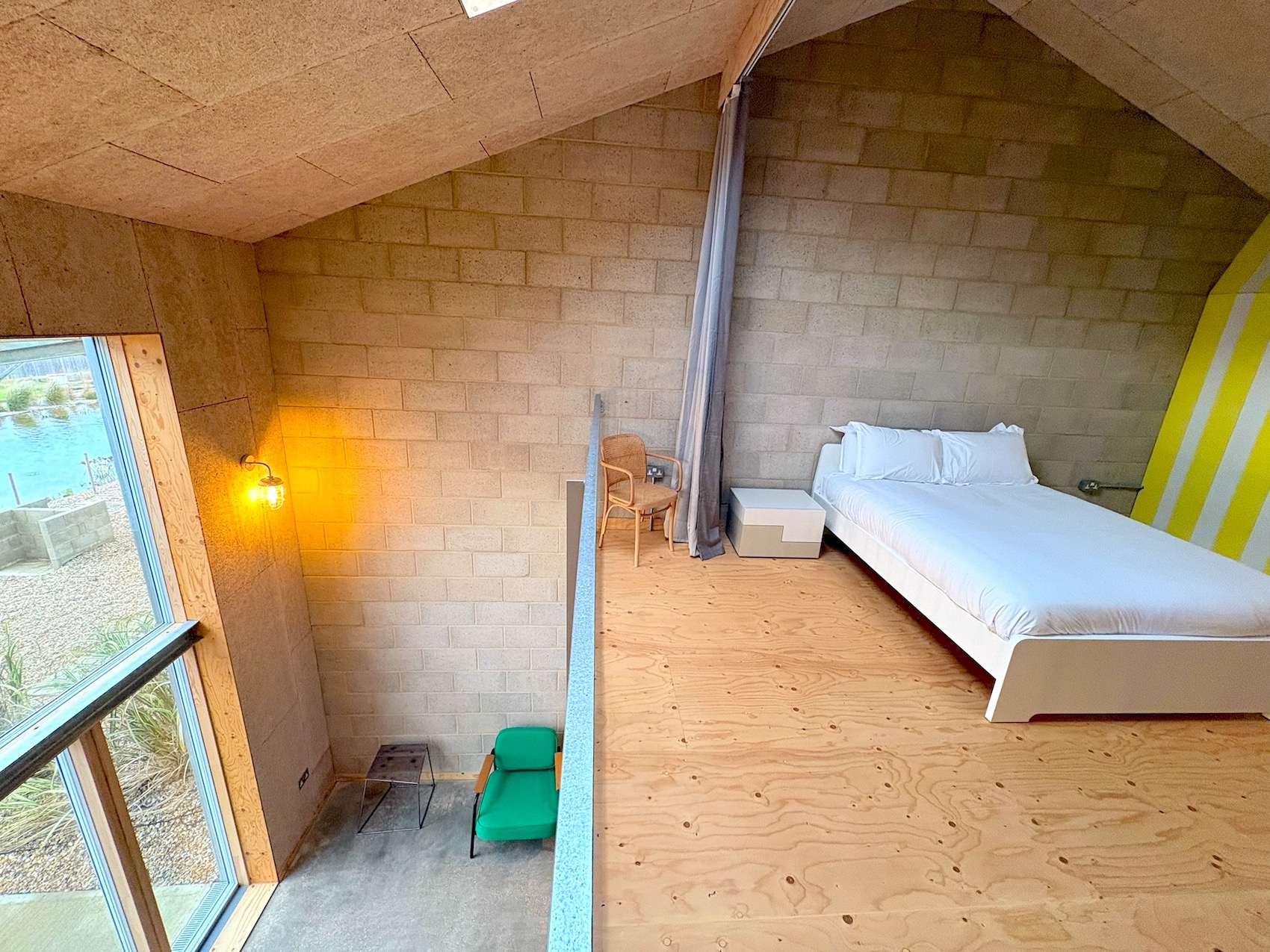
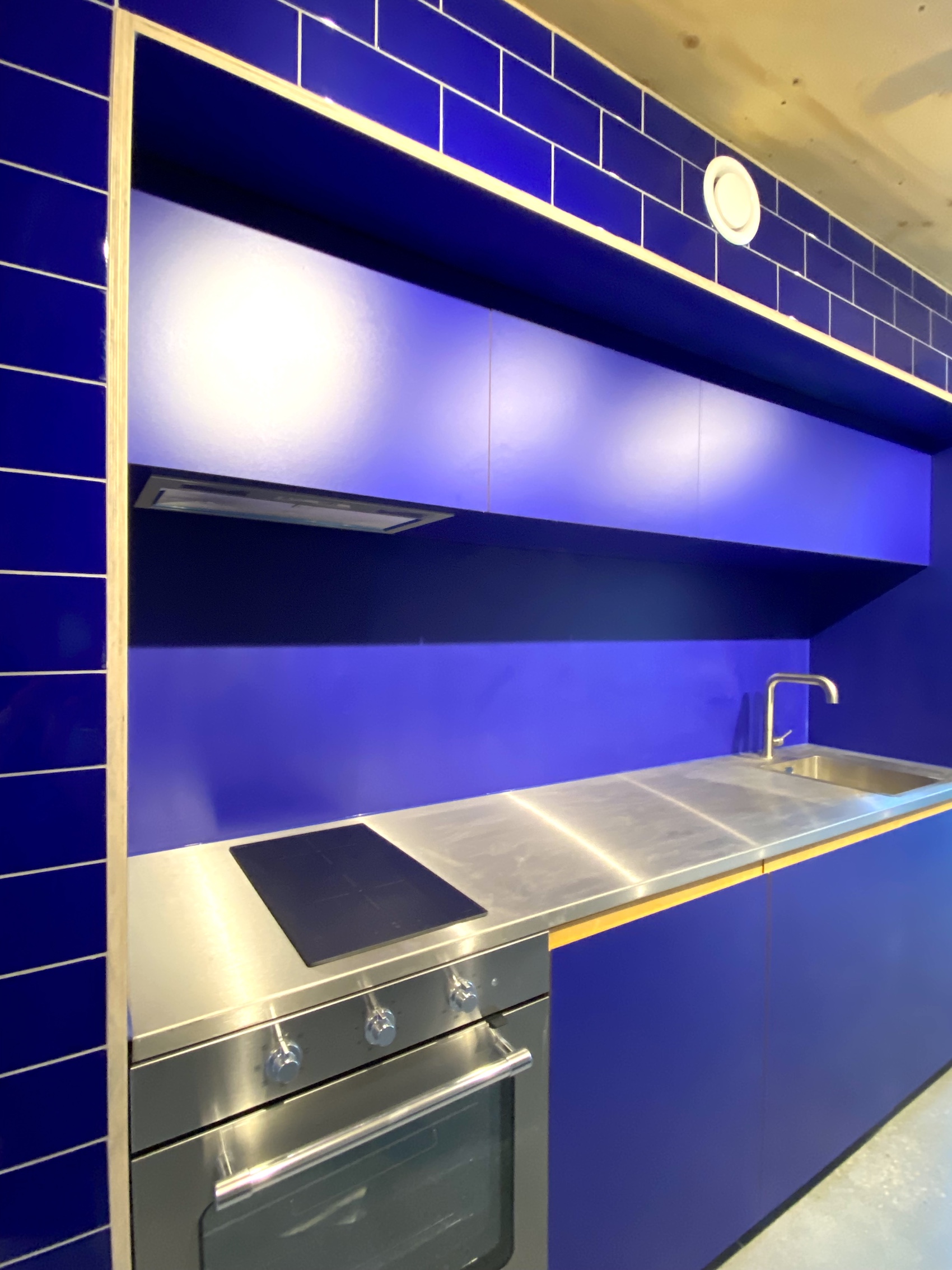
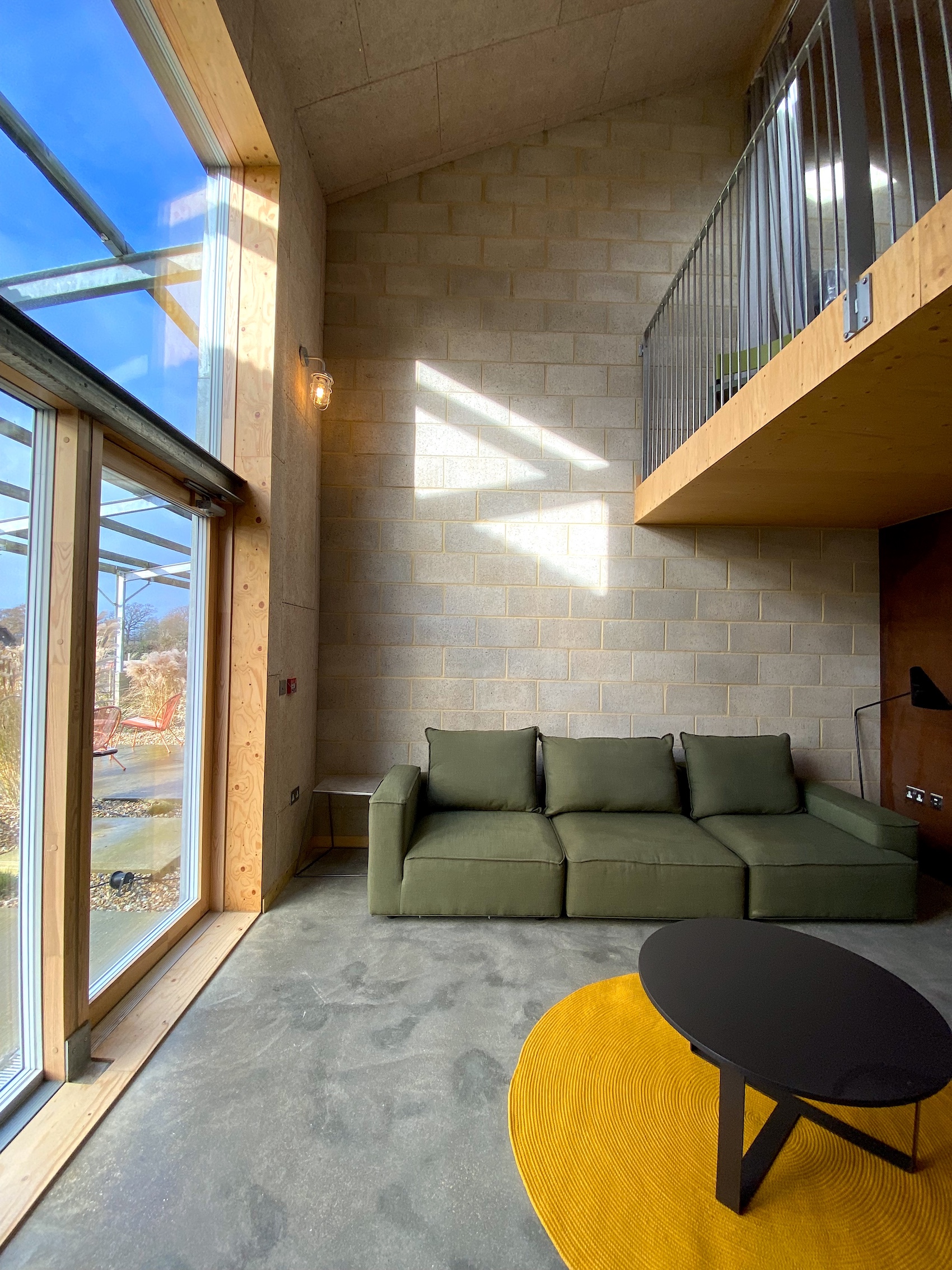
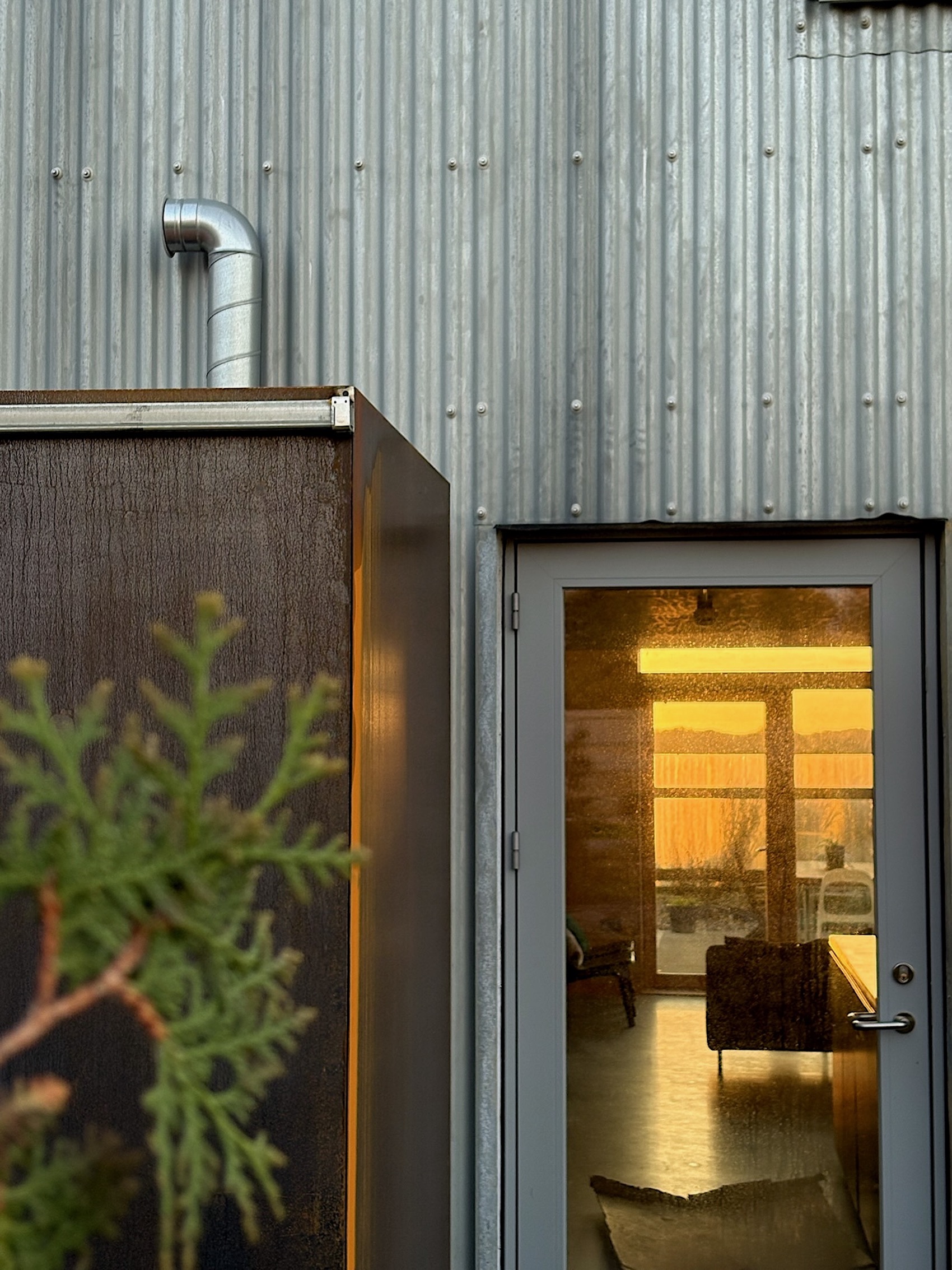
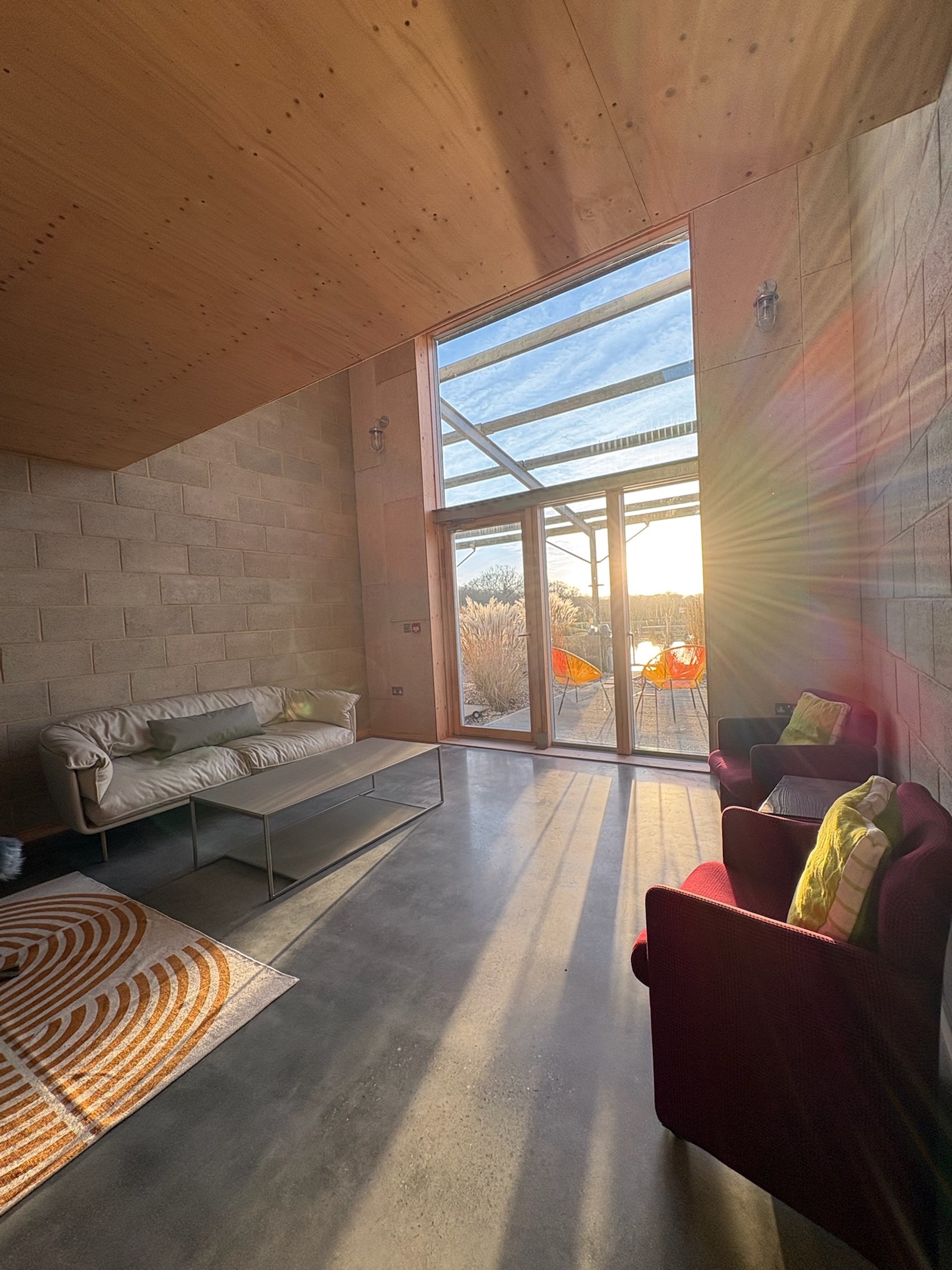
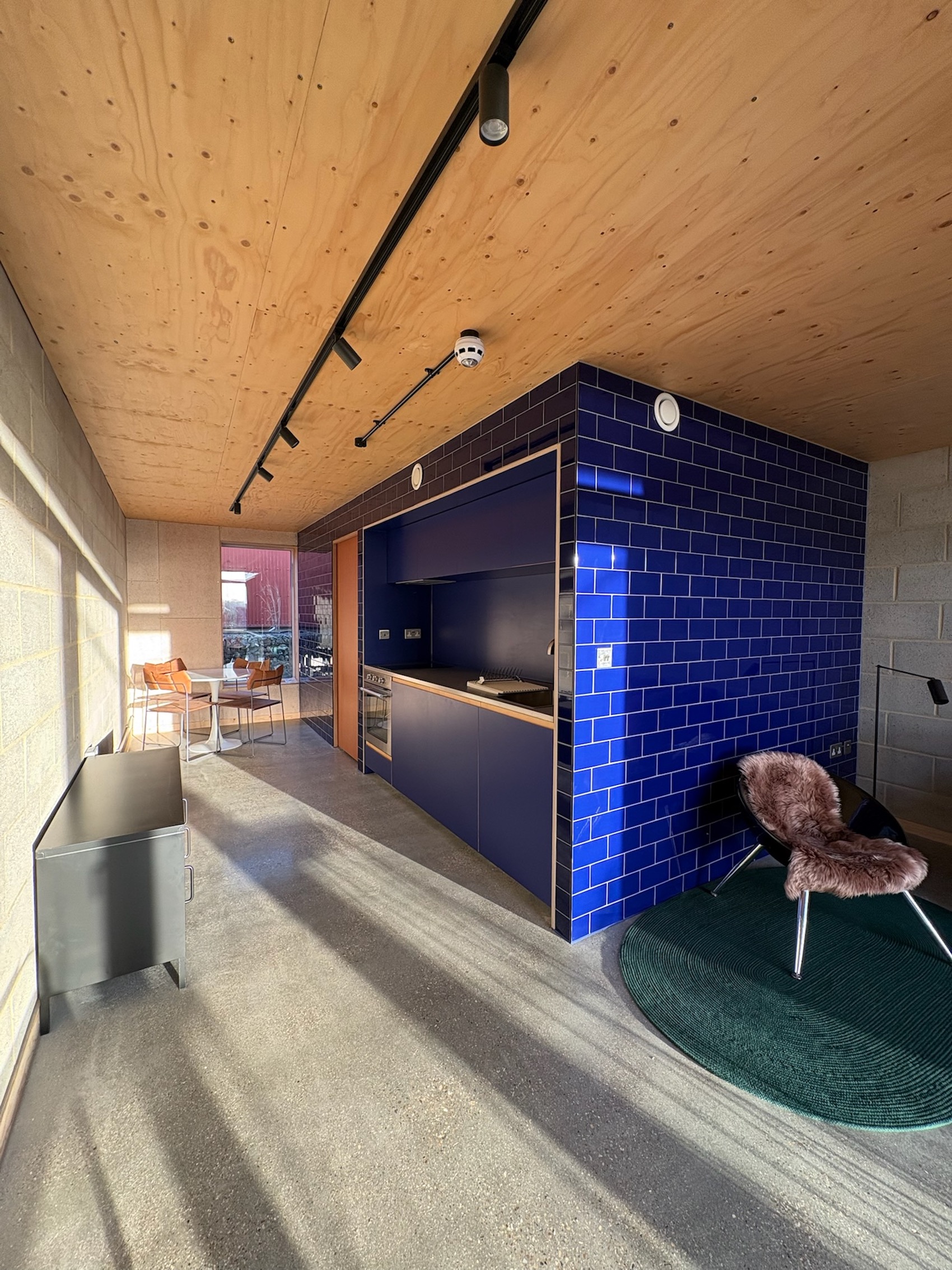
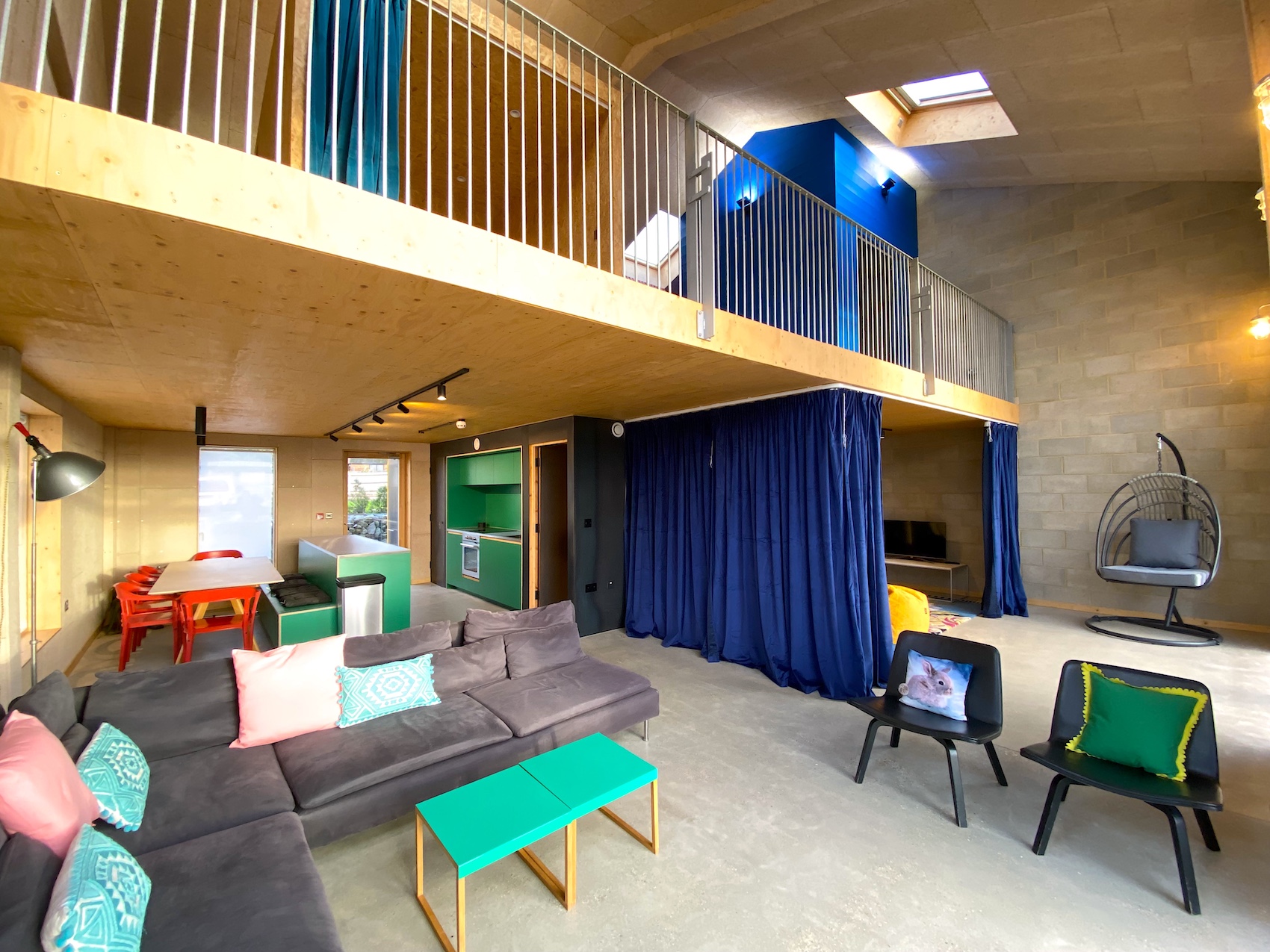
Materially, the project embraces a robust, utilitarian language. Corrugated steel, brushed metal, and exposed timber structural frames are deliberately juxtaposed with the softness of water, planting and light. Architectural lighting extends use into the evening, allowing buildings and landscape to function as a coherent communal environment. The interiors balance pared-back finishes with warmth and tactility.
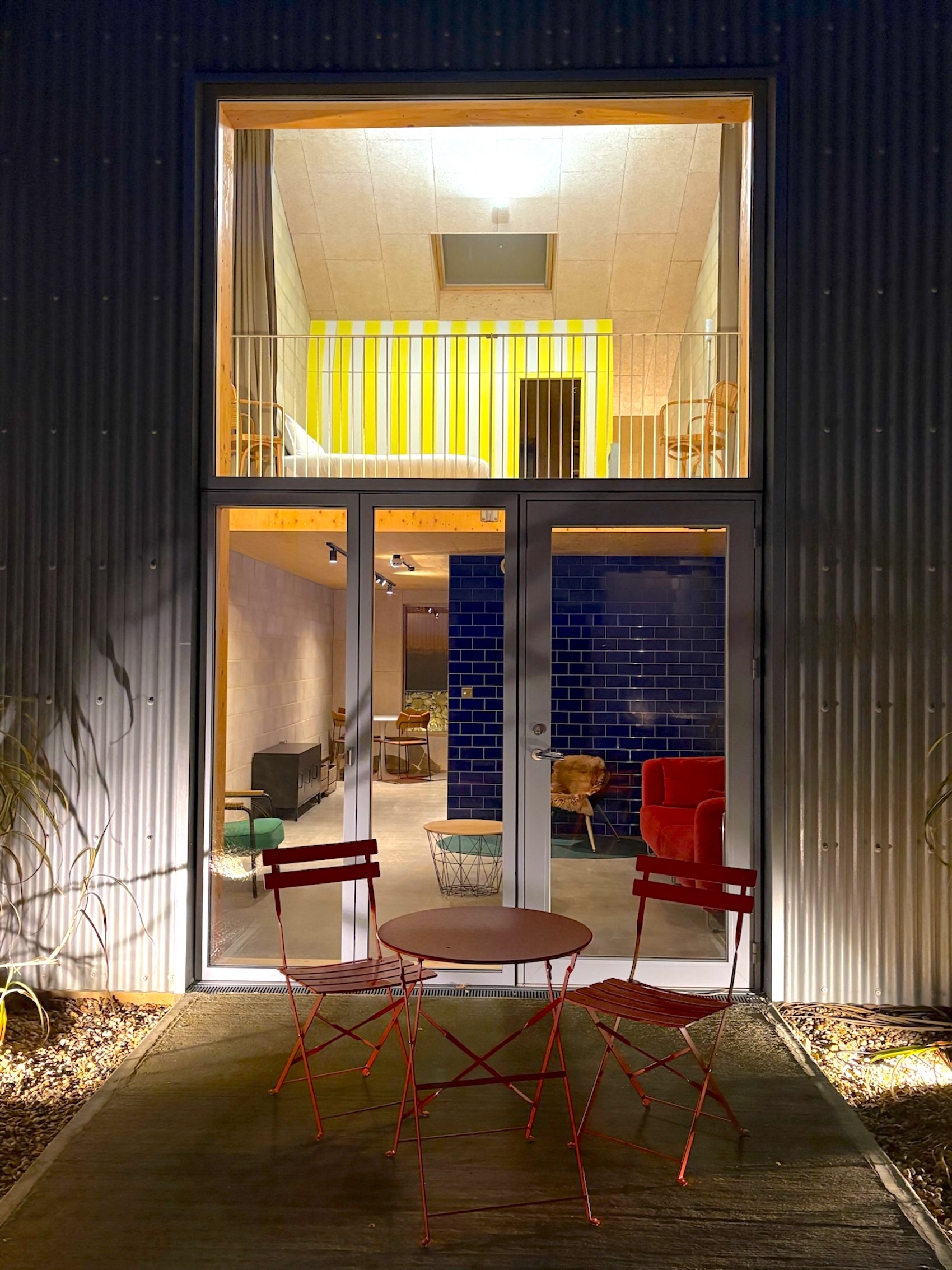
Environmental performance is embedded throughout the scheme. Each unit comprises a high-performance, airtight timber envelope, recycled wood-fibre insultation, triple glazing, mechanical ventilation with heat recovery (MVHR) and an air-source heat pump. The swimming pond is chemical-free and sustained by rainwater harvested from the roofs, filtered through aquatic plants. Across the wider site, wildflower meadows support seasonal biodiversity. The project’s development was guided by ecological input to protect native species, including great crested newts.
The scheme was delivered as a self-build over three years, with Colin Pennington working on site throughout the construction process. This hands-on approach ensured a tightly controlled design-and-build methodology, with material choices and construction techniques continuously refined during the build.
“I wanted to create the kind of place I’d actually want to stay in,” reflects Colin Pennington. “Holiday accommodation can be very boring. This is designed for people who genuinely enjoy being together. It is social, informal, and brings the sense of fun back into getting away – especially for groups of friends and families with children.”
Additional images