Architecture Today Editor Isabel Allen asks what this year’s Test of Time Awards winners, from the Royal Festival Hall to Blue House Yard, reveal about the increasingly blurred line between temporary and permanent architecture.
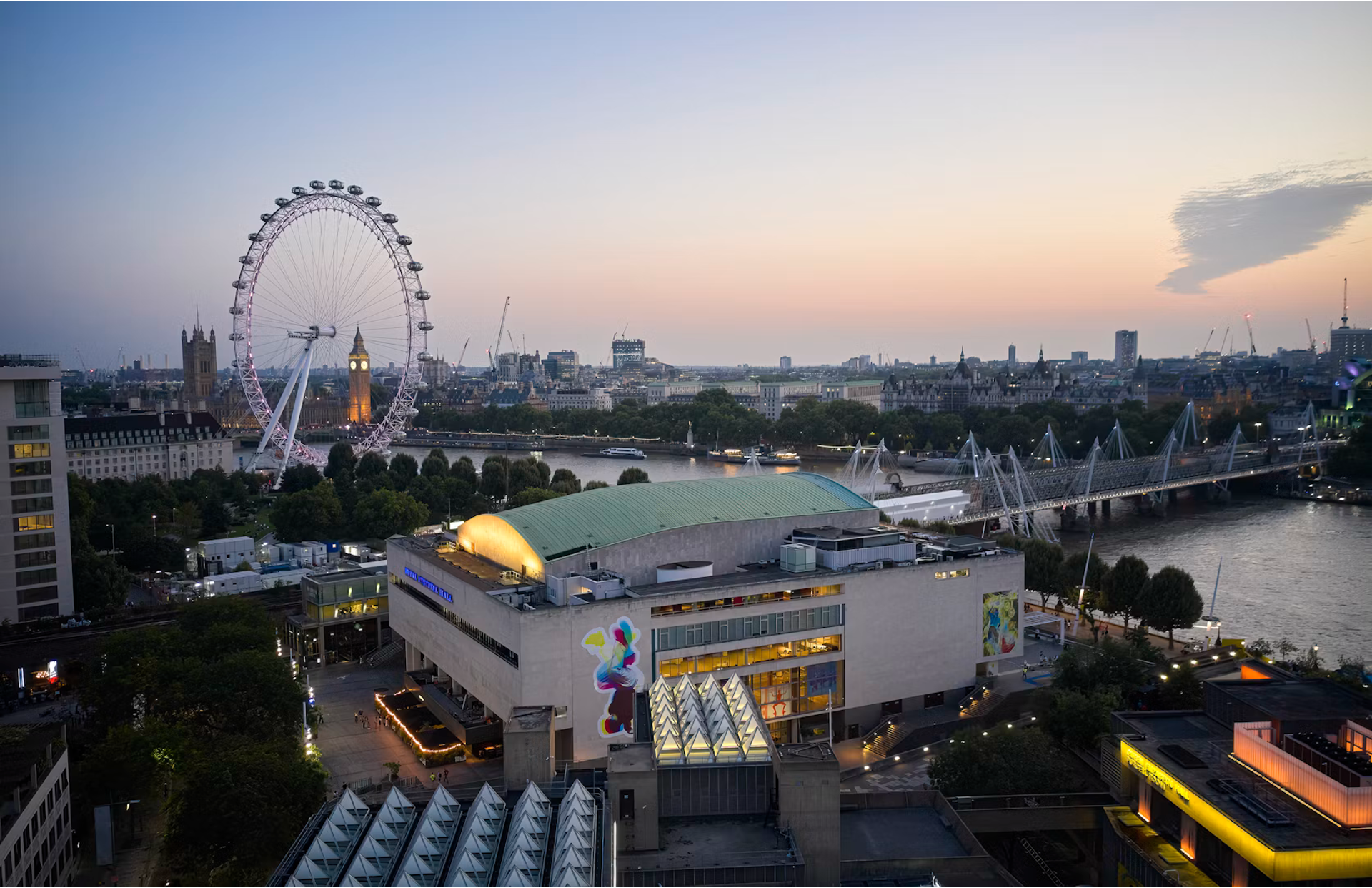
It’s been a bumper year for the Test of Time Awards. The star-studded line-up of winning projects includes two Grade I listed buildings: The Royal Festival Hall, conceived as a permanent legacy of the Festival of Britain, and Lloyds of London, described by English Heritage as “universally recognised as one of the key buildings of the modern epoch” and designed to signal the confidence, staying power and strength of a financial powerhouse.
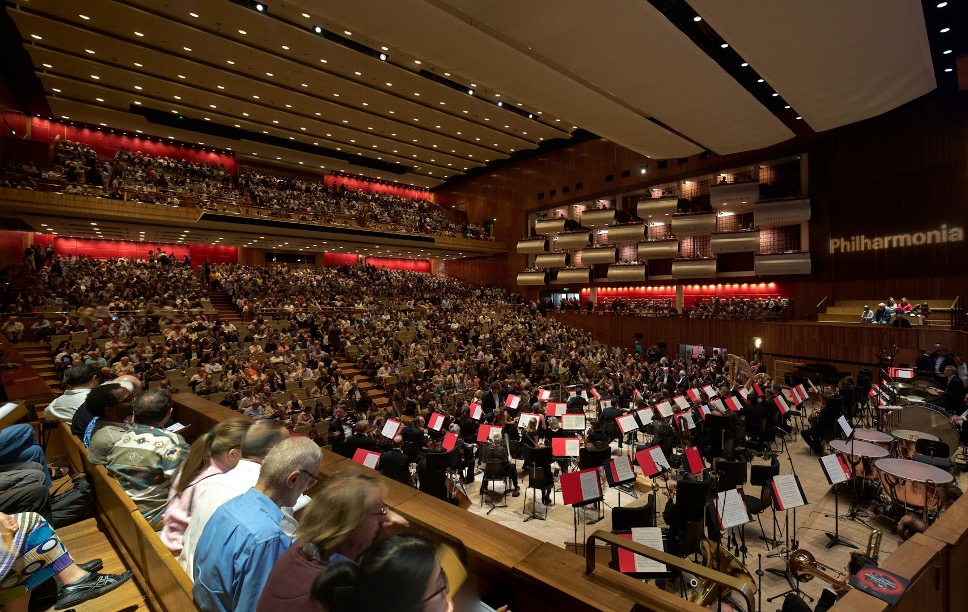
Inside the auditorium at the Royal Festival Hall. (Credit: Edmund Sumner)
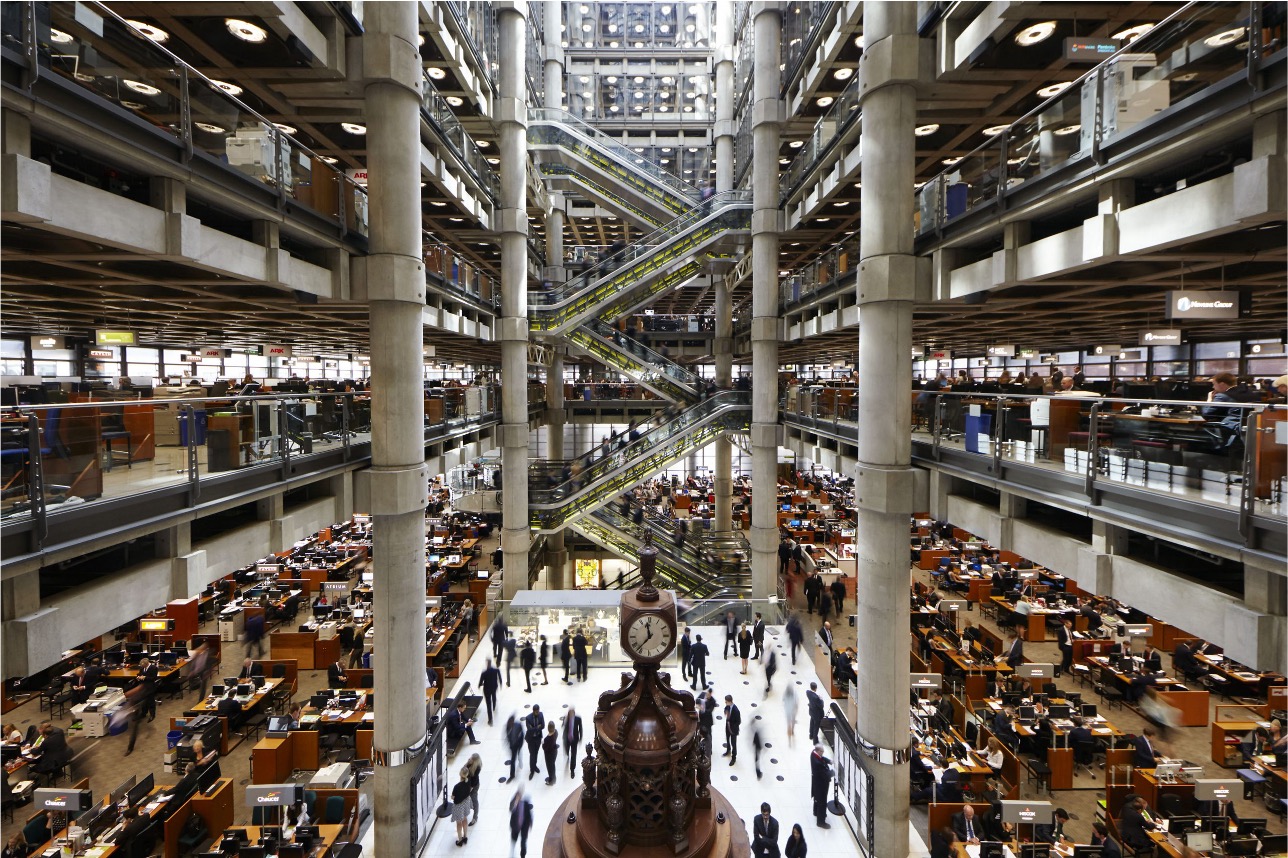
Inside Lloyd’s of London. (Credit: RSHP)
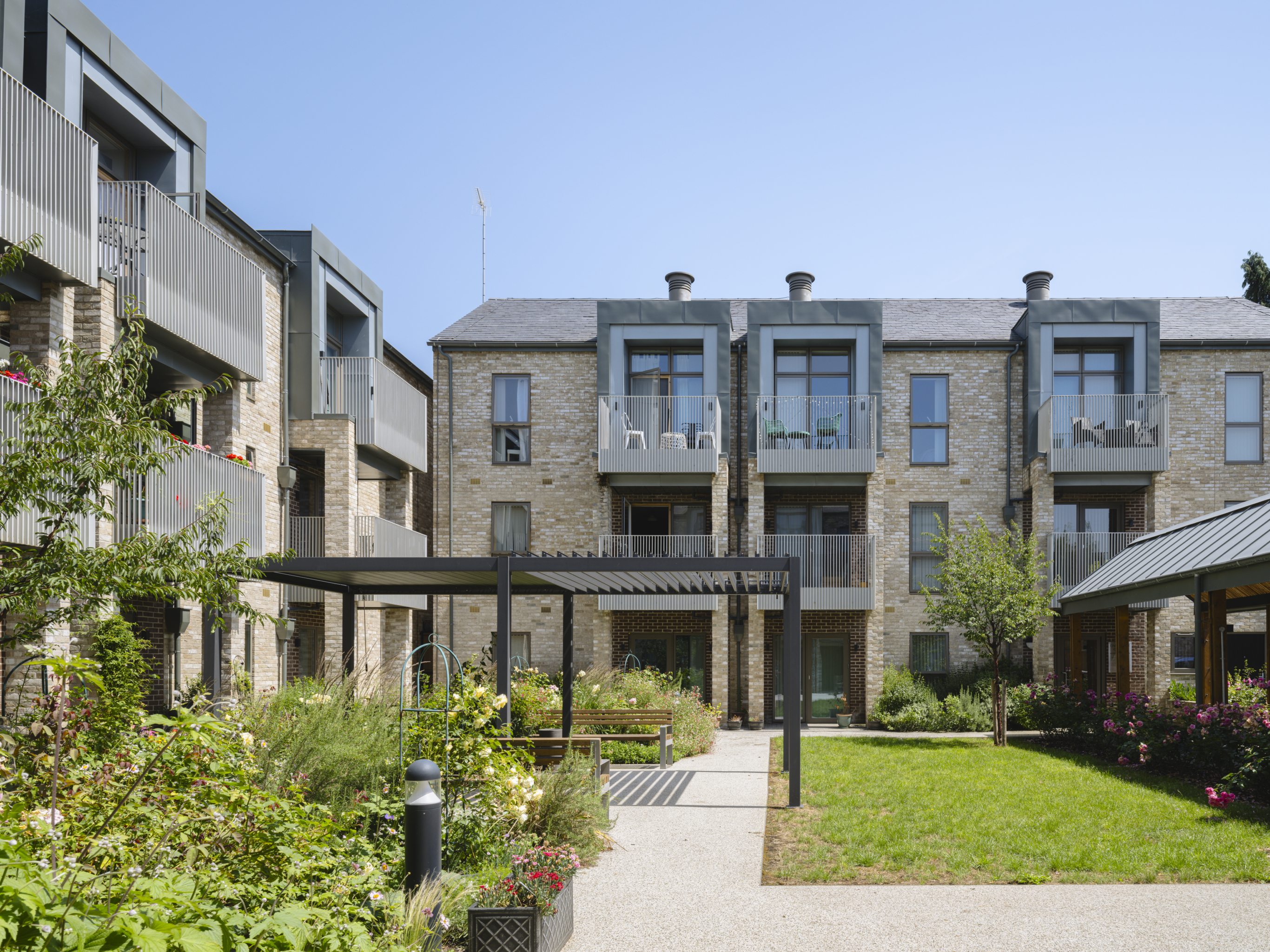
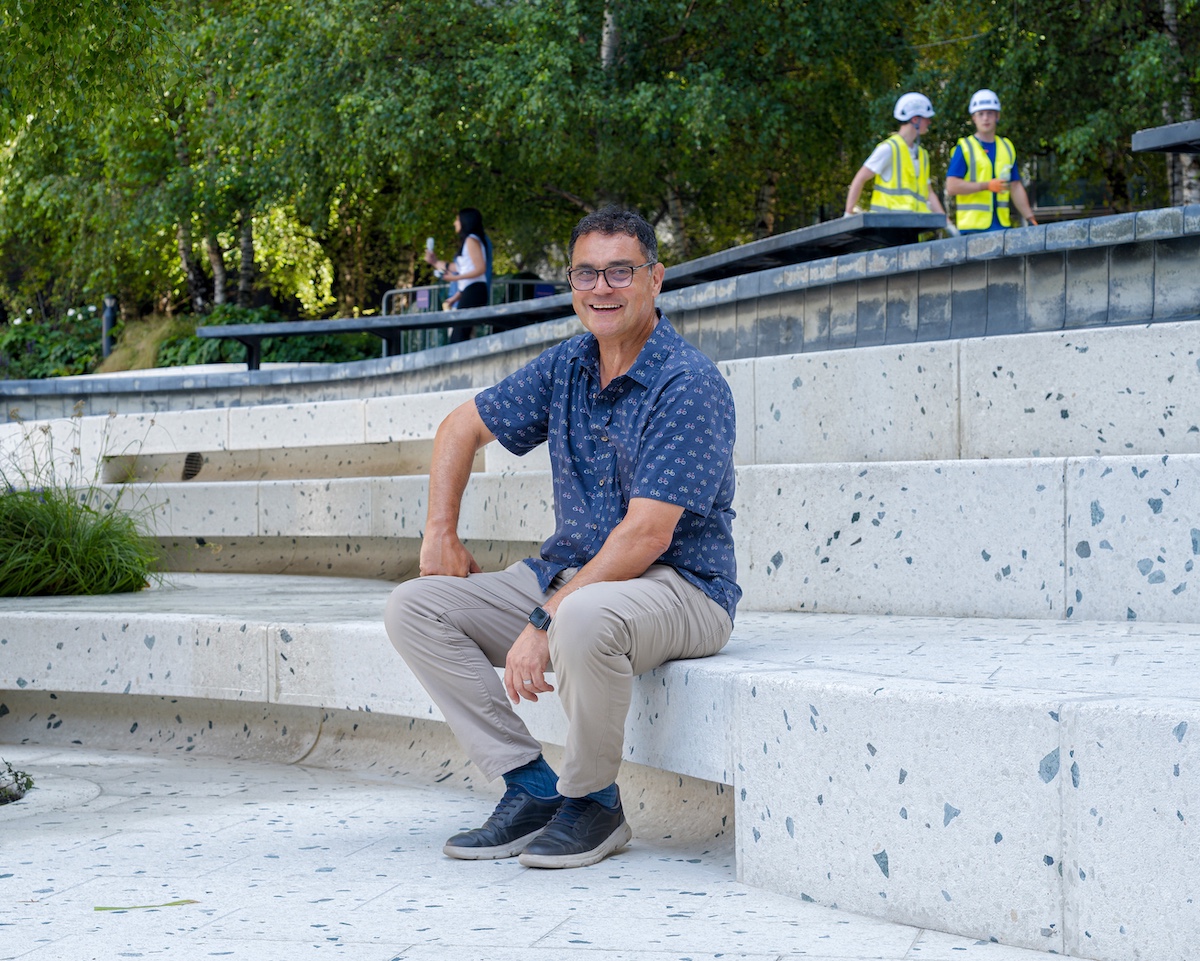
But it also includes a couple of projects that were never expected to endure at all. The London Eye, which initially won planning consent for a measly five years; but that – 25 years and some 120 million visitors – later, has proved its worth as a permanent fixture on the South Bank and Blue House Yard in Haringey, a cluster of flexible workspace delivered as a four-year project in 2017, but still going strong almost a decade on.
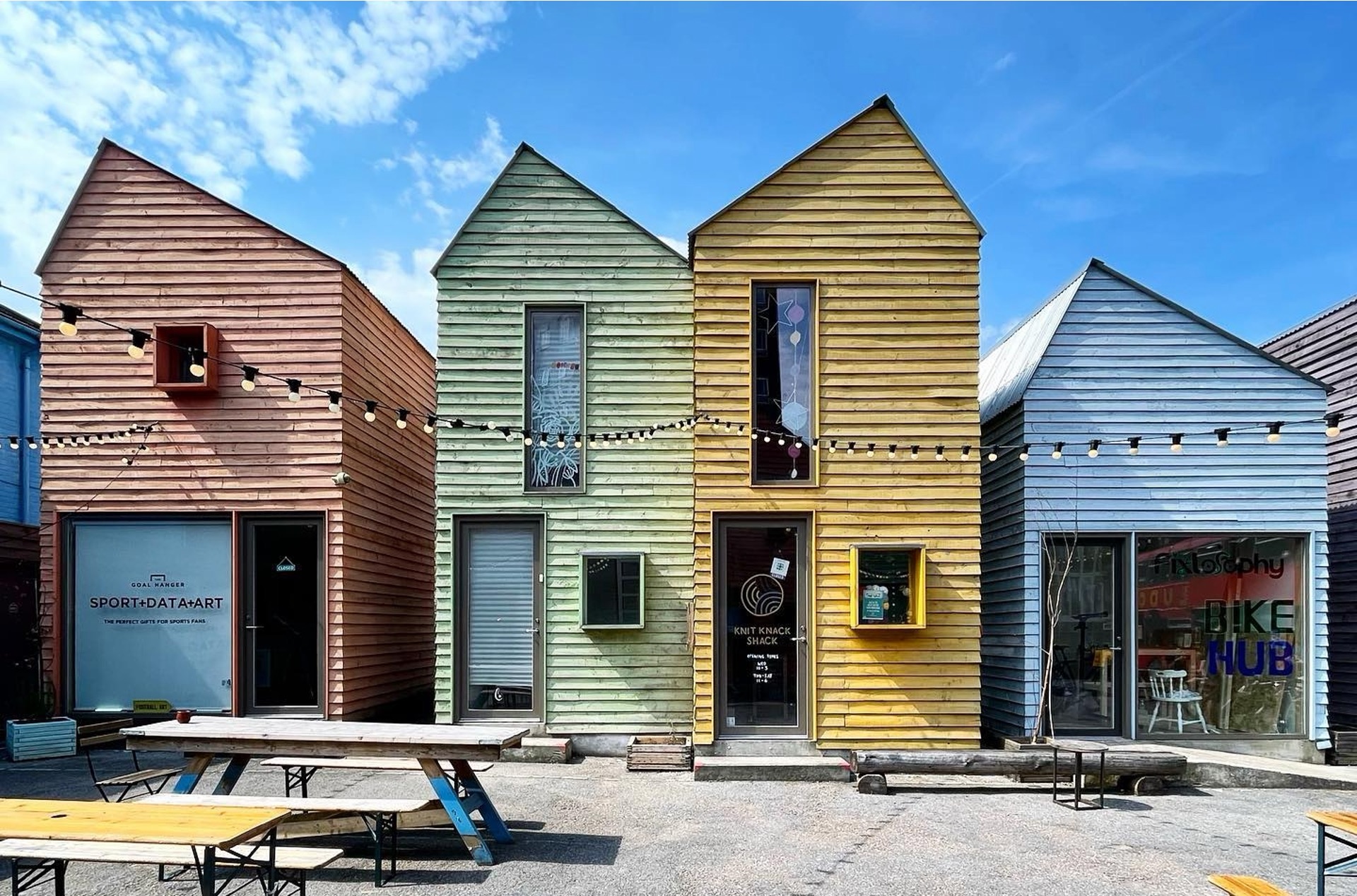
Blue House Yard. (Credit: Jan Kattein Architects)
So have meanwhile projects come of age? Or is it that – in an age of climate emergency, unpredictable weather events and economic volatility, the traditional binary distinction between temporary and permanent architecture looks increasingly obsolete? Every project – temporary, permanent or somewhere in between – needs to be designed with disassembly, adaptability and low embodied carbon in mind. The true test of enduring value is not how rigidly a building resists change, but how gracefully it earns the right to stay.