A pair of Passivhaus buildings in Lewisham by Levitt Bernstein brings older residents and students into close proximity, using shared routes, gardens and flexible homes to test a new, fully affordable model of intergenerational living.
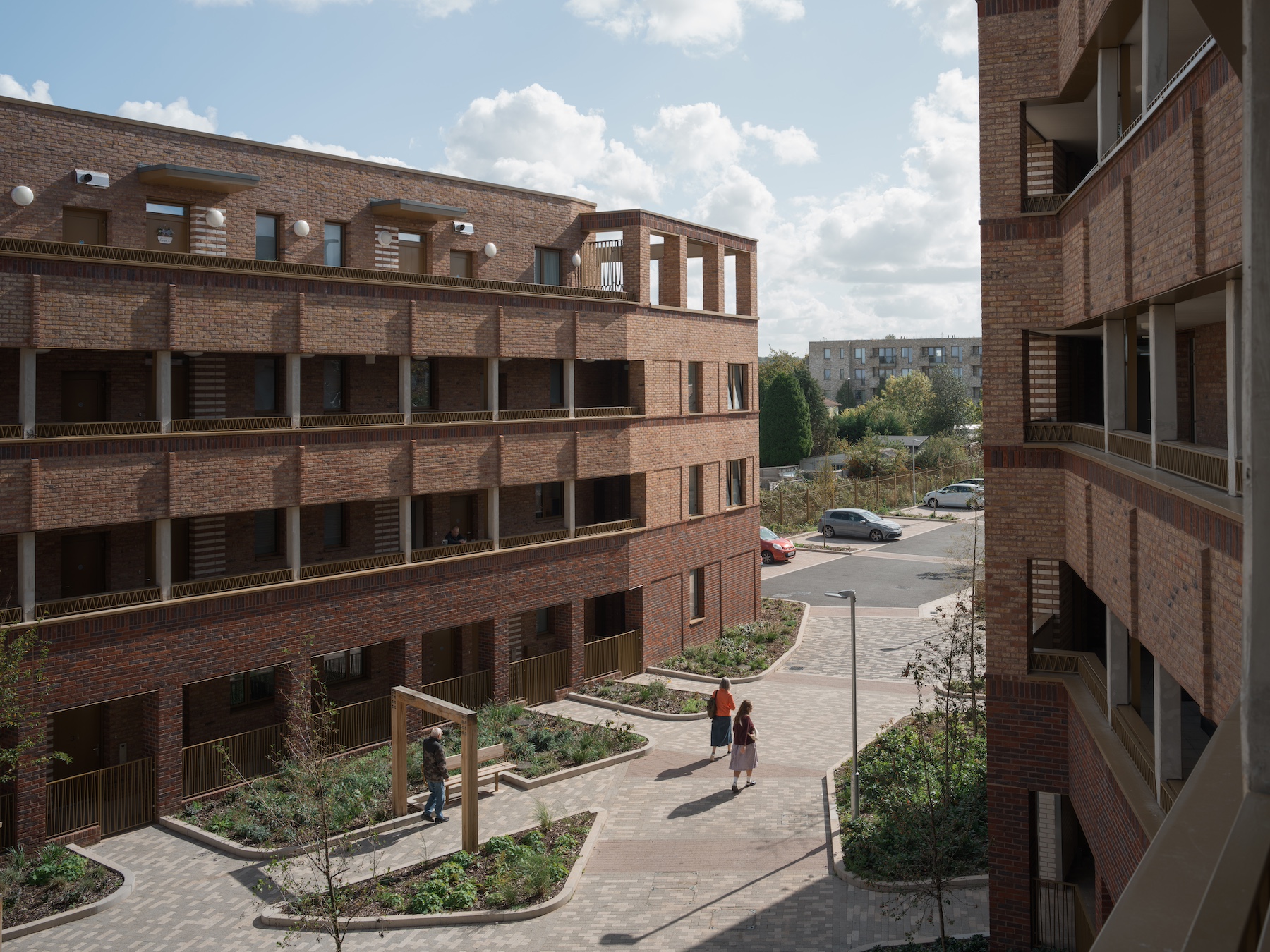
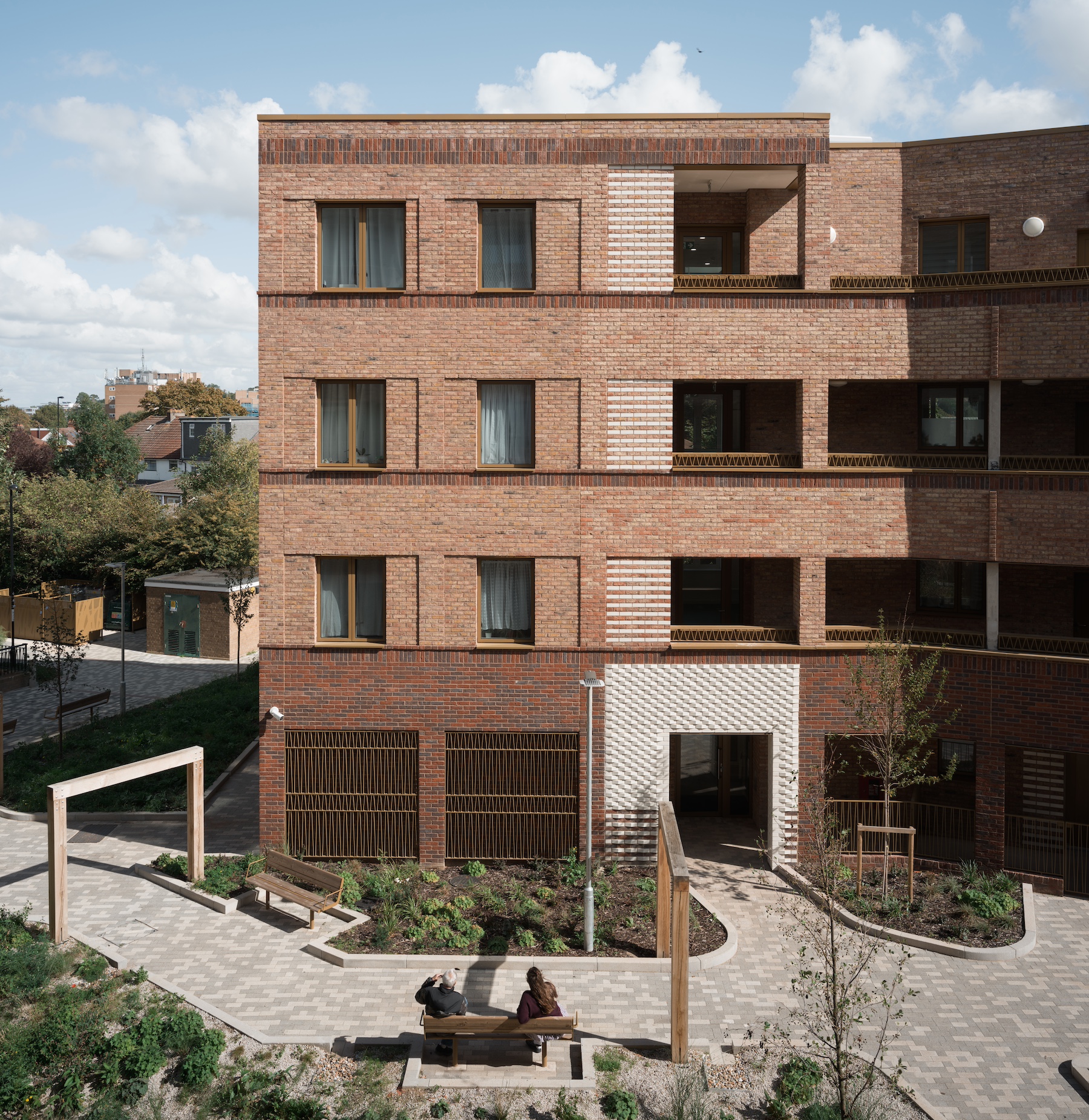
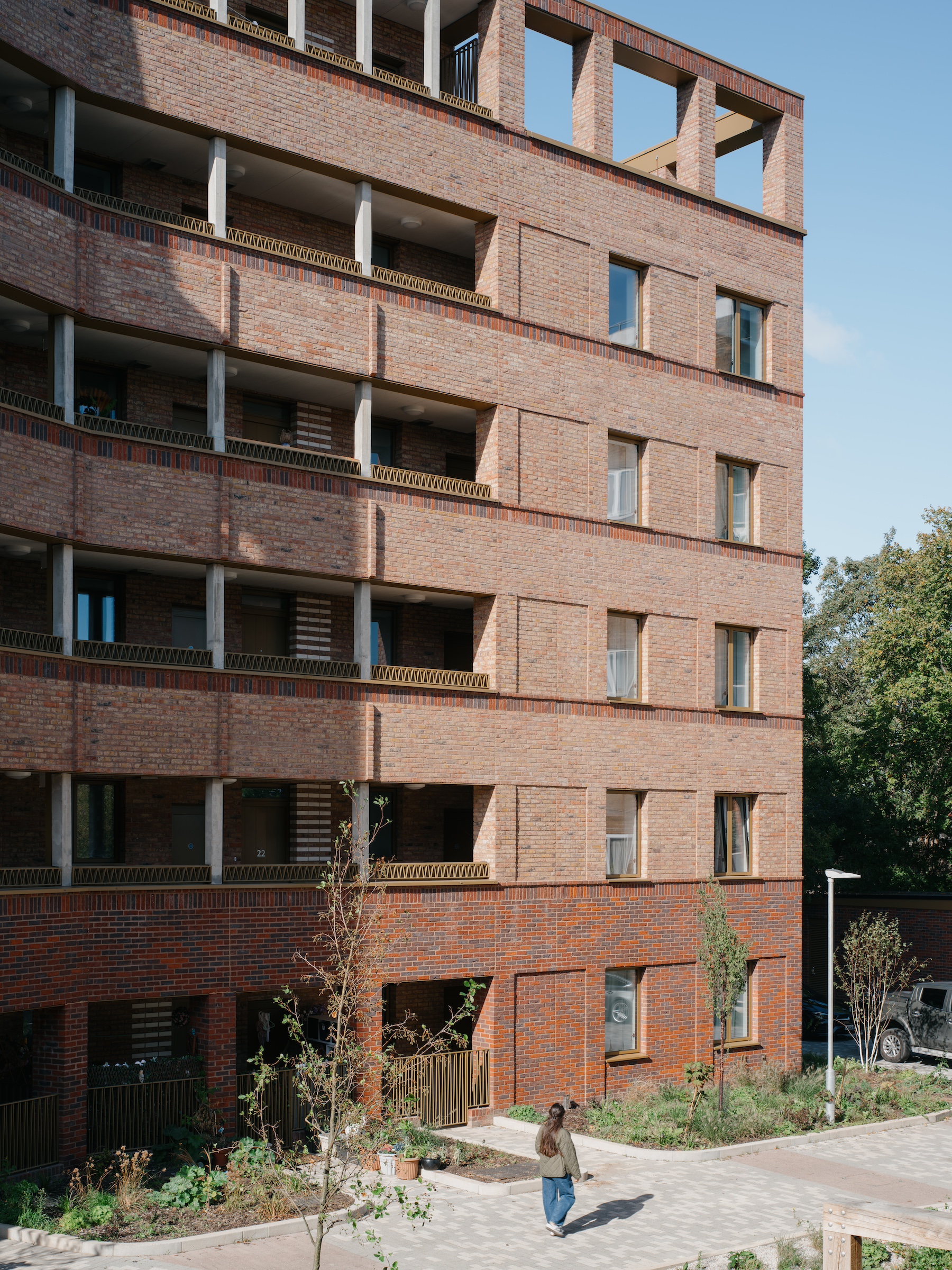
In Lewisham, Southeast London, Levitt Bernstein has completed Melfield Gardens, a compact residential development that brings together homes for people over 55 and student accommodation within a single, fully affordable scheme. Commissioned by Phoenix Community Housing, the project proposes intergenerational living not as a social programme layered onto housing, but as a condition shaped through layout, shared space and everyday circulation.
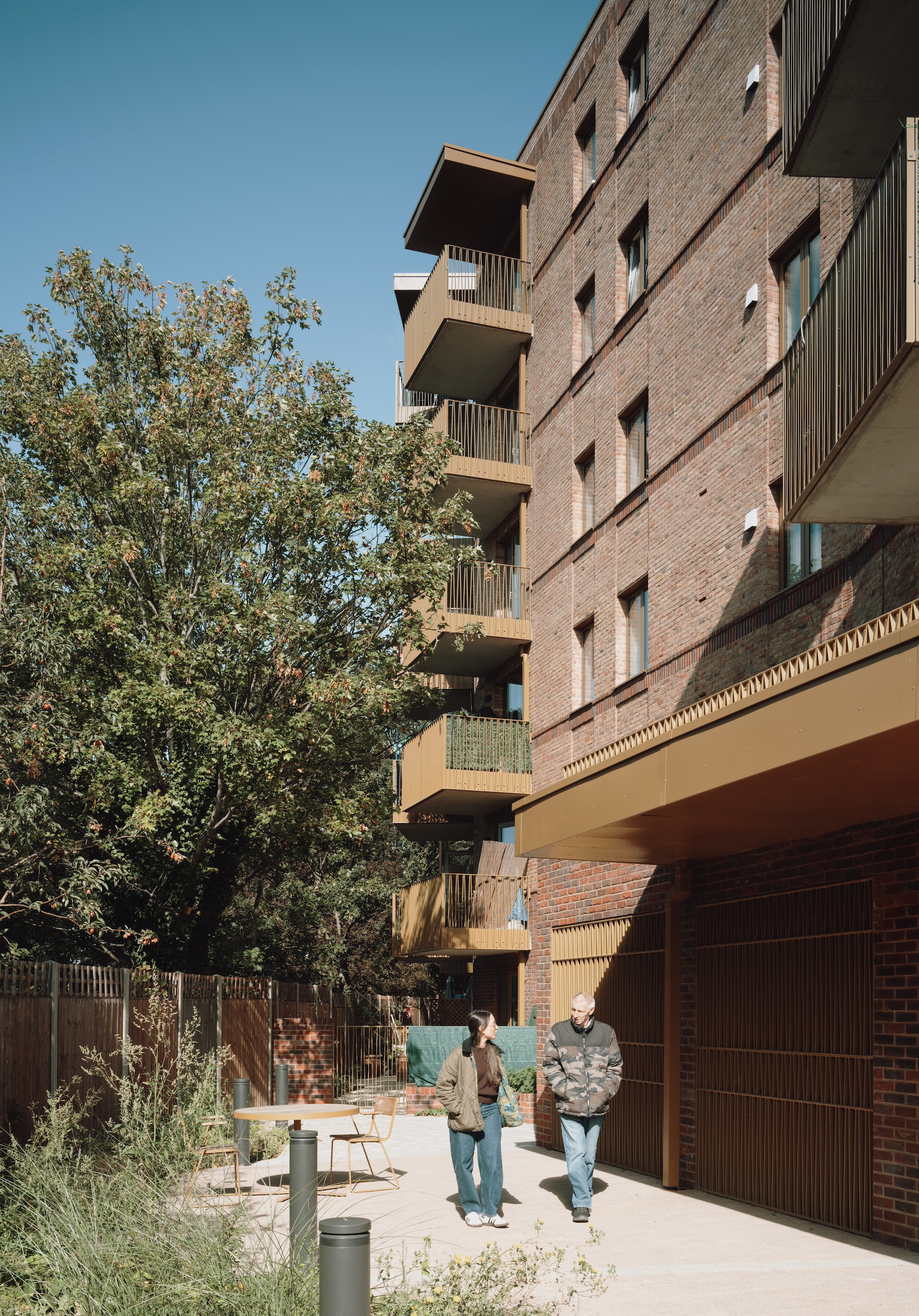
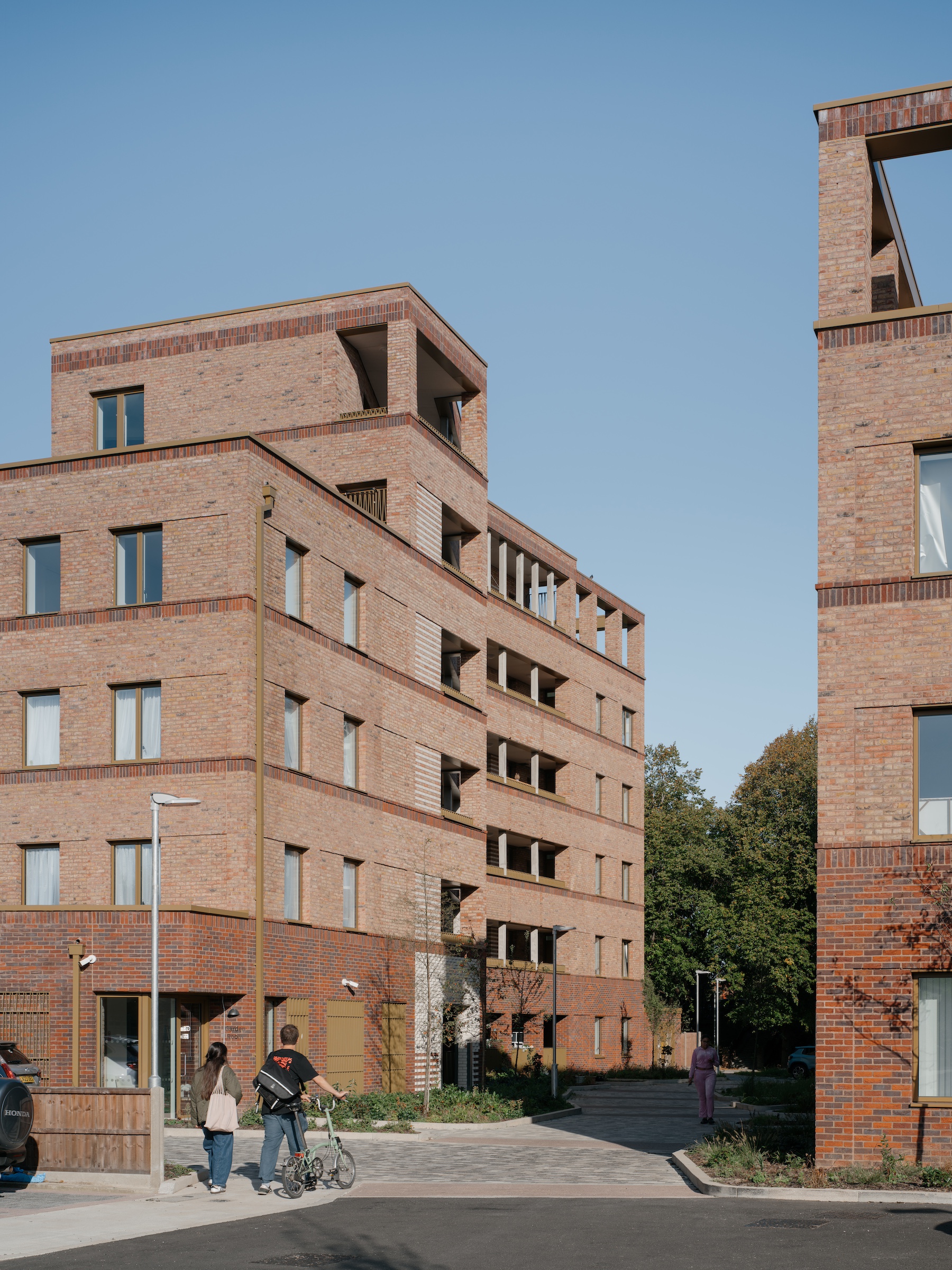
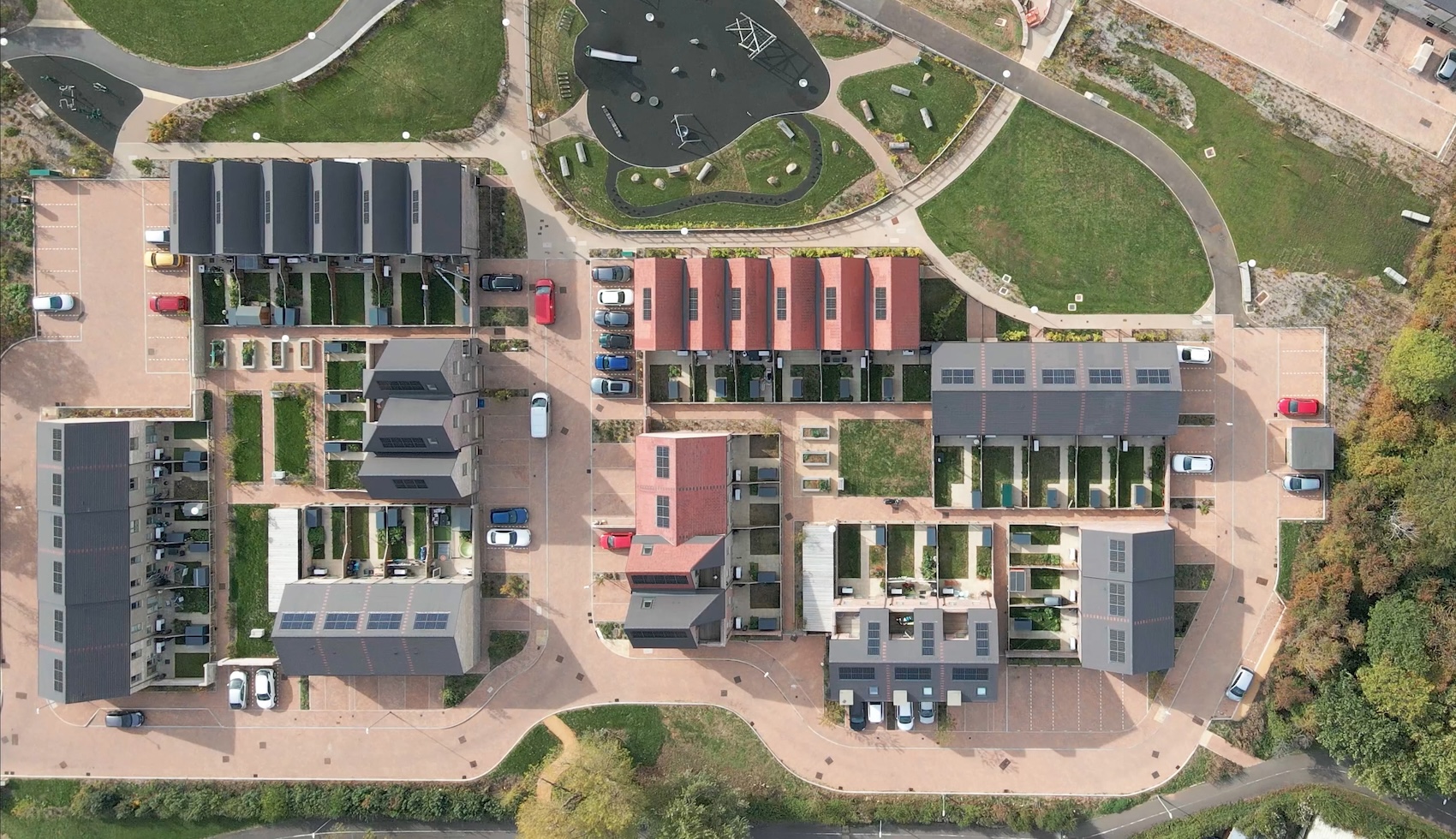
The development comprises 30 independent homes for older residents alongside two four-bedroom student apartments occupied by students from Goldsmiths, University of London. Rather than separating these uses, Levitt Bernstein has arranged them within two closely related buildings, linked by shared external routes and communal spaces that encourage casual encounter and mutual awareness.
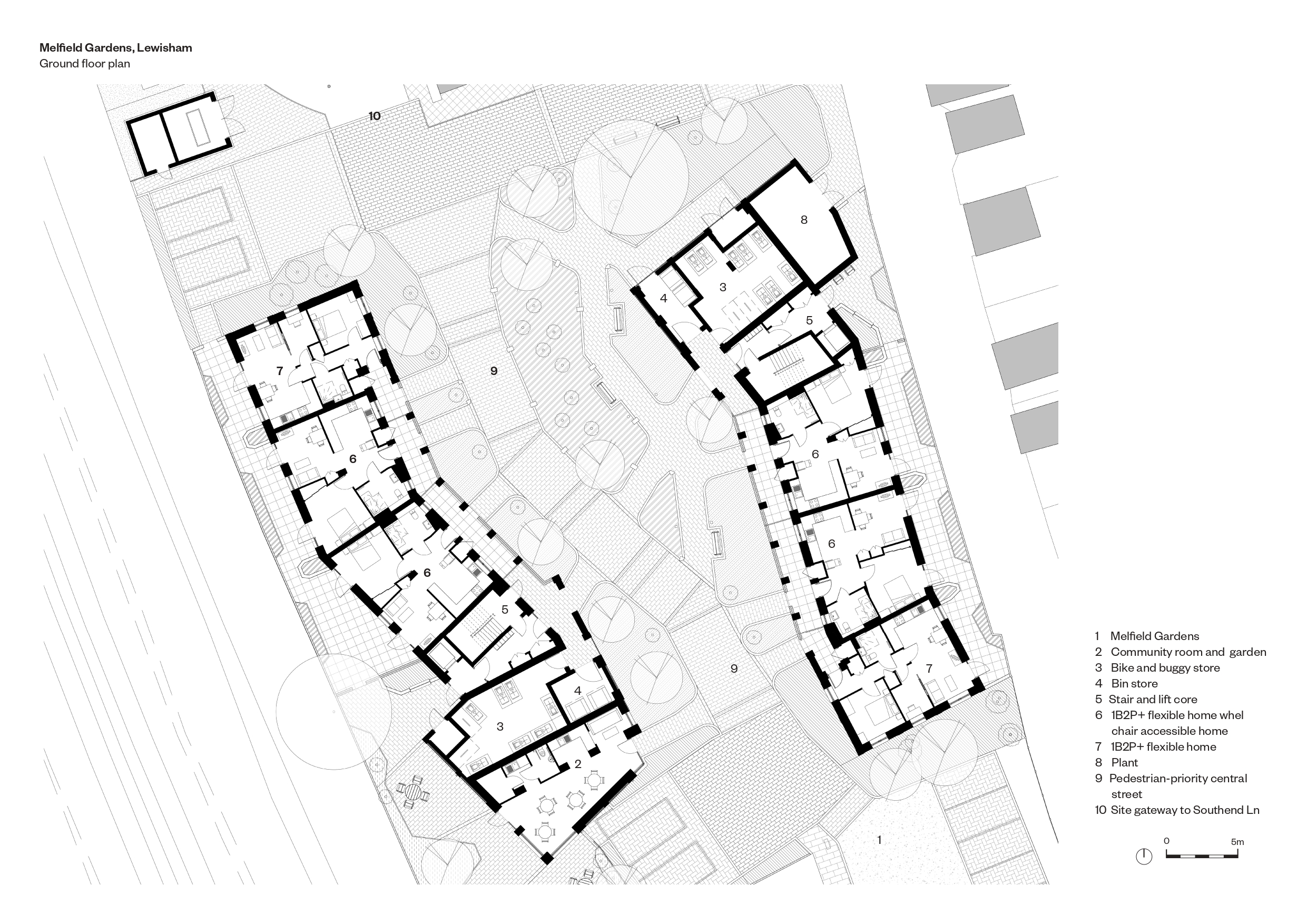
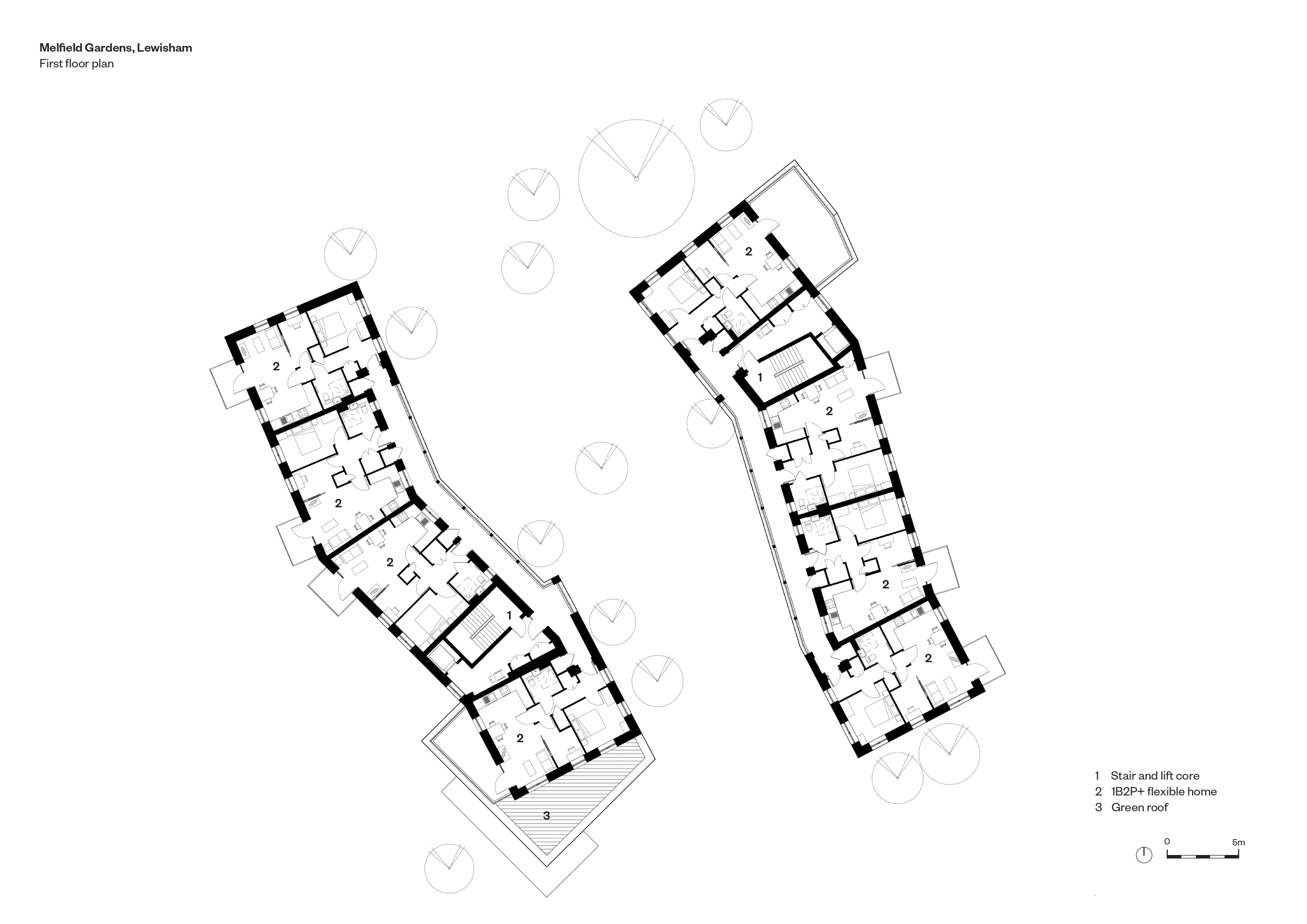
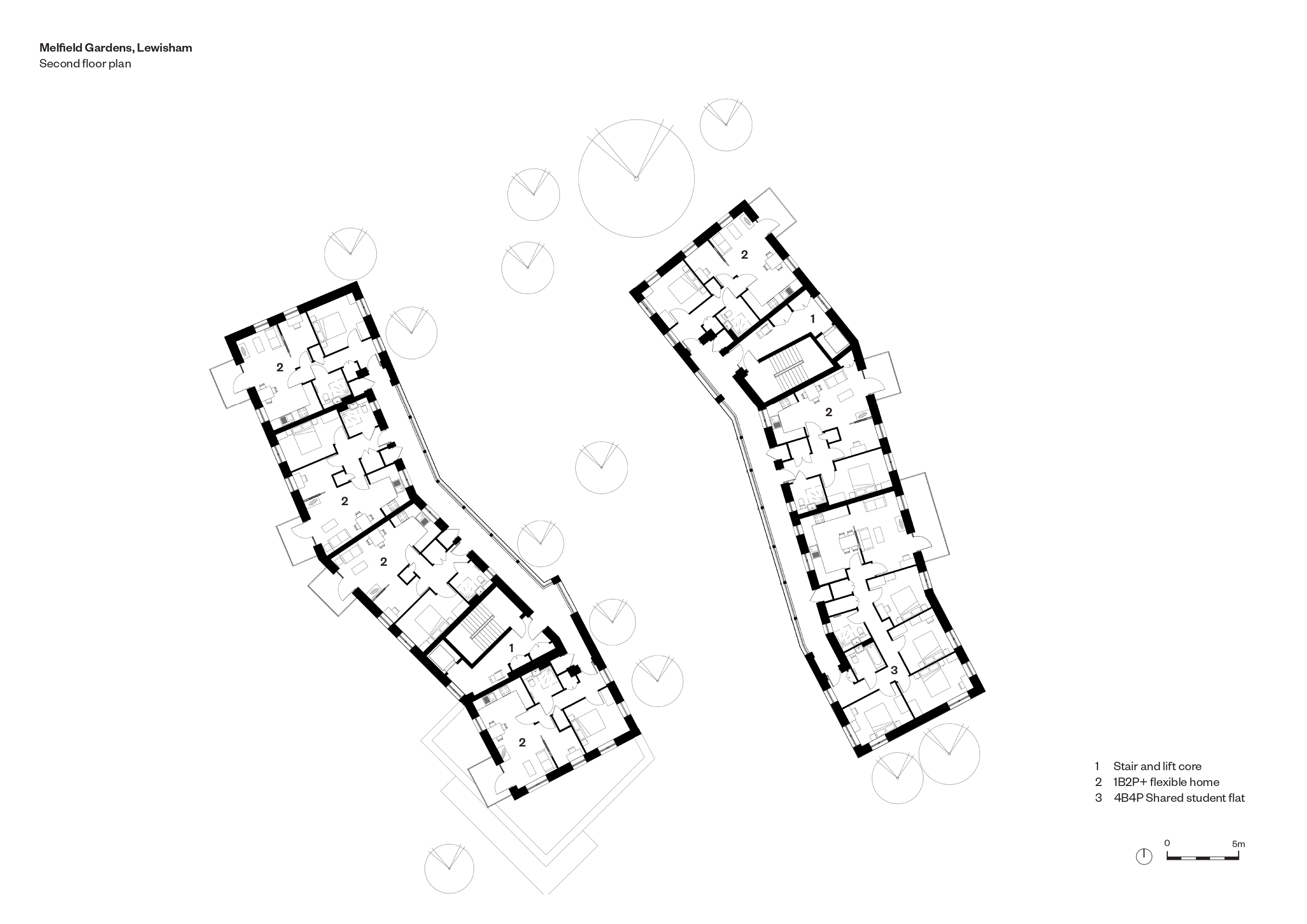
Above: Ground floor plan. Below: first-, second-, third-, fourth- and fifth-floor plans.
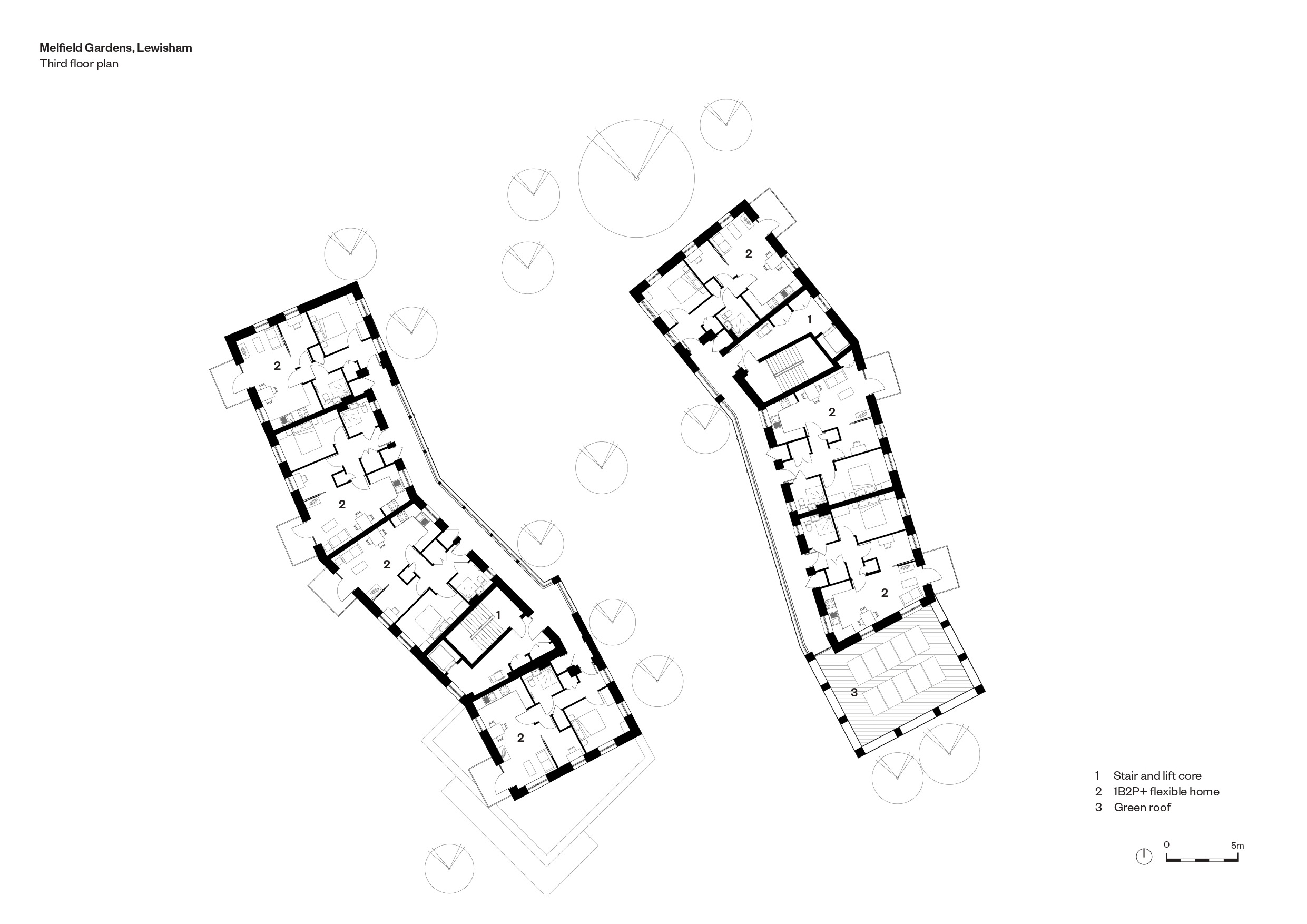
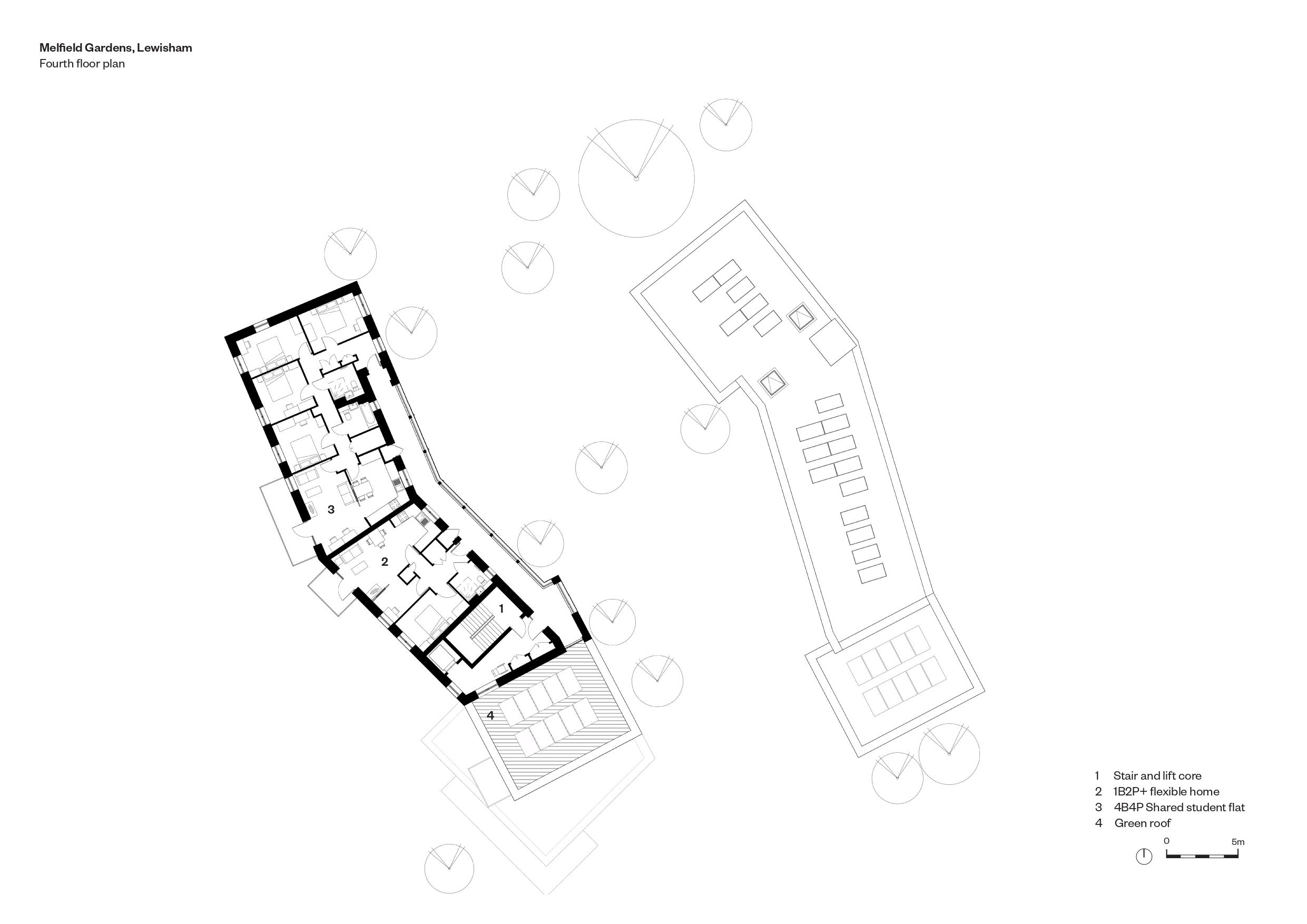
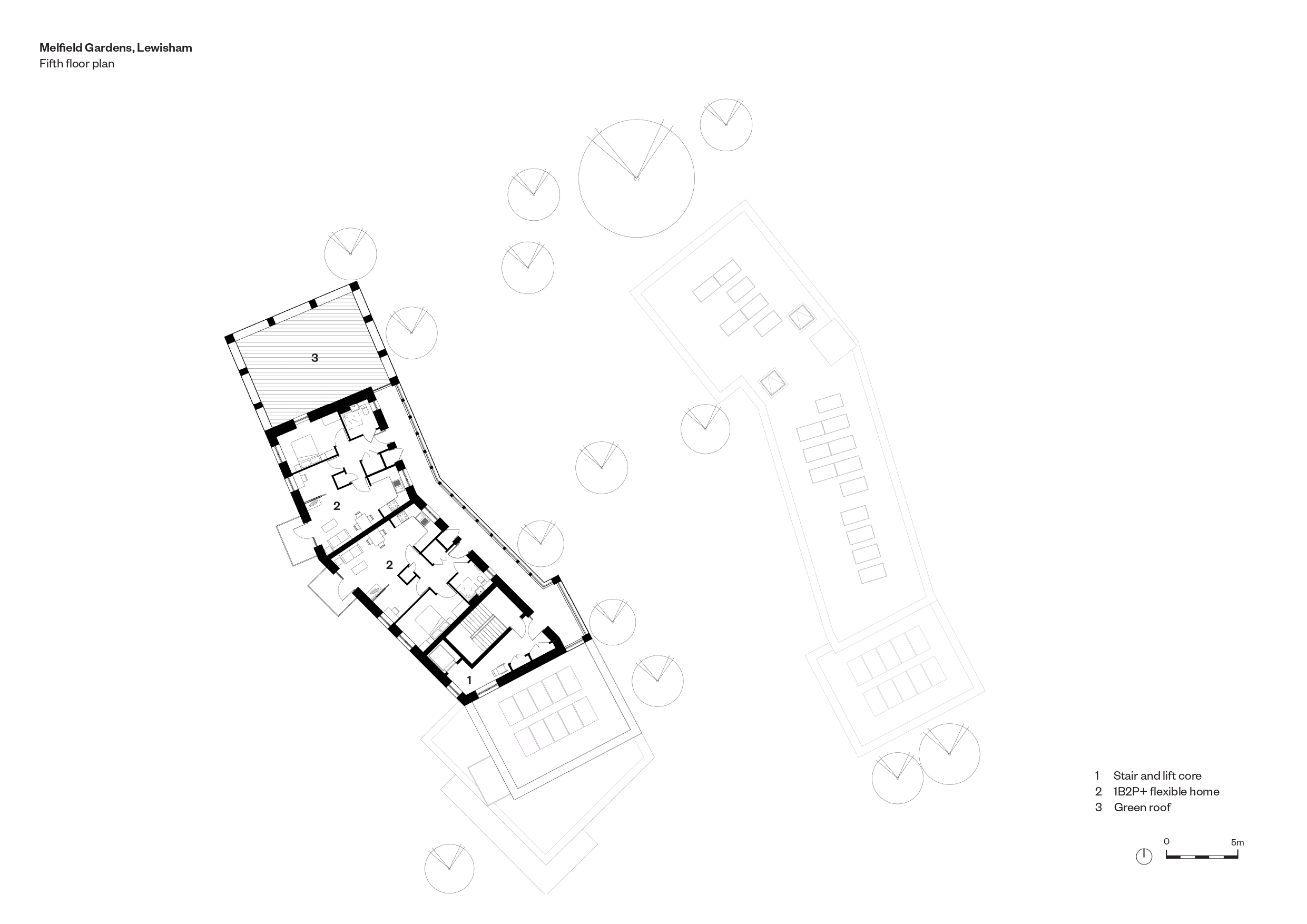
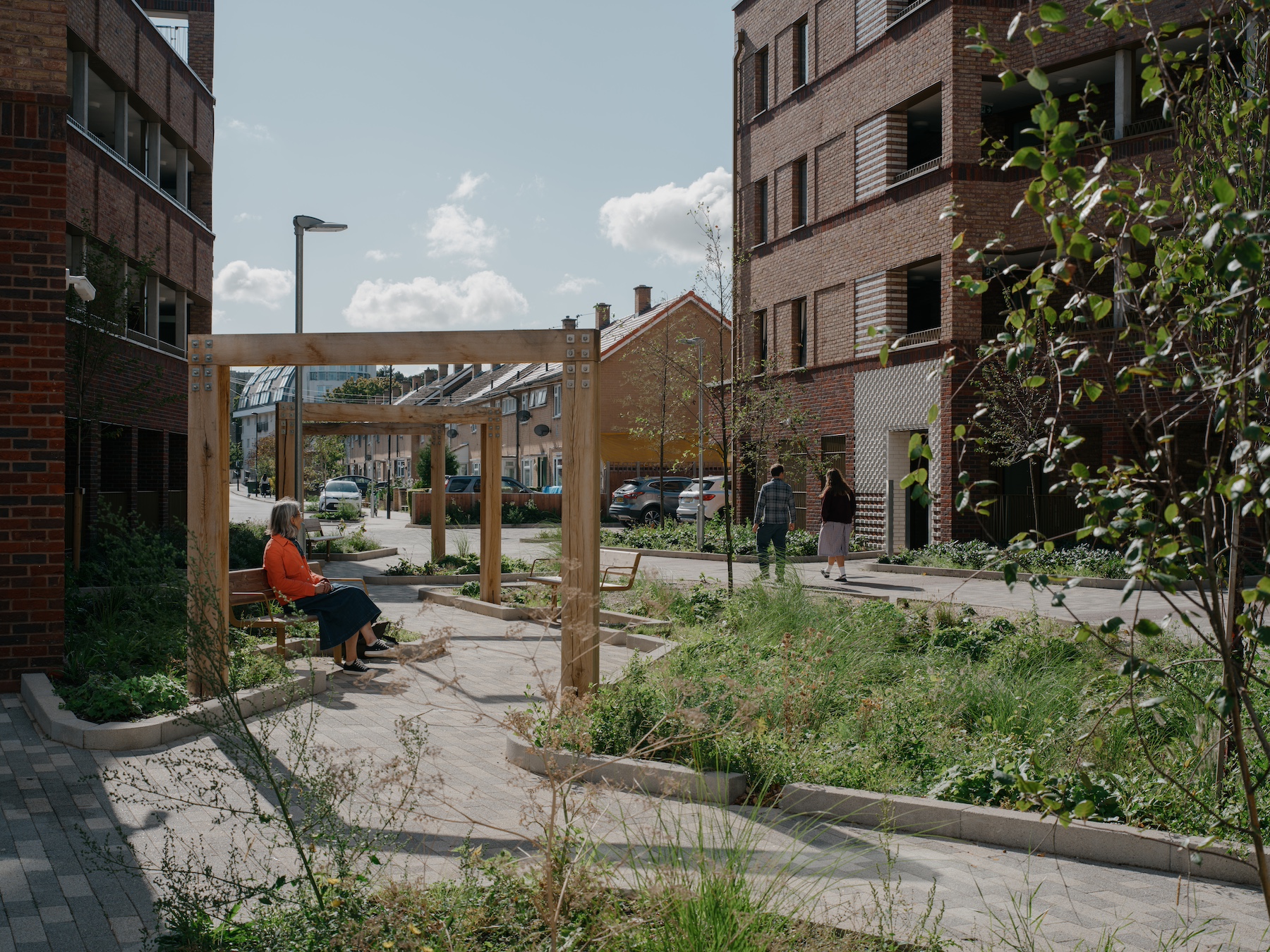
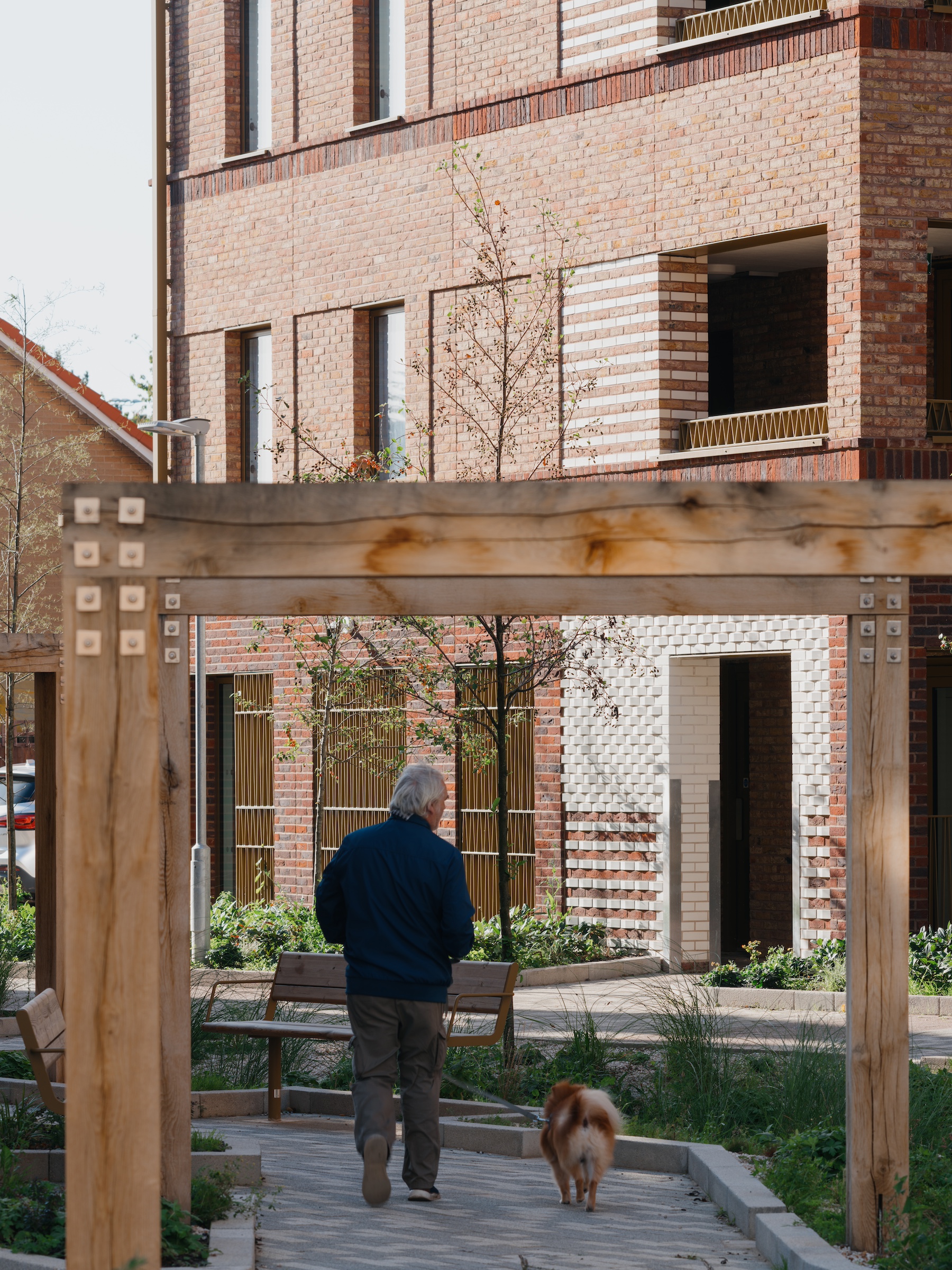
A long-established pedestrian route running through the site has been retained and strengthened, connecting Beckenham Hill station to Southend Lane. This north–south circulatory spine embeds the project within the neighbourhood and establishes a clear hierarchy of public and semi-public spaces. Seating, planting and a series of walking arches soften the transition between street and home, ensuring that circulation spaces are overlooked, legible and sociable rather than residual.
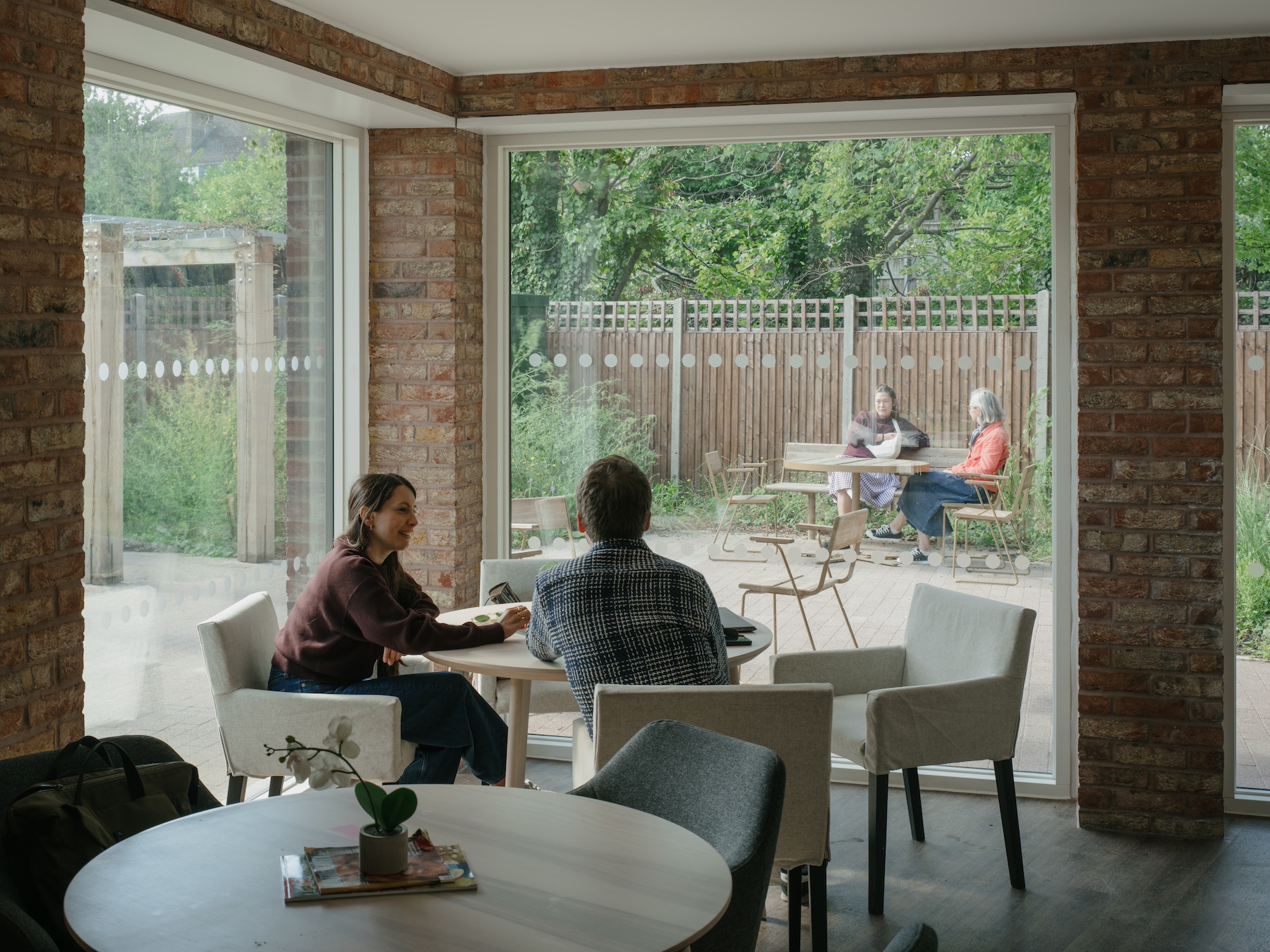
Positioned to catch the sun and open directly onto the landscape is a shared garden room which serves as the development’s primary social area. Containing a communal kitchen and lounge, it provides a space for shared meals, events and informal gatherings, offering a neutral setting where age and tenure dissolve into routine use. The landscape beyond is similarly conceived as a social resource, offering places to pause, sit and meet rather than purely decorative green space.
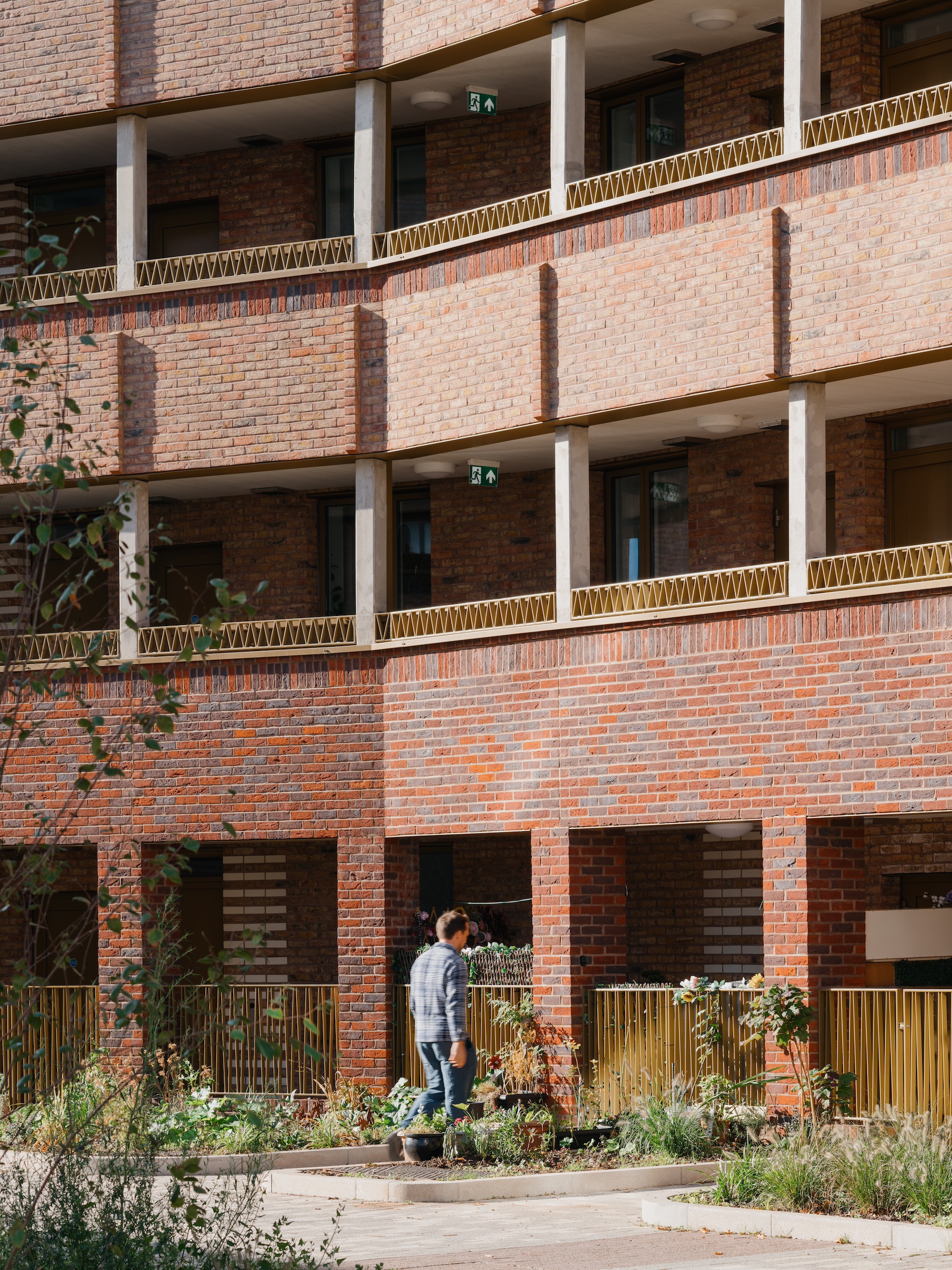
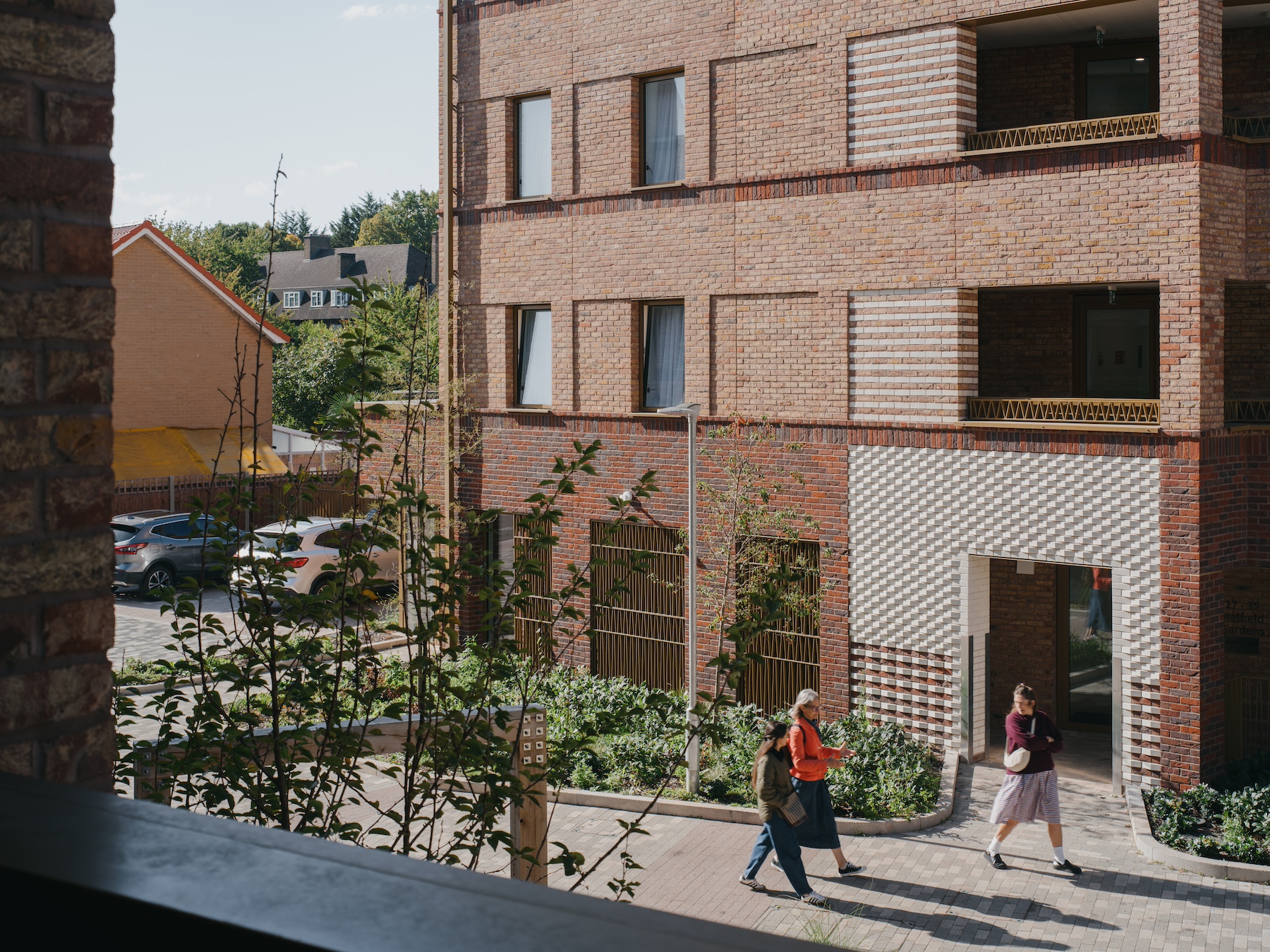
The buildings have been designed to Passivhaus standards, with performance driven by a fabric-first approach. High levels of insulation and airtightness reduce energy demand, while dual-aspect homes maximise daylight and cross-ventilation. Careful orientation and passive design measures also limit overheating and heat loss, delivering homes that are economical to run and comfortable year-round.
Homes for older residents are arranged around a flexible “one-bedroom-plus” typology. Alongside the main bedroom, each dwelling includes an additional room that can operate as a study, hobby space or extension of the living area. Over time, this room can be adapted to accommodate a visiting family member or carer, allowing residents to remain in their homes as needs change.
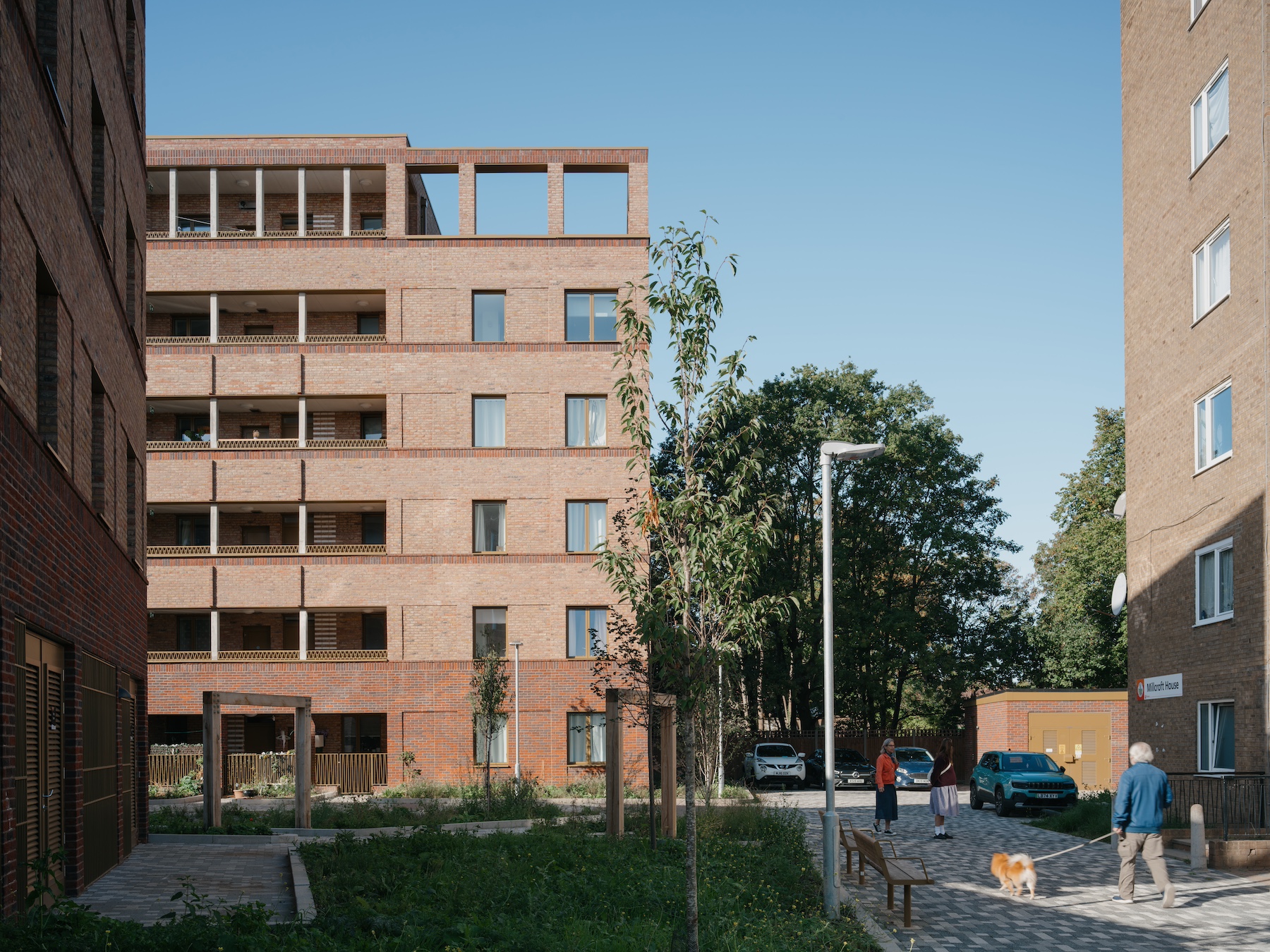
Students occupy two shared apartments within the development, living alongside older residents under a simple neighbourly agreement that encourages everyday support and interaction. The intention is not to formalise care, but to create a setting where small acts such as conversation, shared use of space, familiarity can emerge naturally through proximity.
For Phoenix Community Housing, the project also supports a wider housing strategy. By enabling older residents to downsize into high-quality, purpose-designed homes, larger family houses elsewhere in the association’s stock are released back into use, addressing need across generations and household types.

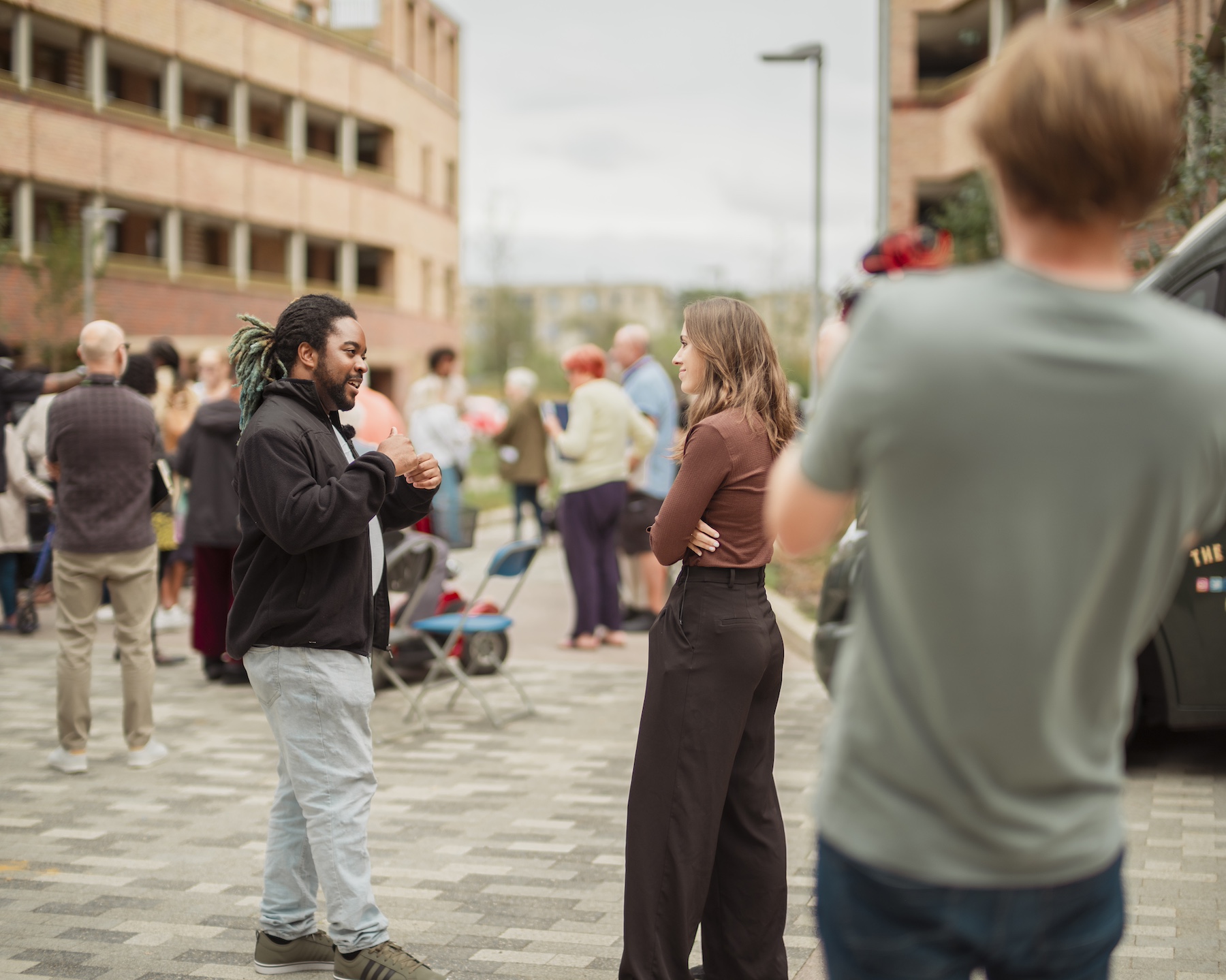
Left: Melfield Garden residents Claire and Morley
“Melfield Gardens is a pioneering project that sets a new standard for affordable, sustainable intergenerational housing,” said Irene Craik, director at Levitt Bernstein. “We’re already seeing the huge benefits of bringing generations together and supporting neighbourly connections. We’re proud to have worked with Phoenix Community Housing to unlock new, high-quality homes and explore alternative models of living that benefit people of all ages.”
“Celebrating the completion of Melfield Gardens is a proud moment for both Phoenix and we think our sector too. The Passivhaus homes are the most sustainable homes we’ve ever built, and the intergenerational nature of the scheme will support our residents’ wellbeing and help them to thrive,” added Phoenix Community Housing chief executive, Denise Fowler. “Many of the residents who have moved into the new homes were previously living in larger Phoenix properties, with more bedrooms than they required, so this is freeing up homes for families who desperately need them. We’re excited to work with our residents to create a vibrant intergenerational community and make the most of this progressive scheme.”
Credits
Client
Phoenix Community Housing
Architect
Levitt Bernstein
Landscape architect
Levitt Bernstein
Energy and Passivhaus consultant
Etude
Structural engineer
Price & Myers
M&E engineer
Max Fordham
Quantity surveyor / Employer’s agent
Potter Raper Partnership
Principal designer
Potter Raper Partnership
Approved building inspector
Bureau Veritas
Main contractor
Jerram Falkus
Additional images