Opening Regenerative Design 2026, Elora Hardy joined Ivan Jovanovic, Duncan Baker-Brown, Marian Garfield, Amin Taha and Kelly Alvarez Doran to explore what needs to change if regenerative design is to move from aspiration to mainstream practice.
Regenerative design demands more than better-performing buildings. It asks architects, engineers, manufacturers and clients to reconsider the systems that shape the built environment, the assumptions embedded in those systems, and the relationship between human activity and the natural world.
That was the starting point for Paradigm shift: a new mindset for a regenerative world, the opening event of Regenerative Design 2026 at the Building Centre. Across a keynote and a series of talks, six speakers approached the question from different directions: materials, engineering, policy, supply chains, biodiversity, regulation and the culture of design itself.
Learning to unlearn
Opening the morning, IBUKU founder Elora Hardy argued that regenerative practice begins by questioning the assumptions that designers have inherited.
“We inherited a way of building that treats land as a canvas to paint on. How do we unlearn that?” she asked.
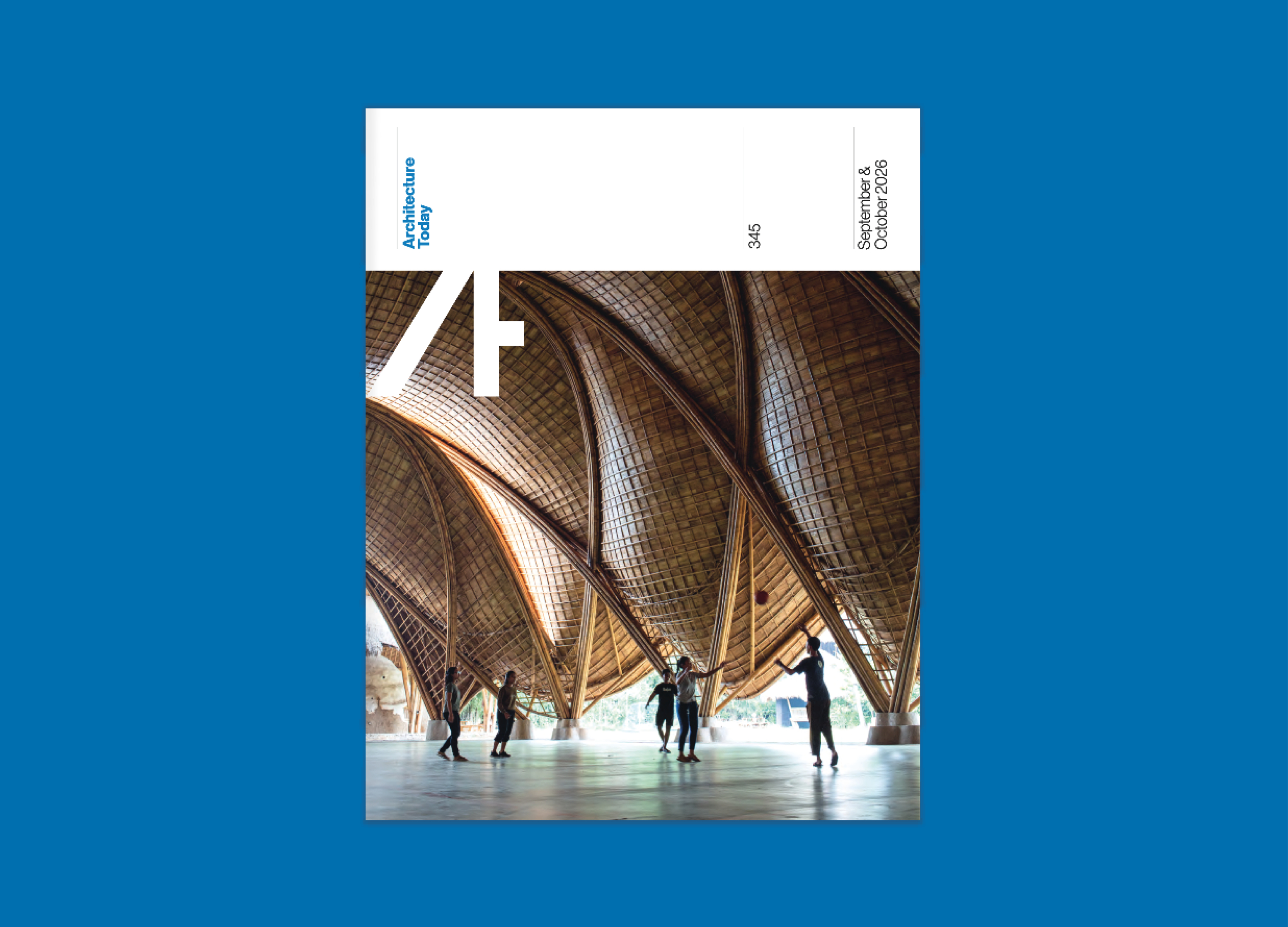
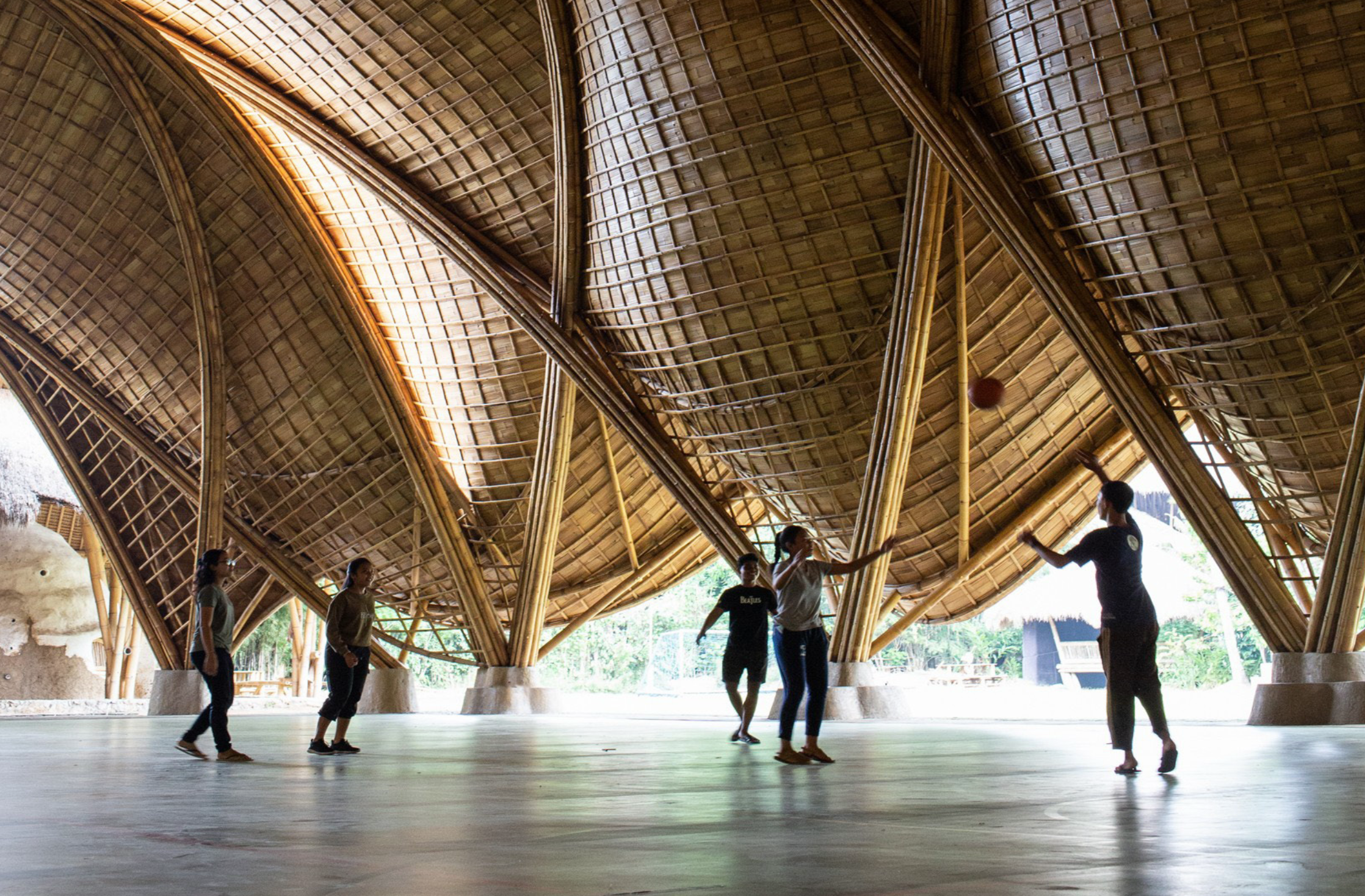
Hardy described her own work with bamboo as a long process of learning from a material and from the ecological and cultural systems around it. “I have been a bamboo student and a bamboo servant. It’s really about the roots of humans and nature, and what we need and how we want to interact.”
The deeper challenge, she suggested, is a worldview that positions people outside the natural systems on which they depend. “We have built an entire material culture on the assumption that humans are separate from nature. We manage it, we design on top of it, protect ourselves from it.”
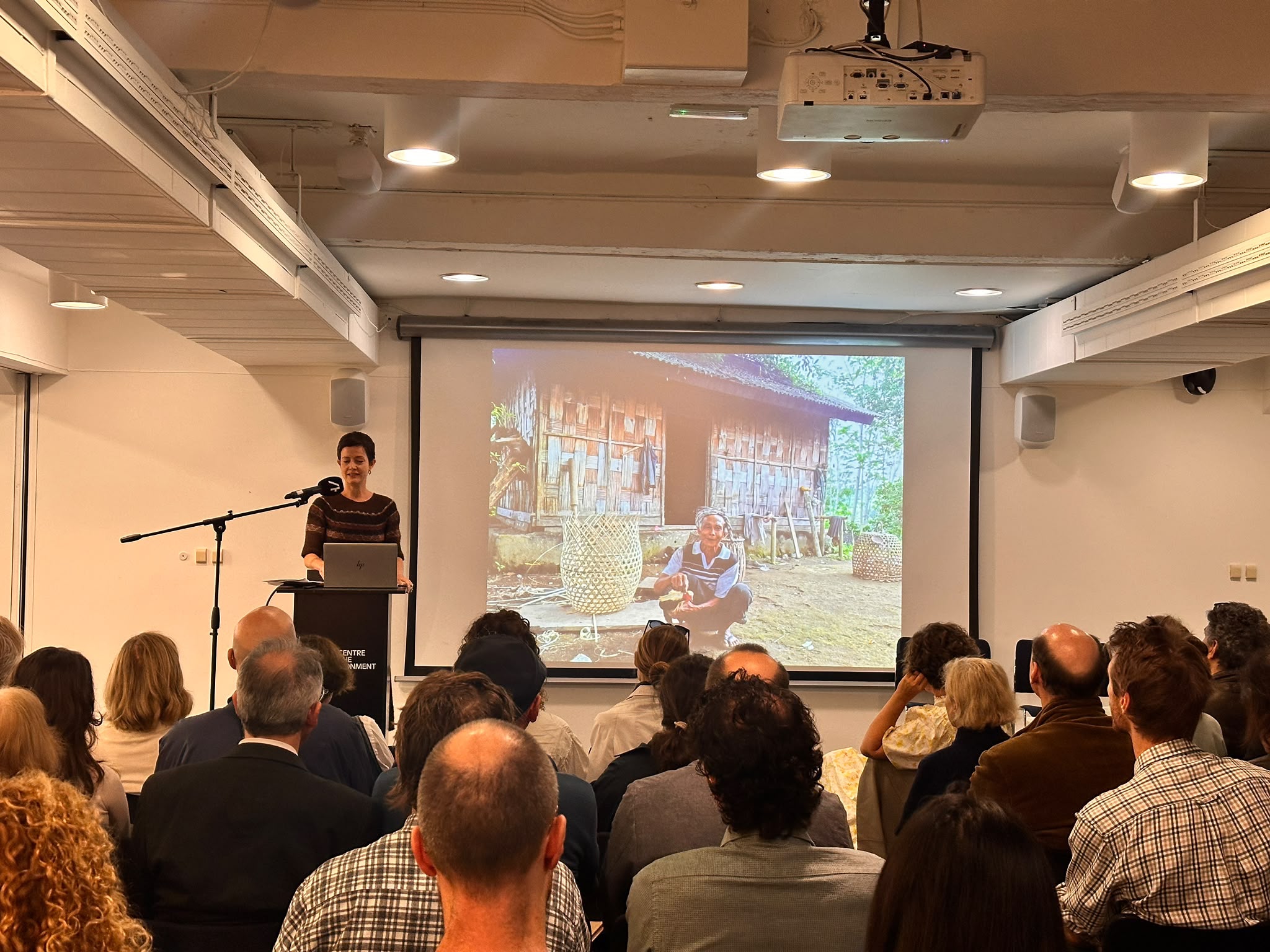
Elora Hardy
Working with natural systems
For Ivan Jovanovic, Director of Sustainability and Environmental Design at Atelier Ten, the shift is partly about rediscovering a way of engineering that works with natural forces rather than overpowering them.
There are limits, he argued, to the industry’s current reliance on advance measurement. “Sometimes we will have to skip the actual concrete measurement in advance,” he said, while stressing that this does not mean abandoning evidence. “There will be a way where we will find connection between our actions and, I don’t know, climate change in Mongolia.”
That means learning to operate within today’s systems while working to change them. “I think we have to fight the current system with its own rules until it’s changed.”
From ambition to industrial reality
Marian Garfield, Director of Sustainability at Heidelberg Materials UK, brought the perspective of a manufacturer confronting the carbon intensity of one of construction’s most widely used materials.
“We have to be a sustainable business. To be a business in 20 or 30 years, we have to do things differently,” she said, pointing to cement production’s significant contribution to global carbon emissions.
Garfield highlighted carbon capture as one area moving rapidly from ambition into implementation. Referring to Heidelberg Materials’ project at Brevik in Norway, she said: “This is not a difficult dream. This actually is not a dream. This is now reality.”
But technology alone is not enough. Earlier engagement between manufacturers and designers is also essential. “For us, it’s around talking to, learning, having conversations, being part of the solution rather than the problem.”
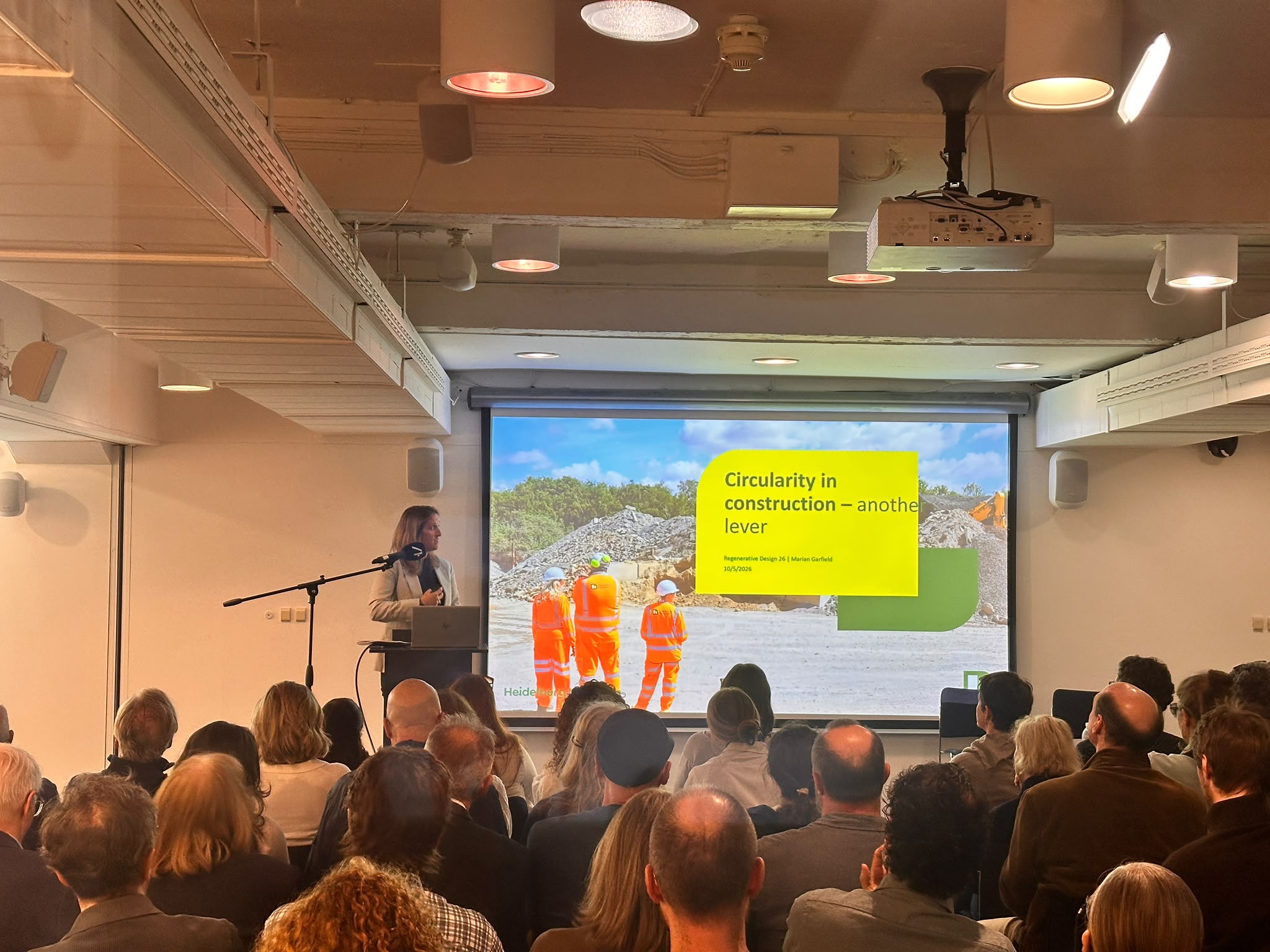
Marian Garfield
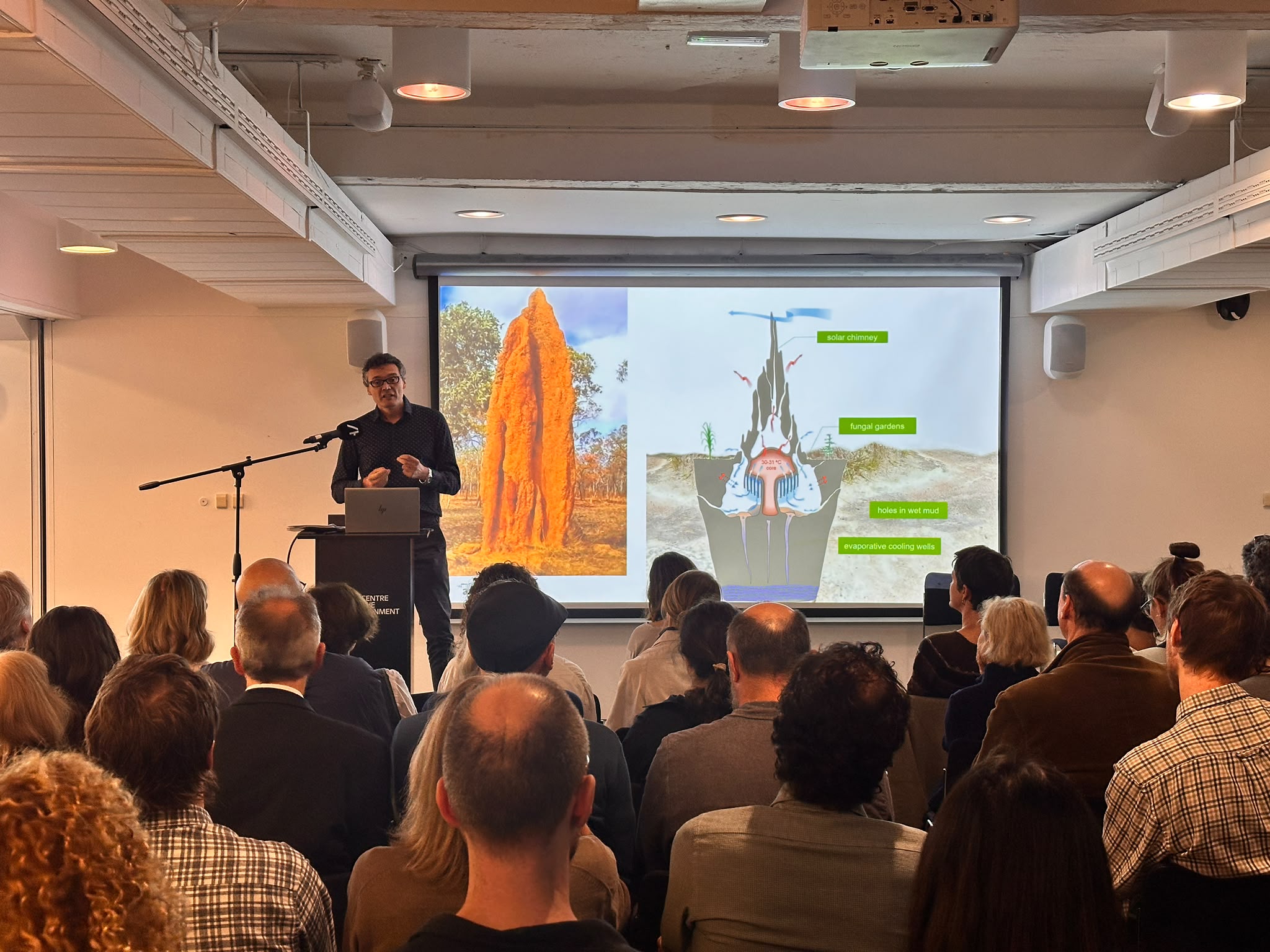
Ivan Jovanovic
Using less, and using materials intelligently
Amin Taha, Founder and Director of Groupwork, asked the audience to begin with a deliberately simple thought experiment: “We should make everything out of timber.”
The point was not that timber can replace every material, but that it provides a useful starting point for thinking about carbon storage and material choice. “It’s not about eliminating the high embodied carbon materials. It’s about mixing them intelligently. So, definitely not suggesting we get rid of concrete or steel.”
Taha argued that structural stone can also play a much larger role. “You can actually replace the concrete frame with or a steel frame with stone, with exactly the same skills we’ve got on site at the moment,” he said.
His broader challenge to specifiers was to begin with the lowest-carbon option, then add other materials only where their properties are genuinely required. “My whole building is timber, and then slowly I substitute material, one material after another.”
Reuse before extraction
Duncan Baker-Brown, Founder and Director of BakerBrown Studio, focused on the scale of construction’s demand for resources. “The construction sector consumes 50% of all extracted materials that we harvest every year, and it’s the extraction of those materials that is causing the mass extinction of species at the moment.”
His response is a hierarchy that starts with what already exists. “Hold on to what you already have and reuse it. Think twice about manufacturing new stuff.”
That applies not only to buildings and manufactured products but also to materials drawn from biological systems. Baker-Brown warned against assuming that a natural material is automatically regenerative. “You can clear fell a slope of timber, and you’ve just created a desert,” he said, adding that carbon is only one measure of the damage caused by extraction.
By contrast, he pointed to managed sweet chestnut woodland as an example of a productive landscape in which human intervention can increase biodiversity. “If you work these woodlands on the 25-30 year cycle, you get a greater level of biodiversity than if you leave them alone. That is regenerative design. I don’t know what else is. That is regenerative design.”
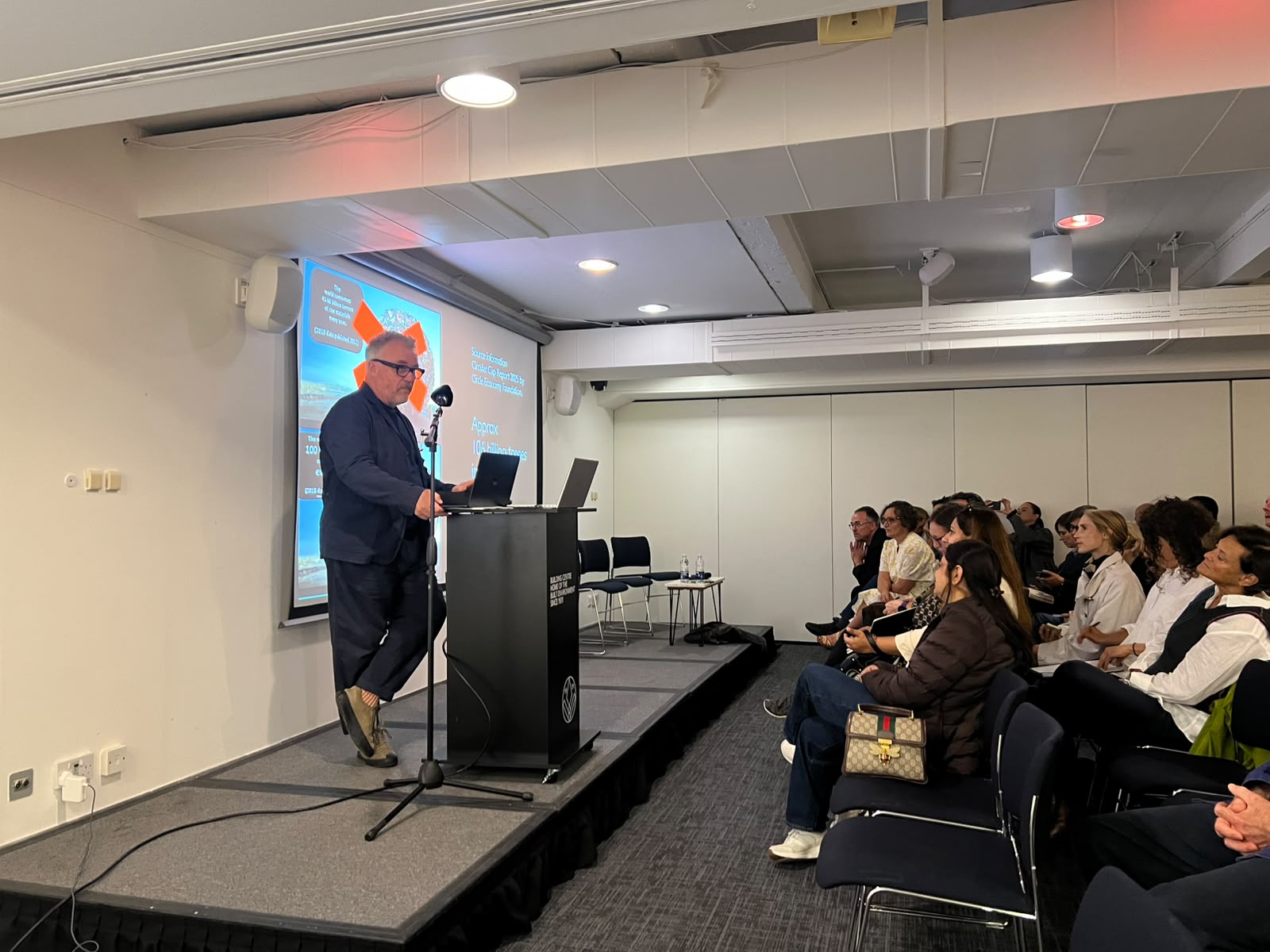
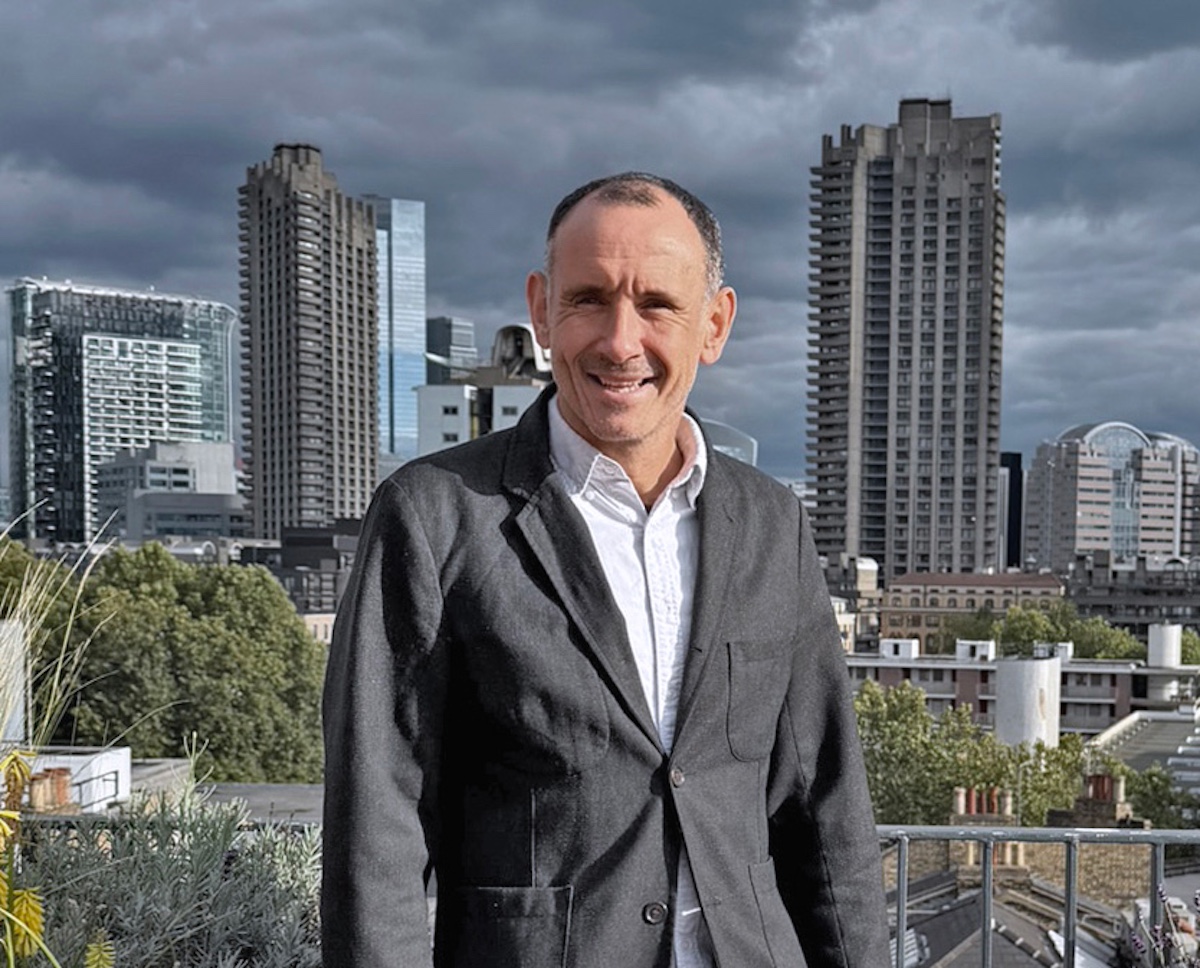
Duncan Baker Brown
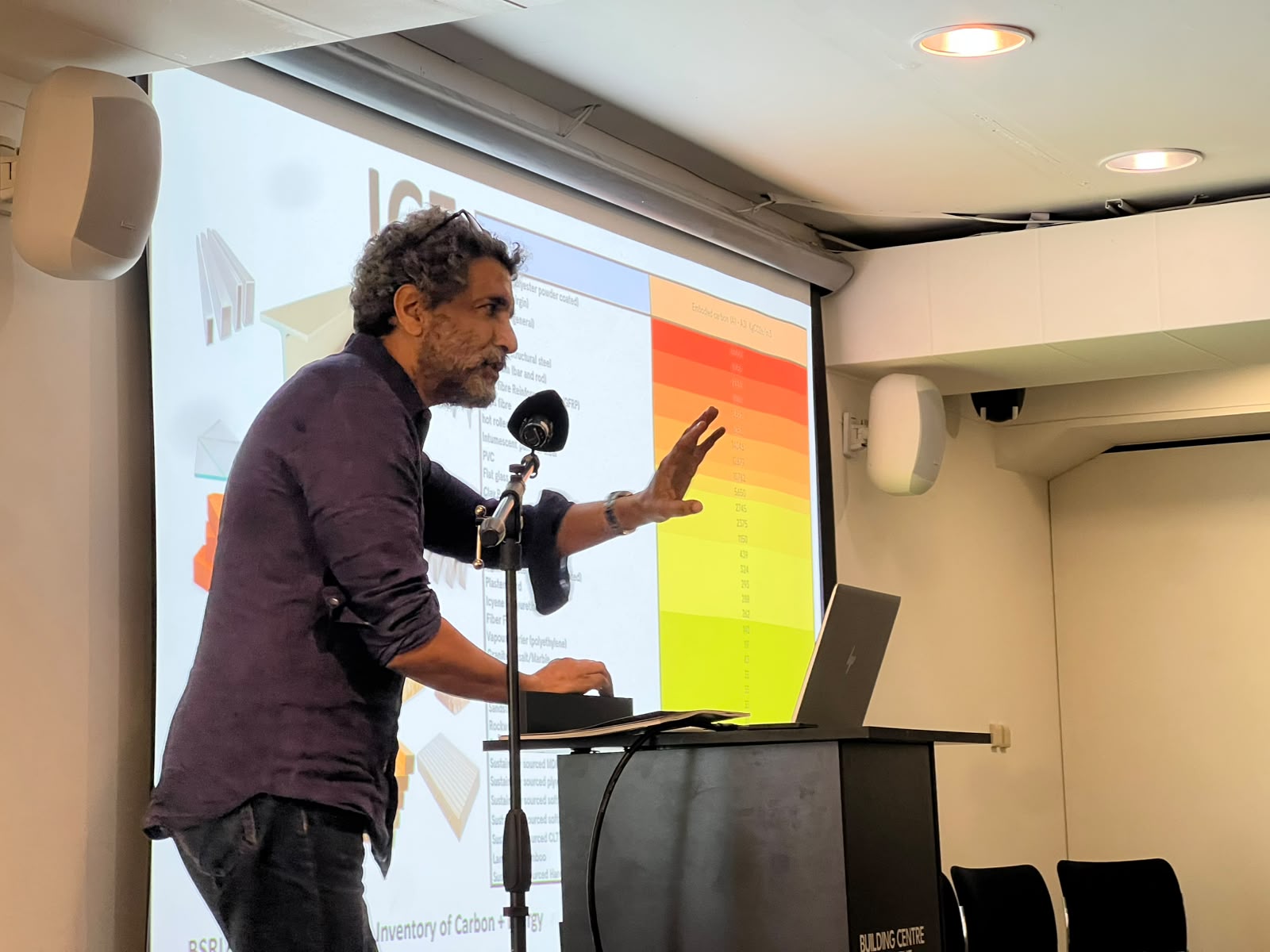
Amin Taha
Changing the rules
Kelly Alvarez Doran, Co-Founder of Ha/f Climate Design, focused on the regulatory and economic systems that determine what gets built, arguing that carbon and cost are often driven by the same underlying decisions.
“The first thing we need to do is just establish broad literacy to enable action,” he said. That includes understanding the effect of planning rules, building codes, supply chains and procurement on the carbon intensity of development.
Crucially, those rules should not be treated as fixed. “Accepting current rules as given, they’re not,” Alvarez Doran said.
He also argued that the industry needs to communicate beyond its own professional language. “We need to find ways to bring our conversation to the public, and speak to them in terms that they can understand.” The case for change, he suggested, often becomes stronger when environmental performance is connected to issues people experience directly, from construction cost to the vitality of local high streets.
Agency, legislation and a different relationship with nature
Across the morning, a common theme emerged: regenerative design will depend on both individual agency and systemic change. Better material choices and design decisions matter, but they sit within planning systems, regulations, commercial structures and cultural assumptions that can either accelerate or obstruct change.
Baker-Brown argued that architects need to become more active in shaping those systems. “There’s not enough legislation out there. We do really need to bang on ministers’ doors, get into those ministries, and be a lot more proactive as architects.”
But the most fundamental shift may be the one Hardy identified at the beginning of the morning: rejecting the idea that humanity stands apart from the living systems it designs within.
“We are part of nature, and we always were.”
Paradigm shift: a new mindset for a regenerative world took place at the Building Centre on 5 October as part of Regenerative Design 2026. The event was held in partnership with Heidelberg Materials UK.
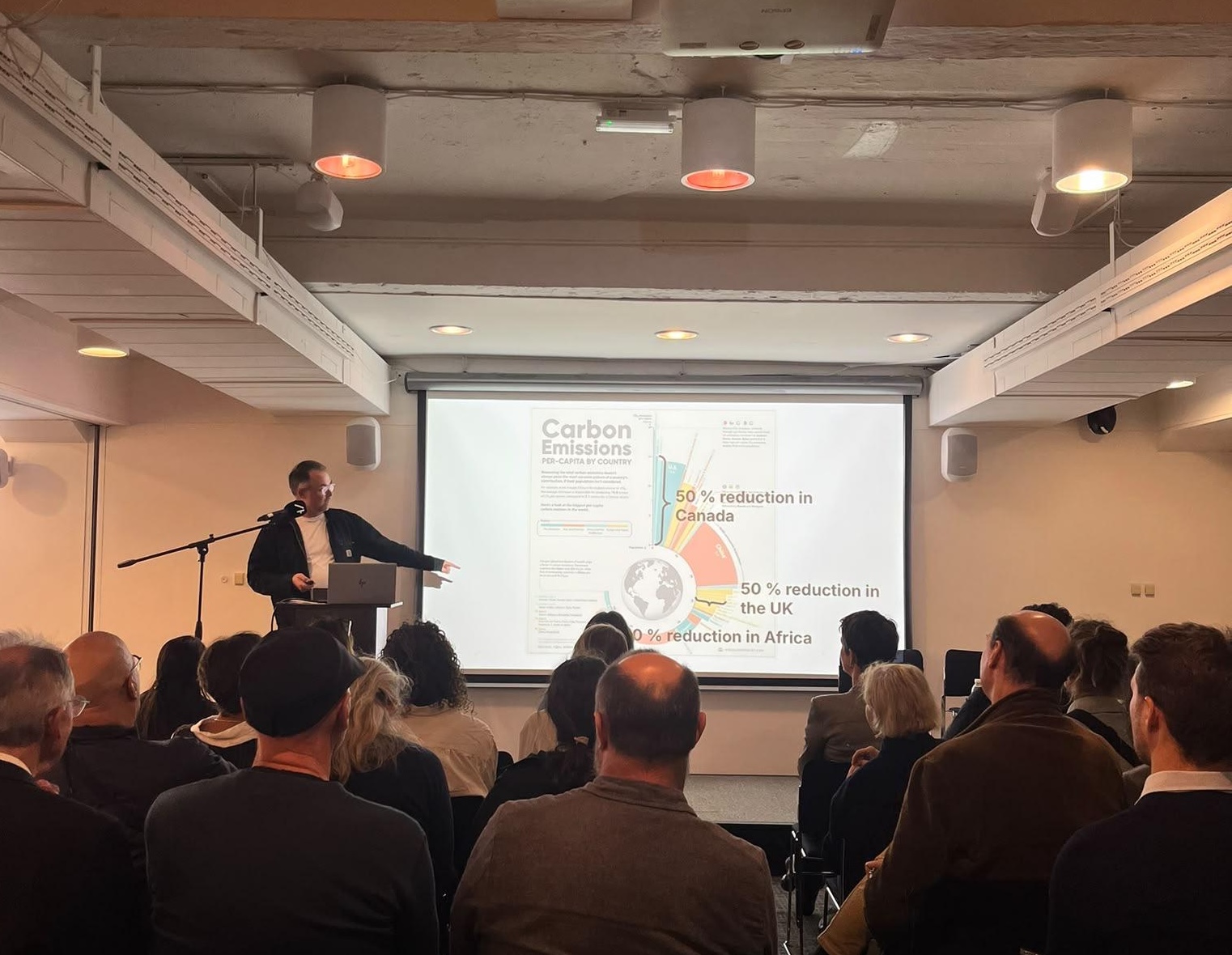
Duncan Baker Brown
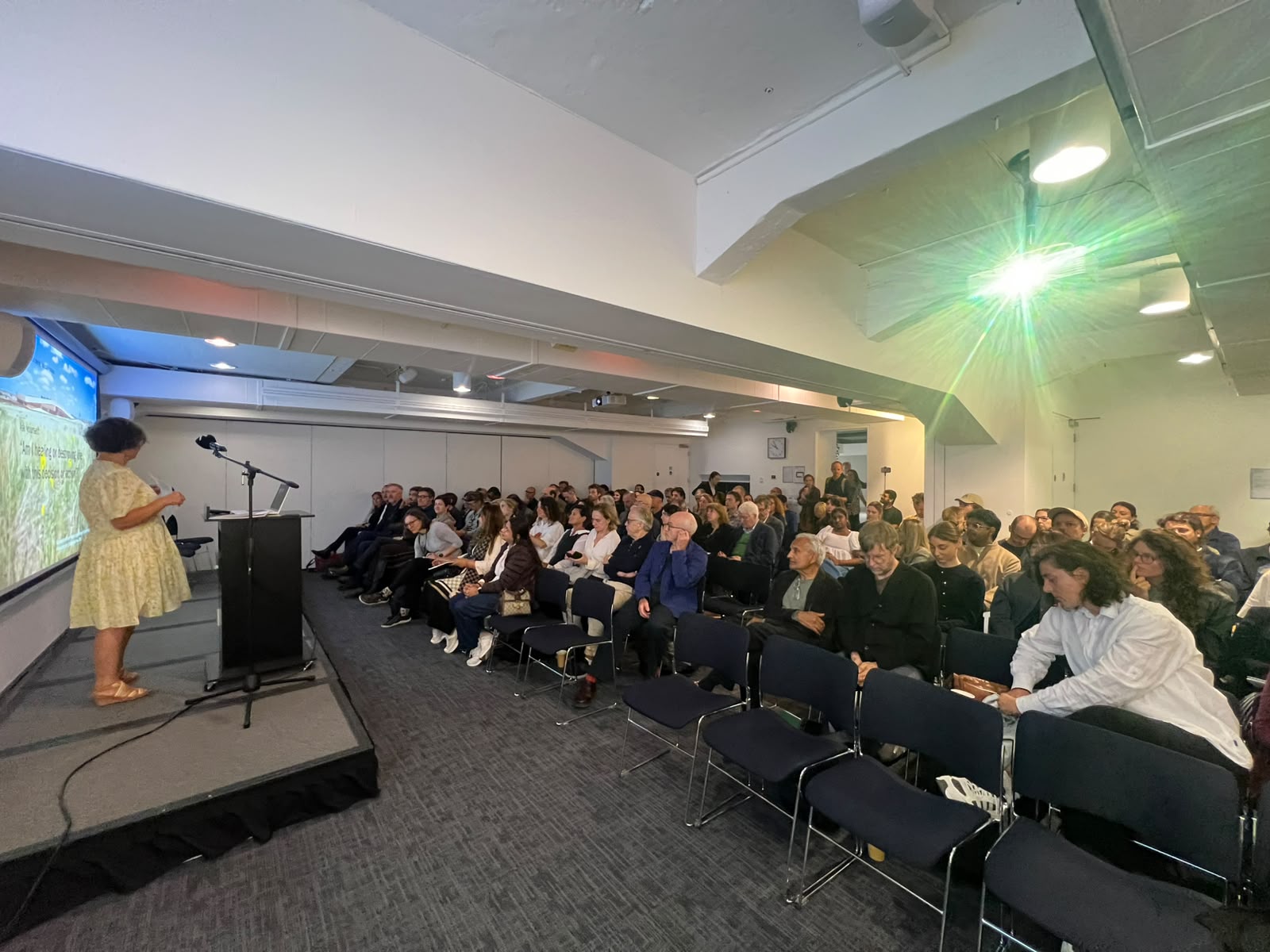
AT Editor Isabel Allen taking audience questions for the panel

Launched by Architecture Today, Regenerative Design 2026 is a month-long programme of exhibitions and events that takes place at the Building Centre throughout October 2026.