Ahead of his keynote talk for Regenerative Design 2026, Michael Pawlyn, founder of Exploration Architecture, explores how rethinking our relationship with nature could help unlock the systemic change needed for regenerative design.
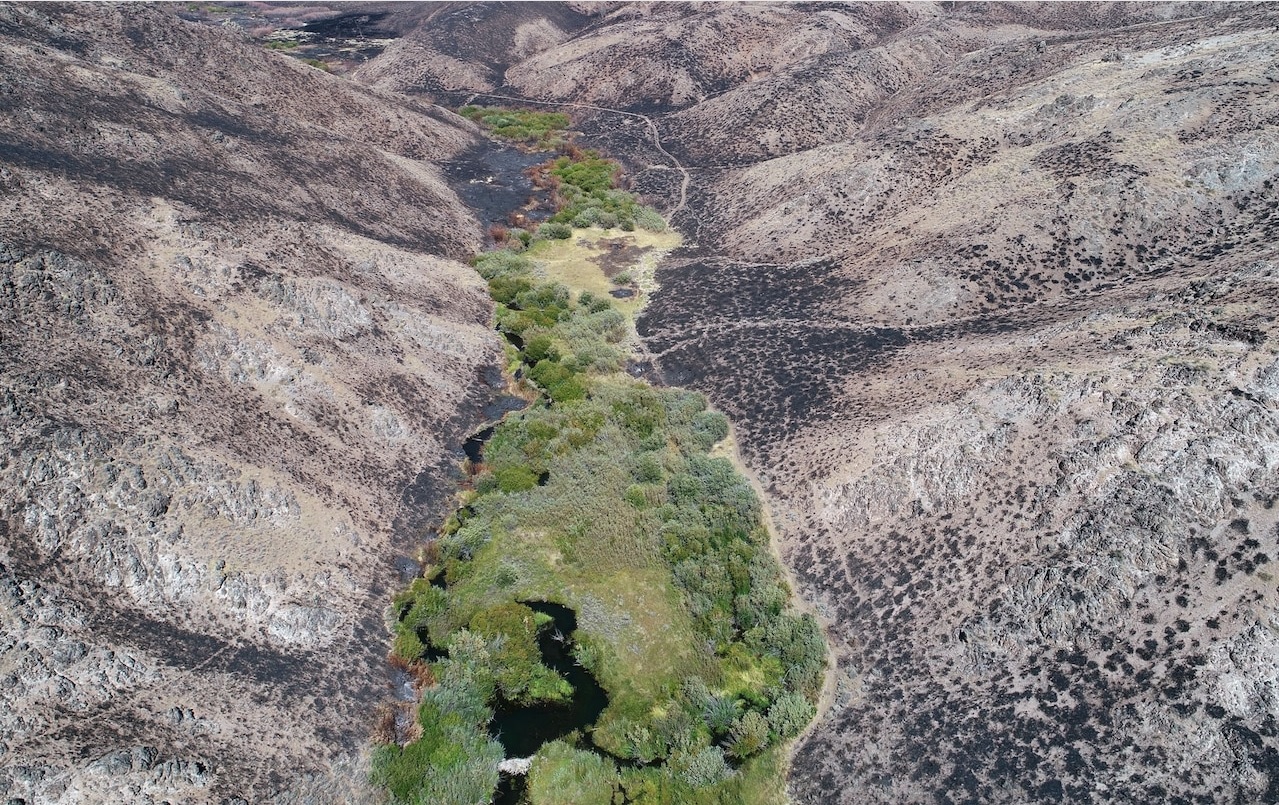
Beavers can transform landscapes and create habitats for a vast array of other species. (Credit: Creative Commons Joe Wheaton)
Systems change underlies much of the thinking behind Regenerative Design 2026 and, in my talk on October 14th, I will be exploring this further. The great systems thinker, Donella Meadows, described in her essay, Leverage Points, how the most influential place to intervene in a system is at the level of the paradigm or mindset that determines to a large extent how a system behaves.
A simpler way of communicating these ideas is ‘The Iceberg Model’ which shows four levels: Events, Patterns & Trends, Underlying Structures and Mental Models. ‘Events’ are the most visible and often the things we talk about most, but ‘Mental Models’ are what we really need to shift if we are to bring about meaningful change.
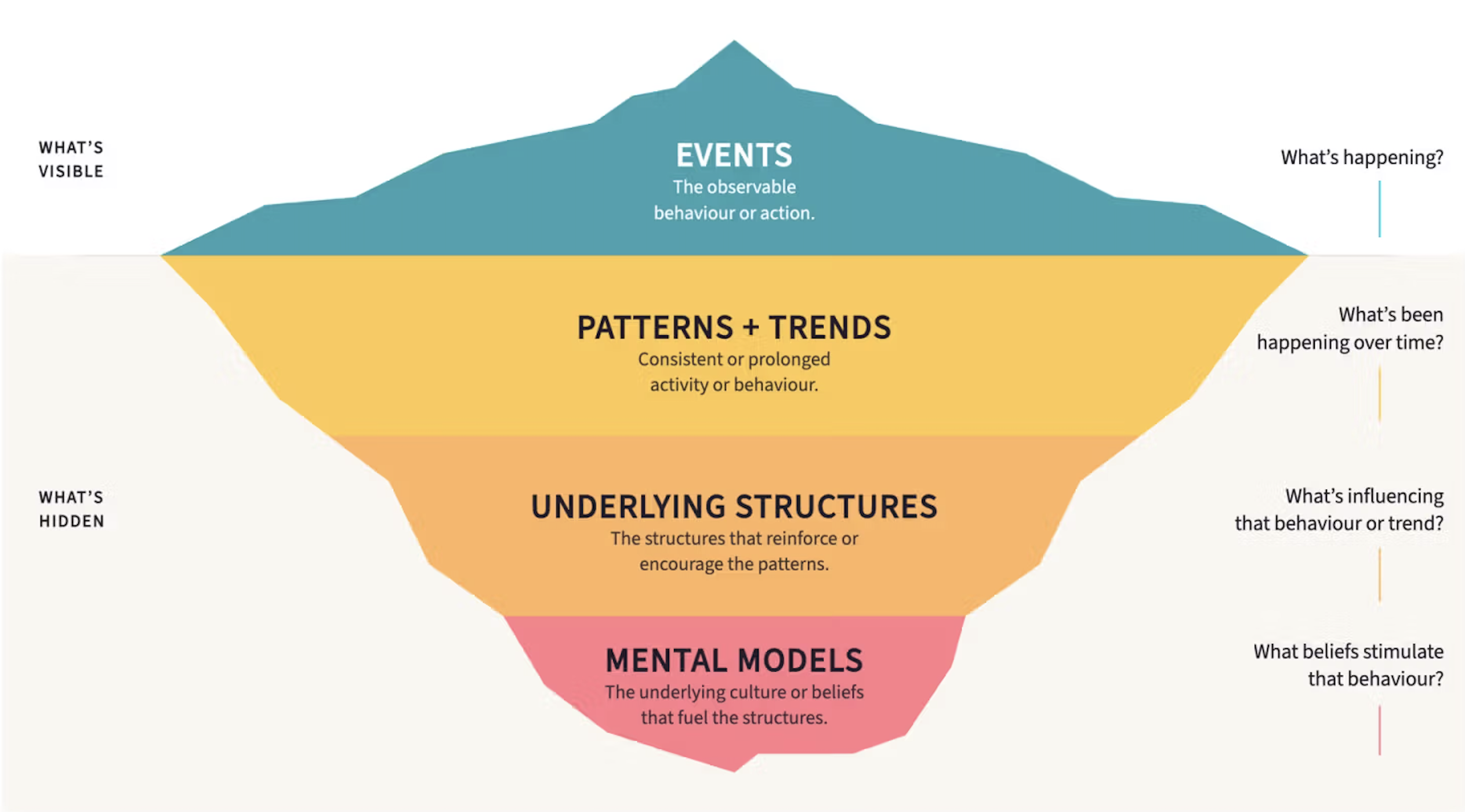
The Iceberg Model for Systems Thinking. Credit: Mutomorro, Creative Commons.
With this in mind, an essential question is to ask ourselves what is the deepest causal layer of our unsustainability? In our book Flourish, my co-author Sarah Ichioka and I (inspired by thinkers like Jeremy Lent and Freya Mathews) made the case that one of the most problematic mental models is the way we see ourselves as separate from nature and instead, see it as something that can be plundered for resources.
We may not subscribe to that view as individuals, but it is the mindset that dominates all modern economies. The influential writer Robert Macfarlane will be discussing a similar subject in this year’s BBC Reith Lectures, which are titled, ‘The Human Superiority Complex’.
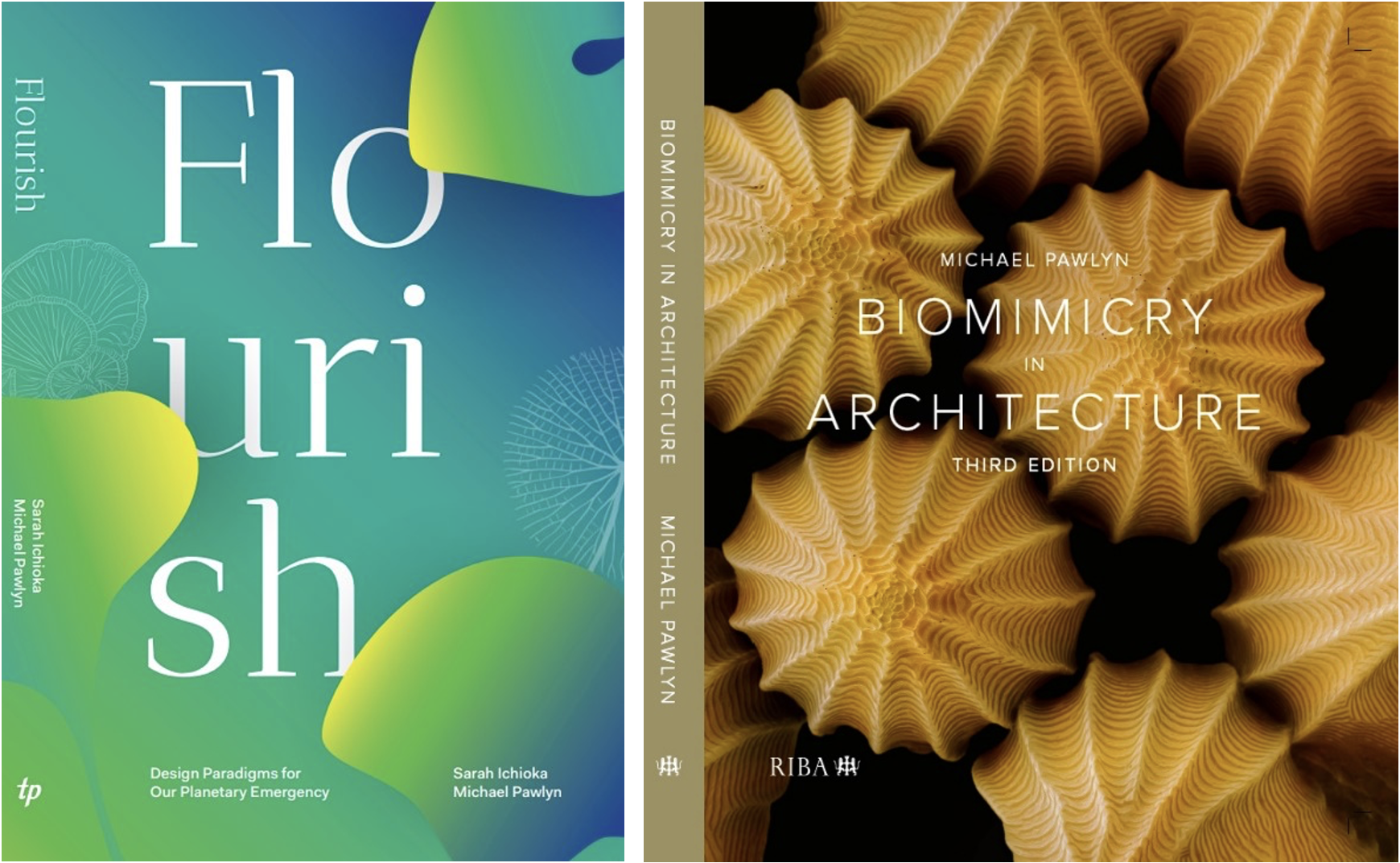
Left: Flourish which describes the philosophical and practical shifts involved in regenerative design.
Right: Biomimicry in Architecture (3rd ed.) which explores a deeper philosophy of biomimicry and how we can learn to ‘design as nature’.
There is also a growing body of thought that the mental model that needs to replace this is one in which humans should participate and co-evolve as part of nature – hence the category title within The Regenerative Architecture Index.
To fully acknowledge this idea requires a major rethinking of the way we design in order to integrate everything we do as humans into the web of life that supports us. We can find inspiration in the way that ecosystems work, how nature has evolved low-energy materials, and a vast array of adaptations that have evolved in response to resource-constrained environments.
I believe it also requires us to rethink our role as humans. And for this, too, we can look to examples in nature. ‘Niche constructors’ – species such as beavers and mangroves – not only act as keystone species, but also bring new landscapes into being that vastly increase the potential for life. This is the role that we could aspire to fulfil as humans.
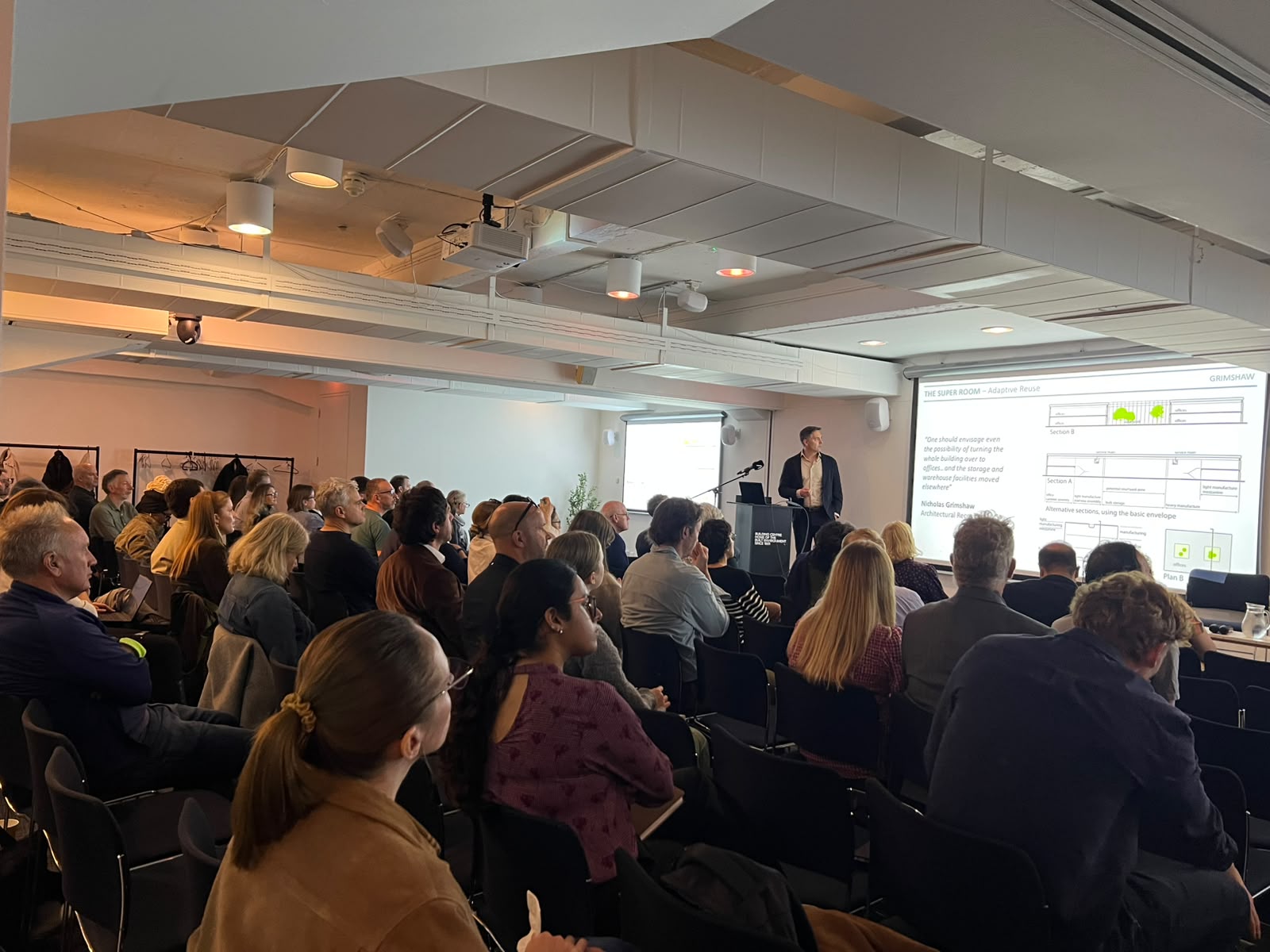
Pawlyn’s talk, delivered in partnership with Interface, will take place on Wednesday, 14 October at 6:30pm at the Building Centre in London.

Launched by Architecture Today, Regenerative Design 2026 is a month-long programme of exhibitions and events that takes place at the Building Centre throughout October 2026.