Proctor Group’s Technical Director, Iain Fairnington, explains how advancements in materials and construction technology have made it easier to address building envelope heat losses with thinner, better-performing insulation products.
In association with

Space constraints can exist in any building project, and they make substantial insulation thicknesses almost impossible to accommodate. This limits the overall thermal improvements that can be achieved in retrofit projects, and it can create potentially harmful thermal bridges in new-build scenarios like facades.
More specifiers and installers are aware of the unique benefits offered by aerogel insulation. The lightweight material has a low thermal conductivity while also being very thin. Crucially, it is also hydrophobic and vapour open.
Aerogel is made by the supercritical drying of silica gel until the liquid component has dried out and been replaced with gas. However, the rigid material is extremely brittle. To create a more usable product, the silica aerogel is embedded into a polyester or glass fibre carrier fleece. This gives it flexibility without compromising the integrity of the material or its excellent thermal properties.
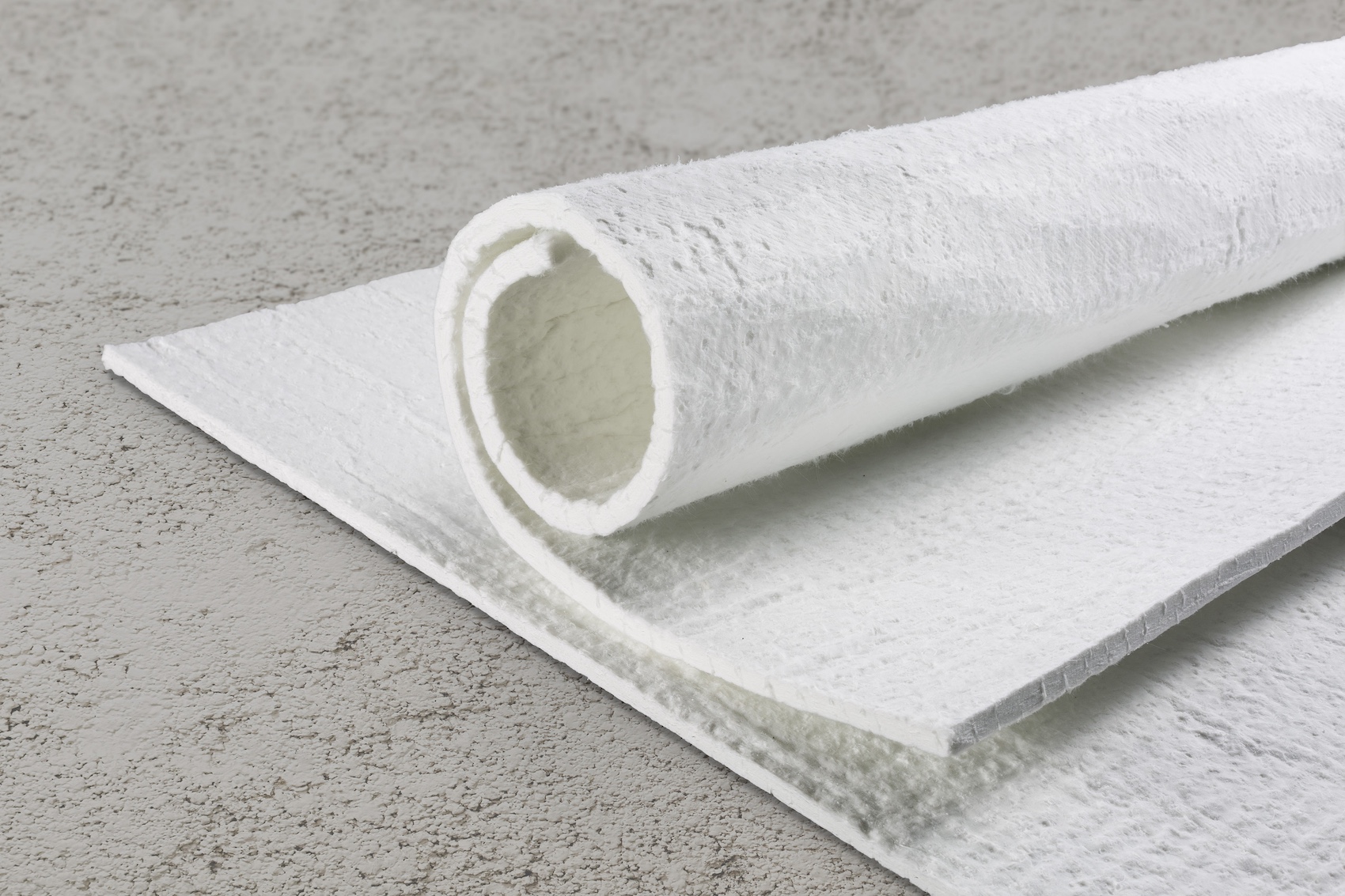
Introducing the Spacetherm® range of solutions
Aerogel insulation forms the basis of our Spacetherm® range of solutions. These range from Spacetherm A1 (aerogel blanket on its own) to Spacetherm laminates (where the blanket is bonded to a finishing board such as plasterboard or magnesium oxide board).
Spacetherm offers a low thermal conductivity of 0.0195 W/mK in a product thinner than other commonly-available insulation materials. Better thermal performance can therefore be achieved in space-critical applications.
As a hydrophobic material, Spacetherm doesn’t absorb liquid water and therefore will not suffer a reduction in thermal performance if exposed to damp conditions. But its vapour openness allows moisture vapour to pass through – essential for protecting traditional building fabric in retrofit projects, or contributing to moisture management in any construction type.
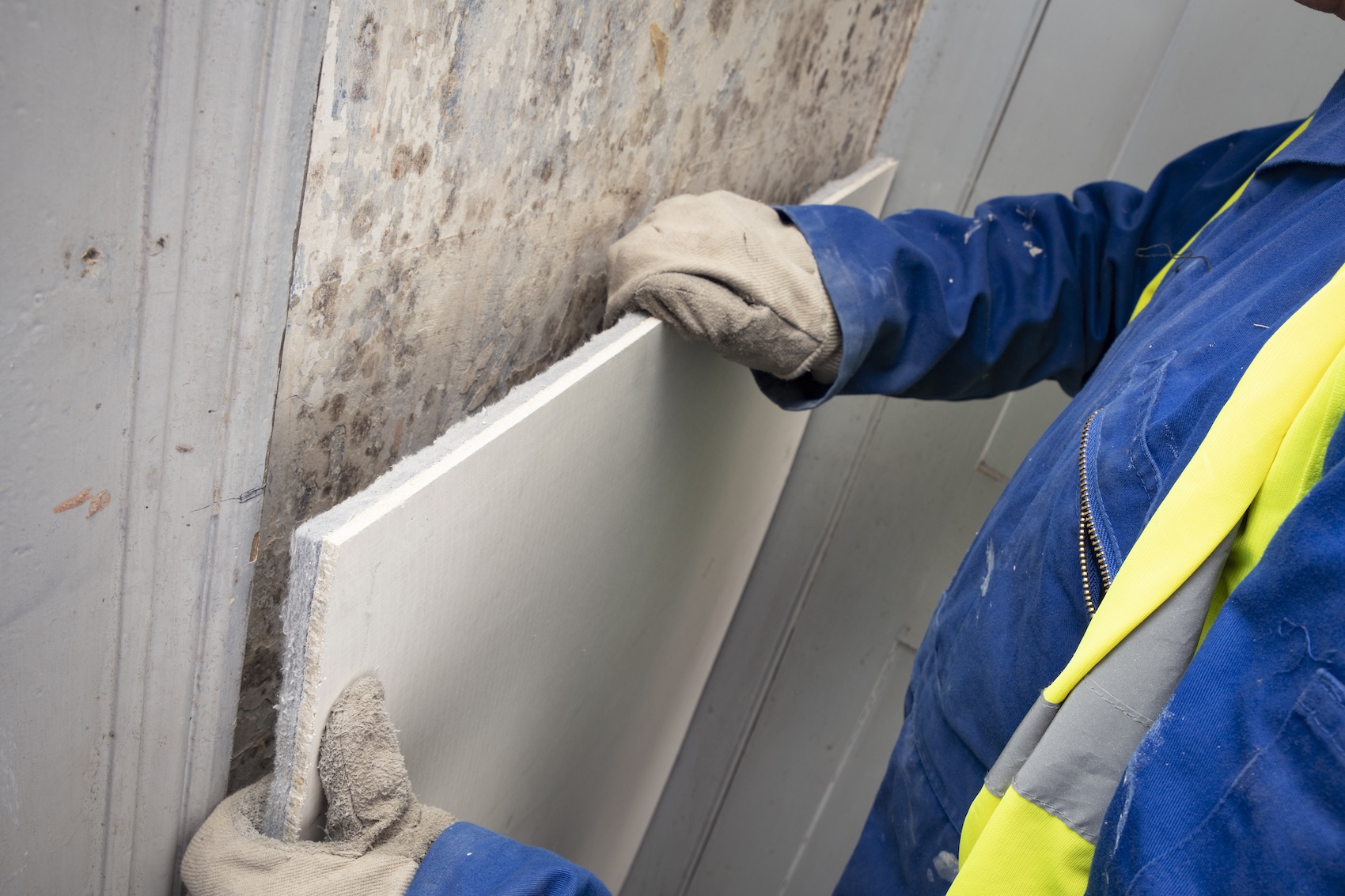
Improving thermal performance in traditional buildings
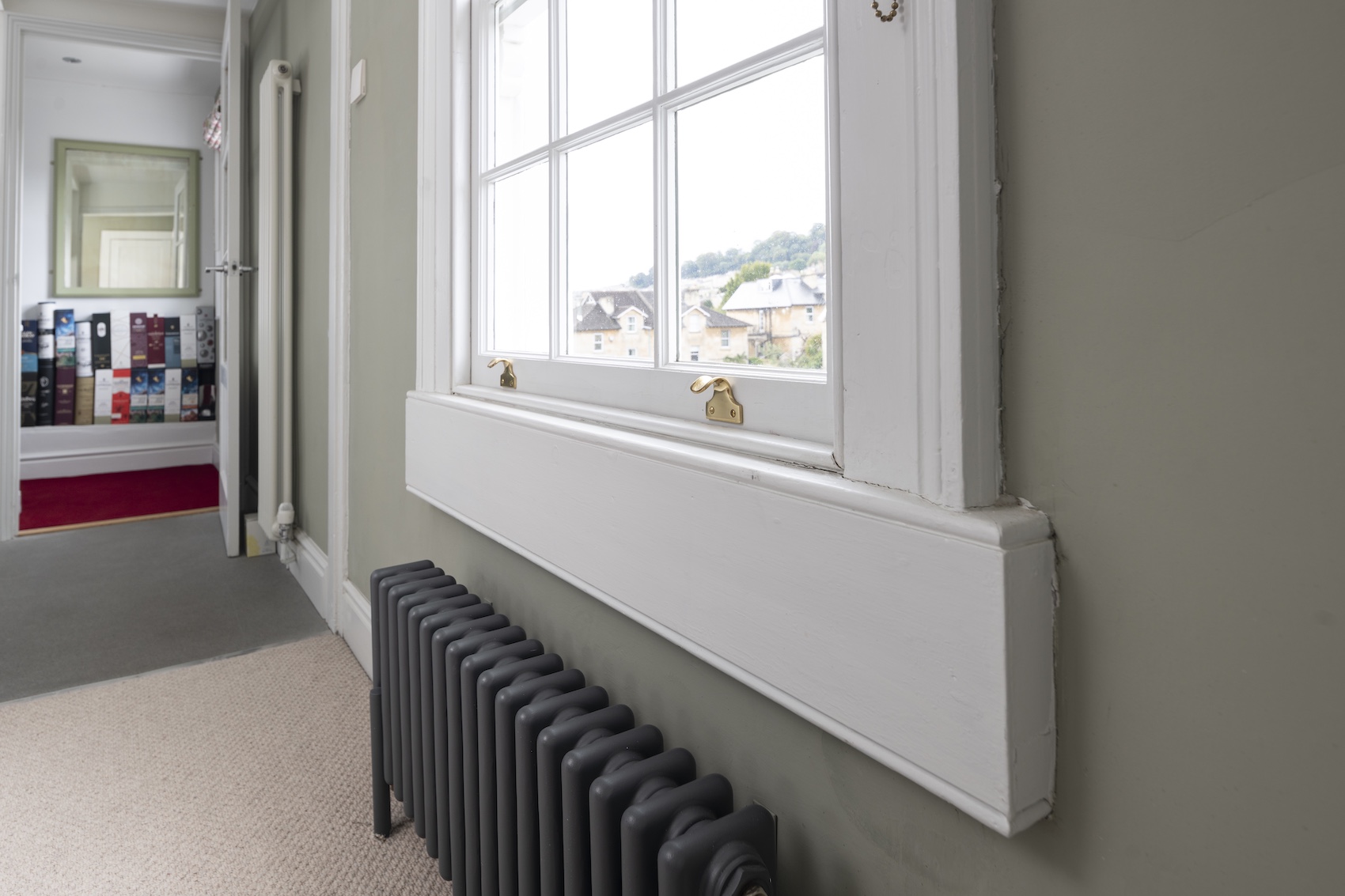
Spacetherm products range have been used as internal wall insulation in traditional Victorian terraces in London, a listed Georgian townhouse in Bath, a country house in Scotland, and a Hausmann-style apartment in the heart of Paris.
In almost every case, the client wished to improve comfort without losing floor space, and without affecting existing features like cornices. They also understood the importance of allowing walls to continue to ‘breathe’, rather than using vapour-closed insulation materials that could cause long-term moisture issues within the walls.
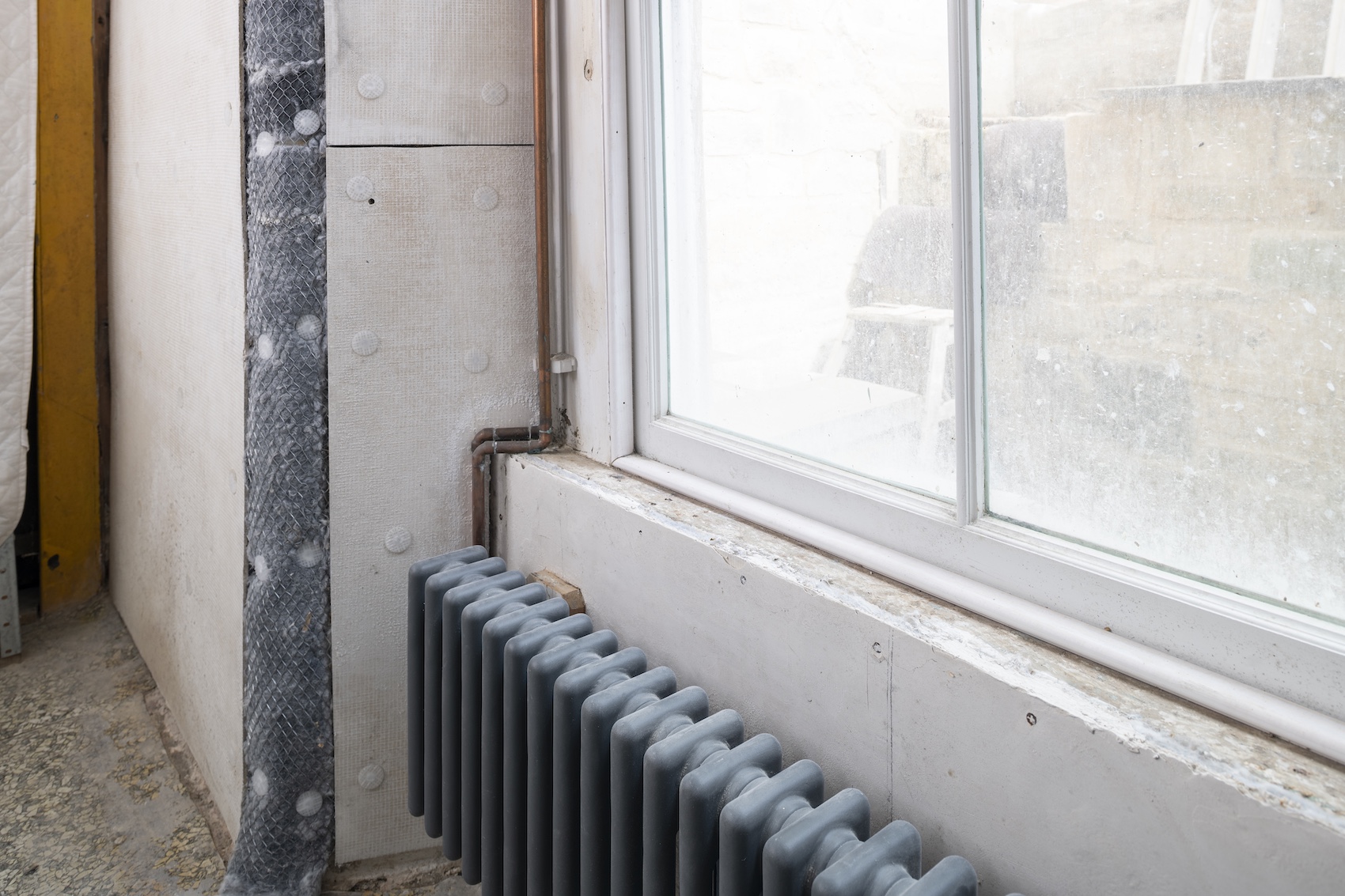
On many of those same projects, Spacetherm was also used to treat window reveals, ensuring continuity from the internal wall insulation to the window itself.
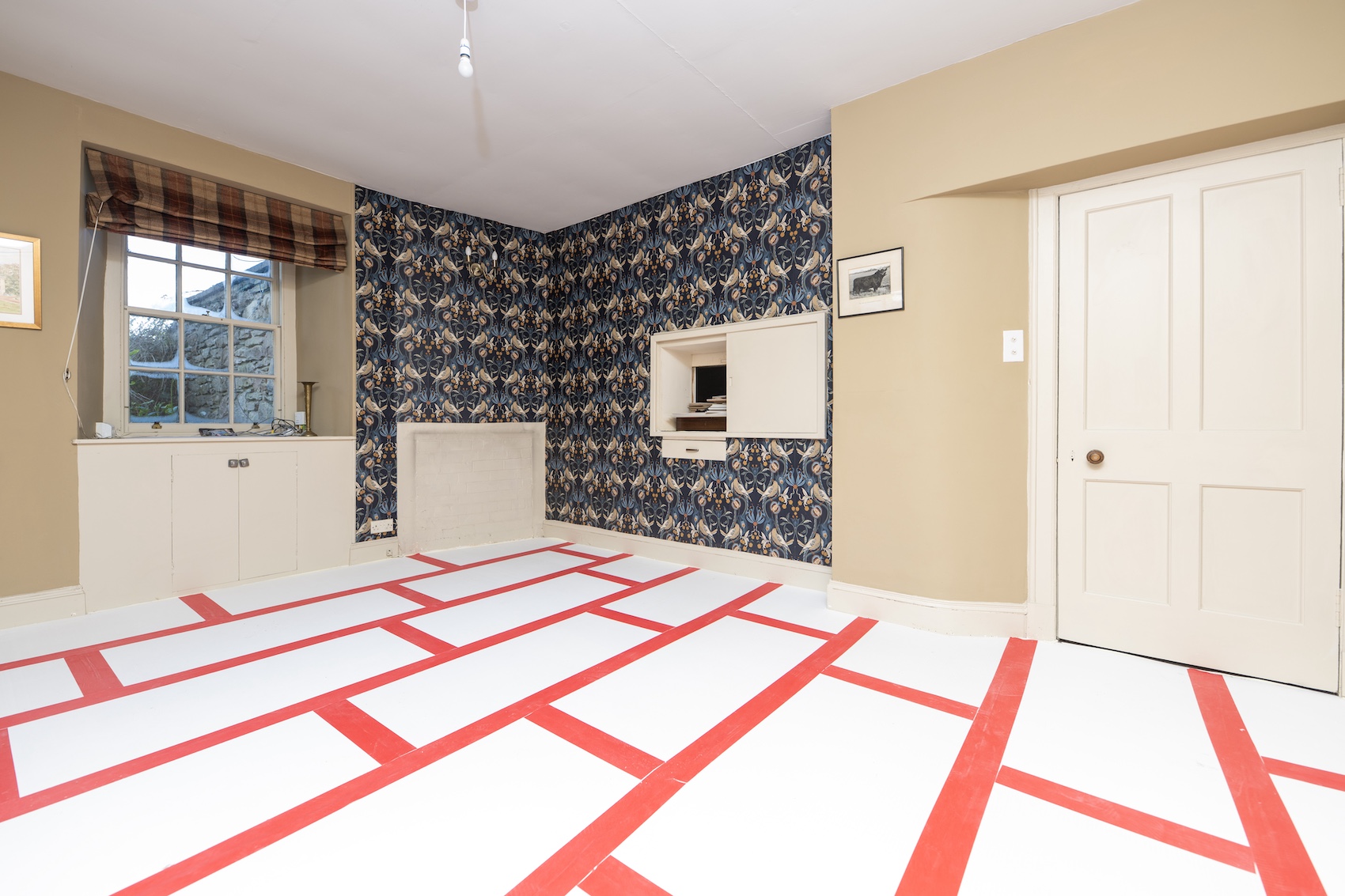
Floors can also be treated with aerogel. As part of retrofitting a private home in Inverness, our customer chose Spacetherm to insulate the existing floor slabs. He avoided having to break up the concrete, and was able to retain existing skirting boards and door heights. The slabs had no DPM, so the Spacetherm offered similar benefits as in walls – it would not absorb any liquid water, but could support any drying by allowing vapour movement.
Optimising facade performance with Spacetherm aerogel
Every day, construction sites encounter hard-to-treat details on new-build projects. If a detail is not worked out in advance, a solution has to be improvised on site.
A lot of modern construction is vapour closed, so vapour-openness may not be a concern. Nevertheless, insulation continuity is still critical to minimising thermal bridging heat losses and preventing possible condensation and mould growth.
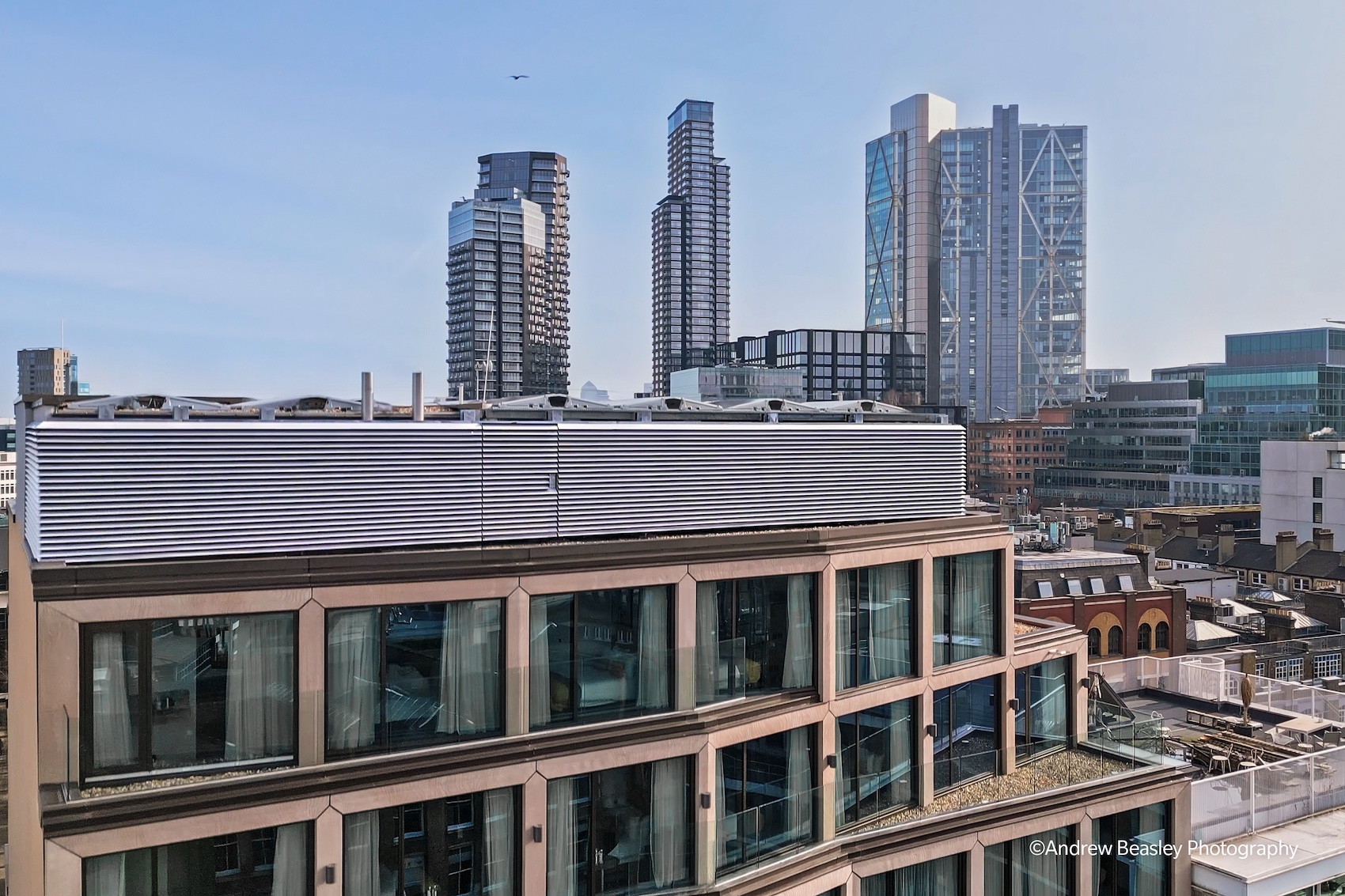
In new-build scenarios, aerogel is usually best deployed across junctions. These are the details where design intent and practical reality do not marry up, and continuous insulation becomes impossible. Nowhere is this better illustrated than in facade design, where window reveals, steel beams and bracket penetrations can all compromise the overall thermal performance of the external wall.
Spacetherm A1 can be used to treat these details and enhance the thermal performance of a ventilated facade generally. Its reaction to fire classification of A1, established in accordance with BS EN 13501-1, means it can contribute to the specification and installation of non-combustible facades in higher-risk and other relevant buildings.
In this video, Niall Hedderman of Real Life Architecture explains the benefits of using Spacetherm® and compares it to traditional insulation like PIR and Mineral Wool, highlighting its technical and cost advantages.
Getting further advice about tackling thermal bridges
We have launched a new guidance document aimed at helping construction professionals deliver better-performing, more comfortable buildings.
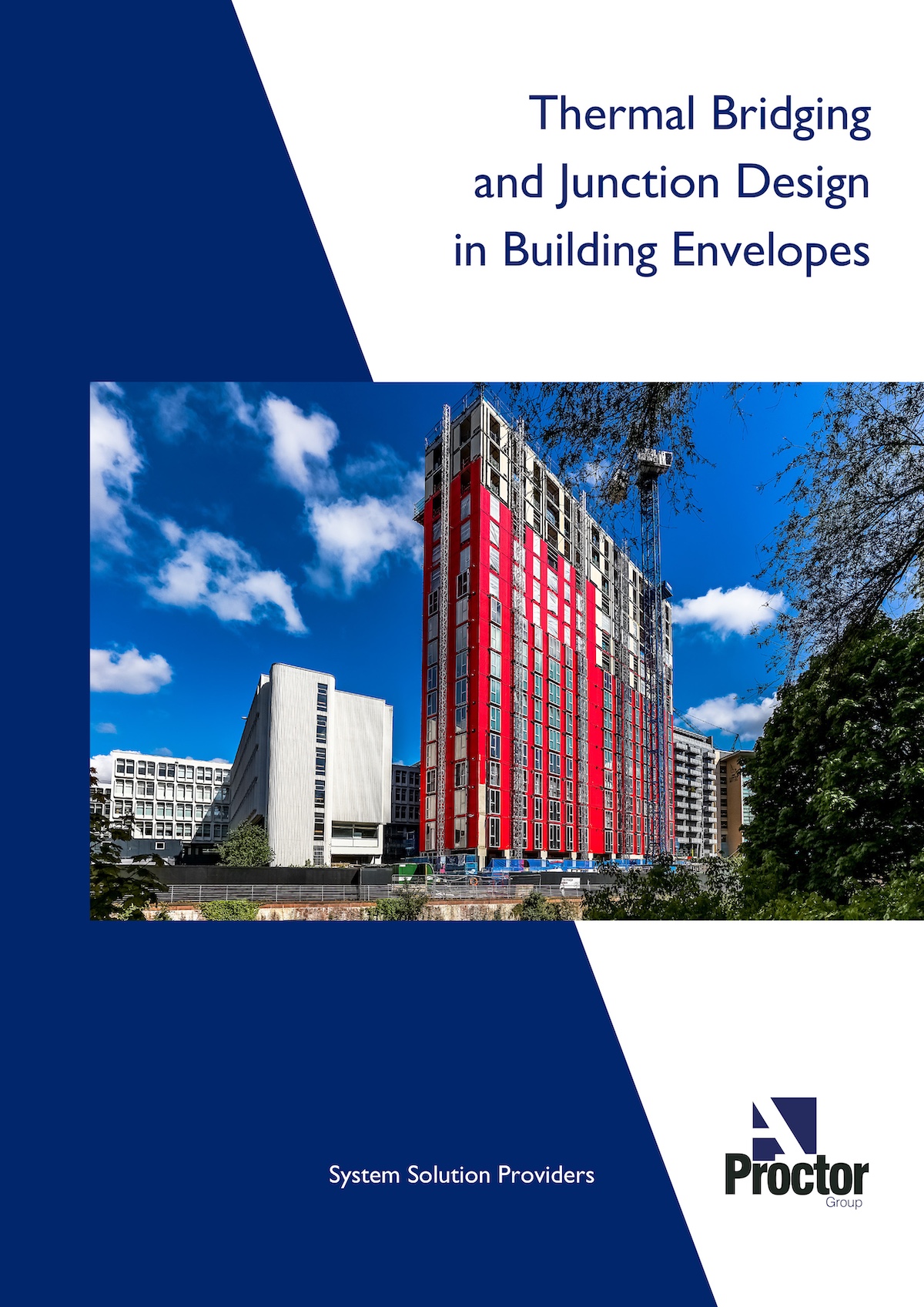
Our Thermal Bridging and Junction Design in Building Envelopes Guide explores how thermal bridging affects energy efficiency, comfort, condensation risk and building durability. It goes on to explain how careful junction design and continuous insulation can help reduce heat loss in new-build and retrofit projects.
In new-build scenarios, aerogel is usually best deployed across junctions. These are the details where design intent and practical reality do not marry up, and continuous insulation becomes impossible. Nowhere is this better illustrated than in facade design, where window reveals, steel beams and bracket penetrations can all compromise the overall thermal performance of the external wall.
Details are provided for three scenarios commonly found in both retrofit and new-build: roof abutments, window reveals and heads, and constrained wall areas (e.g. which cannot accommodate full thickness EWI).