At Regenerative Design 2026, six speakers explored how architects, clients and consultants can challenge conventional approaches to collaboration, procurement and project delivery to realise ambitious projects that deliver lasting environmental, social and economic value.
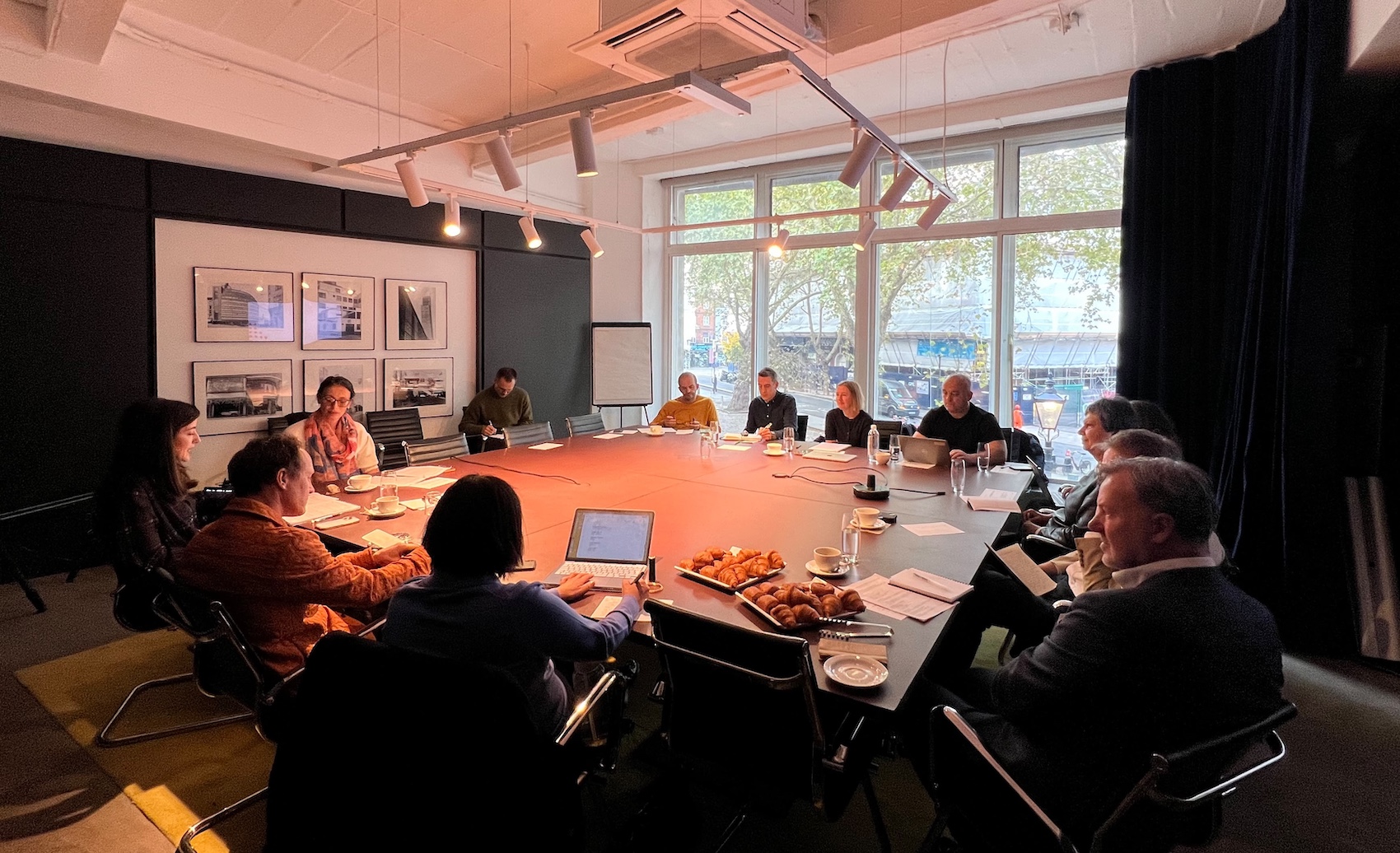
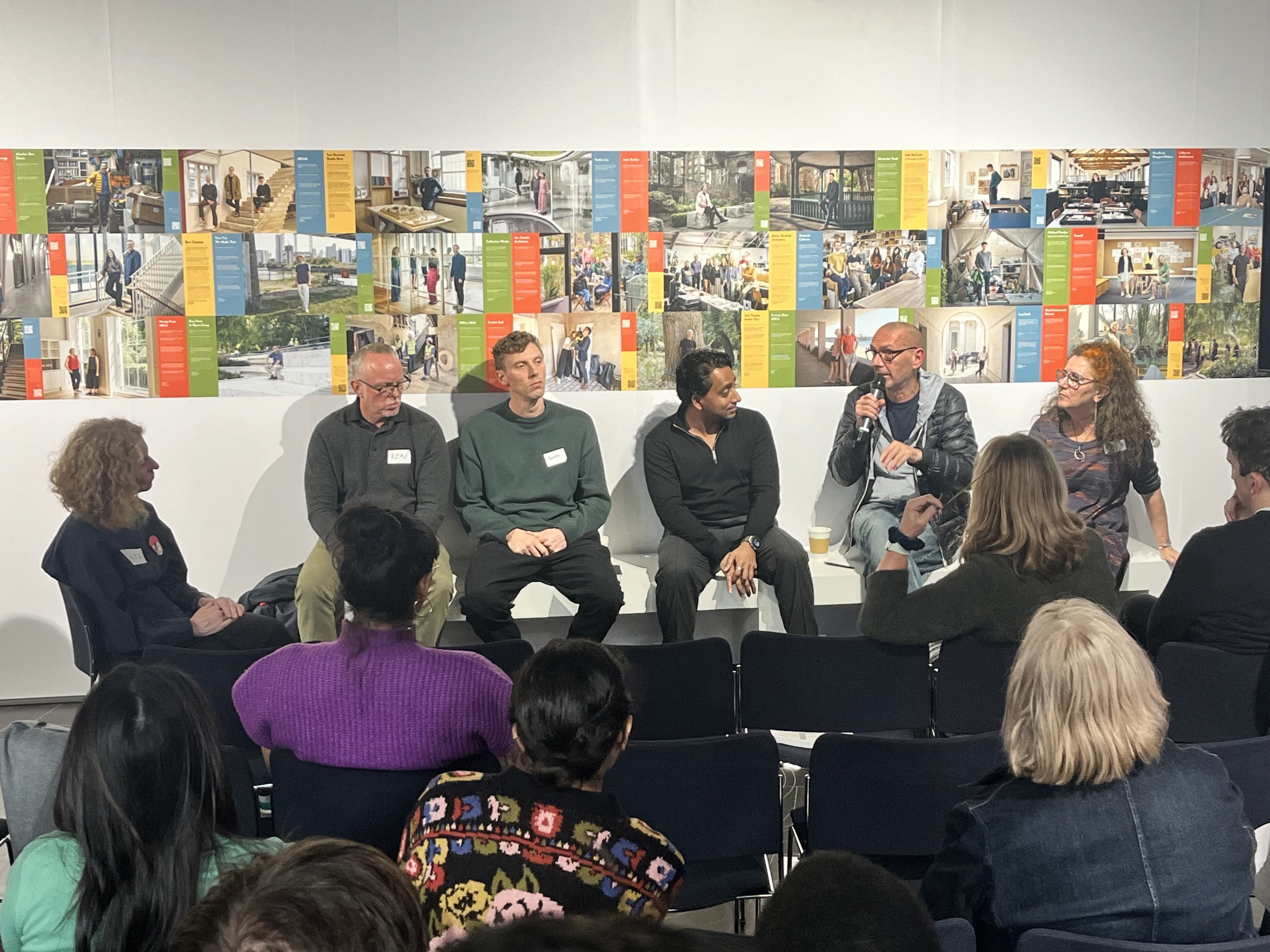
Left to right: Kate Cheyne, Head of the University of Westminster School of Architecture and Cities chairs, Ken Downing, James Marr, Ananya Singhal, Neil Thomas, Orit Azaz.
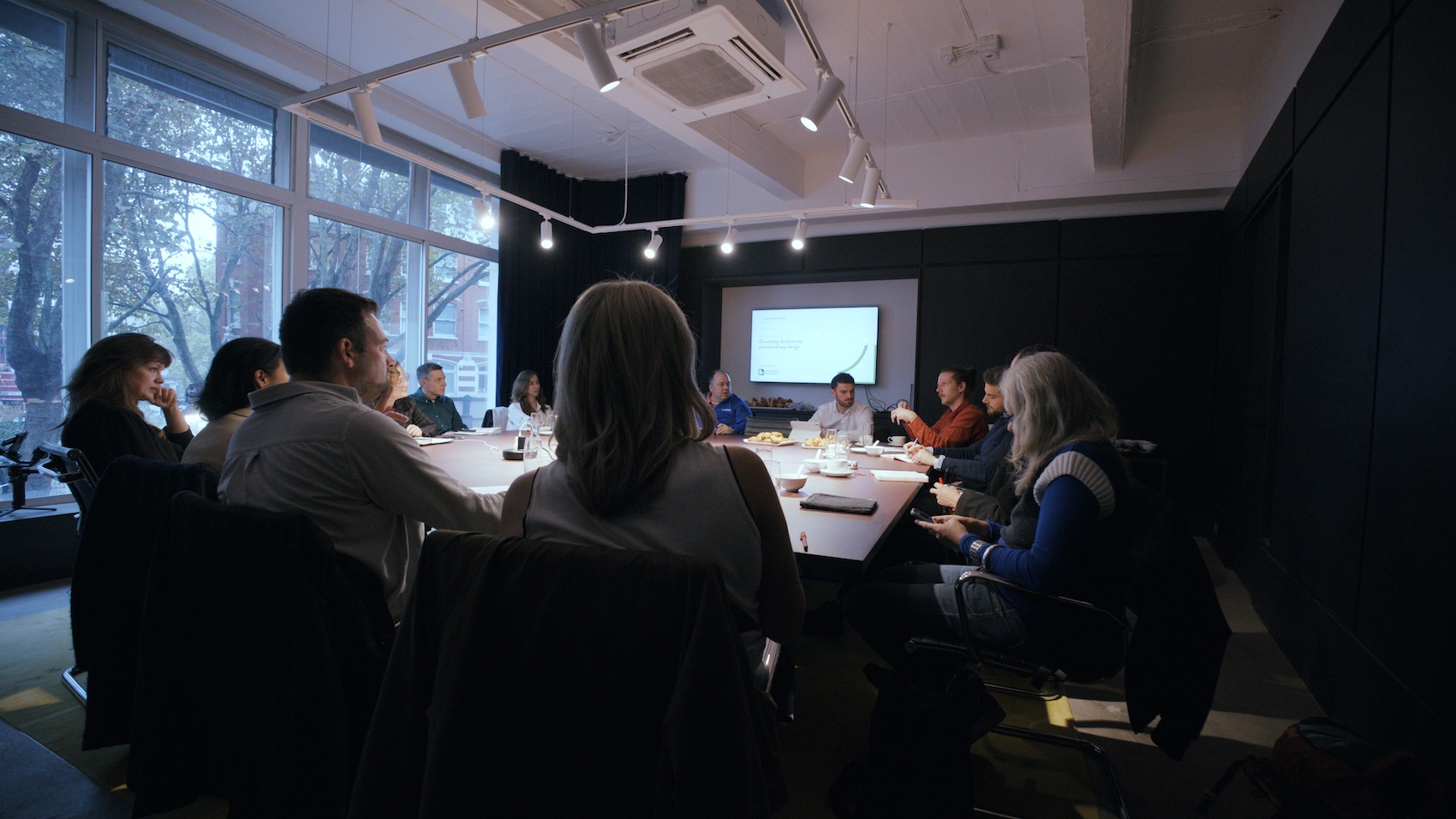
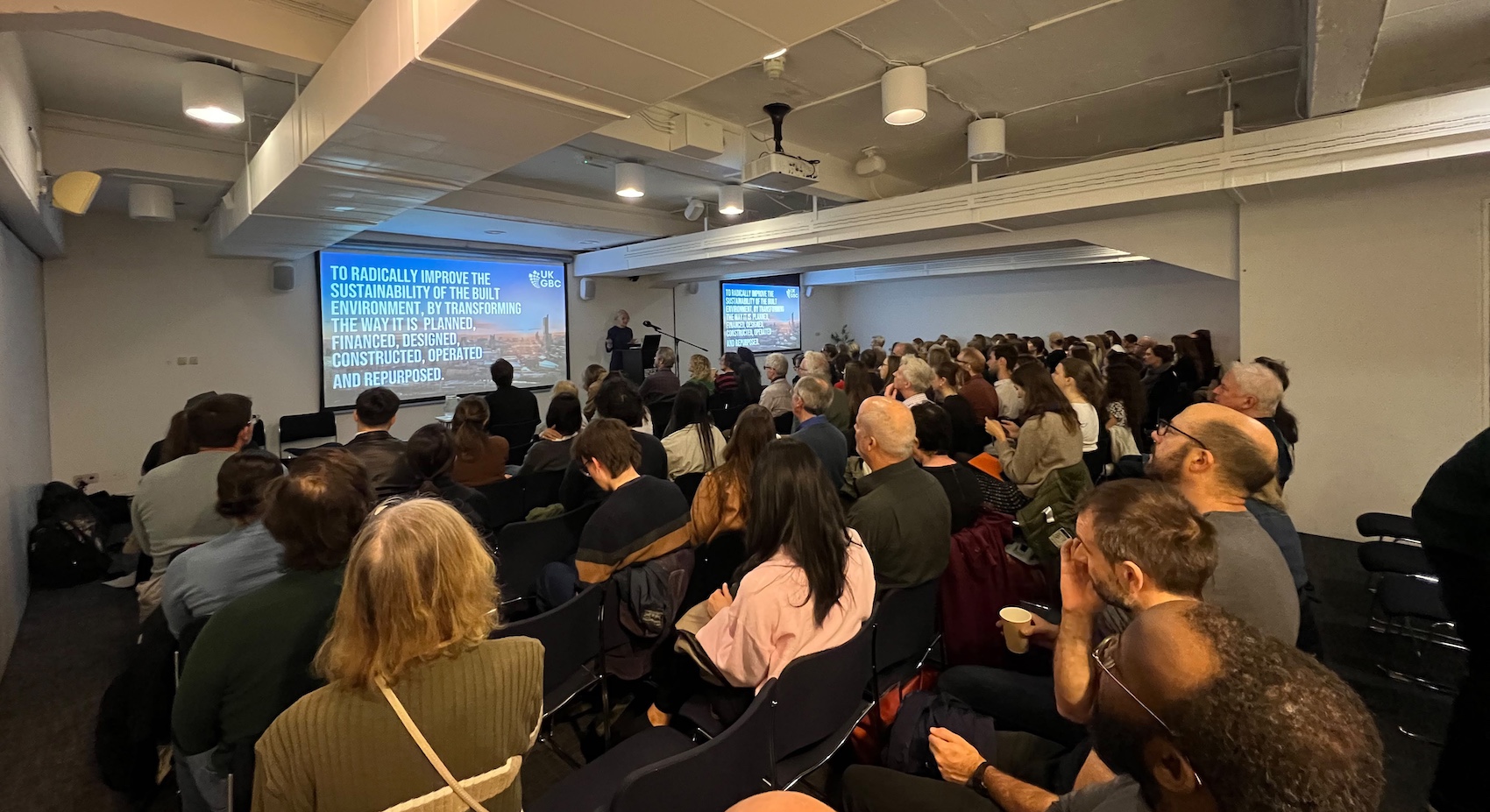
Hosted by Architecture Today at the Building Centre in London, in partnership with HDR, ‘The Ambitious Client: Beyond business as usual’ brought together architects, designers, developers and specialists to examine what it takes to get pioneering projects off the ground.
Introducing the event, Architecture Today Editor Isabel Allen questioned whether traditional relationships between clients and consultants, together with established approaches to fees, insurance and procurement, were capable of supporting the industry’s regenerative ambitions. Chaired by Colin Rohlfing of HDR, the event combined insights from neuroscience with architectural case studies, alternative contractual models and the client perspective.
Beau Lotto, Hummingbird Learning Lab
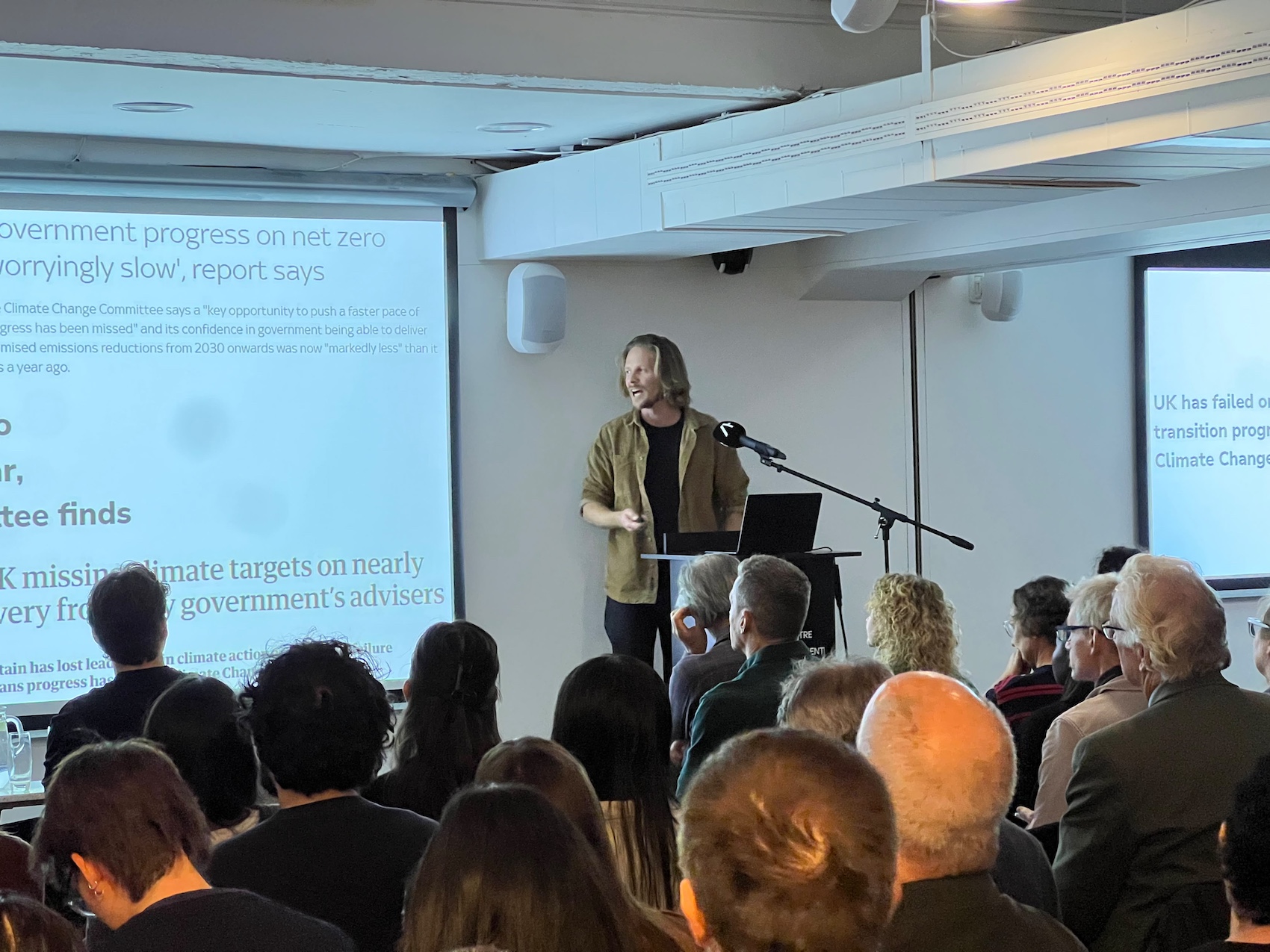
Neuroscientist Beau Lotto opened the event by challenging conventional assumptions about creativity, competition and collaboration. Drawing on principles from neuroscience and evolutionary biology, he argued that the ability to adapt to change is fundamental to the success of individuals, organisations and projects.
Rather than attempting to predict and control outcomes, Lotto encouraged architects to embrace uncertainty and create environments that support experimentation and collective learning. Turning to architectural practice, he emphasised the importance of establishing shared values and a sense of purpose that transcends individual responsibilities. “Cultures emerge from the way people interact,” he explained, encouraging practices to consider not simply what they produce, but why they exist and how they contribute to the wider world.
Through interactive visual exercises, Lotto demonstrated how collaboration can enable people to perceive things they would otherwise miss. He also challenged the notion that competition drives progress, arguing that cooperation has been fundamental to major evolutionary developments.
Julia Barfield, Marks Barfield Architects
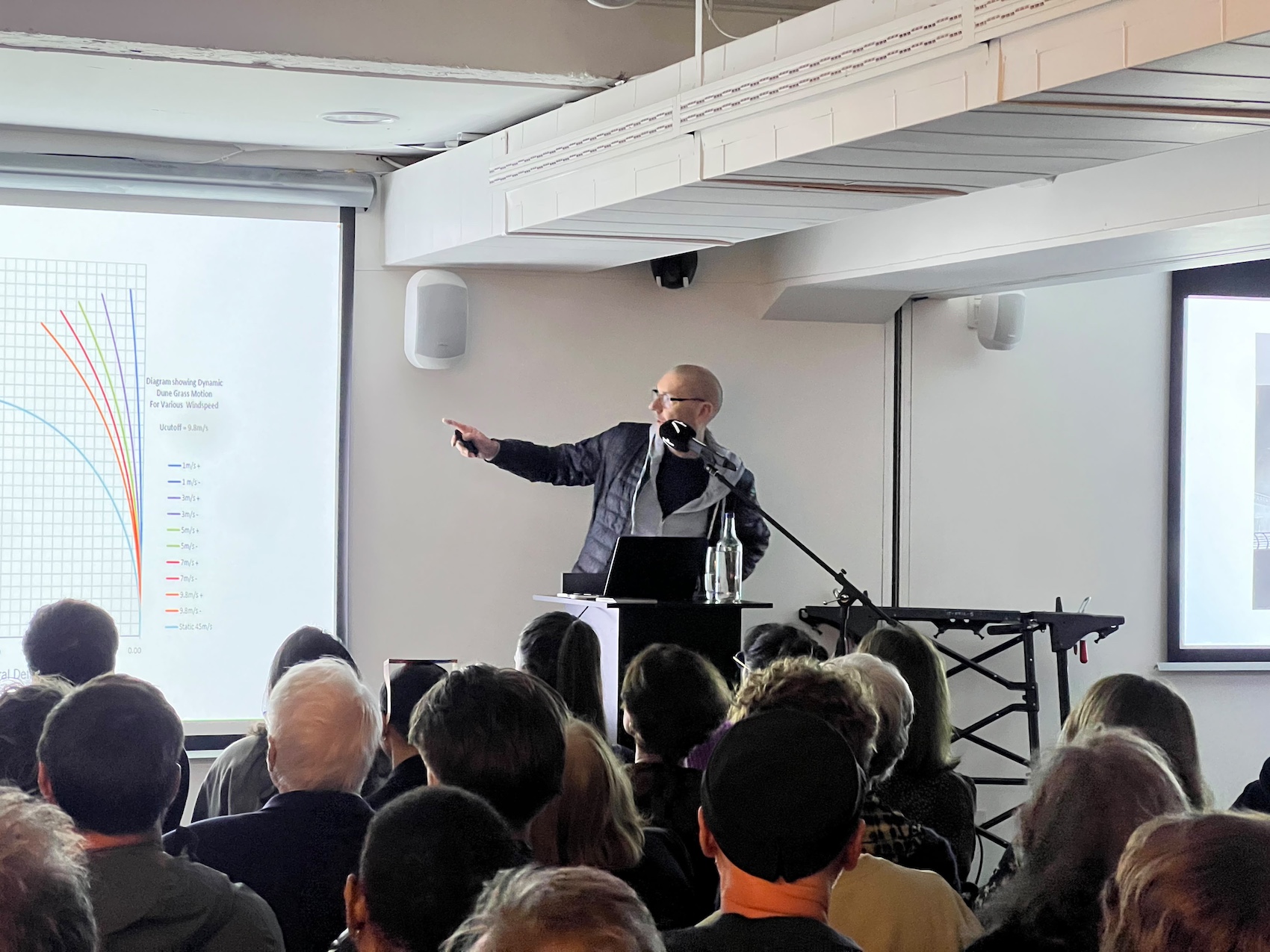
Julia Barfield of Marks Barfield Architects drew on projects spanning more than three decades to demonstrate how strong client relationships, creative funding strategies and long-term commitment can help deliver ambitious architecture.
Beginning with the London Eye, Barfield described how she and David Marks became both architects and clients after their proposal failed to win a competition. Undeterred, they established a company, secured planning permission and attracted private investment. The project demonstrated the importance of publicity, early specialist involvement and the willingness to take calculated risks. Barfield also highlighted the social and economic benefits that architecture can generate. Through their involvement as clients, Marks Barfield secured an agreement directing one per cent of the London Eye’s income to the local community, generating approximately £15 million since 2004.
Other examples included the reuse of an existing building for Oasis Play in Stockwell, the Cambridge Central Mosque and a circular office refurbishment that saved the client £1.65 million while reducing embodied carbon. Across these projects, funding emerged as a recurring challenge, often requiring architects to contribute beyond conventional design services. “You don’t get exceptional projects without exceptional clients,” Barfield concluded, stressing that successful architecture depends on relationships built around shared ambition, trust and perseverance.
Colin Rohlfling, HDR
Colin Rohlfing of HDR explored how architects can achieve ambitious environmental outcomes even when clients are initially resistant to sustainability. He introduced HDR’s regenerative design framework, which assesses projects against seven interconnected categories: air, carbon, water, nutrients, biodiversity, human health and community.
Rather than treating regeneration as a fixed destination, Rohlfing described it as a pathway towards buildings that make a net positive contribution to their surroundings. Using the Orange County Sanitation District headquarters in California as a case study, he explained how HDR pursued an ambitious environmental strategy despite a client who had initially expressed little interest in sustainability. The design team managed to reduced energy demand by approximately 70 per cent with renewable energy and the use of biogas from the neighbouring wastewater treatment facility enabling the project to achieve net positive operational energy performance.
The hybrid mass timber structure also delivered a reported 68 per cent reduction in embodied carbon, excluding biogenic carbon calculations, while site improvements increased native planting and vegetation by 300 per cent. Crucially, the proposals met the client’s budget, programme and aesthetic expectations.
Daniel Bianchi, Cullinan Studio
Bianchi examined how integrated project insurance (IPI) can challenge the adversarial relationships that frequently characterise conventional construction contracts.
Drawing on three projects delivered for Dudley College of Technology, Bianchi explained how IPI brings clients, designers and contractors together under a single contract and insurance policy, replacing fragmented responsibilities with shared accountability for project outcomes. The approach involves selecting teams for their ability to collaborate, engaging contractors and suppliers from the outset, and establishing common objectives supported by financial incentives.
Rather than encouraging participants to protect their individual interests, IPI rewards collective success. Bianchi demonstrated its practical benefits through examples including the adaptation of an existing building for the college’s Animal Studies Centre, and early collaboration with a cladding supplier that reduced material waste from 30 to 15 per cent. All three projects were delivered on time and within budget, with financial savings shared between project participants and the client.
Although IPI remains relatively uncommon, Bianchi argued that its potential to support regenerative design is significant, particularly when environmental performance is embedded in the project’s success criteria from the outset. “IPI is collaboration by design, not by chance,” he concluded.
Hayley Chivers, Plan A
Chivers, a design manager at Plan A, explored the importance of establishing clear processes, responsibilities and communication structures to support ambitious architectural projects. Describing design management as the infrastructure of successful projects, she explained how her role involves helping architects and clients navigate increasingly complex programmes without compromising design quality.
Chivers’ approach centres on four questions: what needs to be done, who is responsible, when it needs to happen, and what happens when circumstances change. She argued that uncertainty is an inevitable part of the design process and should be addressed through open communication rather than treated as a source of conflict. Establishing clear responsibilities, realistic programmes and agreed procedures for managing change can give project teams the confidence to pursue more ambitious ideas. She also highlighted the importance of identifying a dedicated project champion within the client organisation, particularly where clients have limited experience commissioning buildings.
Turning to fees and procurement, Chivers challenged the assumption that clients invariably favour the cheapest proposal, suggesting that many place greater value on cost certainty, effective collaboration and long-term outcomes. Ultimately, she argued that a confident, coherent and adaptable design process provides the foundation for delivering projects that achieve both architectural excellence and wider environmental ambitions.
Roger Madelin, British Land
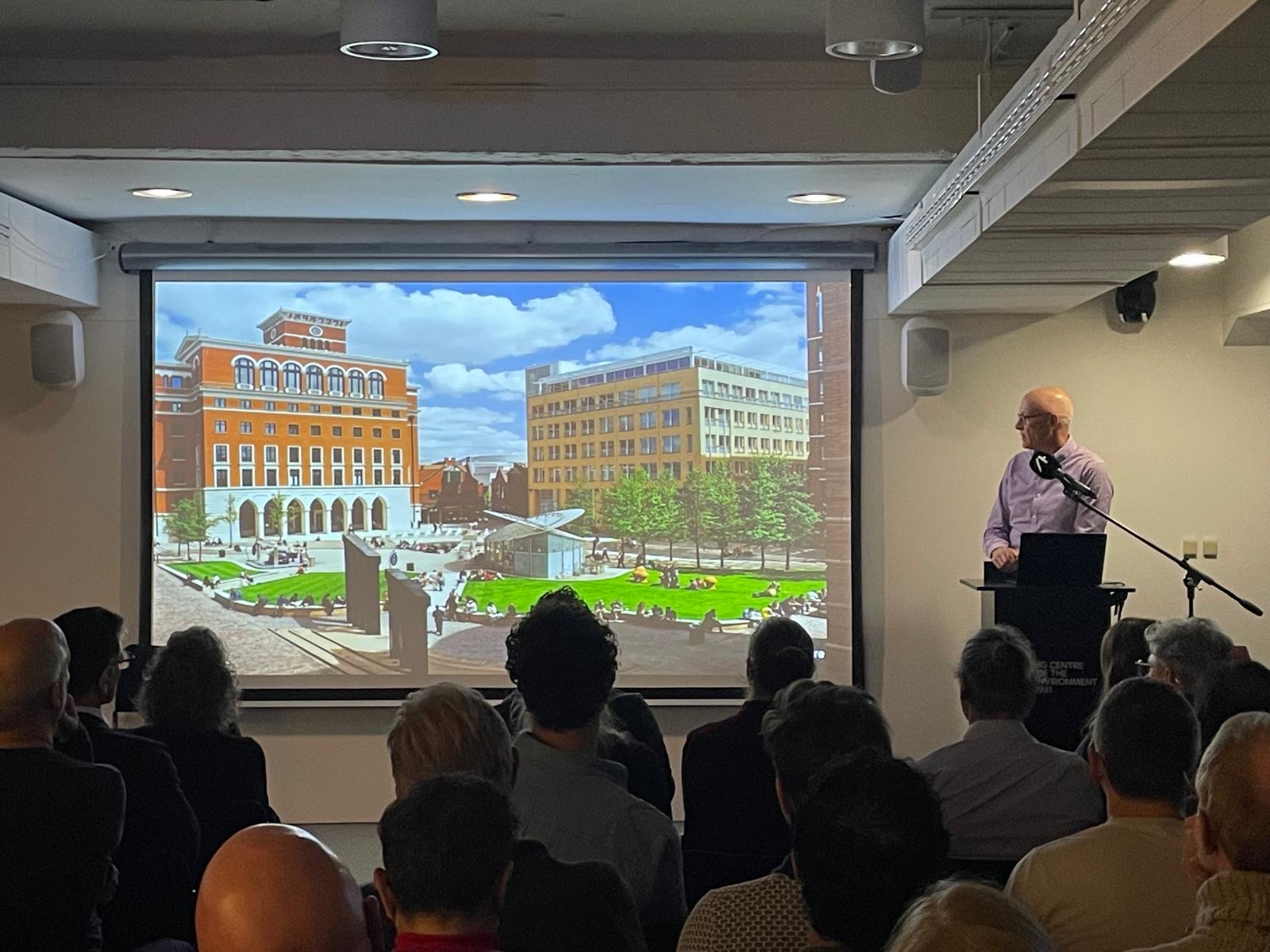
Roger Madelin drew on four decades of experience, including his leadership of Argent and involvement in Brindleyplace, King’s Cross and Canada Water, to demonstrate how ambitious clients can shape successful places through open-minded collaboration and long-term thinking.
Reflecting on Brindleyplace in Birmingham, Madelin described how conversations between developers, architects and engineers helped establish a shared vision that extended beyond individual buildings to consider the wider city. This approach informed the regeneration of King’s Cross, where an 18-month programme of discussions, presentations and workshops helped establish ten principles for creating a new piece of London.
Rather than prescribing architectural solutions, the process encouraged participants to debate what the development should achieve. Madelin also emphasised the value of retaining existing buildings, recalling how reuse was prioritised at King’s Cross long before embodied carbon became a mainstream consideration.
Turning to Canada Water and the emerging Cambridge East development, he highlighted the growing importance of circularity, environmental performance and creating places that people genuinely want to inhabit. For Madelin, successful development ultimately depends on assembling the right team, communicating openly and making timely decisions. His three guiding principles were simple: avoid surprises, treat people fairly and be prepared to make decisions.

Launched by Architecture Today, Regenerative Design 2026 is a month-long programme of exhibitions and events that takes place at the Building Centre throughout October 2026.
Specifying natural and sustainable materials was delivered in partnership with HDR Architects.