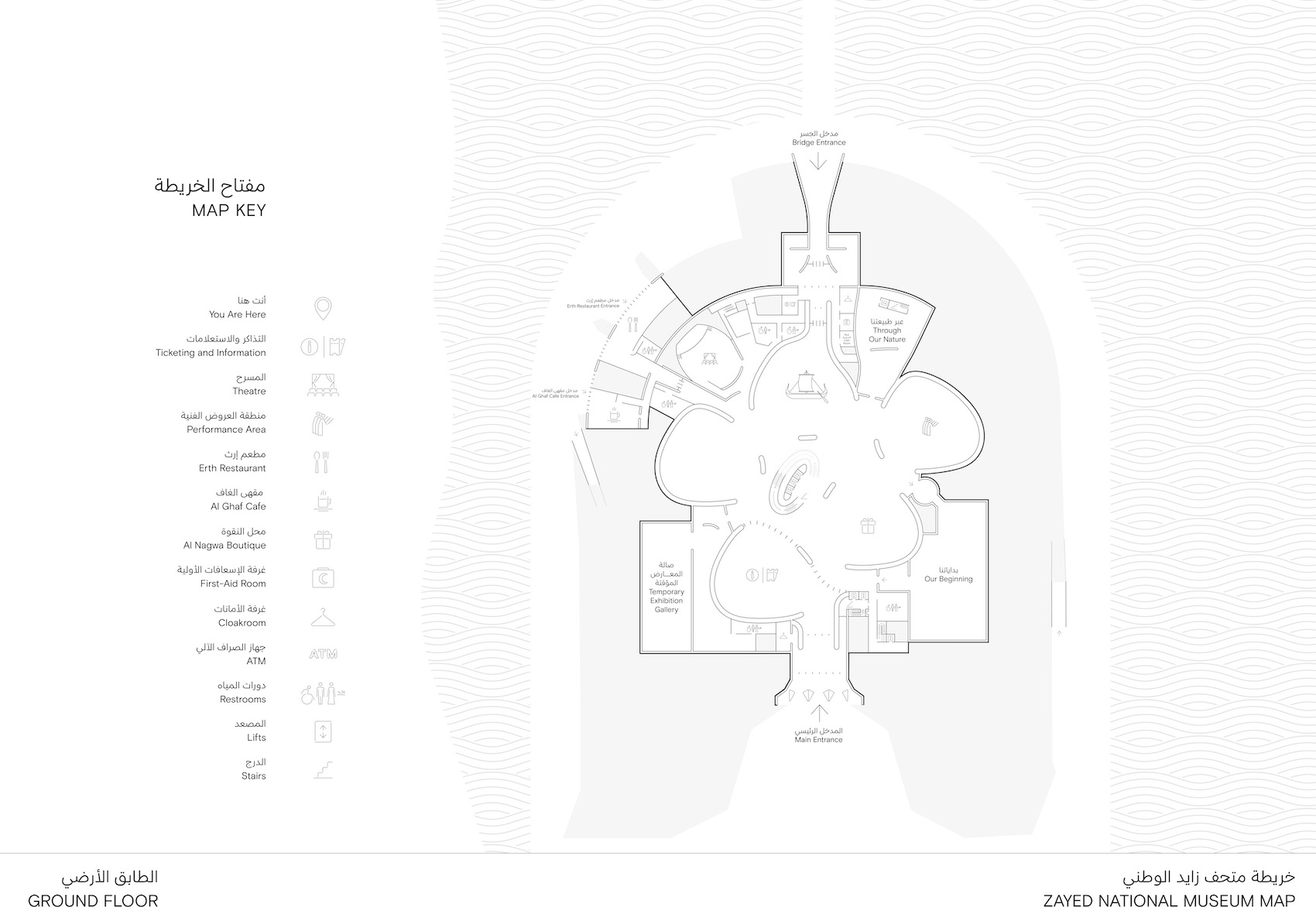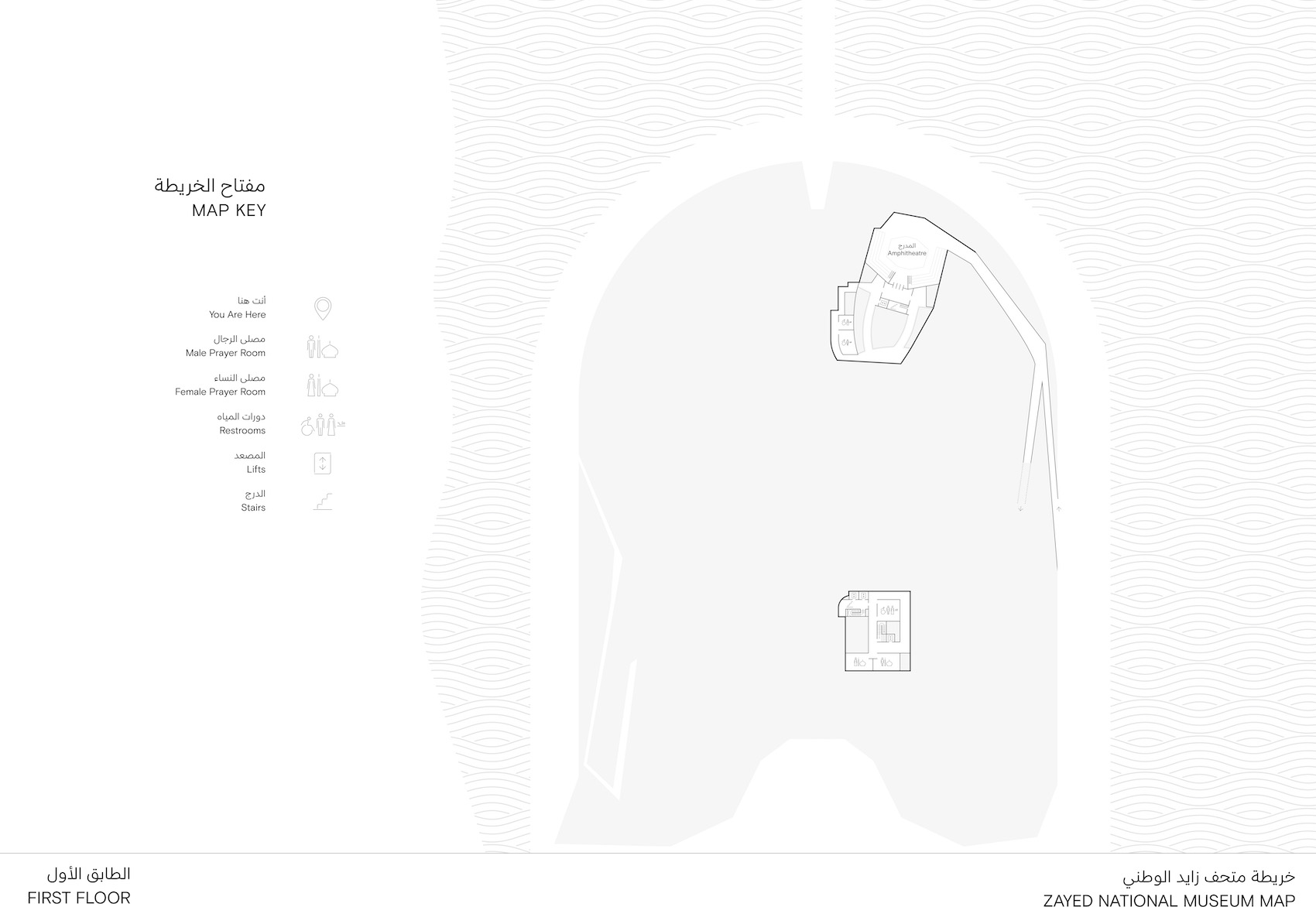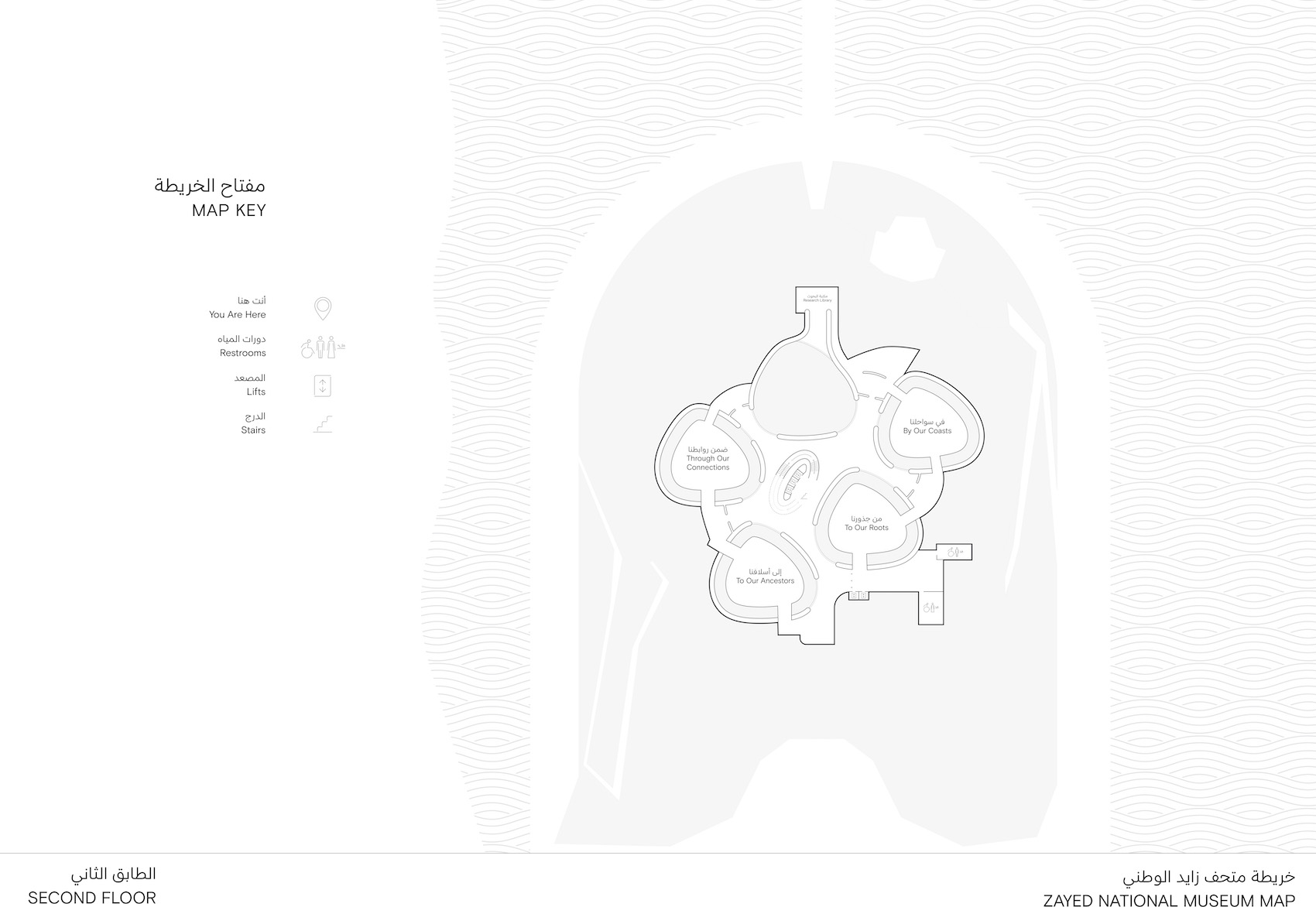
Designed by Foster + Partners, the UAE’s national museum in Abu Dhabi explores the history, identity and legacy of the nation through striking architecture, immersive displays, and a high-performance environmental strategy.

Zayed National Museum, the long-awaited centrepiece of the Saadiyat Cultural District in Abu Dhabi, has opened to the public. Designed by Foster + Partners, the building is dedicated to the history and culture of the United Arab Emirates, and honours the legacy of the country’s Founding Father, Sheikh Zayed bin Sultan Al Nahyan. It marks a major milestone for the UAE, concluding a year of landmark cultural openings, including teamLab Phenomena, the Natural History Museum Abu Dhabi, and the restored Al Ain Museum.
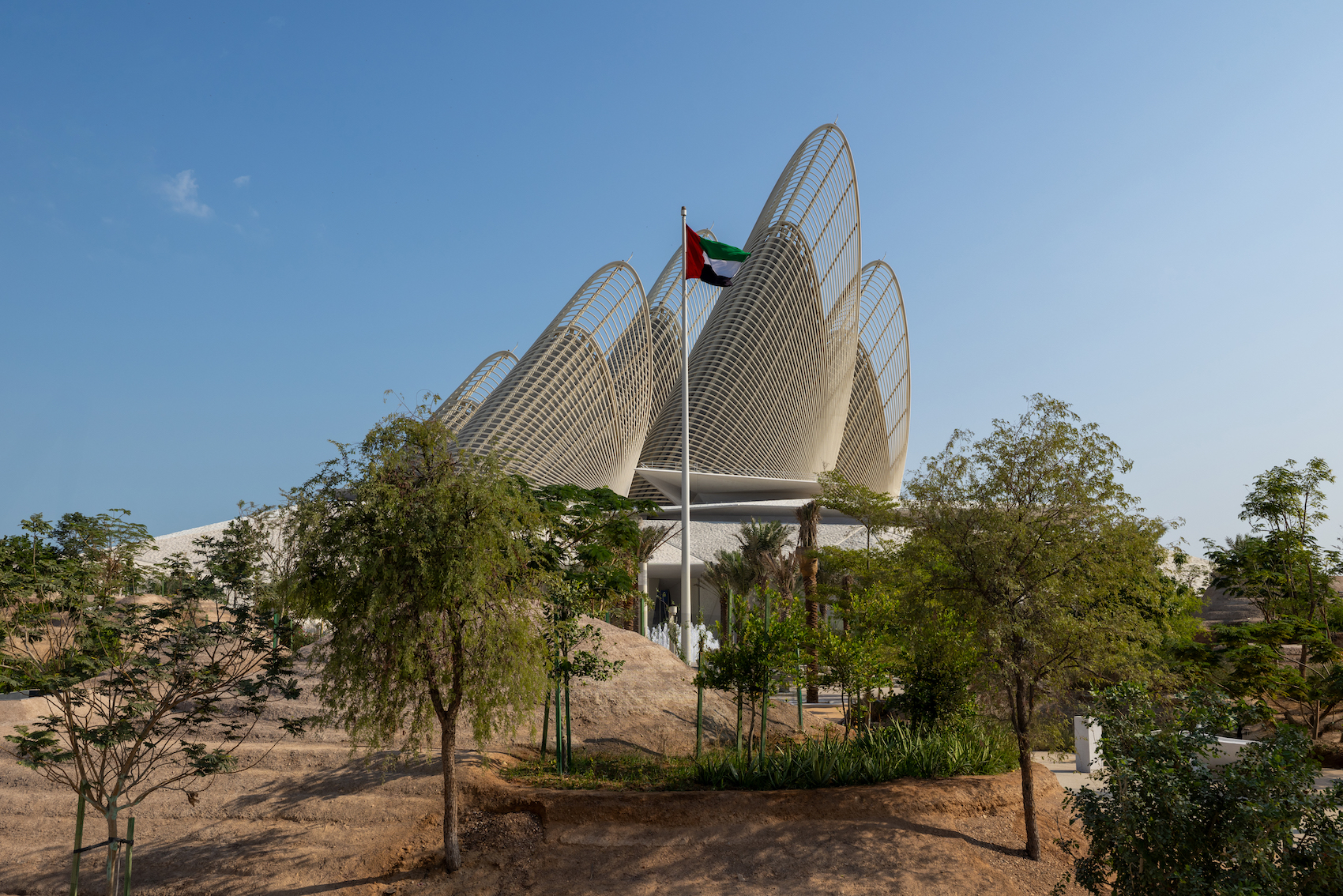
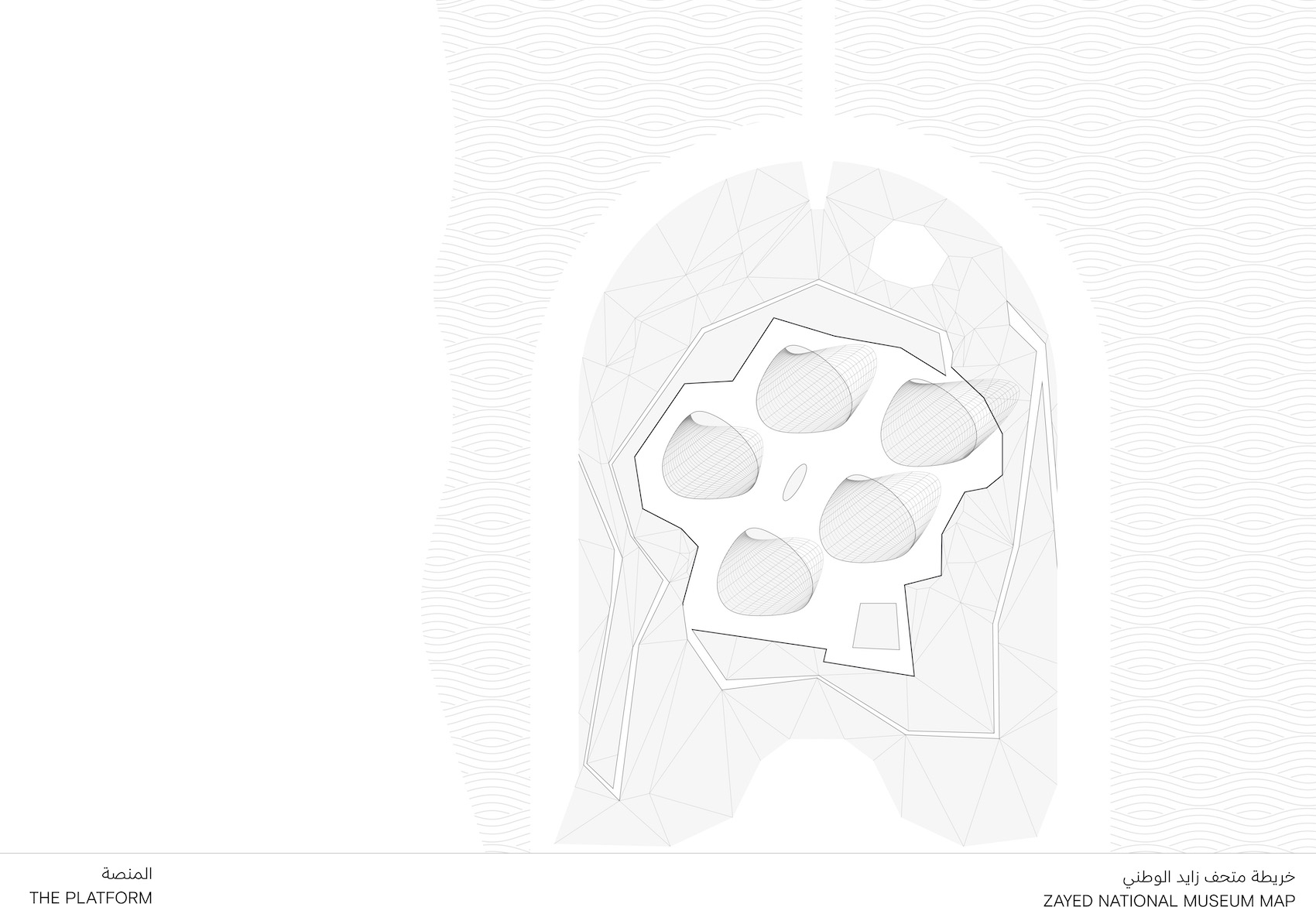
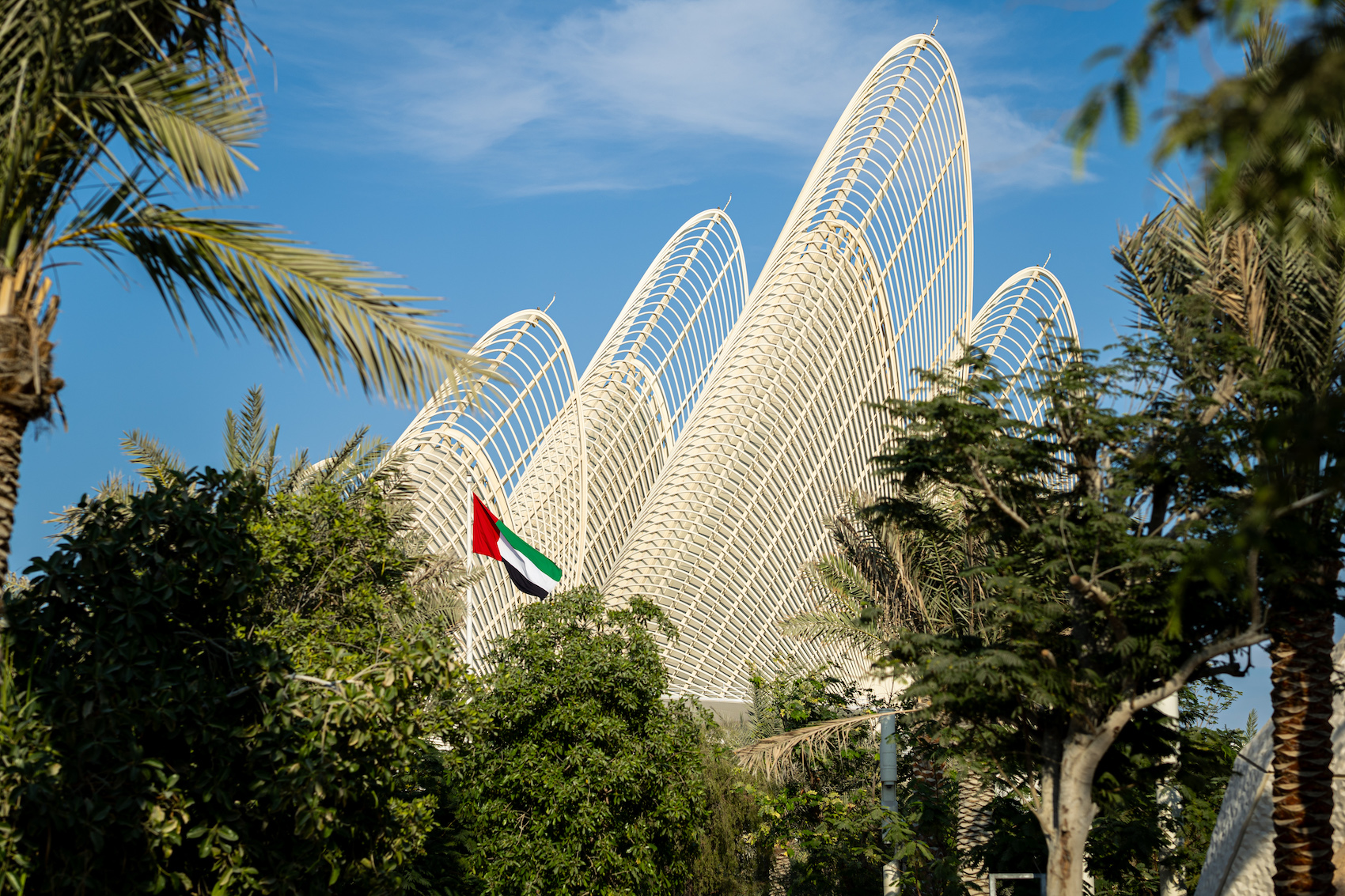
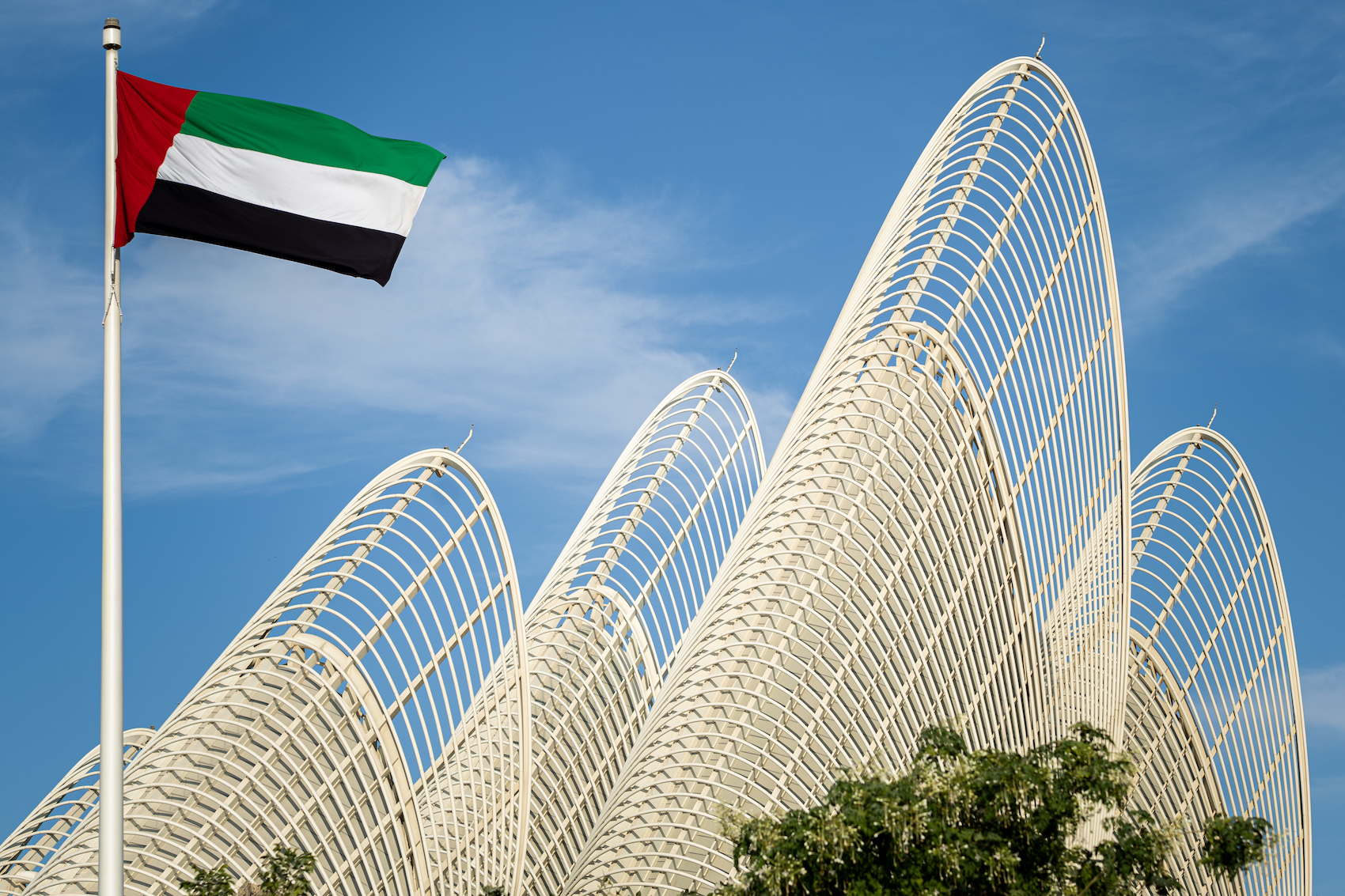
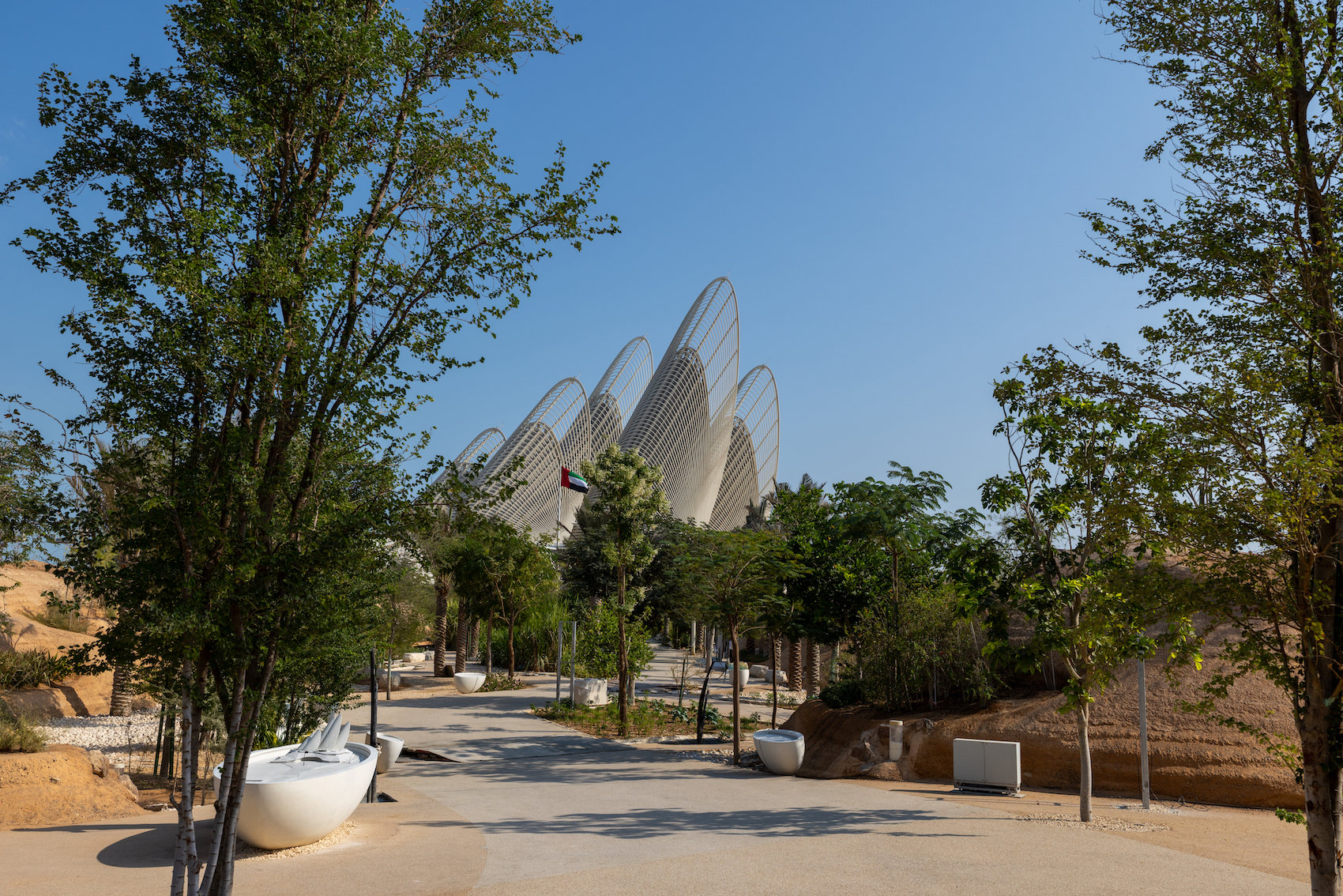
Located on Saadiyat Island, the museum comprises seven galleries (six permanent and one temporary) arranged within a sculptural complex inspired by the wings of a falcon – a symbol of Emirati heritage. Five lightweight steel structures rise above an earthen mound that forms the base of the museum, their soaring forms acting both as an architectural emblem and as thermal chimneys to drive passive cooling throughout the building.
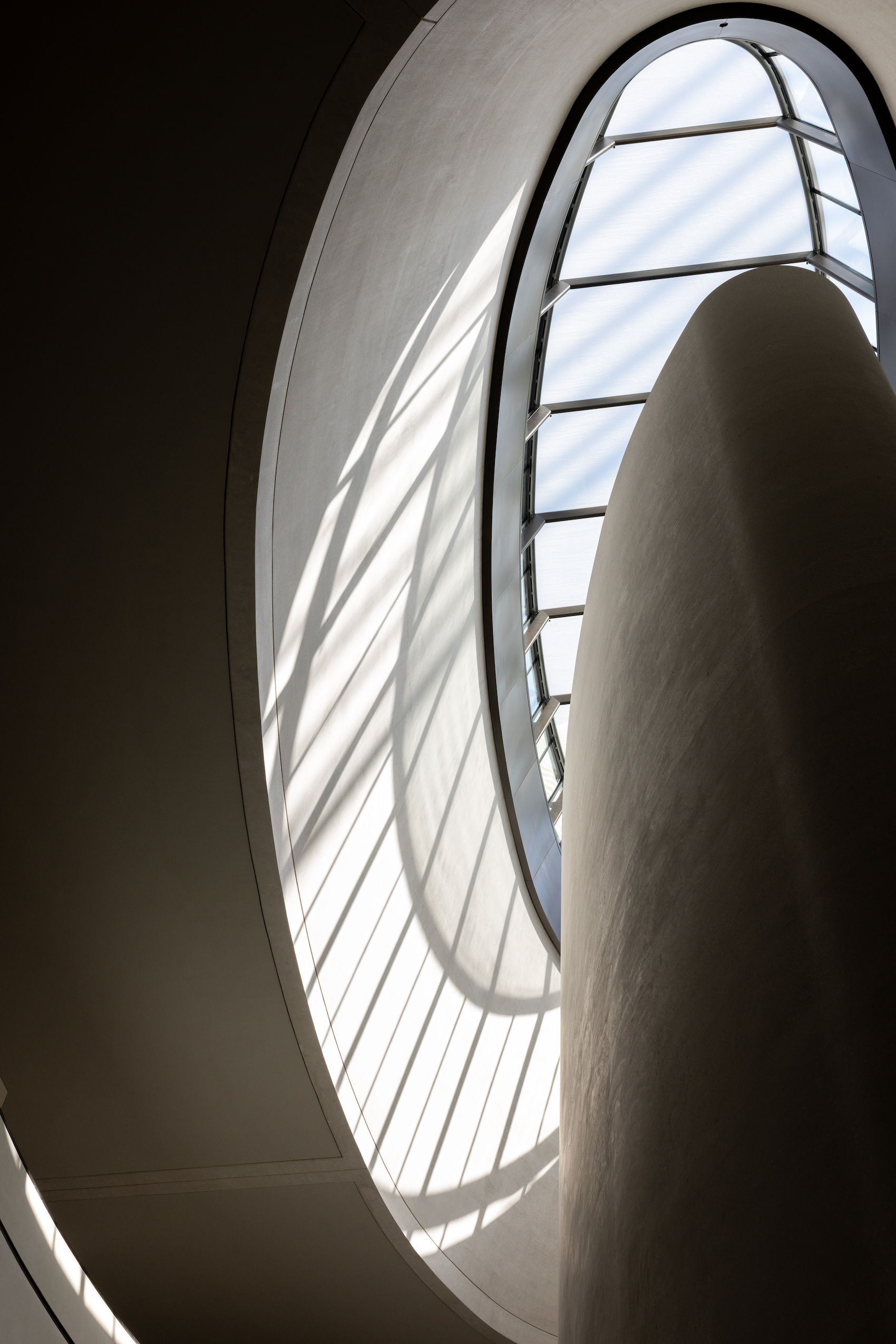
More than 6,600 unique, triple-laminated glazed units are employed across the towers, whose orientation was carefully modelled based on the sun’s movement to maximise daylight in the lobby and gallery spaces. The steel structures are supported by an aluminium-clad welded framework, and the entire complex sits atop a piled foundation with slip-formed concrete basement walls.
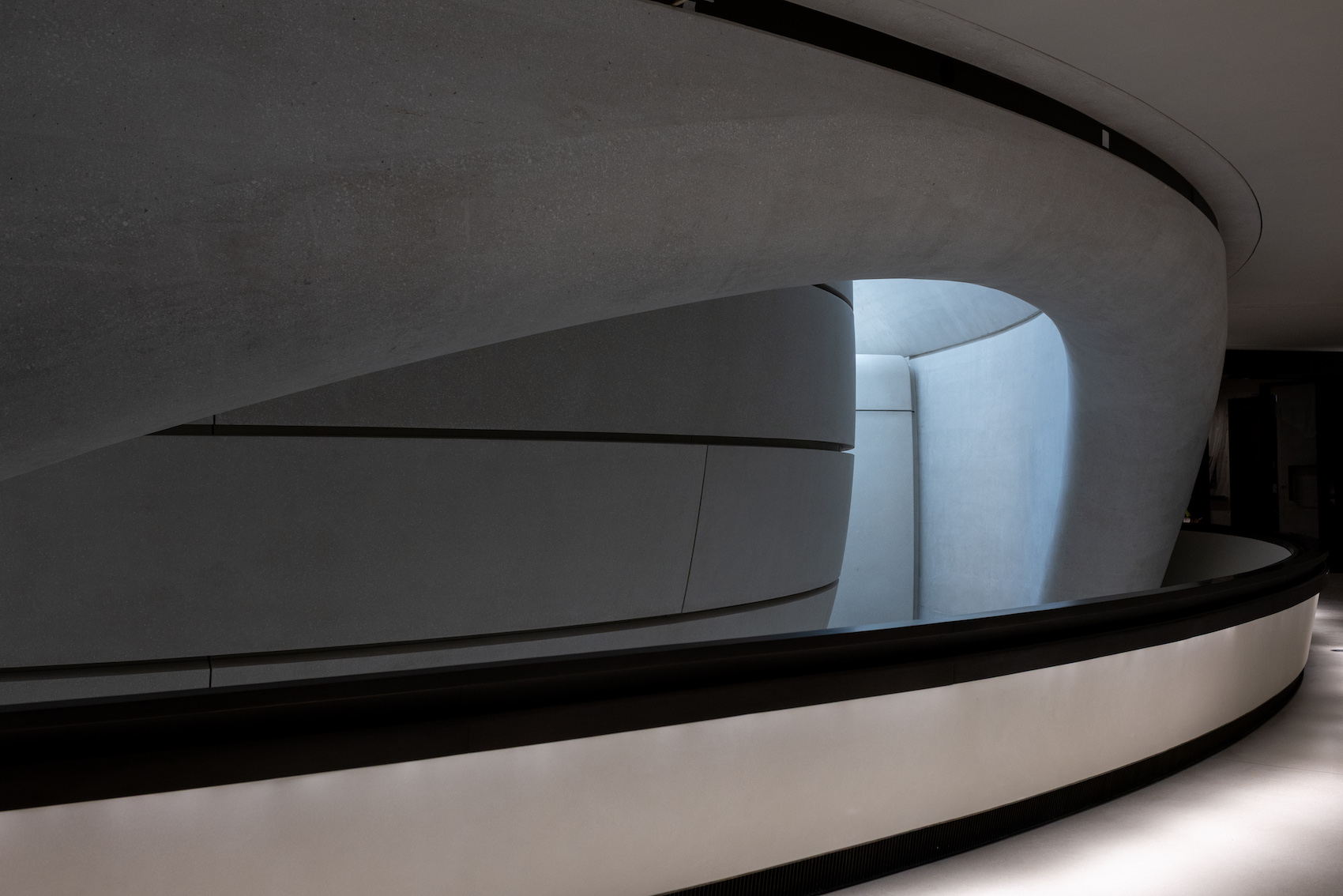
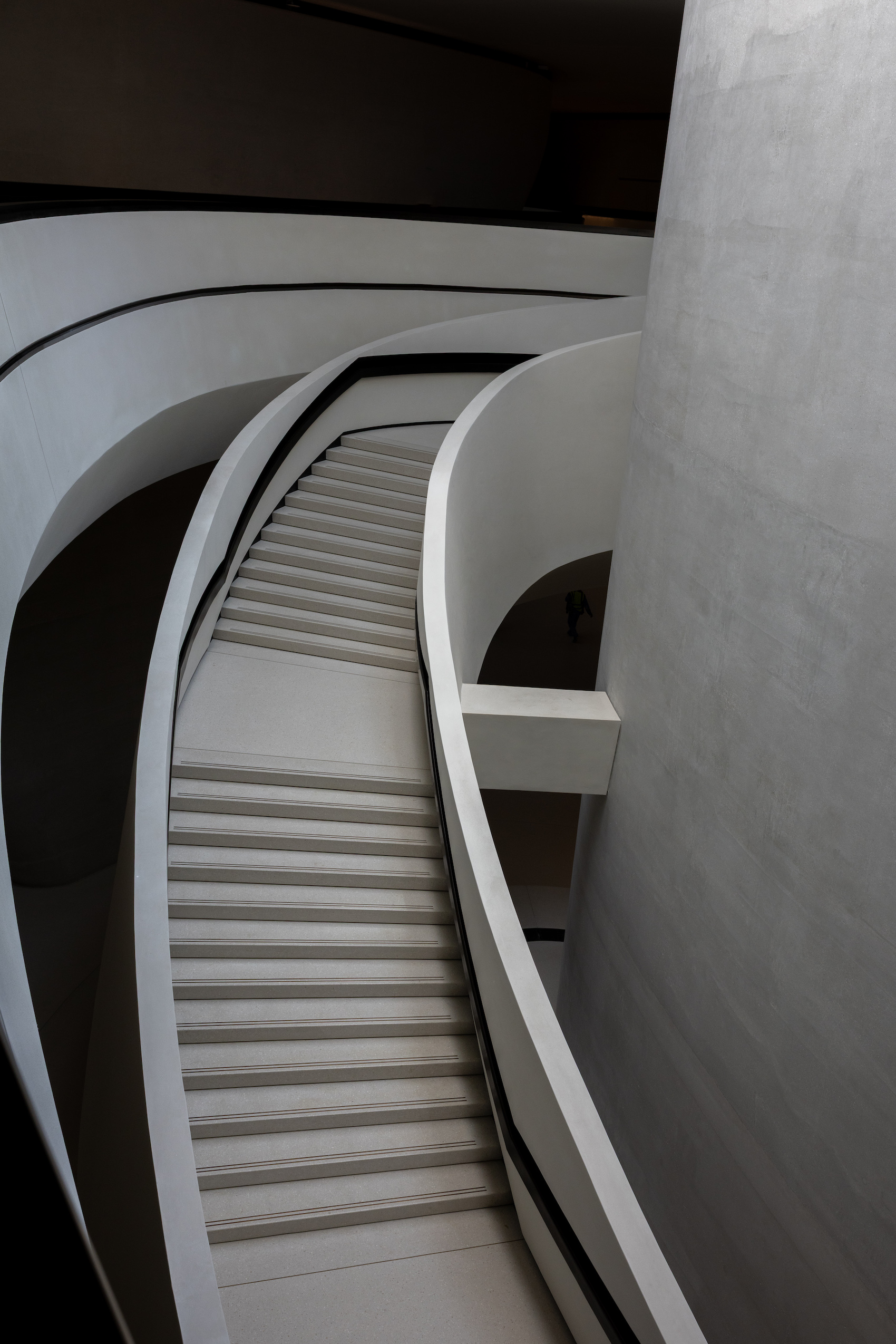
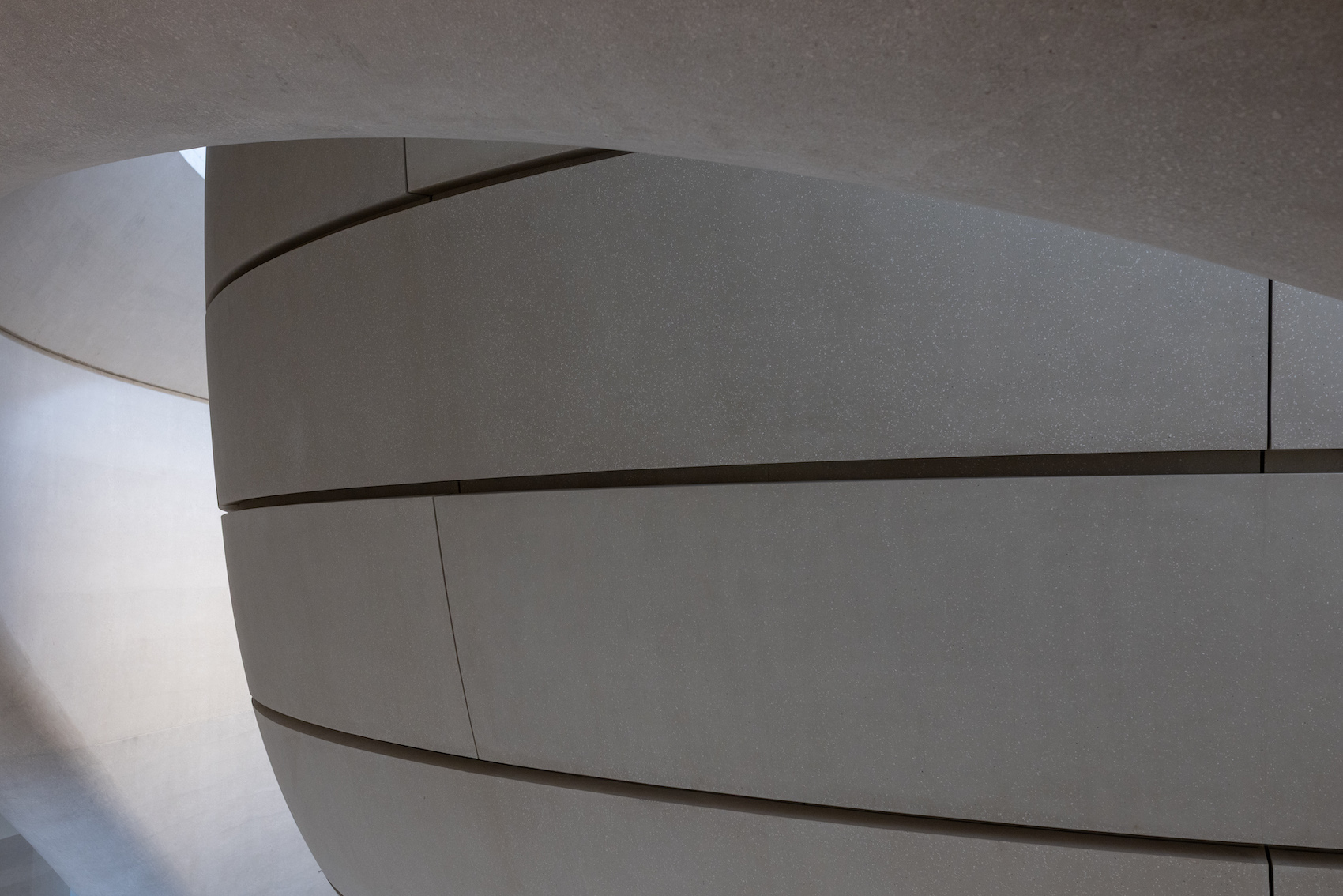
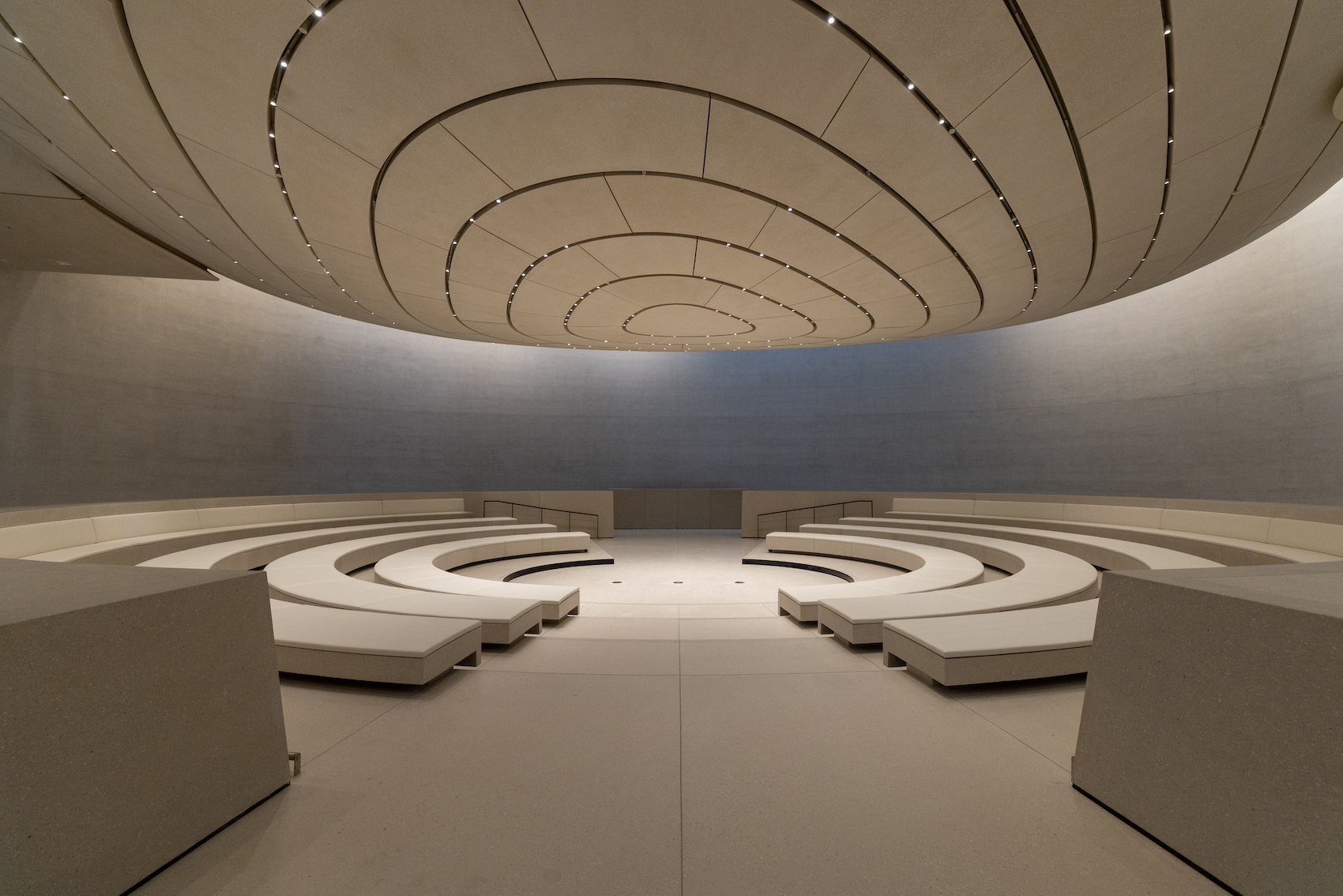
Internally, the museum’s central lobby – Al Liwan – features honed white concrete walls, while the gallery entrances are clad in patinated bronze. Warm white interiors match the tone of Saadiyat Island’s natural sand. The permanent galleries present a collection of more than 1,500 objects, including archaeological finds, historical artefacts, multisensory installations and contemporary commissions. Together, they trace the story of the land from the earliest evidence of human habitation – some 300,000 years ago – to the formation of the modern nation.
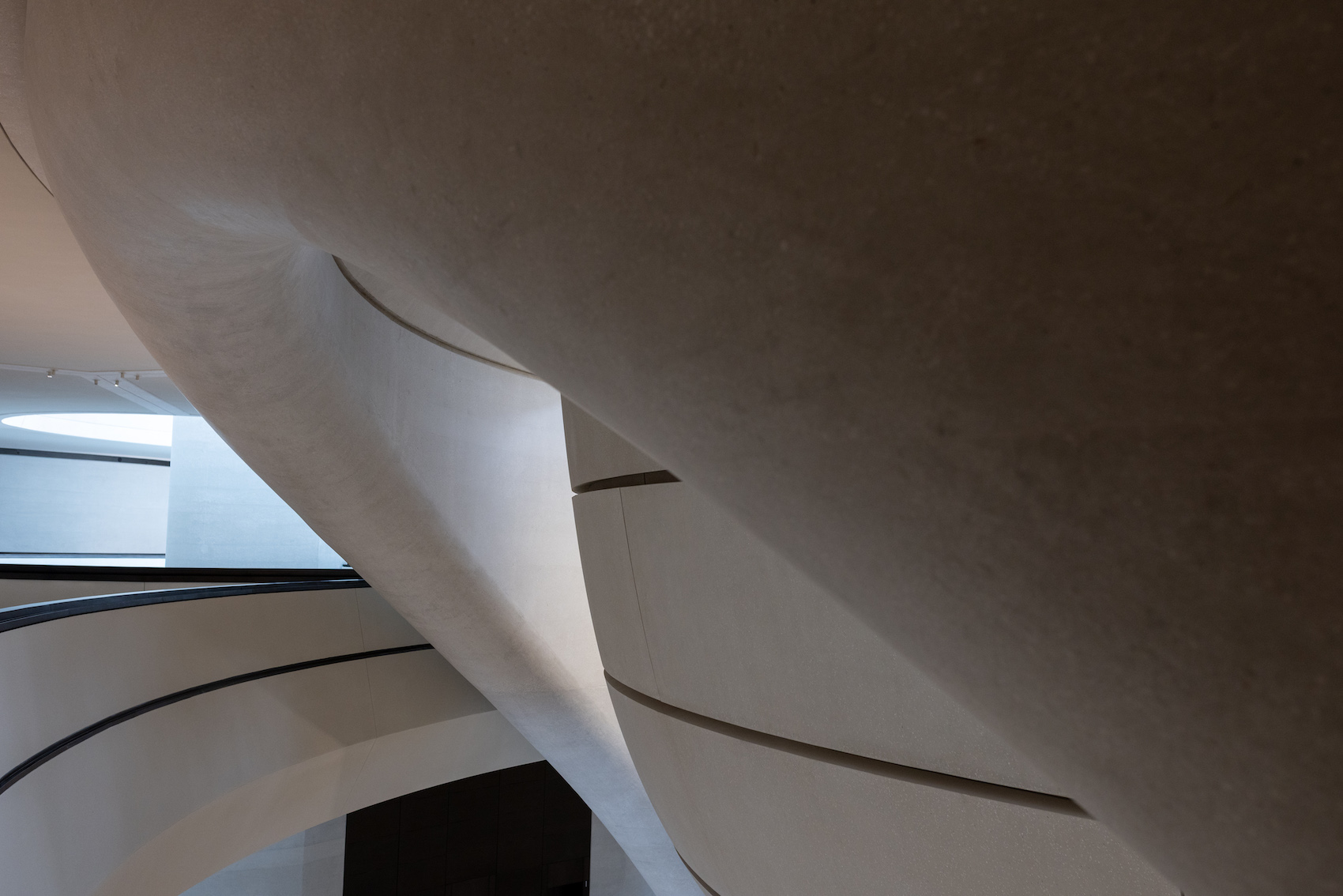
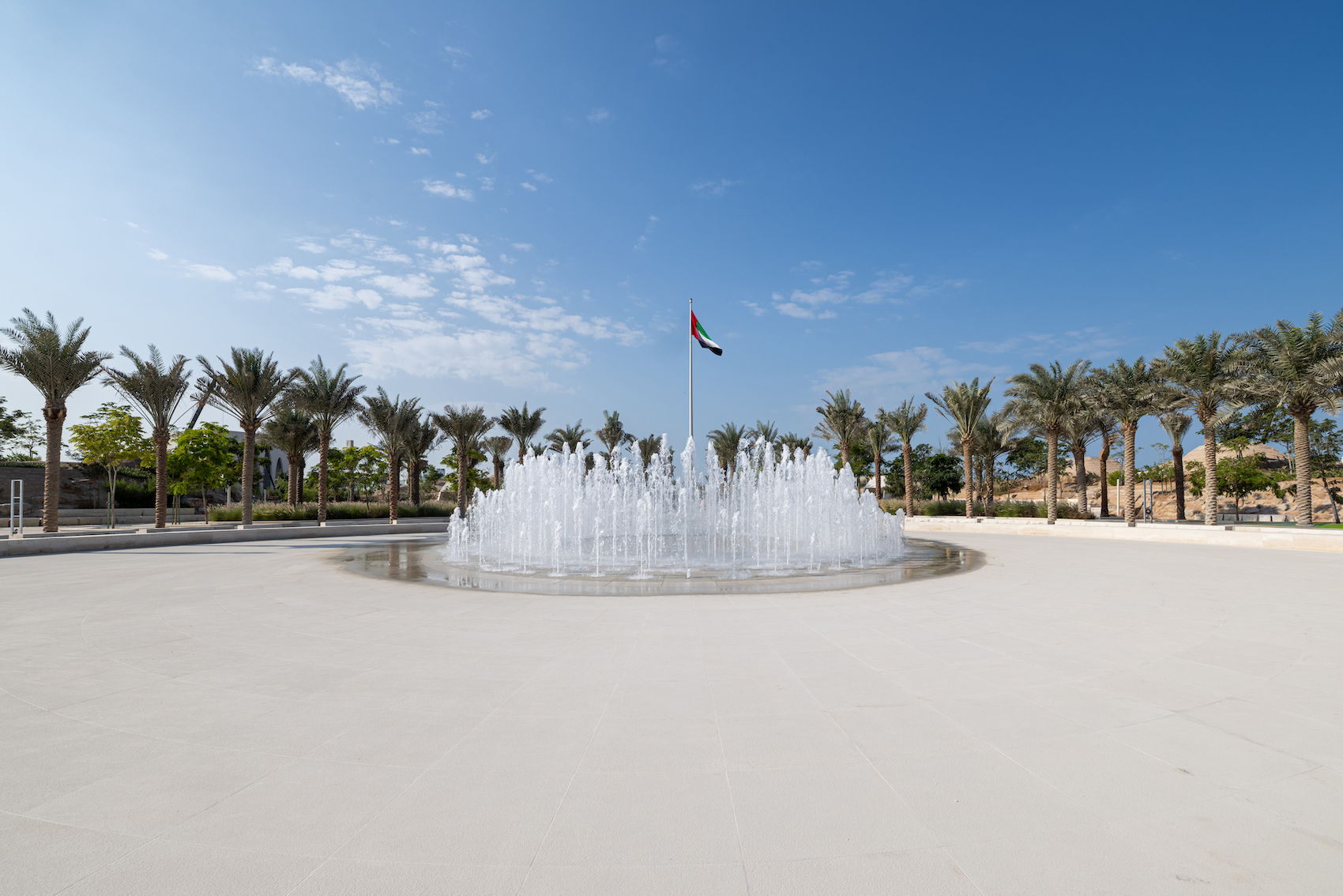
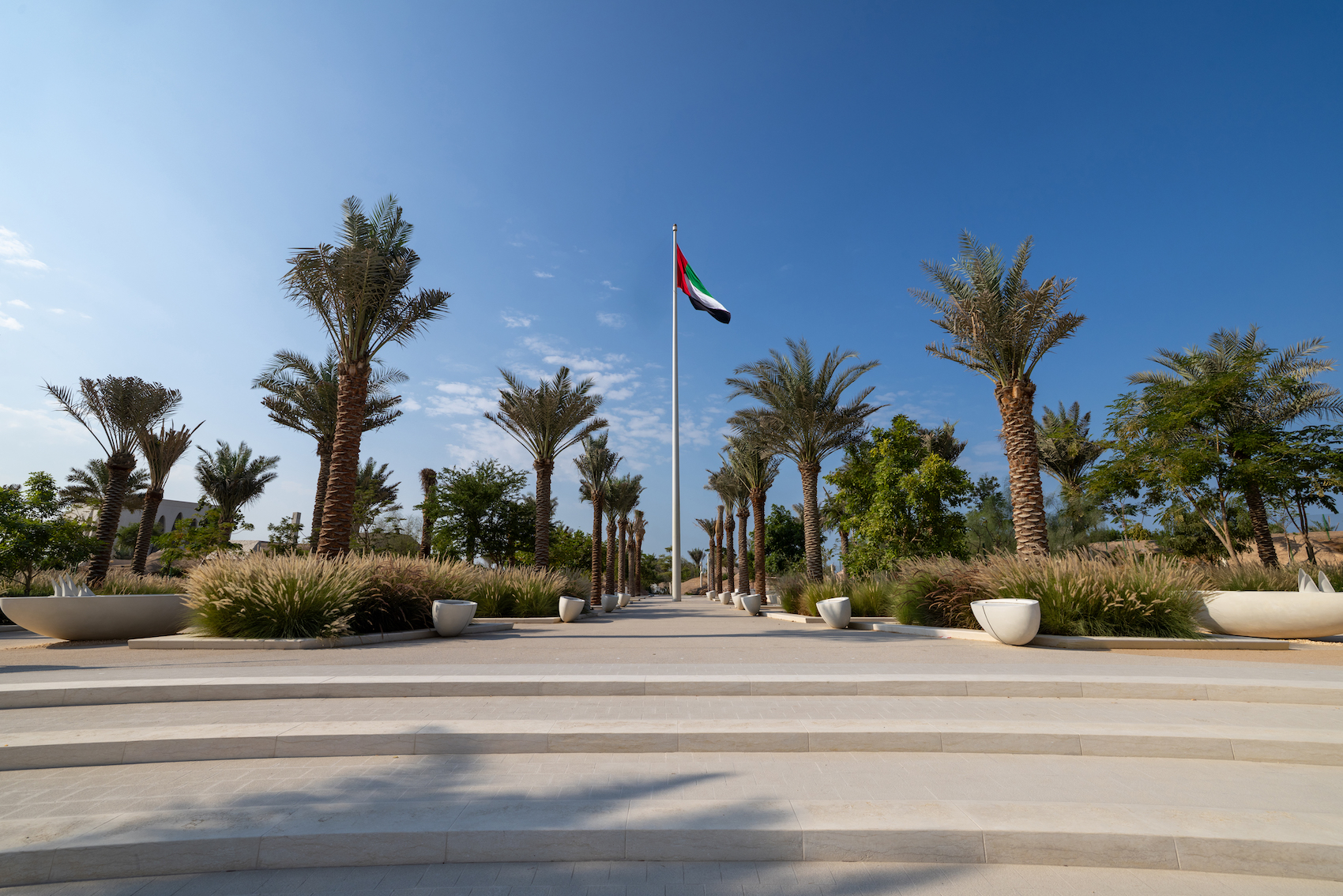
From the outset, the museum has been designed to respond to its environment. The surrounding earth mound insulates the building from solar gain, while locally-fabricated GRC panels are intended to echo the natural topography of the UAE. Inside, a duct system pre-cools external air, reducing strain on building systems, and a smart ventilation system adjusts airflow based on occupancy levels. Energy-efficient LED lighting is supported by sensors and dimming controls that adjust to occupancy and daylight availability. Greywater and condensation from air conditioning systems irrigate the surrounding gardens, which contain more than 900 native plants and trees. The outdoor Al Masar Garden incorporates traditional falaj water channels, demonstrating ancient Emirati irrigation methods that rely on gravity, requiring no energy input.
A month-long public programme, titled Deep Roots and Everlasting Legacy, marks the museum’s opening with a wide array of cultural performances, traditional dances, poetry, storytelling and craft workshops.
Additional images