Chris Dyson Architects’ restoration of a five-storey Georgian townhouse in the City of London transforms a Grade II-listed building into a distinctive contemporary headquarters, balancing domestic grandeur with the demands of a modern workplace.
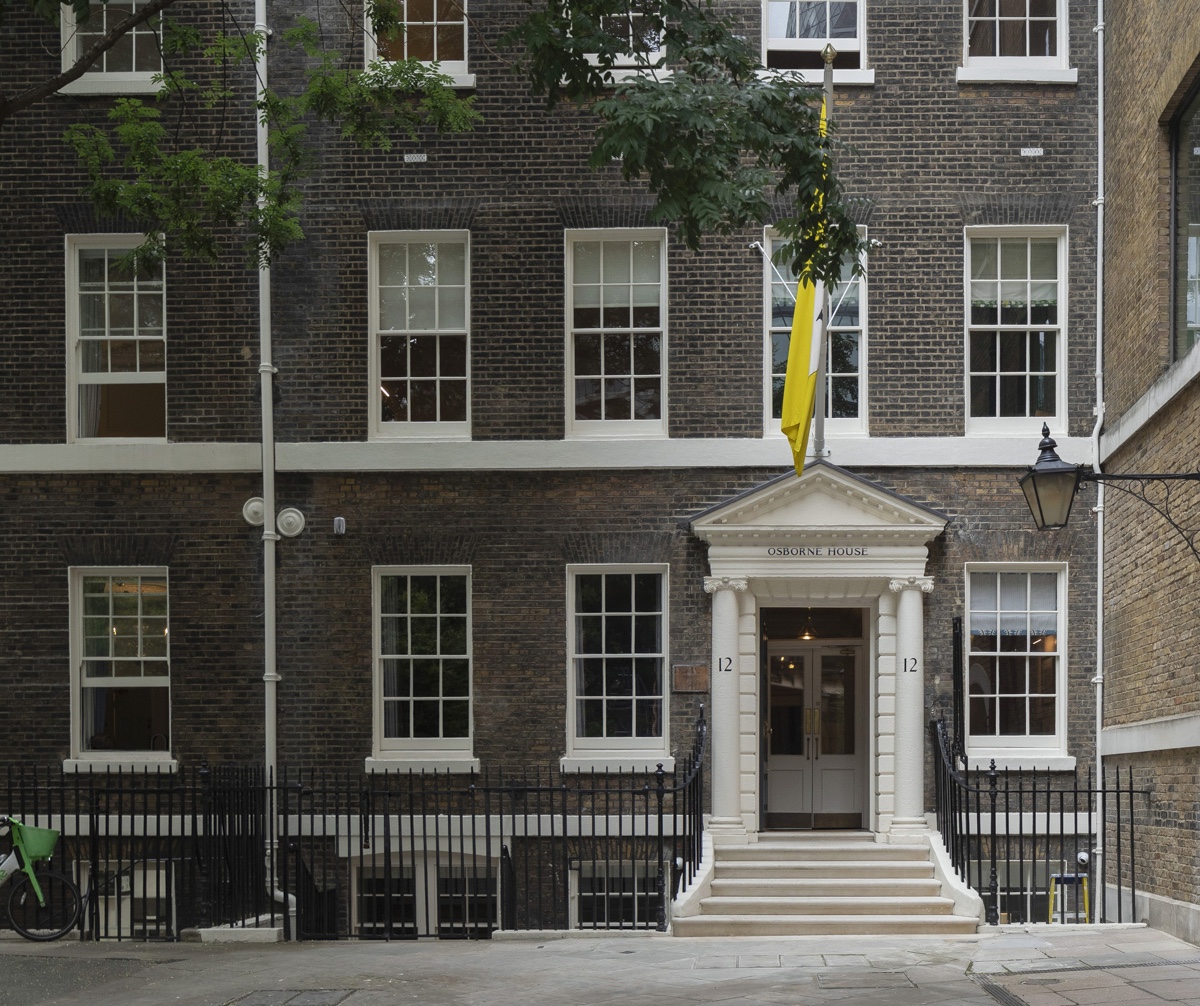
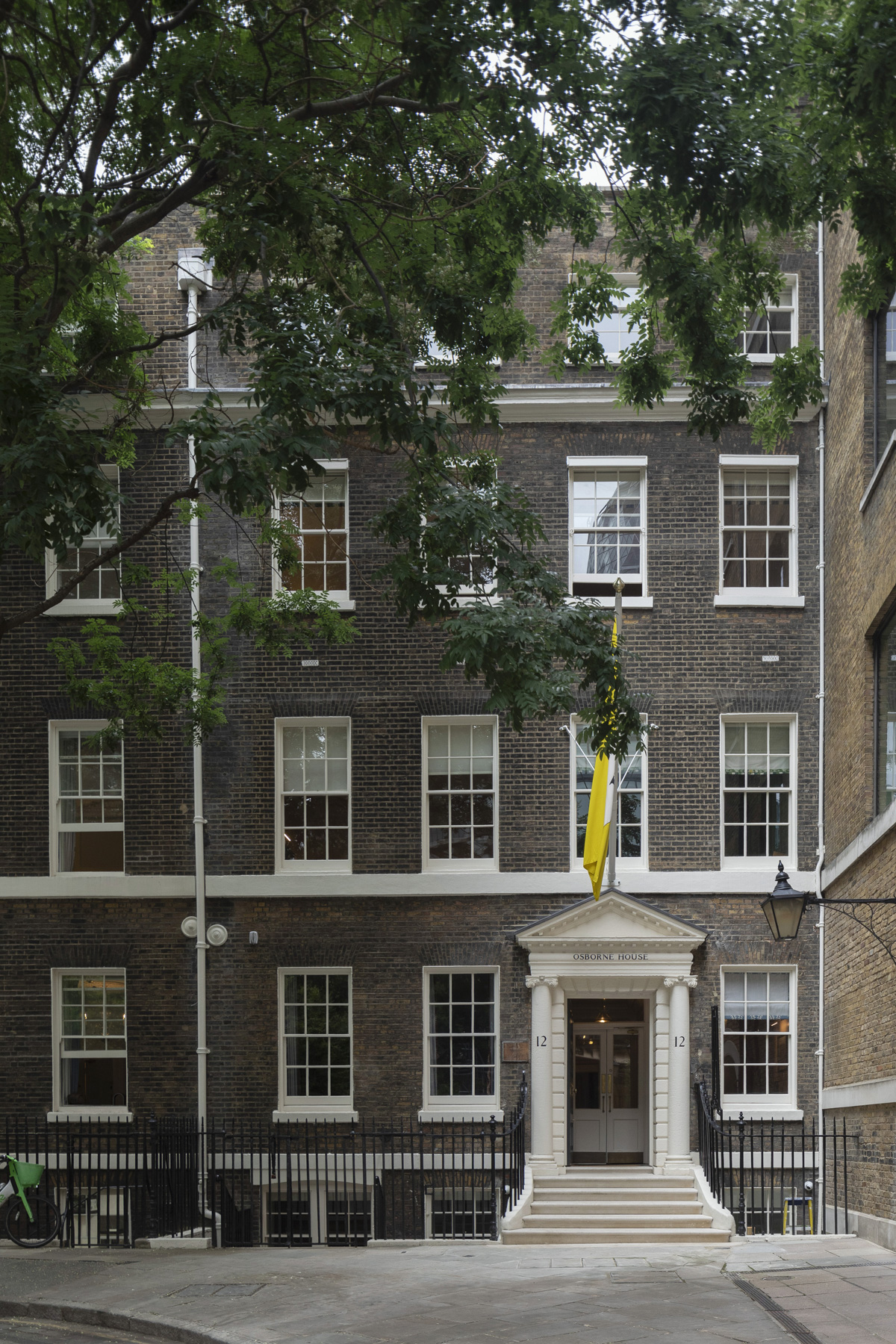
Chris Dyson Architects has completed the restoration and adaptation of a five-storey Georgian townhouse in the City of London, creating a new headquarters for an international logistics firm. Built in the aftermath of the Great Fire, the Grade II-listed building dates from the 17th century and has borne witness to the City’s gradual transformation from residential quarter to global financial centre, accommodating a succession of uses over more than three centuries.
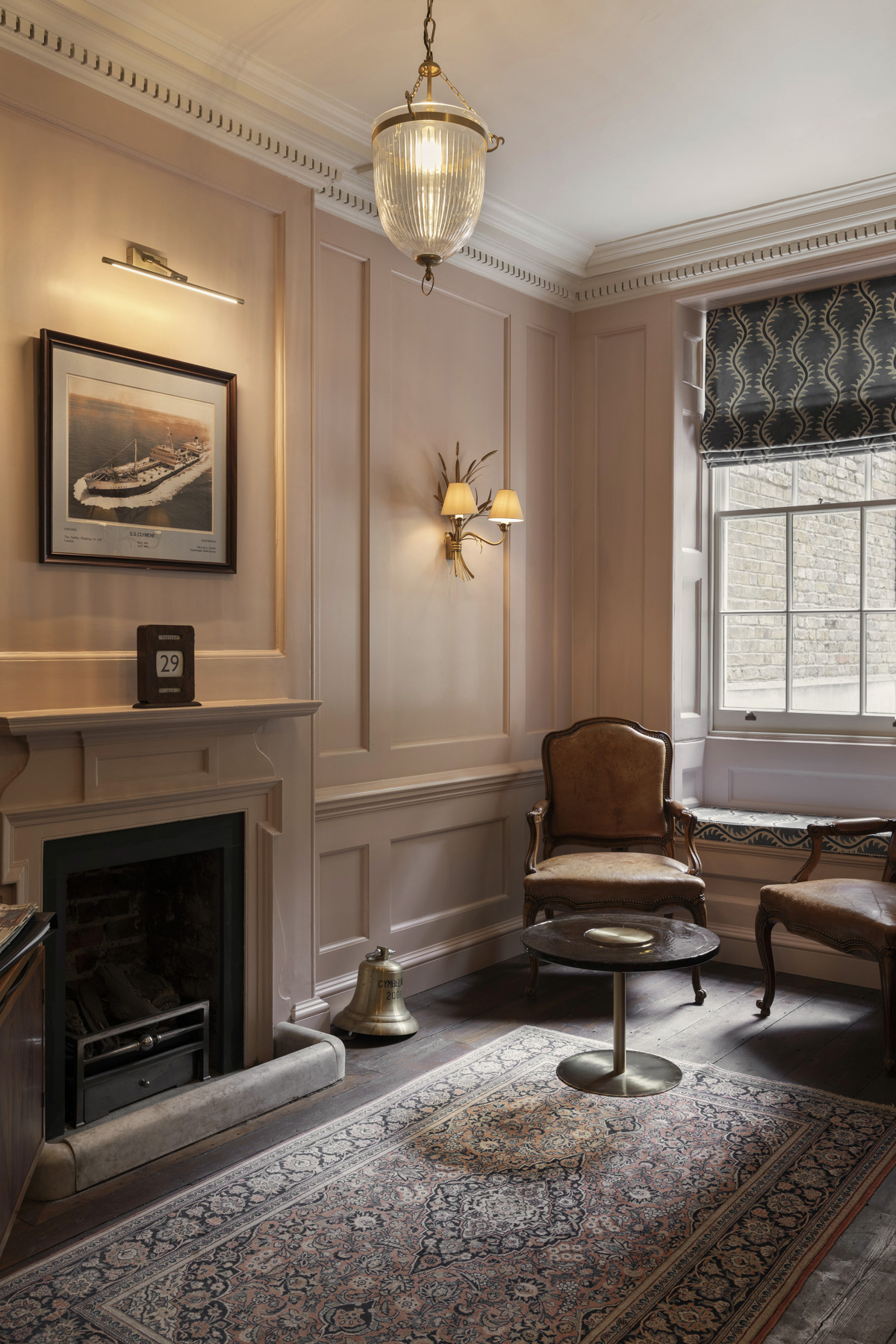
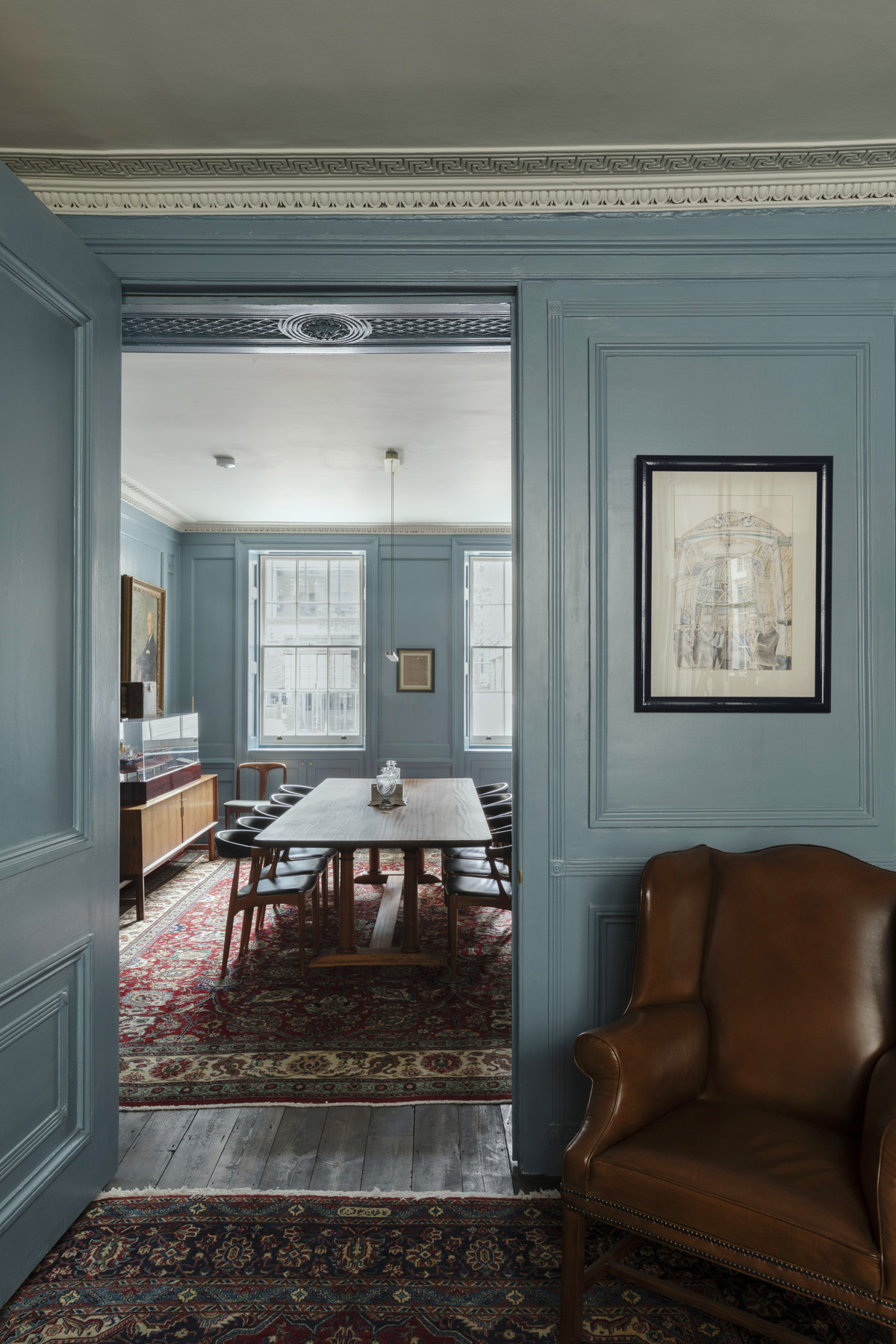
The project sought to recover the building’s original domestic character while equipping it for contemporary office use.
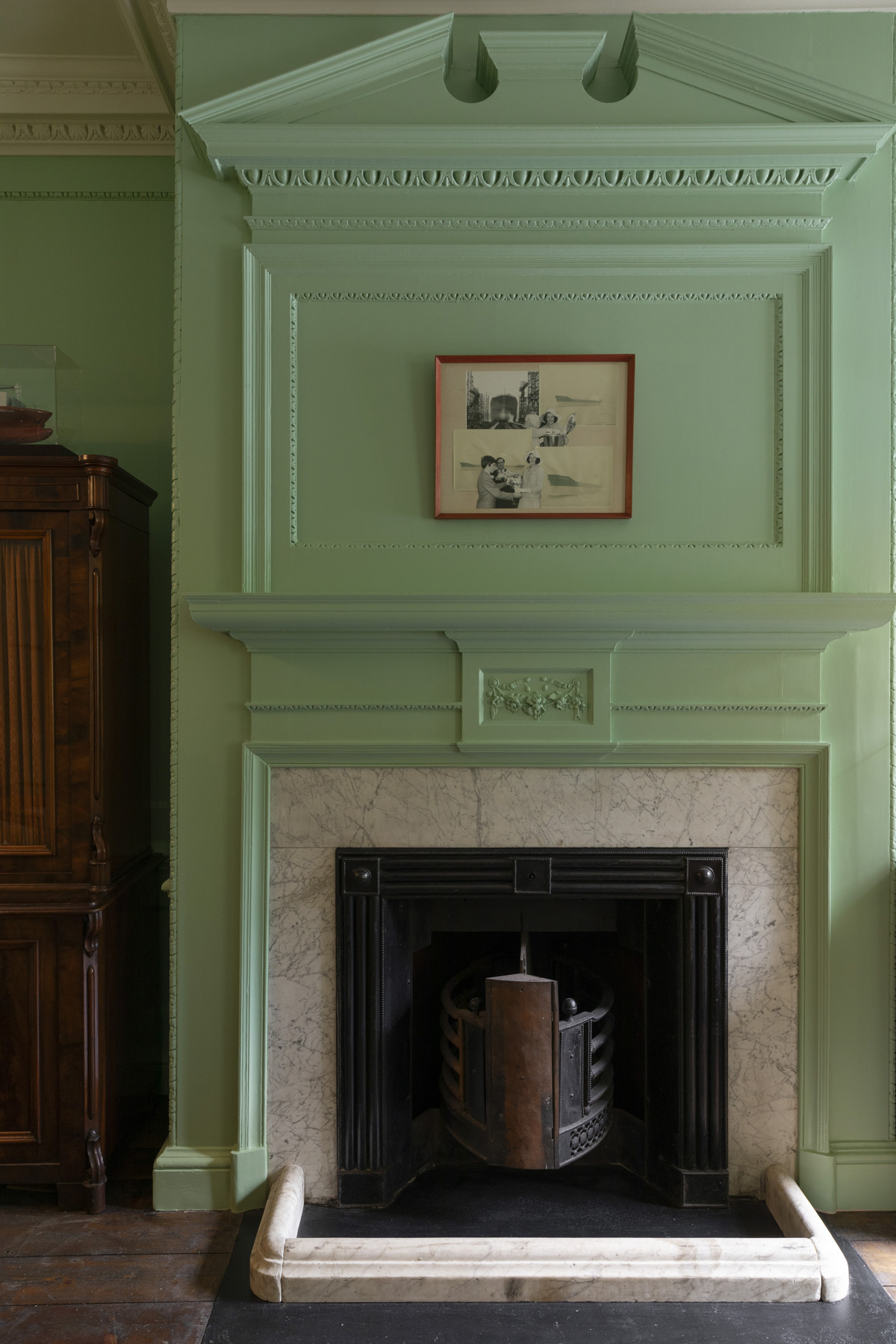
“The ceiling heights, grand proportions, and original features allowed for the creation of a truly special workplace,” said Chris Dyson, principal of Chris Dyson Architects. “This project was a labour of love for our client and our team – every detail, from the fireplace to the panelling, was treated with care.”
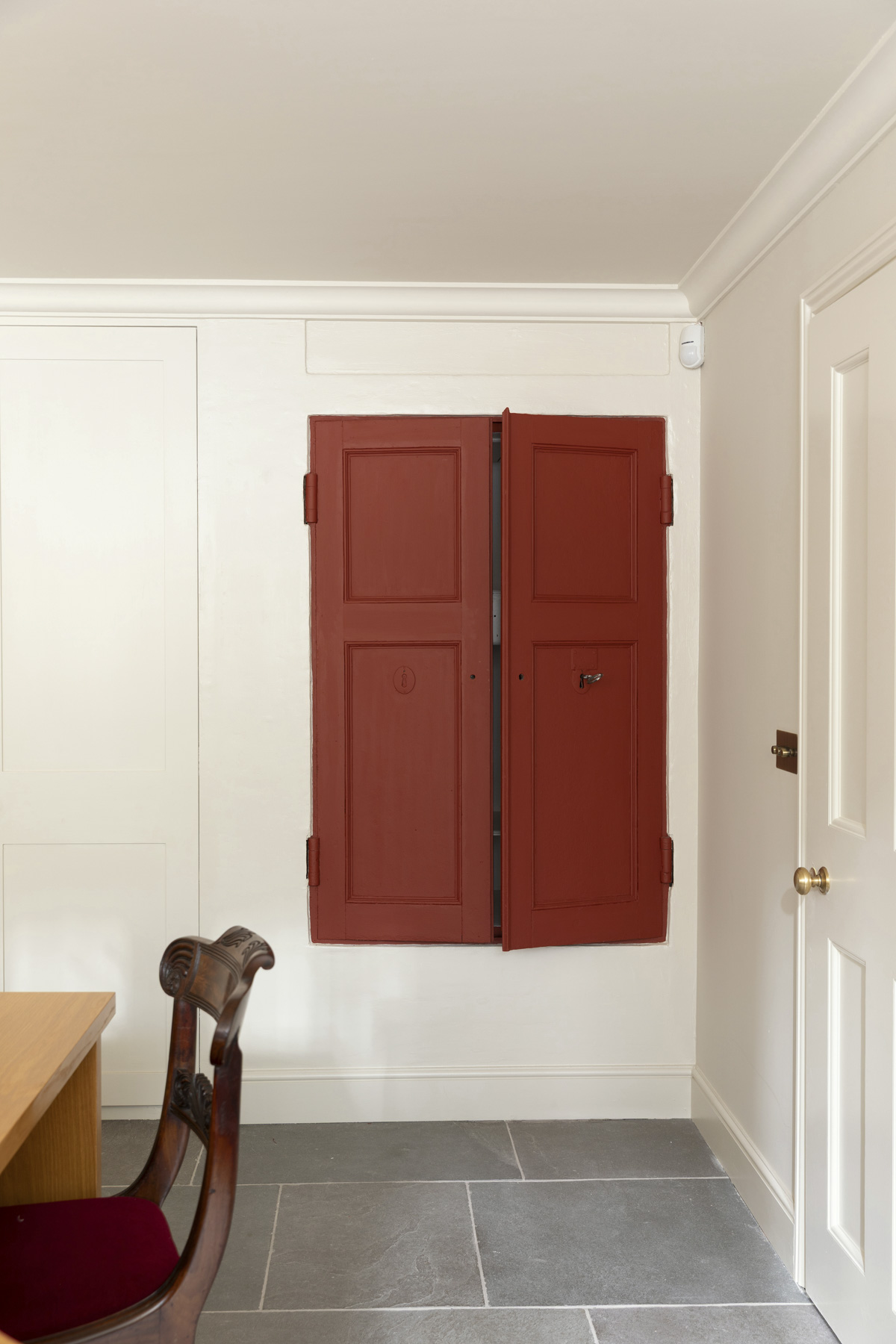
Prior to its acquisition, the townhouse had been subject to numerous alterations. Much of the architects’ work involved removing later interventions to maximise daylight and reveal the structure’s original charm. This process of careful unpicking yielded a number of discoveries, including an intact basement strong room with a heavy metal door and concealed brick-arched vault, leading to an underground cold store. The latter has been retained and will form the centrepiece of a new wine cellar, capped with a glass floor.
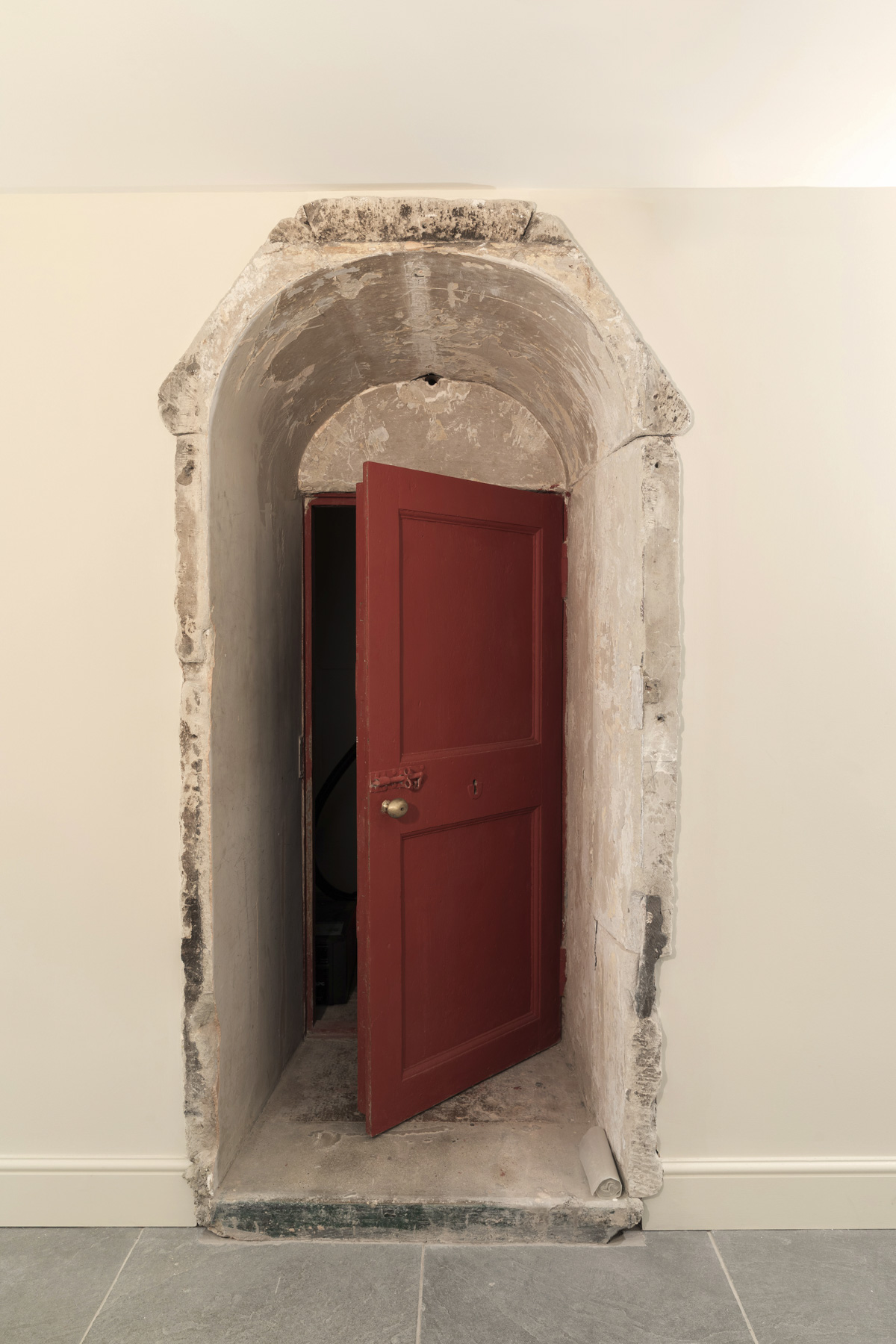
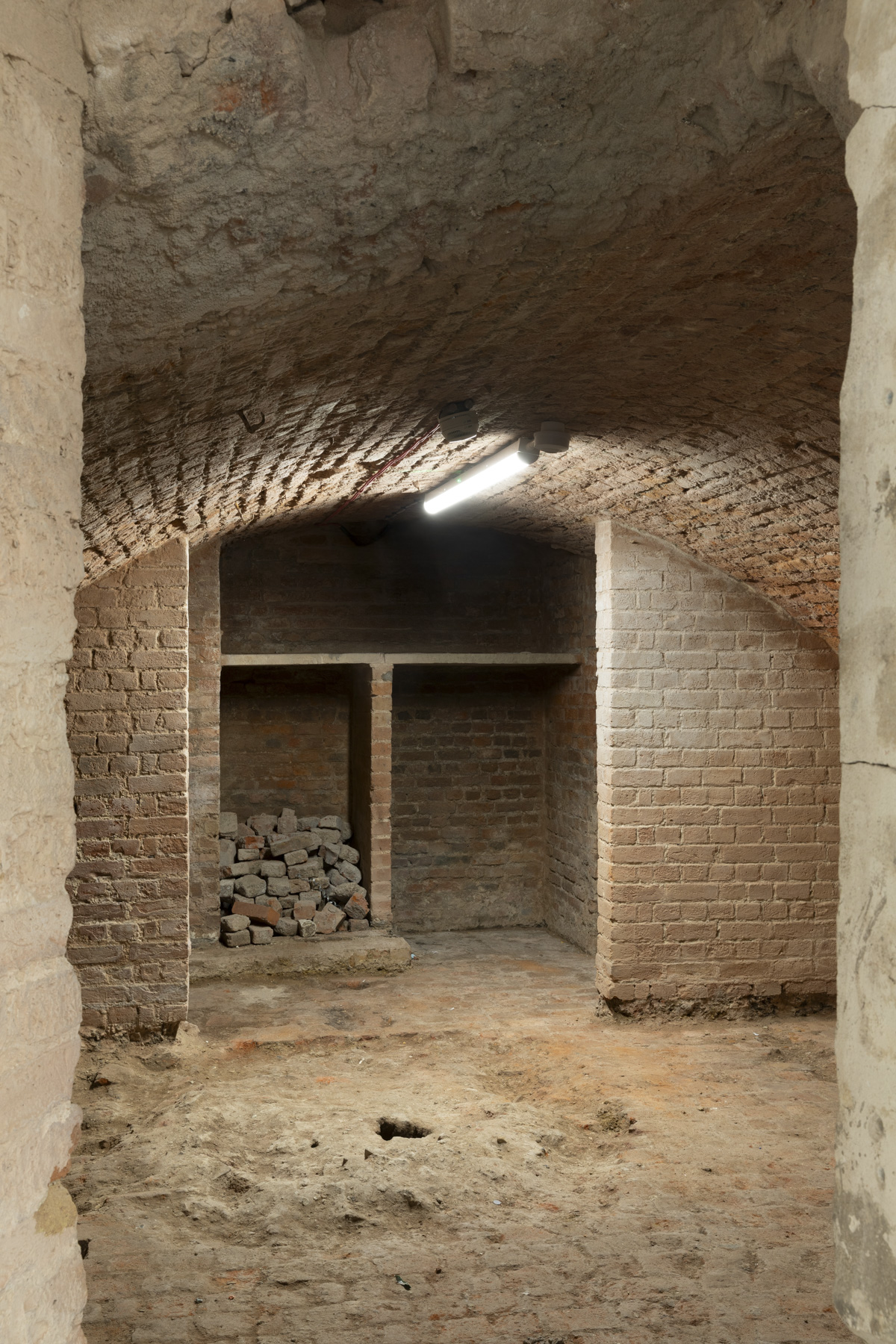
“The rooms were quite dark, carpeted, and in need of repair, but you could sense that underneath was something really special,” added Yashin Kemal, associate director at Chris Dyson Architects.
“Part of our work was to integrate technology more discreetly, reinstating the feel of the house but with all the functionality of a contemporary workspace. In Cord Construction, we had a really good, hands-on and proactive contractor, who took initiative when it came to finding solutions to complex problems and overcoming the hurdles that come with restoring a 300-year-old building. It made the whole experience much more fulfilling as we all pulled towards the same goal.”
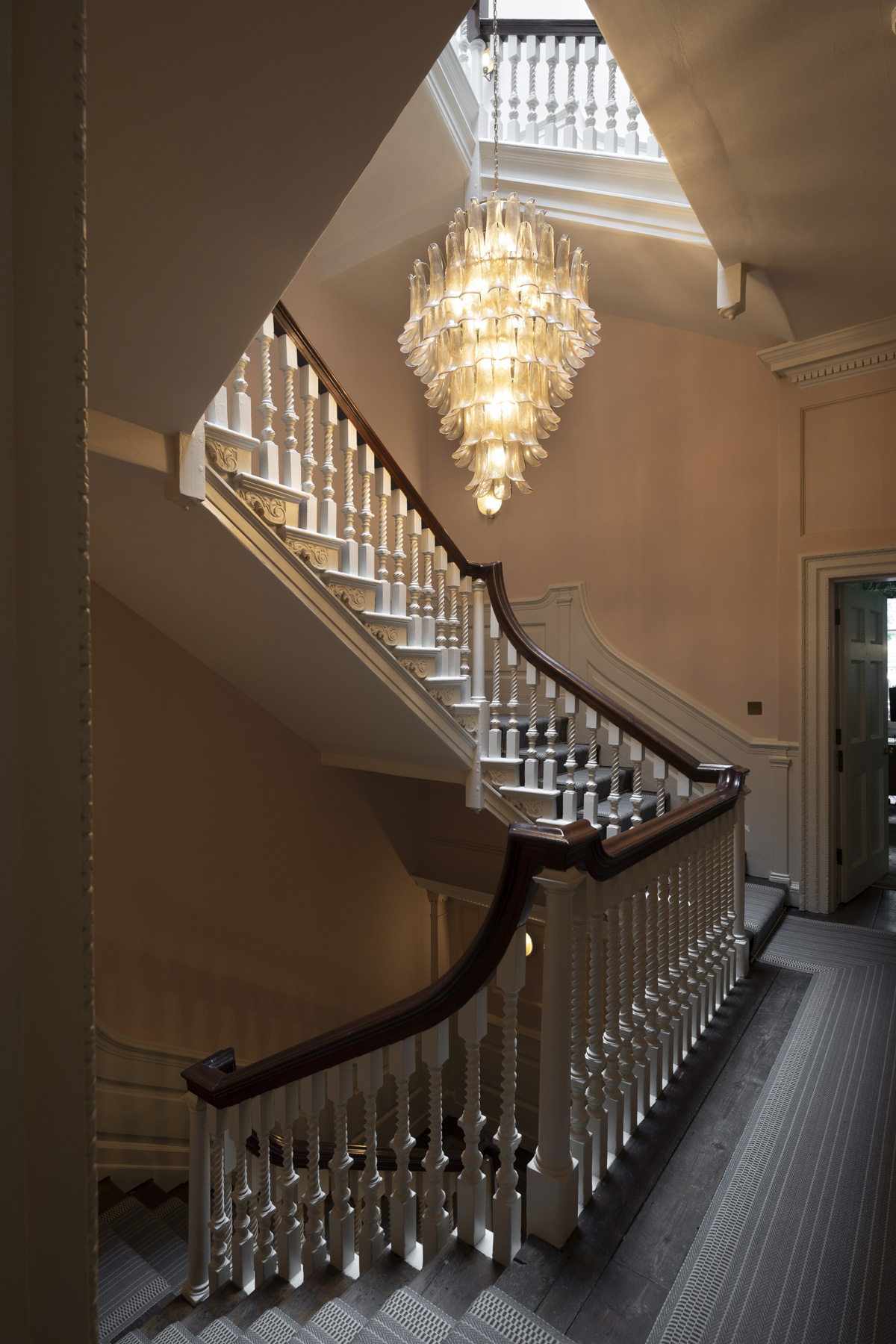
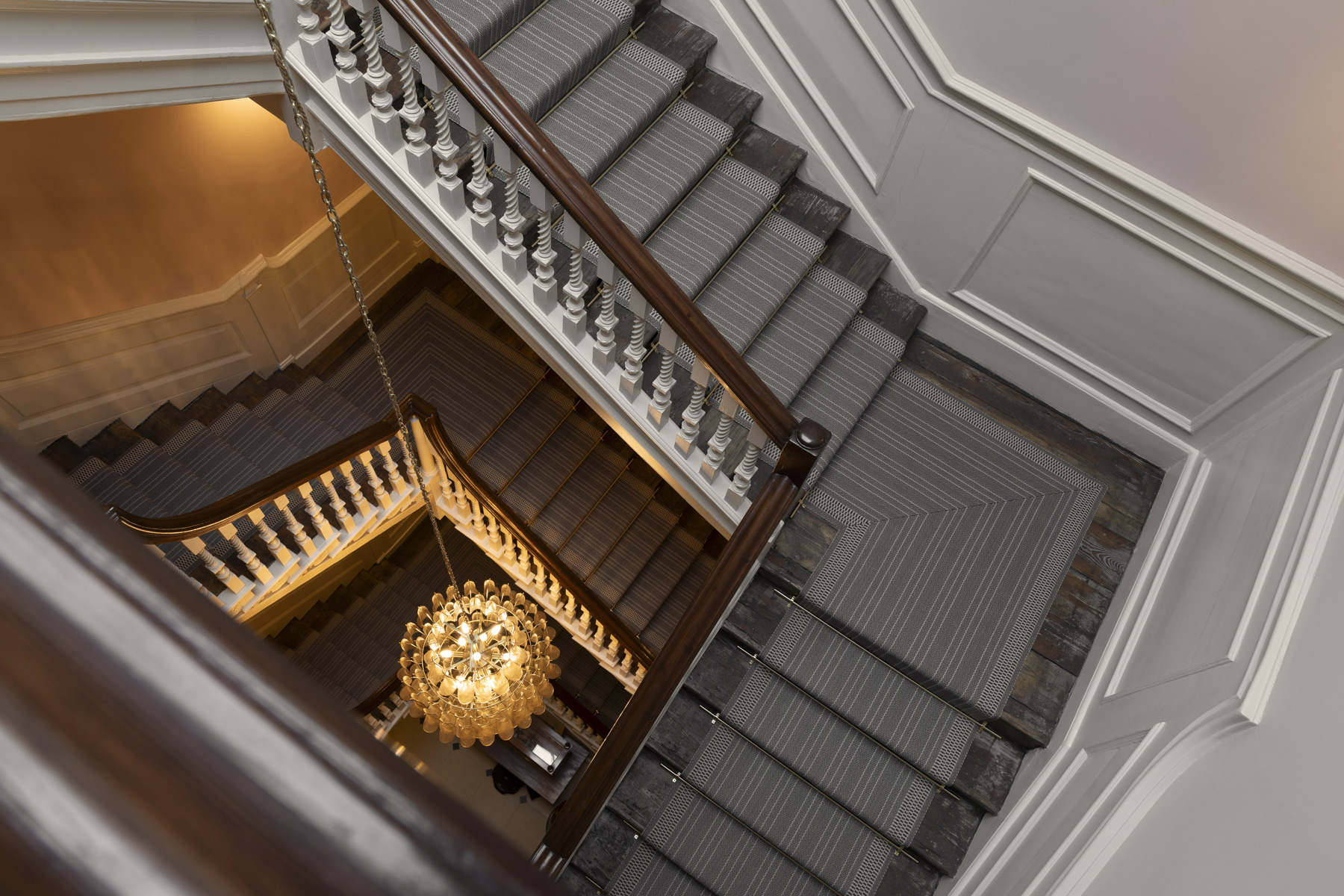
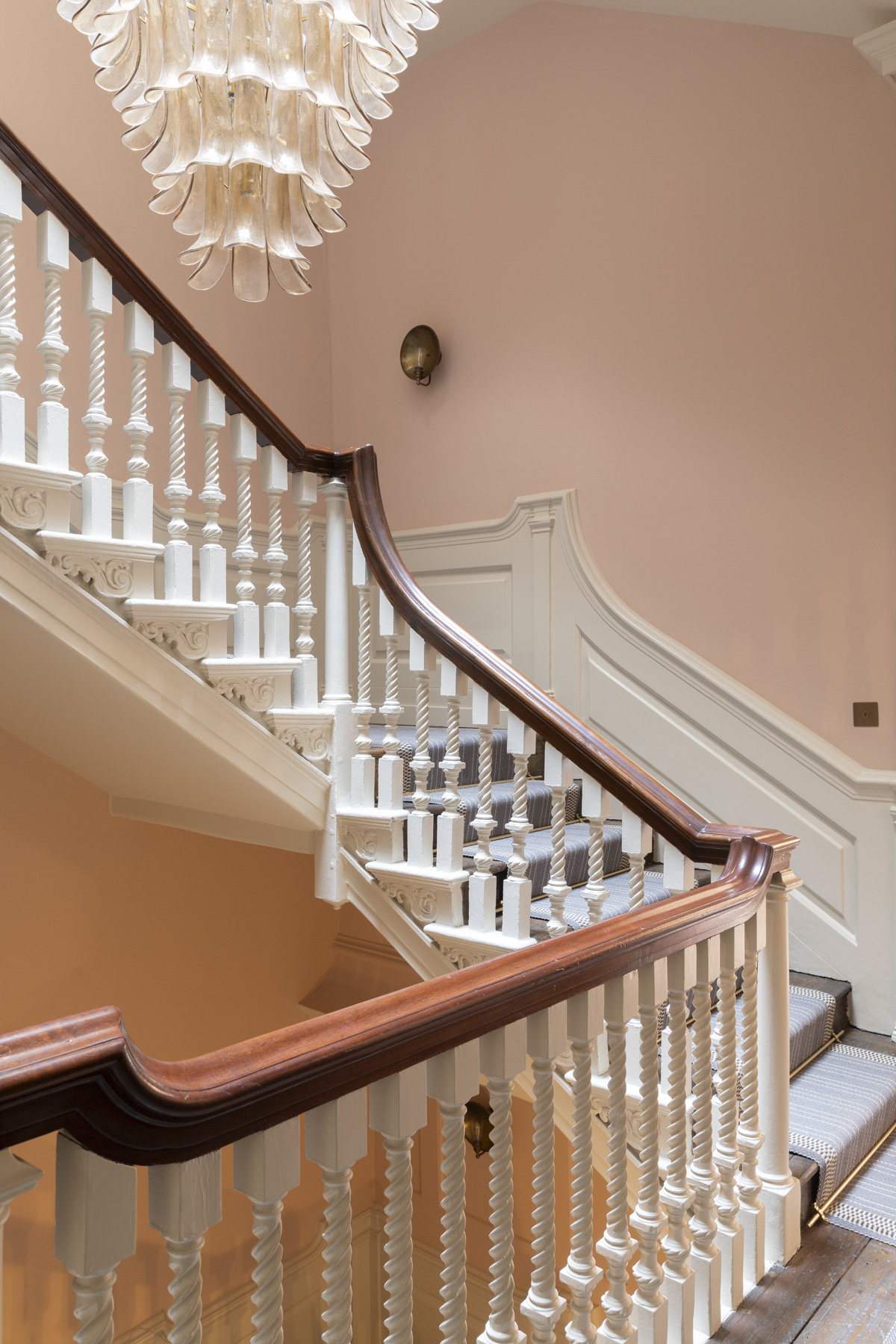
A new chandelier draws attention to the new daylight being drawn into the heart of the building.
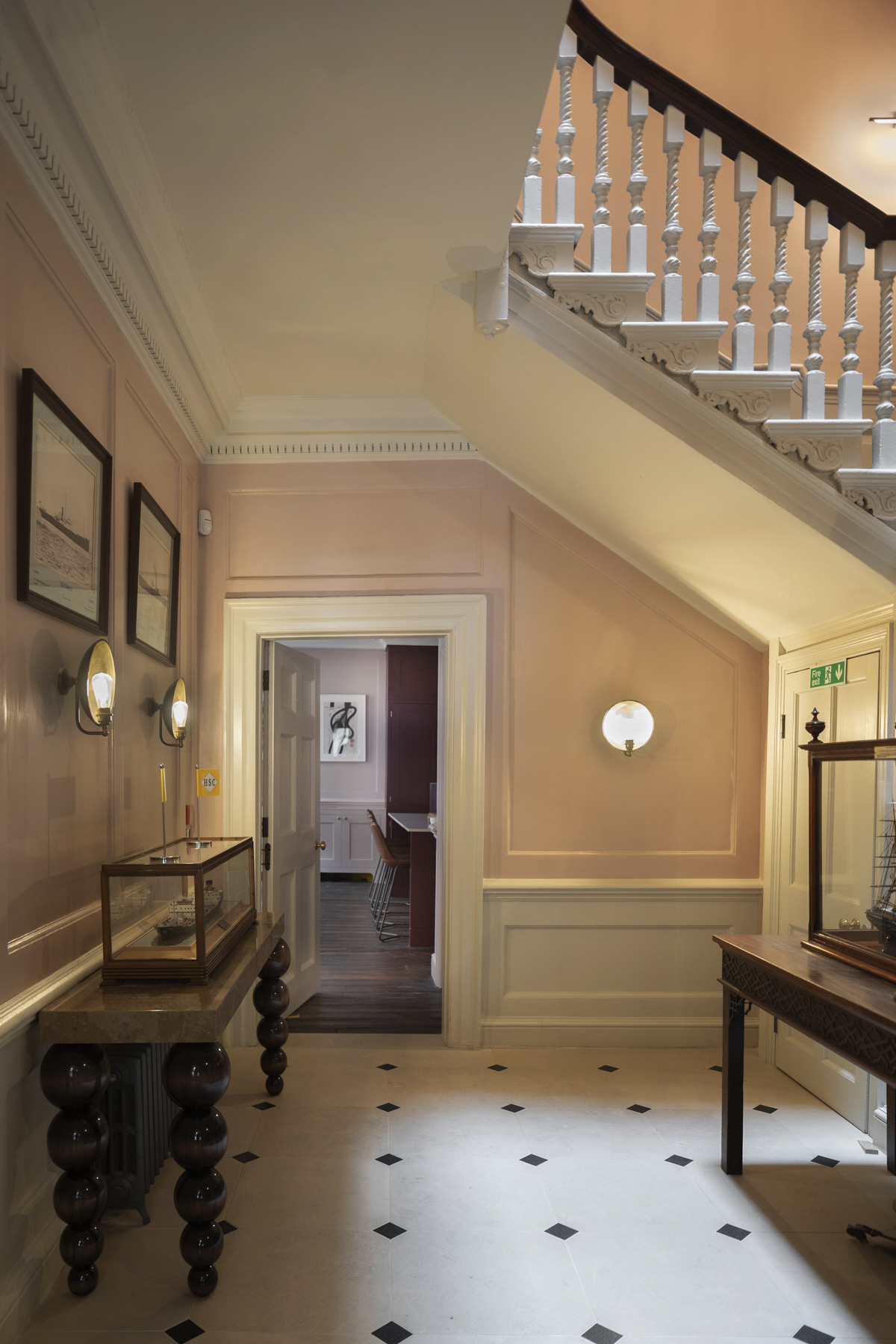
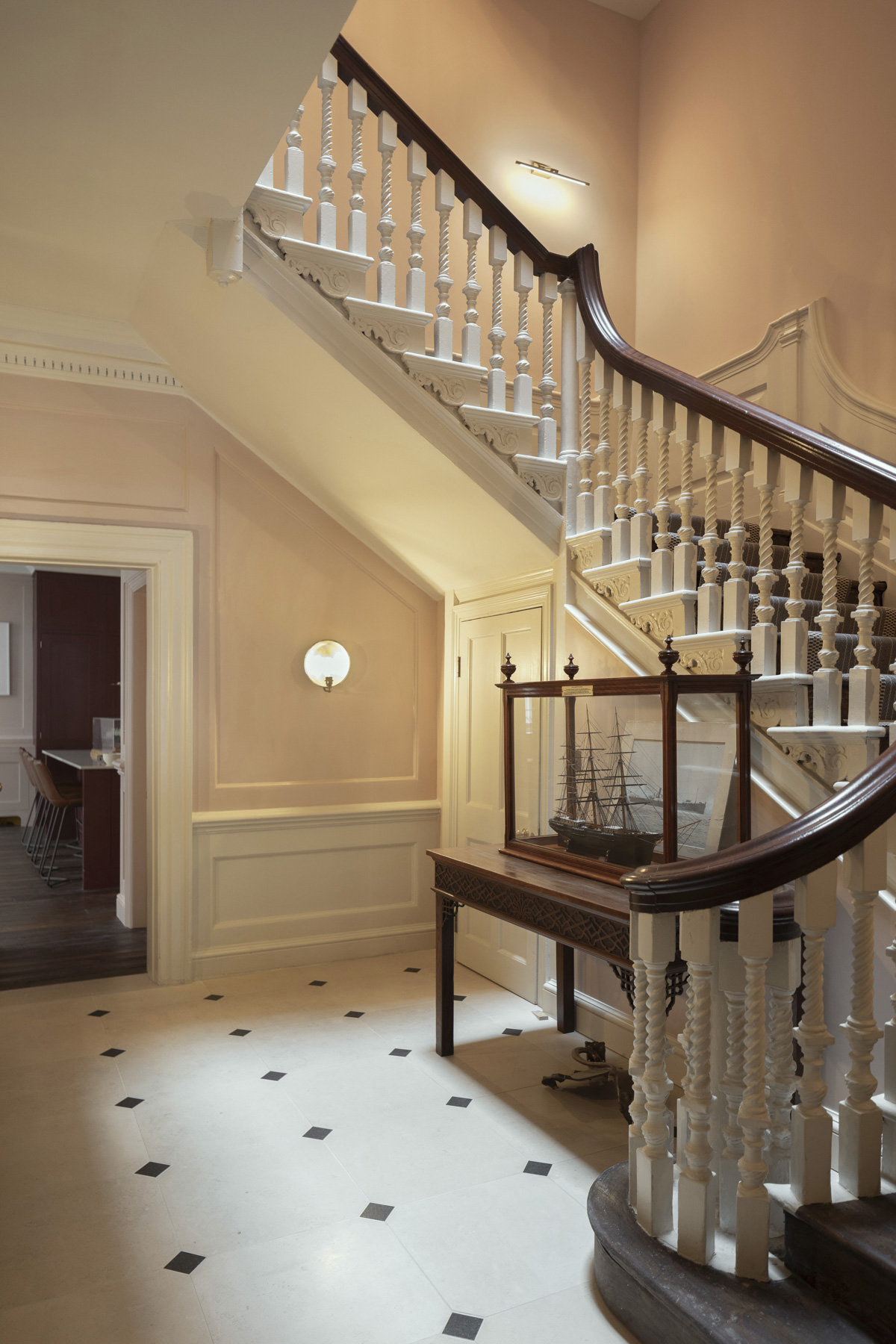
The building’s five storeys are organised around a grand central staircase, which rises beneath a restored roof lantern. A contemporary glass chandelier hangs within the stairwell, drawing daylight down through the building’s staircase, historic drawings of which, originally published in the architectural press, informed its careful restoration.
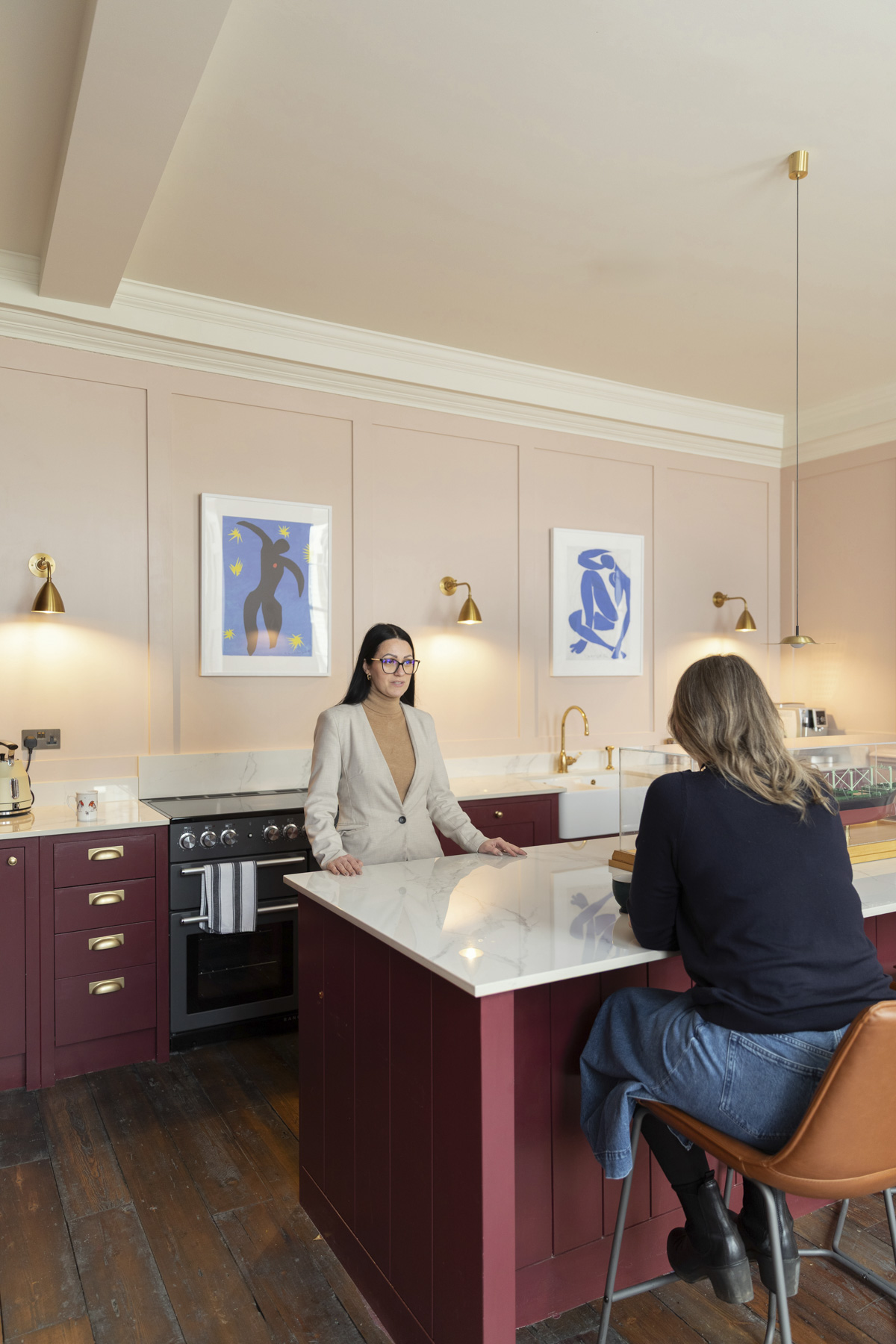
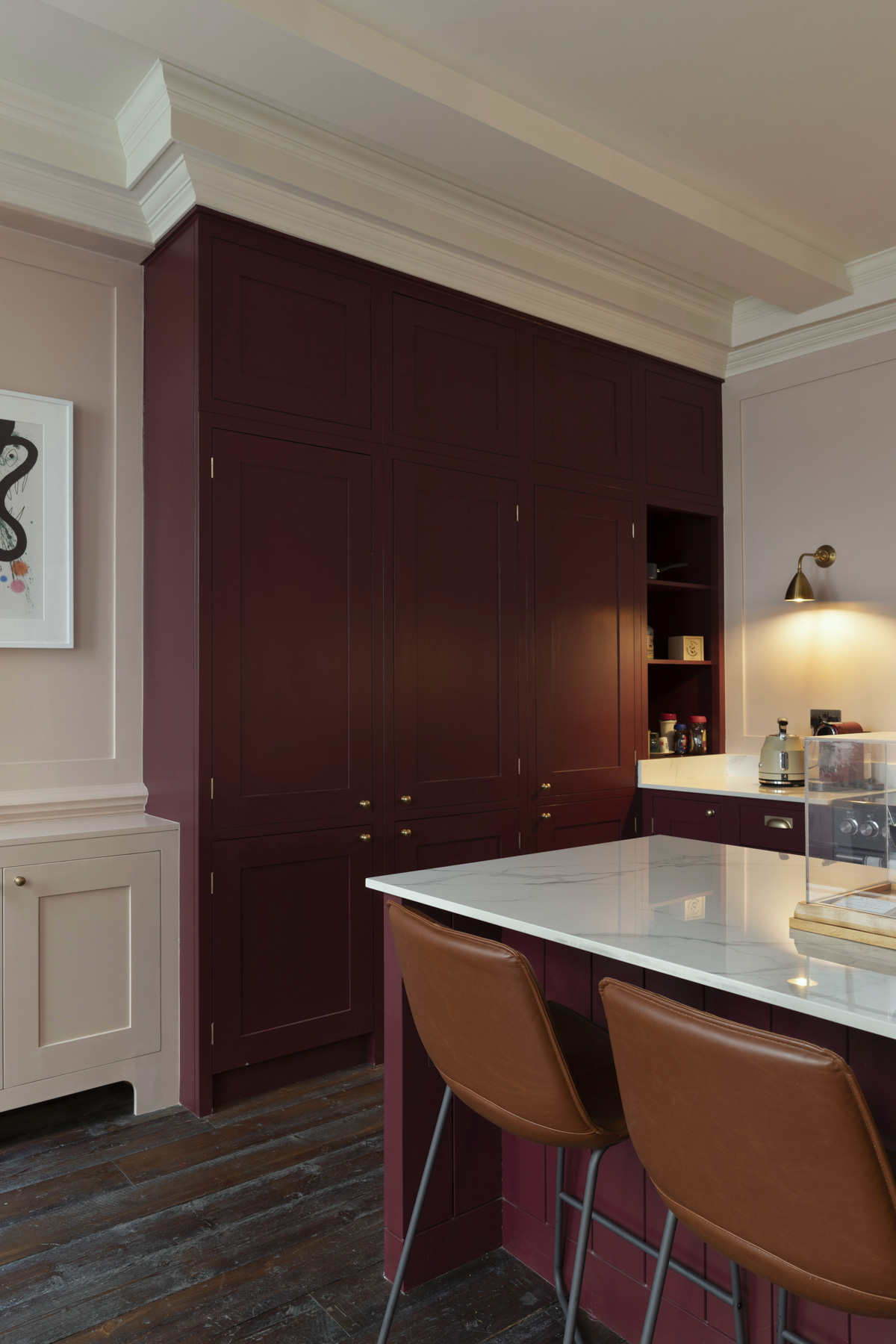
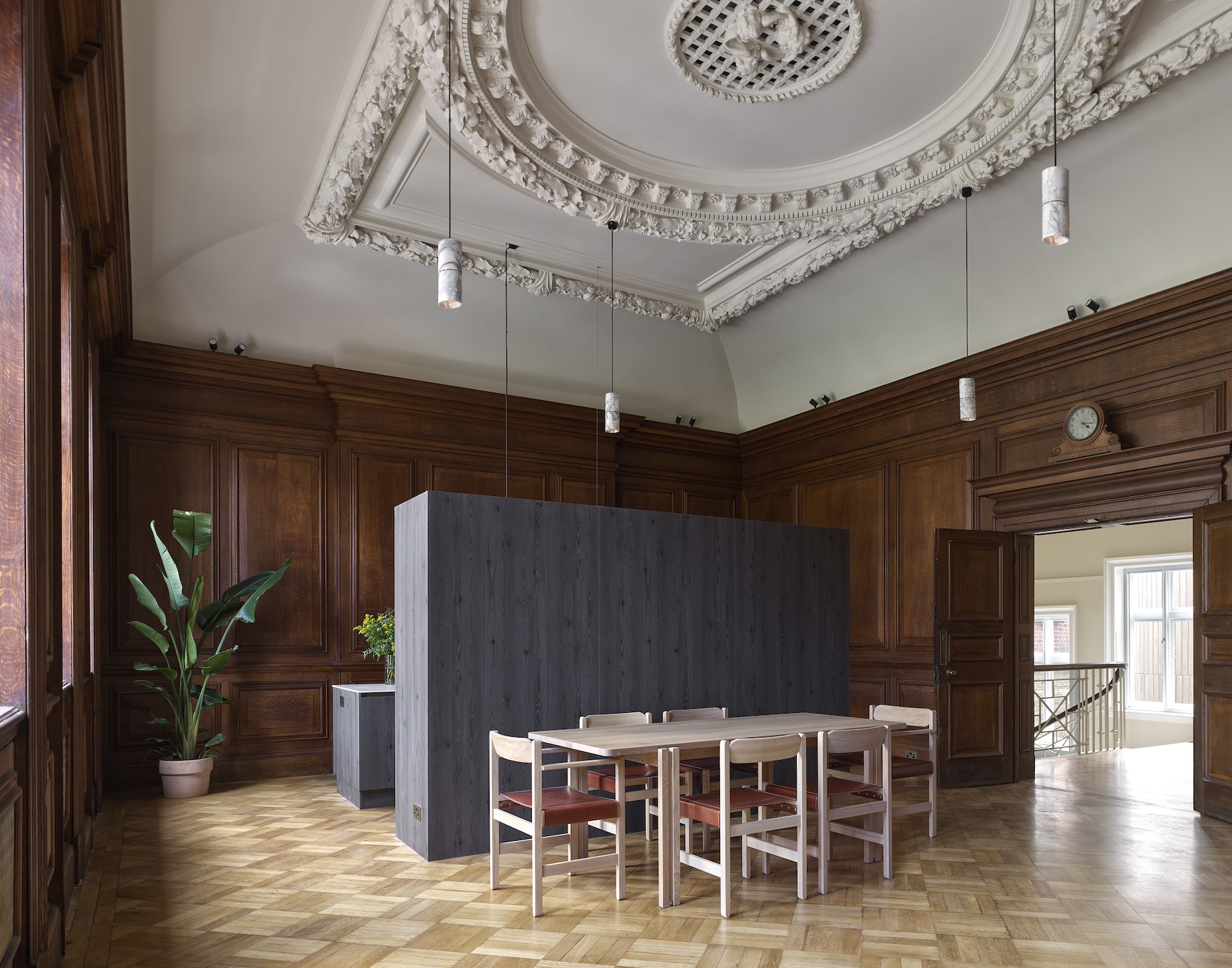
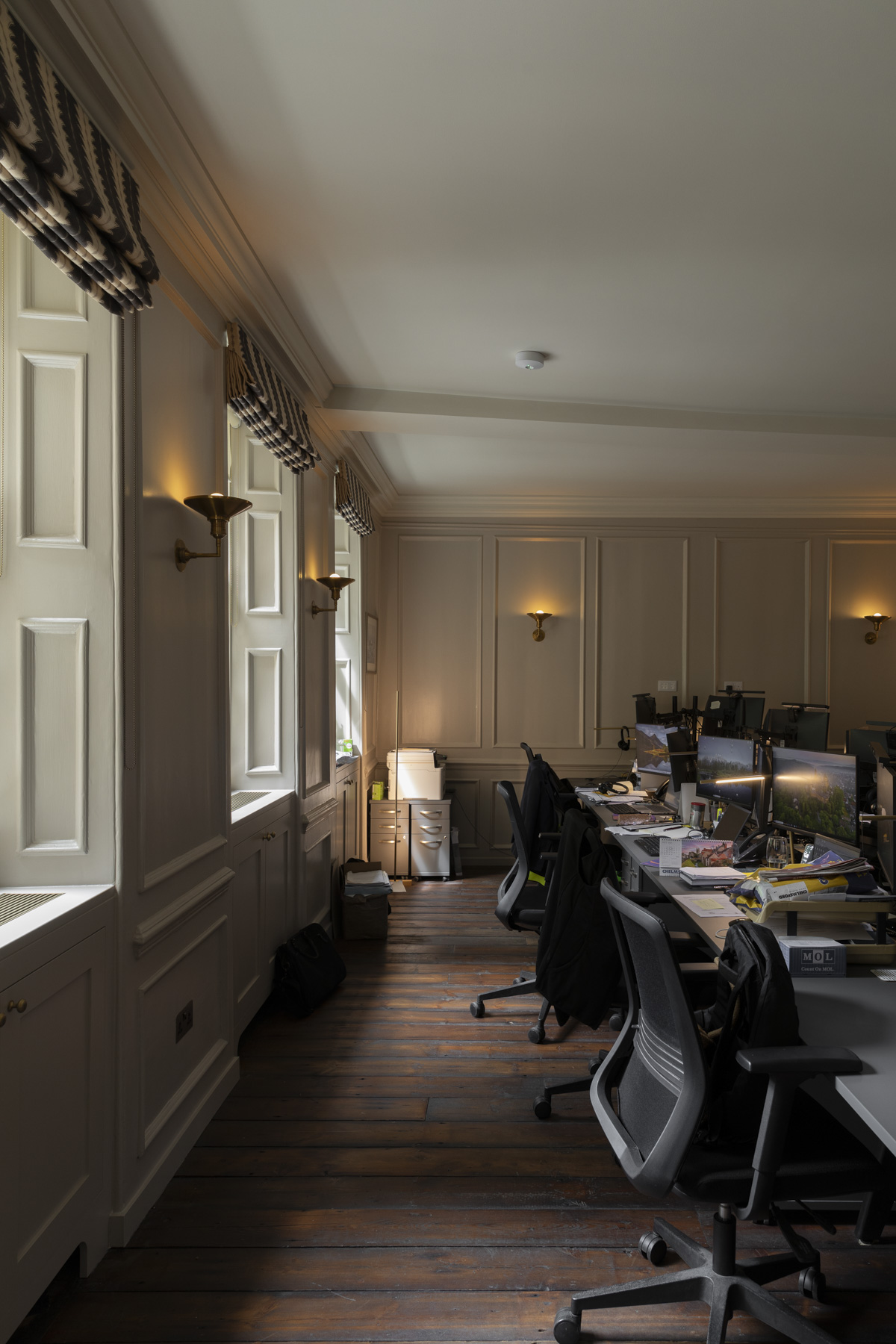
In plan, the layout has been amended to respond to the client’s working patterns. Large individual offices occupy the first and second floors, furnished with a mix of antique pieces and complemented by more flexible, open-plan workspaces. A new timber-and-glass partition allows daylight to pass between rooms while maintaining privacy, while at ground level, a generous kitchen with breakfast bar forms the main point of social interaction within the building, alongside a wood-panelled boardroom, anteroom and access to a rear courtyard garden.
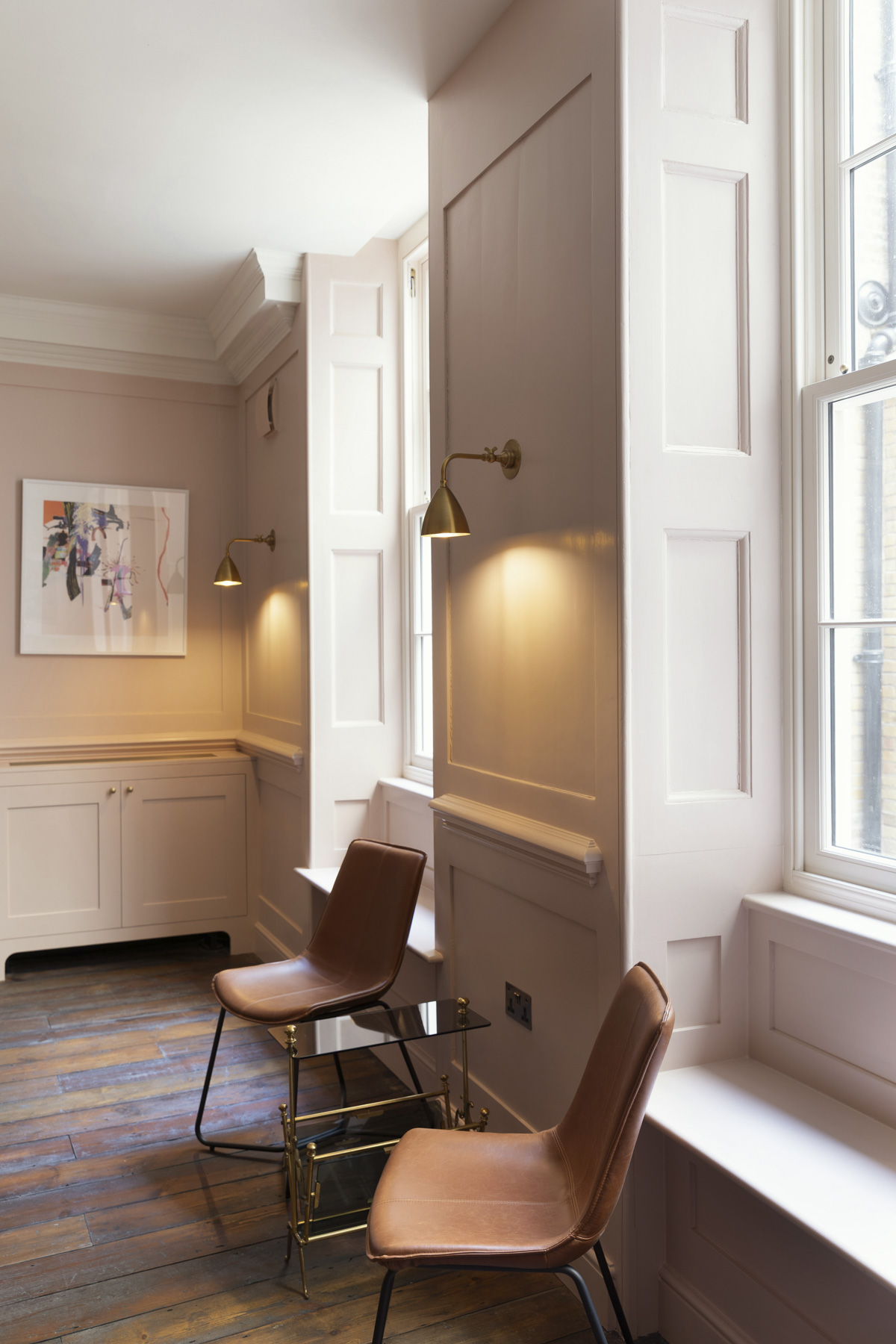
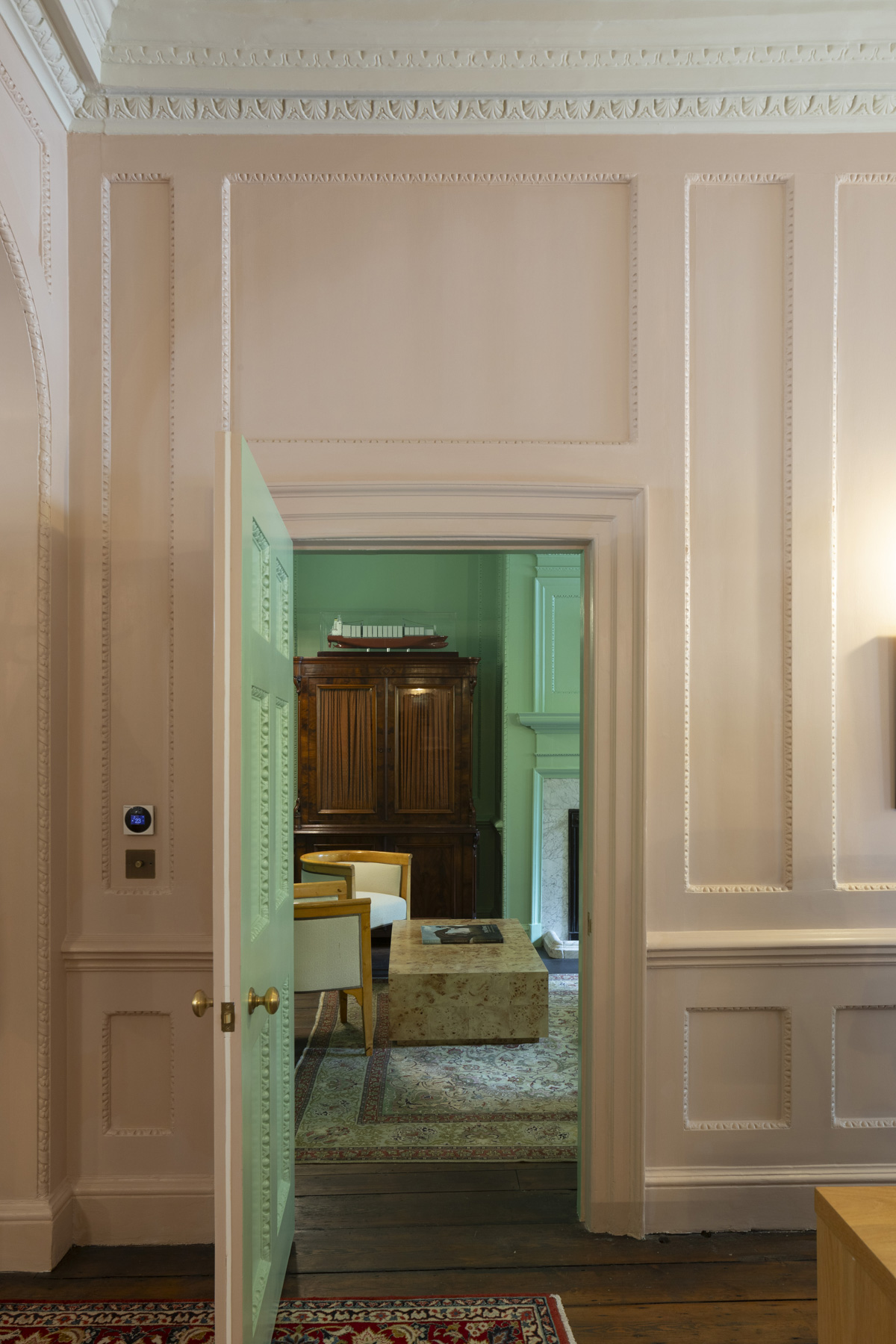
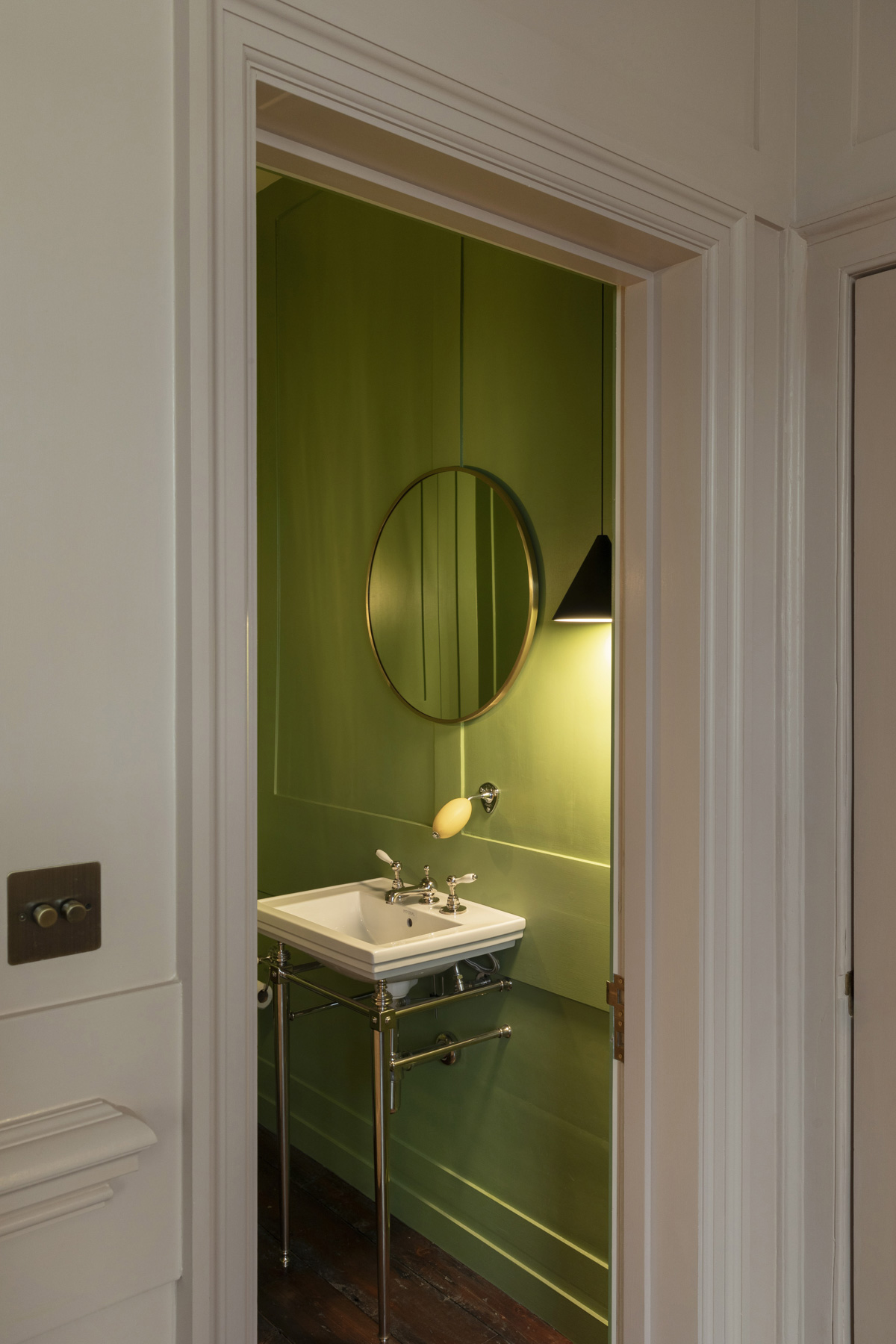
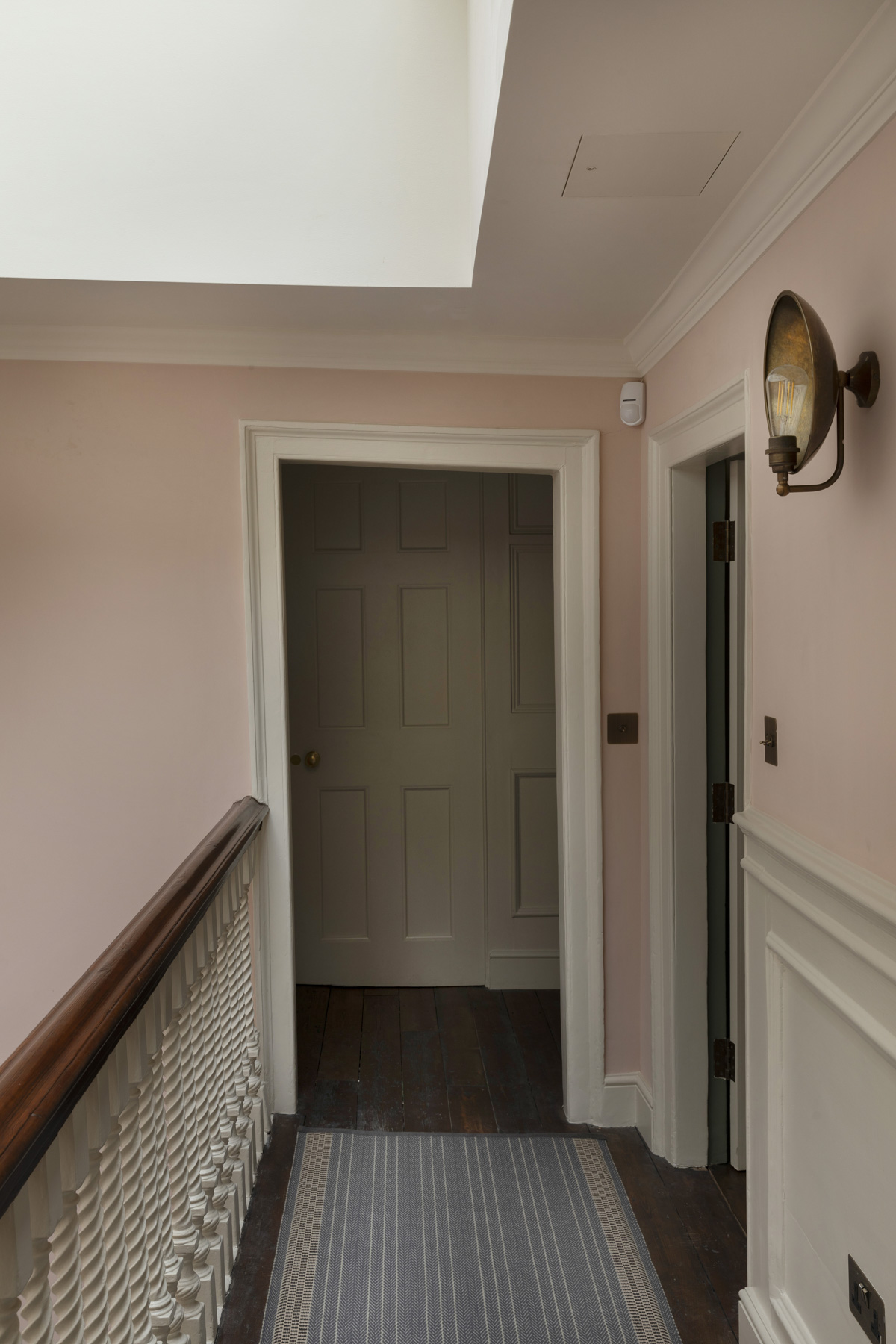
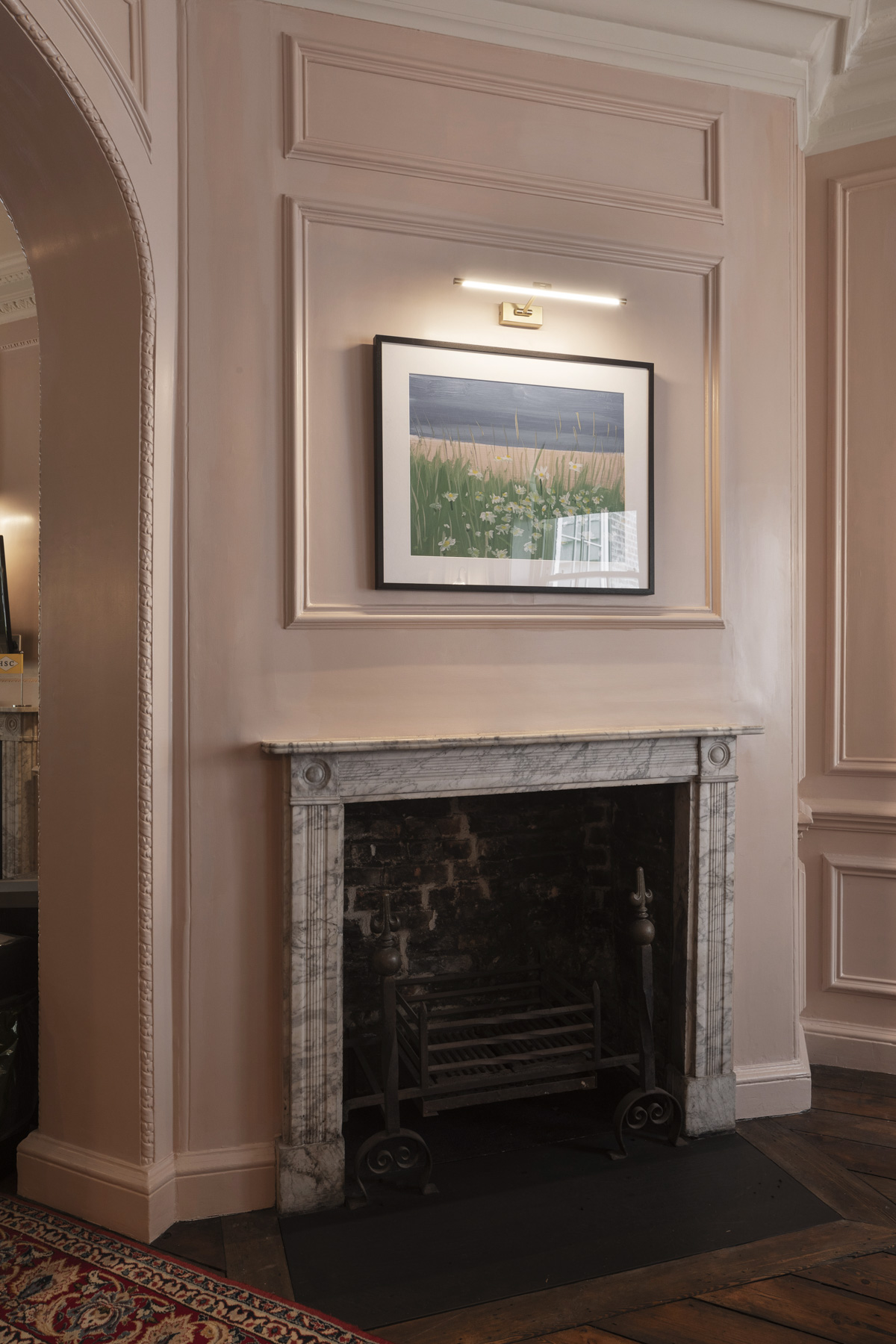
Artworks from the client’s collection have been displayed throughout, with original panelling being painted in tones that blend traditional Georgian hues with more contemporary shades, from sage greens to muted rose.
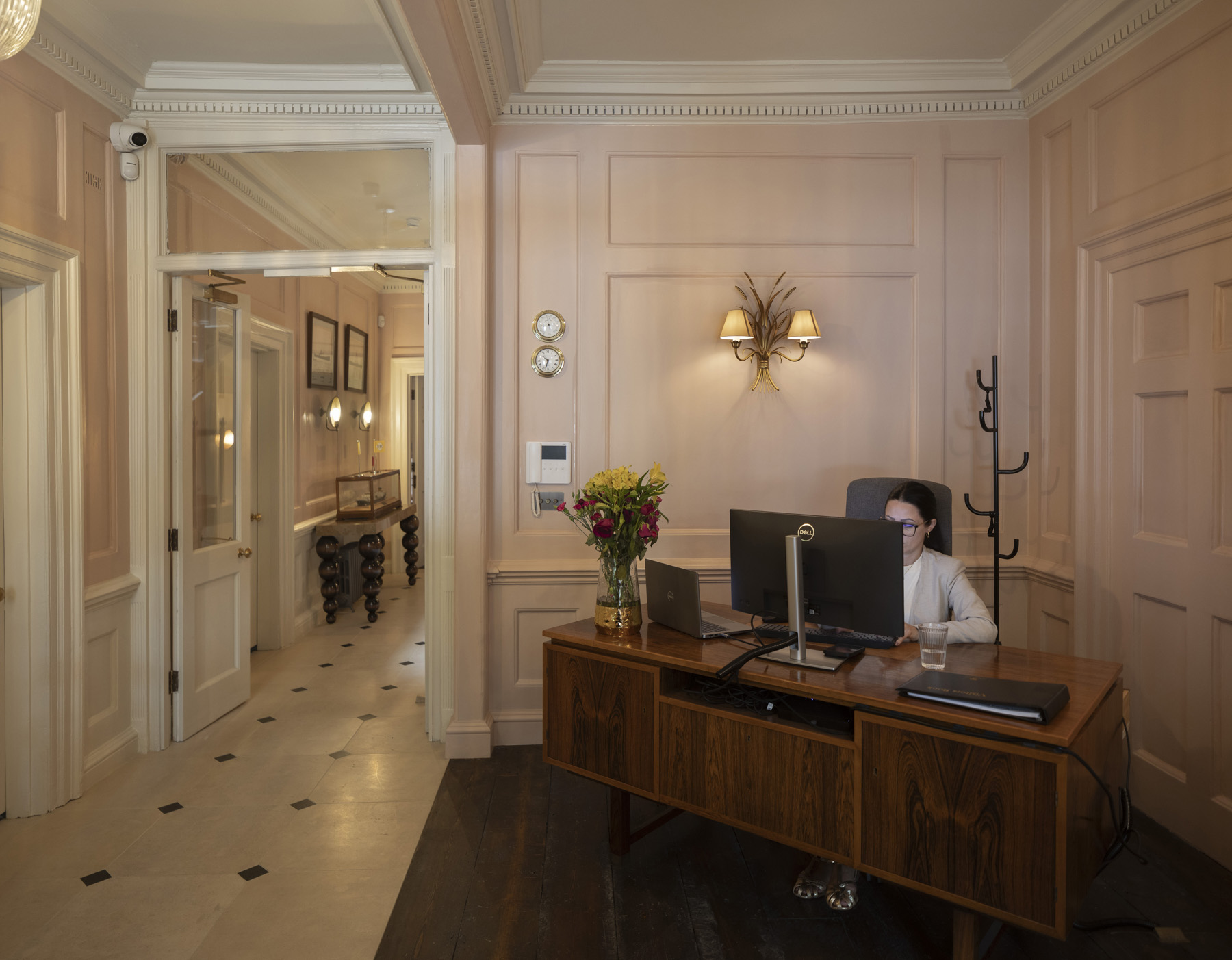
The reception space, with its vintage desk and fireplace, sets the tone as a light and welcoming threshold.
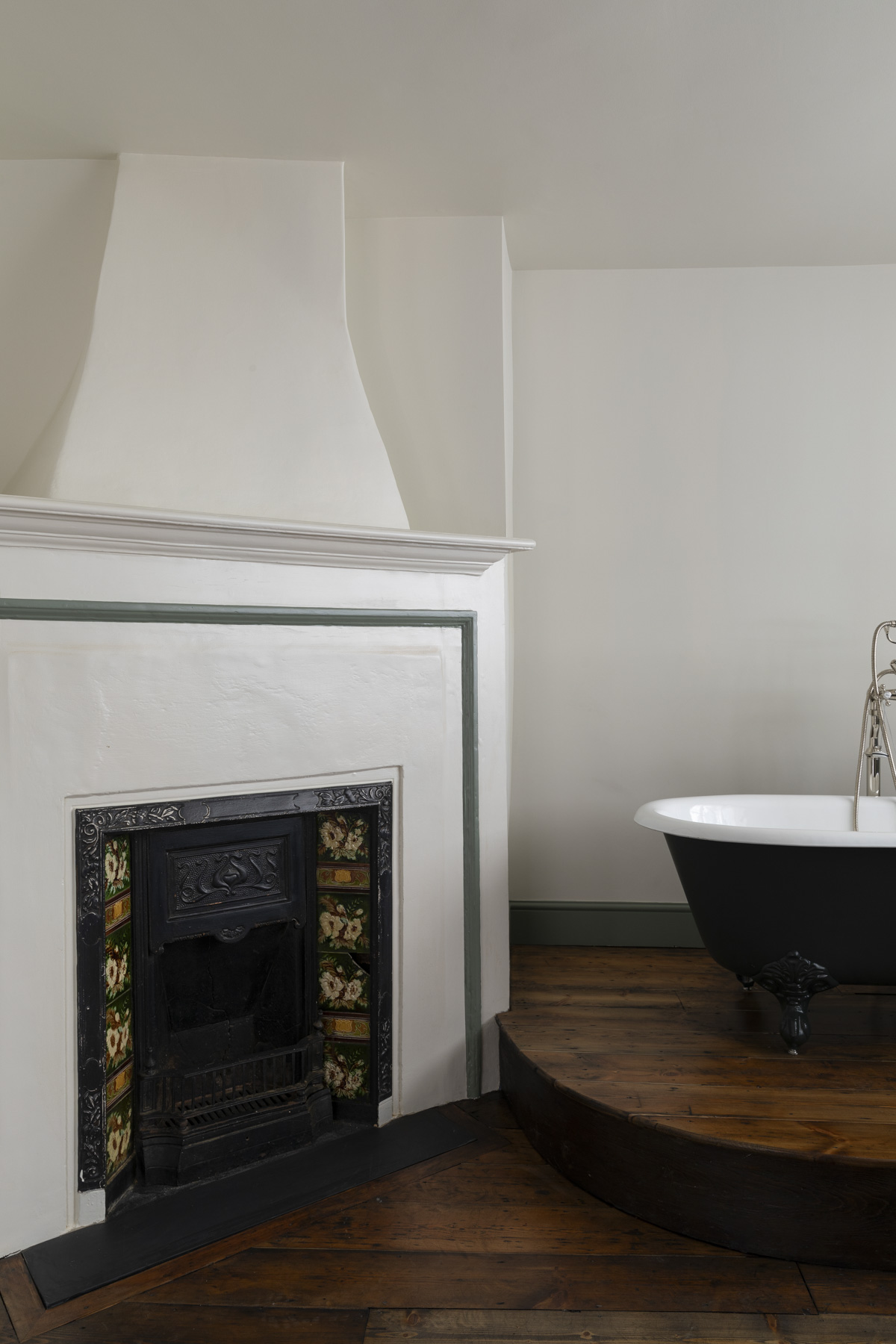
The upper floor provides residential-style accommodation, furnished with a combination of mid-century and antique pieces. Patterned wallpapers, restored floorboards and original tiles reinforce the domestic atmosphere, while antique rugs soften acoustics and lend a sense of lived-in comfort.
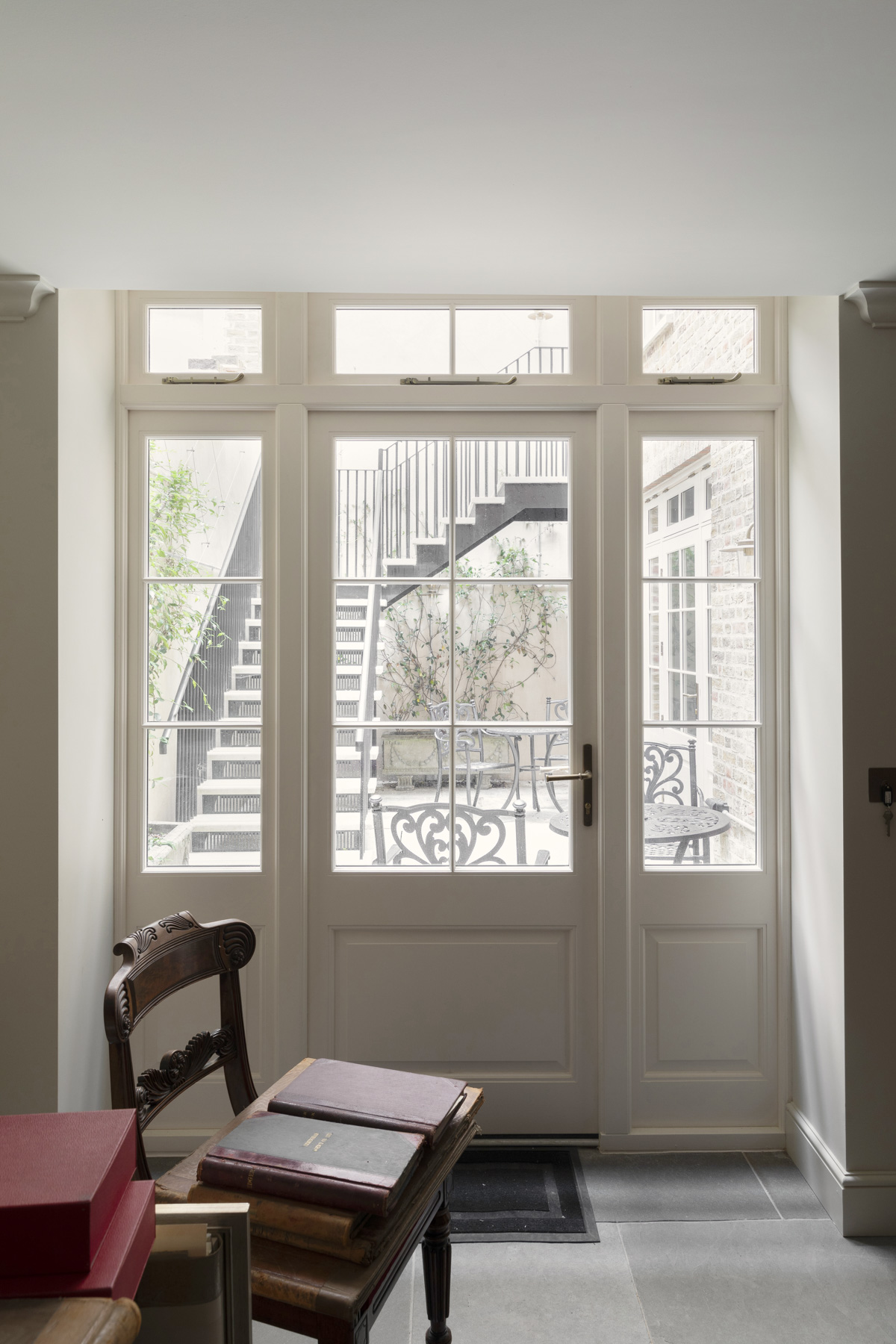
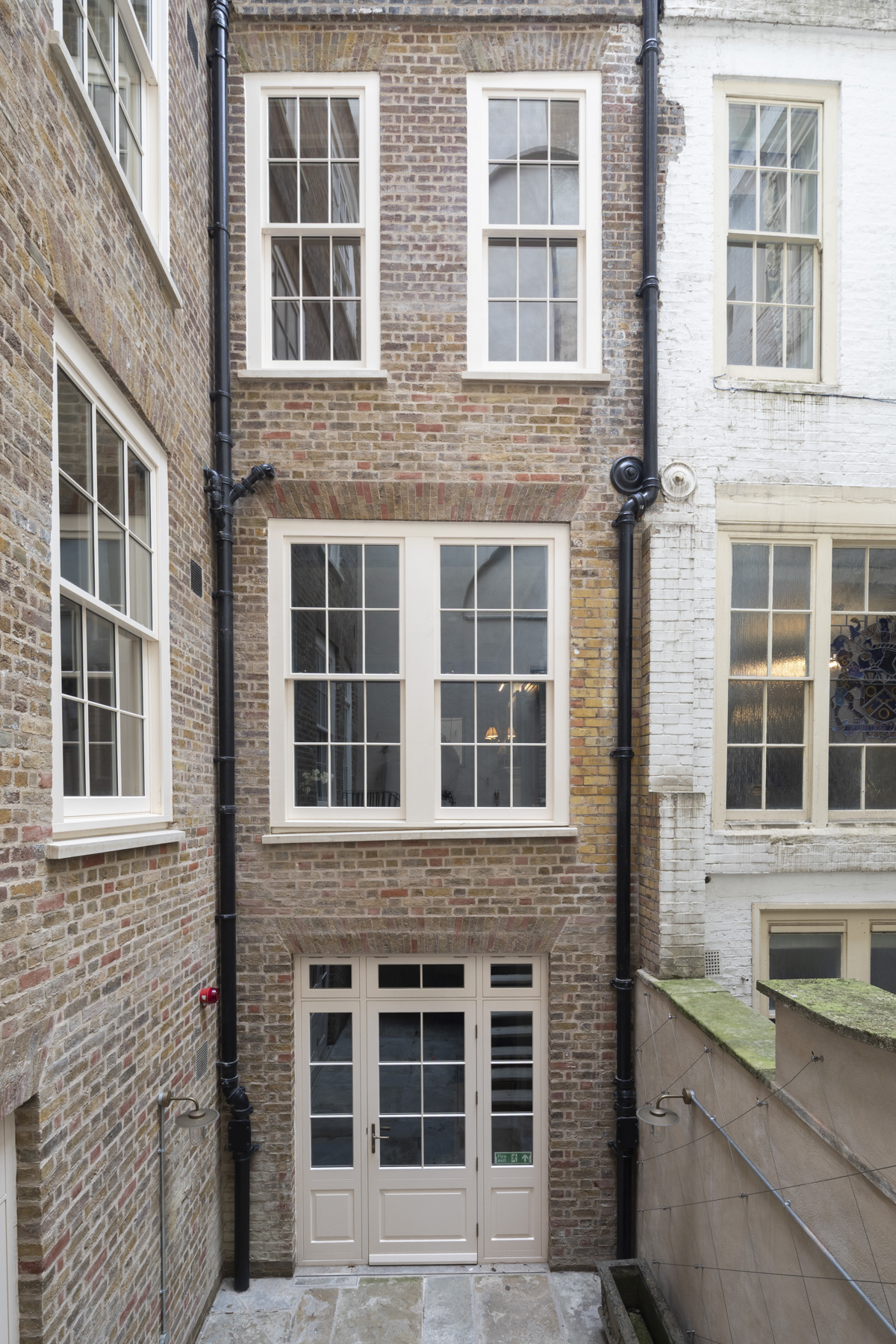
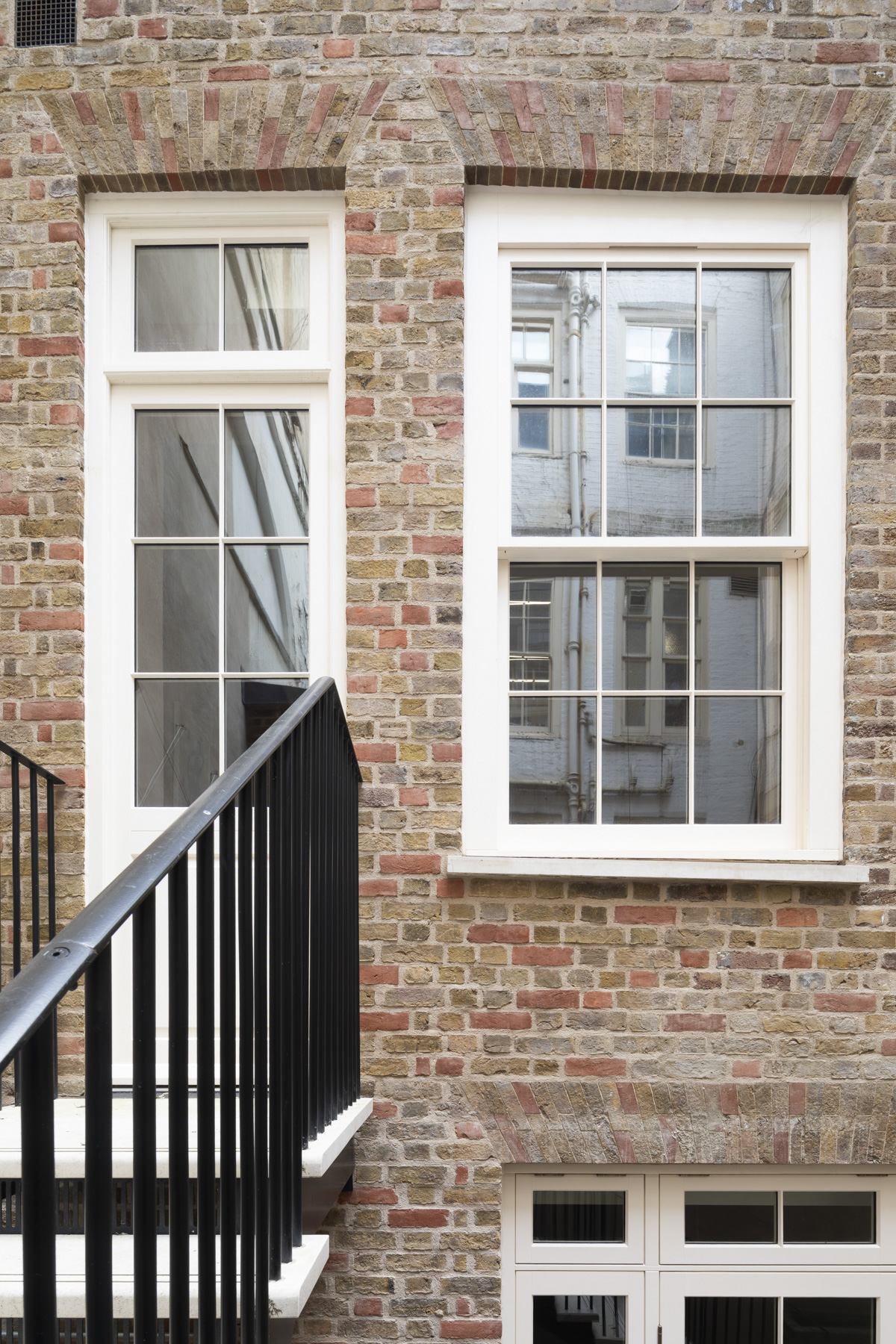
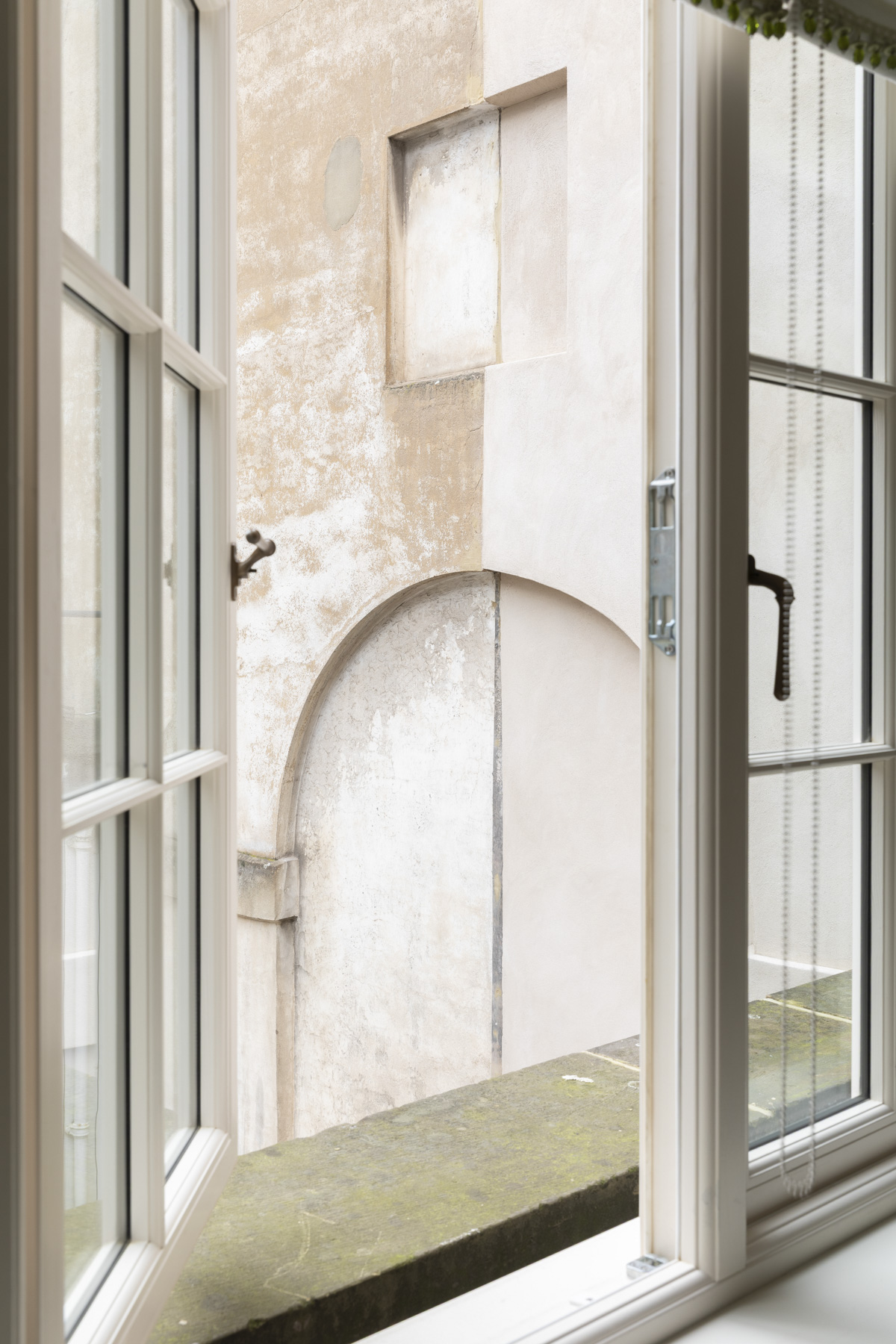
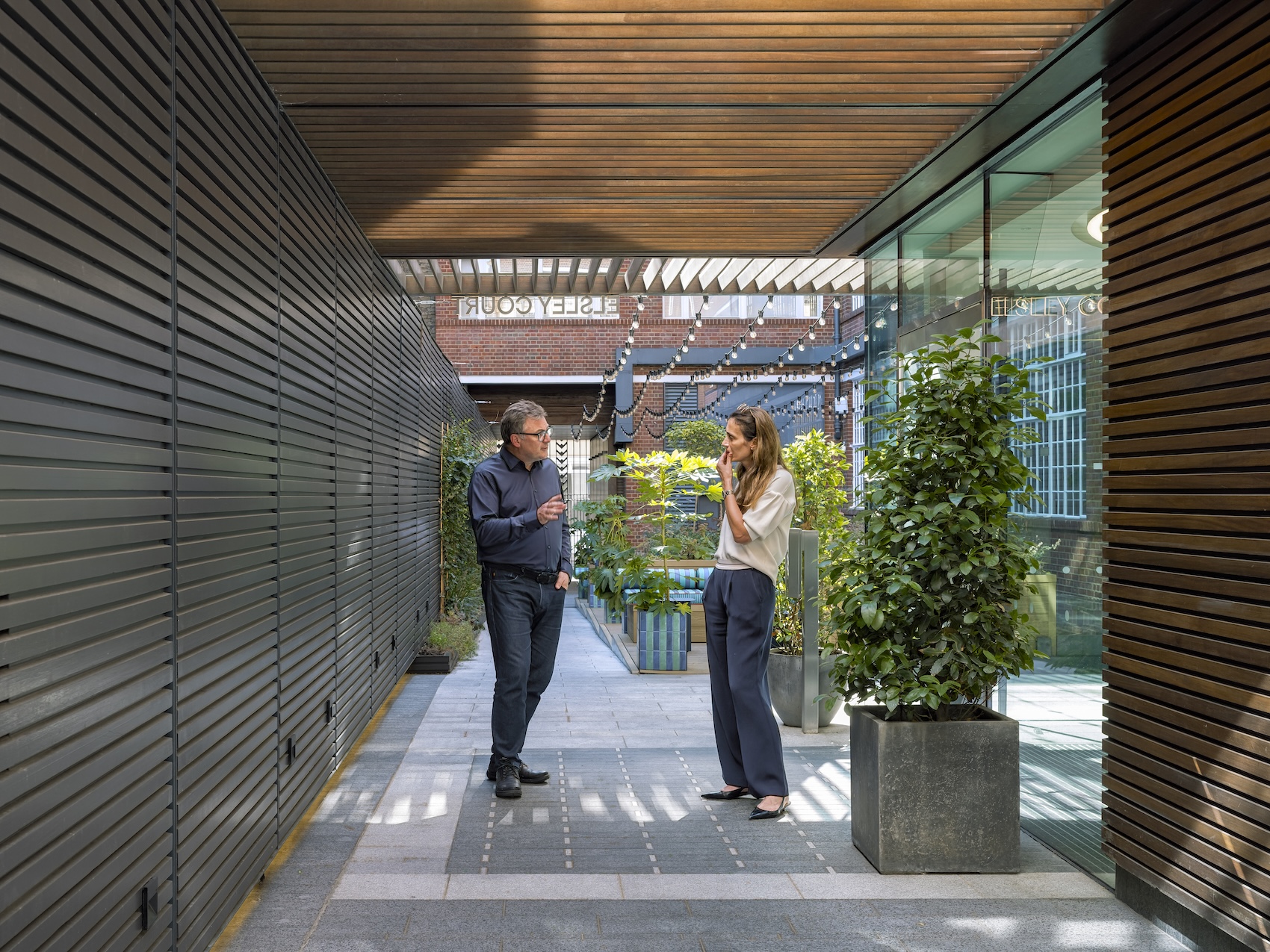
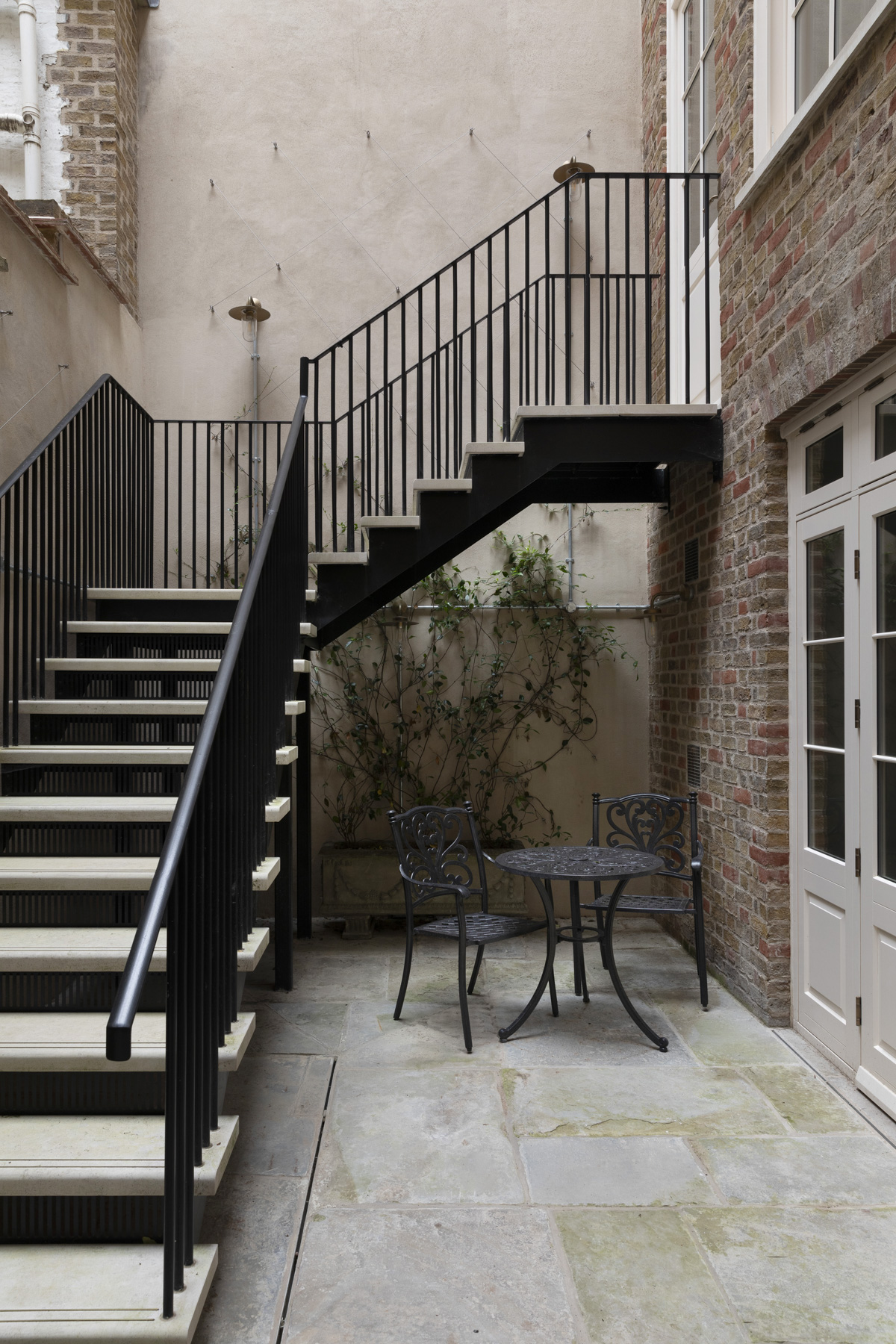
Externally, the project has re-established a relationship between the building and its rear courtyard. Later outbuildings have been removed and the façade repaired, with layers of paint stripped back to reveal London stock brick, allowing the walls to breathe. New planting has also been introduced to create a sociable outdoor space for the lower ground-floor offices, directly accessible from the kitchen.
“The most desirable City office today isn’t necessarily the corner of the top of a tower,” added Dyson. “It can be something more unique – an off-site private office or an elegant base behind a discreet heritage façade. We’re seeing a welcome trend for creative reuse that celebrates being part of the Square Mile’s history, in comfortable spaces with that deep sense of place. For our team, this was a great project – a chance to combine our experience in residential, hospitality and commercial sectors to create, from heritage, something new and refined.”
Credits
Architect
Chris Dyson Architects
Contractor
Cord Construction
Structural engineer
Foster Structures
MEP engineer
EM Tecnica
Fire safety
CWB Fire Safety
Cost consultants and contract administrators
PT Projects
Heritage consultant
The Heritage Practice
Building control
London Building Control
CDM
Andrew Goddard Associates
Party wall
Danielle Brookes Associates
Additional images