Purcell discusses the challenges involved in maintaining and adapting our built heritage to meet the needs of today whilst planning for a more resilient tomorrow.
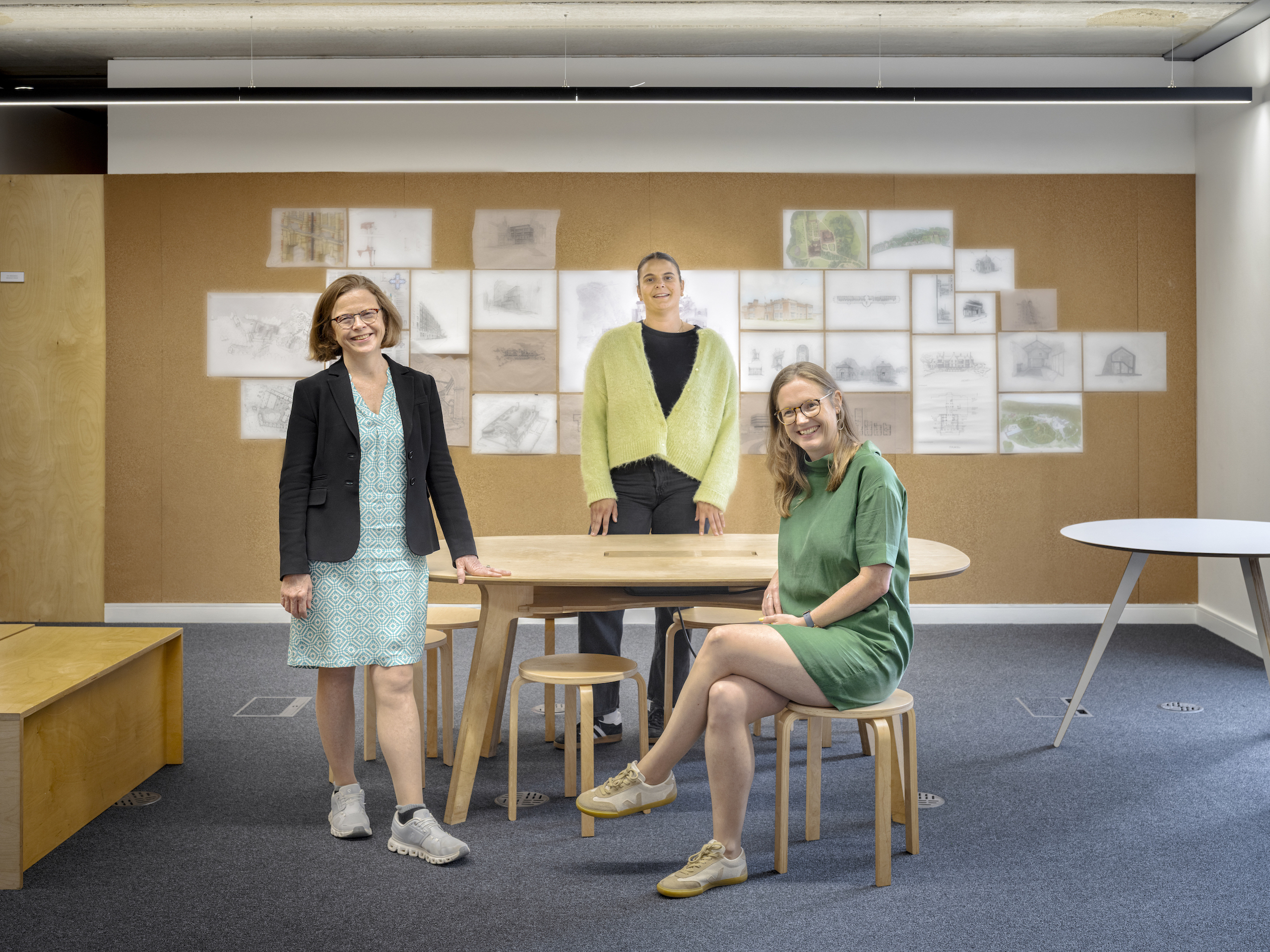
Members of the Purcell team photographed at their studio in Bermondsey, south east London. From left to right: Ruth Atkinson, Evie Kyprianou and Laura Baron.
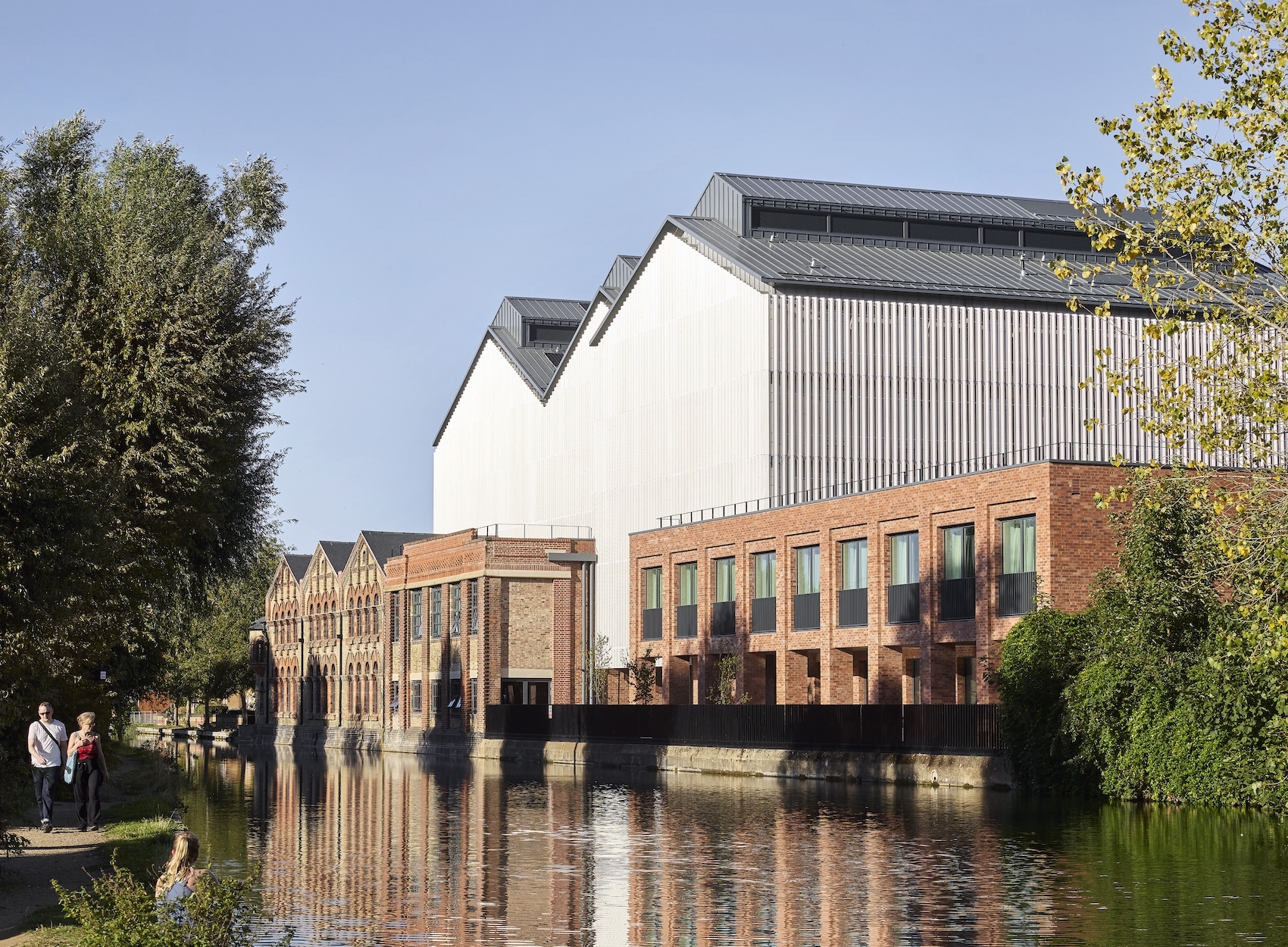
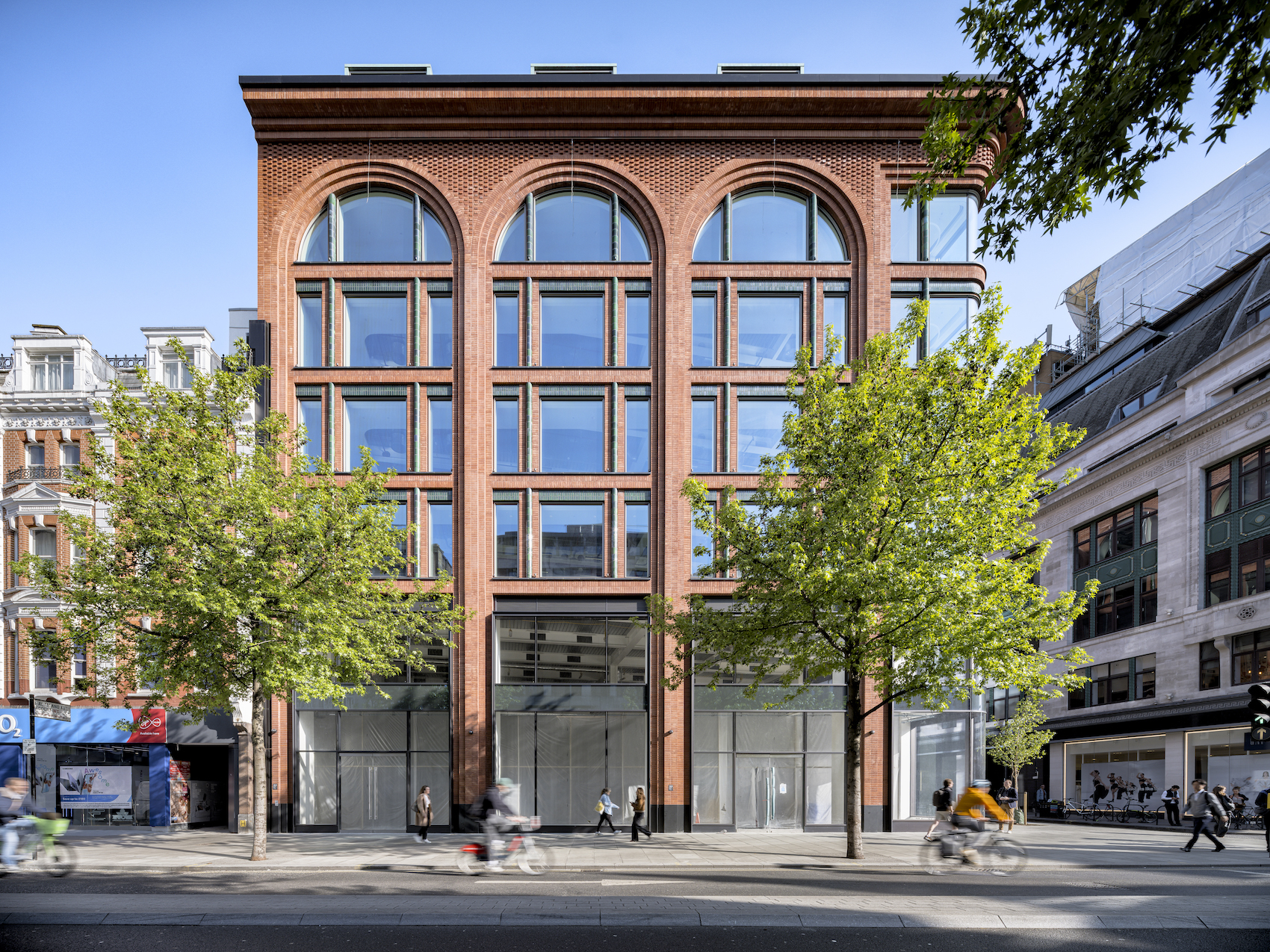
Purcell was founded 75 years ago on an instinct to save heritage buildings before they were lost in the post-war rush to rebuild Britain. Today we represent a collective of heritage and conservation specialists seeking to safeguard our inherited world for future generations. We see ourselves as creative custodians, caring for and maintaining our built heritage, sensitively adapting it to meet the needs of today whilst planning for a more resilient tomorrow.
We are privileged to work with many forward thinking clients in the public, educational and cultural sectors. However, in this current economic climate, short-term thinking around capital expenditure is consistently undermining efforts to discuss and promote regenerative design on our projects. The cost of implementing many of the initiatives we would like to extend or offer more widely (for example, delivering social value or integrating biophilia within workplaces) are often sacrificed owing to tight local budgets and pressure on fees and resourcing.
Architects are facing increasing challenges in regard to building safety, stricter/more competitive fees, and the expectation to deliver over and above social and added value. These constraints are often a barrier to climate and nature positive practices.
Providing sustainable legacies means meeting the objectives of those who will use buildings after we hand them over. We are increasingly discovering correlations between meaningful participation and successful legacies. All our projects are potentially timeless and we think of design life in terms of hundreds of years rather than decades, because that is the context within which we work. Our multi-disciplined team of architects, heritage consultants, surveyors and sustainability specialists provide a holistic approach which balances building performance, heritage significance, and contextual understanding, to ensure the building’s long-term future.
Last year, we submitted a formal proposal to put nature on our Board of Trustees. Although the existing Trustees felt it was not the right time, they recognised the need for this clearly to be taken into decision making. As a result, we have started a programme of sending Board members on the UKGBC Recalibrate Programme aimed at advocating regenerative decision making at board level.
Purcell
SE1 3UN