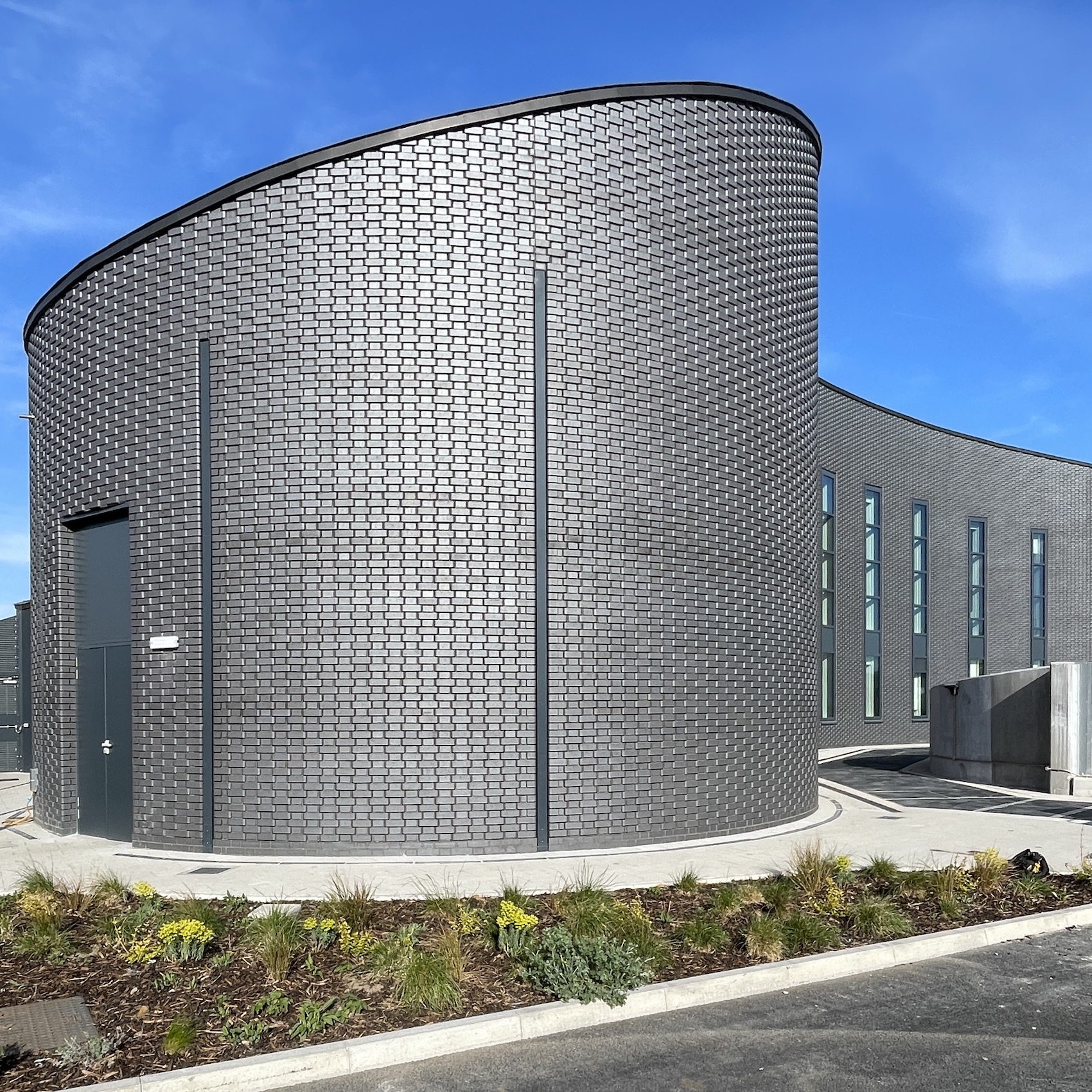
Silvertown Tunnel Greenwich Portal (photo: Alex de Rijke dRMM Architects).
The Silvertown Tunnel Portal Buildings by dRMM Architects are widely considered a masterpiece of contemporary infrastructure design.
This civic landmark was named ‘Supreme Winner’ in the Brick Development Association’s 2025 Brick Awards, its highest distinction, which is reserved for work that represents the ‘pinnacle of design, craft, and execution’.
Category wins for Craftsmanship and Contractor’s Choice also recognised the technical skills and meticulous execution demonstrated.
Central to this achievement was the innovative use of Ketley’s Class A Staffordshire Blue brick, whose semi-industrial character and sleek sculptural aesthetic give the portal buildings a strong architectural presence within their urban environment.
A cohesive design united through brick
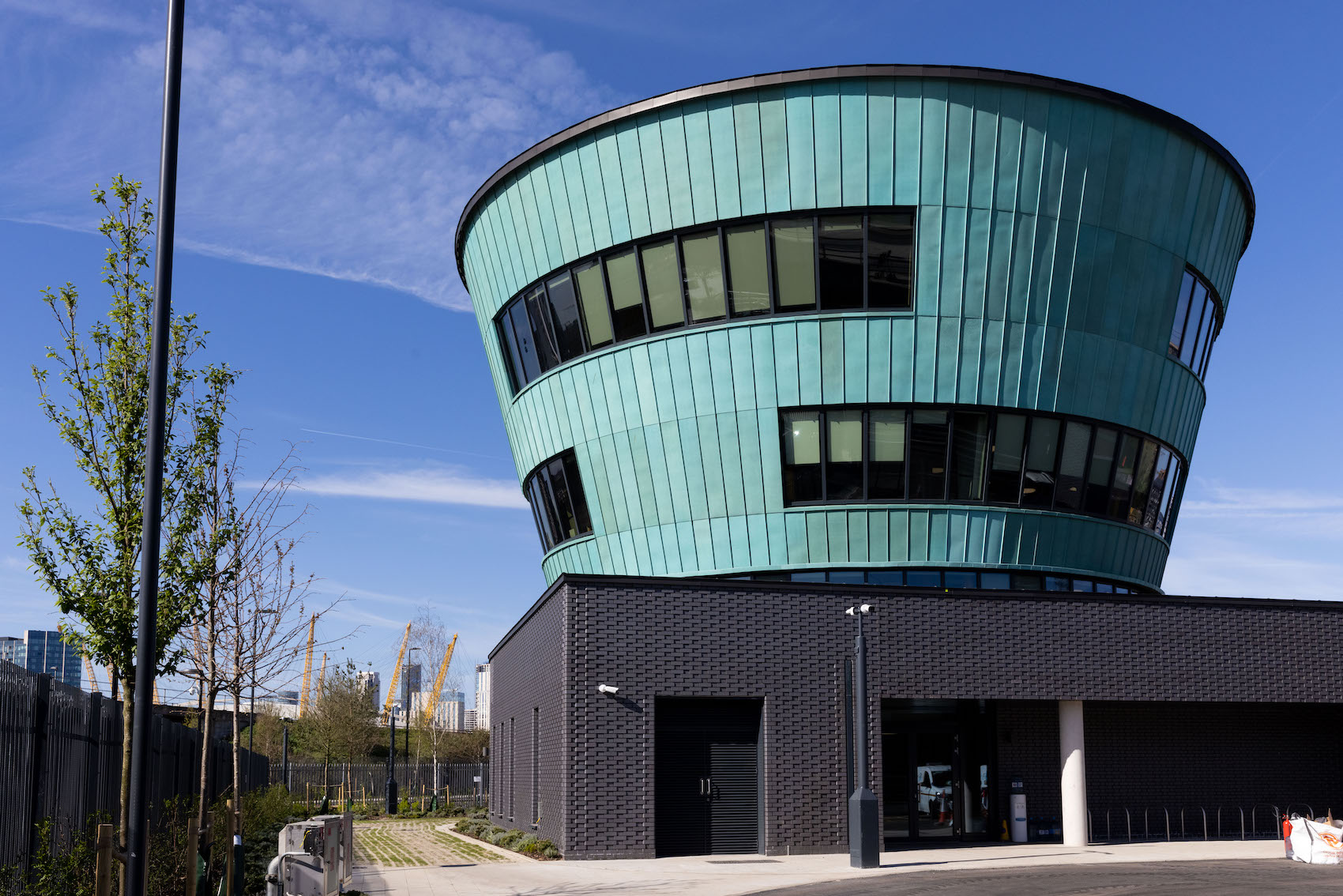
Northern Silvertown Portal (photo: Luca Marino dRMM Architects).
Running beneath the River Thames in East London, the new 1.4km road tunnel connects Silvertown (London Borough of Newham) with the Greenwich Peninsula (Royal Borough of Greenwich).
It was delivered through RiverlinxCJV, a public-private partnership (PPP) between Transport for London (TfL) and the RiverLinx consortium.
dRMM Architects’ vision was to create two distinct yet complementary brick structures or ‘beacons’ at both ends of the tunnel, with a sense of shared identity.
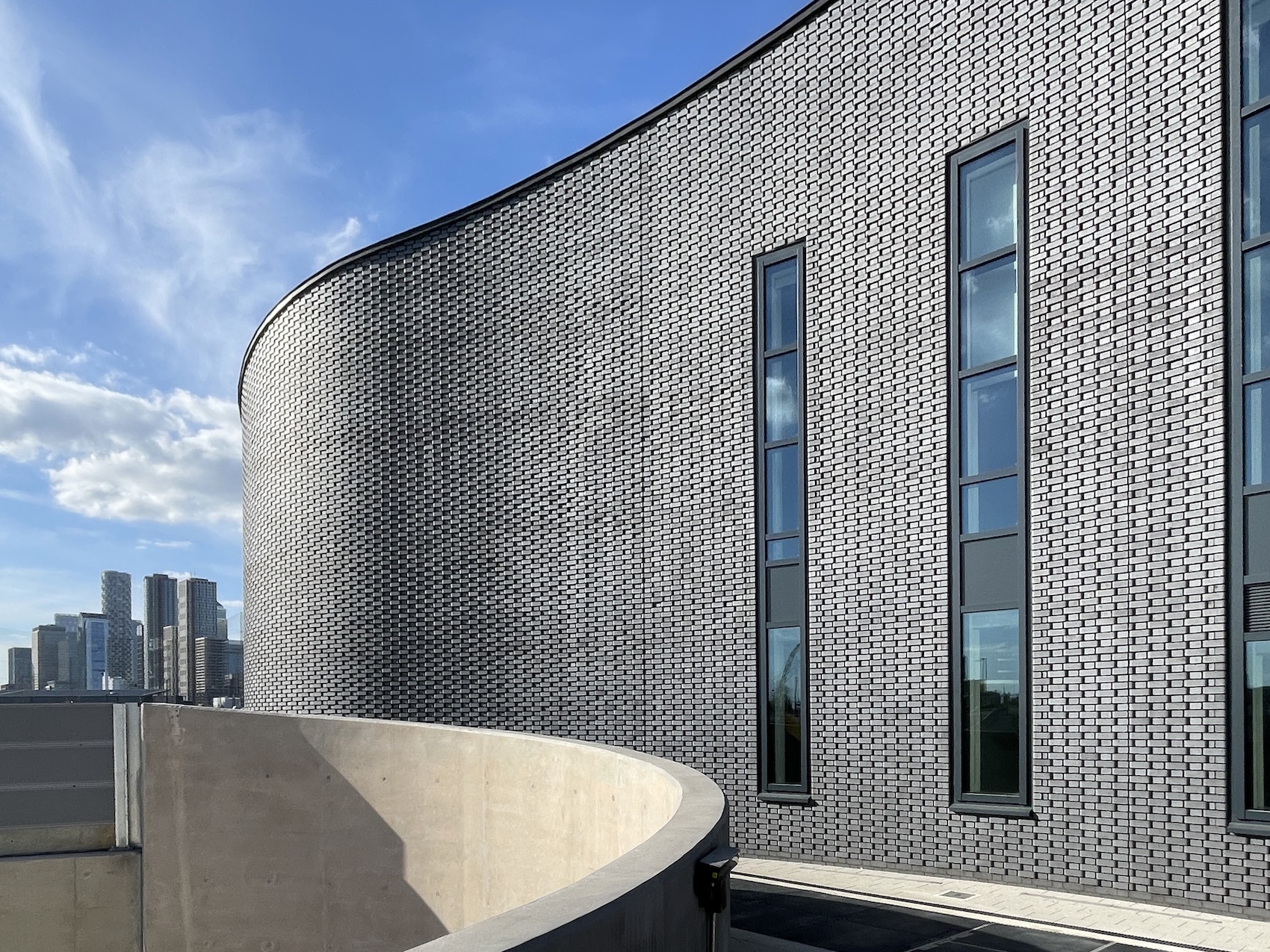
Greenwich Portal above the tunnel entrance (photo: Alex de Rijke dRMM Architects).
A strong visual link between the two portal buildings was established using Ketley’s Staffordshire Blue engineering bricks, whose robust materiality and refined blue-grey, metallic sheen created a unified monolithic language.
These Class A engineering bricks were laid in a Flemish bond with recessed headers, which creates a woven chain-link effect that flows across each building.
At the northern Silvertown portal, which supports a copper conical structure, Ketley’s perforated brick stretchers were used in the Flemish bond, with the recessed headers creating deep shadows that emphasise the woven texture.
The same articulated brickwork pattern continues on the southern Greenwich Portal, where double bullnose stretchers (with two rounded edges) soften the appearance of the masonry, allowing the pattern to follow the curvature of the façade.
Outstanding craftsmanship, meticulous detailing
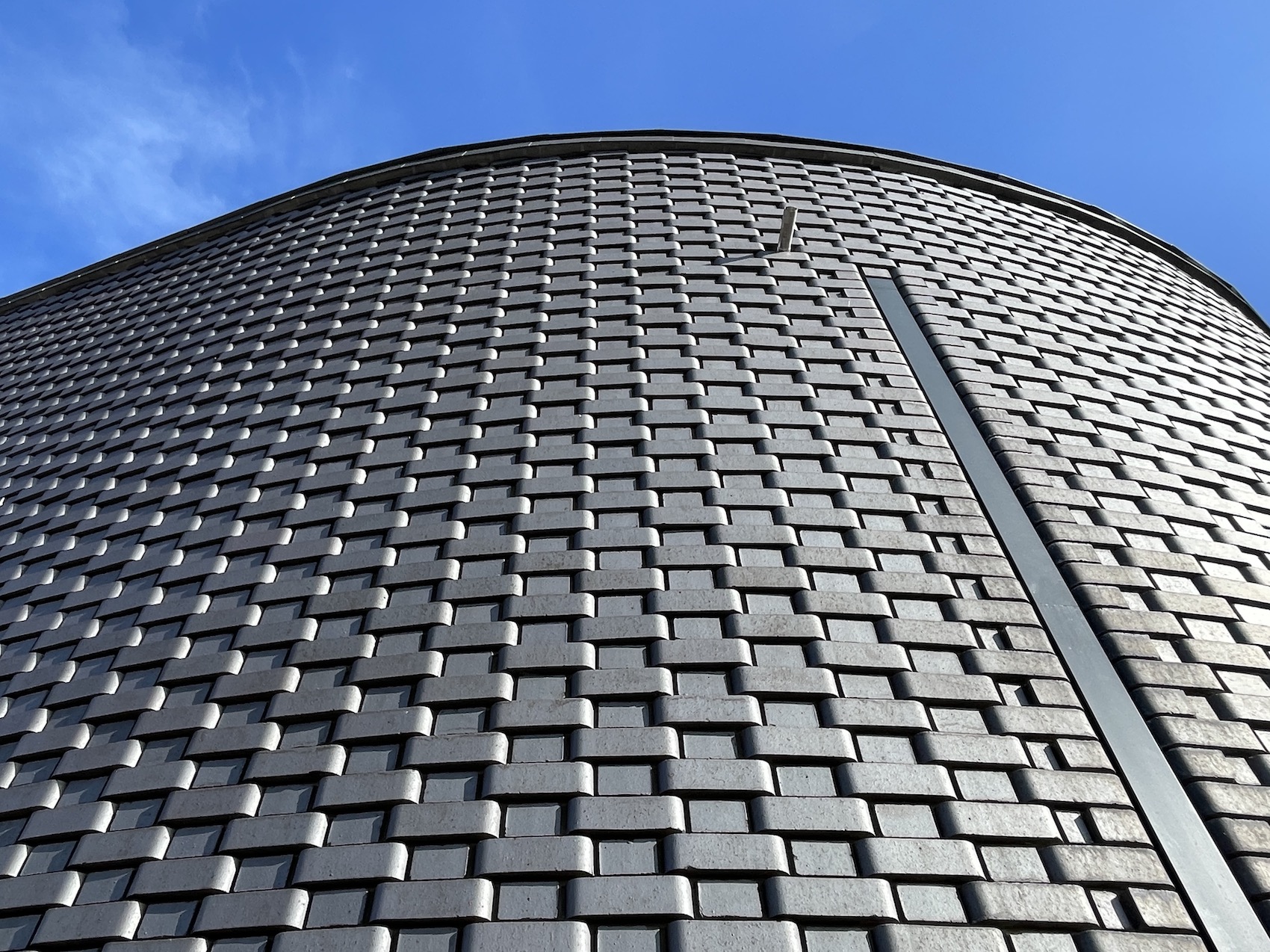
Greenwich Portal articulated double bullnose brick detail creating a chainlink effect (photo: Alex de Rijke dRMM Architects).
AVV Solutions demonstrated exceptional bricklaying skills, as the precise brick arrangement left little margin for error.
The complex, undulating ‘sculptured’ shape of the Greenwich portal was particularly challenging to maintain the bond pattern. If a single brick drifted even a few millimetres, the “chain” would appear broken or crooked.
To ensure every “link” was perfectly aligned vertically across dozens of courses, the bricklayers used traditional plumb lines and specialised templates to maintain the precise geometry.
The sharp edges of the hard engineering bricks emphasise the extreme precision of the laying pattern. CPI’s EuroMix Black Dark Mortar adds further definition to the recessed mortar joints, so that when viewed from afar, it has a consistent monolithic appearance.
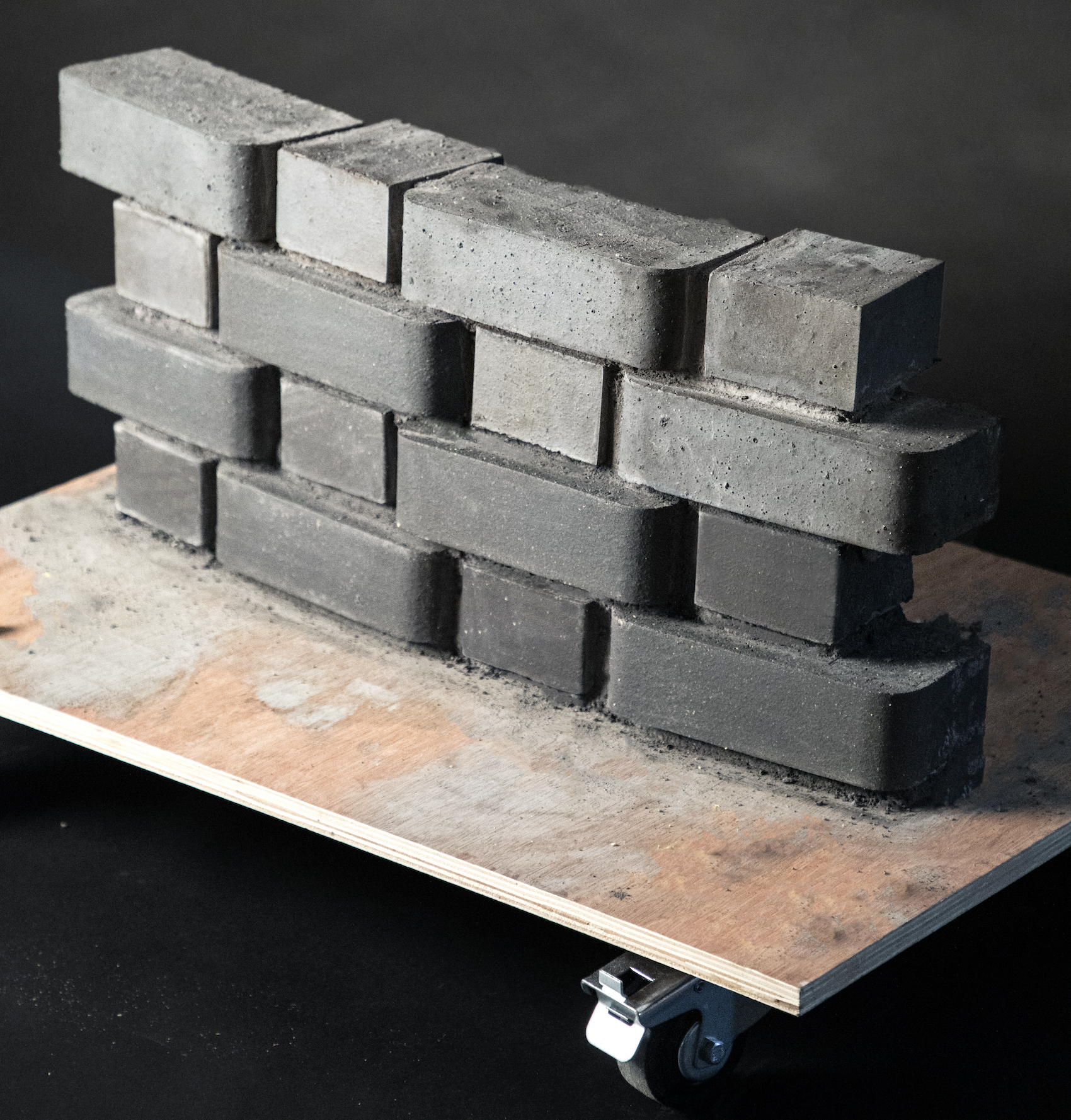
Silvertown Tunnel Facade Mock Up (photo: dRMM Architects).
The enormous scale of the job required a total of 66,400 Double Bullnose engineering bricks and 126,000 standard perforated bricks across the two portals – all laid with exceptional precision.
Each bricklayer laid between 325 and 375 bricks daily, so that the 34-week programme allocated for the masonry work was finished four months early and within budget.
Material Suitability of Engineering Brick
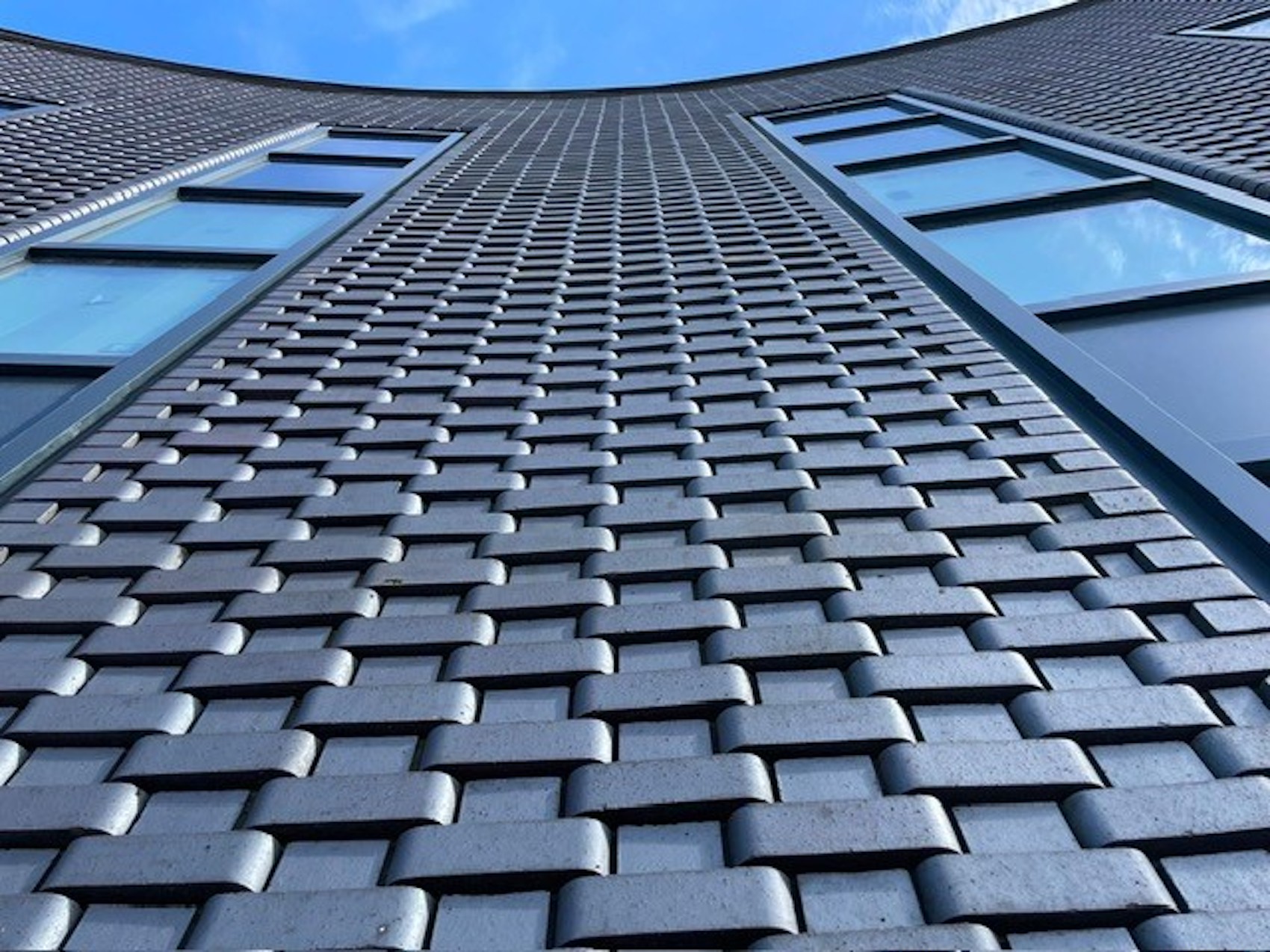
Greenwich Portal Silvertown Tunnel (photo: RiverlinxCJV).
As the portal buildings are expected to last centuries, the facade materials were carefully chosen for their exceptional strength and durability.
Ketley’s Class A engineering bricks, recognised as the highest-performing bricks available, were key to the success of the project and essential to the longevity of the chain-link pattern.
Whereas any rainwater that settles on exposed stretchers can cause standard clay bricks to freeze, crack, or spall in winter, Ketley’s engineering bricks can endure extreme freeze thaw conditions within textured facades.
Made from dense Etruria marl clay, they have a compressive strength exceeding 125N/mm² and a water absorption rate less than 4.5%.
In addition, the fact that Ketley is the only manufacturer to have independently tested its F2-rated bricks for freeze-thaw performance within projecting brickwork was a critical factor in the material choice.
Transformative use of engineering brick
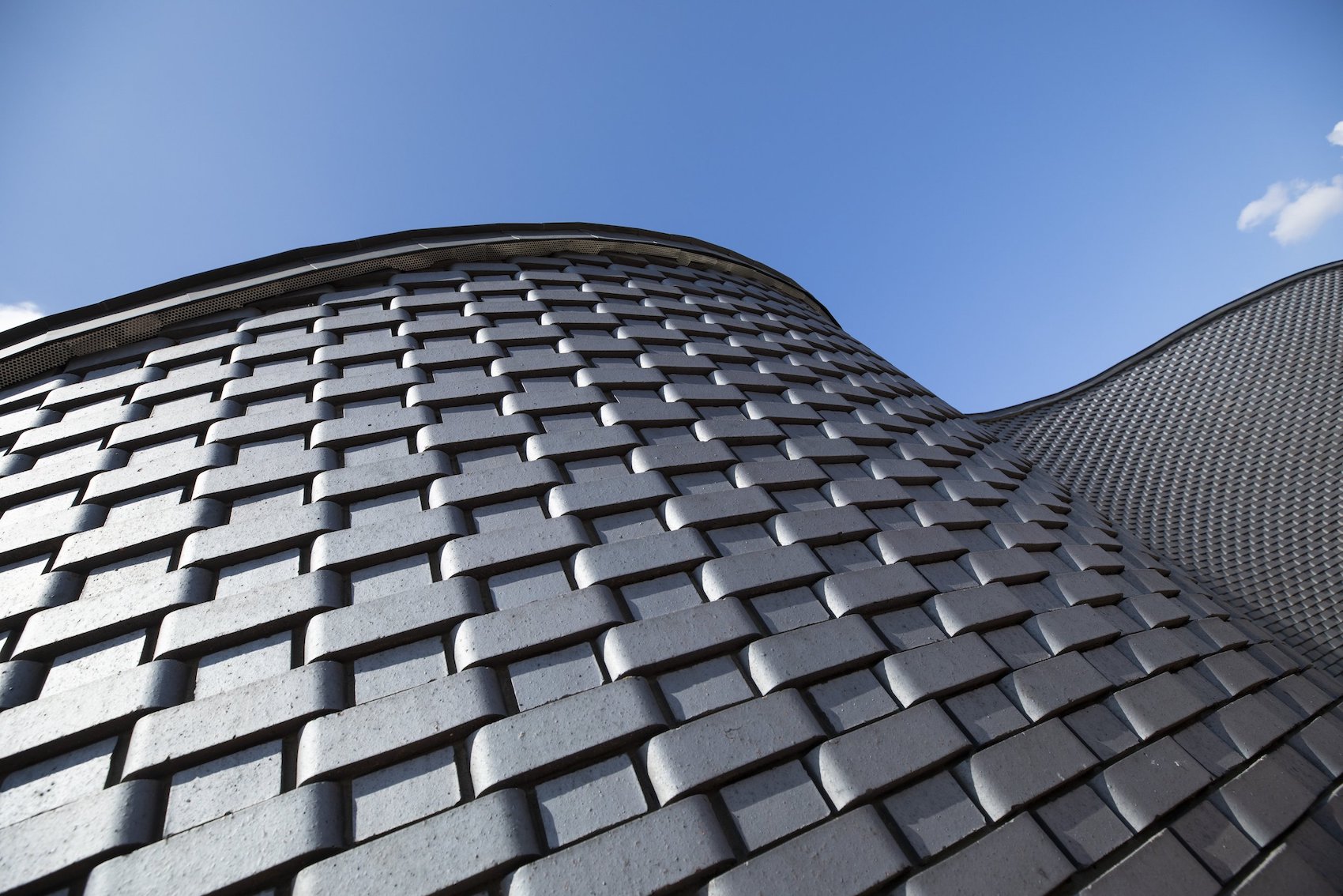
Greenwich Portal (photo: RiverlinxCJV).
The Silvertown Tunnel Portal Buildings are not only a highly significant civic infrastructure project, but a celebration of masonry and a masterclass in the transformative use of Ketley’s high-quality engineering brick.
dRMM Architects’ pioneering design has shown that what was once considered a utilitarian product of the Industrial Revolution is now one of the most modern, versatile and exciting architectural materials.
For more information about Ketley’s range of class A engineering bricks, call 01384 78361. Email: sales@ketley-brick.co.uk, visit the Ketley Brick website: www.ketley-brick.co.uk