Watch the AT webinar, in partnership with Selectaglaze and Velux, exploring how architects, clients, and conservation specialists are improving the performance of historic buildings while safeguarding their heritage value.
Historic buildings were not designed for contemporary standards of thermal comfort, operational efficiency or regulatory compliance. Yet they represent a significant proportion of the UK’s built environment, and an irreplaceable cultural and material resource. For owners, architects and consultants, the challenge is rarely whether to intervene, but how. So what practices and technologies can be implemented to improve building performance without damaging or eroding the heritage asset? How do we reconcile conservation principles with energy targets? And what are the best ways of managing risk, compliance and long-term stewardship in complex, protected contexts?
These questions and more were explored in this AT webinar, supported by Selectaglaze and Velux. Chaired by Architecture Today Editor Isabel Allen, the event included presentations by Aimée Felton, Director of Estates and Conservation at The Charterhouse; Colin Bignell, Technical Sales Director at Selectaglaze; Rebecca Campbell, Partner at Studio PDP; Richard Williams, Senior Architectural Development Manager at Velux; and Matthew Wittrick, Associate at Purcell.
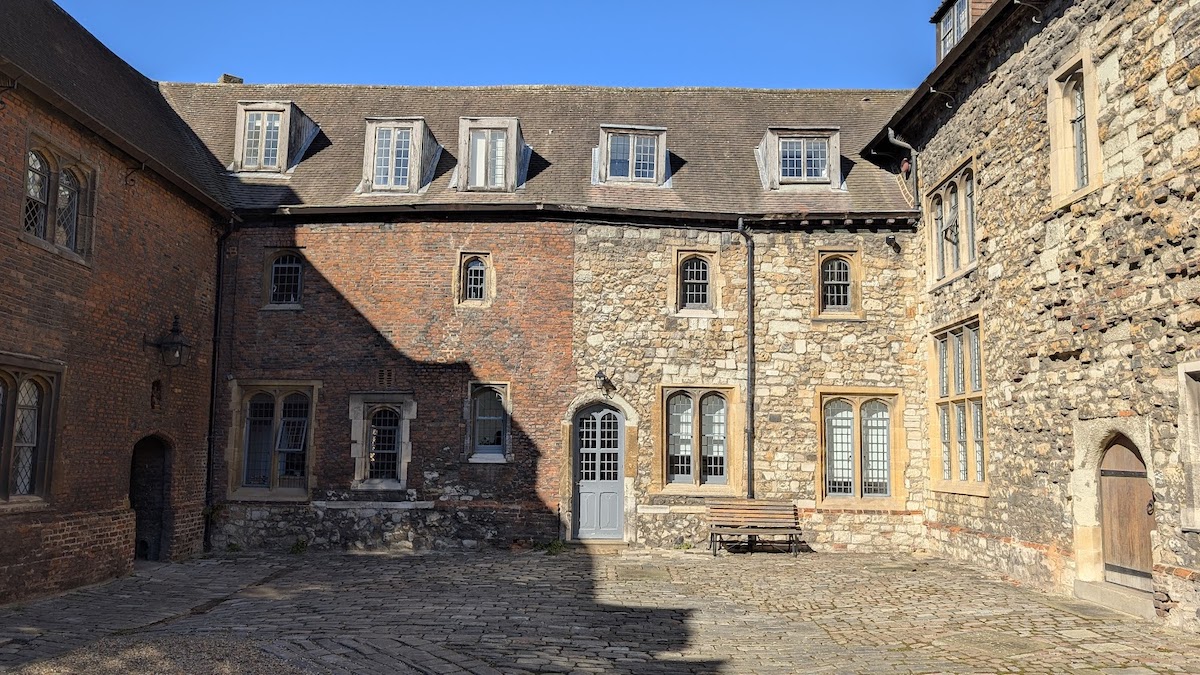
Once integral to the monastic life of the Charterhouse, Washhouse Court, now sits at the centre of a major capital project to grow the resident community, enhance the historic fabric, and improve the internal living environment with a strong focus on sustainability (photo: The Charterhouse).
Aimée Felton opened the session with a client-side perspective rooted in the realities of managing a complex, living heritage estate. Speaking from The Charterhouse in London, a 3.6 hectare, predominantly Grade I-listed site in continuous occupation for more than 700 years, she challenged conventional sustainability metrics. “We’re not driven by BREEAM or EPCs,” she explained. “What we care about fundamentally is the human experience.”
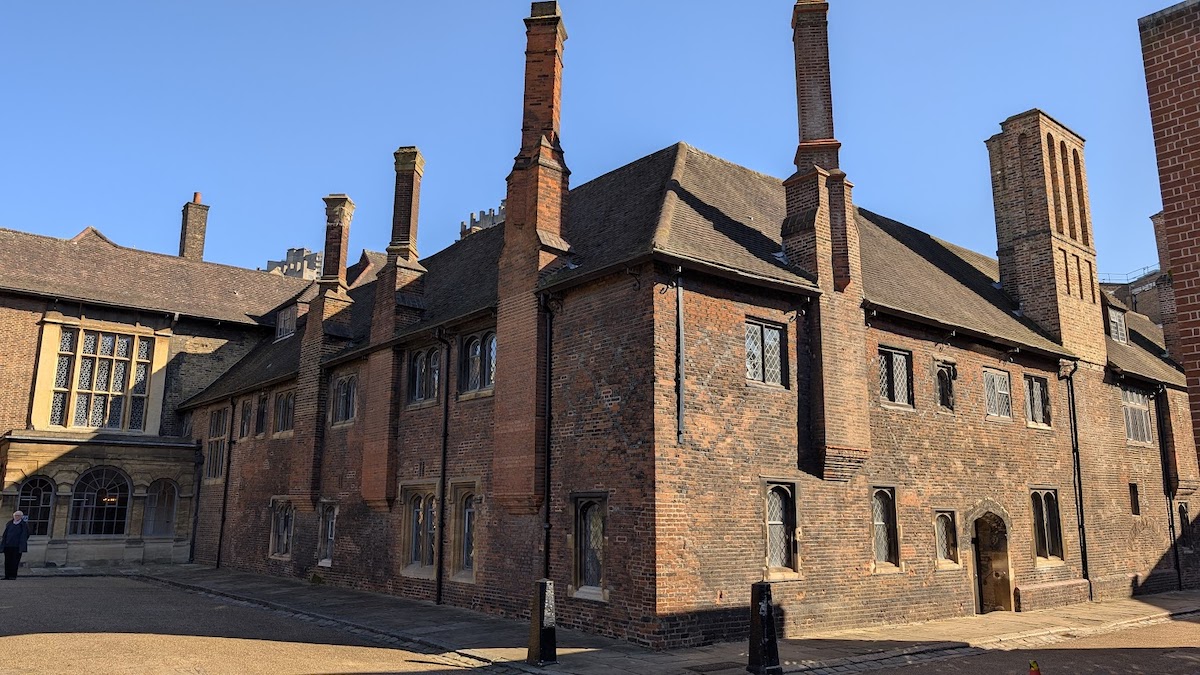
Large chimneys added to the Charterhouse’s western range in 1613–14 provided heat to the pensioners’ rooms. Their brick stacks interrupt earlier decorative work, revealing the building’s gradual adaptation to changing living needs rather than a single, fixed design solution (photo: The Charterhouse).
For Felton, the key is understanding how value is defined in a heritage context, where return on investment is measured not in financial terms but in operational efficiency and social value. She emphasised the importance of interrogating why interventions are proposed, and whether they genuinely improve the lived experience of occupants or address real risks, such as obsolescence or system failure. “Historic buildings aren’t static objects, they’re evolving systems,” she noted, advocating for incremental, informed adaptation rather than wholesale replacement.
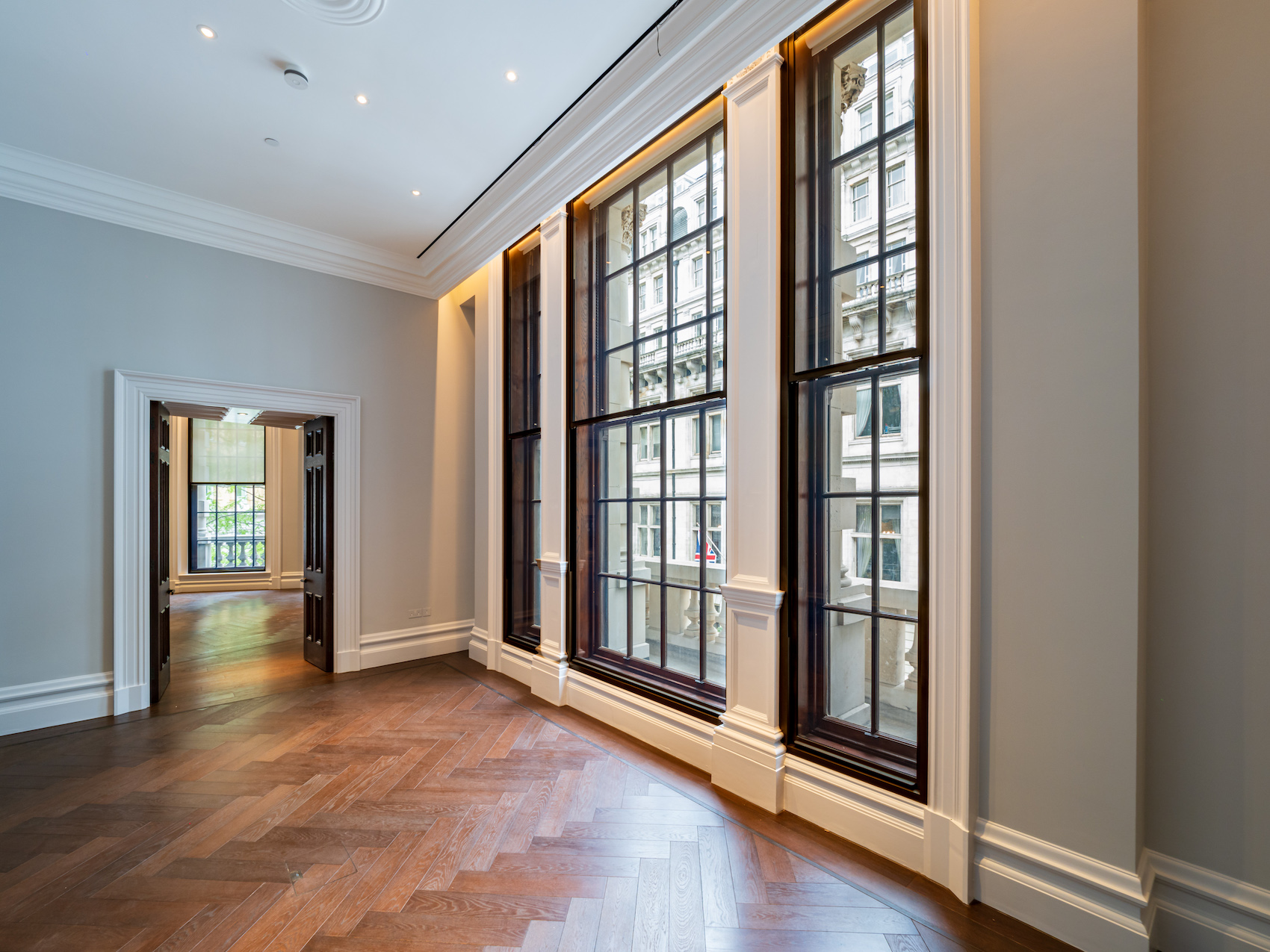
Sympathetic secondary glazing from Selectaglaze was installed in The OWO Residences by Raffles in London, enhancing comfort and security (photo: James Attree).
Colin Bignell followed with an overview of how secondary glazing can deliver meaningful performance improvements without compromising heritage value. “It’s about working at the intersection of conservation, comfort and performance,” he said, describing a fully independent system that upgrades existing windows from the inside, avoiding the need for replacement.
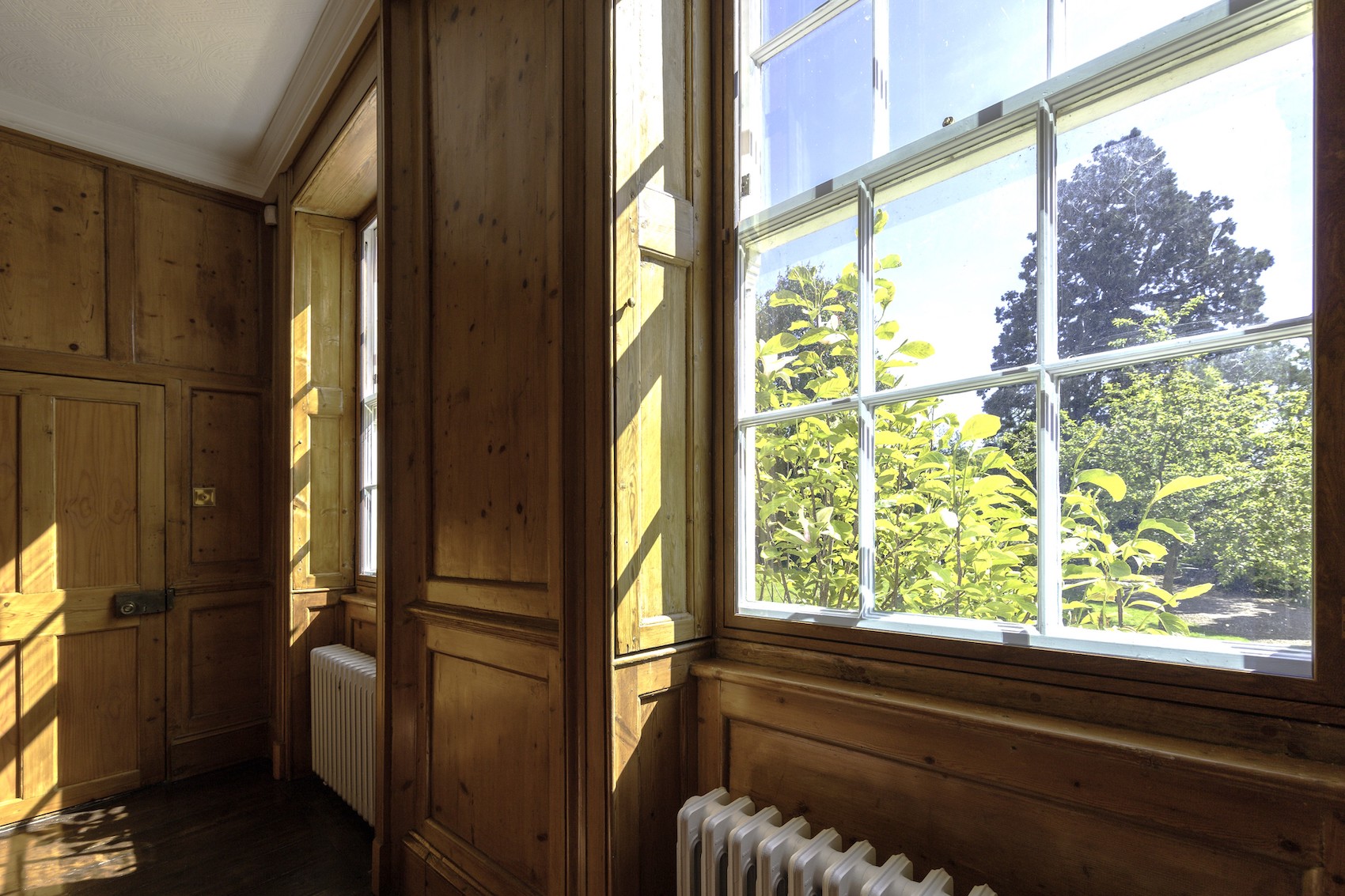
Selectaglaze slimline secondary glazing improves thermal performance while retaining the historic fabric (photo: James Attree).
Bignell highlighted the environmental benefits of this approach, noting that retaining original windows preserves embodied carbon while extending the life of the building. Thermally, secondary glazing can reduce heat loss by up to 75 per cent, while also improving acoustic comfort and security. Crucially, these gains are achieved through bespoke, minimally invasive installations that respect the character and detailing of historic façades. “It allows buildings to remain in use for longer,” he added, “supporting adaptive reuse rather than demolition.”
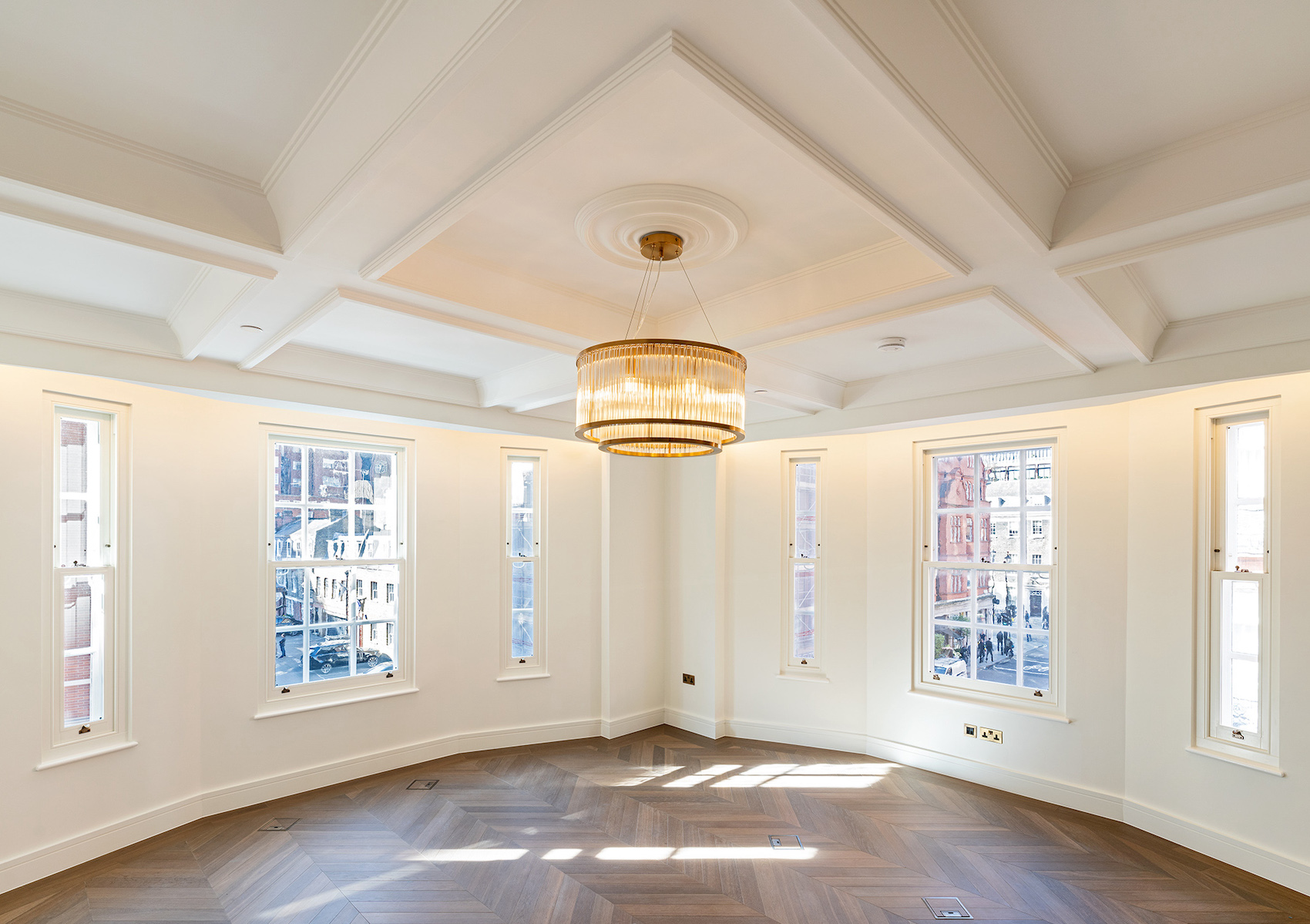
Claridge House by Studio PDP is the net zero retrofit and conversion of office space back to residential use over two floors of a 1920’s neo-Georgian building in London’s Mayfair. The building fabric was upgraded to meet LETI retrofit guidelines and client Grosvenor’s bold environmental goals (photo: Adam Parker).
Rebecca Campbell explored how architects can reconcile conservation with the increasing demand for high-performing buildings. “The challenge is enhancing performance without compromising the qualities that make these buildings valuable,” she said, emphasising the need to understand a building’s heritage significance at the outset.
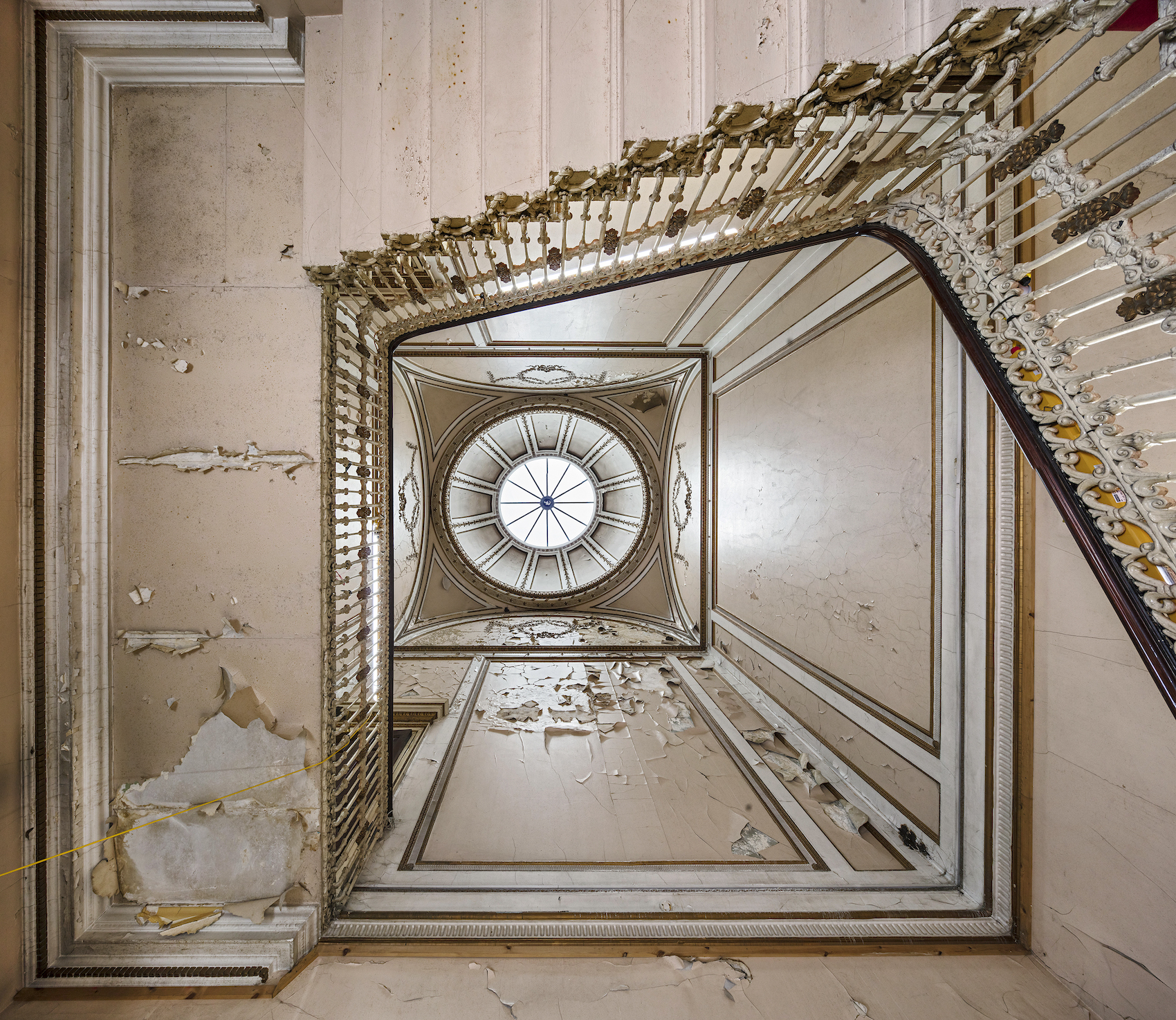
Dome to the main stair at Grade I-listed Cambridge House, London, prior to Studio PDPs ambitious restoration scheme that will transform the building and surrounding structures into a new hotel (photo: Adam Parker).
At Studio PDP, this process is underpinned by a fabric-first approach informed by Passivhaus principles, alongside careful consideration of moisture movement in traditionally ‘breathable’ constructions. Through case studies, including Claridge House in London’s Mayfair, Campbell demonstrated how targeted interventions, such as vacuum glazing, vapour-open insulation and MVHR systems, can deliver substantial energy improvements – in one instance achieving an 80 per cent reduction in energy use intensity. “It’s about making sensitive, well-judged changes that secure a sustainable and meaningful future,” she said.
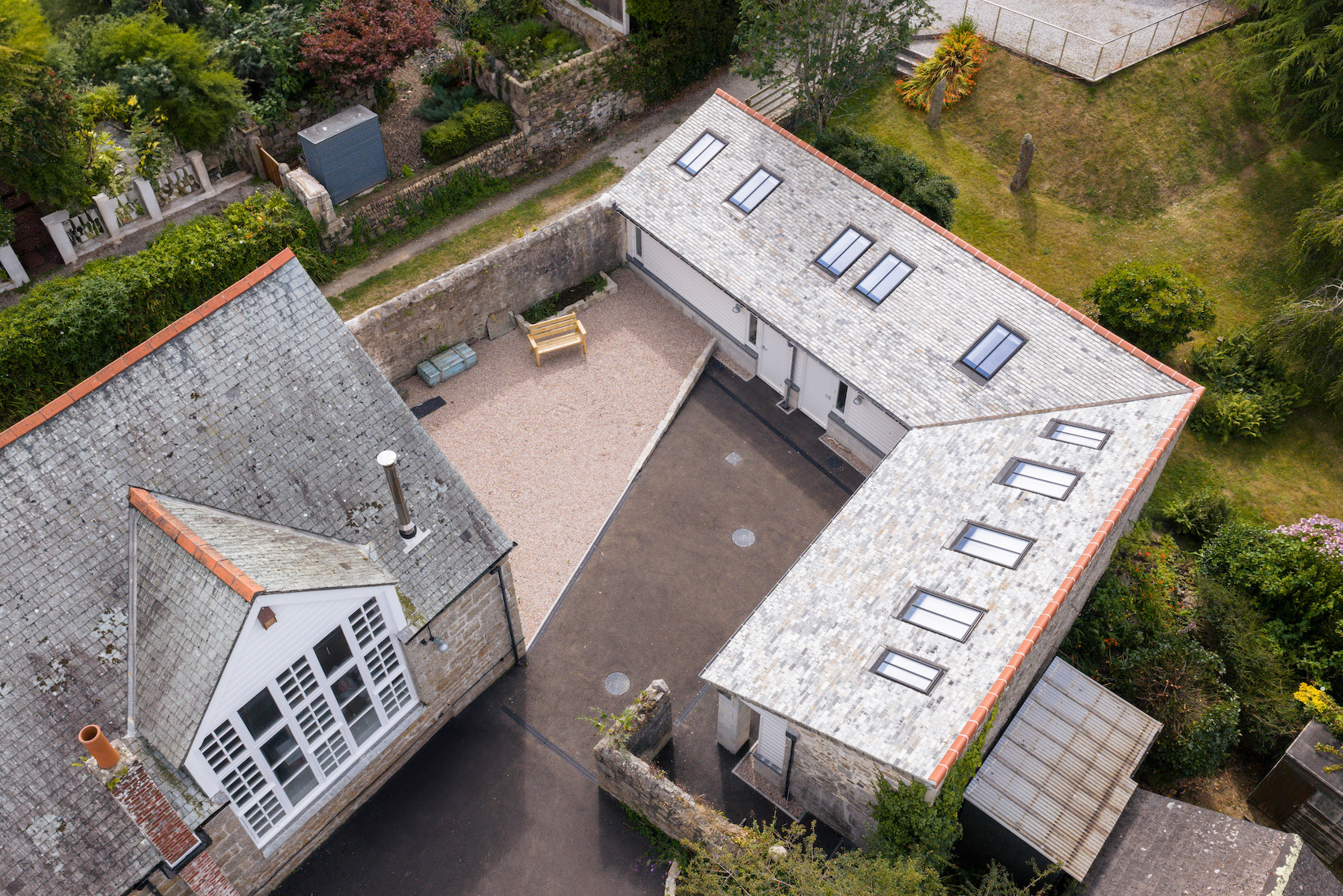
VELUX Heritage conservation roof windows were specified as part of a scheme to transform a derelict Victorian school outbuilding into three affordable artist studios in Newlyn (photo: Pip Hambling).
Richard Williams addressed the role of product innovation in heritage retrofit, focusing on the concept of authenticity. “It’s about being respectful of the past, yet mindful of the future,” he explained, outlining the development of Velux’s conservation rooflight range in collaboration with architects and conservation officers.
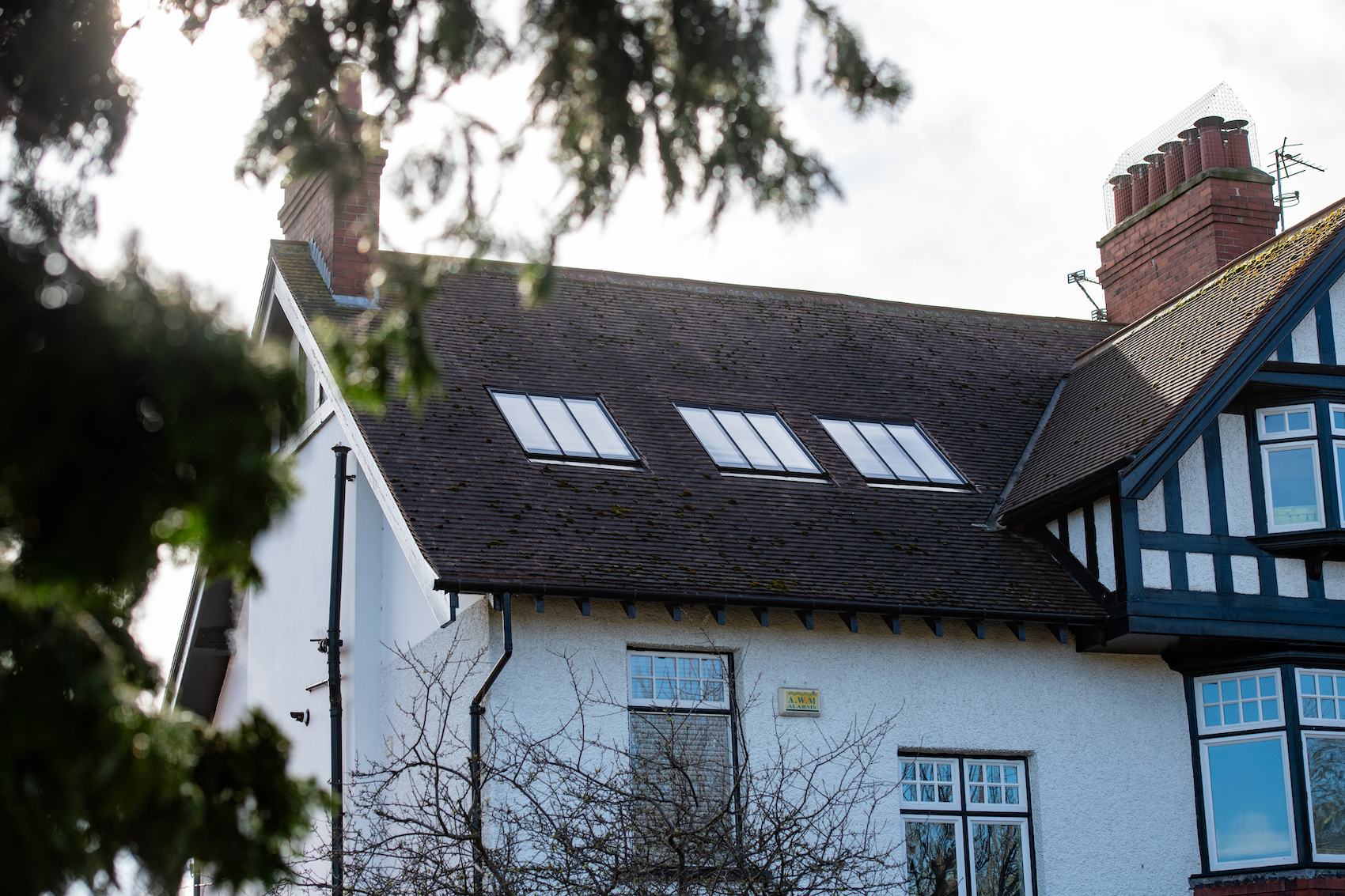
VELUX Heritage conservation roof windows are designed to blend seamlessly with older buildings (photo: Tony Ellis).
Williams highlighted the scale of the retrofit challenge, noting that 38 per cent of UK homes were built before the Second World War. Against this backdrop, he argued that “the greenest building is the one that already exists,” making sensitive retrofit essential. From flush-fitting rooflights that replicate traditional profiles to careful consideration of ‘curb appeal’ and roofscape consistency, his presentation underscored the importance of visual coherence alongside technical performance.
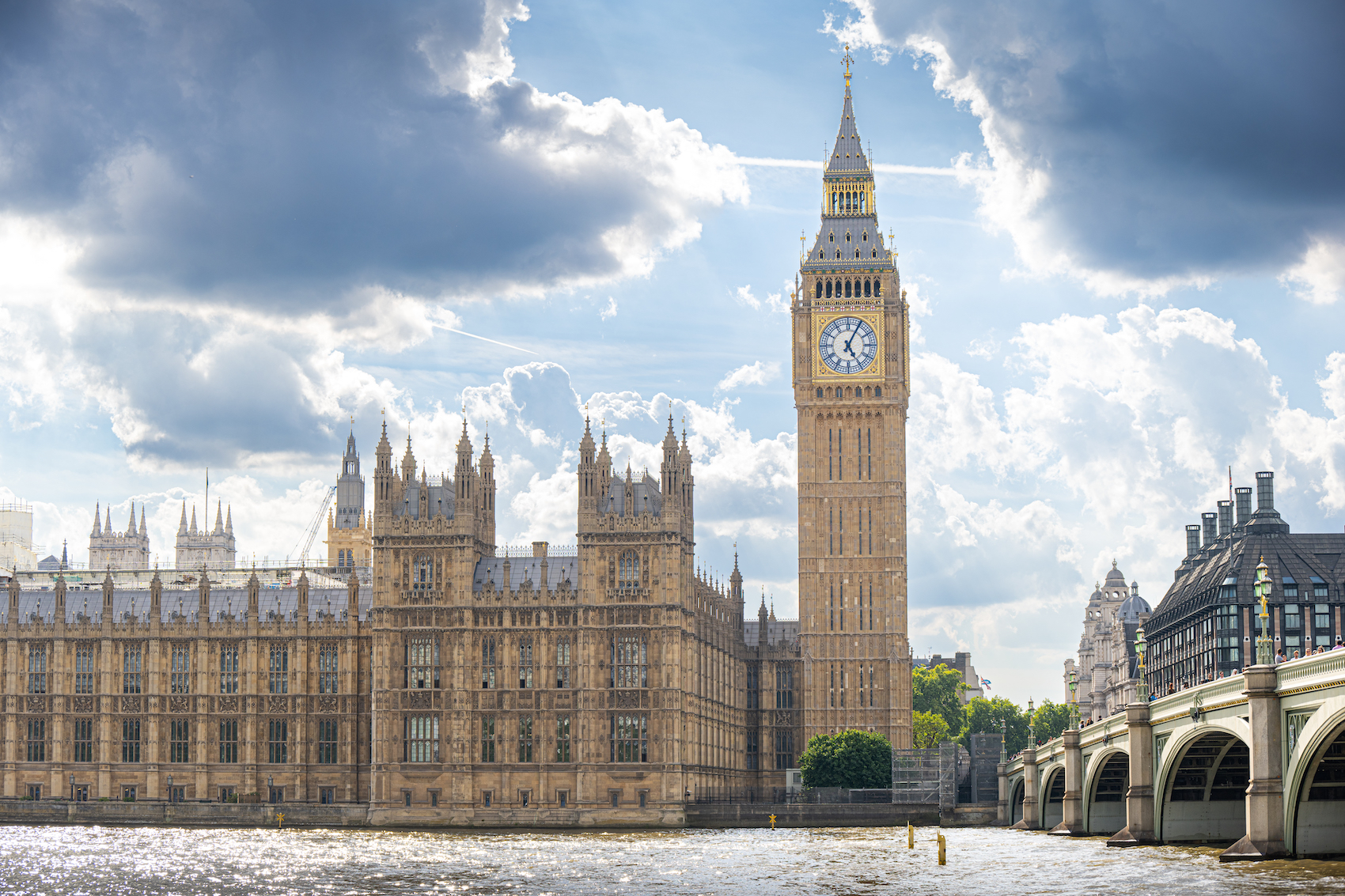
Purcell led the extensive restoration of the grade I-listed Elizabeth Tower in London. The intention is that future repairs will not need to be undertaken for 50 years, preserving the tower for the benefit of future generations (photo: Andy Bailey).
Matthew Wittrick concluded the webinar with insights from Purcell’s work on the Elizabeth Tower at the Palace of Westminster. Framing the project around four key pillars: conservation, repair, restoration and new build, he described how the team balanced preservation with necessary upgrades to ensure the building’s long-term future.
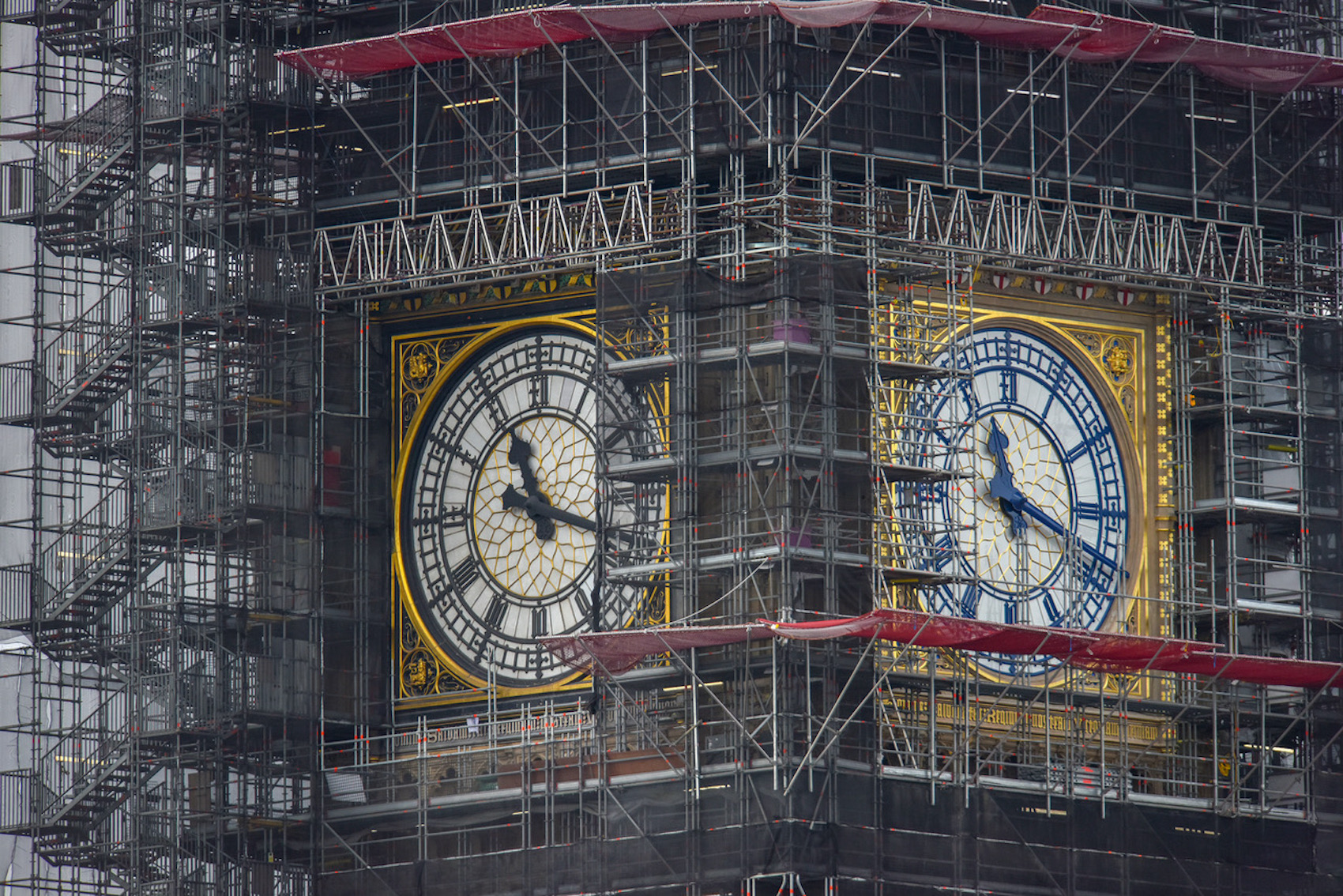
The project involved repairs to the original mechanical clock mechanism; a new floor and waterproofing layer at Belfry level; internal redecoration, including plaster repairs and the application of breathable paint within the stairwell and rooms; installation of new building services, including LED lighting and conservation heating; and the insertion of a new pair of lifts to provide better access and emergency egress within the building (photo: Andy Bailey).
From stripping back layers of paint to allow the structure to ‘breathe’, to introducing new lifts and services to improve accessibility and functionality, the project demonstrates how contemporary interventions can be carefully integrated into historic fabric. Digital tools, such as BIM, also played a crucial role, enabling the creation of a detailed digital replica to inform both current works and future maintenance. “These projects are about long-term stewardship,” Wittrick noted, “ensuring that heritage assets continue to perform and evolve.”
Across the webinar, a consistent message emerged: improving the performance of historic buildings is not about imposing modern standards, but about working with the inherent qualities of the existing fabric. Whether through incremental upgrades, carefully specified systems or sensitive new interventions, the speakers agreed that successful heritage retrofit depends on understanding cultural, environmental and social value, and then designing accordingly.