Barr Gazetas associate Magnus Wills reflects on how growing up in Shetland and encountering pioneering refurbishment projects shaped his belief in reuse, regenerative design and the future of sustainable housing.
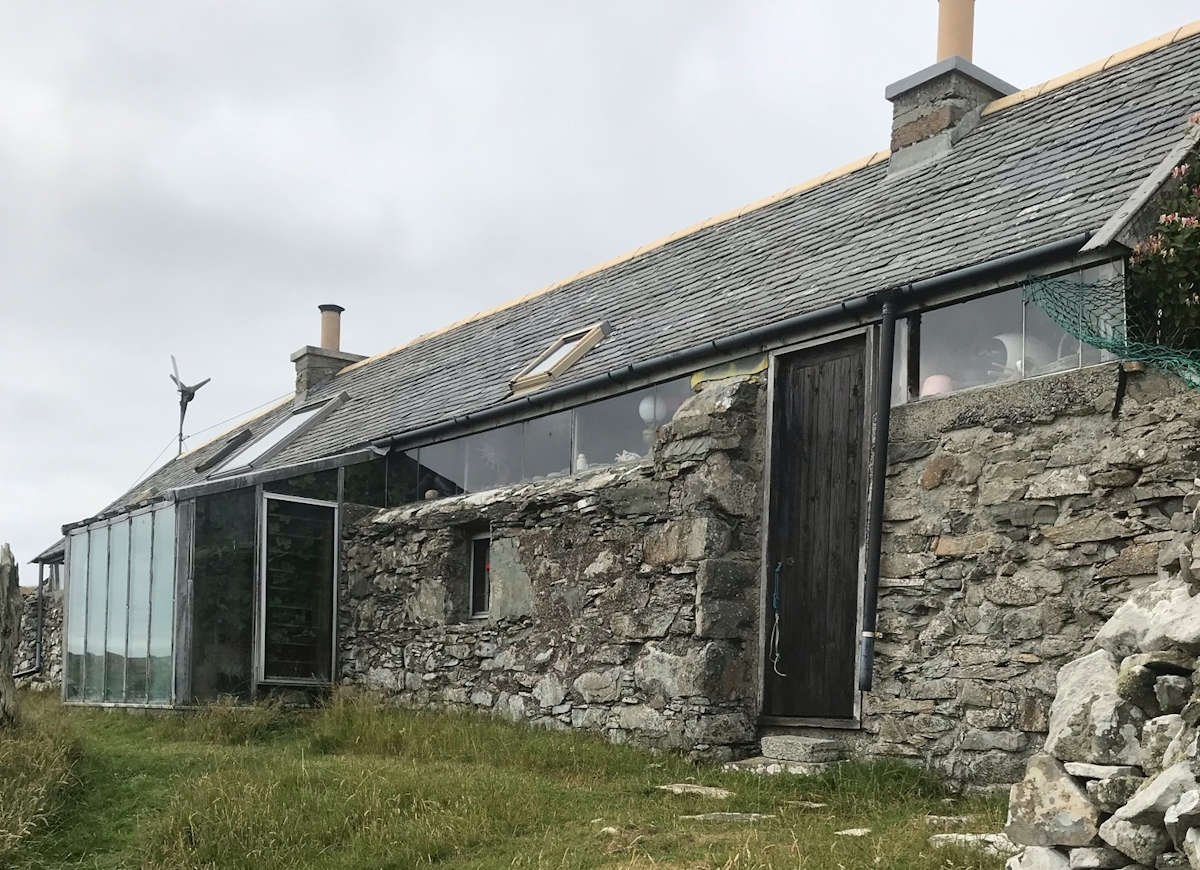
Gibson’s off-grid croft house conversion retreat in Shetland. Photo: Andy Stagg.
Growing up in the Shetland Islands in the 1980s, one of my earliest inspirations was the late Richard Gibson, a family friend who had studied at the AA with Rogers and Foster before moving north to establish his own practice. Gibson’s work, including his own experimental refurbishments, demonstrated how existing buildings could be transformed into spaces that were both inventive and deeply rooted in place.
As a teenager in one of the remotest parts of Britain, visiting the Gibson family felt like stepping into another world. Their home combined hand-printed Peggy Angus wallpaper, espresso machines and the soundtrack of Public Enemy with the rugged realities of island life. The experience revealed how architecture and interiors could shape culture, identity and aspiration.
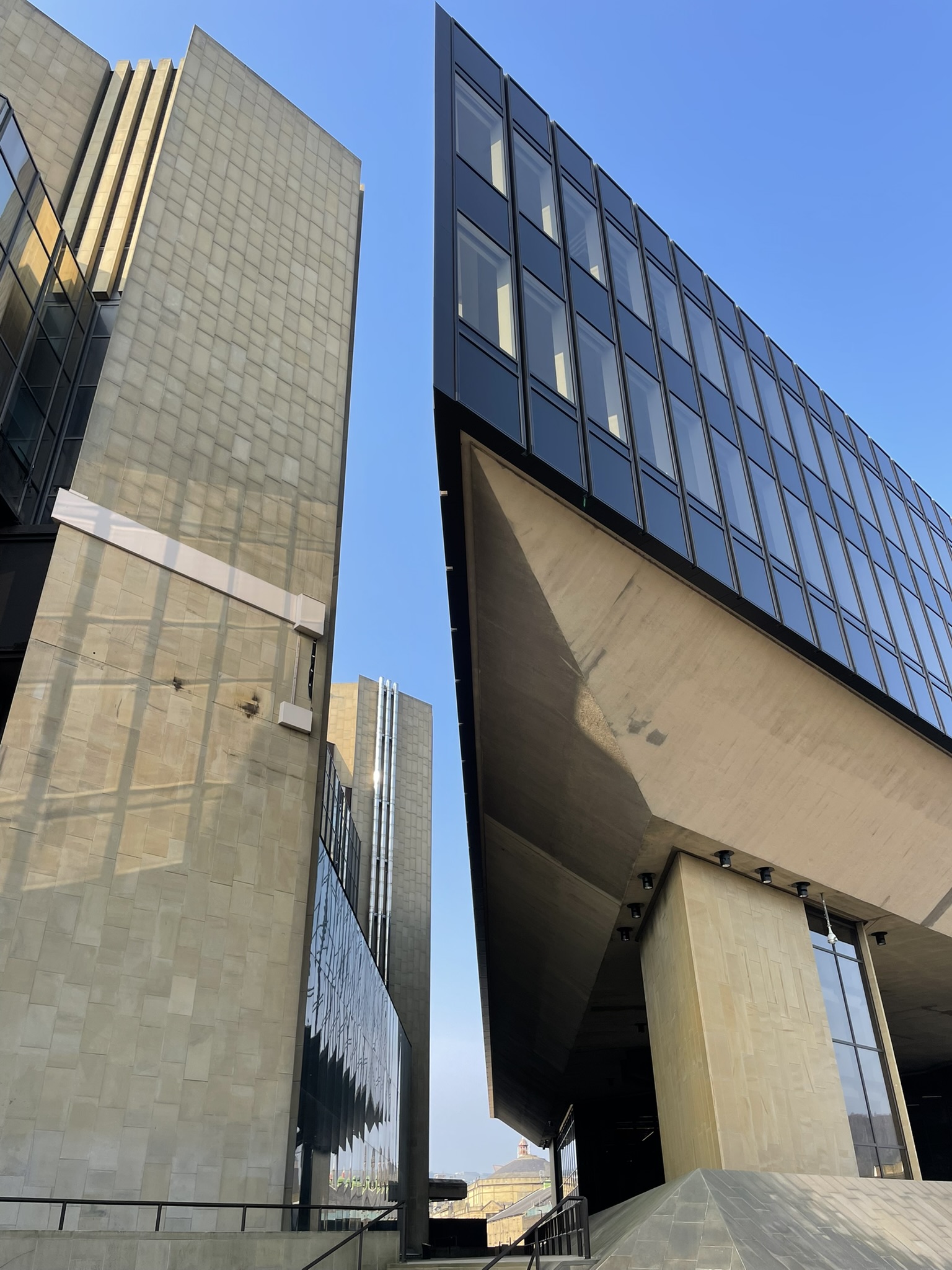
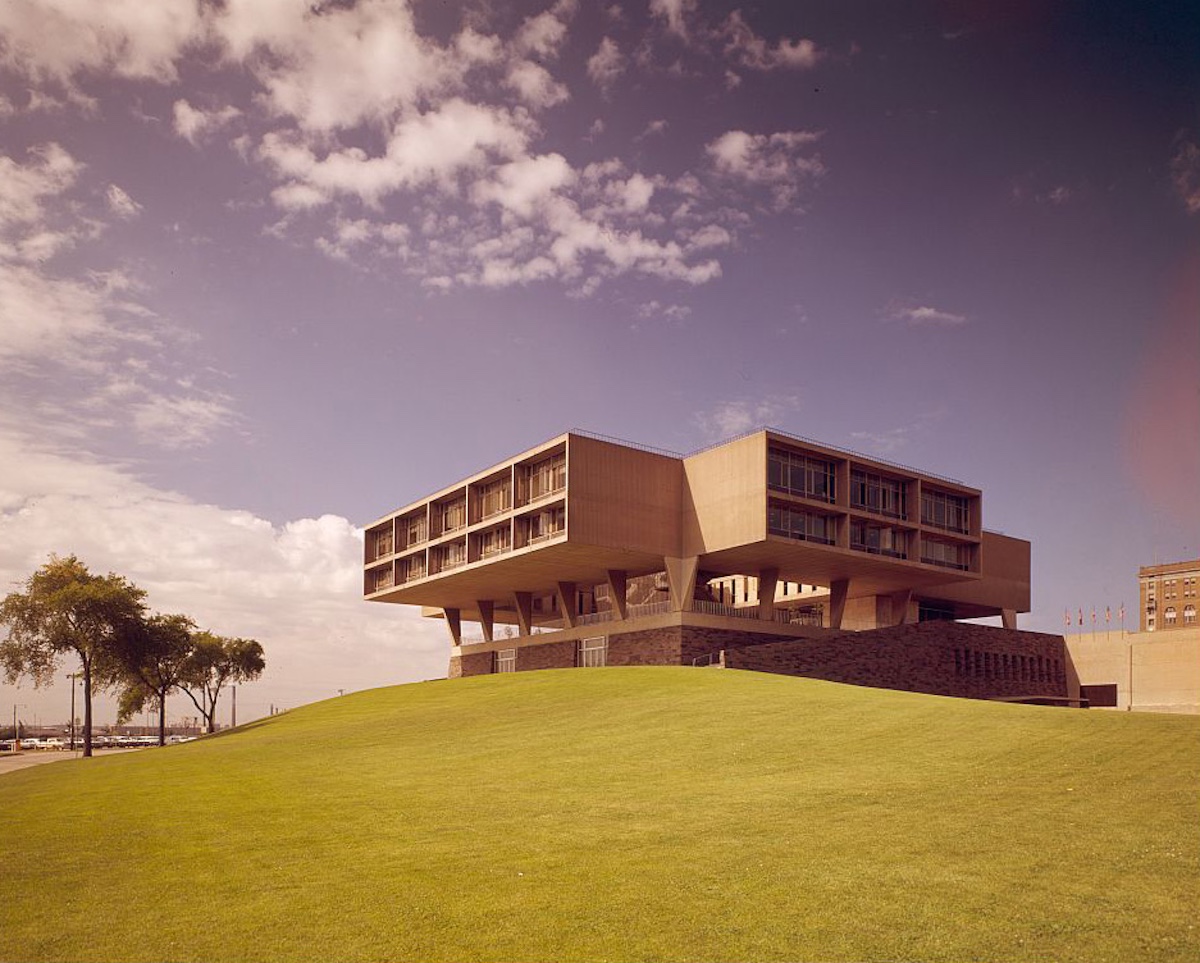
The former Halifax Headquarters, now occupied by Lloyds.
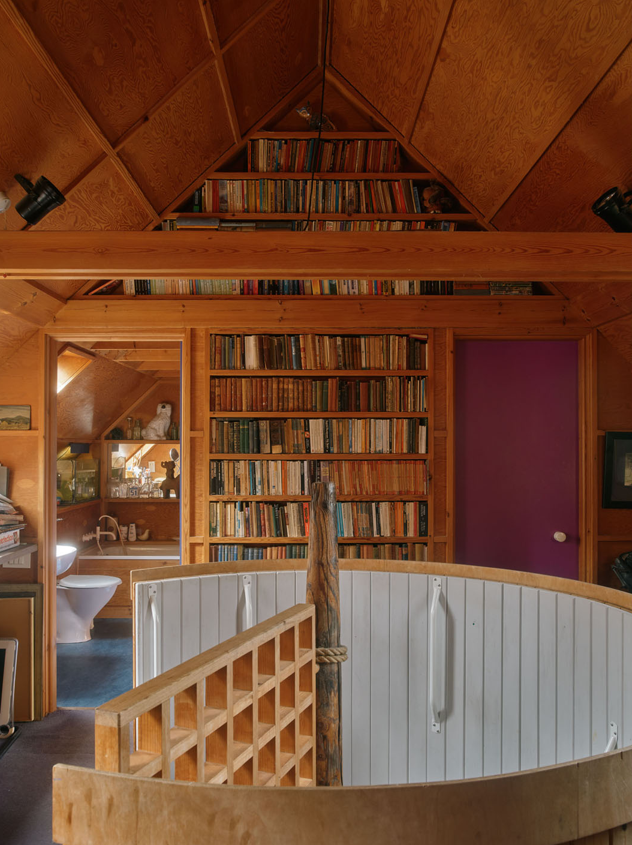
Richard Gibson’s conversion work helped shape Wills’ understanding of adaptive reuse.
Wills was recently reminded of the power of refurbishment during a visit to the former Halifax Headquarters in Halifax, a monumental brutalist structure completed in 1974 and now occupied by Lloyds. The building, refurbished by its original architects, reinforced his belief that reuse offers not only environmental value but also cultural continuity.
The recently launched UK Net Zero Carbon Building Standard, alongside growing awareness of embodied carbon, has intensified the focus on refurbishment as a central strategy for reducing emissions in the built environment. For Wills, refurbishment is also inherently regenerative, aligning with broader ideas around stewardship, ecology and long-term resilience.
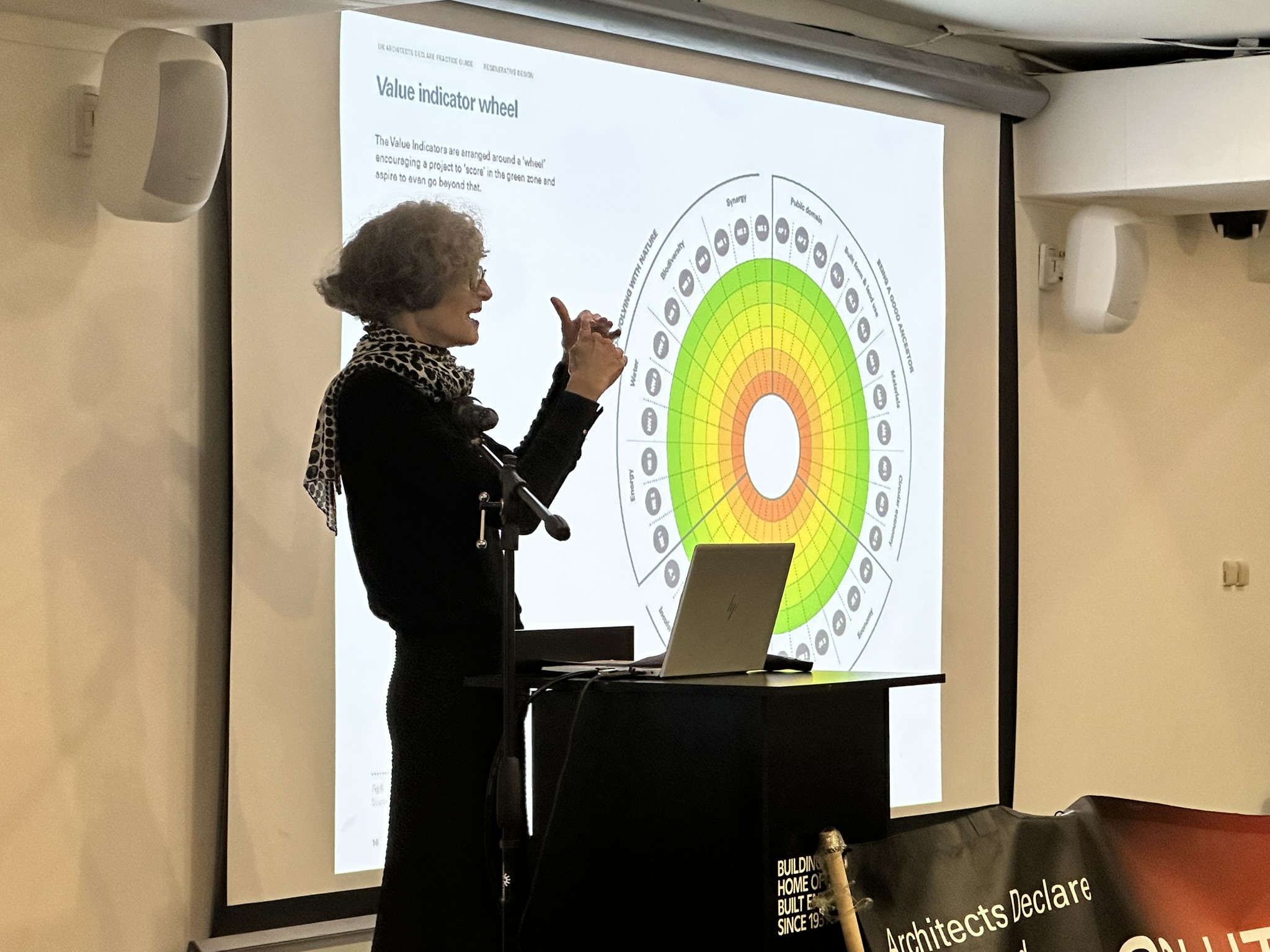
Drawing on the principles outlined in Arup’s regenerative design research, Wills argues that sustainable architecture must move beyond low operational carbon to embrace more systemic and equitable approaches. While London’s office market has made significant progress in delivering low-carbon workplaces, he notes that this progress remains unevenly distributed across the UK.
Referencing research by Don’t Waste Buildings, Wills highlights the scale of opportunity represented by the UK’s stock of vacant properties. With nearly one million empty homes nationwide and hundreds of thousands potentially recoverable through conversion and reuse, he believes the residential sector can learn from the office market’s growing emphasis on retrofit and renewal.
At a moment when systemic change can feel difficult to imagine, Wills sees regenerative design and refurbishment as offering a practical and optimistic path forward, one rooted in care for existing buildings, communities and landscapes.
Barr Gazetas is part of the Regenerative Architecture Index.