Stuart Newton-Tyers from Wild Capital talks to AT about how Biodiversity Net Gain is reshaping the sequencing of development and where architects are still being caught out.
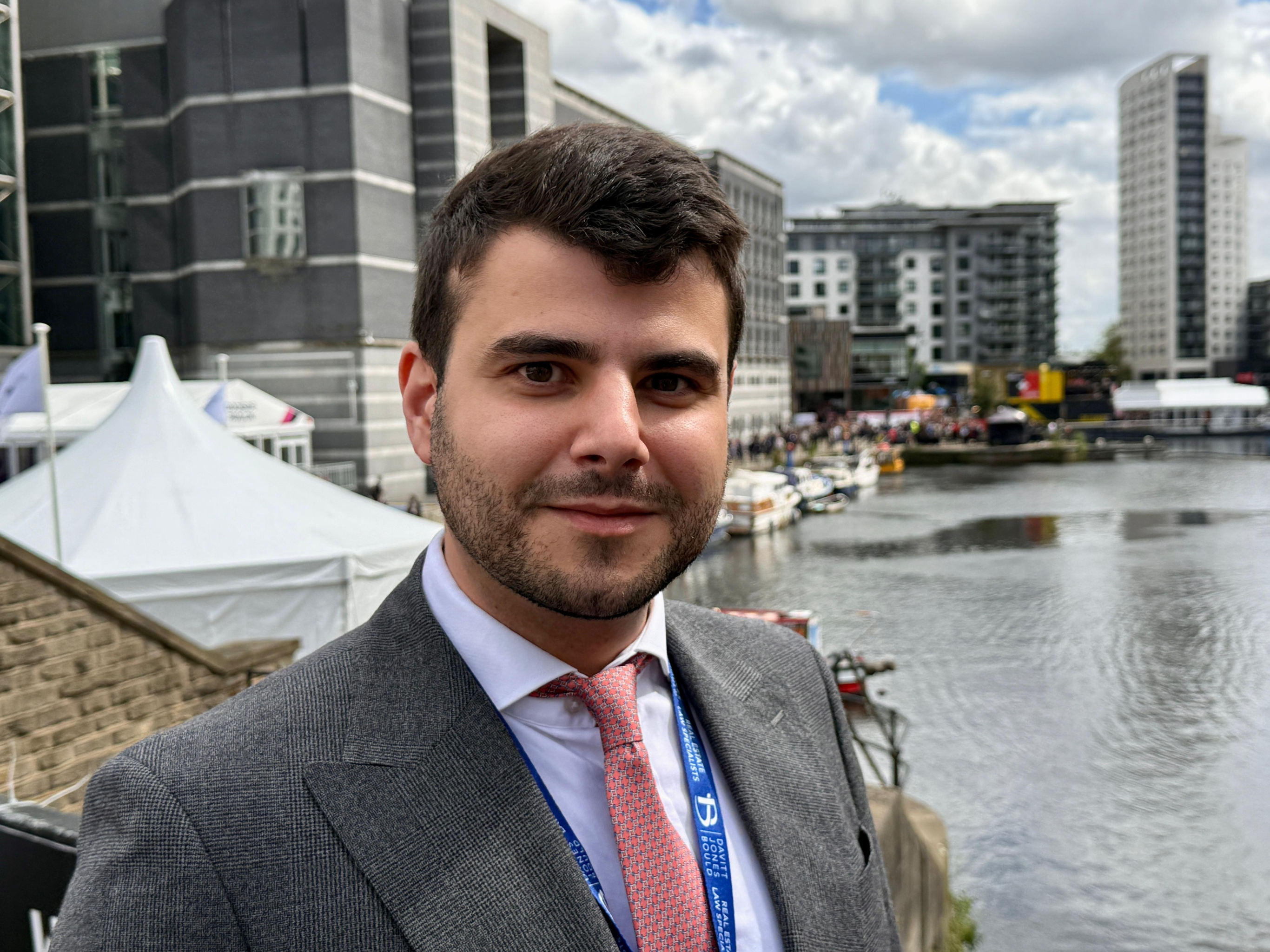
How are you engaging with architects in your day-to-day work?
Architects are one of our most frequent points of contact. On any given day, we are fielding RFQs from firms of all sizes. – from practices working on a pair of semi-detached suburban dwellings to others involved in the extension of entire towns. We are also receiving more CPD requests from architecture firms, which reflects a growing appetite for a practical understanding of BNG and how it affects the development process.
How has Biodiversity Net Gain changed the way projects are conceived and delivered?
BNG has fundamentally changed the sequencing of development, particularly on larger schemes. It simply cannot be treated as an afterthought, because it can affect viability, layout and overall budget. We are increasingly seeing architects request several quotes for the same scheme on an iterative basis, driven by the developer’s need to understand the cost benefit of different mixes of on-site and off-site mitigation.
What are the biggest misconceptions architects still have about your role?
The biggest misconception is that BNG units need to be purchased and paid for before planning permission is granted. That is not the case. BNG is a post-permission, pre-commencement matter. Developers need their Biodiversity Gain Plan approved before works begin on site, but they do not usually need to commit significant sums before the planning application has even been determined.
This misconception has caused real anxiety. We have had architects come to us on behalf of clients who believed they needed to commit substantial capital at risk before knowing whether planning would be approved, often because of vague or cautious guidance from LPAs. In most cases, councils are looking for evidence of intent and deliverability before determination. A formal quote can usually help demonstrate that a credible route to securing units has been identified.
Five years from now, what will architects wish they had understood earlier?
They will wish they had understood that natural capital was becoming a material constraint on development, not just another planning requirement. Environmental obligations attached to development are already far broader than biodiversity alone. We very often handle enquiries for phosphate credits, nitrogen credits, SANG and species mitigation. In some cases, we provide a combination of environmental solutions for a single development.
How early should architects engage with BNG strategies?
As early as possible. On one memorable occasion, a client came to us after the design was already complete, only to discover that the BNG cost would increase the total development budget by more than 30% – an uplift that, in their words, “would throw the whole project into doubt”. At that stage, the design could not easily be amended to increase on-site biodiversity provision, and the options for reducing cost were limited. By contrast, we recently quoted on a scheme where BNG had been considered much earlier and, because we were involved at the right stage, we were able to help the developer model the cost implications, discuss whether an option contract made more sense than purchasing units outright, and give them meaningful financial certainty to feed into their viability calculations. That is a fundamentally different, and much more useful, conversation. In an ideal world, BNG would be considered at site appraisal, before the site is even acquired.
What keeps you awake at night?
BNG still feels convoluted and inaccessible to many people across the development industry. Even those who are keen to understand it often struggle to find clear, practical information, or even to make their way around a metric.
I would like to see BNG measured, recorded and communicated in a more modern and approachable way. The current system is technically robust, but it can feel seriously opaque to non-specialists.
If we want BNG to be taken seriously across the full stakeholder map, and truly understood for the benefit it brings, we need to demystify it. Better communication would not dilute its importance; it would strengthen it.
What could you talk about for hours?
The gap between ambition and delivery. Most people agree, in principle, that development should leave the natural environment in a better state than it found it. The difficult part is making that work in the real world, where land is constrained, budgets are increasingly tight, planning is already complex, and every additional obligation has to be understood commercially as well as ecologically.
That is the part I find most interesting: translating something that can feel abstract, technical or compliance-led into something that actually works on the ground.
Natural capital sits at a fascinating intersection between ecology, land, planning, finance and the development of the built environment. Done poorly, it becomes another layer of friction. Done well, it can sit intelligently alongside the existing development process while delivering better environmental outcomes.