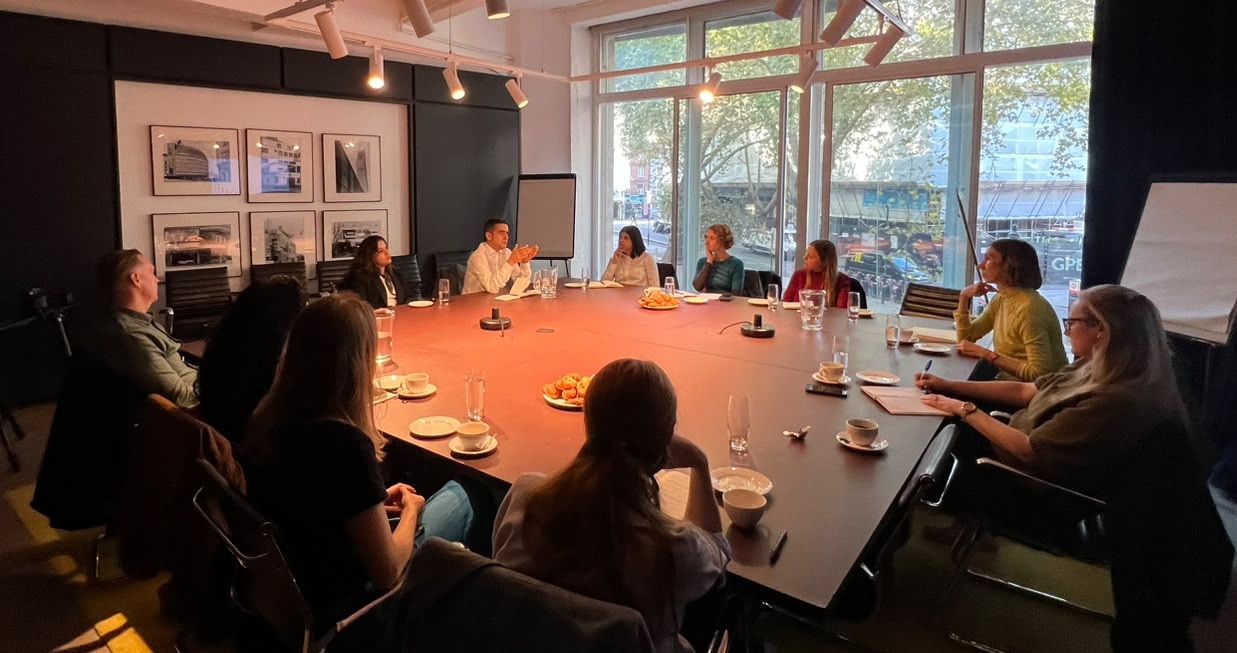
Mairi Laverty, Director at Glasgow-based Collective Architecture, reflects on an unexpectedly optimistic UKREiiF, the growing momentum behind housing investment in Scotland, and the importance of socially conscious collaboration in shaping the next generation of retrofit and new-build projects.
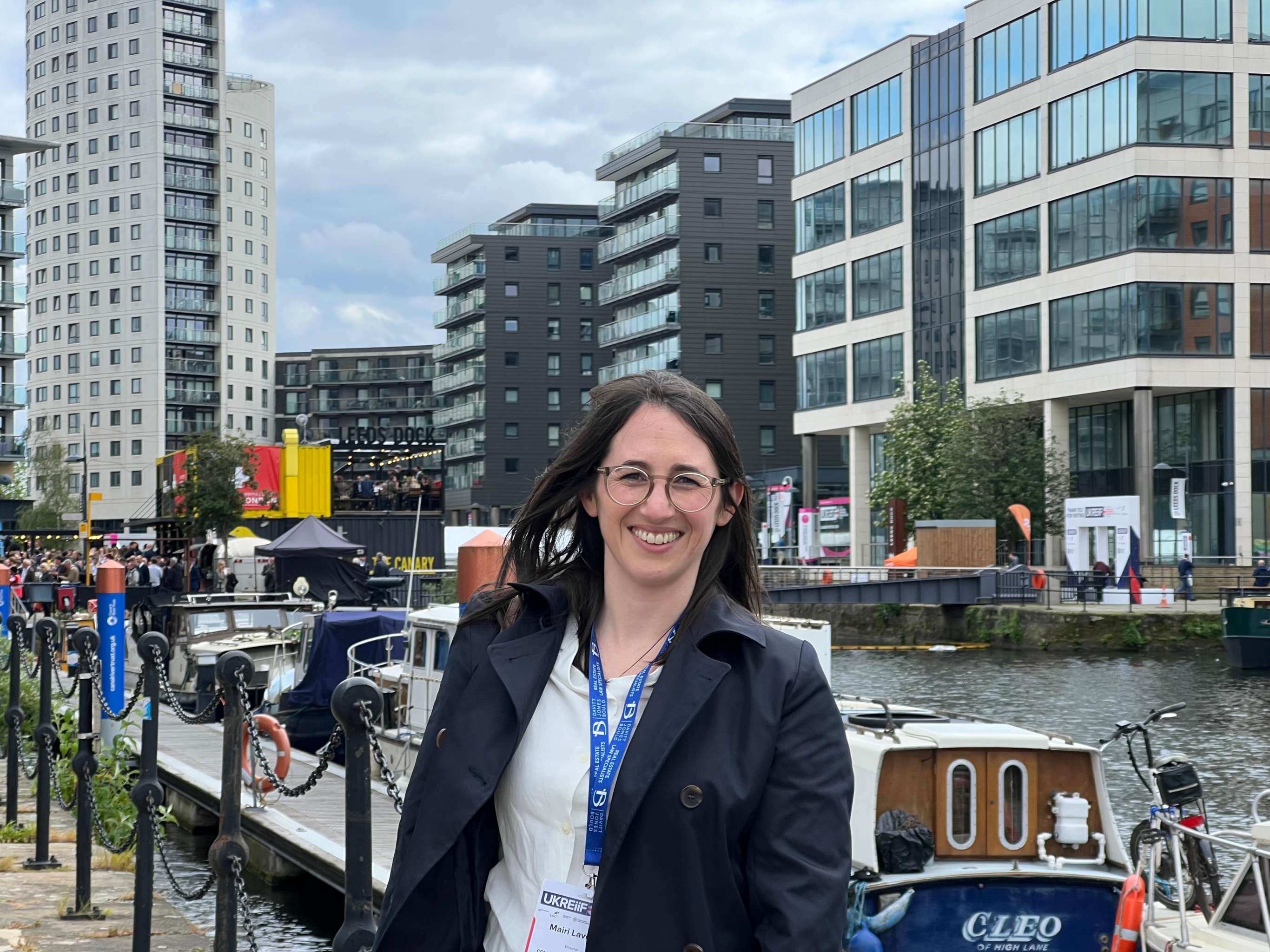
Mairi Laverty, Director at Collective Architecture at UKREiiF 2026.
What has been your experience of UKREiiF 2026?
I came with a bit of uncertainty about participating this year, but after the first day I was pleasantly surprised by the panels and discussions I attended, and by the optimism around investment, particularly around housing, which is a key interest of ours.
Which talks or events stood out?
Being from Scotland, and with the majority of our work in Scotland, I focused on the Scottish pavilions, Scottish events and Glasgow-focused sessions. Learning more about the opportunities and investment coming to Scotland was really valuable, and seeing the Scottish representation was very encouraging.
What will you take back to the office?
Optimism is the key thing. It was a reminder to look beyond our own boundaries, to be open to different ideas and suggestions, and to keep leaning into partnership working. That is something we already do nationally as Collective Architecture, but there is a real opportunity to build on it further.
What was your agenda before arriving at UKREiiF?
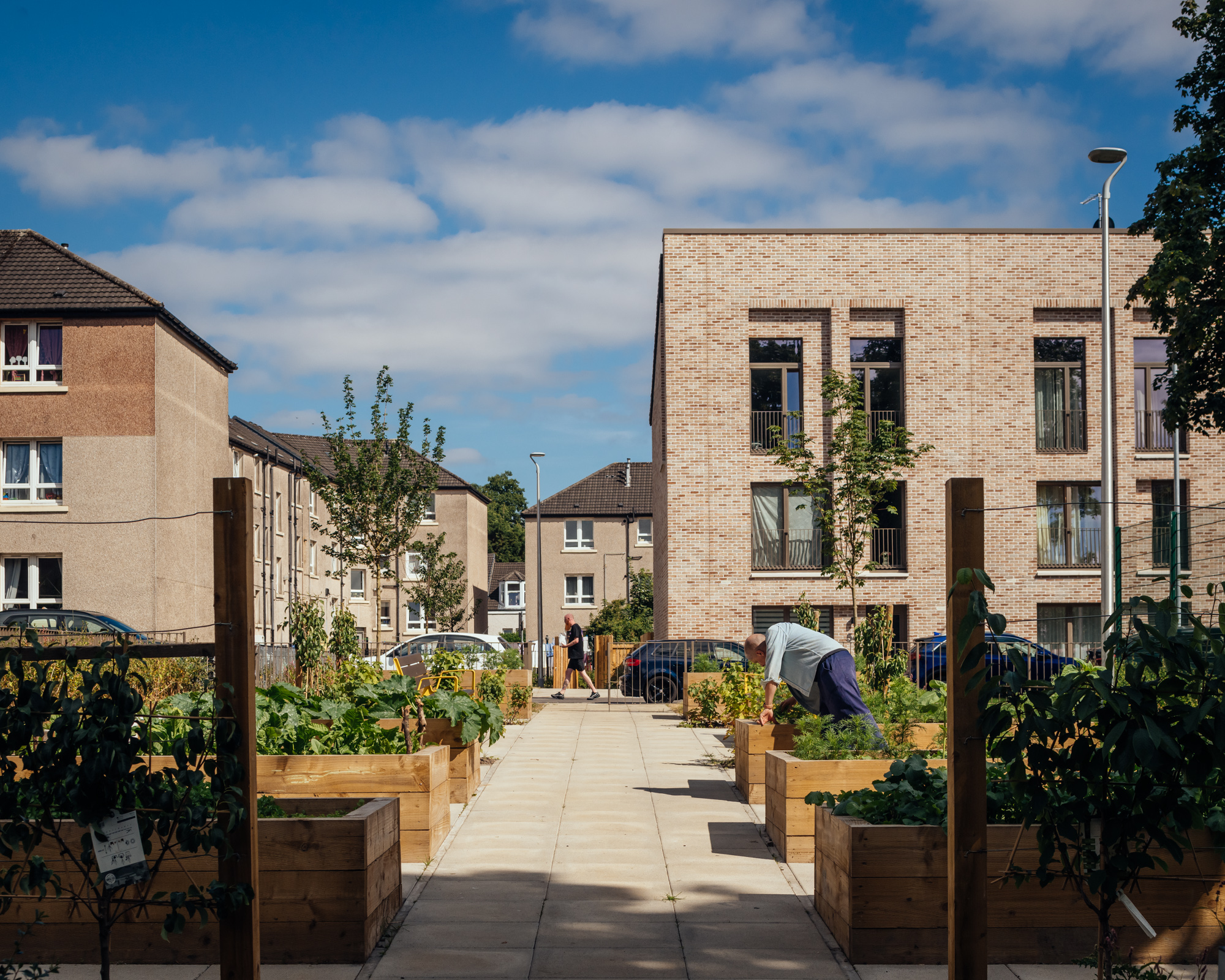
Much of our work is in the public sector, including retrofit projects involving buildings from the 1950s, as well as new-build work. I was interested in meeting like-minded people, particularly socially conscious developers and others who value a collaborative approach.
What does the rest of 2026 and early 2027 look like for Collective Architecture?
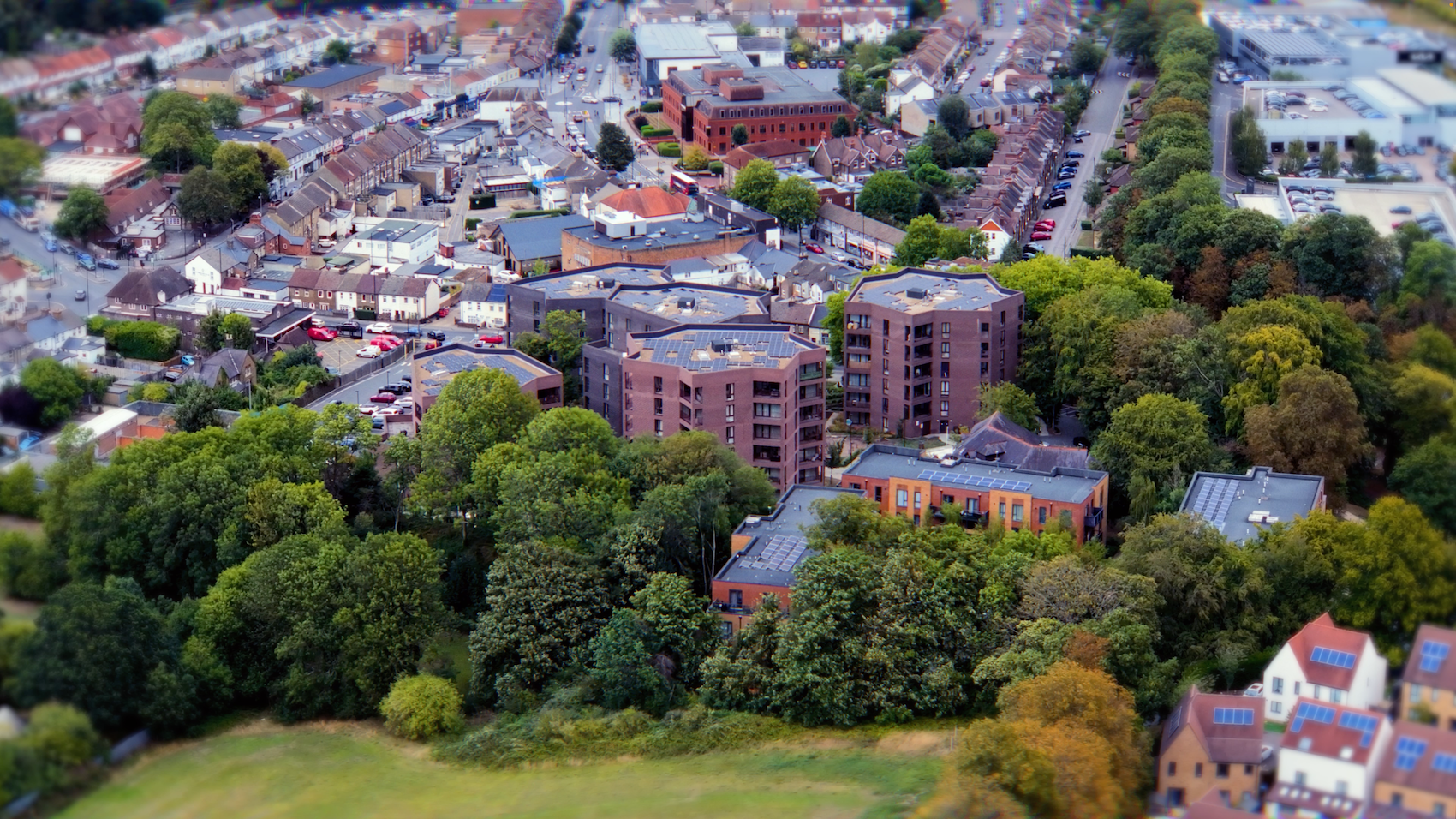
It is busy. There was a quieter start to the year, but a lot of projects that had been waiting to move forward are now progressing. We have a large project at Catherinefield Farm in Dumfries, with around 300 homes. It is the largest housing development in that region and has secured planning consent. Alongside that, we have a rich mix of other projects at different stages.
Was there anything else that struck you about the week so far?
The positivity was something I was not expecting. There was a real sense of joined-up thinking and discussion around collaboration and the need for partnership working. It was not just about focusing on one small part of the problem. People were looking at the bigger picture.
Collective Architecture is part of the Regenerative Architecture Index.