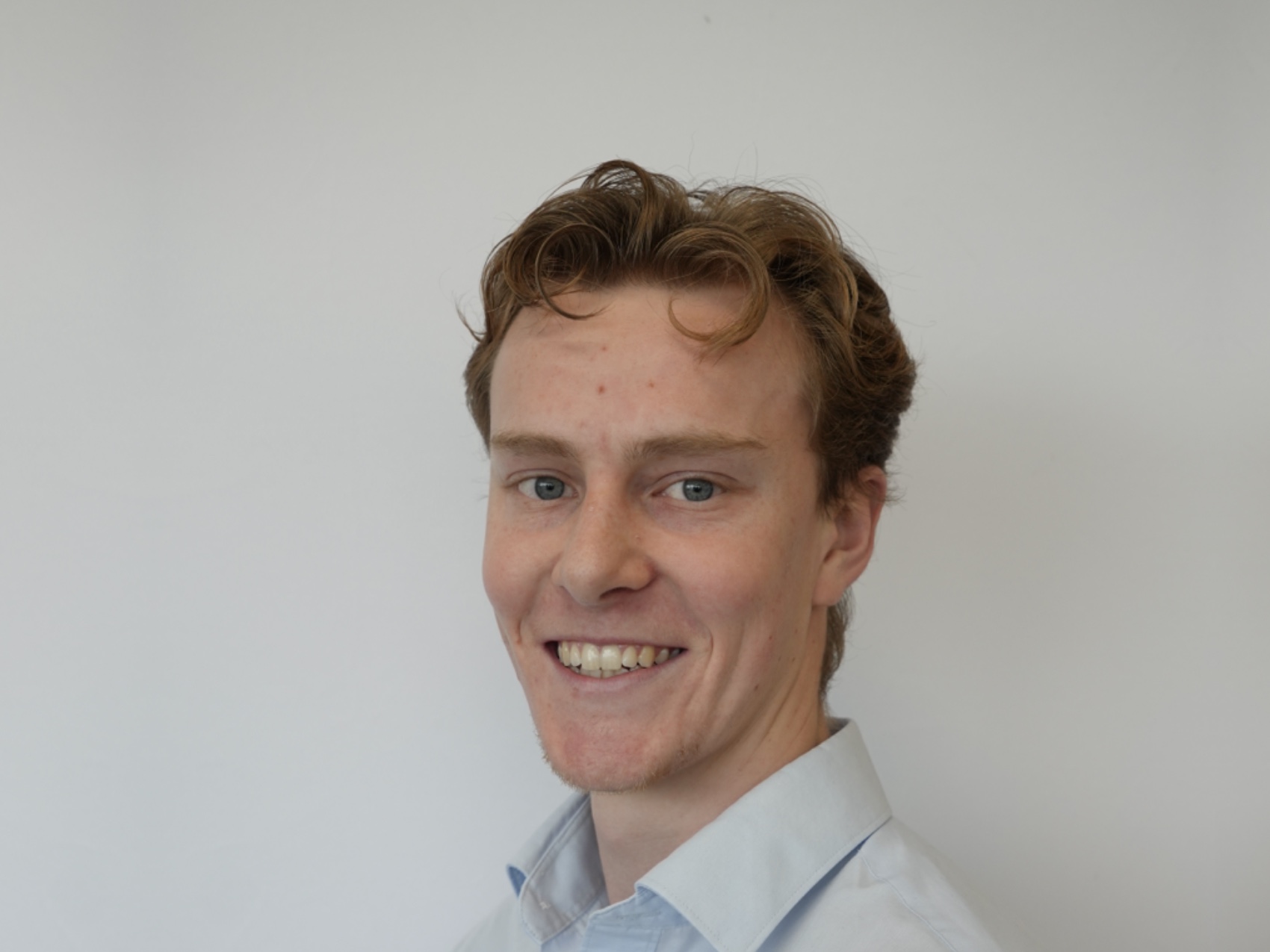
Finlay Ward, Capital Investment Executive at West Midlands Growth Company (WMGC), tells AT how architects can better align with regional economic growth priorities, why a belief in the West Midlands in crucial, and the geopolitics keeping him awake at night.
What are you looking for when working with architects?
When we engage architects, we are looking for those most active in the region and who are working on key regeneration projects. Often these are partners of developers who we are working directly to help bring forward key projects. We seek to identify those with a ‘stake’ in the region, whether that be working on key projects & schemes, have a significant footprint through an office or offices and an established workforce, or who are looking to expand in the region and are actively engaging Local Authority and private sector stakeholders. Ultimately, those who are most passionate about uplifting and working in the West Midlands positively are those which we would extend invites to and help with networking and convening.
What’s the one thing an architect could say or do that would make you NOT want to work with them?
Those who do not ‘believe’ in the region or who are reluctant to engage with the existing and emerging visions about regeneration in the West Midlands are those which we would be least likely to speak to or work with. Admittedly, though, we are happy to help and work alongside any active architectural firms in the region so long as ultimately it is our raison d’etre to act as the ‘front door’ for the built environment in the West Midlands.
At what stage do design quality and architectural thinking influence funding decisions?
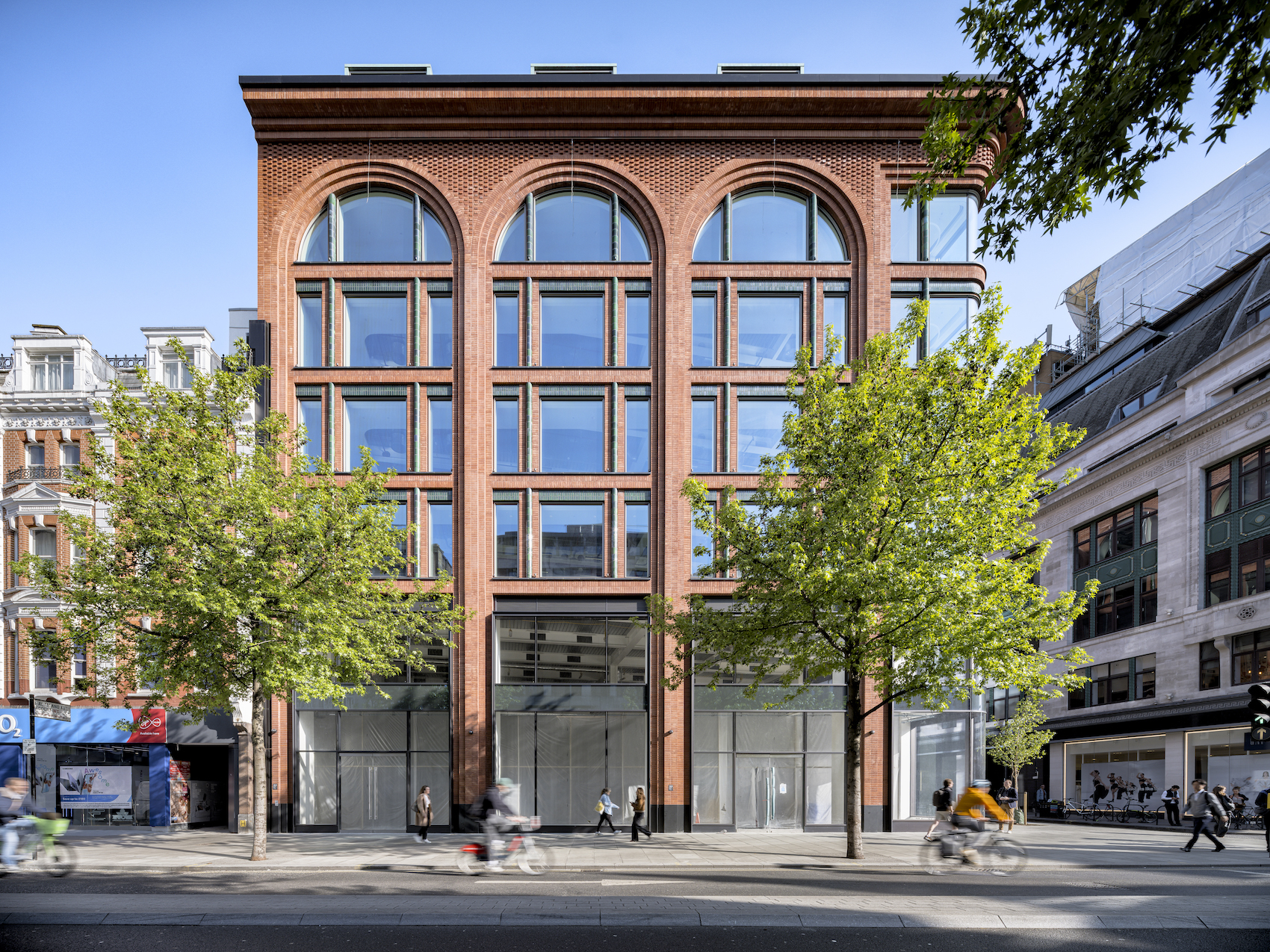
From the outset, I think. Projects which demonstrate high quality from the early stage of planning are much more likely to receive consent and then gain momentum from private and public capital investment. Key examples I’d point to as success stories in this regard would be Paradise Birmingham (including specifically One Chamberlian Square), the ongoing momentum around Birmingham Sports Quarter (specifically the new stadium design), and Port Loop Birmingham which has demonstrated innovative design and vision in its regeneration credentials.
How can architects better align proposals with regional economic priorities?
I think architects can look to Local Plans and the visions which have been produced by Local Authorities to help align designs with local needs and the ‘direction of travel’ in which regeneration is heading. For instance, BCC and its private stakeholder partners have produced Birmingham Central Heart as a new vision for the city centre unveiled at MIPIM 2026. Crucially, Central Heart envisions more public realm and the integration of pedestrian travel and experience throughout the city centre. BCC has identified key sites such as Martineau Galleries and Martineau Place as areas which have been neglected and are now in need of regeneration. Importantly these sites sit at the gateway to the Eastside of the City, acting as the ‘front door’ for the emerging Digbeth creative district and the incoming Curzon Street Station. Understanding this vison, as well as the needs and concerns of those who live and work in Birmingham, would undoubtedly provide great value to architects who are looking to provide input on these emerging projects.
What keeps you awake at night?
Geopolitical instability and a challenging or sliding economic environment are the main concerns.
What’s something you could talk about for hours?
I could happily talk about the importance of ‘place’ for hours. Whether that’s in terms of national identity, politics, sports, geography, geopolitics, history or anthropology. I’m deeply fascinated about how humans perceive themselves and those around them in the context of ‘place’ – i.e. their home, their hometown, nation, travel, identity etc.
I could also talk about running and athletics at length as this is something I spend a lot of time doing and watching away from work in my spare time.
What’s a goal you have for the next 12 months?
A goal I have for the next 12 months is to explore my region, the West Midlands, more. Get out and travel across towns, places, fields, attractions, walks, hills, whatever, just get a more detailed feel of the region. To be able to use this to help better inform my understanding of ‘placemaking’ and the emerging regeneration landscape would then be a bonus.