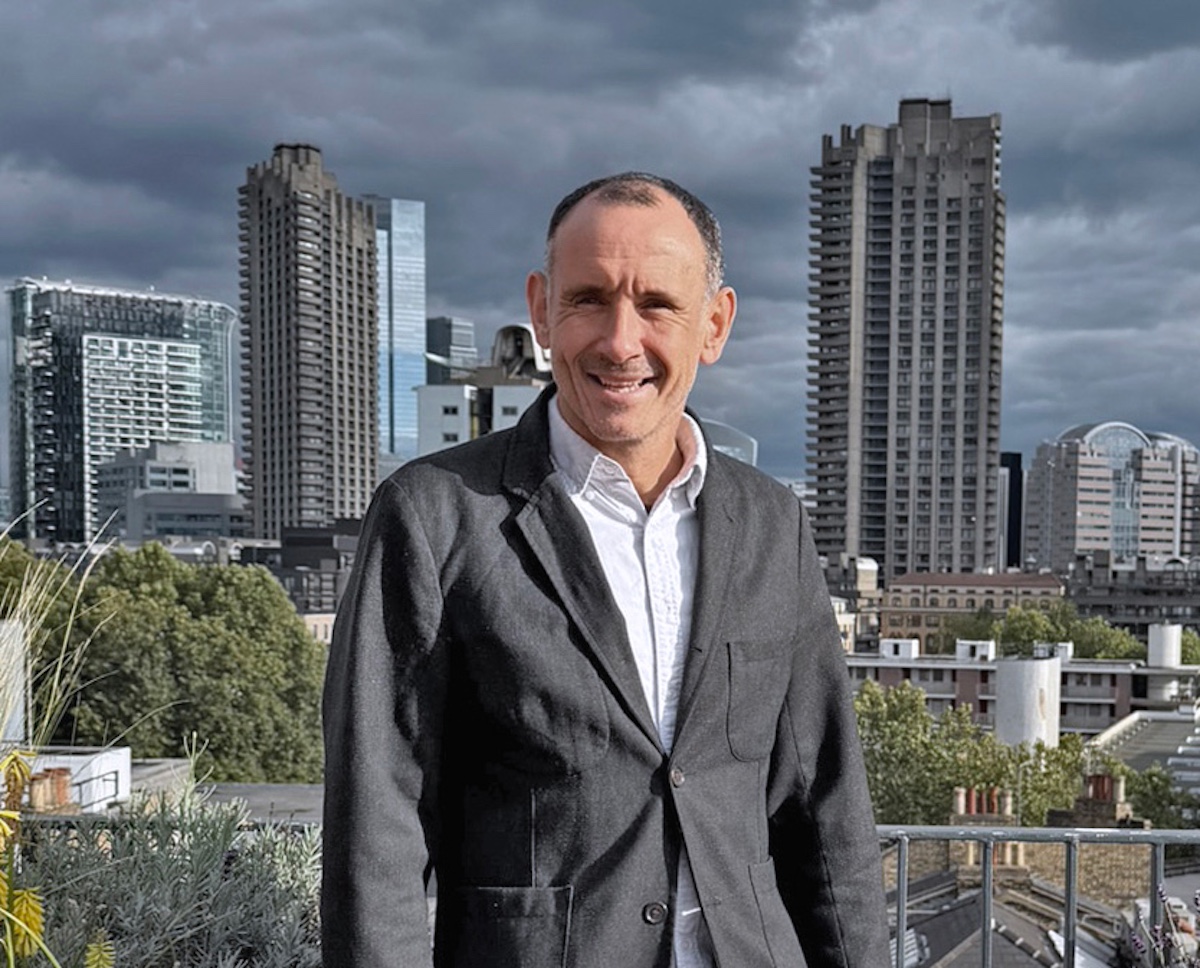
Timothy Soar reflects on the experience of photographing Welsh architect David Lea at Ogoronry in Gwynedd, Wales, shortly before his death in 2022.
There are certain places you don’t photograph so much as enter into a contract with. David Lea’s home at Ogoronwy is one of them.
I visited in July 2021, not long after lockdown had lifted, travelling through North Wales with my new wife, Fiona, on our honeymoon. The world still felt tentative then, things were unsure, villages quiet, people not yet confident enough to venture out, edges had softened.
Arriving above Llanfrothen, beneath the flank of Cnicht, there was a sense of stepping into something far older, and far more resolved, than anything we had left behind.
Ogoronwy is not a ‘house’ in any conventional sense. It is an accretion, a life’s work carried out with a rare consistency of thought. Buildings, walls, gardens, working ground, each element feels less designed than arrived at. You see immediately that the usual categories fall away: architecture, agriculture, inhabitation, they are continuous here.
David had been ill, it was important to visit, important to make his portrait. He had been on my list for ages, yet somehow the moment had never arrived. But this time it all seemed perfect and somehow inevitable. My wife, our honeymoon, David and Ogoronwy: it all felt symbolic and powerful.
To photograph here is to slow down. There is no spectacle to grasp at. No singular image. Instead: thresholds, light from above, the quiet weight of stone, the softness of lime, the way a wall meets the ground without declaration. Everything insists on being understood in relation: to weather, to use, to time. David himself moved through it lightly, attentively, in dialogue with it all. As vivid and present as he had ever been.
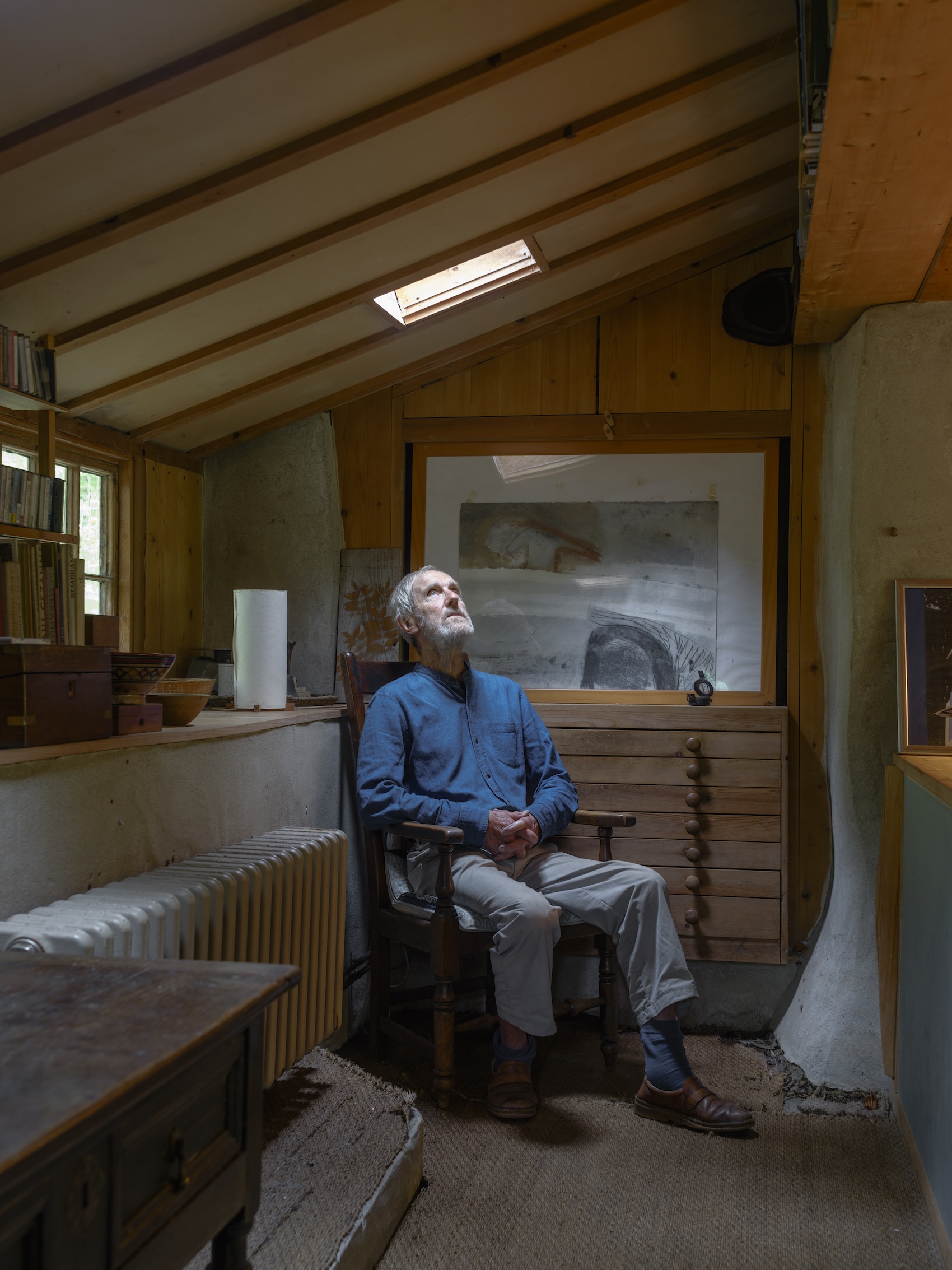
Making his portrait that day now feels, in retrospect, like an extension of the place rather than a separate act. There was no need to construct anything. No positioning beyond what was already present. The portrait that has since been used to accompany news of his death was made in that spirit – unforced, direct, attentive to the same qualities that shaped his architecture that had clarity, restraint, and a kind of deep, unspoken conviction.
I had a sense of time running out. The strength of his character, his enthusiasm for life and an intellectual curiosity for what lay beyond. What stays with me is not a single image but a way of working, and of living, that feels increasingly rare.
At a moment when architecture is so often preoccupied with image, scale, and performance, Ogoronwy offers something quieter and far more exacting: a demonstration that a life, consistently applied, can produce a place of extraordinary coherence.
It asks difficult questions of the rest of us. But, like David, it does so without raising its voice.