‘The Future of Student Living’, a panel discussion hosted by Walsh on 19 March, looked at two recent PBSA projects whose viability has been positively impacted by engineering design.
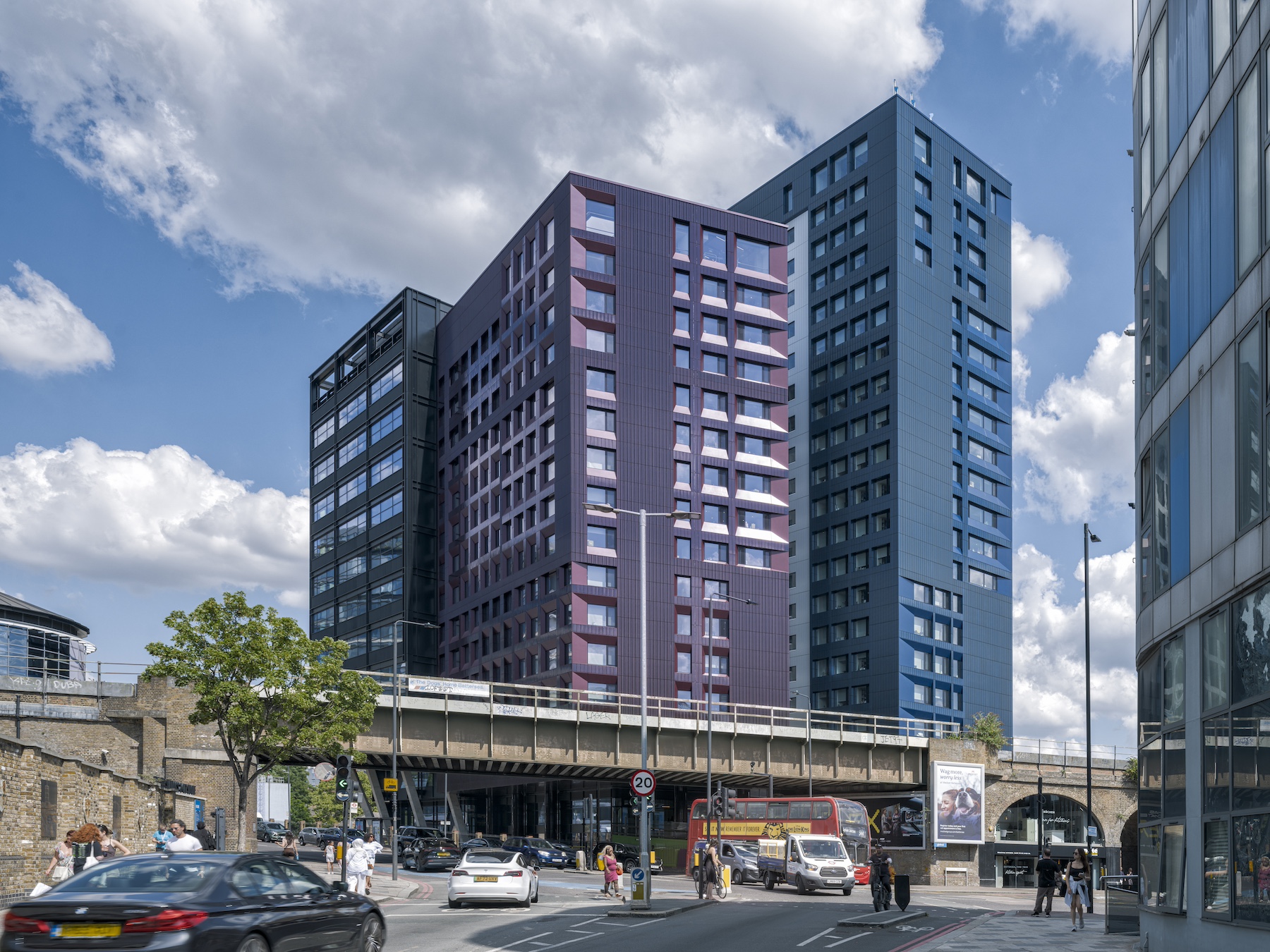
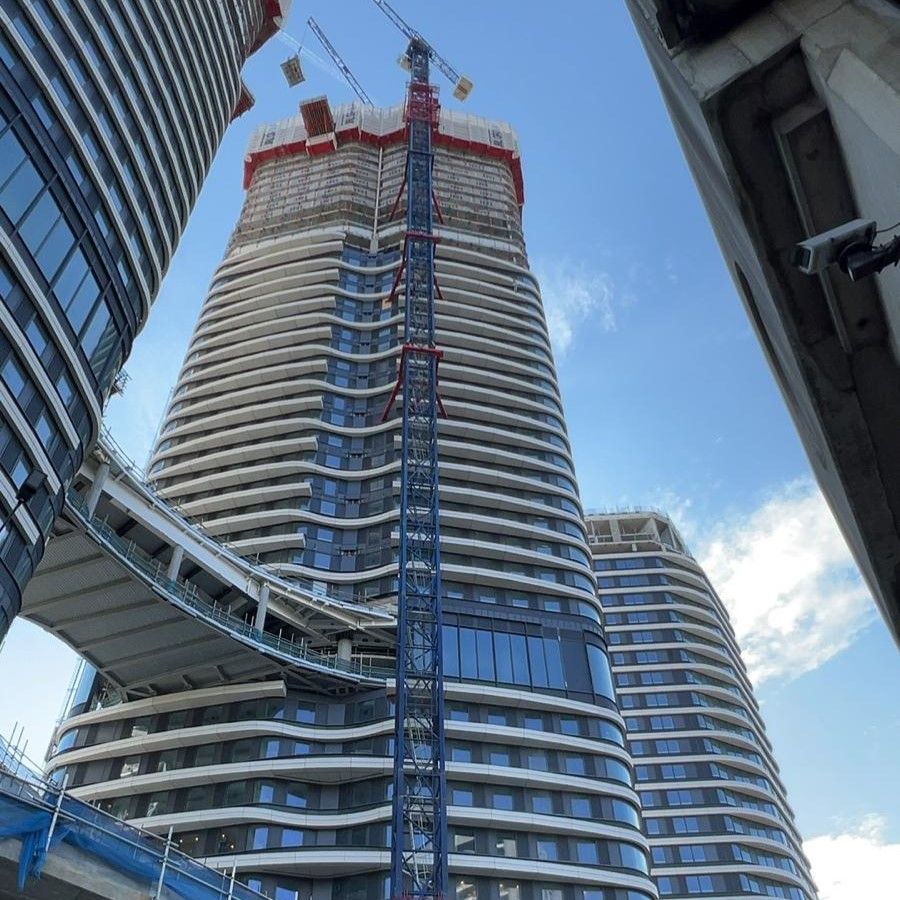
The two projects are both for Urbanest. The first is an 853-bed scheme in Battersea and the second, when completed, will provide 1,672 beds is in Canary Wharf. Both are built to Passivhaus standards, with the Canary Wharf project being the largest Passivhaus building in Europe. The Canary Wharf project used MMC construction methods, reducing build time and effectively giving investors an additional academic year of income.
Passivhaus is a set of building design principles that minimise energy consumption and therefore the operational costs of the building, while also providing a comfortable year-round environment for occupants. For Urbanest, acting as both developer and operator of the buildings, the long-term gains make this method attractive to investors.
“Our investor is very, very long term focused in their outlook” summarised Vicky Skinner, CFO of Urbanest. “They think in investment periods of decades and longer…. From the perspective of future proofing, delivering Battersea and now Canary Wharf to a Passivhaus standard felt like really fantastic derisking from their perspective, which all helped build the case in terms of viability.”
“Our students are absolutely at the heart of everything we do, and our reason for being. Passivhaus was a really fantastic target to aspire to and now deliver in these buildings which are so comfortable in terms of their ambient conditions.”

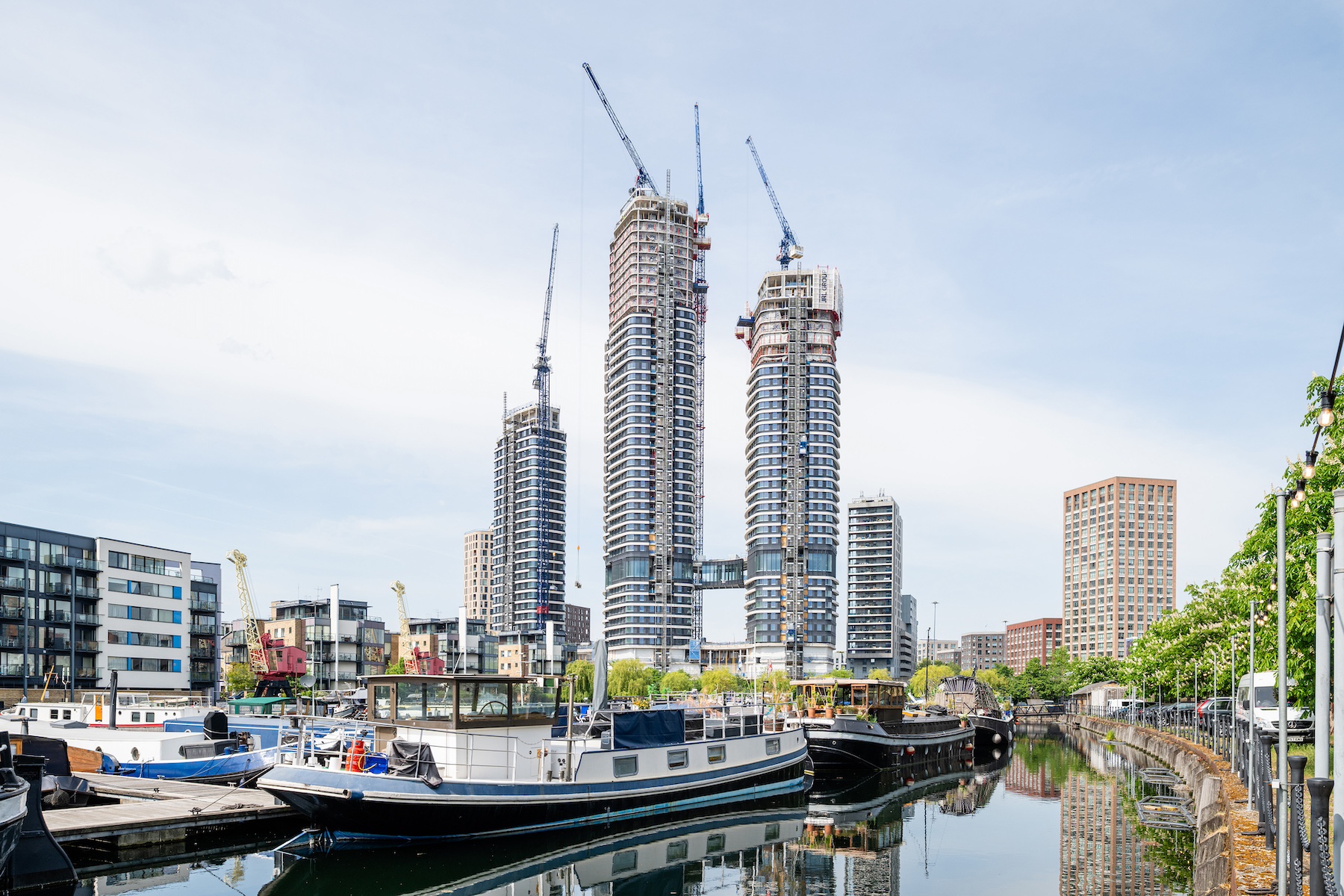
Left: Urbanest Battersea designed by AHMM. Above: Urbanest Canary Wharf, designed by Apt., under construction.
For sustainability architect and Passivhaus specialist Thomas Henriksen, designing in energy performance right from the start of a project is an integral part of the journey towards achieving buildings that are net zero in operation. Doing this requires collaboration from all parties: “One of the things that makes Passivhaus successful is that we worked as a team, right from the client support, the investor support and support from the cost consultant.”
Urbanest regards innovation as central to its development goals, so it was perhaps a logical next step to include modern methods of construction into the programme for the Canary Wharf building.
For engineers Walsh, already dealing with a challenging site above a major sewer and high voltage power lines, the introduction of a hybrid precast system added to the complexity. Originally conceived as a reinforced concrete frame the decision was made to switch to a hybrid system to further reduce the building programme.

Modern methods of construction (MMC) are being used to build the Urbanest location at Canary Wharf, currently on site.
“The structure utilised precast concrete floor elements which are assembled on site and finished with a concrete topping to create a monolithic slab. Structurally, the end result is almost identical to a traditional reinforced concrete slab. The difference lies in how the structure is assembled,” summarised Walsh Director Andy Stanford. “It’s a kit of parts, with everything manufactured offsite and then assembled on site. It’s a principle like flat-packed furniture.”
This offsite fabrication concept was used for many of the structural elements. The unitised façade is manufactured offsite to stringent Passivhaus compliant performance criteria before delivery to site and rooms include pre-manufactured bathroom pods that are stacked on site.
“Interestingly, these Modern Methods of Construction didn’t really affect the architecture” observed Bram van der Wal, Director of Apt architects. “These sorts of things are programme items.”

What Modern Methods of Construction did affect, however, was cost and time on site. Rob Barbour of Cast Consultants was responsible for cost management of the Battersea project and estimates that Passivhaus standards will add about 3-5% to building costs, compared to other high performing building methods.
This uplift in costs can largely be mitigated by reducing build time, as was demonstrated in the Canary Wharf project. “While offsite and hybrid precast solutions can carry a cost premium, the programme benefits – including reduced preliminaries, improved certainty and earlier completion – can offset this, particularly where earlier occupation drives additional revenue.”
For Bram van der Wal, Director of architects Apt, there were some immediate pragmatic advantages of the innovative approach taken with the building designs, particularly at the initial stages of gaining planning consent. Planners can be reluctant to approve PBSA projects, but focusing on the sustainable design of the buildings supported regional low carbon aspirations.

“It had to be explained to the planners in the first instance… but once they bought into that idea and how it all tied together with the scheme as one holistic, sustainable approach, they were happy to support… It was a unanimous decision to grant consent, which was a great achievement.”
Implementing really ground-breaking innovative building techniques requires the early buy-in of all the design team, backing from investors and a reliable delivery partner. The design team on the panel were keen to applaud contractor Midgard, part of the JRL Group and main contractor of Urbanest Canary Wharf. The close working relationship of all the delivery partners is credited with the smooth-running of both construction projects.
With the Canary Wharf project running months ahead of schedule, it is now due for completion in summer 2026, allowing for students to occupy the building a full academic year before originally scheduled. A significant additional financial benefit to come from embracing modern construction methods.

From left to right: Andy Stanford, head of Student Living practice within Walsh; Bram van der Wal, Director, Apt; Vicky Skinner, Chief Financial Officer, Urbanest; Thomas Henriksen, Founder and Director, Henriksen Studio; Rob Barbour, Director, Cast Consultancy; and Jonathan Linklater, Project Director, Urbanest. Not pictured: keynote speaker, Jo Winchester, Consultant and PBSA specialist.
The March discussion was the first in a planned series of building talks hosted at the London offices of Walsh Engineering, showcasing their involvement in innovative and cost-effective building methods. An audience of approaching 100 developers, consultants, architects and engineers, reflected the wide industry interest in innovative building techniques and also the central position occupied by the Walsh team in supporting the ambitions of these forward-thinking projects.