AccuRoof Sales Director Ian Dryden discusses how the Building Safety Act is reshaping responsibility across all project types, and why controlling specification, documentation and design change are now critical to reducing risk.
In association with
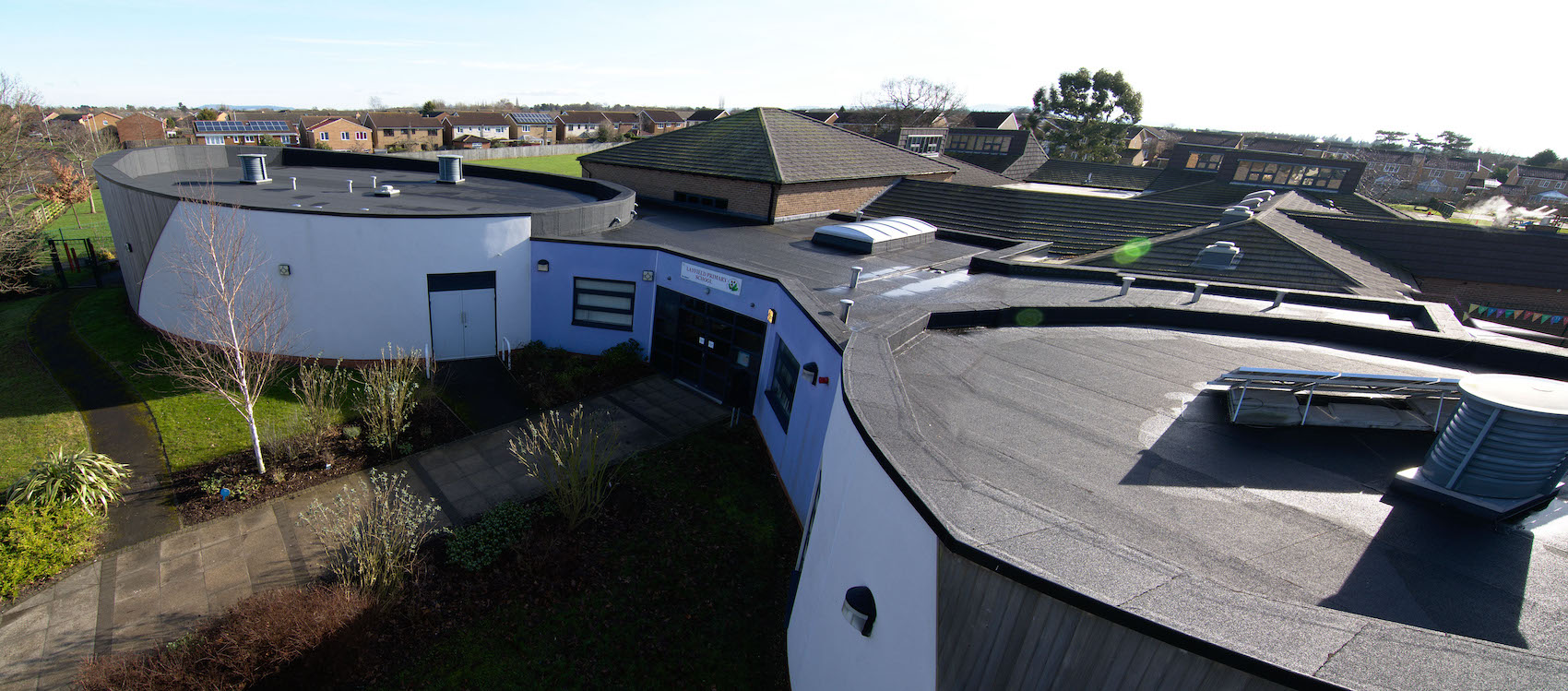
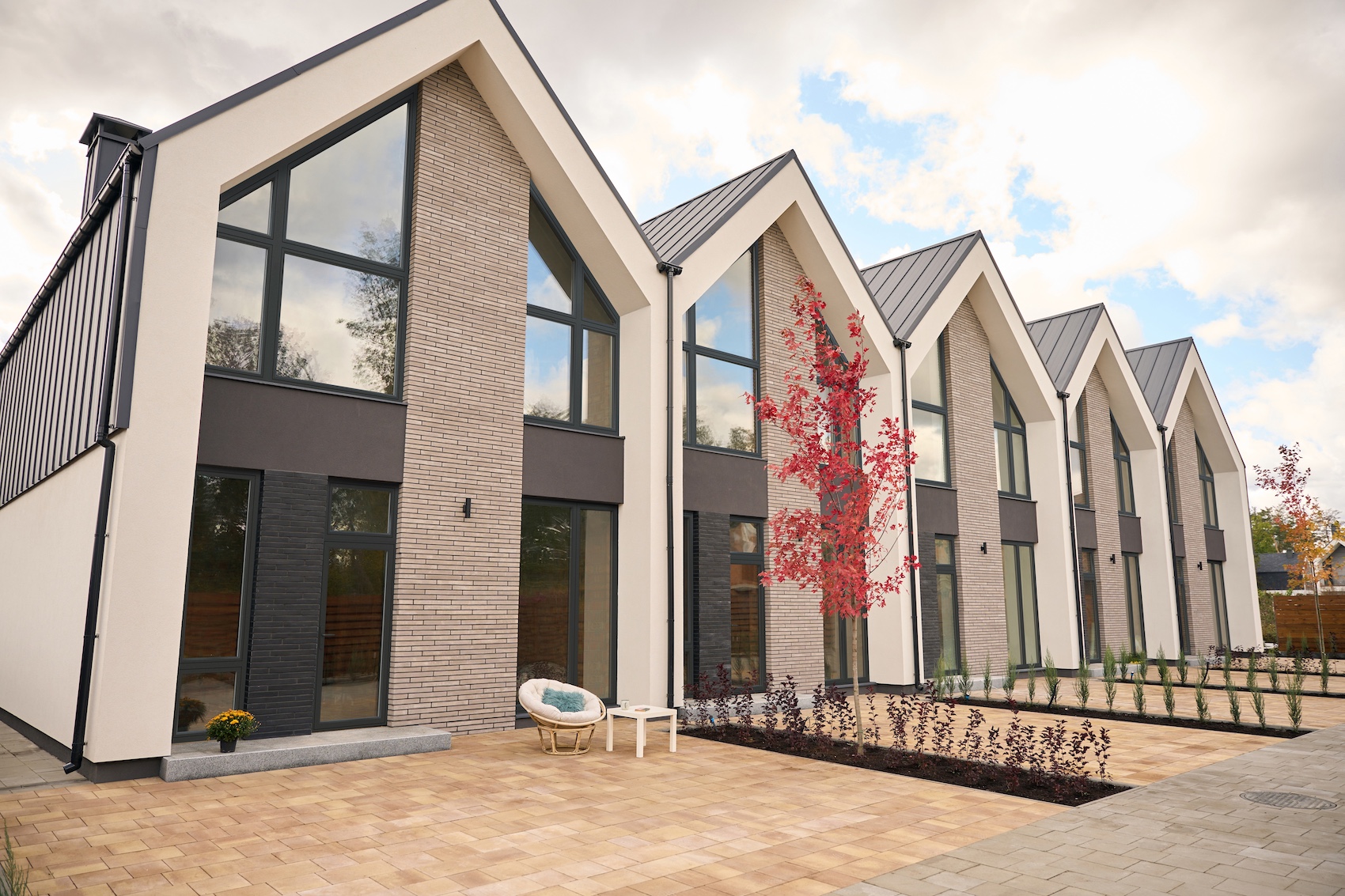
Layfield Primary School in Yarm, North Yorkshire. The visually-striking, single-storey building incorporates a SIGnature Torch On membrane roof installed by Roofix (photo: Terry Smith).
The introduction of the Building Safety Act 2022 (BSA) has been widely understood as a regulatory step-change for Higher-Risk Buildings (HRBs). Much of the industry discourse has focused on gateways, the ‘golden thread’, and the enhanced oversight of tall residential schemes. But this focus risks obscuring a more subtle and arguably more pervasive shift in responsibility that extends well beyond HRBs. For architects, contractors, and specialist installers working on so-called ‘lower-risk’ buildings, the implications of the BSA are less visible, but no less significant.
At the centre of this is an issue that has long existed in practice but is now increasingly exposed under the dutyholder regime. AccuRoof Sales Director Ian Dryden examines how specification drift is creating new layers of accountability across project teams, and why managing design changes, documentation and system integrity is now critical to maintaining compliance beyond HRBs.
Beyond HRBs: A misunderstood threshold
It is correct that, for lower-risk buildings, the Building Safety Act 2022 does not impose the full procedural framework associated with HRBs. There are no Gateway Two or Three approvals, and the formalised ‘golden thread’ requirements are not mandated in the same way. Yet this has led to a common misconception, that the BSA has limited relevance outside of tall residential buildings. In reality, compliance with Building Regulations remains absolute; dutyholder responsibilities still apply; and design accountability is not diminished by building height. The regulatory framework may be lighter in process, but it is not lighter in consequence.
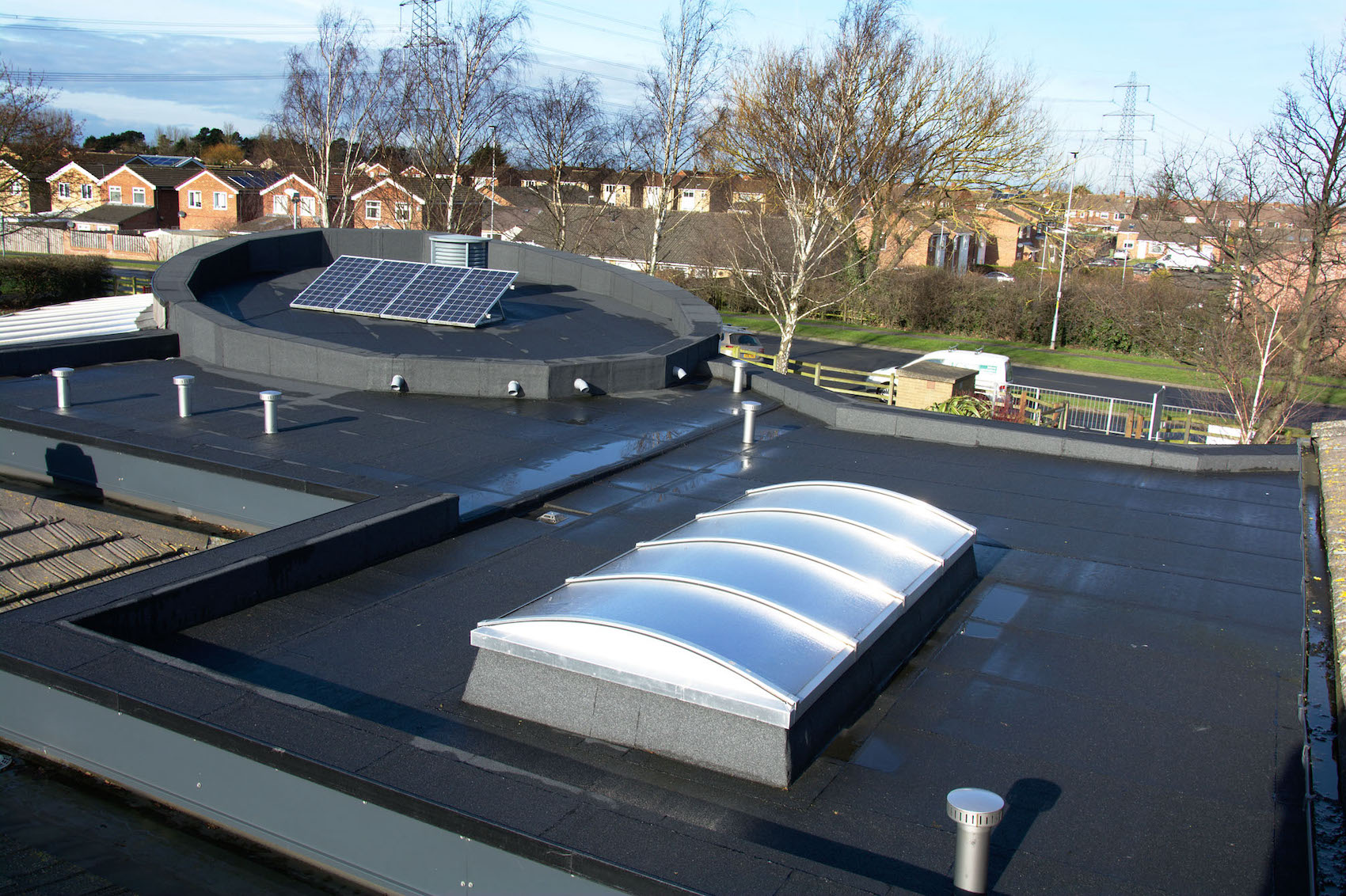
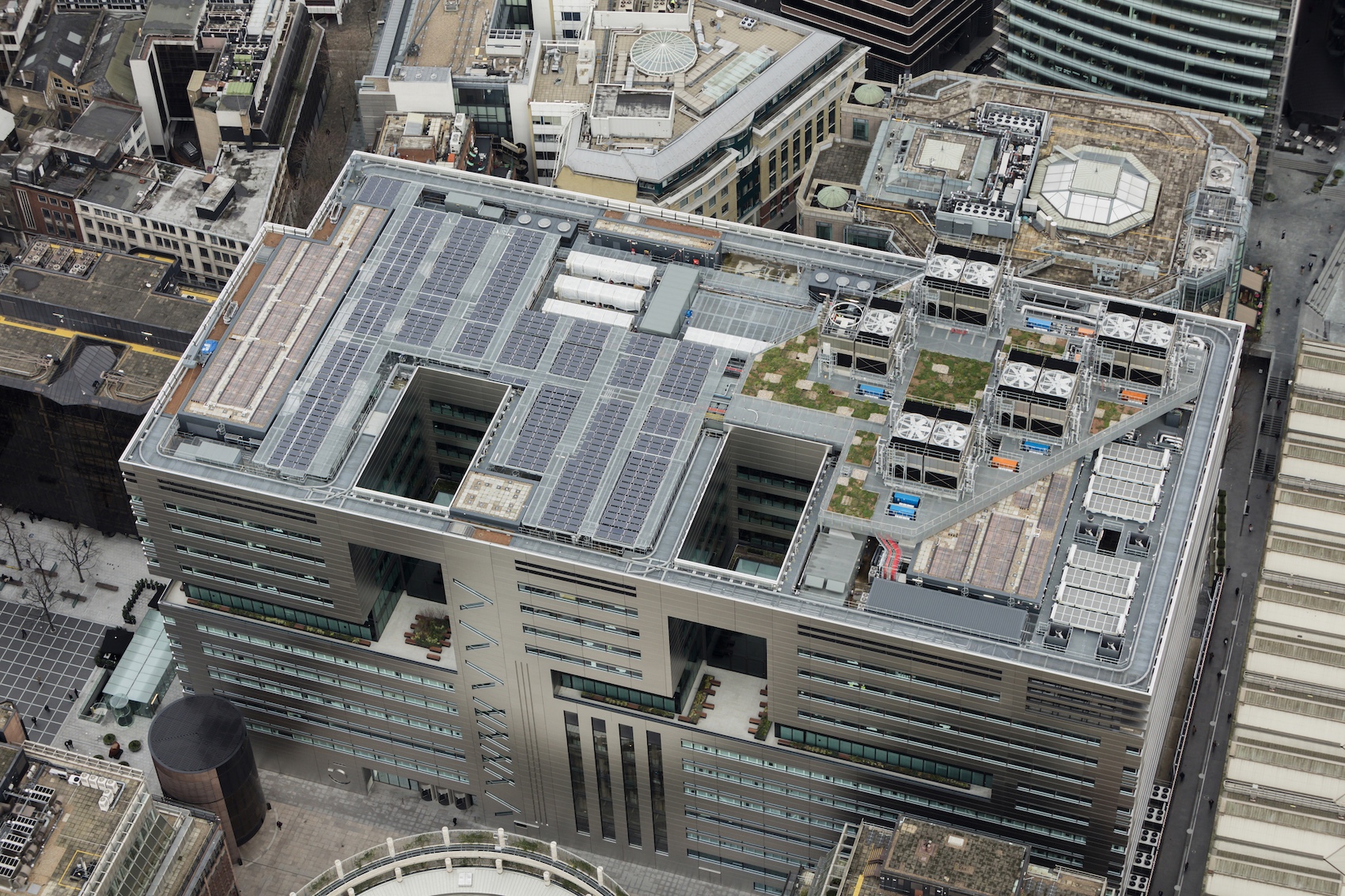
Close-up view of Layfield Primary School roof showing rooflights and PV panels (photo: Terry Smith).
When installation becomes design
One of the most consequential shifts under the dutyholder regime is the clarification of roles. In particular, the distinction between design and installation is no longer as forgiving as it has historically been in practice. A contractor who substitutes materials, alters build-ups, or mixes system components is not simply adapting to site conditions, they’re making a design decision.
This is especially pertinent in roofing, where system performance is highly interdependent. A seemingly minor substitution, such as changing insulation type or manufacturer, can have wider implications for compliance, particularly in relation to fire performance. BROOF(t4) fire classification, for example, applies to the fire performance of the entire roof system, not individual components. Substituting one element without revalidation may invalidate the classification altogether. In such cases, the contractor effectively assumes partial design responsibility, along with the associated liability.
Shared risk, not transferred risk
It would be a mistake, however, to view this as a simple transfer of liability from designer to contractor. Under the dutyholder framework, responsibility is shared and contingent on actions taken. For example:
- If a contractor initiates and implements a change without appropriate review, they may assume liability for that decision.
- If a designer or specifier is consulted and provides informal or undocumented approval, their exposure may remain.
- If changes are not properly recorded or reassessed, the client ultimately inherits the risk.
- The result is not a clean shift in responsibility, but a widening of potential accountability across the project team.
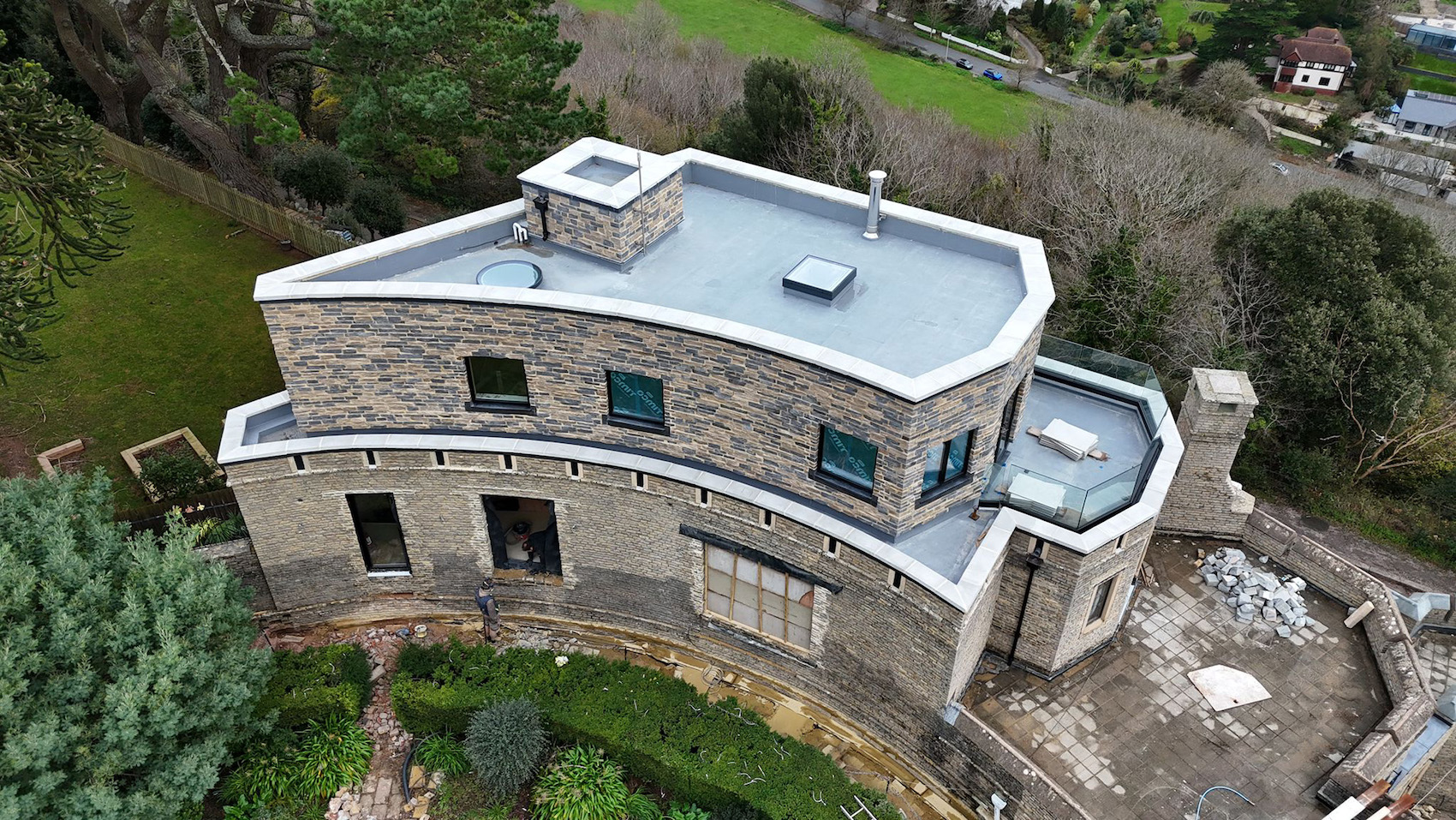
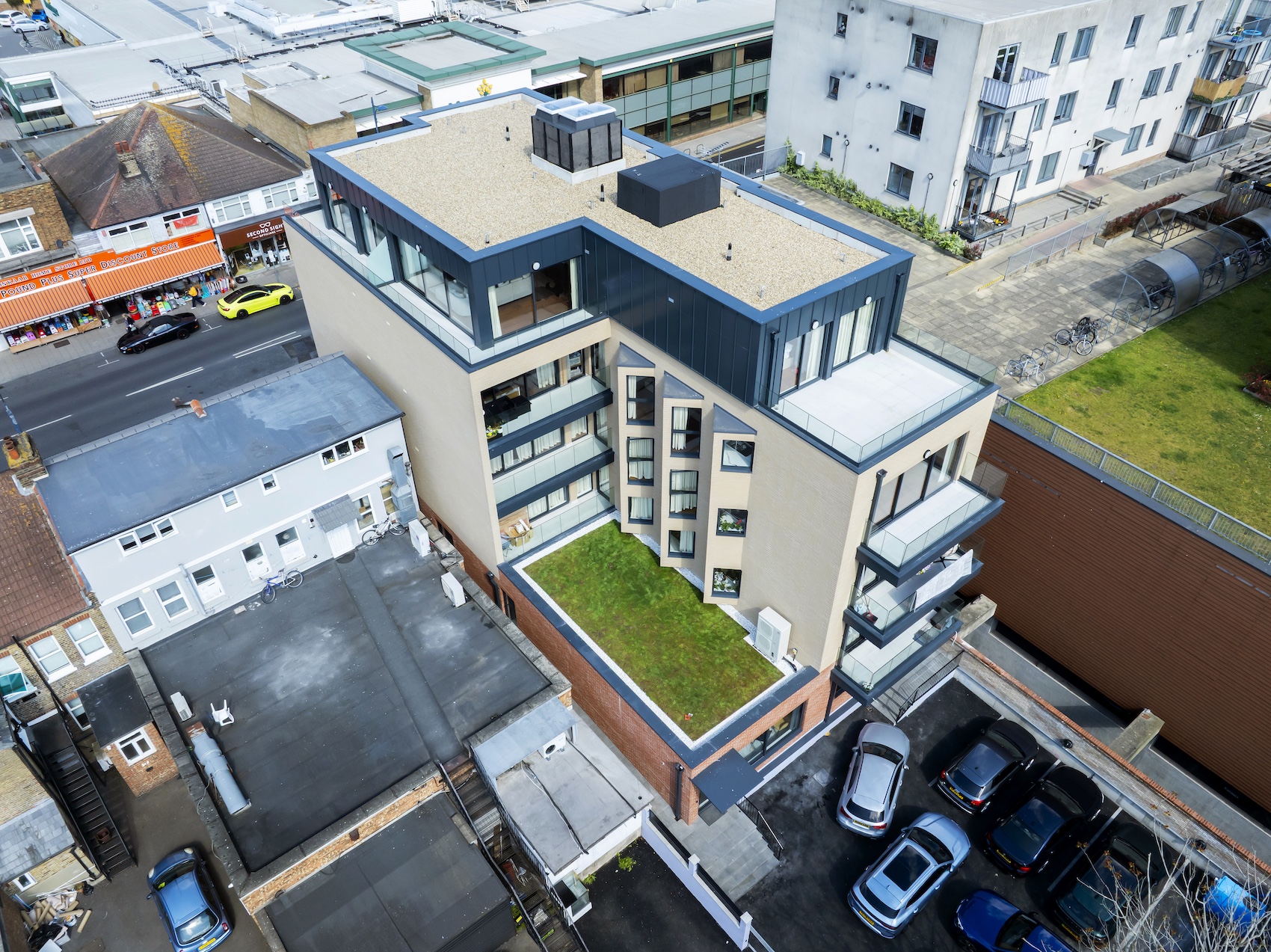
A Hydrostop AH+ liquid waterproofing membrane was specified for Lincombe Keep in Torquay, Devon. The roofing contractor was SMW Roofing (photos: SMW Roofing).
The visibility gap: When issues surface
A critical challenge is that many instances of non-compliance do not manifest during construction. They emerge later – often at points of heightened scrutiny. One such moment is property transaction. Where a roofing system cannot demonstrate compliance with the Building Regulations, whether due to lack of certification, unclear specification history, or questions around fire performance, it may be flagged during survey. In some cases, this can lead to lender concern, valuation adjustments, or requests for remedial works. Flat roofs, already subject to closer inspection by lenders and surveyors, are particularly vulnerable where documentation is incomplete or inconsistent. While such outcomes are not universal, there is growing evidence across the sector that the absence of a clear, verifiable compliance trail is becoming a commercial risk.
Controlling specification drift
The underlying issue is not substitution itself; value engineering and product availability will sometimes necessitate change. The problem lies in how those changes are managed.
Best practice is increasingly clear:
- Substitutions should not be treated as product swaps, but as system redesigns
- All changes should be subject to formal review and documented approval
- Specifications should explicitly state that no substitutions are permitted without written consent
- Responsibility for design changes should be clearly defined and recorded
- Crucially, informal approvals, whether verbal or via fragmented communication channels, offer little protection in the event of dispute or retrospective review.
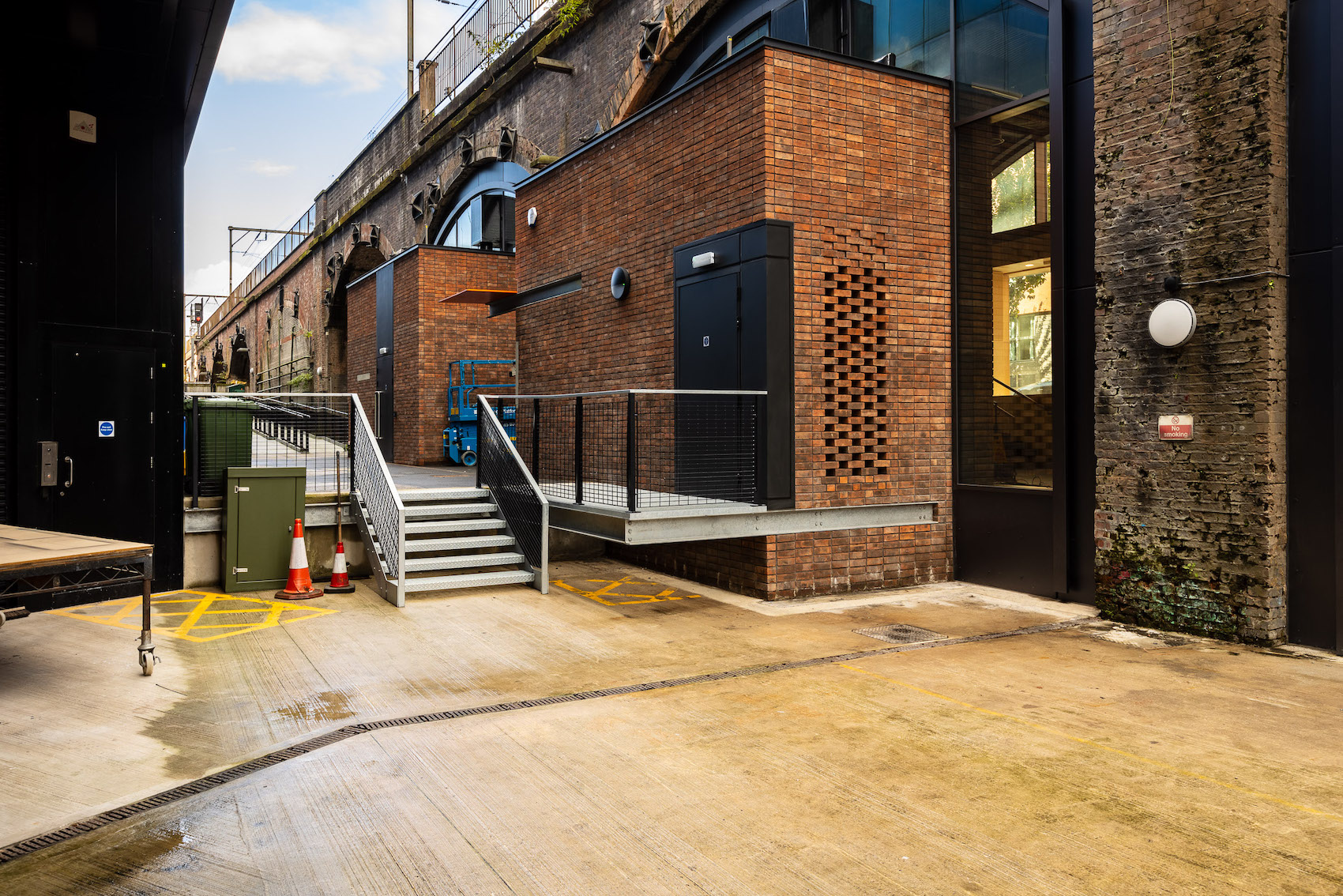
HOME Arches in Greater Manchester is an artist development hub designed to support artists across a range of disciplines. The single-storey entrance structure employs stack-bonded brickwork and an IKO Armourplan single ply roof (photo: Crescent Roofing).
A cultural shift in accountability
What the BSA 2022 introduces, even in lower-risk contexts, is not simply a new layer of regulation, but a cultural shift in how responsibility is understood and evidenced. For architects, this reinforces the importance of maintaining control over specification integrity and ensuring that any deviations are properly assessed. For contractors and installers, it requires greater awareness that decisions made on site may carry design implications and therefore legal consequences. For the industry as a whole, it highlights the need for clearer communication, more rigorous documentation, and a shared understanding that compliance is not fixed at specification stage, but maintained throughout delivery.
Ensuring compliance through delivery
The focus on HRBs has been necessary and justified. But it should not obscure the broader reality: the principles underpinning the BSA 2022 apply across the built environment. In this context, specification drift is no longer a routine part of construction practice, it is a point of potential liability. And as scrutiny increases, whether at completion, during occupation, or at the point of sale, it is the projects without a clear and defensible audit trail that are most exposed. The challenge, then, is not simply to design compliant systems, but to ensure that compliance survives the journey from drawing board to finished building.
Contact Details
For more information, please call 01509 505 714, email, or visit the AccuRoof website.
To book a CPD or to find out more about our CPD’s, please click here.
Let’s discuss your project in more detail. Click here to book a visit.