Designed by dichter Architekturgesellschaft, Museum Friedland Phase 2 extends one of Germany’s most significant migration museums with a new visitor and documentation centre that links the historic railway station to the active transit camp beyond.
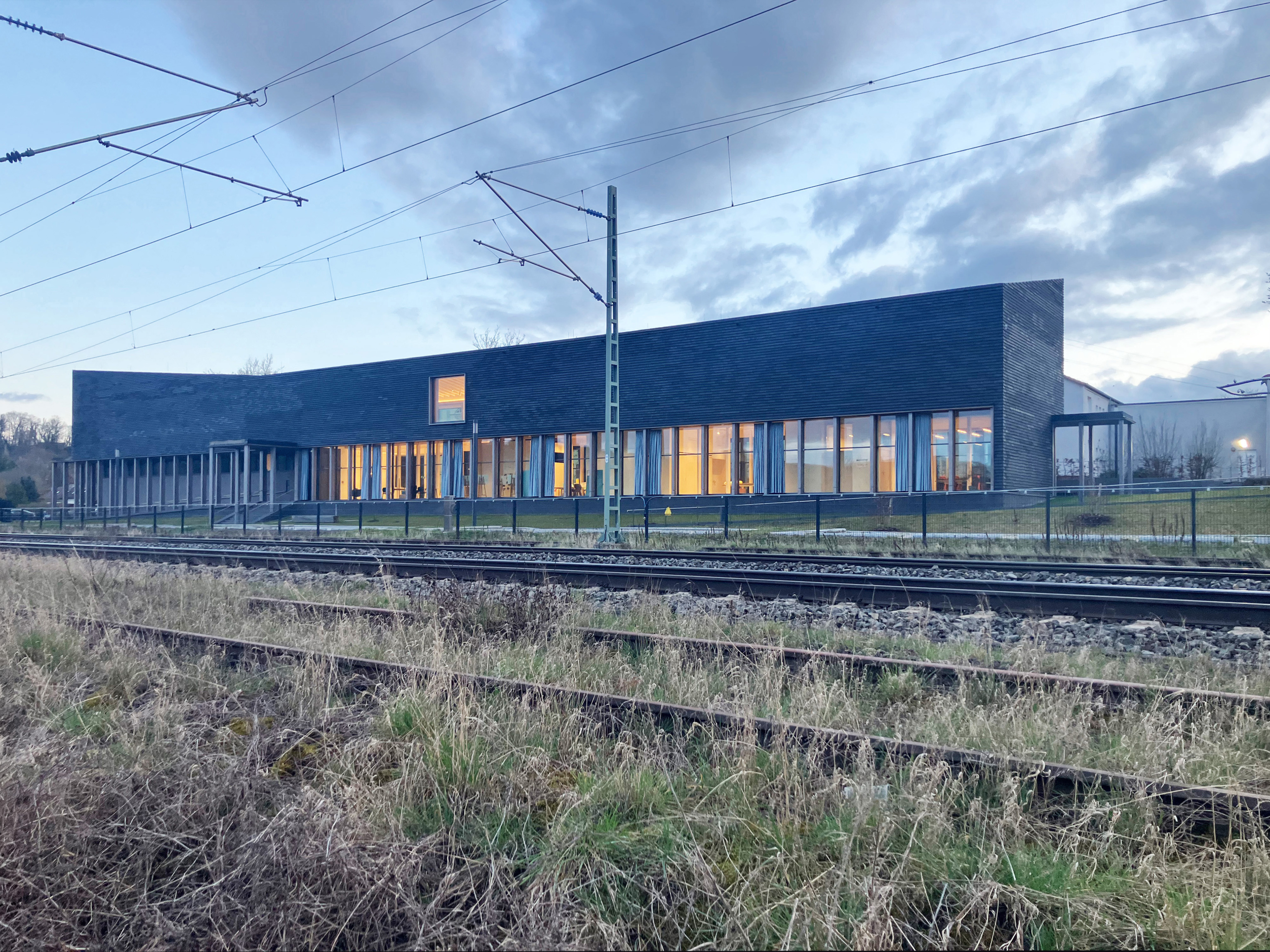
Berlin-based practice dichter Architekturgesellschaft has completed the second phase of Museum Friedland in Lower Saxony, Germany, expanding the institution with a new visitor, media and documentation centre. Positioned between the museum’s original home in the former railway station and the still-active Friedland Transit Camp, the new building establishes a physical and conceptual link between the two sites, reinforcing the museum’s role as both a place of remembrance and a living institution documenting migration, displacement and arrival.
Since 1945, more than four million people have passed through the Friedland Transit Camp, making it one of Germany’s most significant sites of arrival. The museum’s first phase transformed the former railway station into an exhibition space dedicated to the camp’s history. The new building extends this narrative, providing additional exhibition facilities, educational spaces and visitor amenities, as well as strengthening the relationship between the historic station and the camp itself.
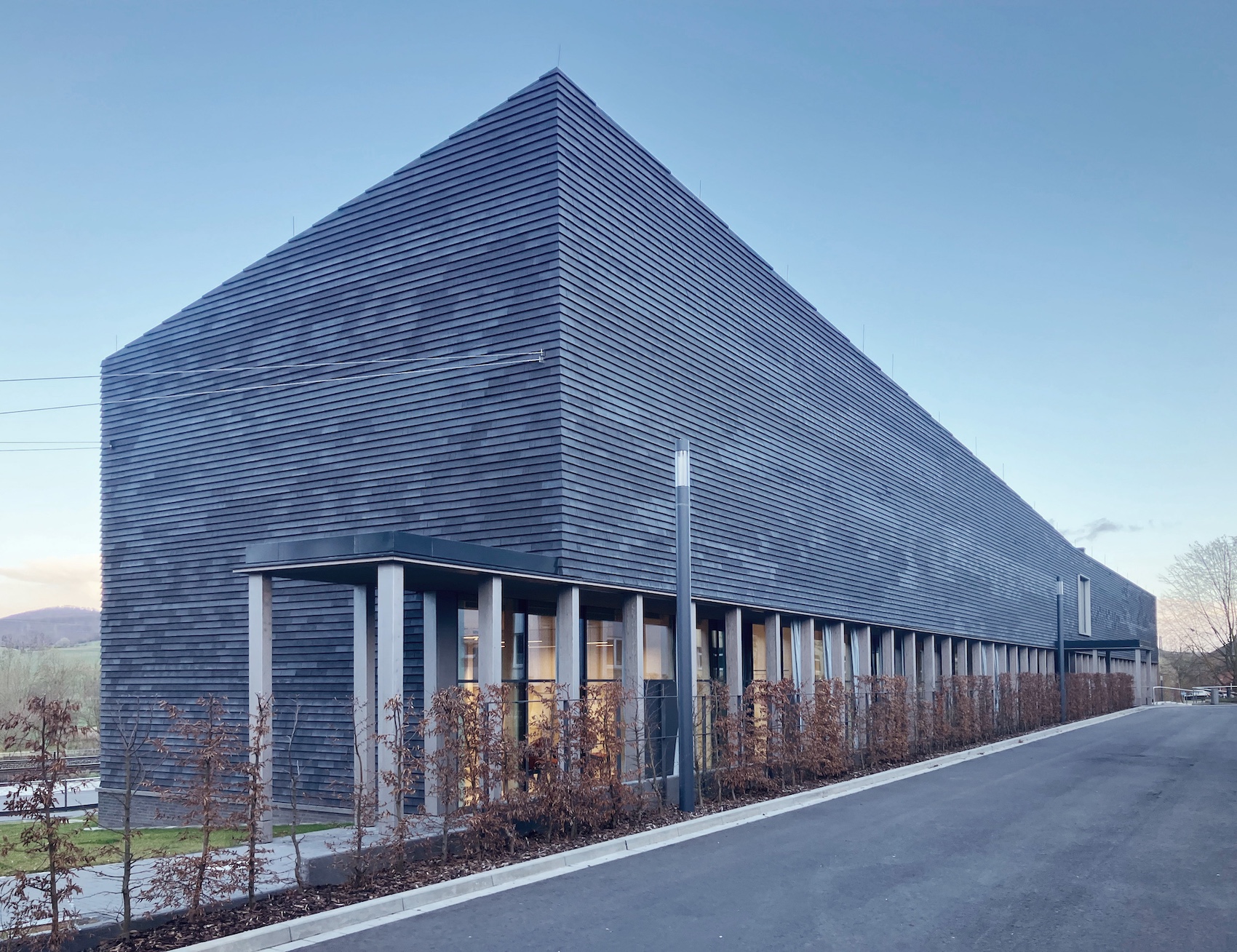
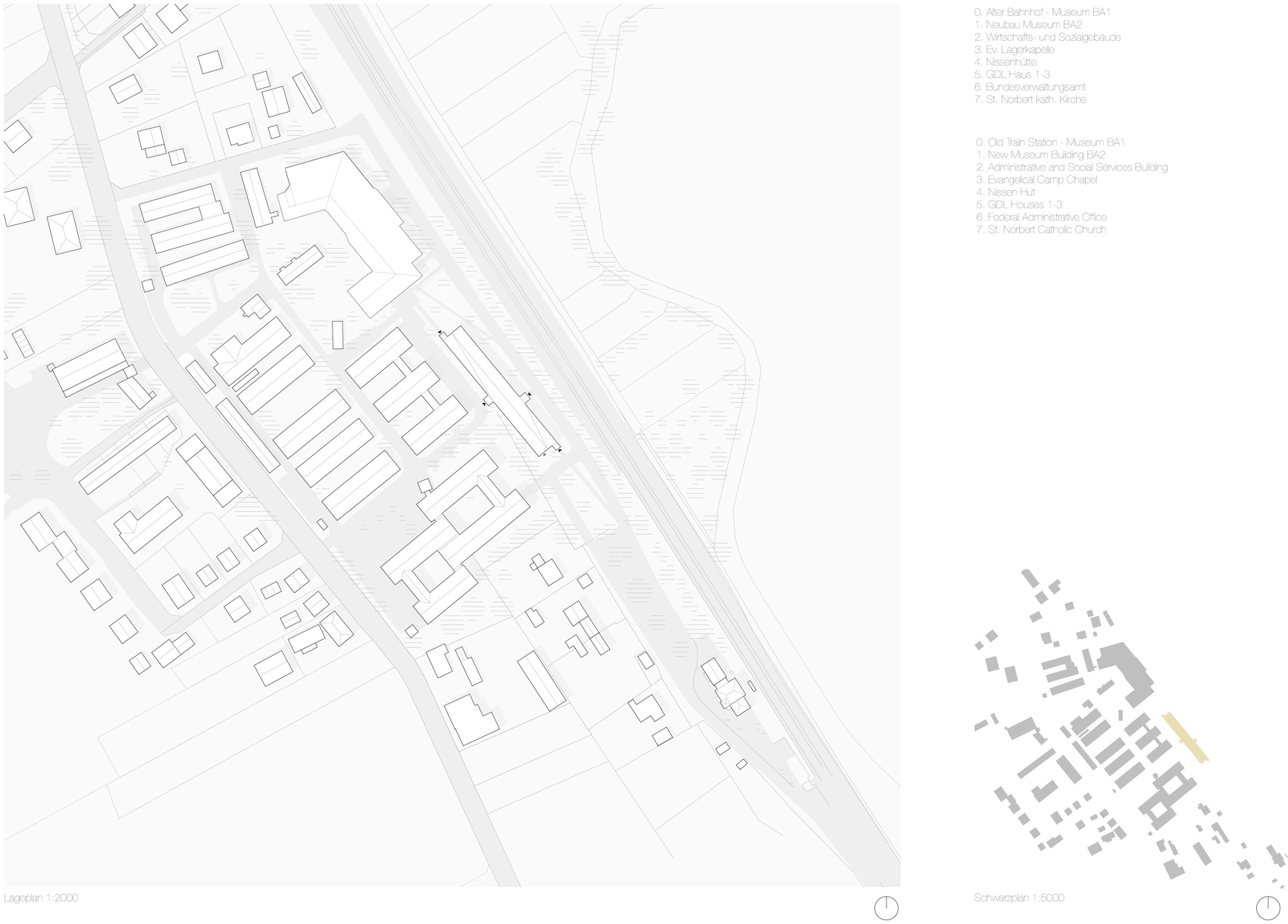
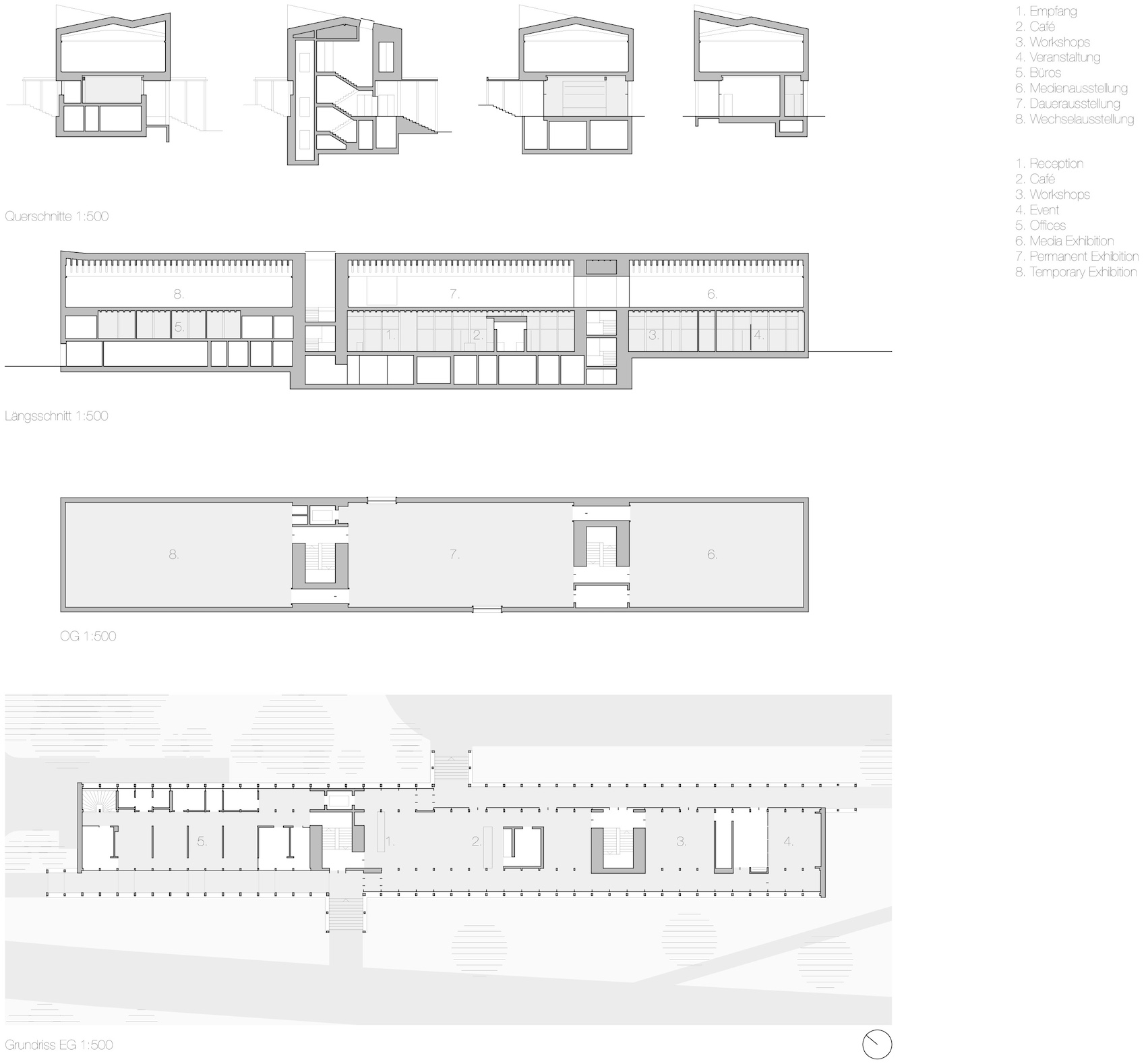
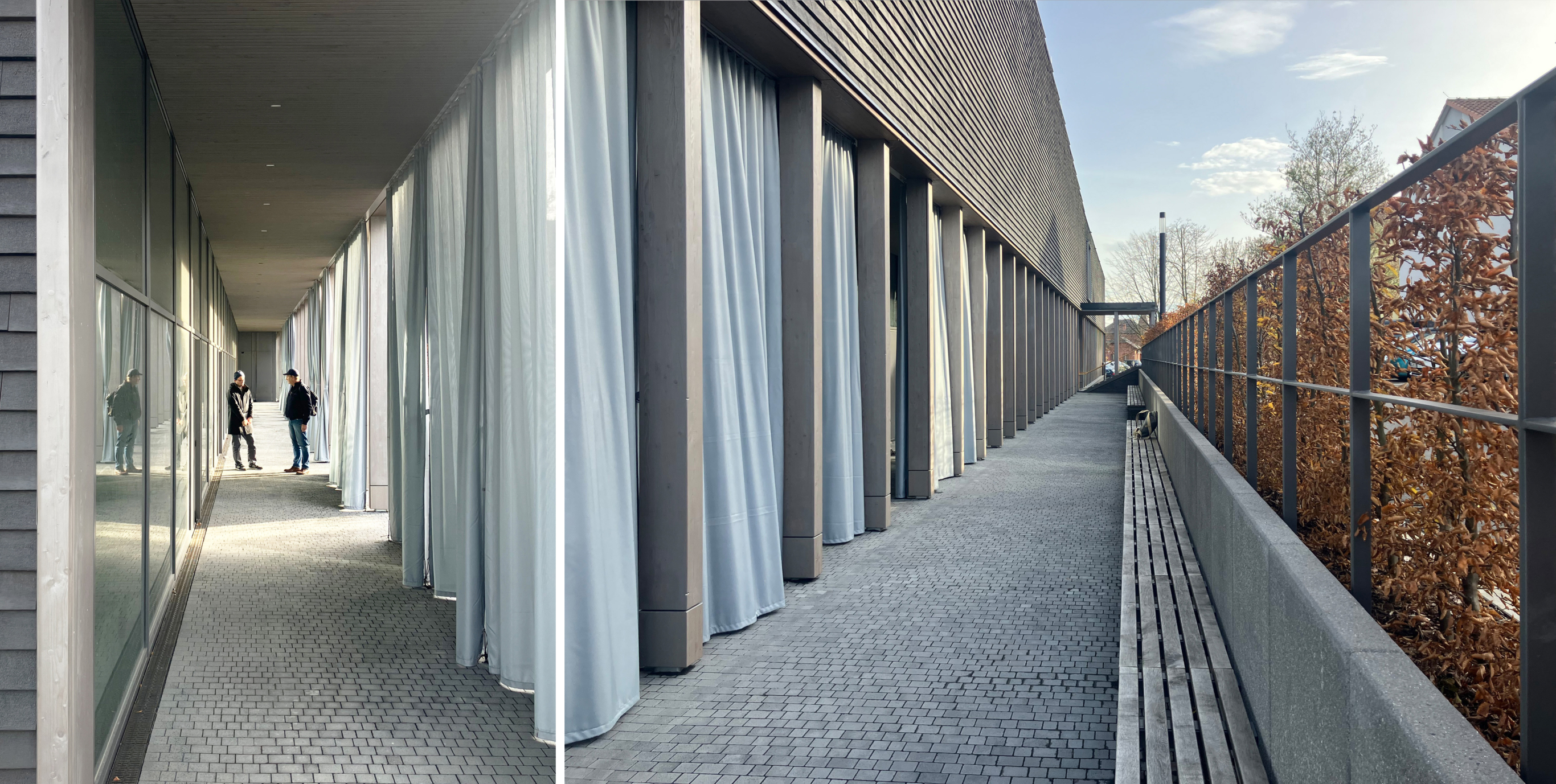
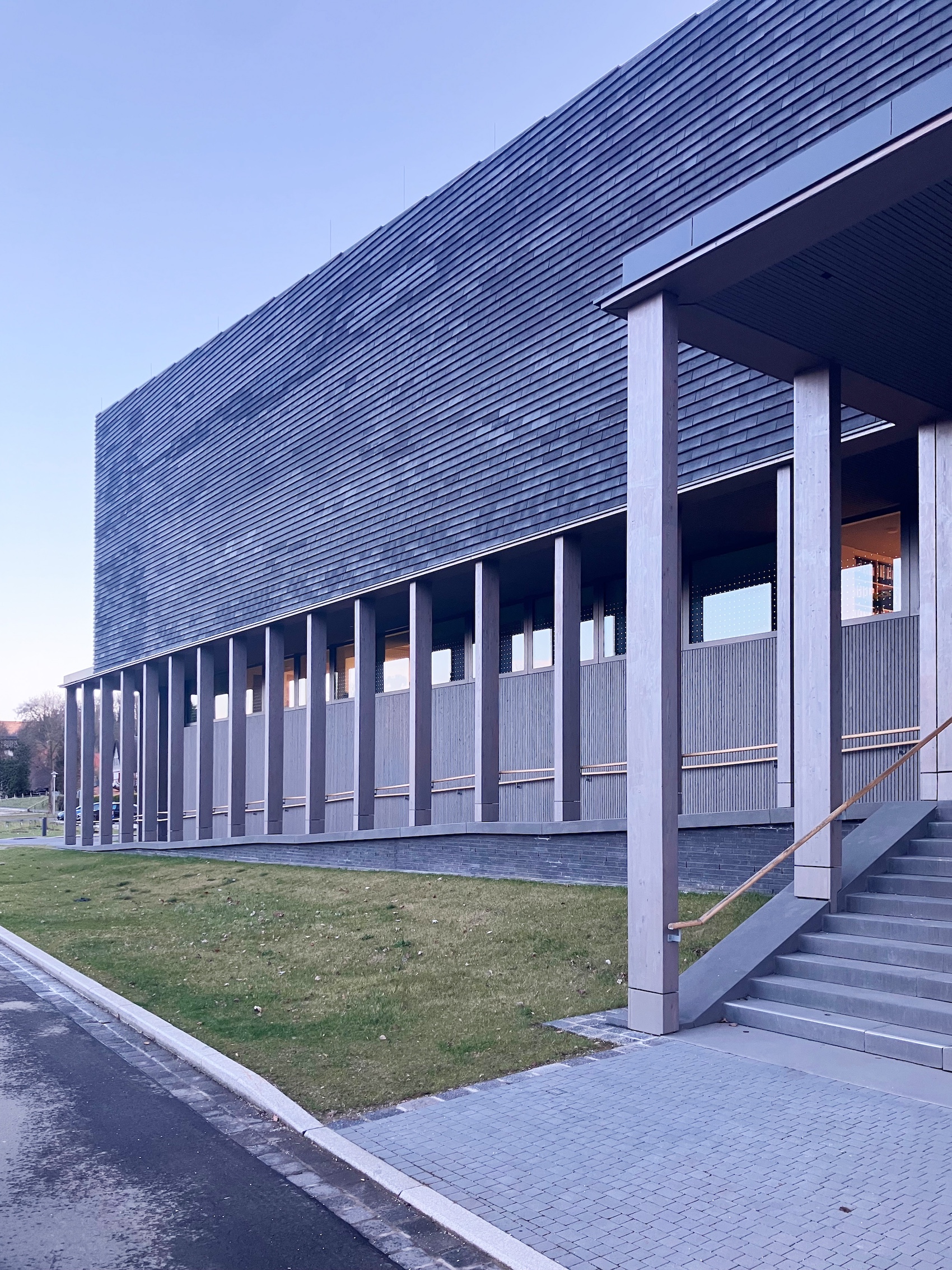
The building occupies a long, narrow site running alongside existing railway tracks, and measures approximately 80 metres in length by only 12 metres in width. Its elongated profile recalls a railway shed, evoking the journeys that brought generations of migrants, refugees and displaced people to Friedland. Colonnades on either side of the building guide visitors from both the former station and the transit camp towards a centrally-positioned foyer.
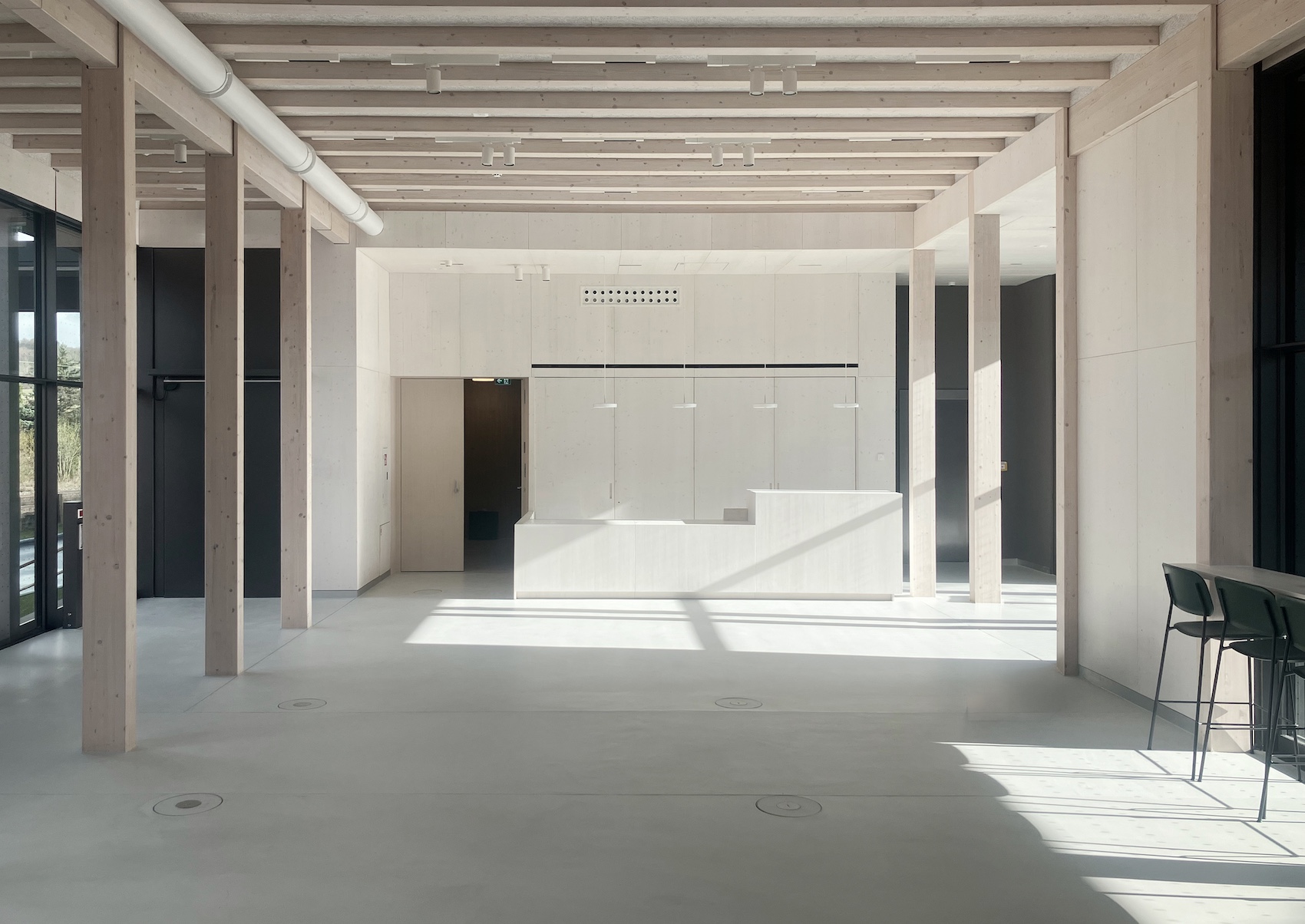
At ground level, the architecture is intentionally open and transparent, presenting itself as a welcoming public space for cultural exchange. The foyer is accompanied by a café, ticket office, media library, workshop spaces and seminar rooms, while museum administration, storage facilities and visitor cloakrooms are discreetly accommodated on recessed levels behind the reception area.
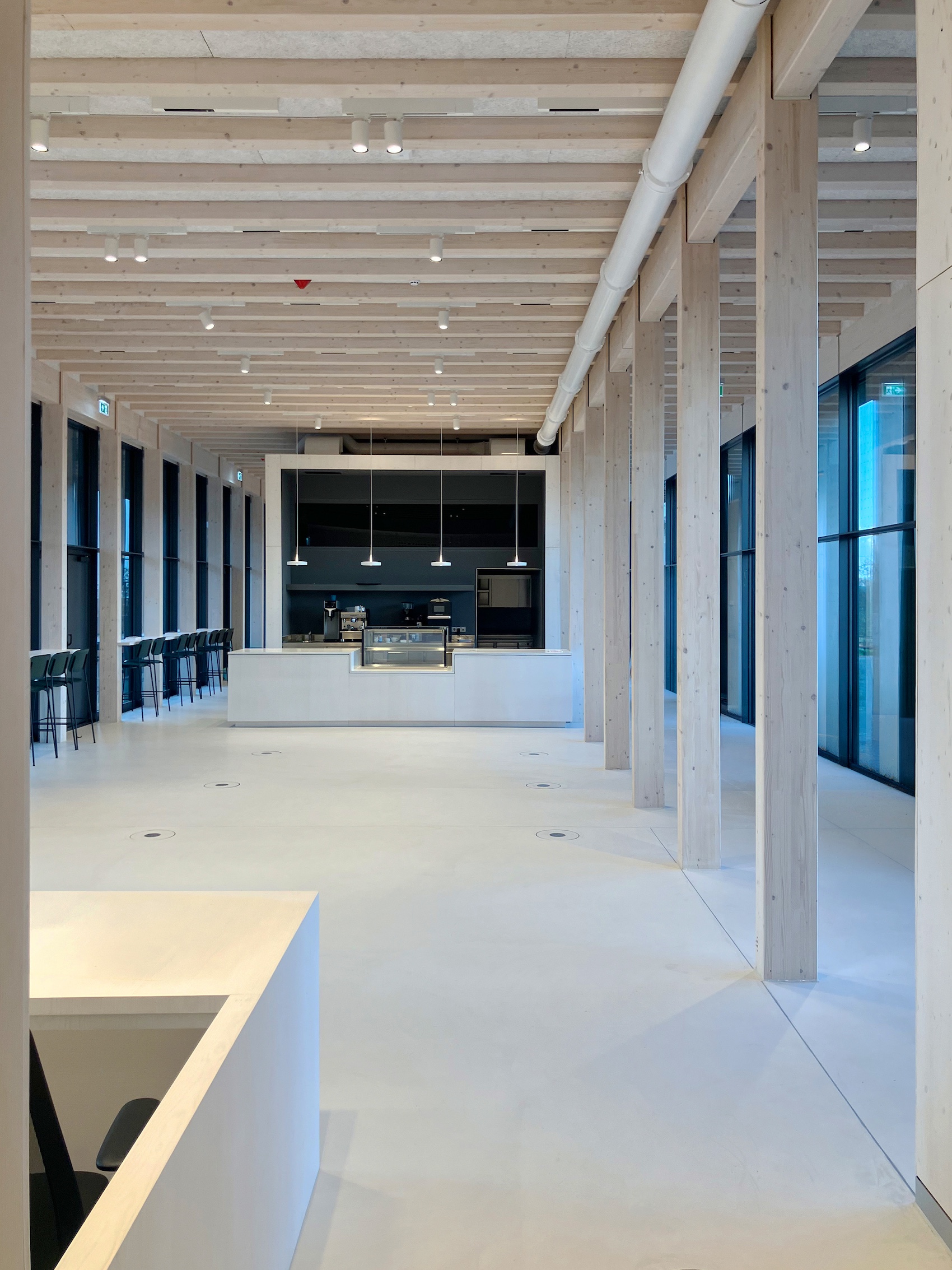
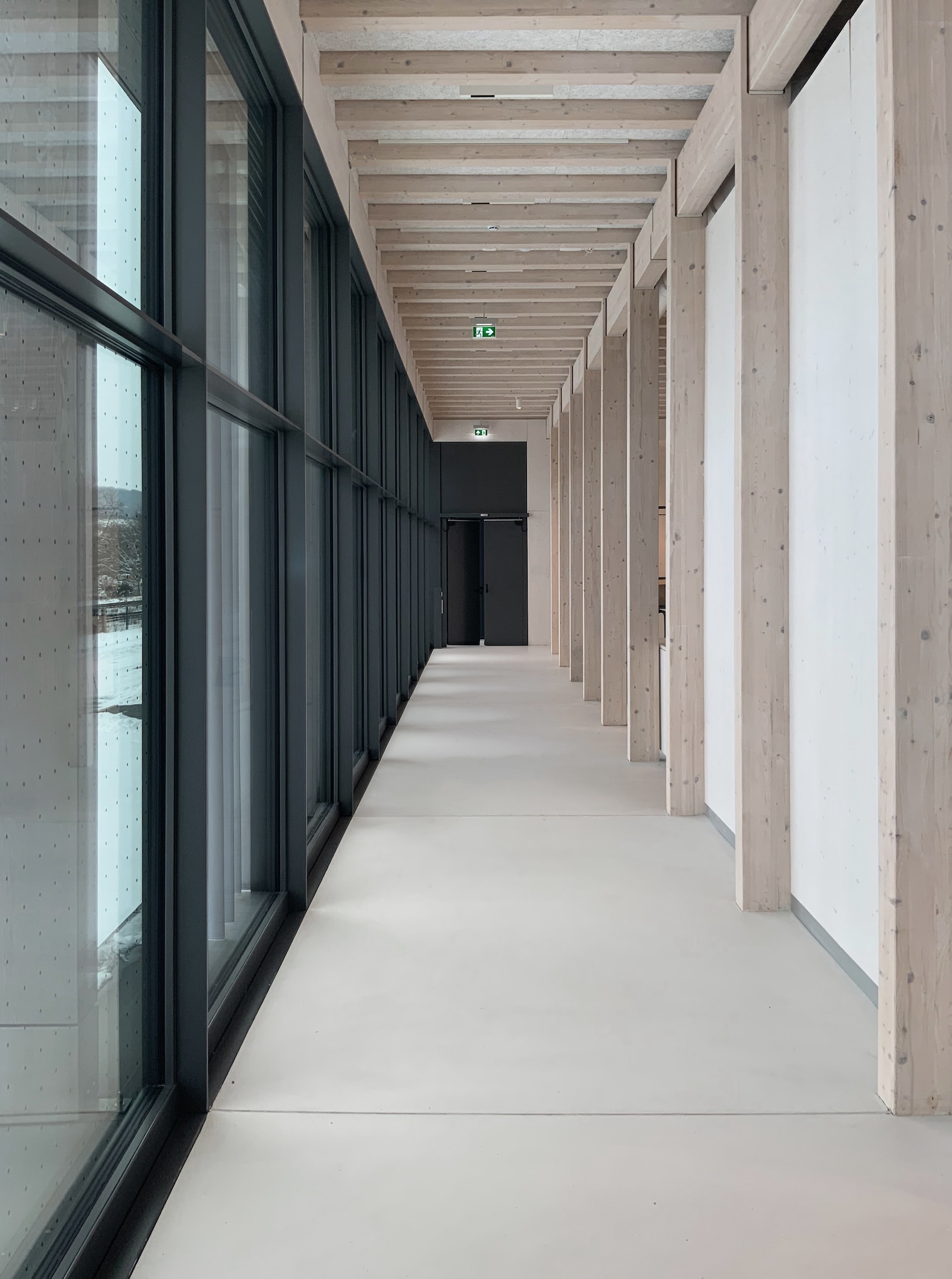
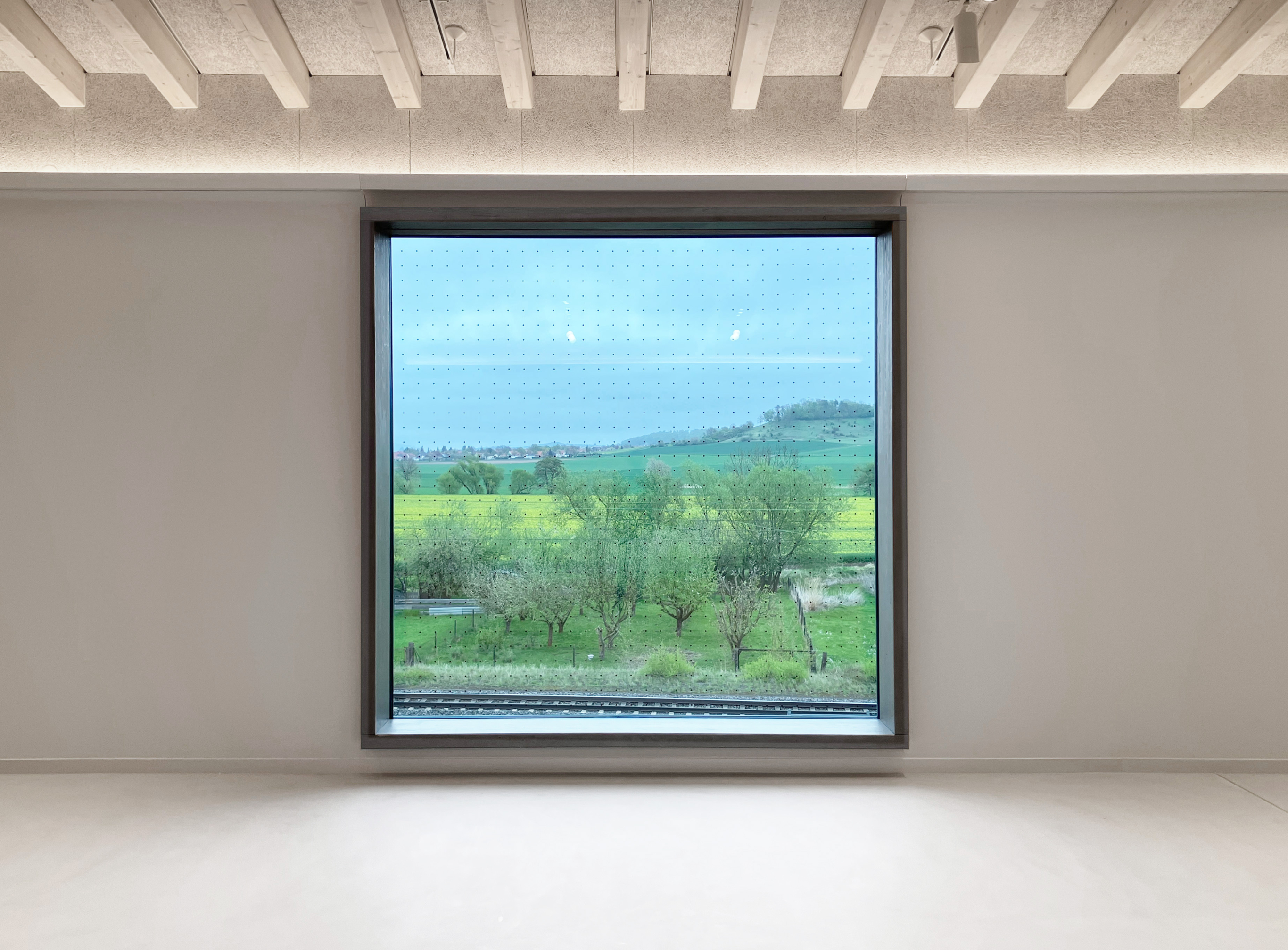
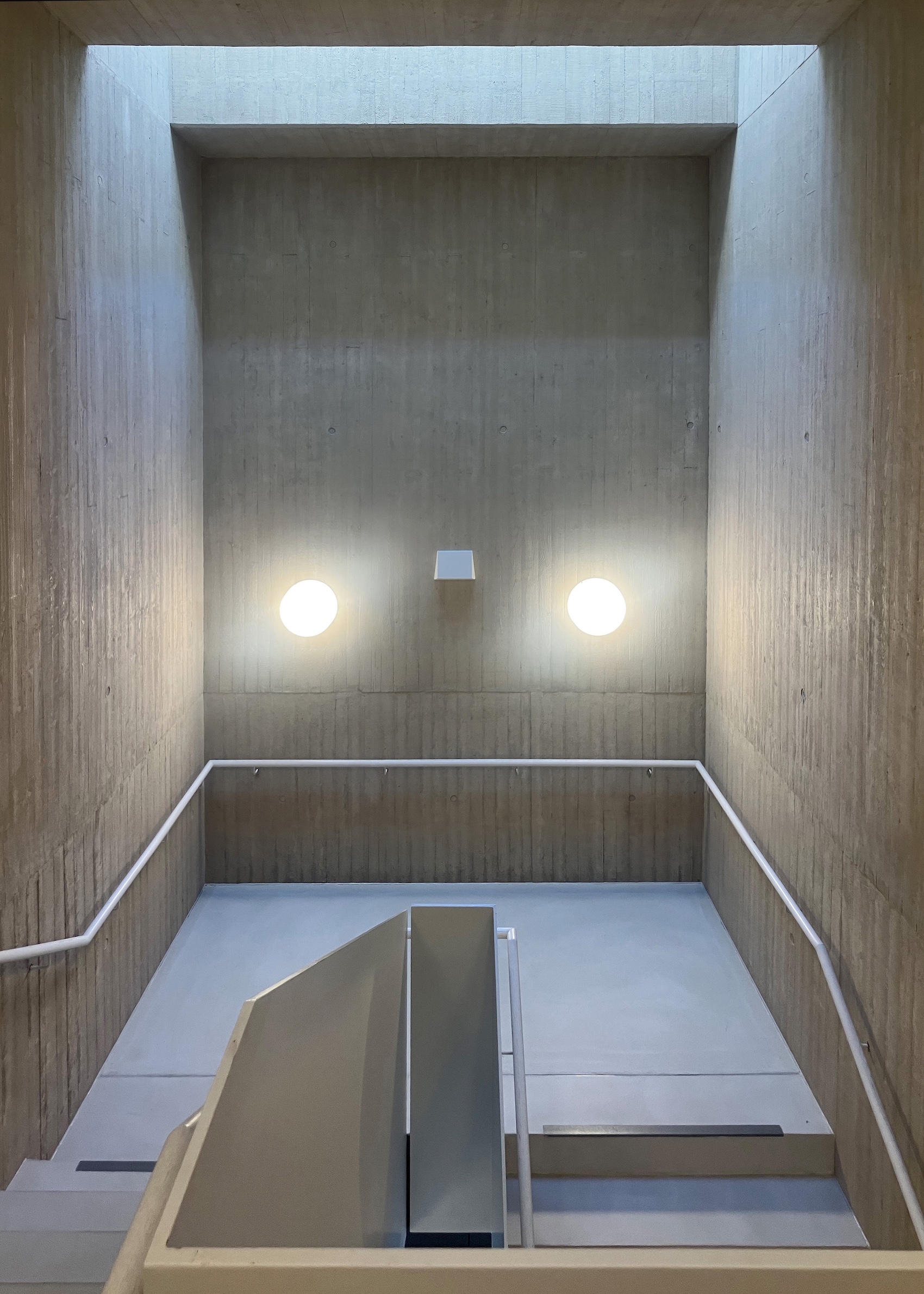
Conceived as a repository of collective memory, the upper-floor exhibition spaces are more enclosed and contemplative. Permanent, temporary and media exhibitions are organised within a flexible sequence of galleries, supported by two stair cores that allow both linear and non-linear exhibition routes. This arrangement enables the museum to accommodate a wide range of curatorial approaches and future exhibition formats.
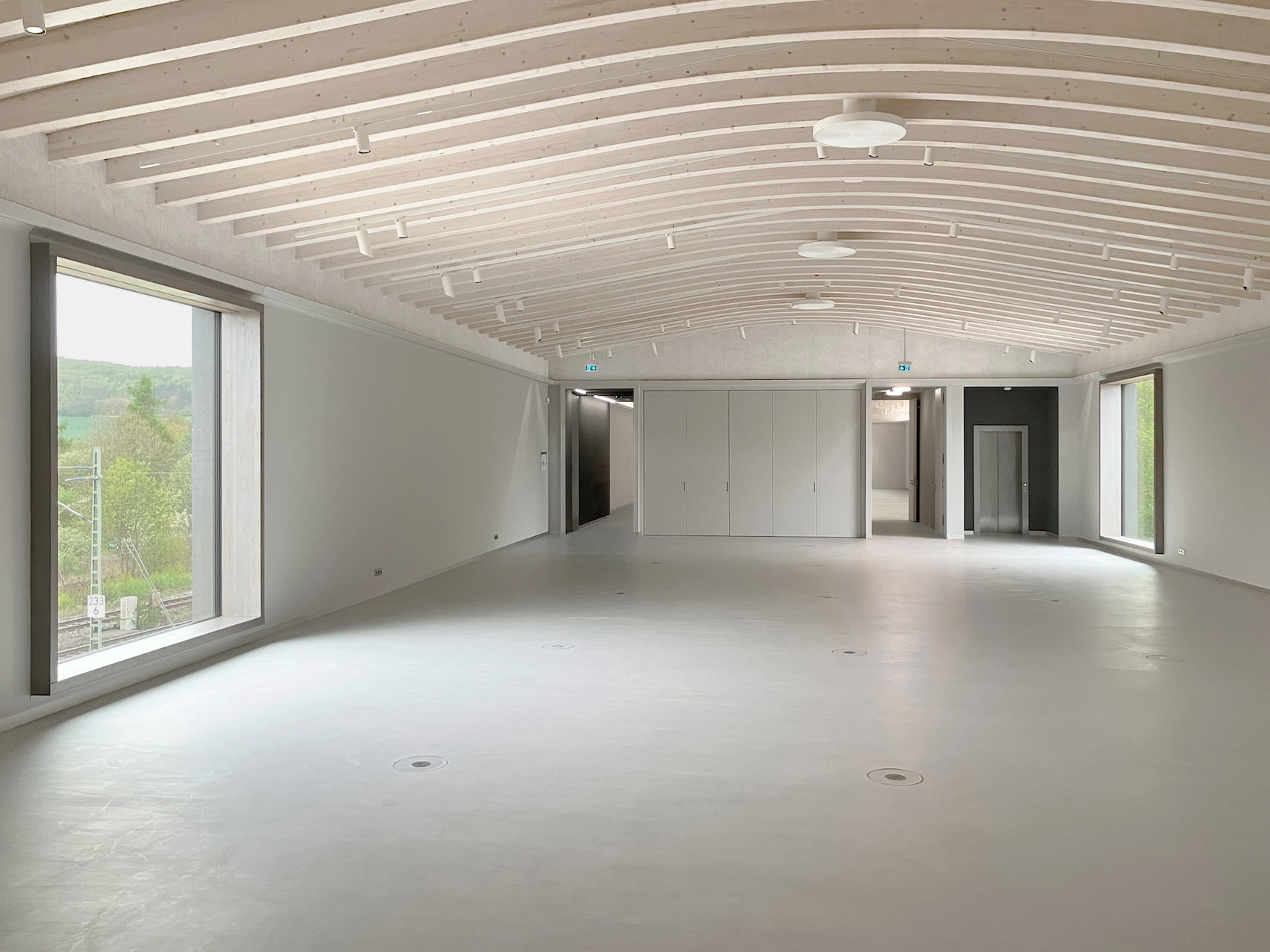
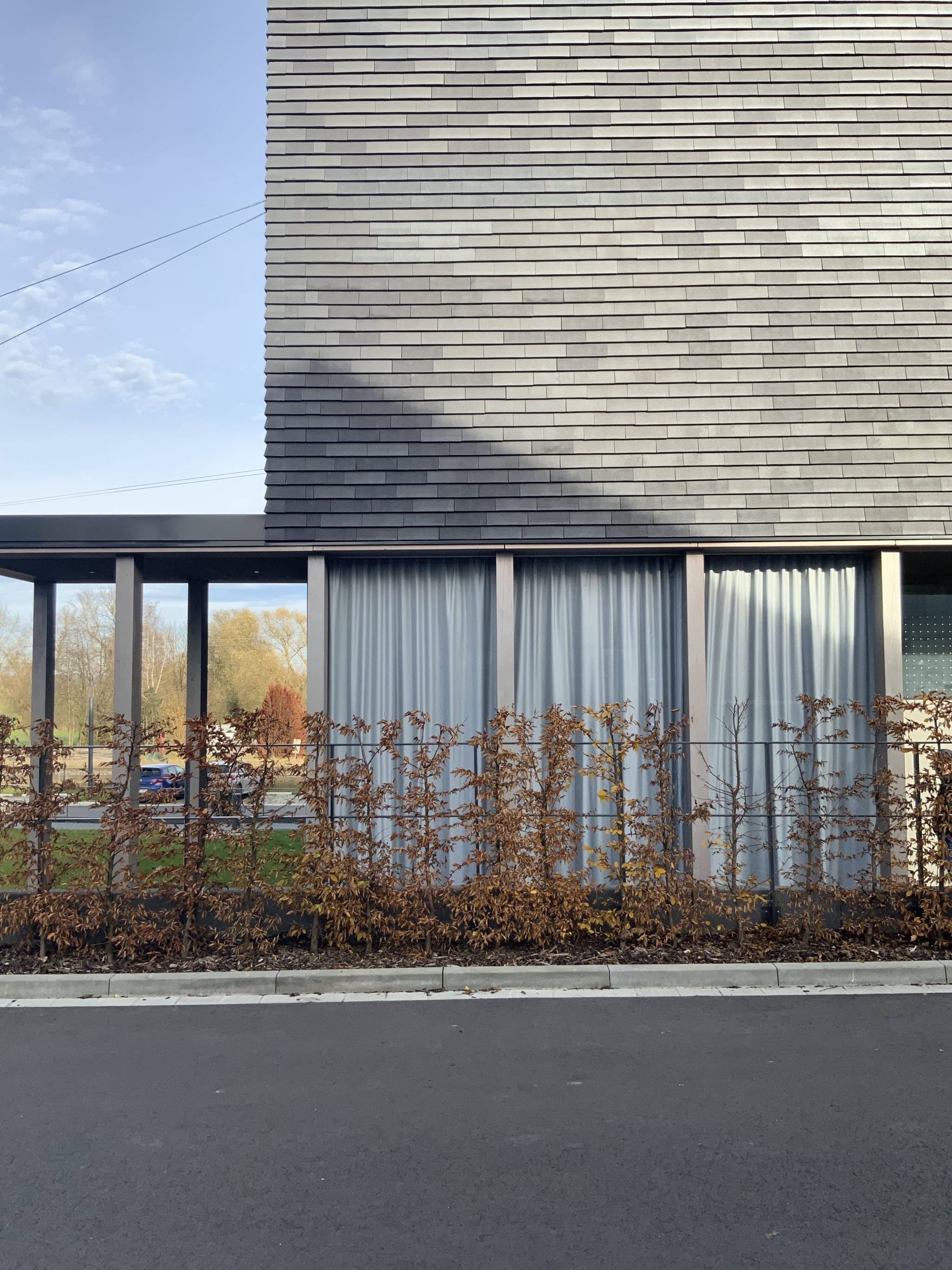
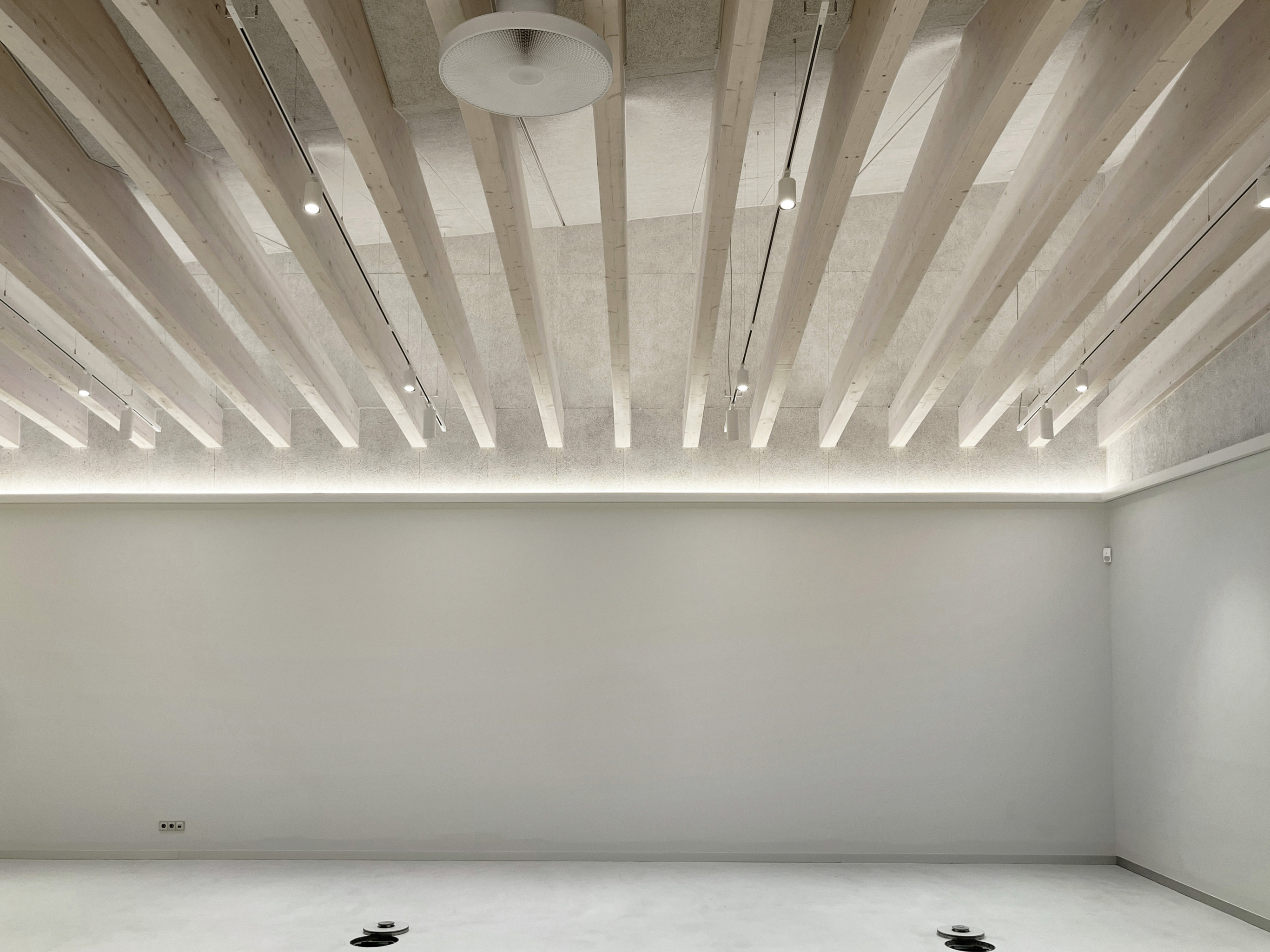
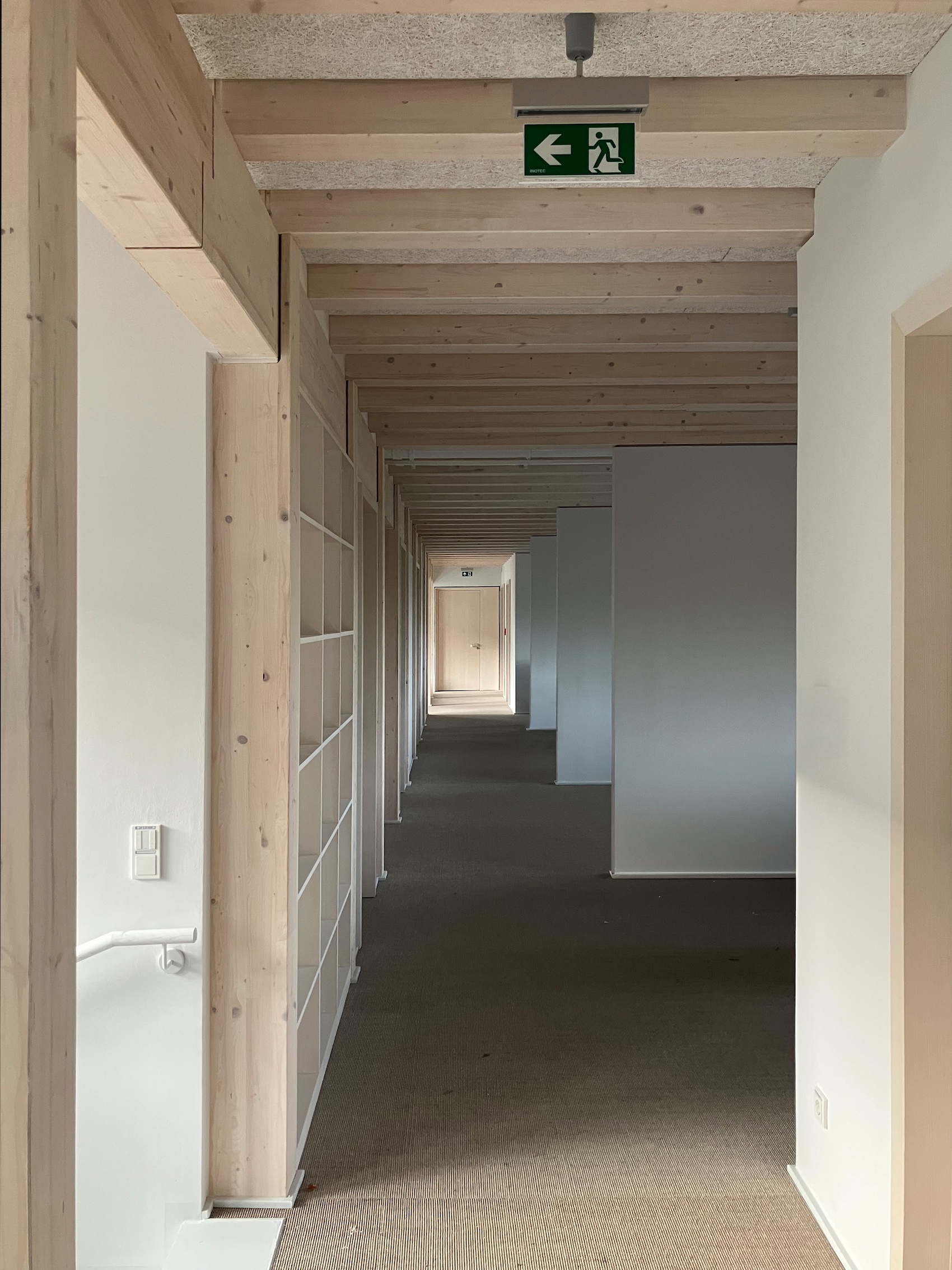
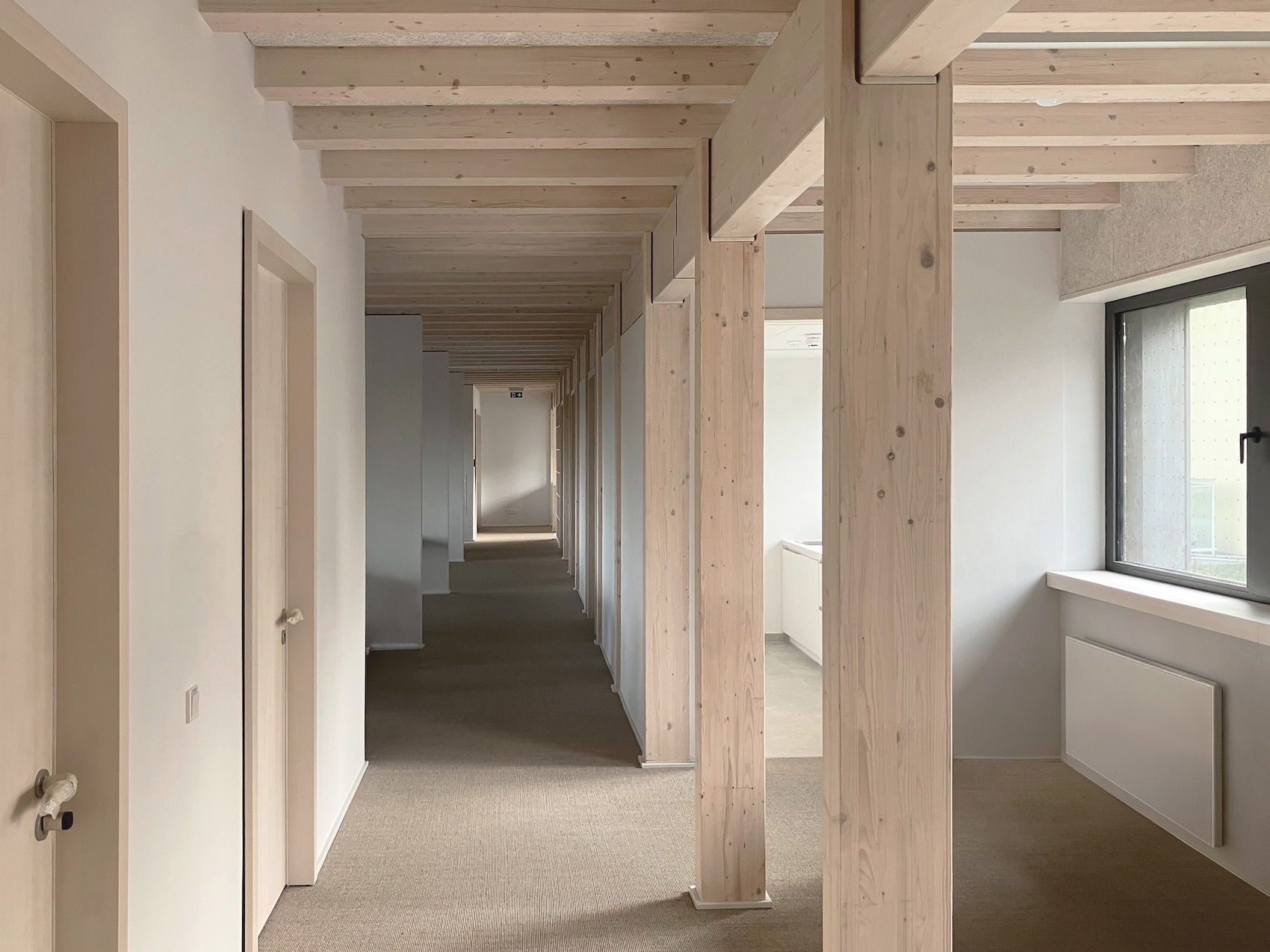
The architectural expression reflects the project’s hybrid construction strategy. A reinforced concrete basement forms the base of the building, while the upper levels are constructed primarily from timber. The ground floor employs a timber frame structure, with timber panels and glulam roof trusses used above. Externally, the concrete base is clad in brick, while the upper timber storeys are wrapped in brick shingles, creating a contemporary interpretation of the traditional building forms found throughout Lower Saxony.
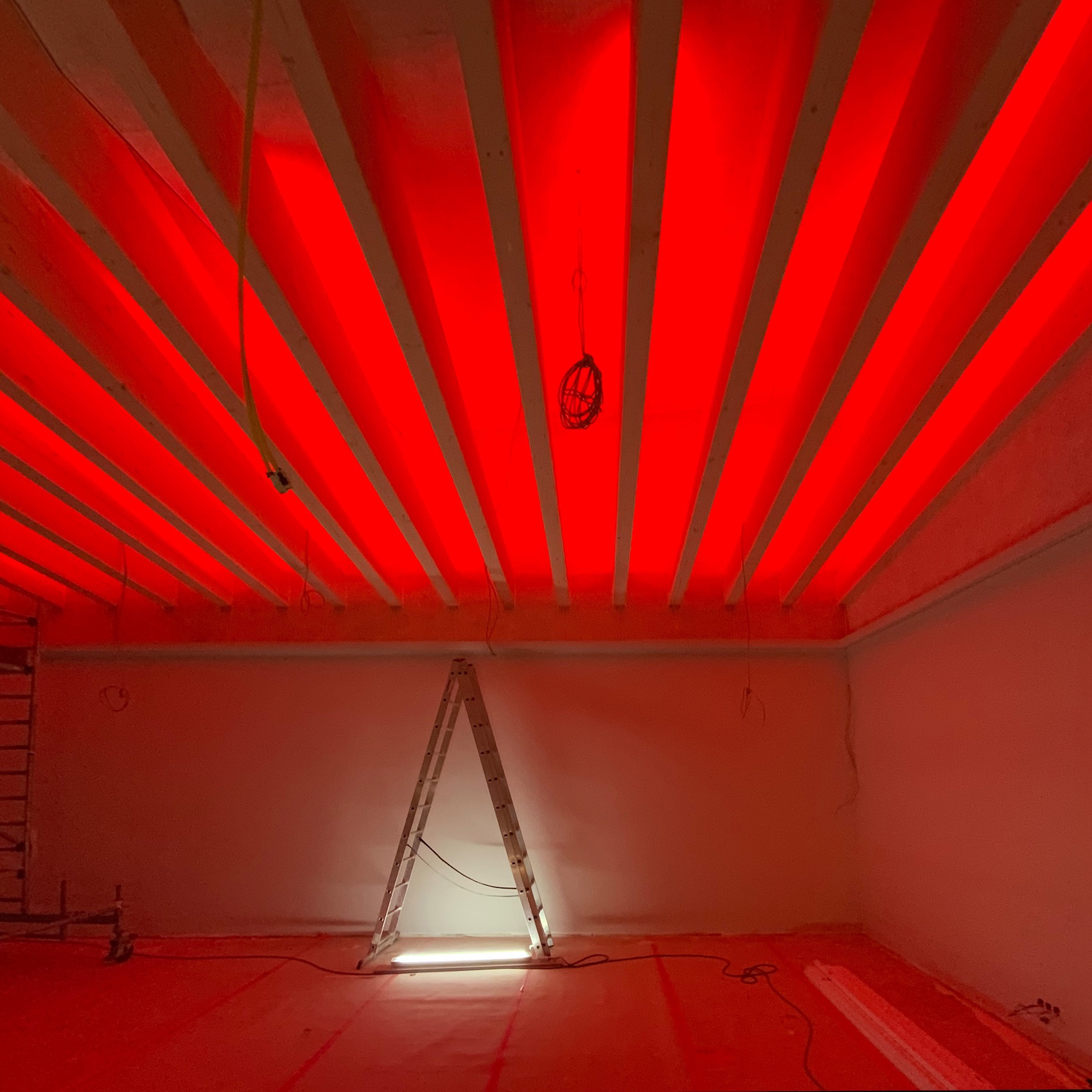
Sustainability informed the project from the outset. Reinforced concrete is limited largely to areas in contact with the ground, with timber used wherever possible to reduce embodied carbon. Wood fibre and cellulose insulation replace more energy-intensive alternatives, while highly effective bird protection measures have been incorporated into all glazed areas.
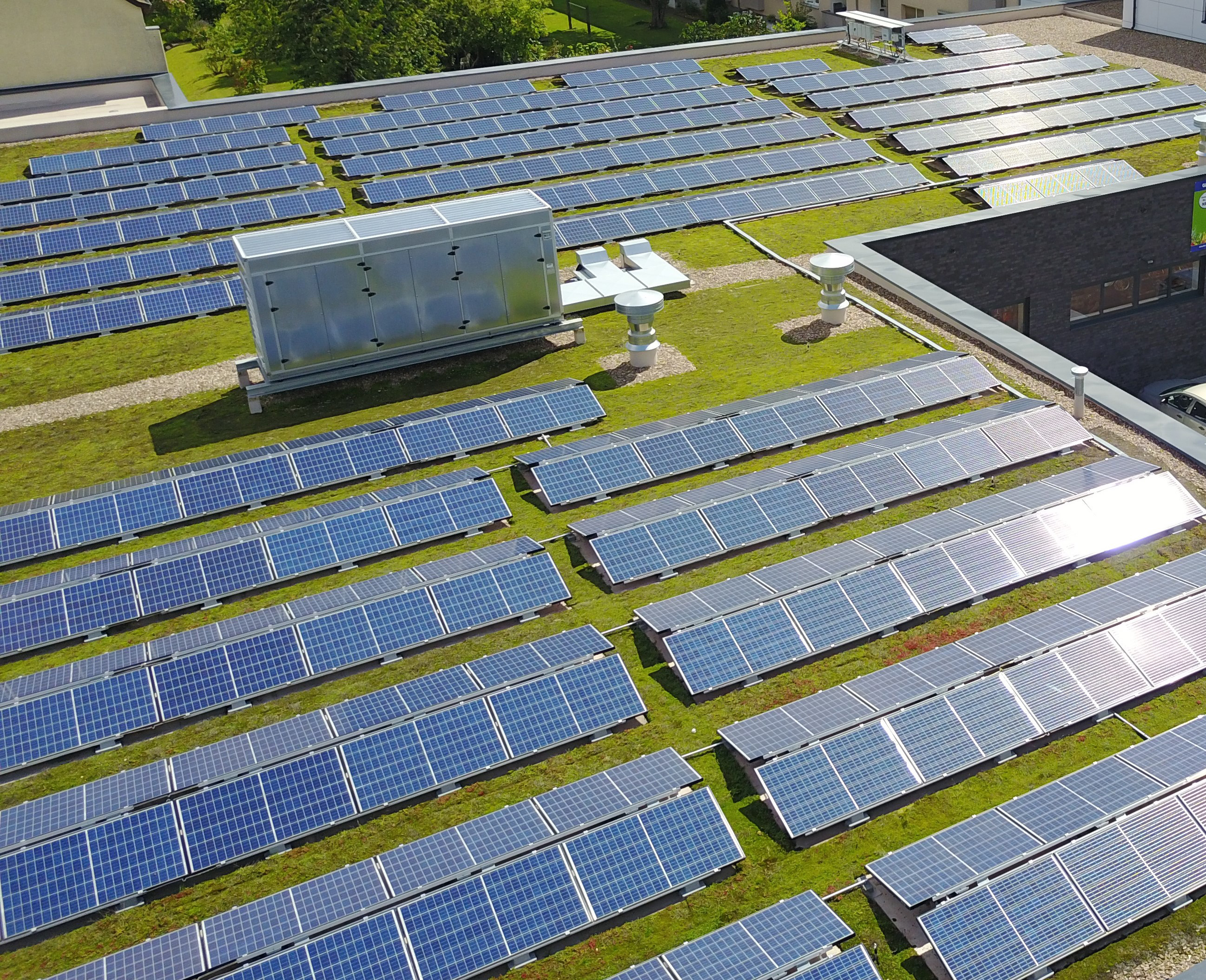
The environmental strategy also prioritises simplicity and operational efficiency. The compact building form is paired with a highly insulated and airtight envelope, triple glazing and external solar shading. Mechanical ventilation incorporates heat recovery and adiabatic cooling, avoiding the need for conventional air conditioning. District heating serves as the primary heat source, while LED lighting, daylight-responsive controls and motion sensors minimise energy consumption.
Additional images