Dulux Trade’s Dawn Scott and Andrew Cleaver, in conversation with Architecture Today’s Technical Editor John Ramshaw, discuss how informed colour specification and durable coating solutions can support independence, dignity and long-term performance across elderly care projects.
In association with

From retirement villages and sheltered accommodation to residential care homes and specialist dementia facilities, elderly care projects demand environments that are safe, accessible and intuitive to navigate, without losing the warmth and familiarity of home. Colour and paint specification play a key role in achieving this balance, supporting resident wellbeing and independence, as well as helping buildings remain durable, hygienic and easy to maintain.
Dulux Trade’s Dawn Scott (Senior Colour Designer) Andrew Cleaver (National Sector Manager, Healthcare), in conversation with Architecture Today’s Technical Editor John Ramshaw, draw on the Dulux Trade Elderly Care Sector Guide to discuss colour and contrast, dementia-friendly design, space-specific palettes, product selection, and the specification tools available to help architects create successful elderly care environments.

Why is colour and paint specification so important in elderly care environments, and what types of projects fall within this sector?
Dawn Scott Elderly care environments are first and foremost people’s homes. As vision, mobility and cognition change with age, thoughtful colour and paint specification can help residents move around more confidently while creating spaces that feel calm, familiar and welcoming. Colour can reinforce positive connections, provide subtle wayfinding cues and support independence, while durable paint systems help reduce maintenance cycles and keep environments looking their best over time. The sector includes retirement villages, sheltered accommodation, residential care homes, nursing homes and specialist dementia care facilities. Although every project has different requirements, they all benefit from colour strategies that balance accessibility, durability and a domestic rather than institutional feel.
The Dulux Trade Elderly Care Sector Guide brings together colour, product and design guidance. What are the key challenges it was created to address, and how can architects apply its recommendations in practice?
Dawn Scott Designing successful elderly care environments means balancing a number of competing priorities. Spaces need to feel warm and homely, while also supporting accessibility, safety, durability and ease of maintenance. The guide was created to bring these considerations together into one practical resource for architects and specifiers. It combines product recommendations, colour palettes, colour contrast guidance and specification advice, making it easier to select finishes that perform technically while supporting residents’ comfort, dignity and independence. Rather than prescribing schemes, it provides flexible design principles that can be adapted across different types of elderly care projects.
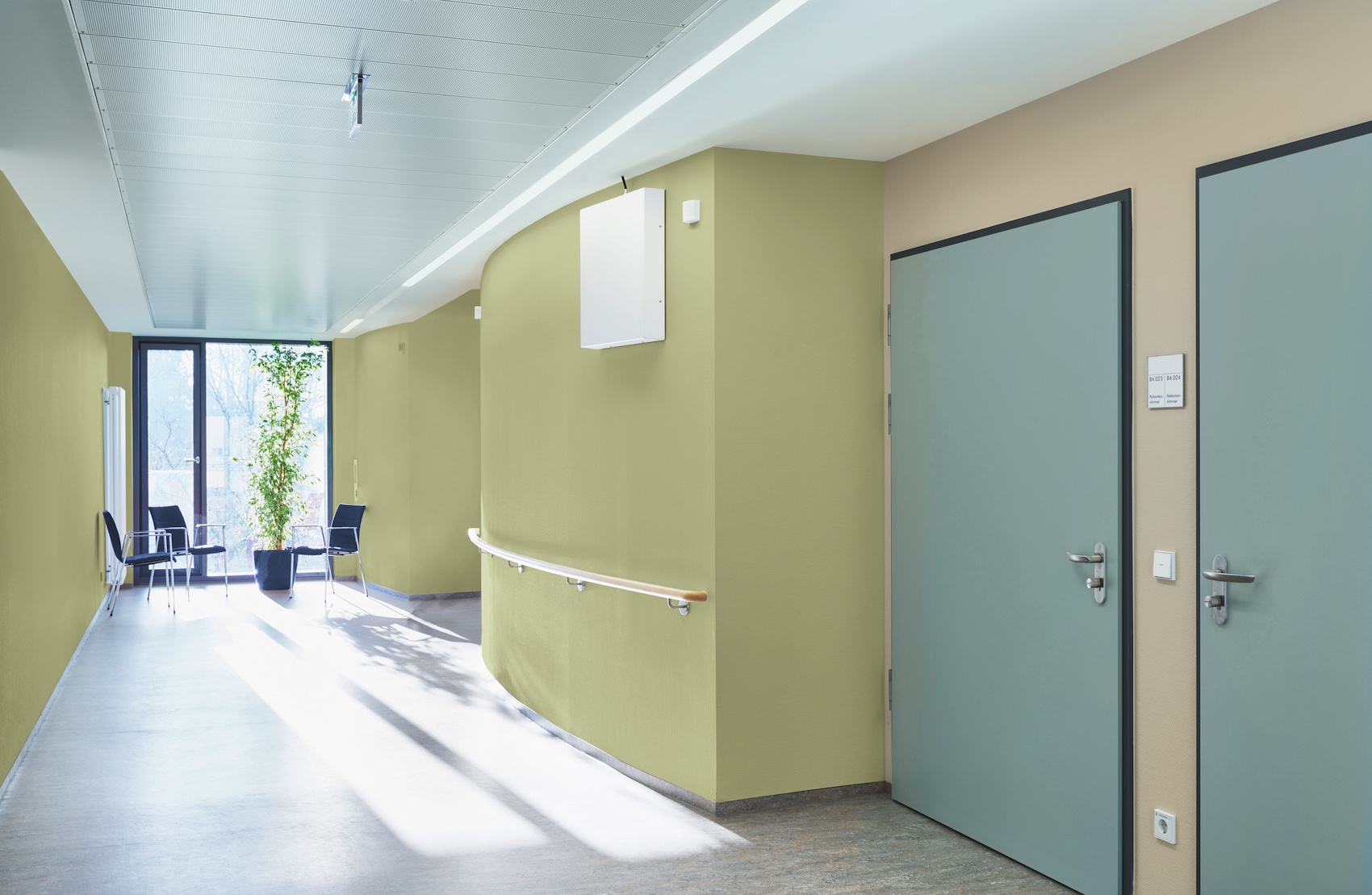
What are the key guidelines and regulations that inform the use of colour in elderly care environments, particularly in relation to accessibility and dementia-friendly design?
Dawn Scott Accessibility should underpin every colour strategy. The Equality Act 2010 establishes the legal framework for inclusive design, while Building Regulations Approved Document M and BS 8300-2:2018 provide guidance on creating accessible buildings. Both recommend achieving at least a 30-point Light Reflectance Value (LRV) difference between adjoining critical surfaces to improve visual contrast and aid navigation. For dementia-friendly environments, architects should also draw on recognised best practice that supports orientation, familiarity and independence, using colour to make spaces easier to understand without creating unnecessary visual complexity.
How can colour and contrast help residents navigate spaces more confidently and maintain independence as they age?
Dawn Scott As people age, reduced visual acuity and changes in perception can make everyday environments more difficult to interpret. Appropriate visual contrast helps residents distinguish between adjoining surfaces such as walls, floors, doors and handrails, making spaces easier and safer to navigate. Colour can also create subtle wayfinding cues by highlighting important destinations, breaking up long corridors and creating recognisable landmarks throughout a building. When applied consistently, these visual prompts can reduce confusion, support independent movement and help residents feel more confident within their surroundings.
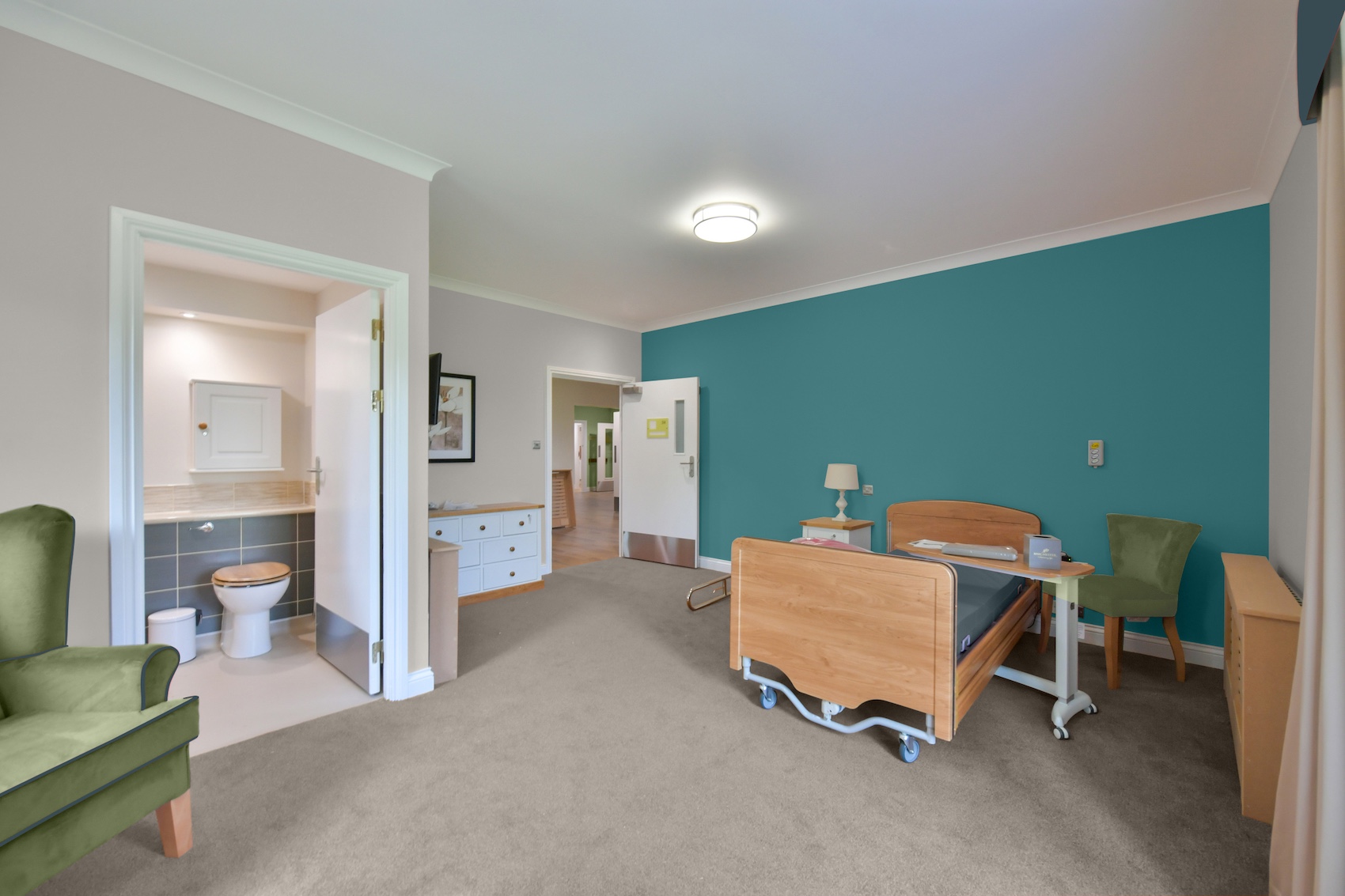
Elderly care environments contain a variety of spaces with different functional and emotional requirements. How should colour strategies differ between resident bedrooms, lounges, corridors and dining areas?
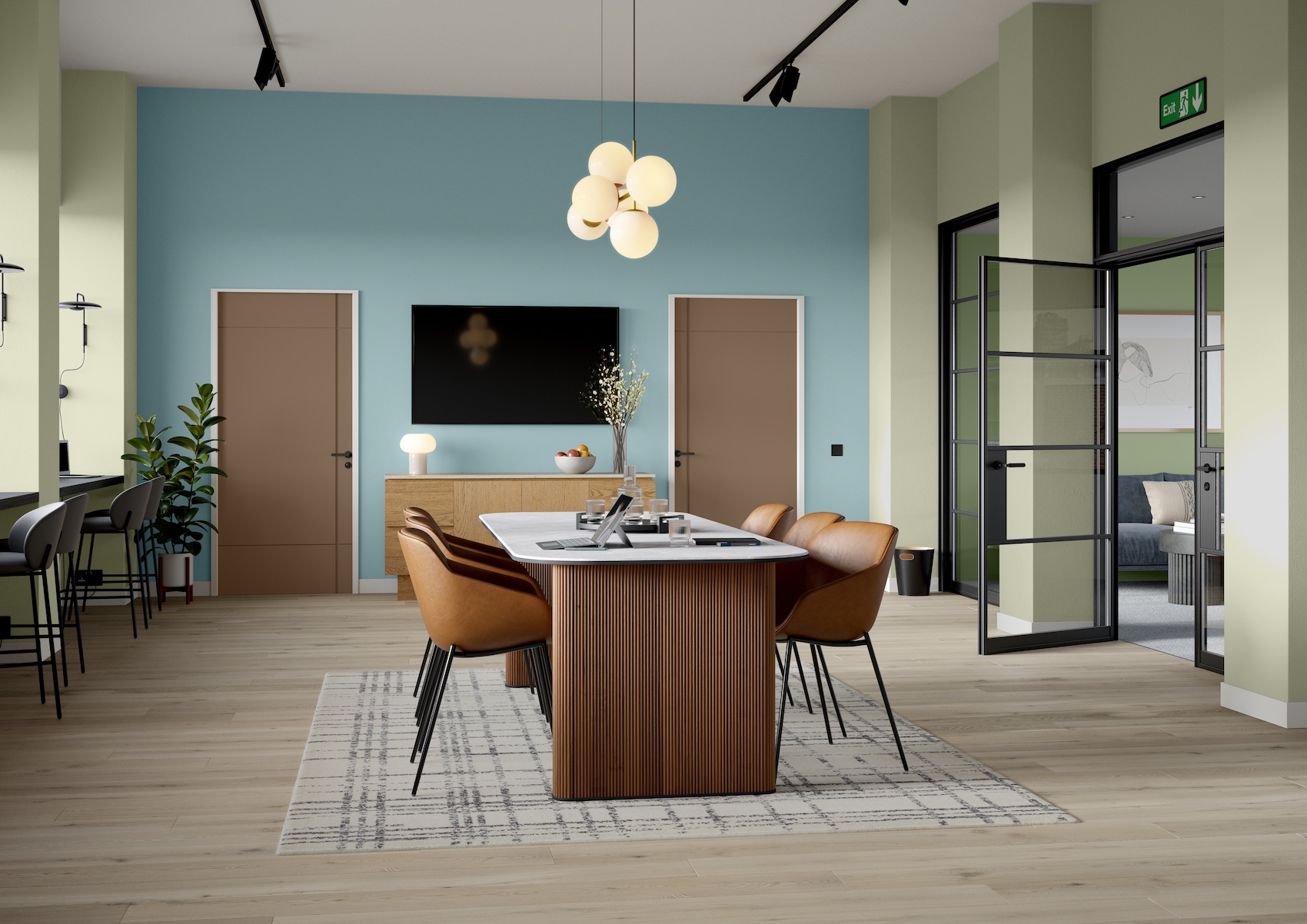
Dawn Scott Each space should support the activities that take place within it while contributing to a cohesive overall environment. Bedrooms should feel calm, reassuring and personal, helping residents relax while supporting orientation through subtle contrast. Lounges and dining areas benefit from warm, welcoming palettes that encourage comfort and social interaction, with sufficient contrast between furniture, walls and floors to aid visibility. Corridors require a different approach. As key circulation routes, they should provide clear visual contrast alongside feature colours that create landmarks and support wayfinding, helping residents move around the building with greater confidence
How can architects balance the need for strong visual contrast and clear wayfinding with the creation of calm, homely environments for residents?
Dawn Scott Strong visual contrast doesn’t require bright or highly saturated colours. By using Light Reflectance Values (LRVs), architects can achieve the recommended level of contrast between critical surfaces while selecting colours that feel soft, natural and domestic. The key is to use contrast purposefully. Highlighting elements such as doors, handrails and changes in surface helps residents navigate confidently, while calmer palettes, natural materials and layered textures create environments that feel comfortable rather than clinical. The result is a space that supports both accessibility and wellbeing without compromising aesthetics.
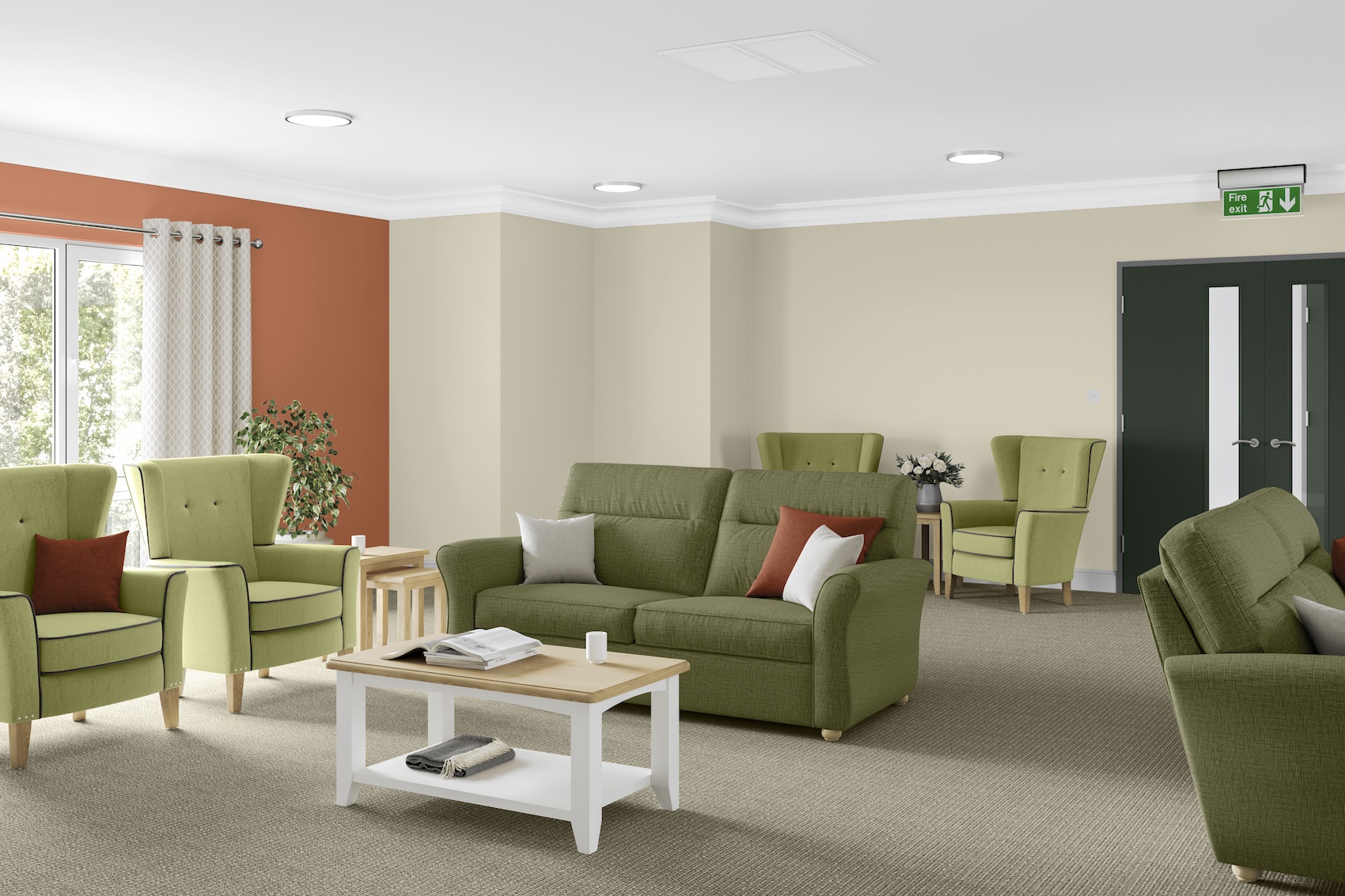
Care environments operate around the clock and are often difficult to take out of use. What specification considerations can help minimise disruption while maintaining high standards of safety, hygiene and appearance?
Andrew Cleaver When specifying paint systems for elderly care environments, architects should prioritise low-VOC, low-odour coatings that help maintain good indoor air quality and create a more comfortable environment for residents, particularly those with respiratory conditions or sensitivities. Fast-drying products can minimise room downtime, allowing maintenance and refurbishment work to be completed with minimal disruption to residents, visitors and care staff. Durable finishes that withstand frequent cleaning, scuffs and everyday wear can help extend maintenance cycles and reduce the need for future refurbishment, while easy-clean surfaces that resist staining, moisture and microbial growth support infection prevention measures and maintain a high-quality appearance. Equally important is the careful selection of colours and finishes that create welcoming, homely spaces, support wayfinding and, where appropriate, contribute to dementia-friendly design.
Which Dulux Trade products or systems are typically specified for elderly care projects, and how do they support durability, hygiene, maintenance and environmental objectives?
Andrew Cleaver For areas that receive a lot of traffic, such as corridors and day rooms, we would recommended Dulux Trade Scuffshield Matt. This is a tough, water-based Matt emulsion paint that contains ultimate scuff resistant technology. It is designed to protect walls against scuff marks being left behind from items such as shoes and bags, to help keep walls looking good for longer. For bedrooms we would recommend Dulux Trade Diamond Matt as it contains a unique stain repellent technology, preventing stains from setting into the surface making cleaning easier. This product is highly scrubbable and is 99 per cent VOC free. For doors, architraves and skirting boards we would recommend Dulux Trade Diamond Satinwood. This is a tough and durable satin finish that provides excellent protection from scratches, stains and grease. The water-based formulation is designed to be used in high-traffic areas, such as corridors, stairways and access areas, while having the added benefit of being quick drying with low odour
When it comes to bathrooms, shower rooms, WC’s and ensuites, we would recommend Dulux Trade Diamond Eggshell. This is a tough and cleanable emulsion with a smooth, even mid-sheen finish. It’s perfect for busy wet areas that require frequent cleaning as it contains unique stain repellent technology, preventing stains from setting in to the surface and making cleaning up easier. For areas that need hygiene control we would recommend Dulux Trade Sterishield Dual Active Matt. This is a quick-drying, water-based coating containing in-film antimicrobial additives, which inhibit bacteria and viruses within the paint film. It reduces populations of MRSA, E. coli, Coronaviruses, Human Herpesvirus and Phi 6 bacteriophage. Furthermore it is stain resistant, scrubbable, cleanable, durable, and suitable for all normal interior wall and ceiling surfaces. Finally, it achieves Class 1 ISO 11998 and Type C BS 7719 scrub ratings, meaning walls withstand daily wear and tear.
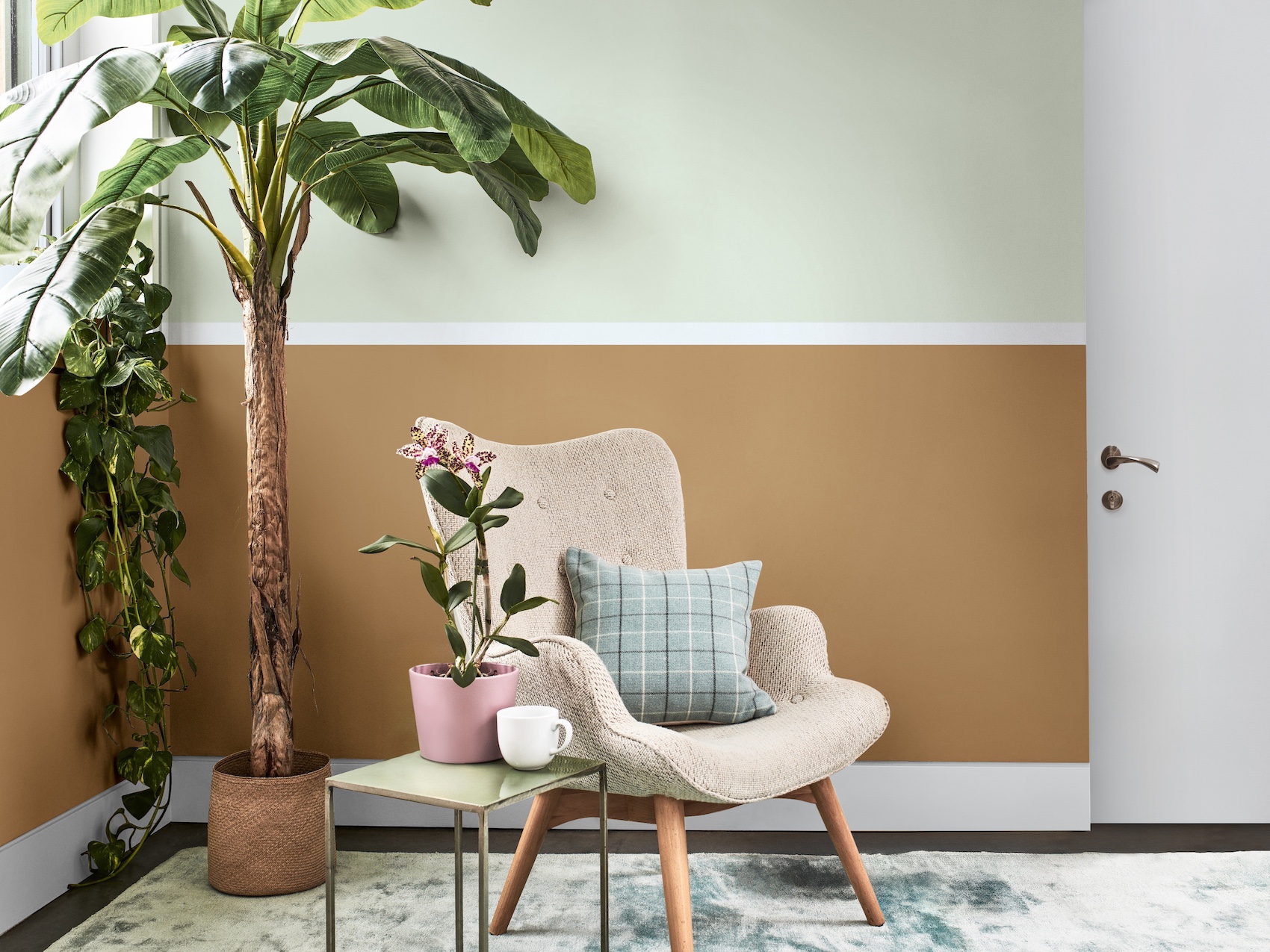
How can paint and coating systems contribute to healthier, more sustainable elderly care environments, both for residents and building operators?
Andrew Cleaver Traditional paints can produce strong odours and emissions that may affect comfort and wellbeing, particularly for older people who may be more sensitive to indoor air quality. Low-VOC and zero-VOC paint systems help minimise these concerns by reducing odour and airborne emissions, allowing refurbished areas to be returned to service more quickly. Their faster curing times and lower environmental impact help care providers maintain a comfortable living environment for residents, staff and visitors while minimising disruption to daily routines and care delivery.
Beyond products and colour palettes, what resources and expertise can Dulux Trade provide to help architects create successful elderly care environments, and what is the most common specification mistake you see?
Dawn Scott and Andrew Cleaver Dulux Trade offers far more than paint. We support architects with sector-specific design guides, RIBA-approved CPDs, bespoke colour consultancy, technical specification advice and digital tools, such as the Paint Specification Creator, Colour & Contrast Digital Design Guide and BIM colour plug-ins. Together, these resources help simplify specification, support compliance and create colour schemes that are both practical and inclusive. One of the most common specification mistakes is treating colour as a finishing touch rather than an integral part of the design process. Considering colour, contrast and durability from the outset allows architects to create environments that are easier to navigate, simpler to maintain and, most importantly, feel like home for the people living there.
Contact Details
Click here to download the Dulux Trade Elderly Care Sector Guide .
Click here to access the Dulux Trade Paint Specification Hub.
For more information about specifying colour and paint on healthcare projects, call 0333 222 7070, email or visit the Dulux Trade website.