Conceived as an attempt to translate lessons from European modernist housing into a distinctly American – and more specifically African American – idiom, Washington, D.C.’s first public housing development survives as a vital refuge from the city’s spiralling housing costs.
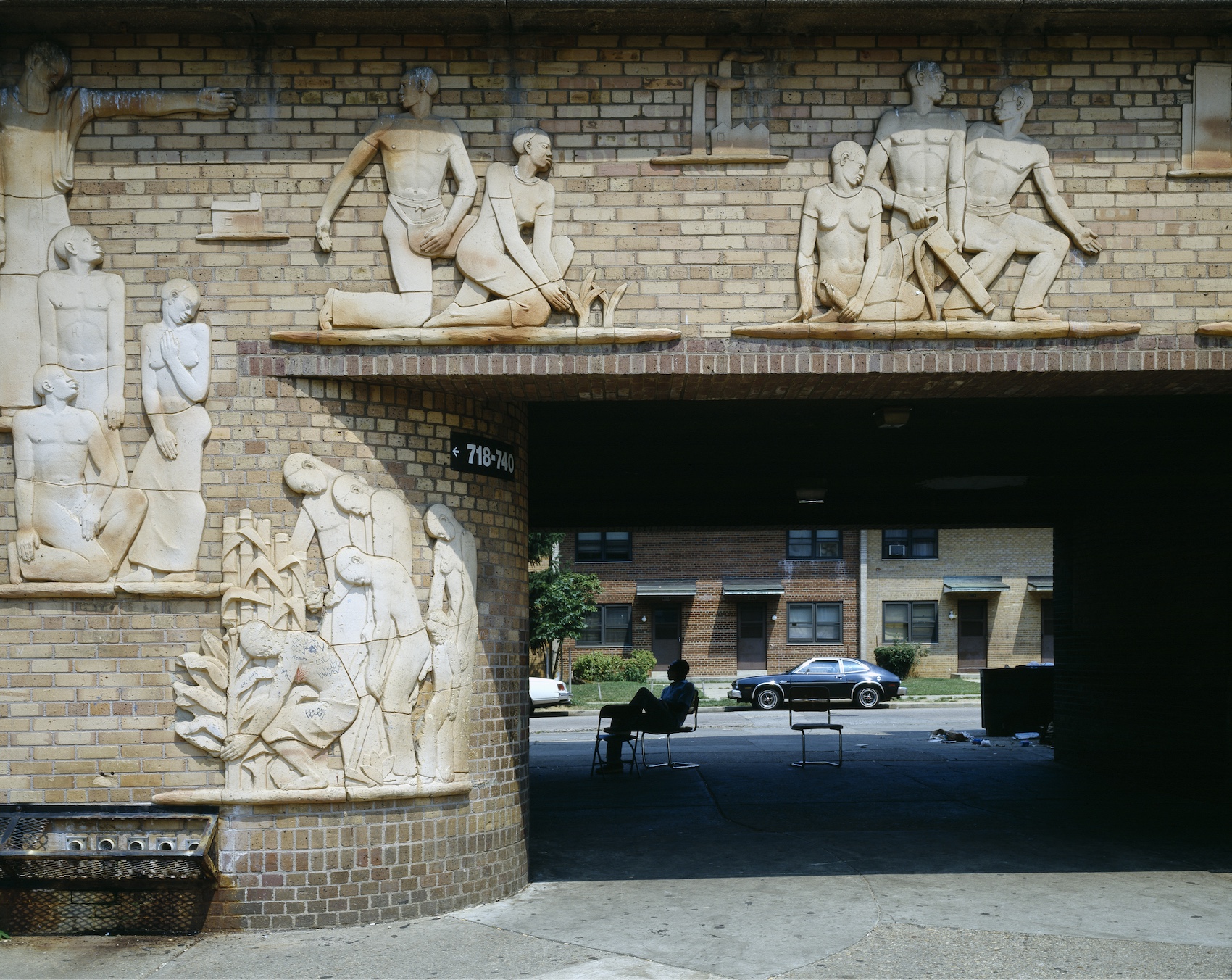
The arched entrance to the courtyard features a bas-relief – The Progress of the Negro Race by Daniel Gillette Olney – depicting milestones in African American history (photo: Carol M. Highsmith / Wikimedia Commons).
The architecture of Washington, D.C. is much in the news nowadays. In what is, arguably, a giant feint to draw attention from still graver undertakings (viz., hijacking the national electoral system), the present occupant of the Oval Office has been engaged in a building spree, with the announced intent of making the already quite beautiful city ‘beautiful again’ through the addition of monumental structures, including a gigantic victory arch and an enormous bunker-cum-ballroom affixed to the White House. Amidst all the clangor of cranes and wrecking balls, it would seem an opportune moment to look at one project that actually did make America’s capital beautiful, in part by serving a very pressing human need.
Though not on the typical tourist itineraries, the Langston Terrace Dwellings are among the most important pieces of early-modern design anywhere in the District. Located in the city’s northeastern quadrant, the complex, completed in 1938, was the first public housing development in Washington, and among the first nationwide – a true test of then-President Franklin Delano Roosevelt’s intention to do something about the ‘one third of a nation’ that he saw ‘ill-housed, ill-clad, ill-nourished’, as he declared in his second inaugural address. Still significant was the subset of that one third whom Langston Terrace was intended to help: African- Americans, who comprised not only most of the complex’s original residents but nearly all the workers who built it.
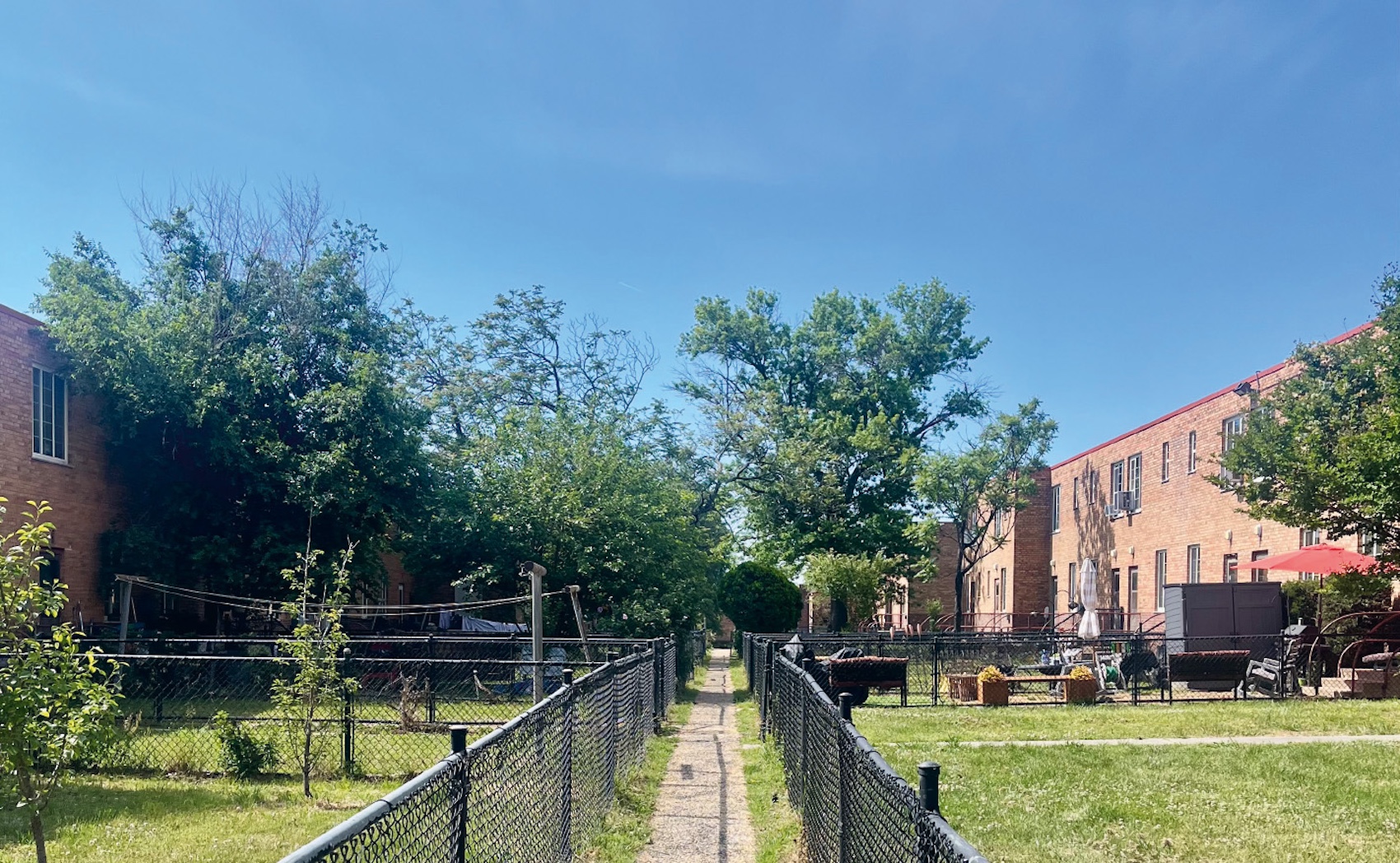
Grassy alleys between housing blocks afford opportunities for neighbourly encounters (photo: Ian Volner).
Leading the charge was architect Hilyard Robinson. A native of the capital and a graduate of Columbia University, Robinson had toured Europe with his wife in the early 30s and had come into contact with figures from the Bauhaus and its fellow travelers around the continent. On his return to the United States, the architect took up a teaching post at Howard University, becoming part of a select group of Black designers who regularly collaborated on projects and exchanged ideas; in particular, Robinson developed a close personal and professional association with Paul R Williams, a prolific architect of private residences in Los Angeles and the first African American to be accorded membership in the American Institute of Architects. A regular recipient of government work in his early career, Williams would also join the team at Langston, though Robinson remains its acknowledged guiding light.
His scheme for the project represents an attempt to translate some of the lessons gleaned abroad about modernist housing into a distinctly American – and more specifically African American – idiom. Named for a prominent nineteenth-century abolitionist, the Langston Terrace Dwellings comprise some 275 units spread out across a series of low-rise structures ranging over a fourteen-acre hillside site. Guests and residents navigate the multi-block complex by a sequence of central staircases, as well as mews-like footpaths running between and around the buildings; these are complemented, at the heart of the plan, by a large open green space with a recreational court and sculptural groups. It is, in general outline, an homage to landmark European social housing projects like Vienna’s Karl-Hof, albeit with some unique features all its own.
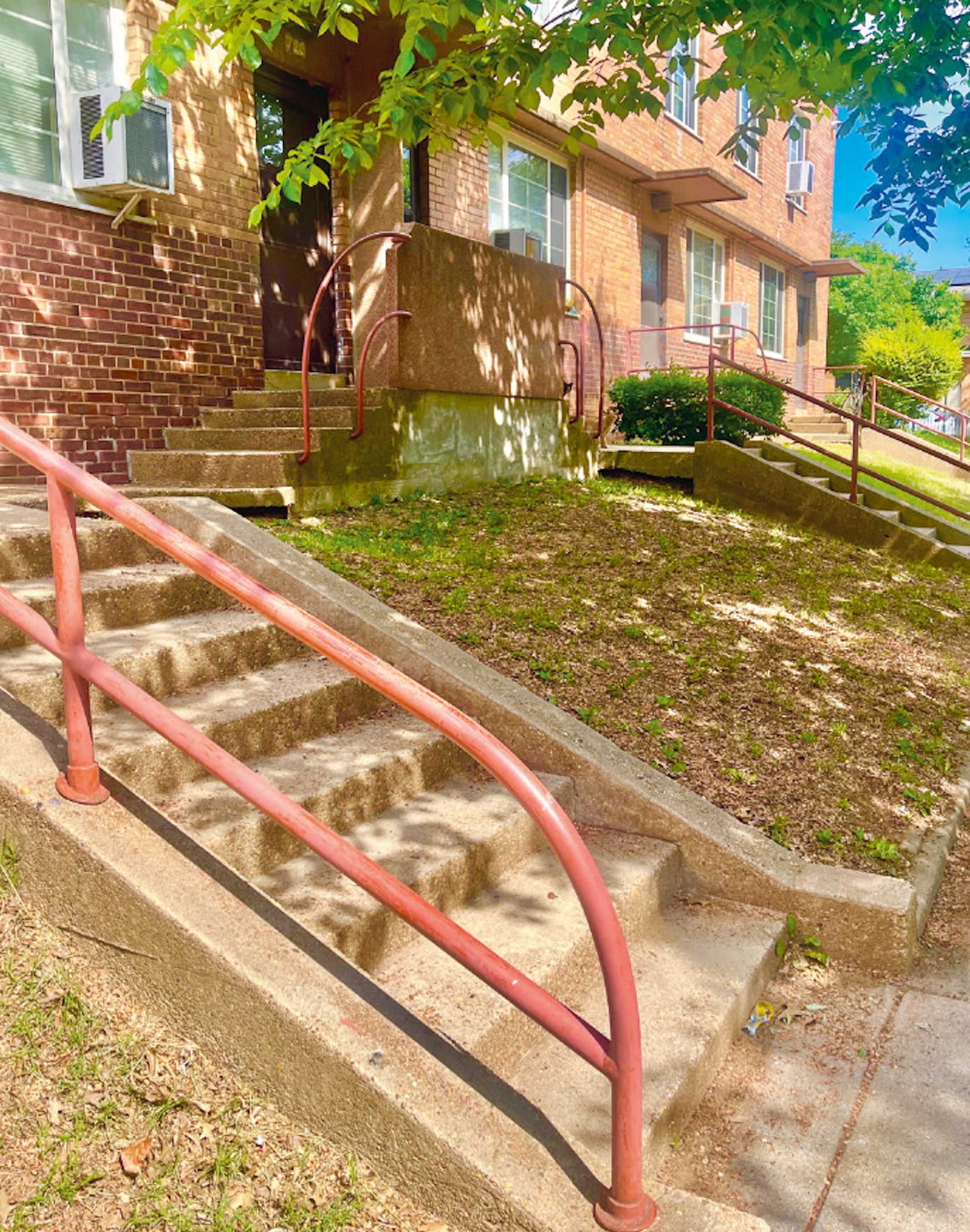
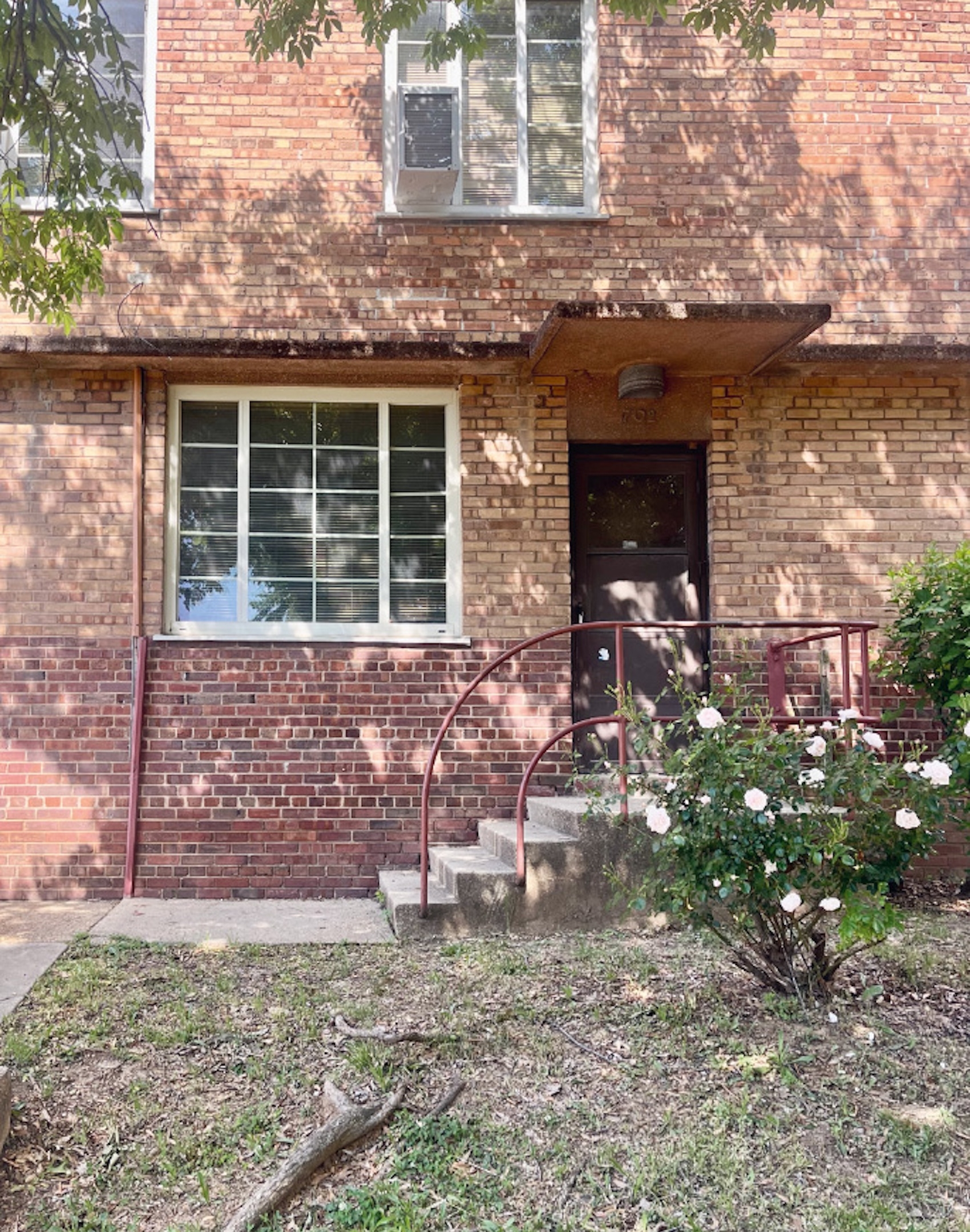
For the main part, both rear gardens and front lawns are lovingly tended (photos: Ian Volner).
First and foremost is the artwork. In addition to climbable animal figures in the playground – the work of pioneering sculptor Lenore Thomas Strauss – the primary arched entrance to the courtyard is covered by an extensive frieze: titled The Progress of the Negro Race, the cycle depicts major milestones in African American history, from post-Civil War emancipation to the Great Migration northward in the early twentieth century. Executed by little-known artist Daniel Gillette Olney, the bas-relief is very much in the style of many public murals and mosaics created under Roosevelt’s Works Progress Administration (WPA), all muscular bodies caught in heroic gestures. Doubling down on the echt Americanness are the grassy alleys that run between the individual housing blocks: backed onto by small rear yards complete with clothes-drying poles, the mews afford ample opportunities for neighbourly encounters, a clear attempt to recreate the easy intimacy of small-town life. The buildings themselves, graced by modern details and rather Bauhausian vertical windows, bring back a little international flavour, though their informal arrangement and variety (two-story townhomes mixed with three-story apartments) feels miles away from the rigid Zeilenbau model that came to dominate social housing elsewhere.
Not all is as one might hope. The design flaws that would afflict so many subsequent public developments are very much in evidence at Langston: as much as 80% of the campus is open landscape, unprogrammed and untended, all but guaranteeing chronic disuse and decline. On a recent visit, several units appeared to be boarded up – a genuine scandal in a city with a nearly 40,000-name backlog of would-be tenants. And yet most of the building fronts, in particular the single- family homes, are not only in good trim but lovingly tended, their front and back gardens alive with flowers. The echoes of other period landmarks, Deco wonders like New York’s Rockefeller Center and Miami’s Collins Avenue, make the Langston Terrace Dwellings a treat for any fan of WPA-era buildings; for its working-class occupants, the buildings represent something far greater: a refuge from the spiraling cost of housing in Washington. Living proof that beautiful design can be a mechanism for real social benefit, Robinson’s signature project is an important reminder of architecture’s most essential mission, and a standing rebuke to those trying to sabotage it.