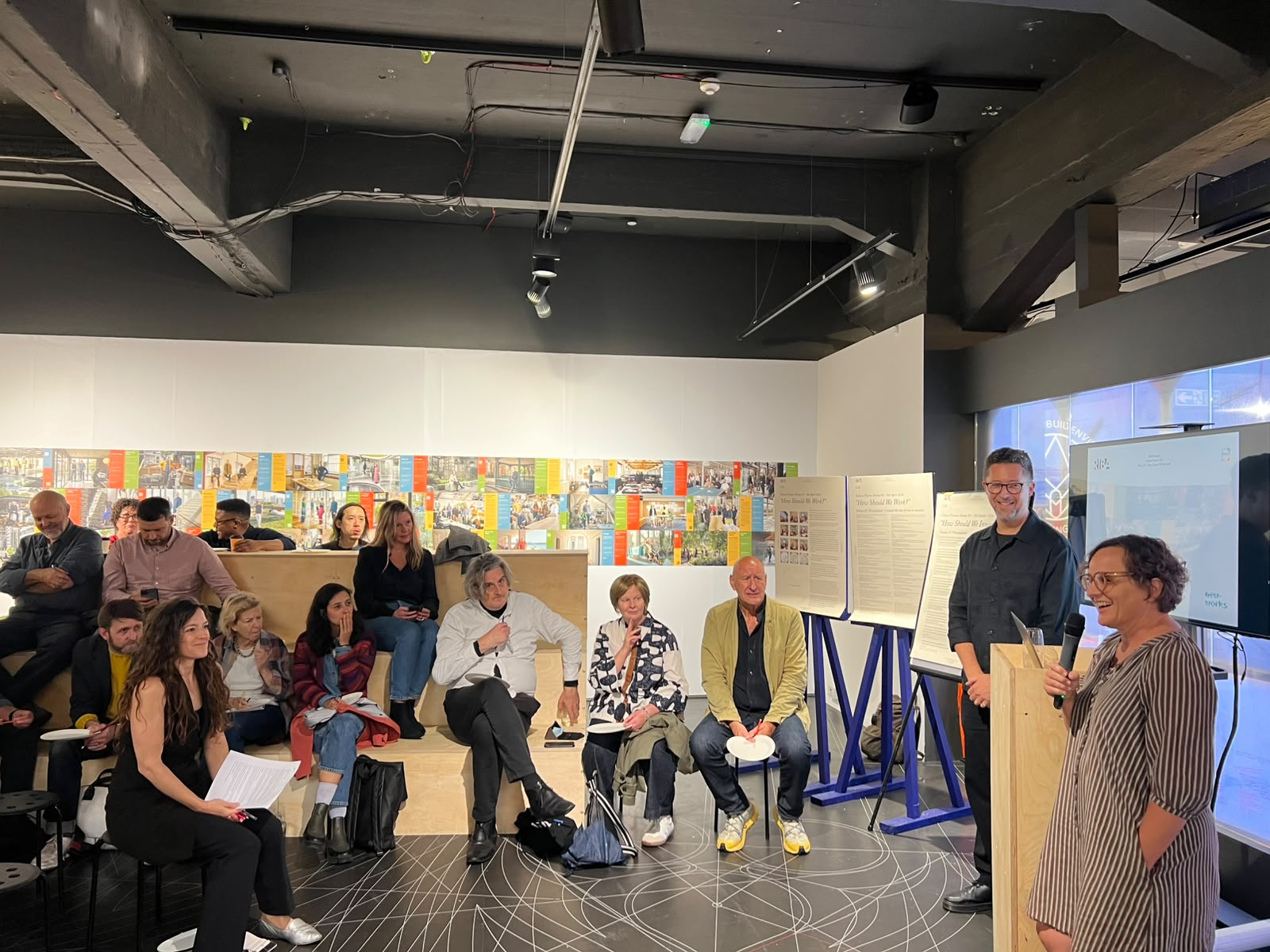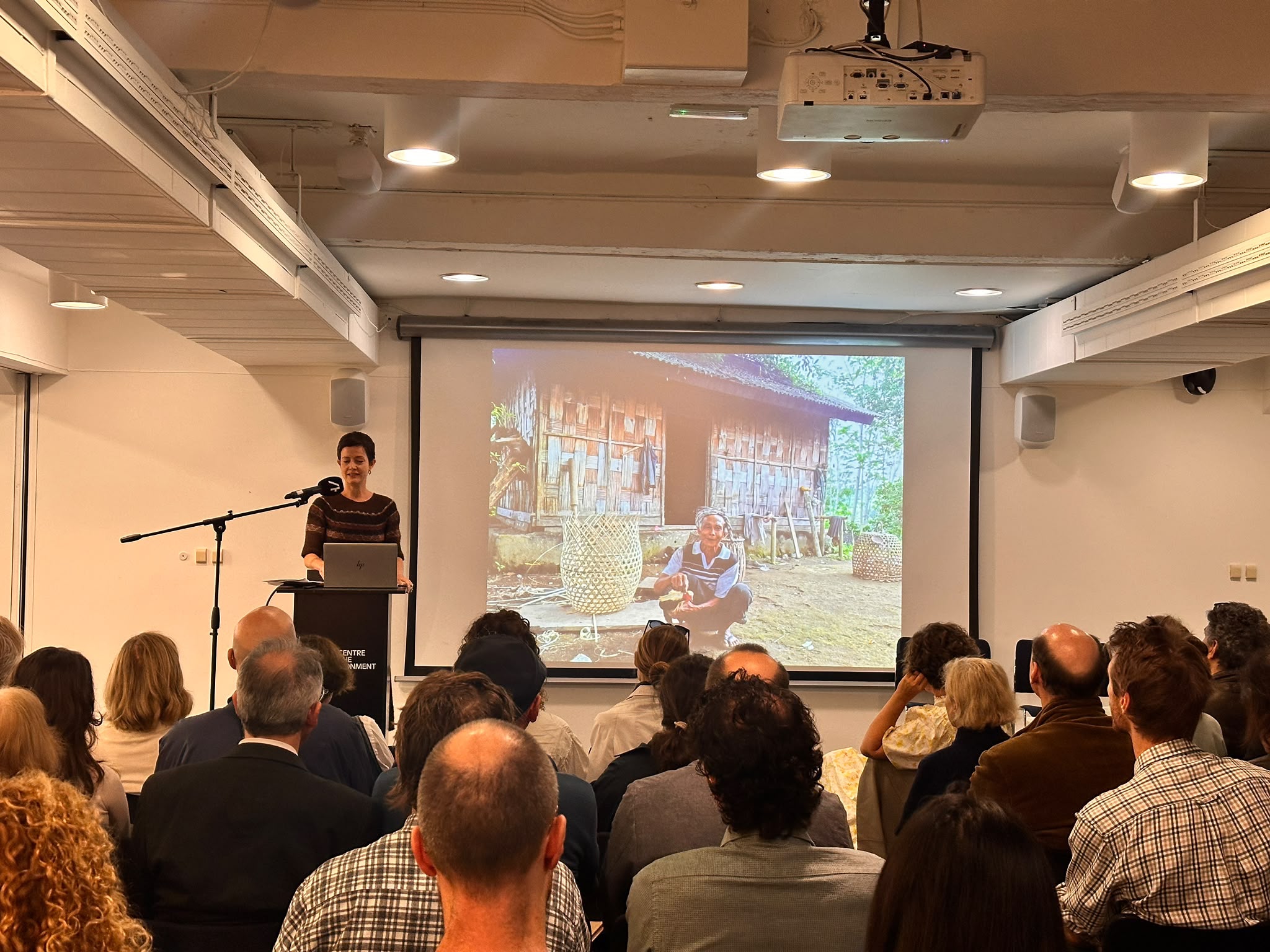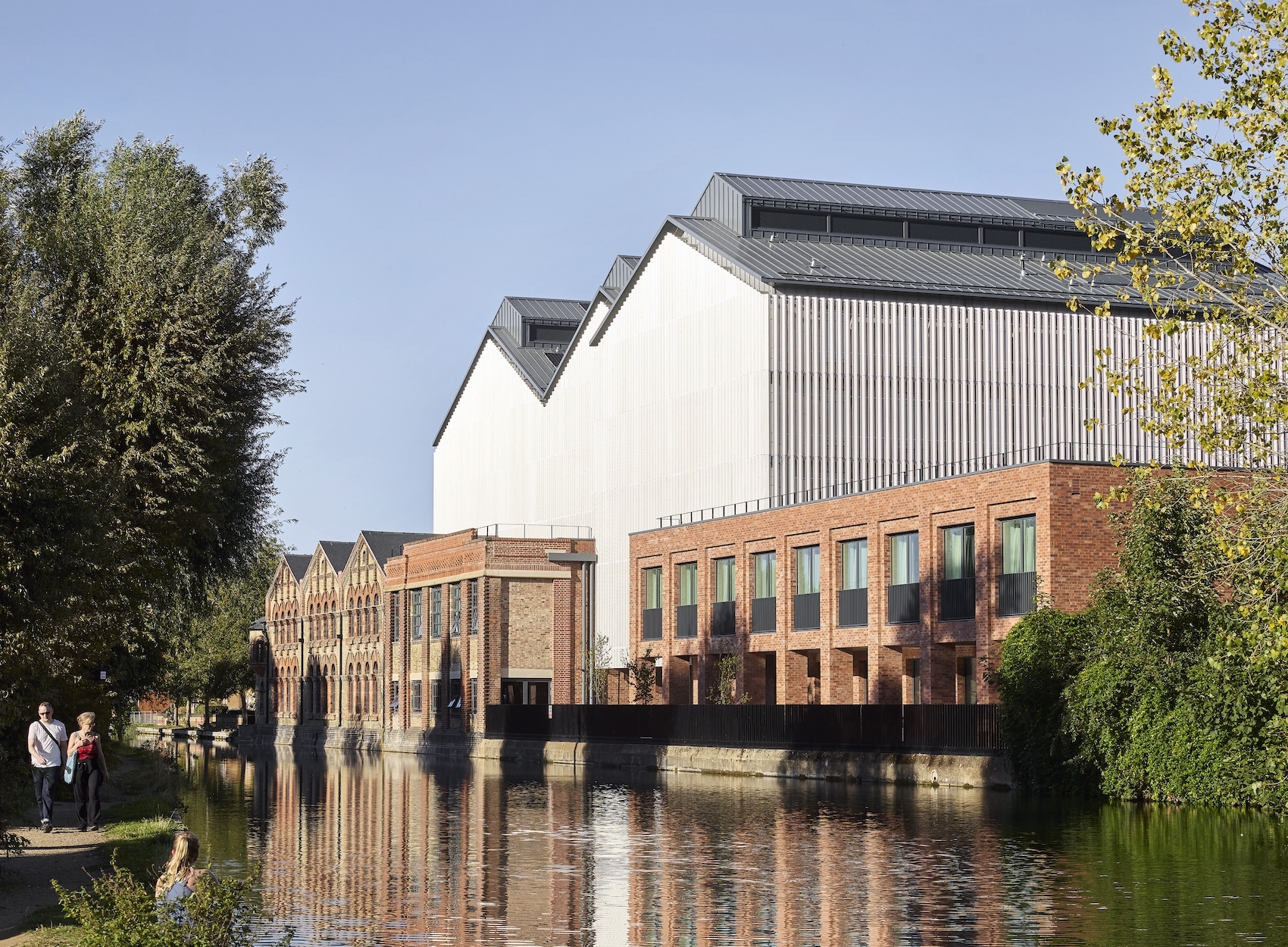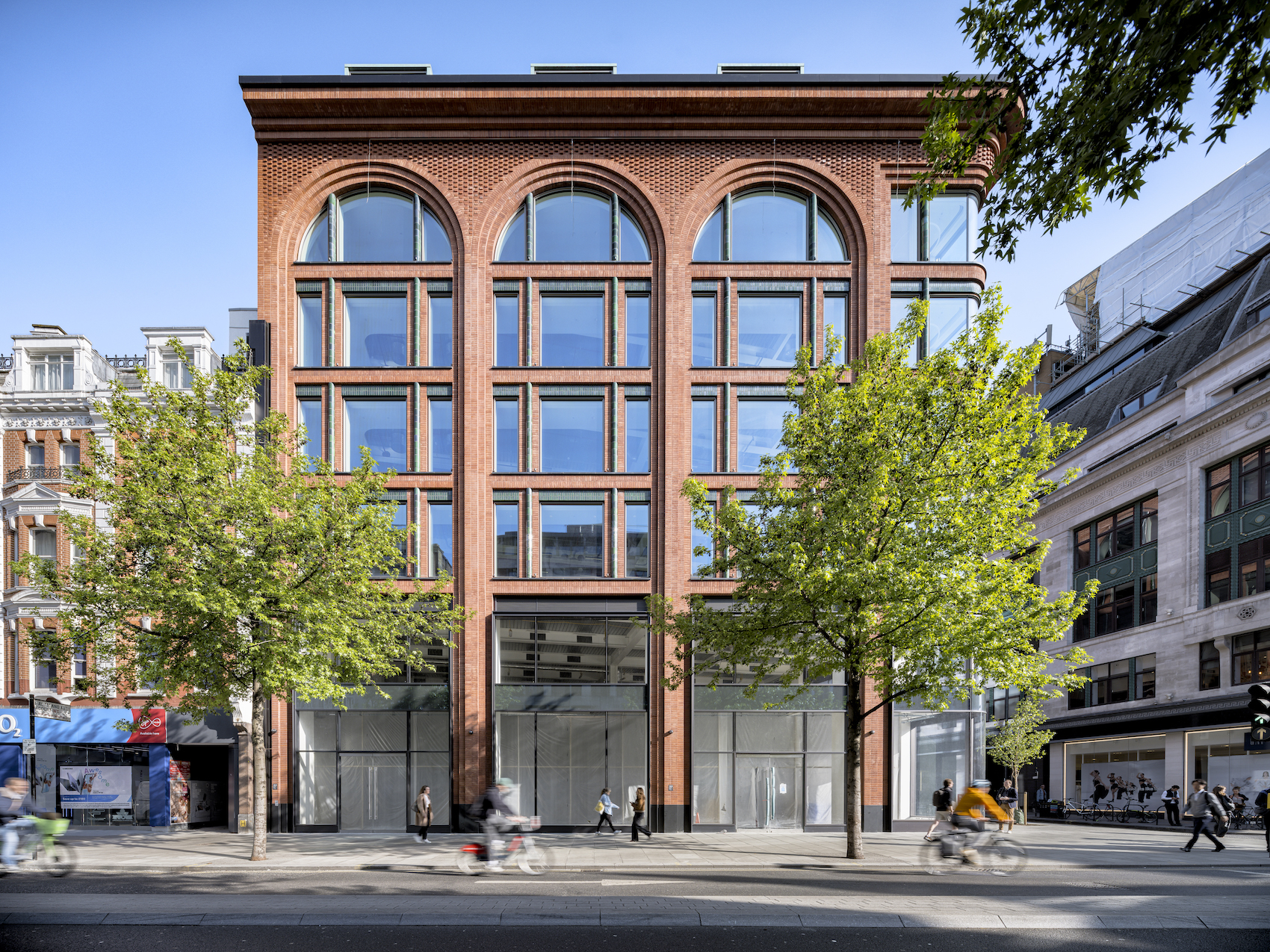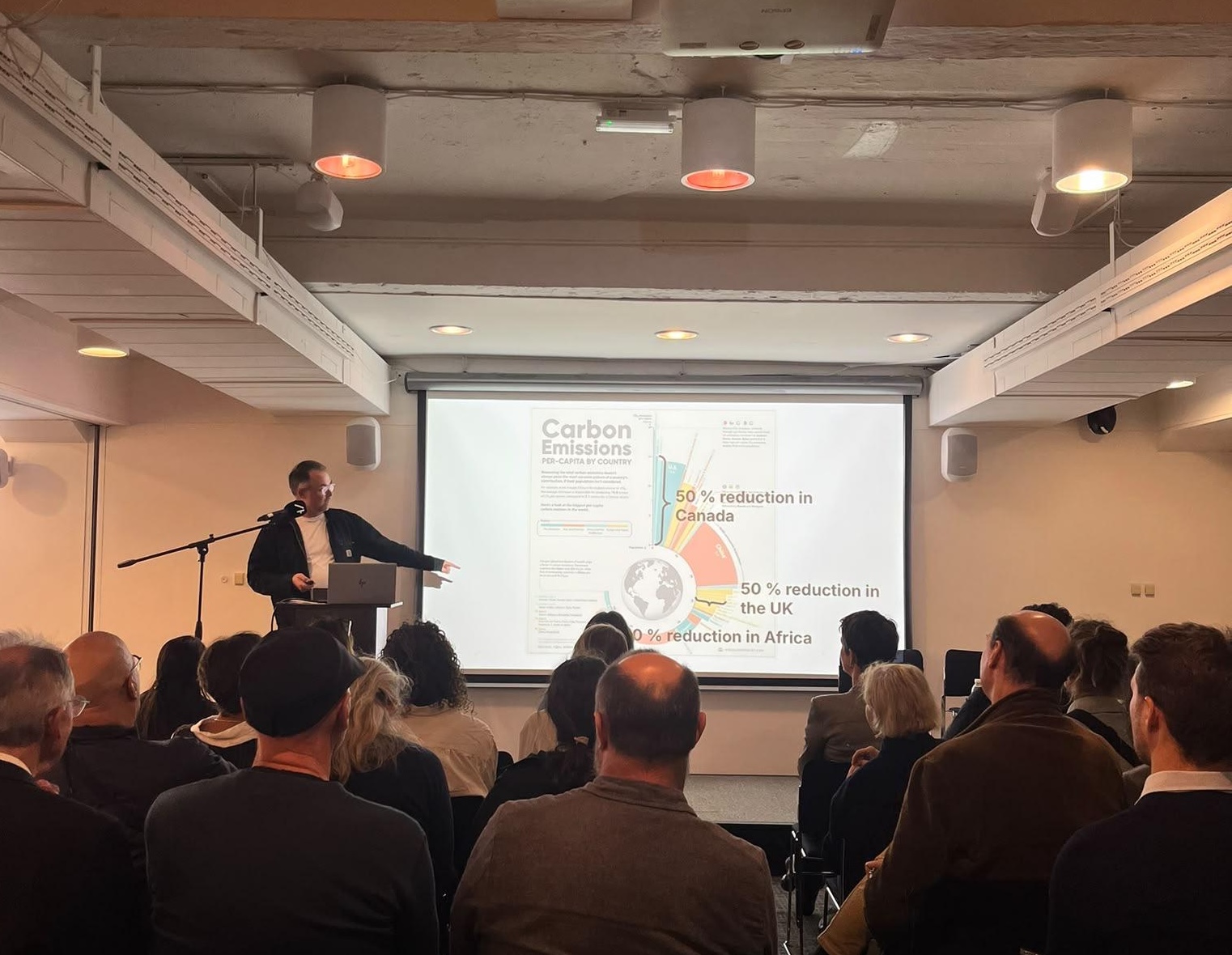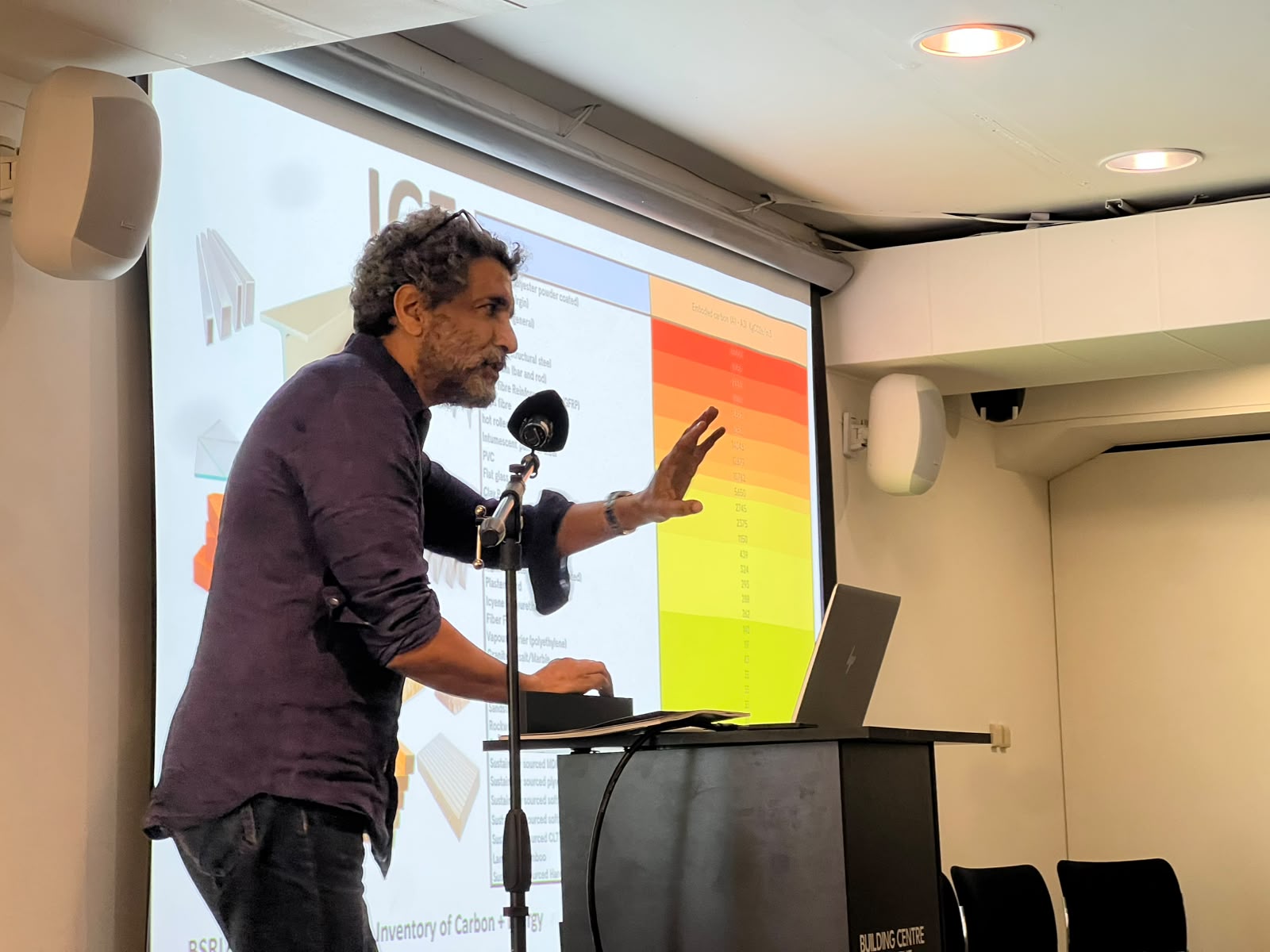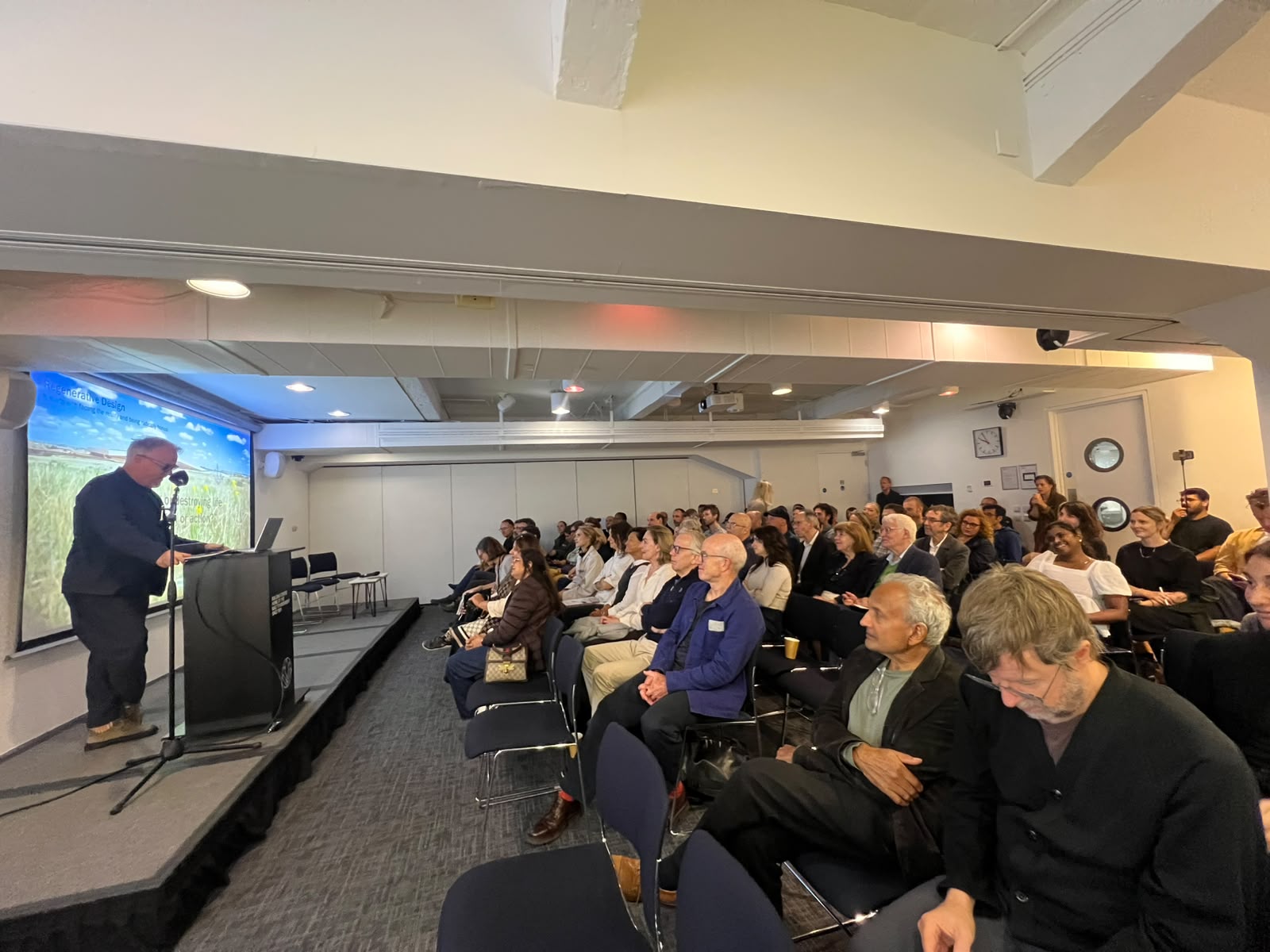
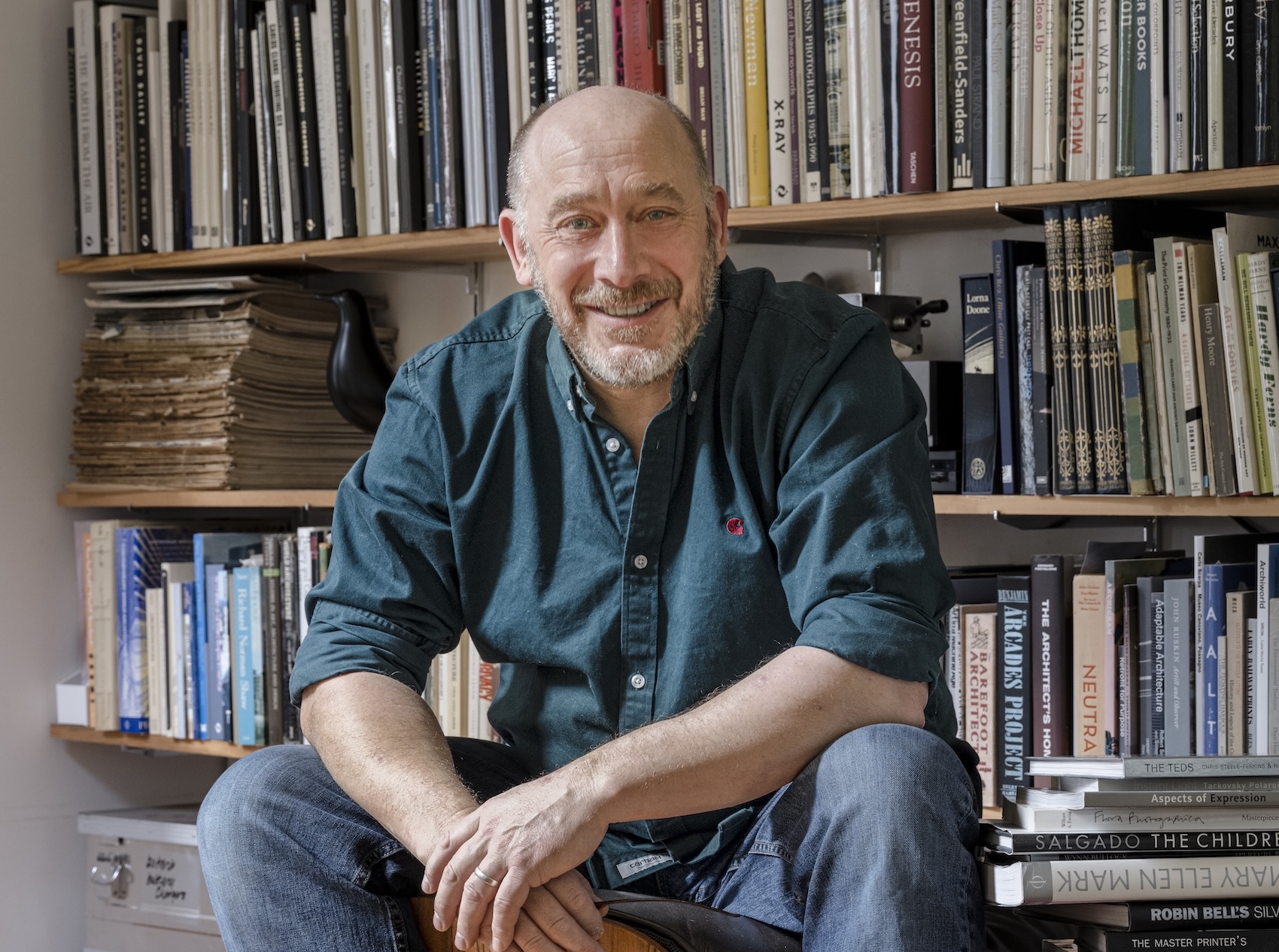
Photographer Timothy Soar is giving a talk on the relationship between the way we document architecture and the transition to regenerative design on the morning of Tuesday October 6th at Regenerative Design 2026. Here he explains why he’s getting involved.
There comes a time at which concern has to become action. For the built environment, that time has arrived.
The central question for our generation is whether the extraordinary intelligence, capital and technical ability concentrated within the built environment can be directed towards making the world measurably better.
That is the territory of regenerative design.
It begins with a simple recognition. Buildings are not isolated objects. They belong to material, ecological, economic and social systems. Every decision about land, structure, energy, materials, manufacture, transport, labour and eventual reuse has consequences elsewhere.
Regenerative design asks us to understand those relationships properly and to design with greater knowledge of their consequences.
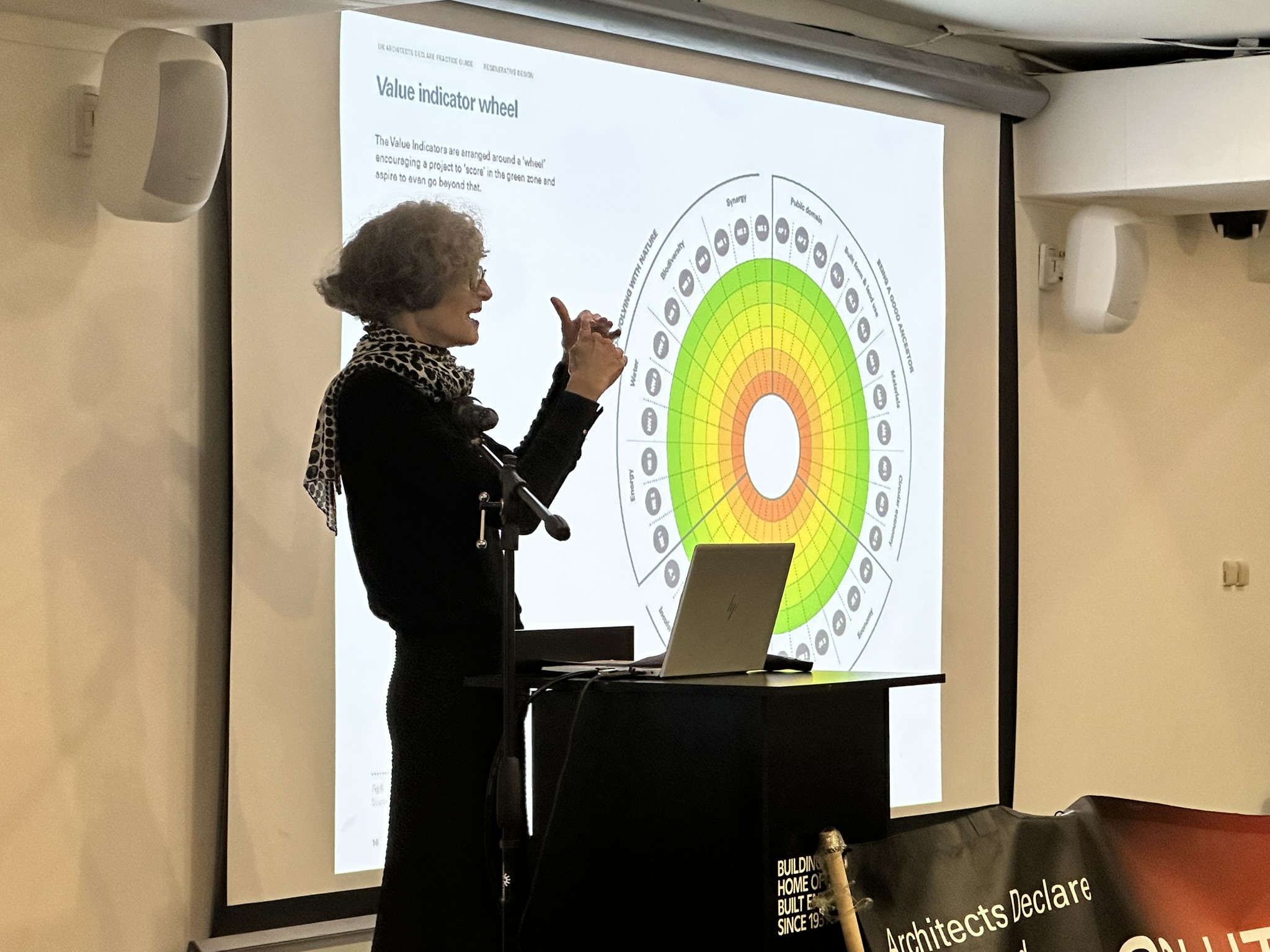
The Regenerative Design Primer and Regenerative Architecture Index form part of this emerging body of knowledge. So do advances in circularity, material stewardship, landscape, systems thinking, procurement and collaborative practice.
During October, that knowledge will come together at The Building Centre at Regenerative Design 2026.
This matters because change of this scale cannot belong to a specialist group. Regenerative design cannot remain an interesting conversation conducted among those who already agree with one another. It has to enter ordinary professional life. It must become part of the daily currency of construction..
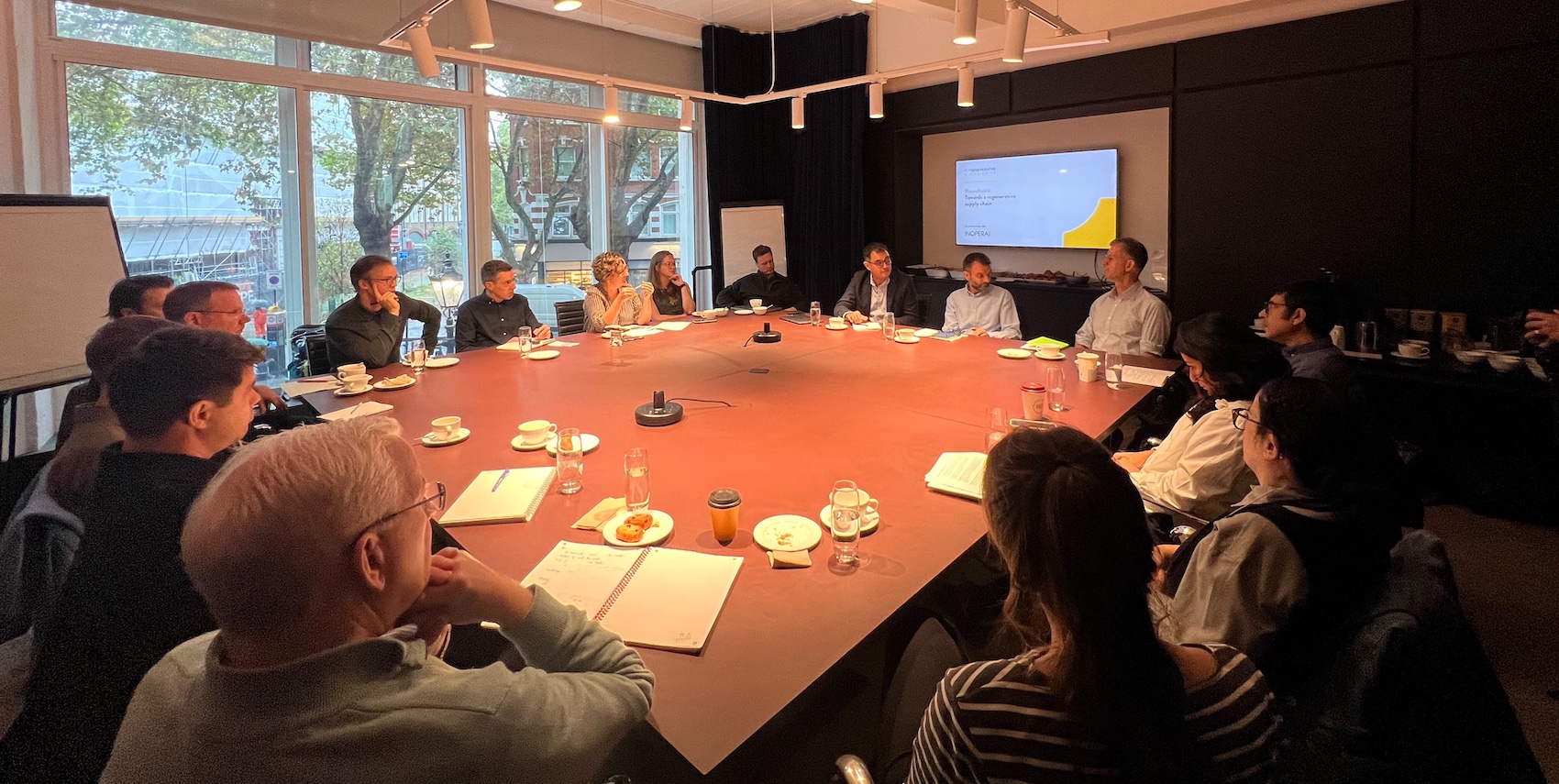
The people making these decisions need to meet. They need to exchange evidence rather than slogans. They need to understand what works, what does not, what remains difficult and where genuine progress is being made. They need to argue, test assumptions and establish better standards of ambition.
The built environment consumes enormous quantities of material and energy and determines the physical conditions in which most human life takes place. The same scale that makes its impact so serious also makes its capacity for change significant.
There is urgency here certainly, but there is also agency. We have an unusual opportunity to decide what we use that extraordinary capacity for.
Regenerative Design 2026 is an invitation to participate in that decision. Come to The Building Centre in October. Bring experience, scepticism, knowledge and ambition. Listen to people outside your discipline. Share what you know. Ask difficult questions. Take useful ideas back into practice.
The work ahead belongs to all of us who make the built world.
What we choose to build, and what our buildings become, will be our record.

Launched by Architecture Today, Regenerative Design 2026 is a month-long programme of exhibitions and events that takes place at the Building Centre throughout October 2026.
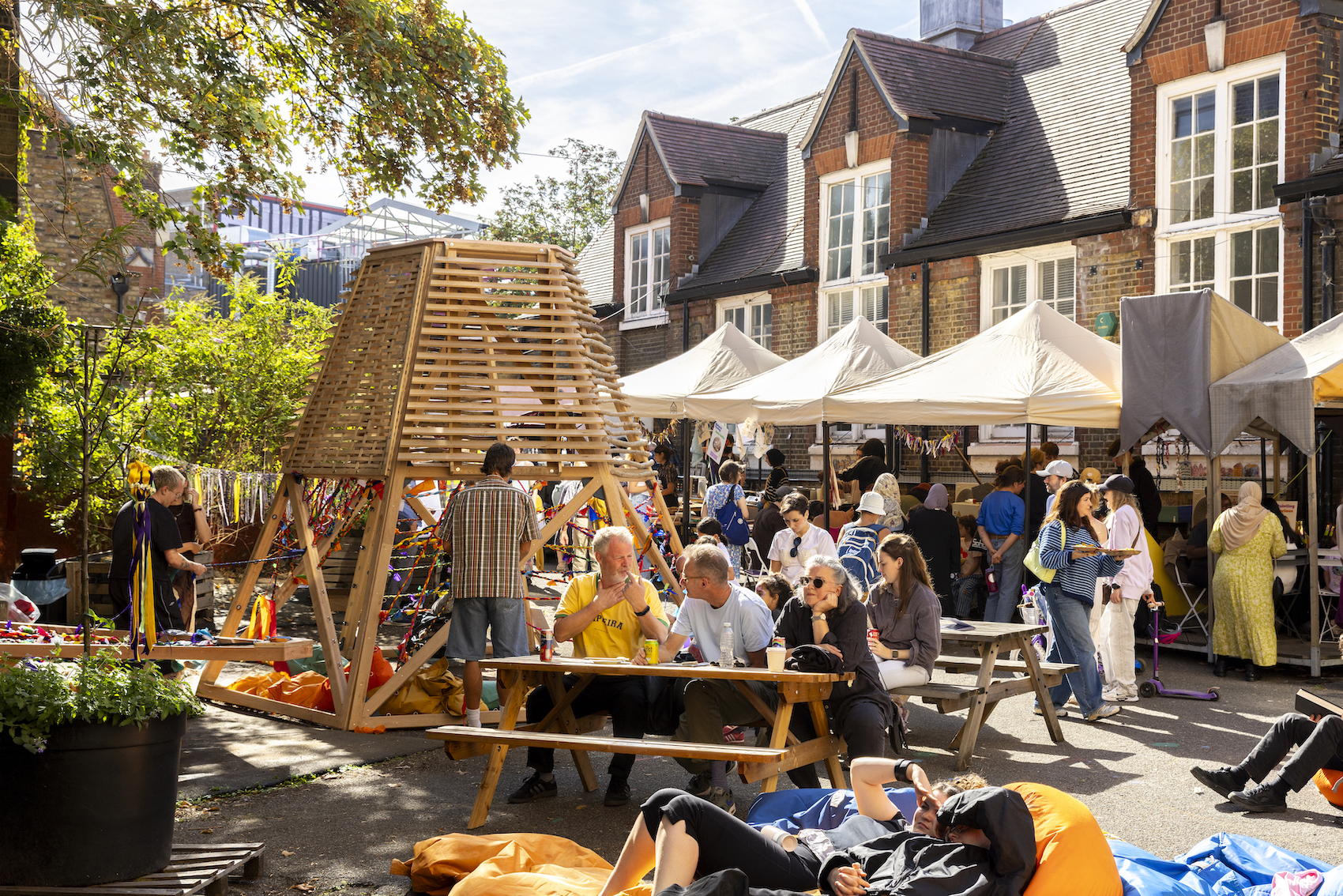
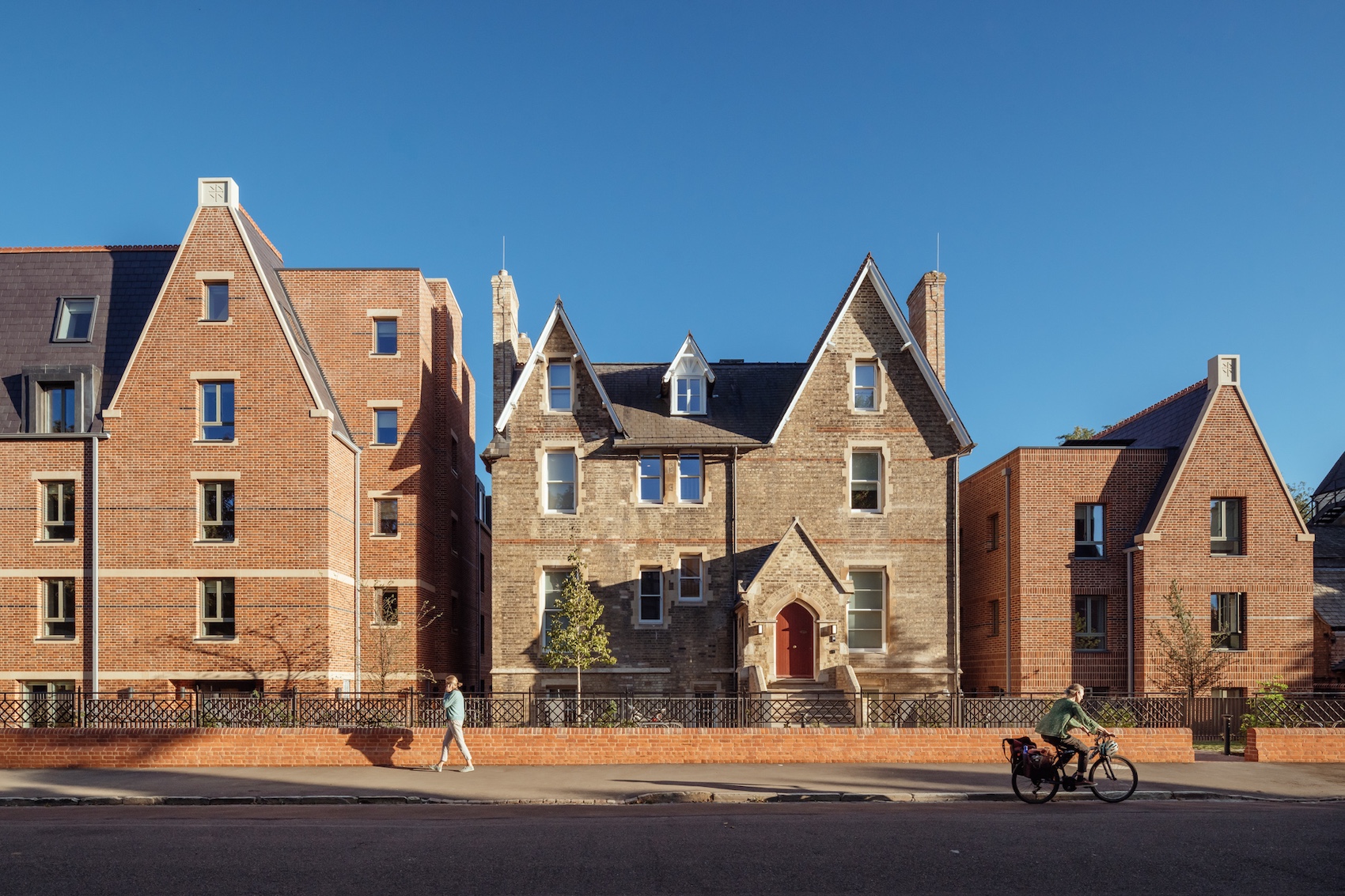
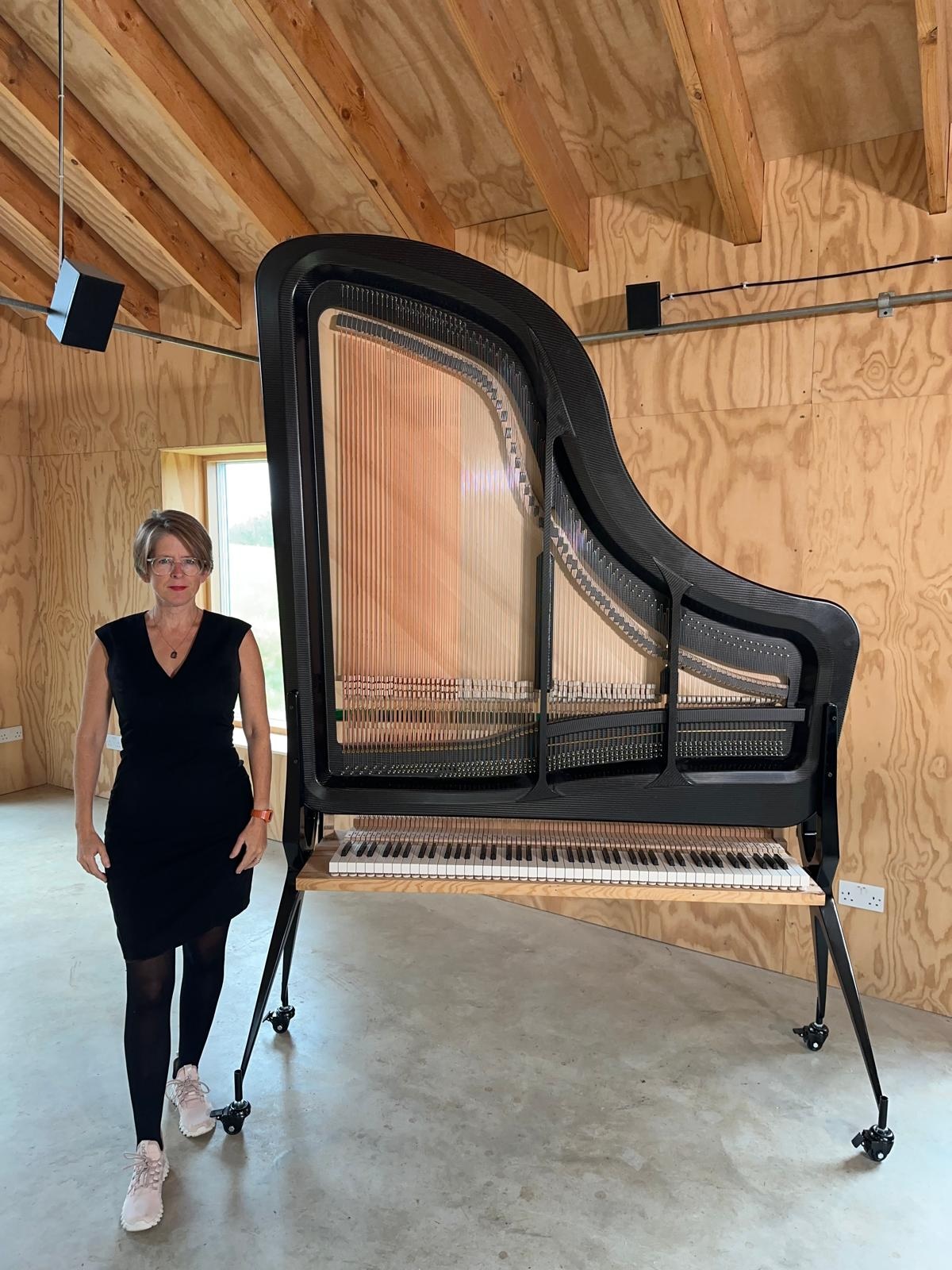
A free-to-attend exhibition of Timothy Soar’s Reinventing Practice, an ongoing photography series documenting the organisations at the forefront of the transition to regenerative design, will be on show at The Building Centre throughout October 2026.