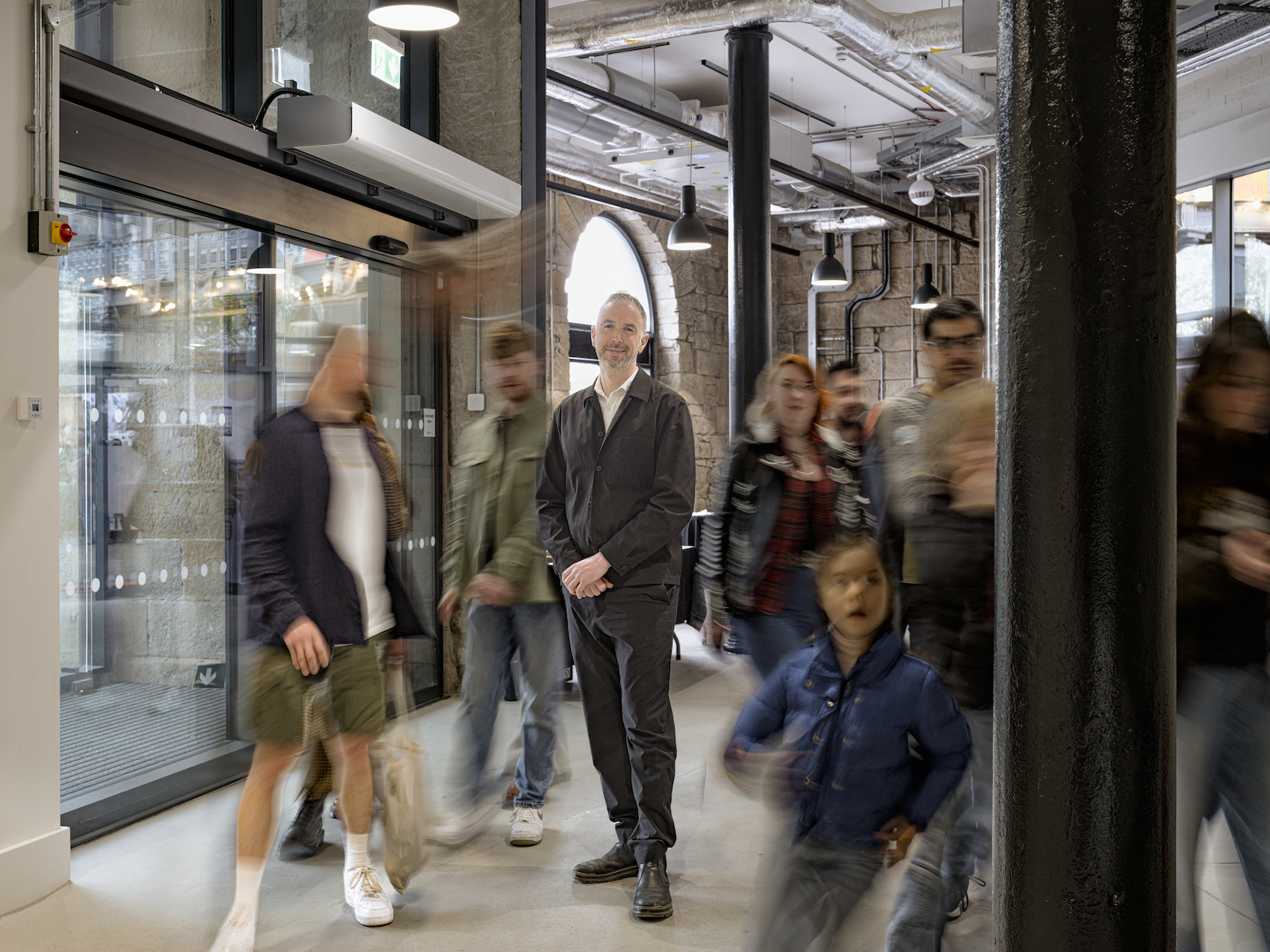
For Mike Russum of Birds Portchmouth Russum, regeneration starts with joy: bringing together climate, water, planting and biomimicry to create adaptable places that work more like healthy ecosystems than isolated buildings.
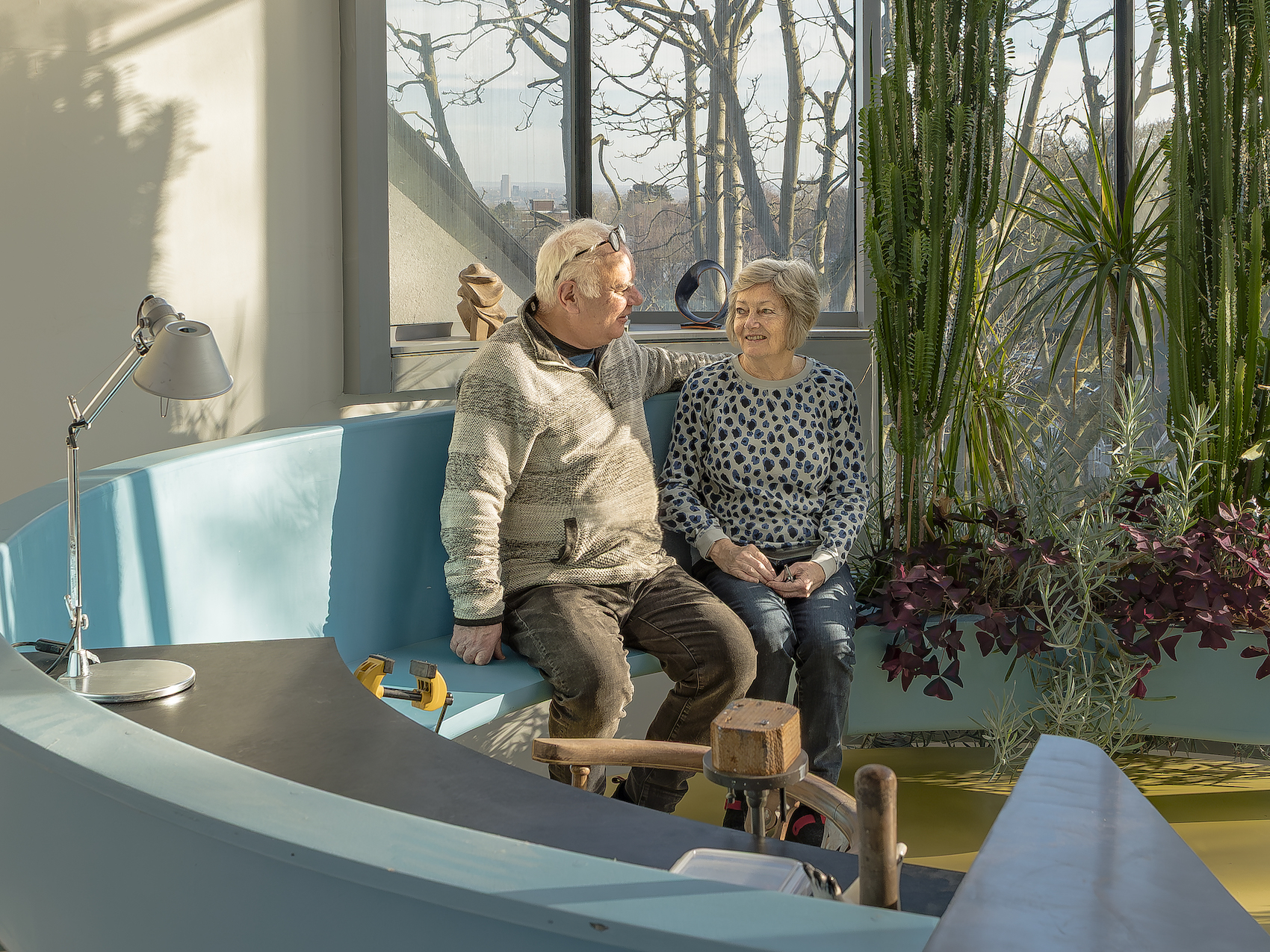
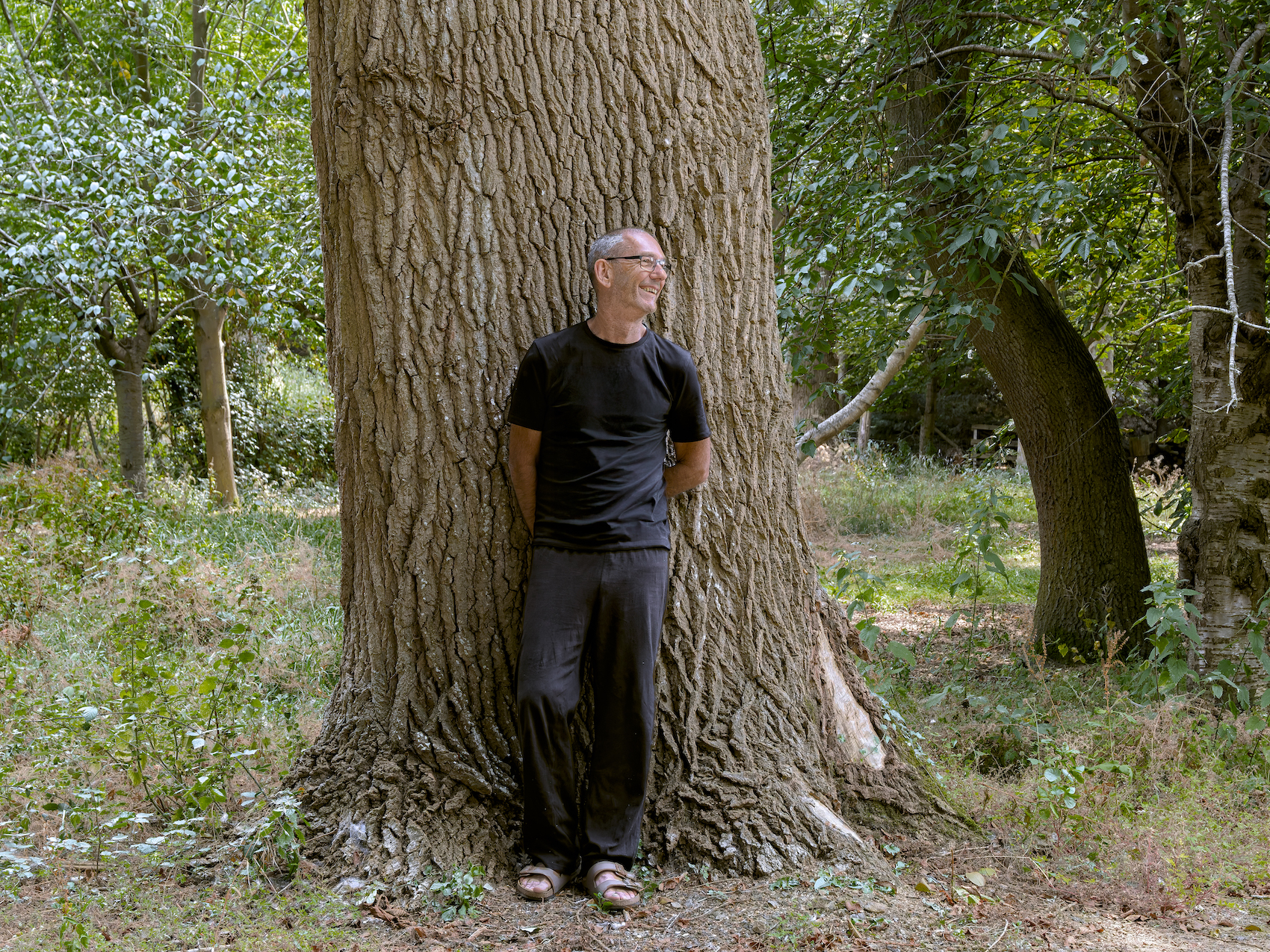
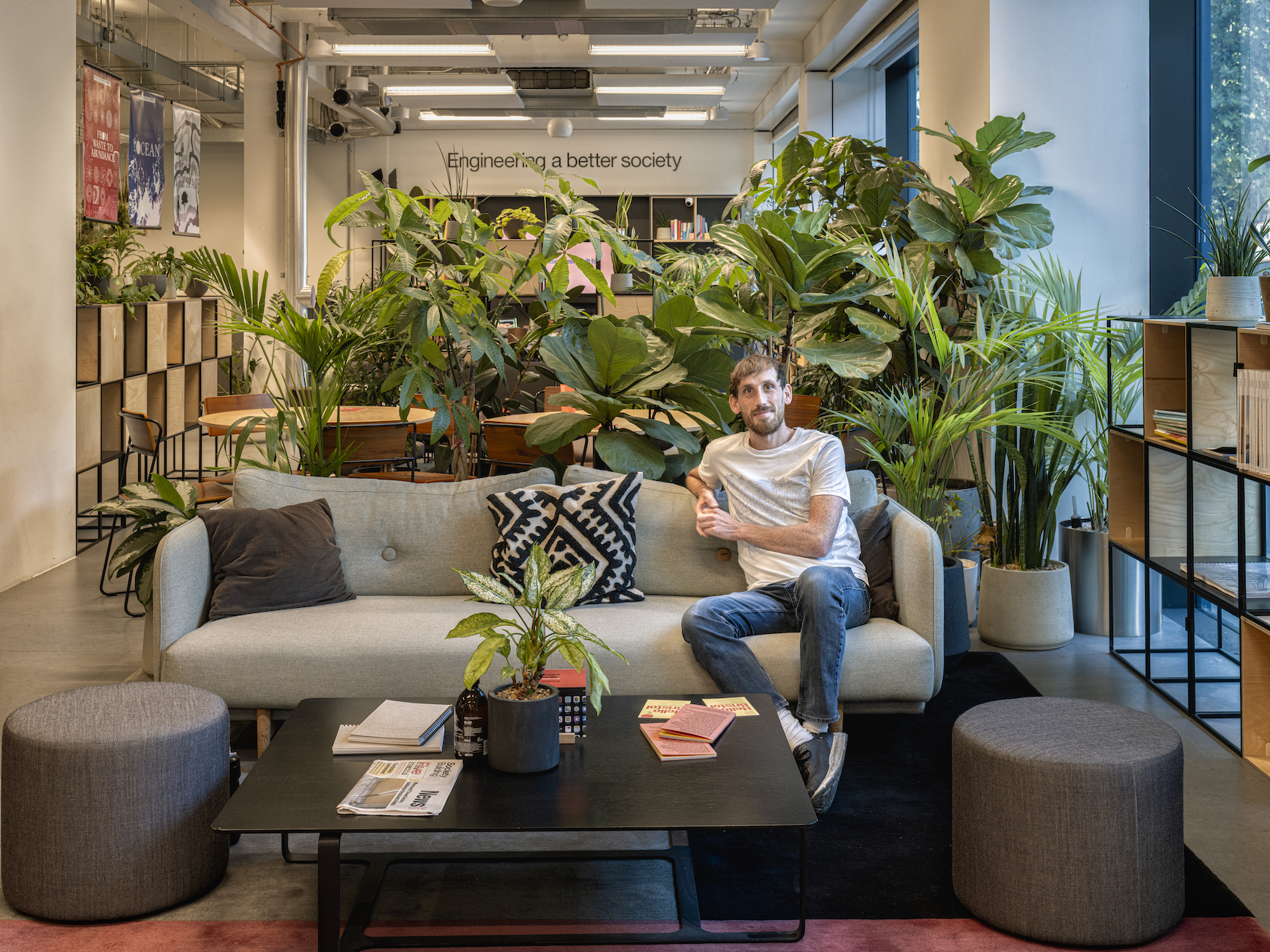
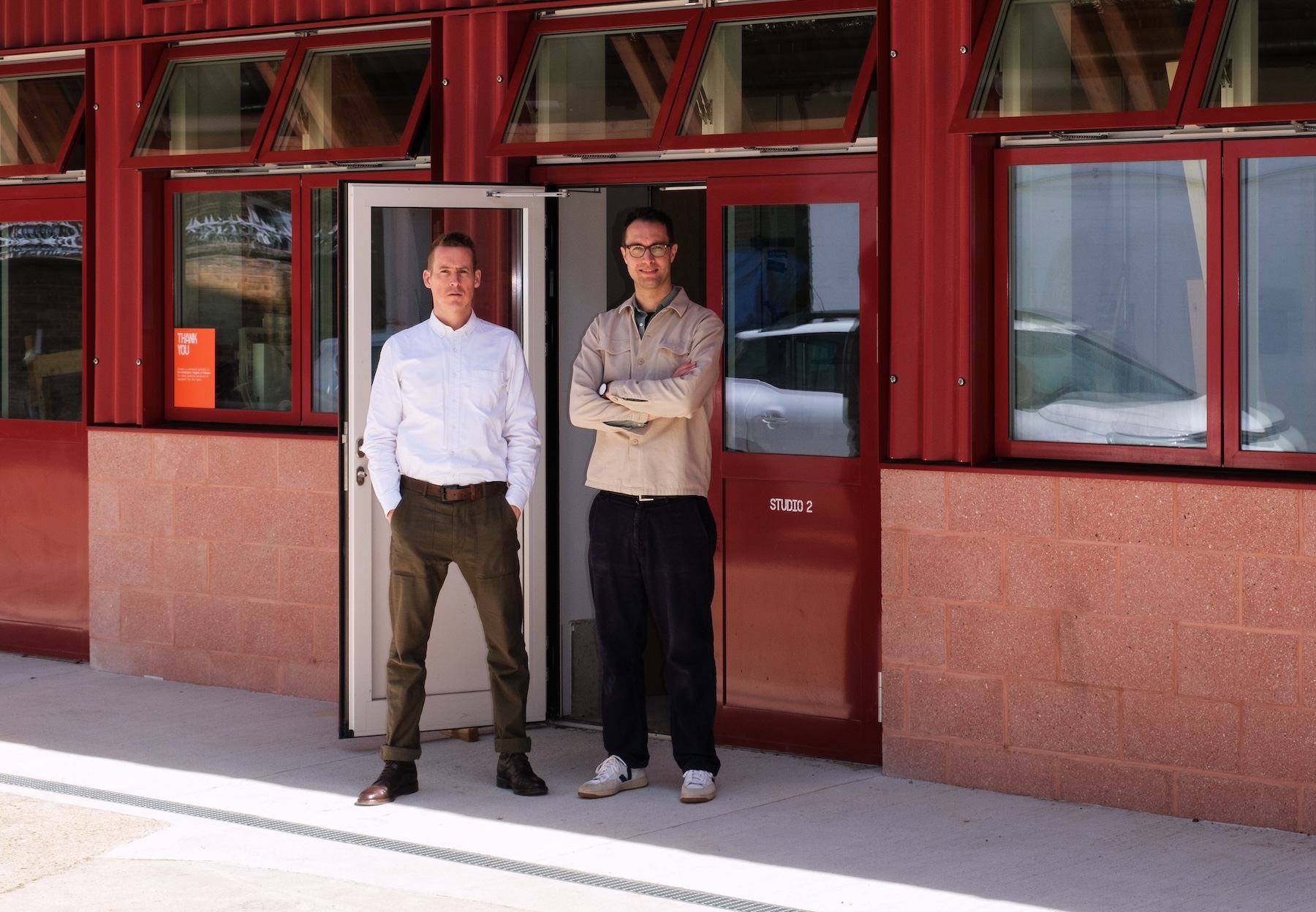
Mike Russum of Birds Portchmouth Russum at 6 Wood Lane, Highgate, London, the house he designed forhimself and his wife Sally Cox, pictured beside him.
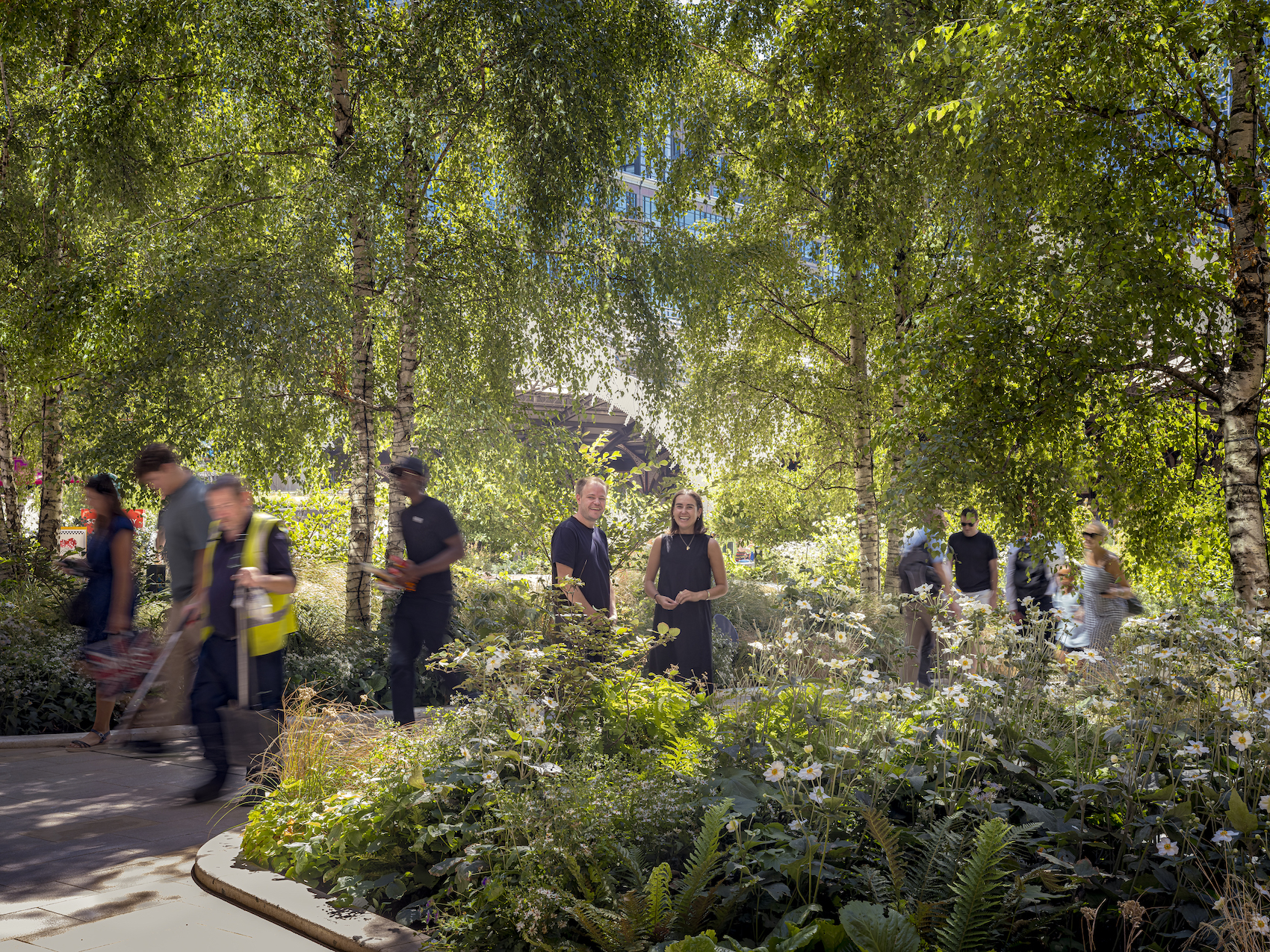
From the inception of our practice in 1989 we have adopted a holistic design approach, which includes micro climate, water, plants and –importantly – joy. Our projects move beyond mere problem solving and embrace creative architectural and environmental design responses, which celebrate positive outcomes for communities, and long-term sustainability. This includes a passive design approach with a focus on humane, environmentally-friendly buildings and places that improve the health and well-being of all those who use and encounter them.
A sustainable masterplan connectspeople, place, and purpose. Our designs establish longevity through permeability, diversity of use, green infrastructure, active travel and transportation, and flexibility. We create well-supported spaces and places that enhance existing and new communities –places that meet immediate housing and social needs but also stand the test of time.
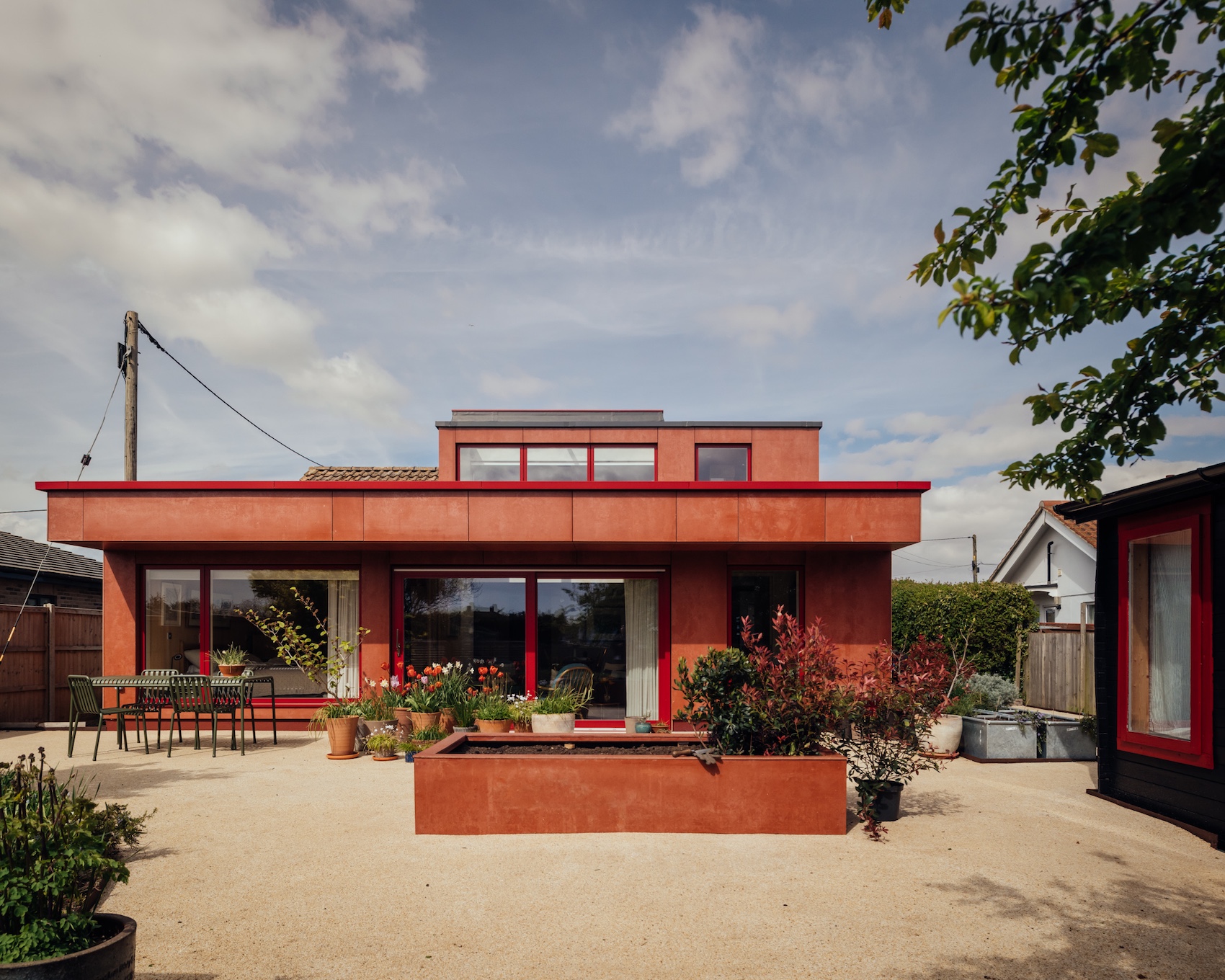
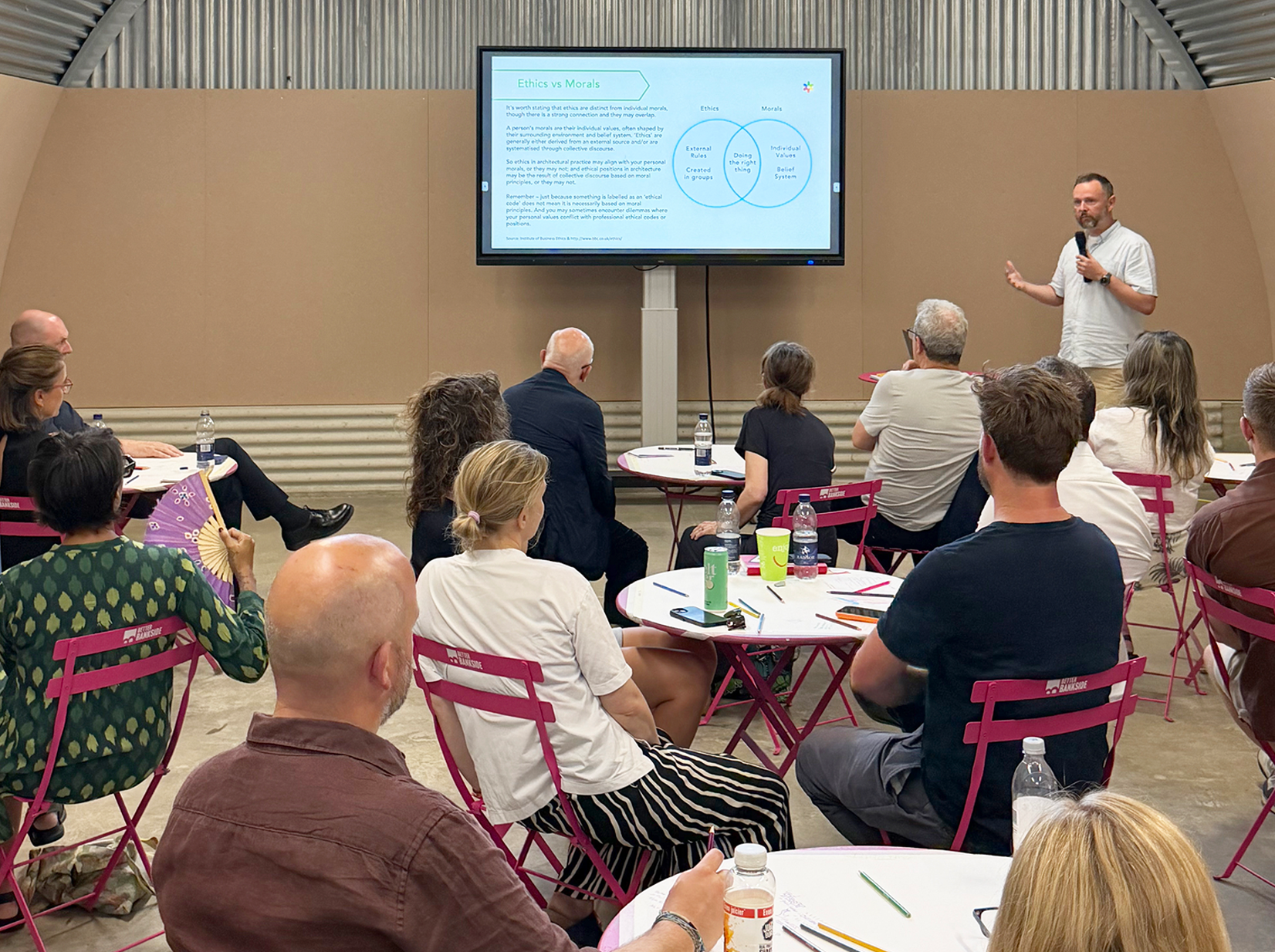
Biomimicry is a catalyst for our design approaches and can be seen in almost all of our projects, such as the CLT rib-like arched profiles used to form the superstructures at Downley House and Wood Lane. The failure to align regulatory frameworks and industry standards with regenerative thinking is stopping us from moving away from compliance-based approaches towards a more holistic approach and systemic transformation aspiring to the natural world.
Mike Russum
Birds Portchmouth Russum
London N1

All photographs in the Reinventing Practice series will be on show at Regenerative Design 2026, a month-long programme of exhibitions and events that takes place at the Building Centre throughout October 2026.