AccuRoof Sales Director Ian Dryden discusses how the Building Safety Act is strengthening design accountability, and why robust technical evidence and greater control over product substitutions are essential to protecting compliance and reducing risk.
In association with
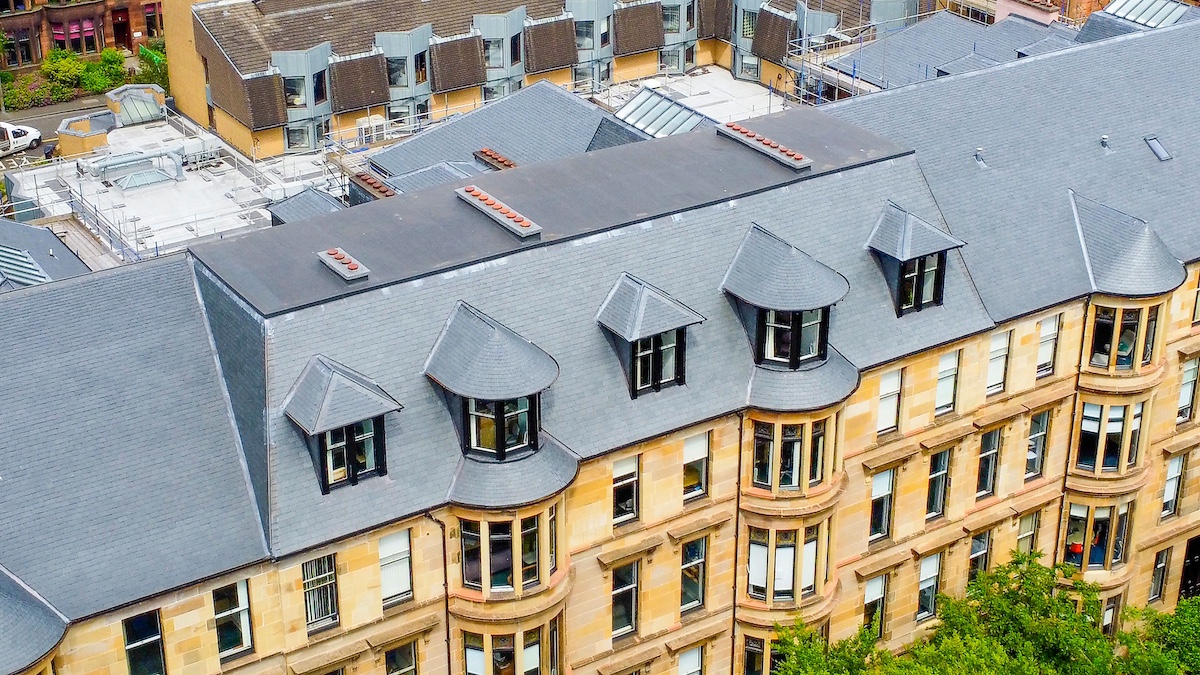
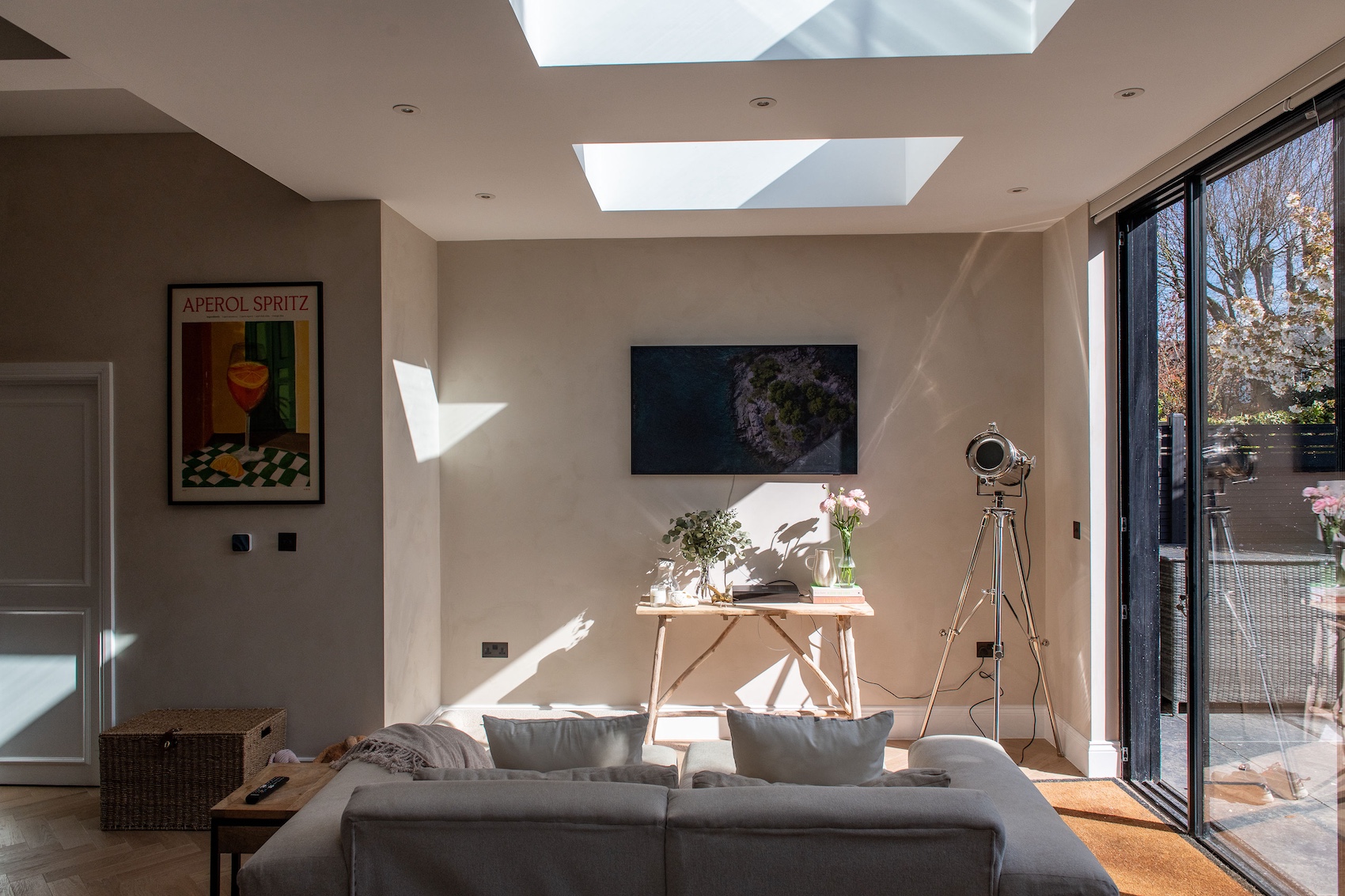
SIGA 120 natural slate was specified for the refurbishment of 2,500 square metres of roofing at the University of Glasgow’s historic buildings on Hillhead Street and Great George Street, preserving their architectural character while improving weather protection and thermal performance (photo: AccuRoof).
Since the introduction of the Building Safety Act 2022, much of the construction industry’s attention has focused on Higher-Risk Buildings (HRBs). But the legislation has far wider implications, extending responsibilities for compliance, design accountability and evidence-based decision-making across virtually all types of building work. For architects, this brings greater scrutiny of specifications and design changes, but also provides a stronger regulatory basis for challenging unsupported product substitutions.
AccuRoof Sales Director Ian Dryden explores how architects can use the Building Safety Act to protect design intent, maintain compliance and reduce professional risk. Drawing on roofing examples, including BROOF(t4) fire classification and Approved Document L requirements, he explains why robust technical evidence, clear documentation and greater control over specification changes are essential to safeguarding building performance.
A shift towards design accountability
Sections 33 and 34 of the Building Safety Act establish a framework for managing design information, approved changes, compliance records, and dutyholder responsibilities. Importantly, Section 33 specifically creates powers relating to the approval of changes to previously approved designs, while Section 34 enables duties to be imposed on those involved in planning and managing construction work.
The consequence is clear: any party that proposes a change to a product specification, performance specification, or approved construction detail may assume responsibility for demonstrating that the revised solution remains compliant with the Building Regulations.
For architects, this reinforces the importance of robust specification writing, but it also provides a mechanism for ensuring that design decisions are not undermined by unsupported substitutions during procurement or construction.
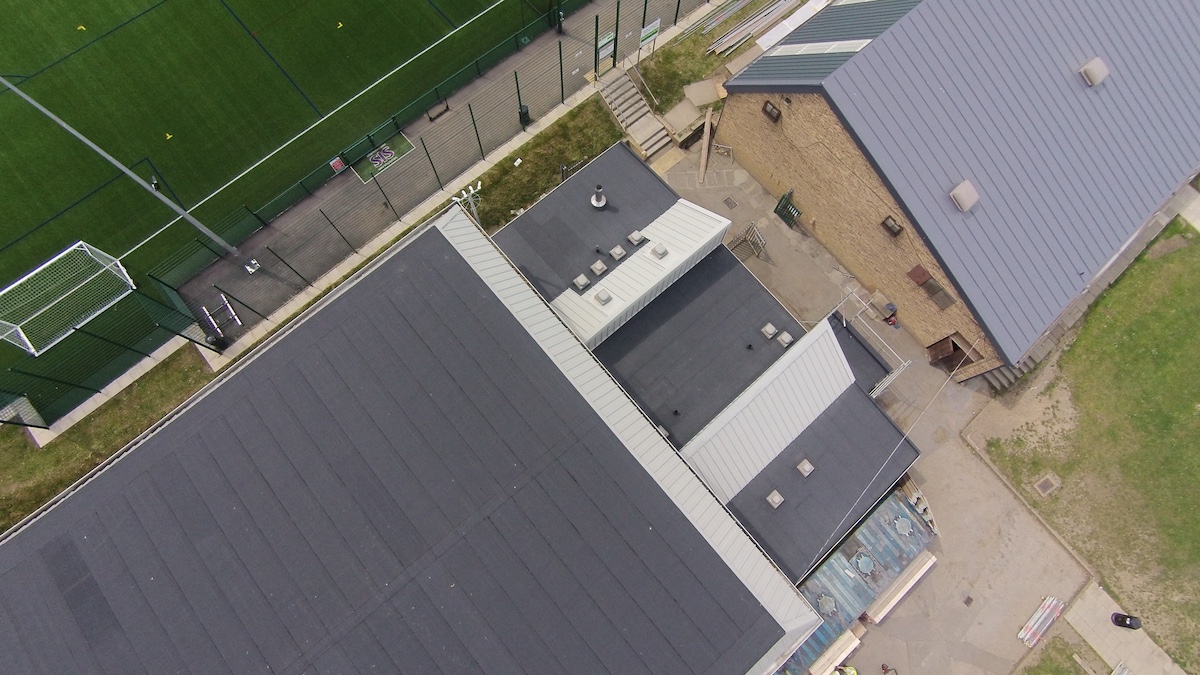
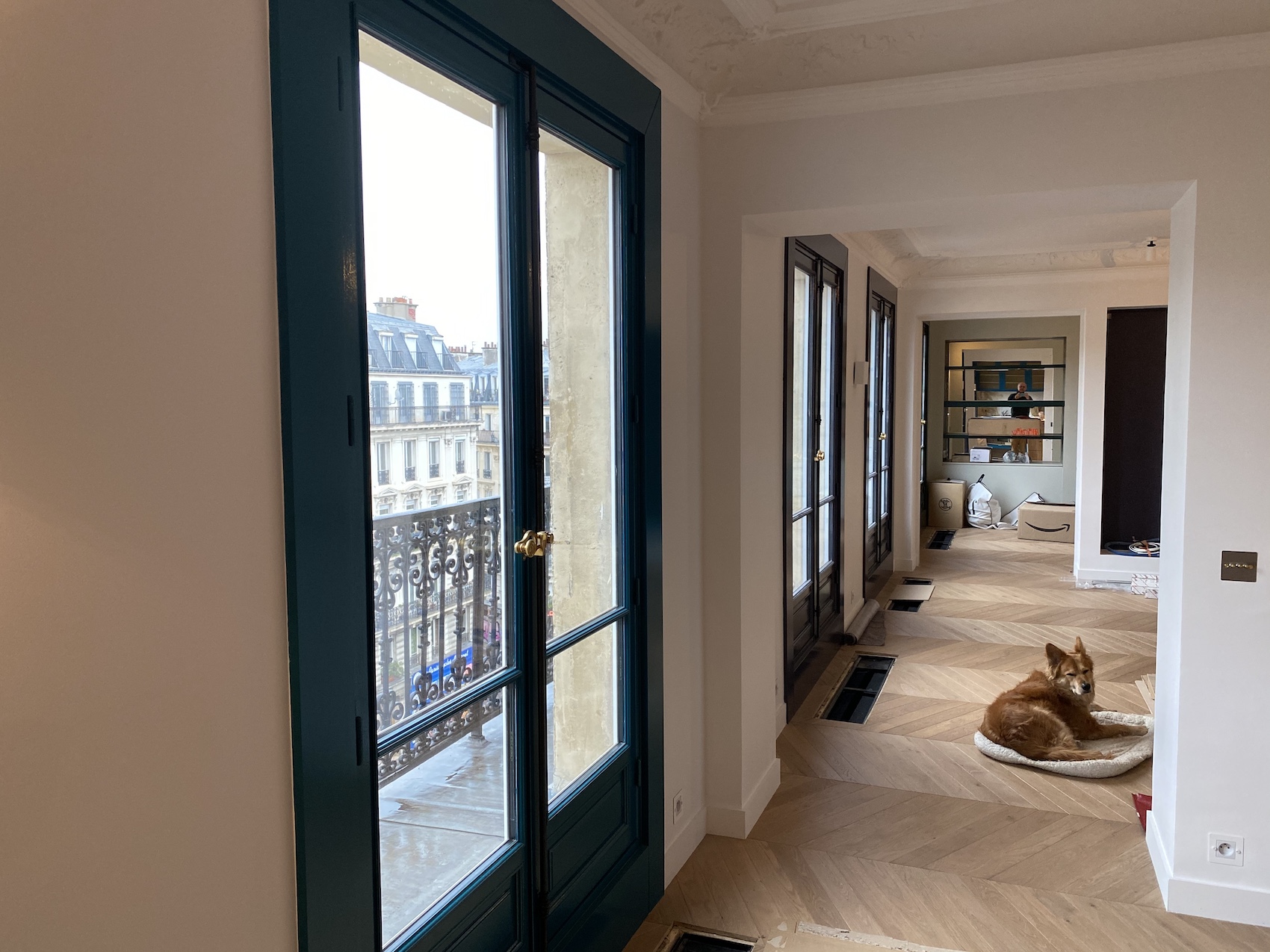
SIGnature bituminous torch-on waterproofing and Armourplan single-ply PVC membrane were used in the refurbishment of 1,740 square metres of roofing at St John’s School in Bishop Auckland, County Durham, following a successful Condition Improvement Fund bid to address persistent water ingress and replace ageing roof coverings (photo: Terence Smith Photography).
Strengthening the architect’s position
Historically, architects have faced pressure to accept value-engineering proposals driven primarily by programme constraints, material availability, or cost savings. The Building Safety Act changes that discussion. Rather than defending a product specification based on preference or previous experience, architects can now legitimately require evidence that any proposed alternative satisfies the same regulatory requirements as the original design.
When a contractor proposes a substitution, architects should establish whether the alternative maintains compliance, whether its fire performance has been verified, and whether it affects thermal performance calculations. They should also consider whether existing approvals or certifications remain valid and whether sufficient supporting evidence has been provided. If these questions cannot be answered, there is a regulatory basis for rejecting the proposed change.
BROOF(t4): A practical roofing example
One of the clearest examples can be seen within roofing specifications. Approved Document B requires roofs to adequately resist the spread of fire over the roof and from one building to another under Requirement B4. Roof systems are classified under BS EN 13501-5, with BROOF(t4) representing the highest classification for external fire performance and commonly regarded as the most straightforward route to demonstrating compliance. The appropriate classification depends on factors such as building use, roof area and distance to the relevant boundary, with guidance provided in Table 14.1 of Approved Document B.
Crucially, BROOF(t4) applies to the entire tested roof system, not individual components. A change to the membrane, insulation, fixing methodology or manufacturer can invalidate the original fire classification. This gives architects a powerful defence when faced with roofing substitutions. If a contractor proposes an alternative system, the burden should sit with the party proposing the change to provide evidence demonstrating that the revised build-up achieves equivalent BROOF(t4) performance and remains compliant with Approved Document B.
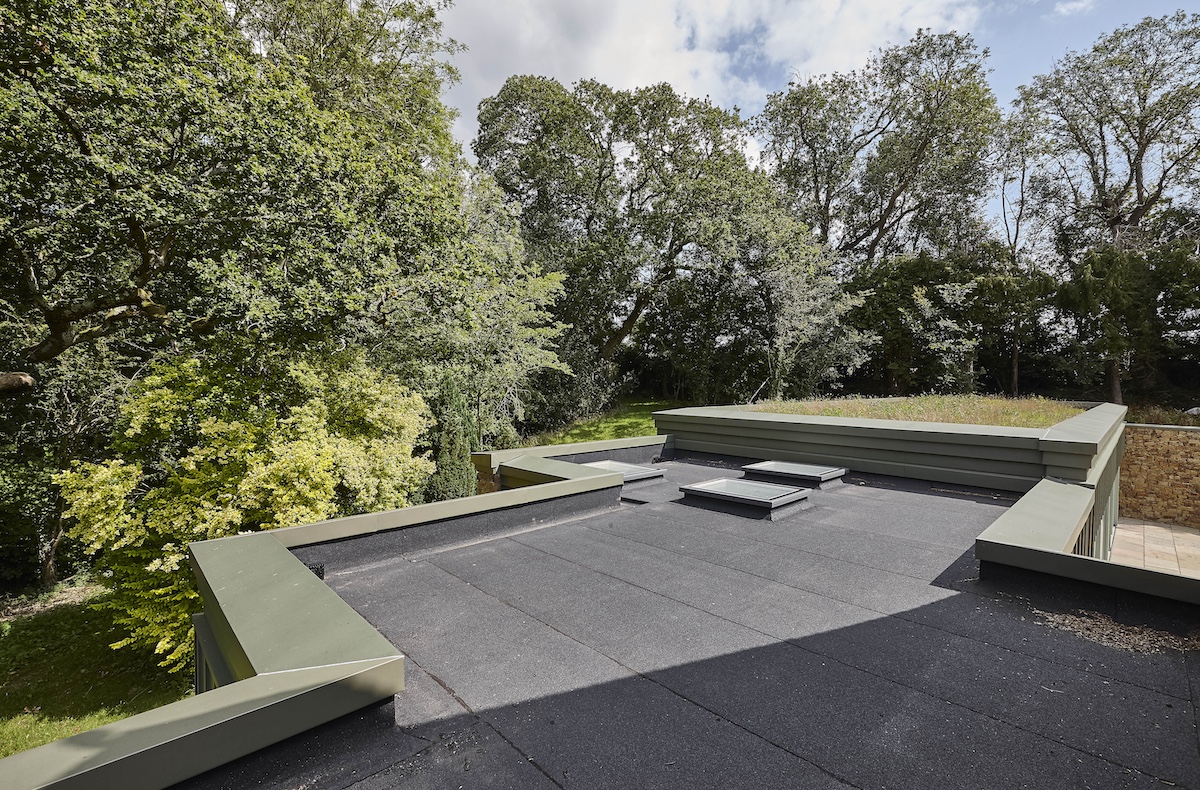
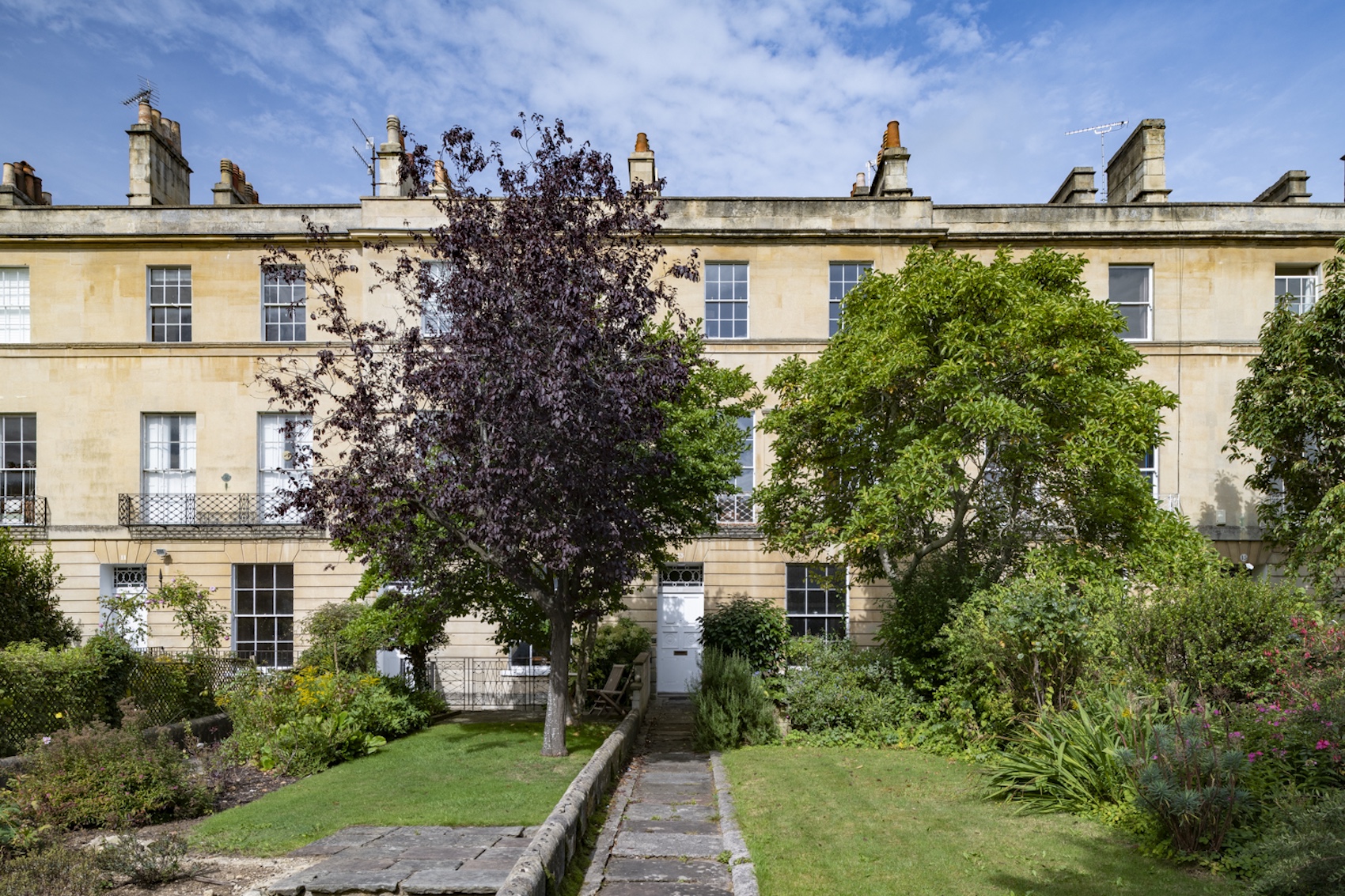
Private house in Chichester, West Sussex, designed by Bayside Architectural Design. The flat roof design comprises two elements: an Eco Green Roof which sits over the swimming pool and a smaller lower roof incorporating SIGnature bituminous waterproofing linking the main house with the pool (photo: Adam Coupe).
Safeguarding thermal performance
The same principles apply to energy performance. Where a proposed substitution affects insulation performance, thermal conductivity, U-values, air permeability, condensation risk or overall energy efficiency, the revised design must continue to satisfy Approved Document L requirements. Architects should therefore require full supporting evidence before accepting alternative insulation products or roofing build-ups. The Building Safety Act framework supports this approach by placing greater accountability on those proposing and implementing design changes.
Construction product liability and professional risk
Part 5 of the Building Safety Act 2022 introduces significant new provisions relating to construction products, including liability associated with construction product performance and compliance. These provisions increase scrutiny of product selection, marketing, specification and substitution.
For architects, maintaining clear specification rationale and requiring robust evidence for any proposed changes are therefore more important than ever. Well-documented decisions supported by test evidence and certification provide valuable protection should compliance or performance be questioned in the future.
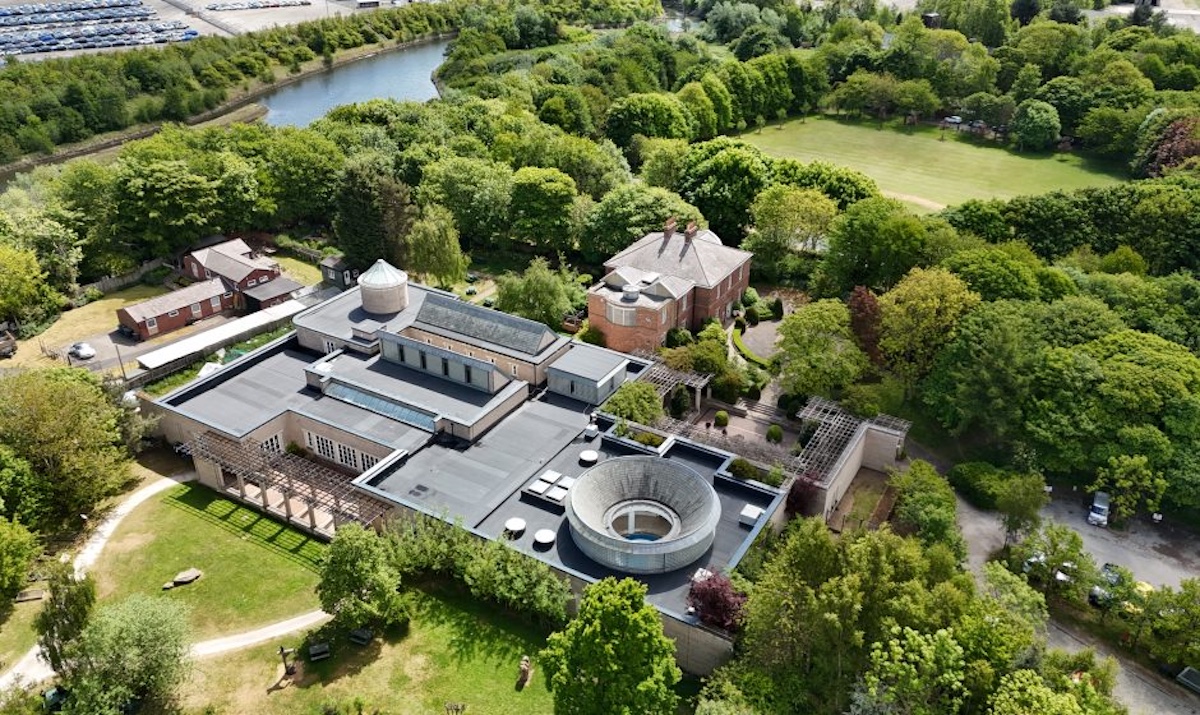
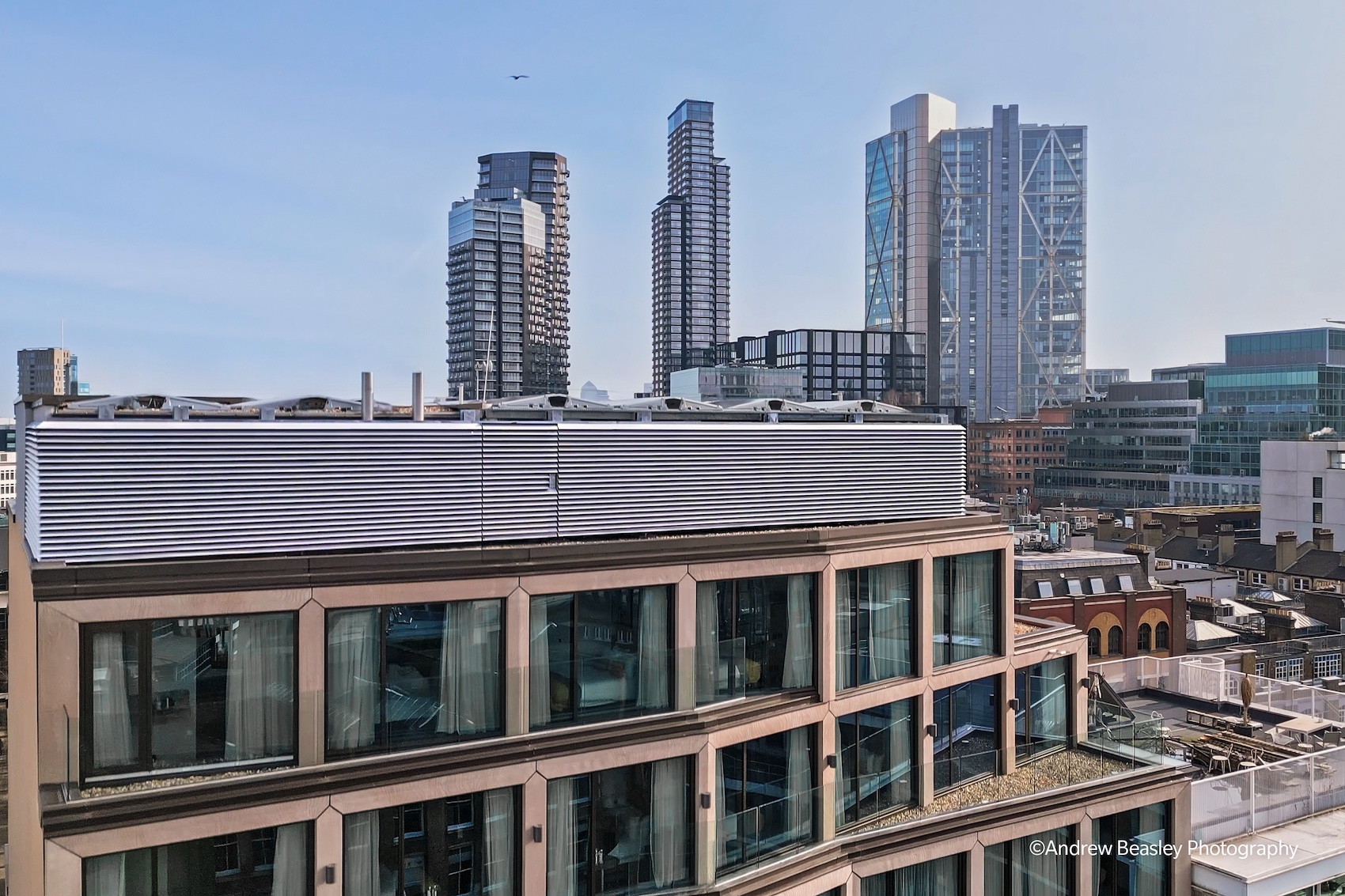
A SIGnature 25 Torch On reinforced bitumen warm roof system was installed at Jarrow Hall Bede Museum in South Shields after the previous flat roof failed (photo: John Flowers Flat & Industrial Roofing).
Using the Building Safety Act to defend specifications
Rather than viewing the legislation as an additional burden, architects can use it as a practical tool to support design integrity. When faced with a proposed substitution, the starting point should be to establish whether the change affects compliance with Approved Document B or Approved Document L, whether equivalent testing has been undertaken and whether the revised system retains the necessary certification. Documentary evidence is essential. Where suitable evidence cannot be produced, there is a strong basis for maintaining the original specification.
The role of specialist technical support
The increasing focus on accountability means architects need confidence that the systems they specify will continue to satisfy regulatory requirements throughout a project’s lifecycle. This is where AccuRoof can provide valuable support. By providing specialist roofing expertise, fire performance guidance, BROOF(t4) system knowledge, thermal performance assessment and robust technical evidence, AccuRoof can help architects develop specifications that are both compliant and defensible. When substitutions are proposed, AccuRoof can assist in reviewing alternative systems, verifying test evidence and assessing their impact on Approved Document B and Approved Document L compliance. In an environment where design decisions are increasingly scrutinised, having access to specialist technical support helps architects protect design intent, maintain regulatory compliance and demonstrate due diligence throughout the project.
Protecting design integrity
The Building Safety Act 2022 extends well beyond Higher-Risk Buildings, introducing a framework of accountability that affects a wide range of construction projects. For architects, this brings additional responsibilities but also strengthens their position when challenging unsupported product substitutions and defending carefully considered specifications. By maintaining robust documentation, demanding appropriate technical evidence and seeking specialist support from companies such as AccuRoof, architects can approach specification management with greater confidence, knowing that compliance, performance and safety remain at the centre of every design decision.